$370
Avg. Nightly Rate
53%
Avg. Occupancy Rate
$3,100
Avg. Monthly Revenue
5-8%
Est. Cash-on-Cash ROI
HIGH
Seasonality
MEDIUM
Regulatory Burden

* Market averages. Cavmir-managed properties typically exceed these figures by 25–45%. Data sourced from AirDNA, STR market reports, and Cavmir internal analytics.

The Market

Why Traverse City is One of the World's Premier STR Markets

Traverse City sits at the base of Grand Traverse Bay in northern Michigan, surrounded by the two things that built its tourism economy: water and cherries. Sleeping Bear Dunes National Lakeshore is forty minutes west, the wineries of Old Mission and Leelanau peninsulas frame the bay on both sides, and the water itself runs a Caribbean shade of turquoise that first-time visitors don't believe until they see it. The National Cherry Festival packs the town every July, the wine harvest carries September and October, and a real ski-and-snowshoe winter hangs on around the edges. For owners, the catch is geography of a different kind: the city, the townships and the peninsulas all regulate short-term rentals differently, and where your property sits matters as much as what it looks like.

This is a summer-peaked market with a genuinely useful shoulder. July occupancy across the area runs above 80% while March drops near 30% — a swing that separates the marketed properties from the neglected ones fast. Blended nightly rates land around $370 with annual occupancy near 53%, stronger for waterfront and for anything walkable to Front Street. The demand mix is Midwest families in the summer, wine-trail couples in September and October, and a steady drip of festival, foliage and Interlochen traffic in between. The National Cherry Festival in early July is the single biggest week of the year, and the Iceman Cometh mountain-bike race fills a November weekend most owners have already written off.

Top Attractions & Landmarks

  • Sleeping Bear Dunes National Lakeshore
  • Old Mission Peninsula wineries
  • Leelanau Peninsula wine trail
  • Front Street, downtown Traverse City
  • Clinch Park Beach
  • Mission Point Lighthouse
  • The Village at Grand Traverse Commons

Nearby Markets: Mackinac Island  |  Chicago  |  Minneapolis

Airbnb marketing services in Traverse City, Michigan, USA
Postcards

Traverse City through the lens

A few of the visual fingerprints we lean into when we shoot, brand and market a Traverse City property — courtesy of the open Wikimedia Commons archive.

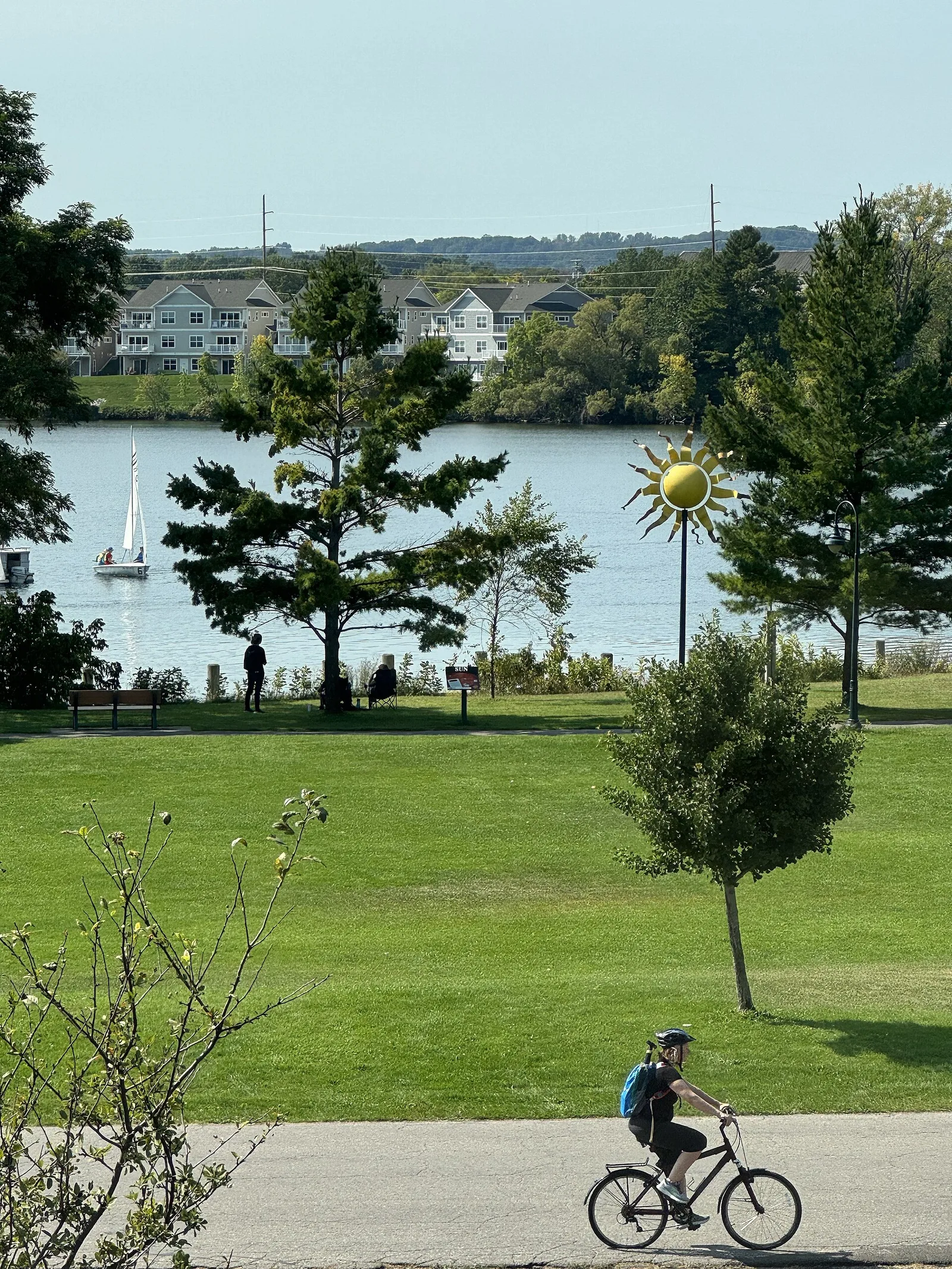
Hull Park, Traverse City, MI — Traverse City airbnb marketing
Local Color
Hull Park, Traverse City, MI
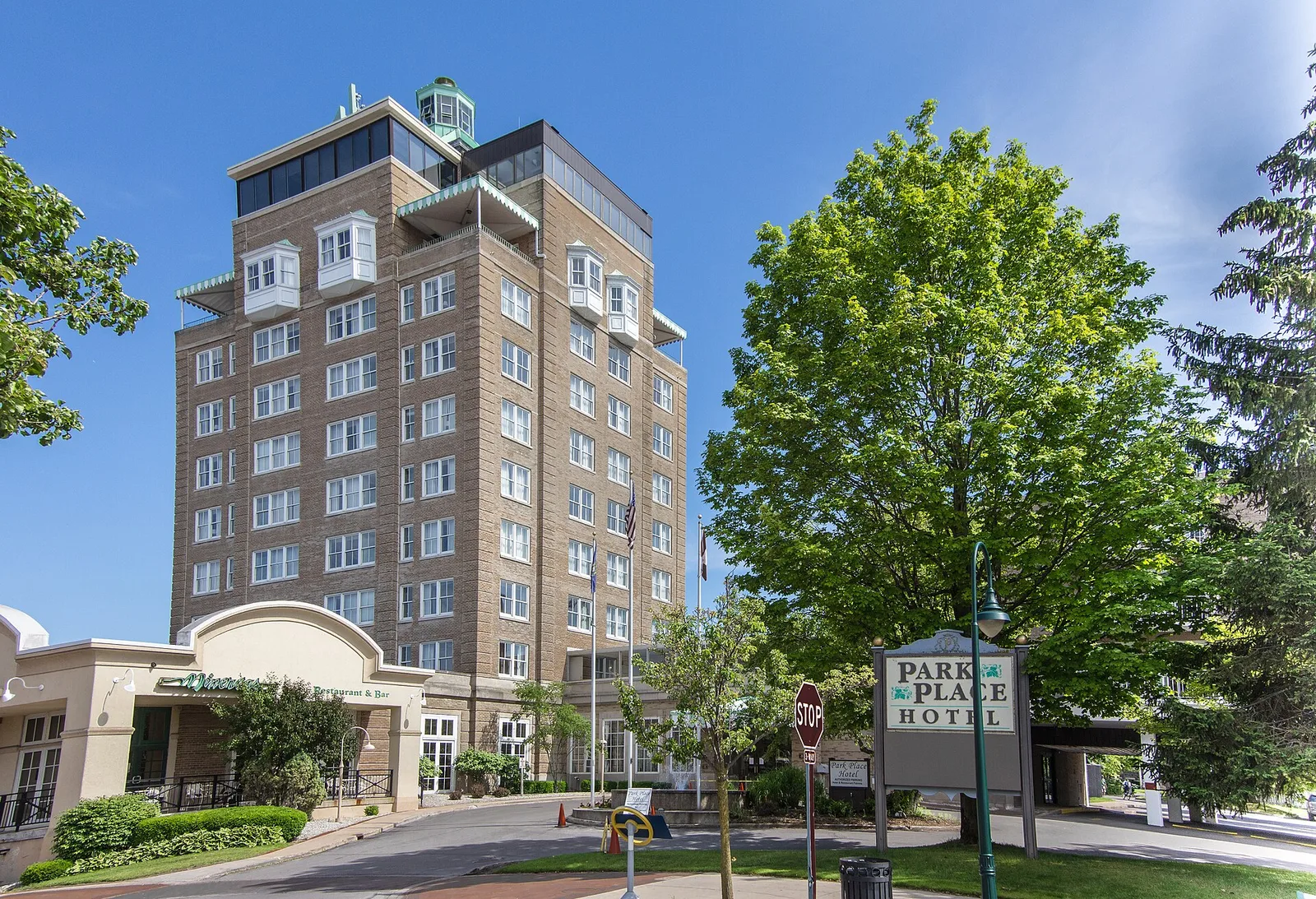
Park Place Hotel — Traverse City airbnb marketing
Local Color
Park Place Hotel
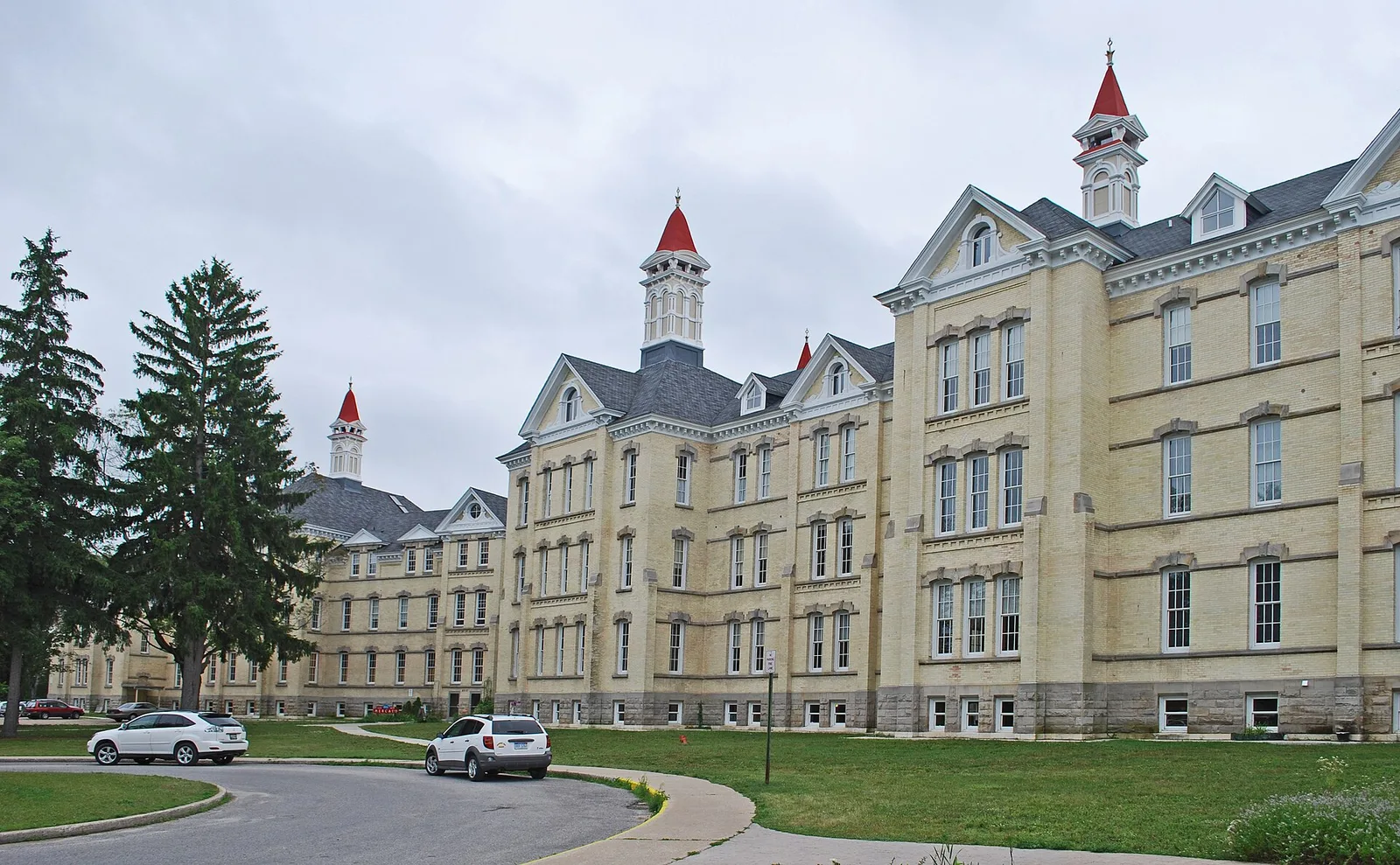
NorthernMichiganAsylumCTraverseCityMI — Traverse City airbnb marketing
Local Color
Traverse City Local Landmark
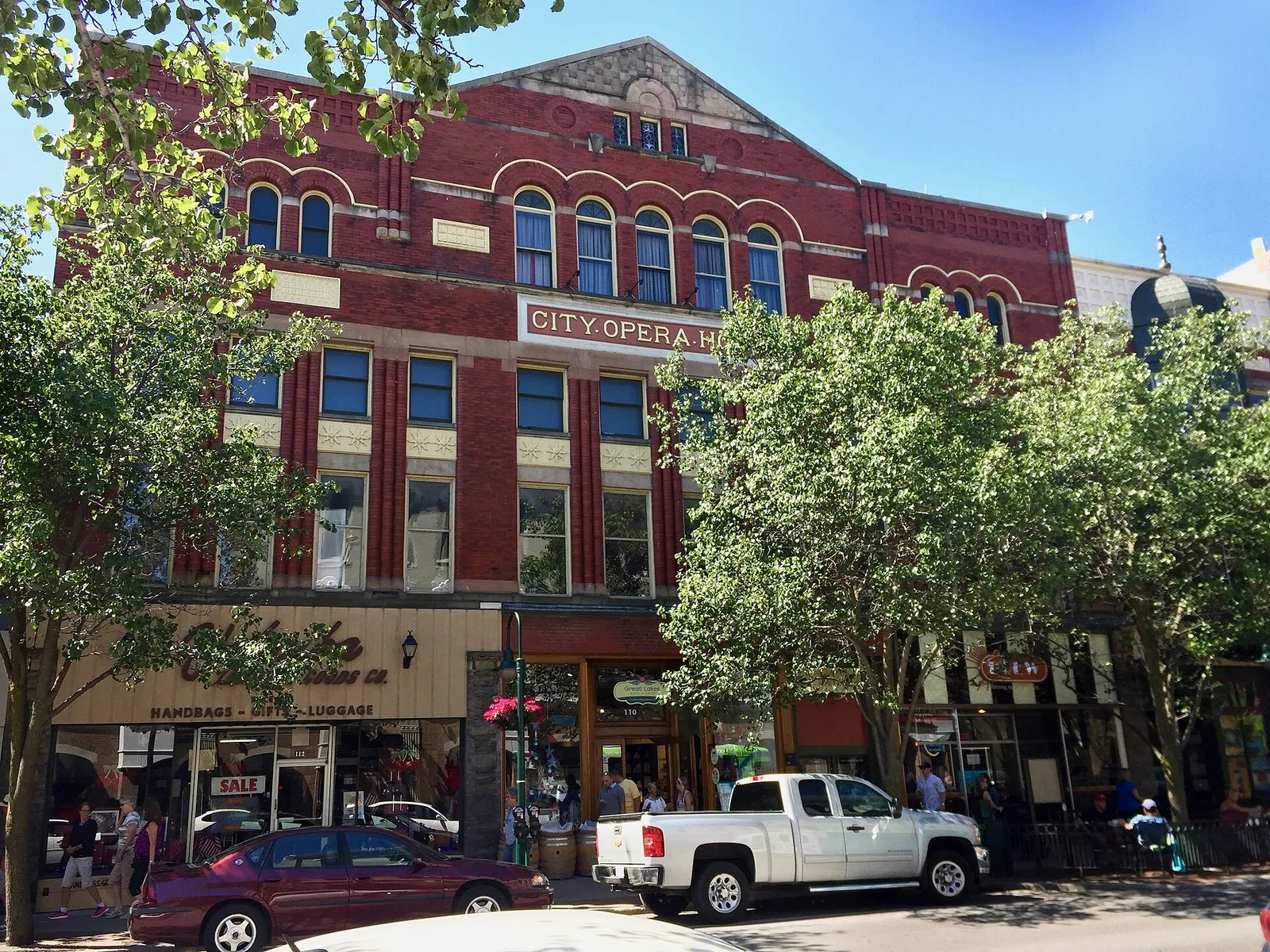
City Opera House, Traverse City, MI — Traverse City airbnb marketing
Local Color
City Opera House, Traverse City,
Why Cavmir

The Cavmir Advantage
in Traverse City

Cavmir wins in Traverse City because the scenery does half the job and almost nobody photographs the other half. Listings here show a deck and a grill and skip the turquoise bay, the dune light and the vineyard rows that guests are actually buying. We shoot the water and the seasons properly, write listings that name the peninsulas and the beaches, build direct-booking websites for cottages, inns and small resorts, and price the festival and harvest calendar deliberately. For the region's inns and boutique lodges, we run full hotel marketing against the chains along US-31. We help position and market your property. We never manage it or touch your keys.

State of the Industry · History

The Traverse City STR Market — Past & Present

Traverse City started as a sawmill. Captain Boardman built the first one at the mouth of the river in 1847, Hannah, Lay & Company bought it and cut the white pine for decades, and the town that grew around the mill would have faded with the timber if not for a missionary's orchard: Reverend Peter Dougherty planted cherry trees on Old Mission Peninsula in the early 1850s, and the bay — which moderates the climate on both peninsulas — turned out to be one of the best places on Earth to grow them. The region became the self-declared Cherry Capital of the World, the airport is literally named Cherry Capital Airport, and the National Cherry Festival has anchored early July since the 1920s. Two other institutions shaped the town: the Northern Michigan Asylum, opened in 1885, whose Victorian-Italianate campus is now the Village at Grand Traverse Commons, and Interlochen, the arts school and summer camp founded in 1928 that still fills the area with concert traffic every summer.

The modern visitor economy stacked new layers on the old ones. Sleeping Bear Dunes National Lakeshore was established in 1970 and went national again in 2011 when Good Morning America viewers voted it the most beautiful place in America. The wine industry arrived in 1974, when Chateau Grand Traverse planted vinifera on Old Mission Peninsula, and today two peninsulas of tasting rooms frame the bay. The rental inventory grew with all of it: downtown condos near Front Street, beach houses along East Grand Traverse Bay, farmhouses in Leelanau County near the dunes, and cottages on the inland lakes. The regulation grew with it too — the city licenses vacation rentals in its commercial districts, some townships license and cap them, and one township prohibits them outright, which makes where a property sits the first question any owner here should ask.

Pricing Strategy & Seasonality

Pricing, Seasonality & When to Capture ROI

Pricing Strategy

Location premiums here follow the water and the walkability. Downtown Traverse City condos and cottages near Front Street command strong rates year-round because guests can walk to dinner and the beach at Clinch Park. The East Grand Traverse Bay corridor along US-31 is the family beach-house belt, where a private stretch of sand is the single biggest rate driver in the market. Leelanau County — Suttons Bay, Glen Arbor, Leland — prices on proximity to Sleeping Bear Dunes and the wine trail, and Glen Arbor in high summer performs with the best of northern Michigan. Old Mission Peninsula is largely off the table for nightly rentals because Peninsula Township prohibits them, which pushes vineyard-view demand to the properties just outside its line. Inland lakes — Long Lake, Interlochen — run cheaper and attract value-minded families. Blended nightly rates land around $370 with waterfront properties well above it.

Seasonality & ROI Windows

July and August are the engine — area occupancy runs above 80% in peak weeks, and the National Cherry Festival makes early July the single biggest stretch of the year. September and October are a genuine second season: wine harvest, warm water into early fall, and color on both peninsulas. Winter holds a modest ski-and-cozy trade around the holidays, and then March arrives — occupancy near 30%, the honest trough. The owners who win here treat the shoulder as a product: harvest weekends priced deliberately, the Iceman Cometh race in early November captured instead of ignored, and winter photography that gives the listing a reason to exist in January.

Regulation & Licensing · 2026

What the Law Requires in Traverse City

Traverse City area rules are a patchwork, and the jurisdiction line is everything. Inside the city, a rental of under 30 days is a licensed commercial use called a vacation home rental. The city's Chapter 870 license runs about $200 to apply and $200 to renew annually, every license expires December 31, and the requirements include proof of $1 million in liability insurance, a posted fire escape plan, and recurring Fire Marshal inspections. The catch is zoning: vacation home rentals are allowed in the hotel-resort, commercial and development districts — not in the residential neighborhoods, where only owner-occupied tourist homes qualify. City planners have also discussed percentage caps by district, so the map may keep tightening.

Outside the city, each township writes its own rules. Peninsula Township — Old Mission, the wine country between the bays — does not allow short-term rentals. East Bay Township licenses them at roughly $450 a year but capped its licenses at 145 in 2023; the cap is full, and the township added a 1,000-foot buffer between registered rentals, septic inspections and neighbor-notification requirements. Other townships in Grand Traverse and Leelanau counties range from permissive to restrictive, and the lines move. At the state level, Michigan collects a 6% use tax on stays of 30 days or less, and legislators introduced bills in late 2025 to let local governments add a voter-approved 3% excise tax on short-term stays — supported publicly by Traverse City's mayor but not enacted as of mid-2026. Before you buy or list anything here, confirm the exact rules for your parcel with the city or township and your attorney.

Market-Specific Tips & Challenges

Local Tips & Unique Market Challenges

Tips That Actually Move Revenue in Traverse City

The Traverse City strategic tip: buy the jurisdiction before you buy the house. The same cottage is a licensed business on one side of a township line and an ordinance violation on the other, and caps like East Bay's mean a license in hand is worth real money. Owners already holding a city license or a capped township license are sitting on a scarce asset — and most of them market it like it's 2015.

Tactically: first, shoot the water. The bay runs a turquoise that guests genuinely don't believe until they see it, and the listing that leads with it beats the listing that leads with a kitchen island every time. Second, tell the full-calendar story — cherry blossoms in May, the festival in July, harvest in October, snow on the vineyard rows in January — because a listing photographed once in August has nothing to sell the other nine months. Third, build a direct-booking website: this is one of the most repeat-heavy markets in the Midwest, the same families return every July, and every rebooking through your own site is commission you keep. Fourth, price the published calendar — Cherry Festival, Iceman, Interlochen weekends — months ahead instead of letting a pricing tool discover them late. Fifth, for the inns and small resorts along the bay: your competition is a chain on US-31 with better ad spend and a worse story; brand, photography and direct booking are how you beat it.

Unique Traverse City Challenges

The constraints are real: a zoning patchwork that changes by the mile, a capped-and-full license roster in East Bay Township, an outright prohibition on Old Mission Peninsula, and a March trough near 30% occupancy. Supply has grown across the region, winters demand real property care, and the possible 3% local excise tax would tighten margins further. This market rewards owners who verify first and market deliberately.

A Curious Traverse City Fact
The most distinctive building in Traverse City is a former asylum. The Northern Michigan Asylum opened in 1885 under Dr. James Decker Munson, who ran it on a philosophy summarized as beauty is therapy — patients lived among gardens, orchards and grand Victorian-Italianate architecture rather than behind bars. Its centerpiece, Building 50, stretches roughly a quarter mile. After the institution closed in 1989, the campus was reborn as the Village at Grand Traverse Commons — shops, restaurants, wineries and residences inside the old wards — and it now ranks among the largest historic adaptive-reuse projects in the country. Guests tour it, photograph it, and book stays near it.
Finance Essentials — Traverse City
🛡️

Insurance

Standard homeowner's policies generally exclude paying guests, so plan on a proper short-term-rental or landlord policy with strong liability limits. Northern Michigan adds its own underwriting questions: Great Lakes waterfront wind and ice exposure, snow-load and ice-dam risk on older roofs, wood stoves and fireplaces that need documentation, and septic systems on rural and lakefront properties — East Bay Township inspects them as part of licensing for a reason. If you rent to winter guests, frozen-pipe protection and unoccupied-period monitoring belong in the conversation. Use a broker who writes northern Michigan lake property routinely.

🧾

Property & Income Tax

Michigan collects a 6% use tax on rentals of 30 days or less — register with the Department of Treasury and remit it, though platforms collect it on their bookings. There is currently no additional local occupancy tax on typical short-term rentals here, but bills introduced in late 2025 would let local governments add a voter-approved 3% excise tax, and Traverse City's leadership supports the idea — watch it. Also budget for Michigan's property-tax reality: a rental that isn't your principal residence pays the higher non-homestead rate, which meaningfully changes the annual math. Then federal and state income tax on the earnings. Confirm your exact stack with your accountant.

🏦

Mortgages & Financing

Expect second-home or investment underwriting — larger down payments, reserves, and rates a step above primary-home loans. DSCR loans built on the property's rental income work well here for waterfront with a documented season, and lenders increasingly ask the licensing question directly: a city-licensed property or a capped East Bay license reads as durable income, while a property in a prohibited township reads as a problem. Waterfront appraisals move on frontage and riparian details, so use a local lender who knows the difference between the bays. Document your occupancy history; in a seasonal market it's the whole income story.

Future Outlook · 2027 & Beyond

Where Traverse City is Headed Next

The direction of travel here is more structure, not less: the city has debated district caps, the townships keep refining licenses and buffers, and the proposed 3% local excise tax tells you where the politics sit. None of that threatens the demand — cherries, wine, dunes and that improbable turquoise bay keep pulling the Midwest north, and Sleeping Bear's national profile keeps growing. Capped licenses appreciate in a market like this, which quietly rewards today's compliant operators. The durable play into 2027 and beyond is holding a clearly legal property in a jurisdiction you understand, photographing all four seasons, and building the direct-booking relationship with the families who return every summer — because in a repeat market, the platform fee is the most optional cost you have.

From the Desk of Sofie Sinag

Why We Love Marketing in Traverse City

Traverse City is the market where we get to sell water that doesn't look real. Grand Traverse Bay runs a shallow-over-sand turquoise that first-time guests assume is a filter, and almost no listing in the region leads with it — we get handed Caribbean-grade raw material in a drive-to Midwest market and a comp set still photographing kitchen islands. Add the dunes, the cherry blossoms in May, the vineyard rows dropping toward the bay on two peninsulas, and a proper golden hour that lasts forever at this latitude in June, and the photography practically composes itself. The job is telling the truth attractively, and the truth here is spectacular.

We also love the way this market rewards strategy. The jurisdiction patchwork scares off lazy money — which protects the owners who did it right — and the calendar is a stack of published, priceable events that most operators sleep through: the Cherry Festival, harvest weekends, the Iceman race filling a November nobody else can sell. And it's a genuine repeat market: the same Chicago and Detroit families come back every July like migratory birds, which is exactly the behavior a direct-booking website converts into owned revenue. A beautiful place, a legal maze that rewards homework, and guests who return annually — that's our kind of assignment.

Why It Matters

A great property in Traverse City doesn't just want a listing — it wants a point of view, an audience, and a brand the city itself would recognise.

Cavmir's Traverse City Cheat Sheet

The Picks We Recommend for Your Welcome Book

A few honest, insider picks for Traverse City — the kind of specifics that make a listing read like a local wrote it, because one did. Real places, no filler.

Morning

Clinch Park Beach, downtown

The bay at 7 a.m. is glass, the turquoise is at its most unbelievable in low sun, and the downtown crowd hasn't arrived. If your property is walkable to Clinch Park, that fact belongs in your listing's first paragraph, not its last.

Golden Hour

The Lake Michigan Overlook, Pierce Stocking Scenic Drive

Sleeping Bear's famous bluff stands roughly 450 feet over Lake Michigan, and at sunset it's the single most persuasive image in northern Michigan. It's the shot that explains the drive north to every guest who hasn't made it yet.

Neighborhood Walk

The Village at Grand Traverse Commons

The old Northern Michigan Asylum reborn — shops, bakeries and tasting rooms inside quarter-mile-long Building 50, with trails through the old grounds. It's the most unexpected afternoon in town and the detail that makes guests feel let in on a secret.

Dinner That Photographs

The Boathouse on Bowers Harbor

Refined cooking at the water's edge of Old Mission Peninsula, with the harbor going gold outside the windows. Book it for guests celebrating something — it's the dinner that ends up in the trip photos.

Local Obsession

Moomers Homemade Ice Cream

A dairy-farm scoop shop that Good Morning America once crowned the best in the country, with the cows in view of the porch. Locals argue flavors with complete seriousness. Send guests at sunset and take credit for the recommendation.

Shoulder Season Secret

The peninsulas in late October

Harvest crowds gone, tasting rooms unhurried, color still on the vines and the bay steel-blue behind them. Sell the secret plainly: same wineries as the September rush, no lines, fireplace weather.

Weekend Escape

Fishtown, Leland

A working fishing village of weathered shanties on the Leland River, half an hour into Leelanau County — smoked fish, dune light, and the ferry to the Manitou Islands. It's the day trip that turns a beach week into a story.

What Guests Ask For

Bikes and the TART Trail

The rail-trail network links downtown to beaches and, via the Leelanau Trail, to Suttons Bay wine country. Guests ask about bikes constantly — spell out where to rent them and where the trail picks up from your door, and the listing answers a question competitors ignore.

Local Work · Composite Case Vignettes

What Cavmir Has Done for Traverse City Properties

A few composite engagements drawn from how Cavmir typically works in this market. The details are illustrative and consistent with Traverse City, not pulled from a single named client.

Licensed beach house · East Grand Traverse Bay
The Brief

A five-bedroom on the sand held one of East Bay Township's capped licenses — a genuinely scarce asset — but its listing was indistinguishable from the unlicensed noise around it: midday phone photos, no mention of the private beach, and July pricing left flat through Cherry Festival week.

What We Did

Cavmir reshot the property at golden hour with the turquoise doing the talking, rebuilt the copy around the licensed, inspected, compliant operation and the beach itself, priced the festival and harvest calendar deliberately, and launched a direct-booking site aimed at the family that had already stayed twice.

The Result

The listing separated visibly from its comp set, festival week booked early at rates the owner had never tested, and by the following summer a meaningful share of nights came direct from returning families — bookings the platform no longer taxed.

Vineyard-view farmhouse · Leelanau County
The Brief

A restored farmhouse near Suttons Bay sat dark from mid-October to May and marketed itself as a summer cottage, ignoring the wine trail at the end of its road and the ski-and-snowshoe winter its own county sells.

What We Did

Cavmir built the four-season story — harvest weekends, stormy-bay Novembers, snow on the vine rows — into new photography and listing copy, packaged midweek winter stays for remote workers, and set up an email list from past guests for the direct channel.

The Result

The house began booking harvest and winter weekends it had never pursued, midweek stays appeared in months that were previously zero, and the owner's repeat guests started booking direct — with the shoulder season, once written off, carrying real weight in the annual number.

Family resort · US-31 corridor
The Brief

A 1960s independent resort on East Bay — cottages, a private beach, generations of loyal guests — was losing its next generation to the chains and the rental platforms, with a dated website that couldn't take a booking and photography that undersold its best asset, the waterfront.

What We Did

Cavmir rebranded the property around its heritage and its beach, rebuilt the website with a modern direct-booking engine, shot the water in every season, and ran search and social campaigns aimed at the downstate families who plan their July a year ahead.

The Result

Direct bookings grew into the resort's primary channel, the July calendar filled earlier than the owners had seen in years, and the property's story — the same family beach since the sixties — finally did the selling that word of mouth had been doing alone.

Ready to Grow in Traverse City?

Let's Put Your Traverse City
Property on the Map

Talk to Cavmir today. We'll show you exactly what your Traverse City property is leaving on the table — and how fast we can change that.

Book a Free Strategy Call