$195
Avg. Nightly Rate
58%
Avg. Occupancy Rate
$3,400
Avg. Monthly Revenue
6-9%
Est. Cash-on-Cash ROI
MEDIUM
Seasonality
HEAVY
Regulatory Burden

* Market averages. Properties marketed by Cavmir typically exceed these figures by 25–45%. Data sourced from AirDNA, STR market reports, and Cavmir internal analytics.

The Market

Why San Juan is One of the World's Premier STR Markets

San Juan is the only market in Puerto Rico where you can fill a calendar without a season. Flights land from Newark, Orlando, Miami, Charlotte and Boston all year, no passport required for a US traveler, and the dollar in your guest's pocket is the same dollar they left home with. That combination does something no other Caribbean destination can match, and it shows up in the occupancy numbers. But the city is not one market. Condado is a beachfront high-rise strip that competes with hotels on amenity and location. Ocean Park is low-rise, residential and quieter, and its guests are looking for a house with a yard within walking distance of the sand. Santurce is where the restaurants and the murals are, and it draws a younger traveler who wants to walk home from dinner. Old San Juan is blue cobblestone, five hundred years of fortification, and cruise-ship day traffic that is irrelevant to you because those people are not sleeping in your unit. Owners who treat all four as the same product price badly and photograph worse. The city also has the most demanding regulatory setup on the island, which is exactly why a compliant, well-marketed unit here is worth building around.

San Juan runs on a stack of rules that changed recently and caught a lot of owners out. Island-wide, the Puerto Rico Tourism Company requires anyone renting for ninety days or less to register as an innkeeper, collect a seven percent room occupancy tax and remit it monthly, on top of merchant registration with Hacienda. The municipality then adds its own layer. San Juan enacted Ordinance No. 39 in May 2023 and amended the registration process again through P. de O. No. 24 of the 2024-2025 series, with a registration deadline that ran to 31 May 2025. Annual municipal fees run one hundred dollars for a shared residential unit and five hundred for a non-shared unit, and the file has to carry your hotel registration number, your merchant registry certificate and, where applicable, the Permiso Único from the permit office. There is a temporary licence of up to a year available while a Permiso Único is pending. The practical effect is a market where a fully papered listing is a genuinely differentiated product. Supply is large, but the compliant, professionally presented end of it is much thinner than the raw listing count suggests. Most units here are shot on a phone in flat midday light, described in three sentences, and priced off whatever the neighbors are doing.

Top Attractions & Landmarks

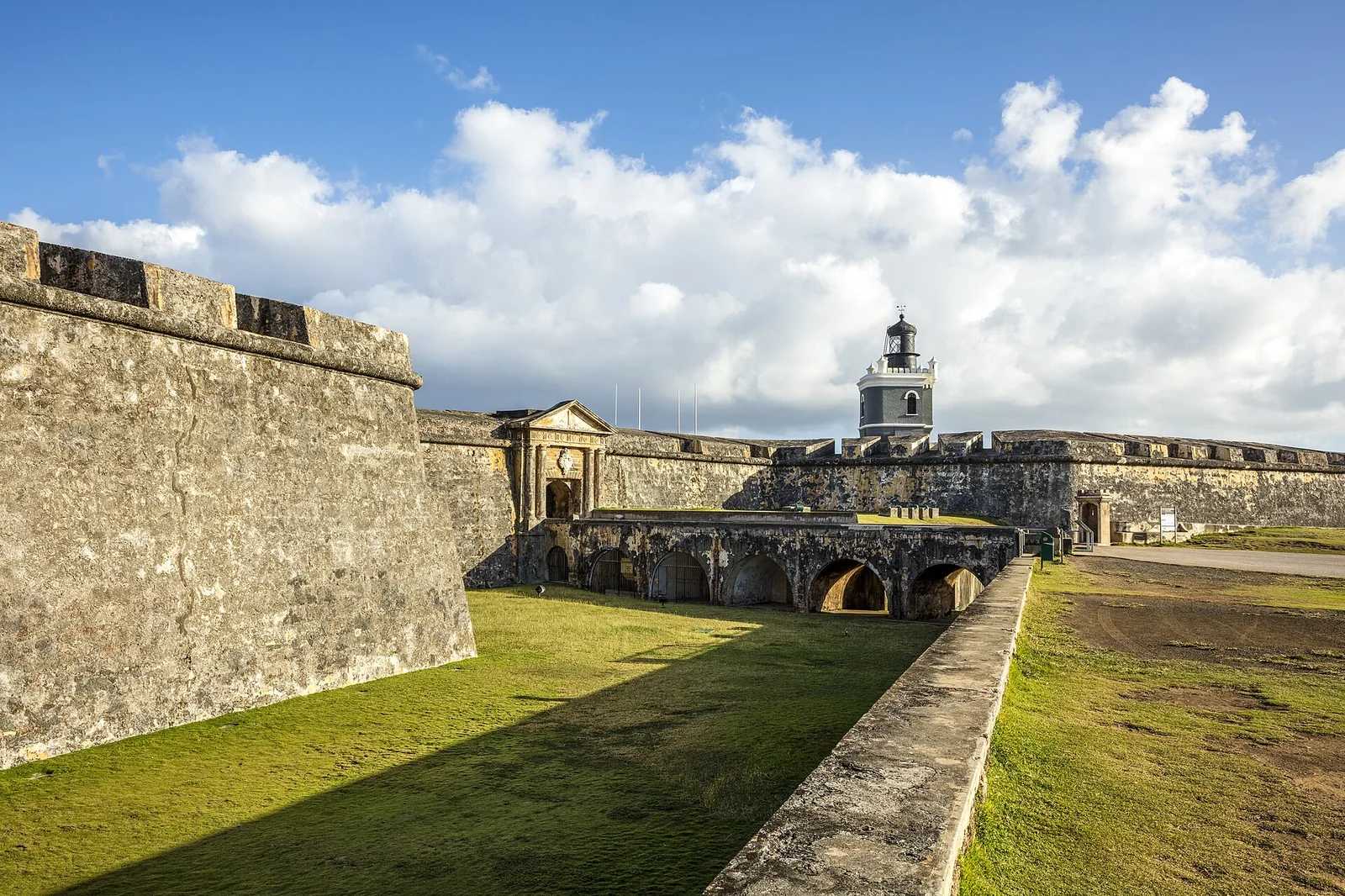
  • Castillo San Felipe del Morro and the Old San Juan city walls
  • Castillo San Cristóbal and the Paseo del Morro waterfront path
  • Condado Beach and the Ventana al Mar lawn
  • Ocean Park Beach and its low-rise residential streets
  • La Placita de Santurce and the Calle Loíza restaurant strip
  • Museo de Arte de Puerto Rico in Santurce
  • El Yunque National Forest, about an hour east of the city

Nearby Markets: Dorado  |  Vieques  |  Puerto Rico

Airbnb marketing services in San Juan, Puerto Rico, USA
Postcards

San Juan through the lens

A few of the visual fingerprints we lean into when we shoot, brand and market a San Juan property — courtesy of the open Wikimedia Commons archive.

2013 Old San Juan 01 — San Juan airbnb marketing
Local Color
Old San Juan
Aerial view of Condado, Santurce, San Juan, Puerto Rico — San Juan airbnb marketing
Local Color
Aerial view of Condado, Santurce,
La Placita de Santurce en Santurce, San Juan, Puerto Rico — San Juan airbnb marketing
Local Color
La Placita de Santurce en
Capitolio de Puerto Rico — San Juan airbnb marketing
Local Color
Capitolio de Puerto Rico
Why Cavmir

The Cavmir Advantage
in San Juan

Cavmir markets San Juan rentals by neighborhood, because that is how guests actually shop the city. We photograph the property in the light that flatters it and in the order that converts, we write the listing and the site around what a guest's Saturday looks like from your front door with real street names and real walking times, and we build you a direct-booking site that ranks for the searches people type before they ever open a platform. We set up the email list that turns a February guest into a November guest, and we run local search and paid campaigns aimed at the mainland cities that actually feed this airport. We will also make sure your compliance story is front and center, because in a city with this much regulatory noise, being able to show a guest and a platform that you are properly registered is a marketing asset and not just paperwork. We do not quote revenue multiples we cannot prove and we do not invent occupancy numbers. We help position and market your property. We never manage it or touch your keys.

State of the Industry · History

The San Juan STR Market — Past & Present

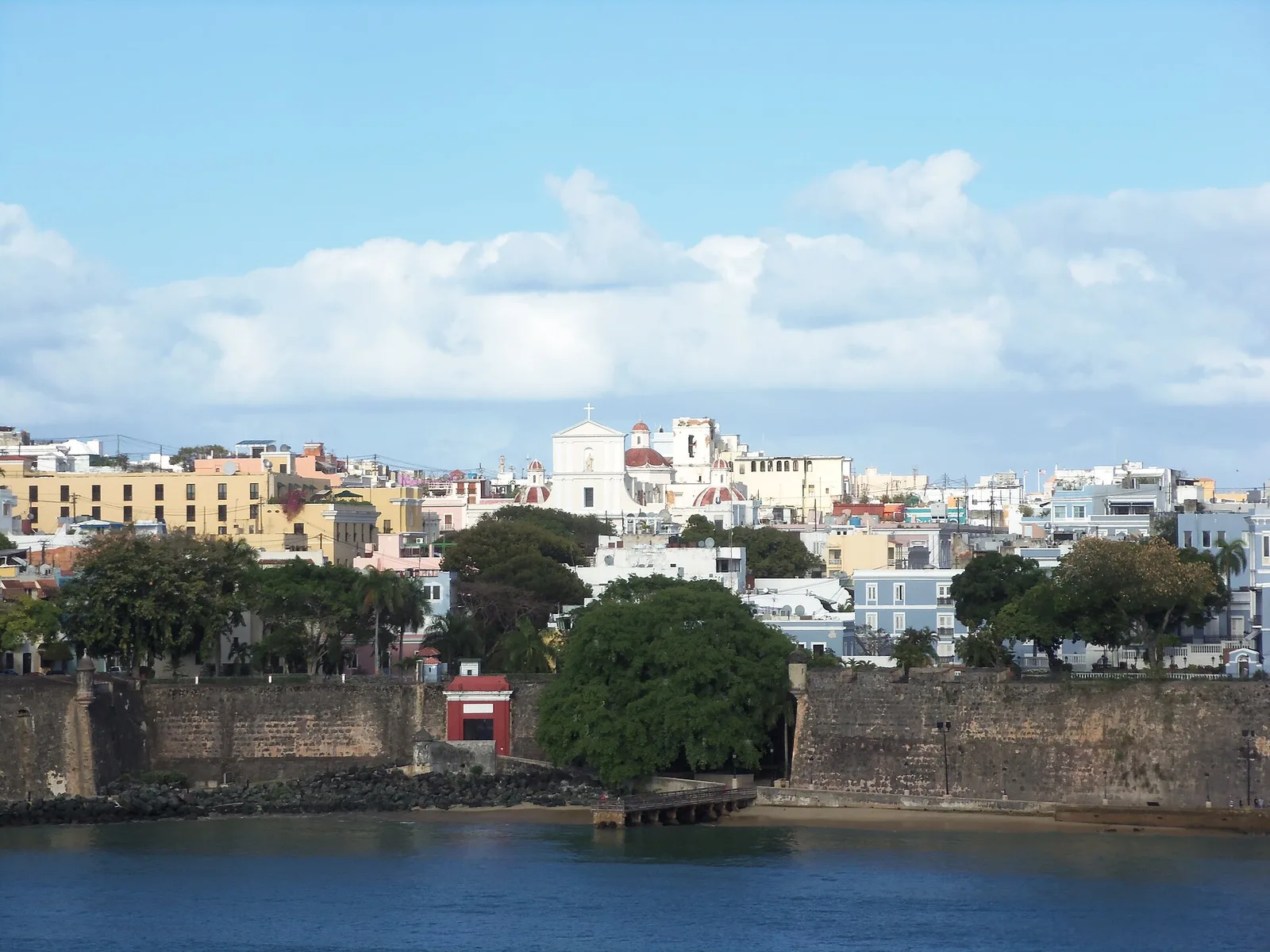
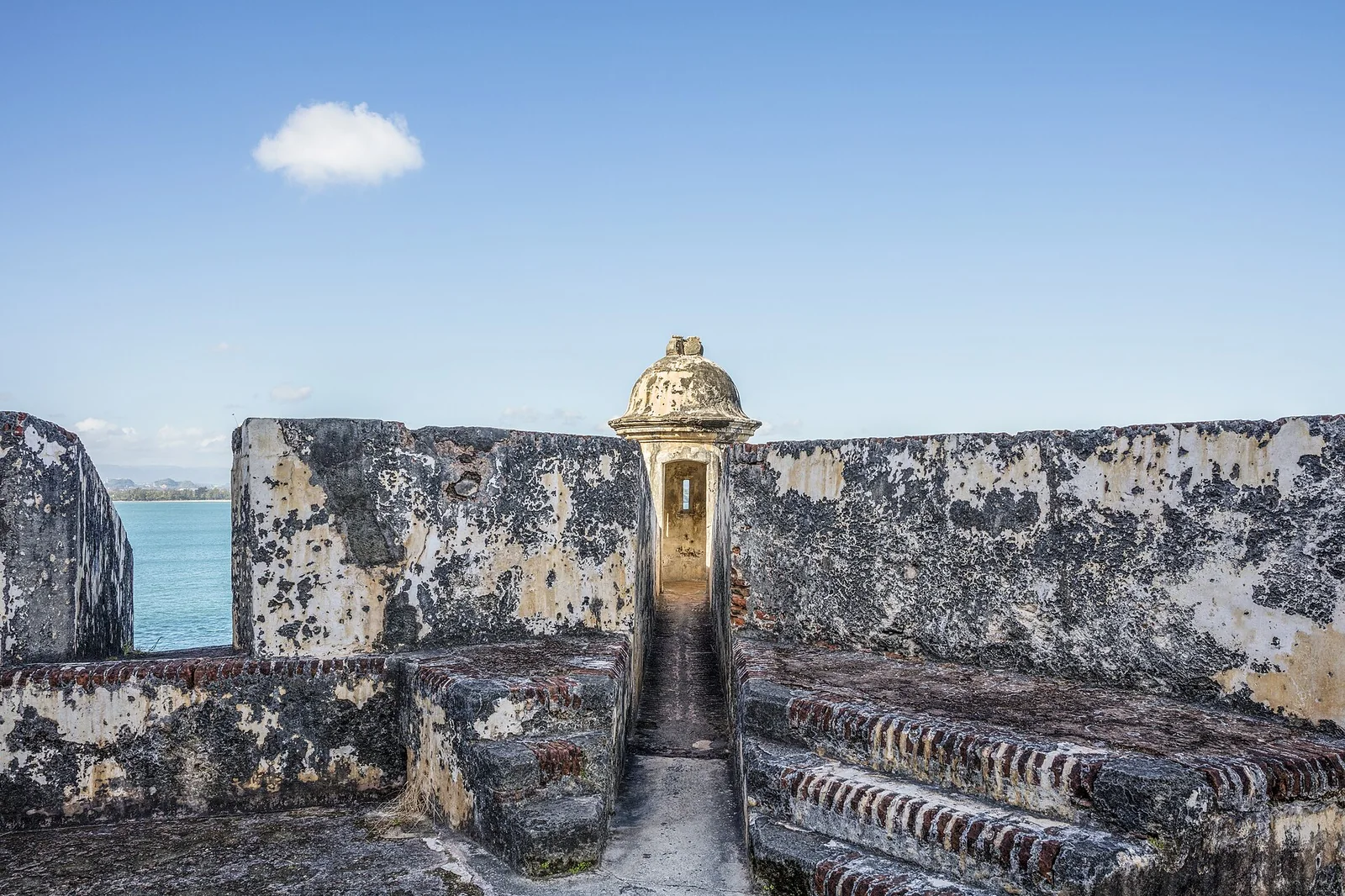
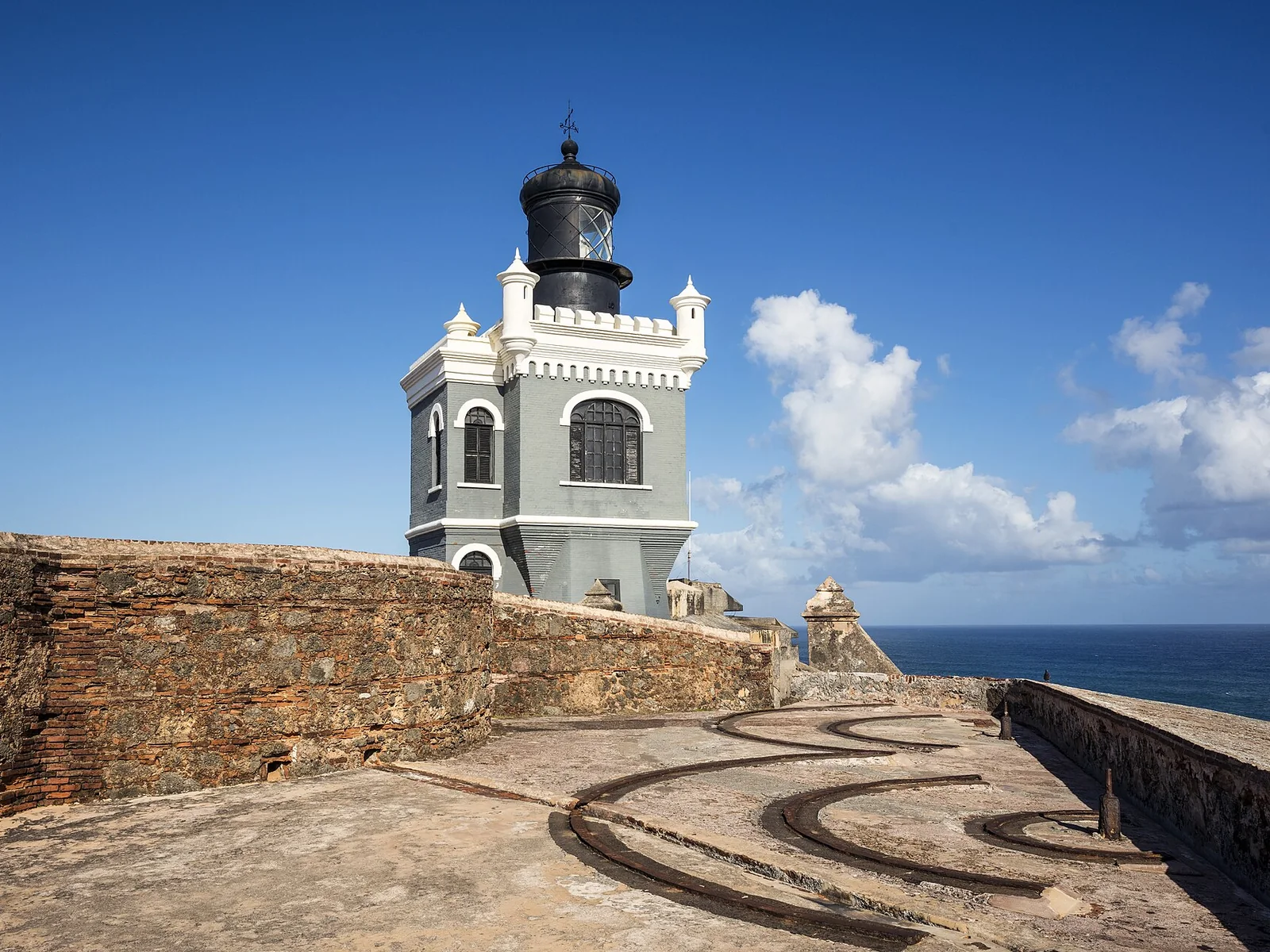
Juan Ponce de León founded a settlement at Caparra in 1508 and the colony moved to the defensible islet that is now Old San Juan in 1521. What went up over the following two centuries is the reason the city looks the way it does. Spain treated San Juan as the gateway to its Caribbean empire and fortified it accordingly: Castillo San Felipe del Morro begun in 1539, Castillo San Cristóbal covering the landward approach, and a ring of walls that still runs along the water. The old city and its forts were inscribed as a UNESCO World Heritage site in 1983. The blue cobblestones people photograph are adoquines, ballast blocks from Spanish ships, and they are the single most recognizable surface in the territory.

The modern city grew east along the sand. Condado developed as a resort strip in the early twentieth century — the Condado Vanderbilt opened in 1919 — and Ocean Park and Santurce filled in behind it as residential neighborhoods that have since become destinations in their own right. The United States took Puerto Rico from Spain in 1898, Puerto Ricans became US citizens in 1917, and the industrial push of the mid-century reshaped the metro area into something far larger than the walled town at its tip. Two more recent events matter to anyone renting here. Hurricane María in September 2017 damaged the island badly and reset a great deal of the housing and hospitality stock, and the rebuild brought a wave of renovation that is still visible in the rental inventory. Then came the tax-incentive era. Act 20 and Act 22, consolidated into Act 60 in 2019, drew mainland investors and new residents to the island, and short-term rental supply in the metro grew quickly enough that the municipality has spent the last several years writing rules to catch up with it.

Pricing Strategy & Seasonality

Pricing, Seasonality & When to Capture ROI

Pricing Strategy

San Juan is the one Puerto Rico market where you can build a pricing model on steady baseline demand rather than a single season. Flights arrive year-round, business and family travel fill weeks that would be dead in a resort town, and the domestic-travel advantage — no passport, no currency change, no international roaming — keeps the city in play for spontaneous bookings that never reach the outer islands. That said, the curve is real. Mid-December through April is peak, with the holidays and the January-to-March escape window at the top. Summer holds up better than most Caribbean markets because it draws family travel from the mainland and from the island itself. September and October are the softest months, and they overlap with the most active part of hurricane season, which is not a coincidence guests fail to notice. A workable structure is four tiers with event-driven overrides on top, because this city has dates that behave nothing like the month around them. Price the neighborhood, not the city: a Condado beachfront unit is competing with hotels and should be benchmarked against them, while an Ocean Park house is competing with other houses and wins on space and quiet rather than on lobby amenity. Minimum stays are worth more here than deep discounts. A three-night floor over the busy stretches protects your calendar from being chopped up by one-nighters who cost you the weekend.

Seasonality & ROI Windows

Peak runs mid-December through April, with the holiday weeks and the deep-winter escape window commanding the strongest rates. Spring stays healthy through Semana Santa and into May. Summer is solid rather than spectacular, carried by family travel from the mainland and local vacationers. The genuinely soft stretch is late August through October, which is the heart of hurricane season and the month guests most often ask about cancellation terms. November recovers quickly and December accelerates into the holidays. Unlike Rincón or the outer islands, San Juan never goes quiet — the city has enough non-tourist demand to keep a well-marketed unit turning in every month of the year. The job is not filling an empty season. It is protecting rate in the strong months and finding the right guest for the soft ones.

Regulation & Licensing · 2026

What the Law Requires in San Juan

San Juan has the most demanding short-term rental compliance setup in Puerto Rico, and it stacks in two layers that owners routinely confuse. The first layer is island-wide and applies no matter which municipality you are in. The Puerto Rico Tourism Company requires anyone renting a property for stays of ninety days or less to register as an innkeeper, generally called a hostelero, through the Tourism Company's online portal or its tax division office in Old San Juan. Registration produces a hotel registration number. You are then responsible for collecting a seven percent room occupancy tax from guests and remitting it monthly. Separately, you need merchant registration with the Puerto Rico Treasury Department, Hacienda, which formalizes the rental as a business for tax purposes. Some booking platforms collect and remit the room tax on reservations they process, but the legal responsibility sits with the owner, and it does not transfer.

The second layer is municipal, and San Juan's is specific. The municipality enacted Ordinance No. 39 on 19 May 2023 establishing regulations for short-term rental operators, then amended Chapter VII of the Urban Code through P. de O. No. 24 of the 2024-2025 series to regulate the registration process itself. The registration deadline for hosts, operators and intermediaries ran to 31 May 2025. Annual municipal fees are one hundred dollars for a shared residential unit and five hundred dollars for a non-shared residential unit. A complete file is expected to include evidence of your hotel registration and identification number, your merchant registry certificate, and where required a Permiso Único from the permit office. There is a practical relief valve built in: an applicant who certifies under penalty of perjury that the Permiso Único has been applied for can receive a temporary licence valid for up to a year while it is pending. Condominium and HOA rules sit on top of all of this and are frequently the binding constraint in Condado — a building's own bylaws can prohibit short-term rental outright regardless of what the city allows. Read the bylaws before you buy, not after. Confirm every requirement with the municipality and the Tourism Company directly, and keep the paperwork current, because the registration regime is still being tightened.

Market-Specific Tips & Challenges

Local Tips & Unique Market Challenges

Tips That Actually Move Revenue in San Juan

Market the neighborhood before the unit. A guest choosing San Juan has usually already decided what kind of trip they want, and the four main rental neighborhoods deliver completely different ones. Say which you are in, in the first line, and say what it means: Condado for beach and walkable restaurants, Ocean Park for quiet residential streets and a calmer beach, Santurce for food and nightlife you can walk home from, Old San Juan for the walls and the cobblestones and the accepted trade-off that parking is difficult. Second, be exact about the beach. Distance to sand is the single most-searched attribute in this market and it is the one owners fudge most. Give the walk in minutes and name the access point. Third, handle parking properly. In Old San Juan and much of Condado it is the number one source of arrival friction and negative reviews, and an owner who explains the garage, the rate and the walk in advance gets rated on the apartment rather than on the ninety minutes it took to find a space. Fourth, take air conditioning and power seriously in the copy. Guests ask, and a straight answer about the units, the generator or battery situation if you have one, and what happens in an outage builds more trust than any amount of adjective. Fifth, sell the shoulder. Late April through June is beautiful, meaningfully cheaper and almost never marketed as its own product. Sixth, put your registration number where guests and platforms can see it. In a market this regulated, visible compliance is a differentiator.

Unique San Juan Challenges

Supply is large and growing, so a generic unit competes on price alone and loses. Condominium bylaws kill more San Juan rental plans than city rules do, and buyers discover this late. Hurricane season compresses roughly three months of the calendar and raises real questions about insurance cost and cancellation policy. Parking is a genuine operational problem in the two most desirable neighborhoods. And the regulatory picture is still moving — a Senate bill has been filed to build a uniform island-wide framework and a municipal registry, so an owner here should expect the rules to keep evolving rather than settle.

The blue cobblestones came as ballast
The blue-grey stones underfoot in Old San Juan are adoquines, and they arrived as ship ballast from Spain, cast off on the docks when vessels loaded cargo for the return voyage. They were laid as paving through the nineteenth century, and the distinctive color comes from the furnace slag in their composition. They are still the original stones in many streets, which is why the city restricts what can be done to them and why repairs are slow and careful. For an owner, this is a small piece of specificity worth putting in a guest guide. Visitors photograph those streets constantly without knowing what they are looking at, and telling them turns a walk into a story they repeat when they get home.
Finance Essentials — San Juan
🛡️

Insurance

Insurance is not a footnote in Puerto Rico, it is a line item that can change whether a deal works. Plan on a dedicated short-term rental or commercial-use policy rather than a standard homeowner's form, and expect the windstorm conversation to dominate. Named-storm coverage in the Caribbean commonly carries a percentage deductible calculated on the insured value rather than a flat dollar amount, which is a very different number from what mainland owners are used to. Flood is separate from wind and you need to know which of your exposures is which. If you own a condominium unit, understand exactly where the building's master policy stops and your own coverage starts — the gap between the two is where post-storm disputes live. Ask your agent to spell out guest injury, guest property damage, loss of rental income and the terms under which business interruption pays after a named event. Also ask what your carrier expects of you in terms of shutters, impact glass and roof condition, because those requirements can affect both premium and whether a claim gets paid.

🧾

Property & Income Tax

Three separate obligations apply and owners regularly meet only one of them. The room occupancy tax is seven percent on stays of ninety days or less, collected from the guest and remitted monthly to the Puerto Rico Tourism Company. Merchant registration with Hacienda establishes the rental as a business and brings the filing obligations that go with that. On top of those sit the municipal registration fees — one hundred dollars annually for a shared residential unit, five hundred for a non-shared one — and ordinary property tax administered through the municipal revenue collection centre. Booking platforms may collect and remit the room tax on the reservations they handle, which is convenient right up until you start taking direct bookings, and direct bookings are exactly what effective marketing produces. Get your filing set up before you turn that on and keep platform and direct revenue separated from the first booking. Puerto Rico's income tax treatment of rental income, and how the Act 60 incentive framework interacts with it for bona fide residents, is genuinely specialist territory — ask a Puerto Rico tax professional rather than applying mainland assumptions.

🏦

Mortgages & Financing

Financing a San Juan rental is doable and it is not a mainland transaction. Many stateside lenders will not originate in Puerto Rico at all, so the practical lender list runs to local institutions, a smaller set of mainland banks that operate here, and portfolio or debt-service-coverage lenders who specialize in the market. Rates and down-payment expectations for a non-owner-occupied second home tend to be less favourable than the mainland equivalent, and underwriting takes longer. Title work deserves particular attention. Property records go through the Registro de la Propiedad and title research can be slower and more complicated than buyers expect, so build realistic time into your closing schedule and use a local attorney who does this daily. For condominium purchases, the lender will want to see the building's financials and master insurance, and a building with deferred maintenance or thin reserves can complicate financing regardless of how good your specific unit is. Have your accountant model the room tax, municipal fees, insurance at Caribbean pricing and a realistic seasonal occupancy curve rather than a flat annual figure before you commit.

Future Outlook · 2027 & Beyond

Where San Juan is Headed Next

Two threads are worth watching. The first is regulatory consolidation. A Senate bill has been filed to amend the Room Occupancy Tax Act, Act 272-2003, in order to establish a municipal registry and create a more uniform framework for short-term rental licensing across the island. If that advances, the patchwork of municipal ordinances that owners currently navigate would start to converge, which would probably raise the compliance floor and reduce the number of unregistered units competing with you. That is good news for owners who are properly papered and bad news for those who are not. The second thread is supply and neighborhood politics. San Juan's rental stock has grown quickly, the housing-cost conversation is active across the island, and the municipality has already shown it will legislate. Expect continued tightening rather than loosening. Neither trend threatens a well-run, compliant, well-marketed property. Both argue for building a direct relationship with your guests now — an owned website, an owned email list, a base of returning visitors — so that your business does not rest entirely on a single platform's search algorithm or a single regulatory assumption holding.

From the Desk of Sofie Sinag

Why We Love Marketing in San Juan

San Juan is the rare city where the postcard version and the real version are both good, and they are about four blocks apart. You can spend a morning on the walls at El Morro with the kites going up over the field, walk down through the old city on stones that came over as ballast, and be eating at a counter in Santurce by two in the afternoon with nobody around you speaking English. The city does not perform for visitors the way a resort does. It is a working capital of a few hundred thousand people that happens to have five hundred years of fortification along one edge and a good beach along another. What we like about it as a market is that the demand is honest and diversified. It is not one season and one guest type. It is winter escapes and summer families and business travel and weddings and people coming home to see their families, layered on top of each other, and that mix is why a well-run unit here can hold occupancy in months that would flatten a single-purpose resort town. The other thing worth saying is that the neighborhoods really are different, and that difference is a marketing asset if you use it. Ocean Park at seven in the morning with the dog walkers and the swimmers is a completely different product from a Condado tower with a pool deck, and both are completely different from a walk-up in Old San Juan where you hear the cruise horns. Owners who pick a lane and commit to it do considerably better than owners who describe their place as being close to everything.

Why It Matters

A great property in San Juan doesn't just want a listing — it wants a point of view, an audience, and a brand the city itself would recognise.

Cavmir's San Juan Cheat Sheet

The Picks We Recommend for Your Welcome Book

Eight answers to put in your guest guide. These are the questions guests ask anyway, and getting them right in advance is the cheapest review insurance there is.

Coffee & First Light

The Paseo del Morro before the heat

The paved path runs along the base of the city wall below El Morro. Go early, before the sun clears the fort. It is flat, free and the best half hour a guest will spend in the old city.

The Table Worth Booking

Dinner in Santurce

The restaurants around La Placita and along Calle Loíza are where the city actually eats. Tell guests to reserve, especially Thursday through Saturday, and that the neighborhood gets going late.

Local Obsession

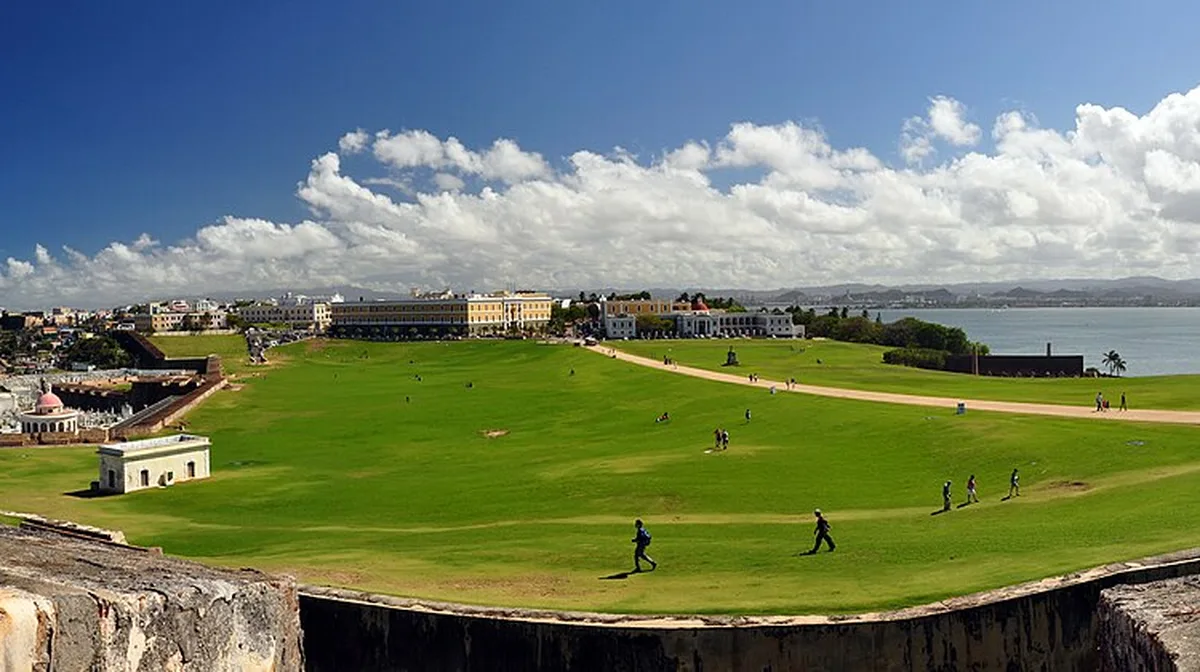
Kites on the El Morro field

On a windy weekend afternoon the great lawn in front of the fort fills with kites. Vendors sell them at the gate. It costs almost nothing and it is the thing families remember.

Rainy Day

Museo de Arte de Puerto Rico

A serious collection in Santurce with a garden behind it. Works when an afternoon squall parks over the city, which between August and October it regularly does.

Shoulder Season Secret

Late April into June

The winter crowd has gone, hurricane season has not started, the water is warm and the rates are softer. It is the best value window in the city and almost nobody markets it.

Weekend Escape

El Yunque National Forest

About an hour east. The only tropical rainforest in the US National Forest system. Tell guests that popular areas require advance reservations and to check before they drive out.

The View

The walls at Castillo San Cristóbal

Bigger than El Morro and usually less crowded. The view back over the old city and out to the Atlantic from the upper level is the photograph guests actually want.

What Guests Ask For

Where to park, and whether they need a car

In Old San Juan and Condado, parking is the number one arrival problem. Name the garage, give the rate, give the walk. For a city-only trip, most guests are better off without a car at all.

Local Work · Composite Case Vignettes

What Cavmir Has Done for San Juan Properties

A few composite engagements, drawn from how Cavmir typically works with owners in a dense, regulated urban market like this one. Illustrative rather than any single client's file.

One-bedroom condo · Condado, beachfront building
The Brief

Competing directly against hotels on the same block with phone photography, a three-sentence description and a rate set by watching the neighbors.

What We Did

Reshot the unit and the building amenities in proper light, rebuilt the photo order to lead with the water view rather than the kitchen, rewrote the listing around the walk to the beach and the restaurants by name, and built a one-page direct-booking site with the registration details displayed.

The Result

The unit stopped being compared on price alone against the hotel inventory next door and began converting on presentation, with repeat winter guests starting to book direct rather than re-shopping the strip each year.

Three-bedroom house · Ocean Park
The Brief

A genuinely good family property being marketed with generic beach copy that made it look like a smaller Condado unit, so it attracted couples looking for a hotel substitute and got mismatched reviews.

What We Did

Repositioned around space, the yard and the quieter beach, targeted family and multi-generational search terms, built local landing content for the neighborhood rather than the city, and set minimum stays that suited the way families actually book.

The Result

Enquiry quality improved because the guests arriving were the guests the house was built for, average length of stay increased, and review sentiment stabilized.

Owner with two units · Old San Juan and Santurce
The Brief

Two very different apartments sharing one set of copy and no cross-referral, so a guest who could not get the dates they wanted simply left rather than moving to the other unit.

What We Did

Split the positioning cleanly — one as the historic-walls-and-cobblestones stay, one as the food-and-nightlife stay — with separate photography and copy, joined by a single owner-branded site with cross-referral and one shared email list.

The Result

Fewer lost enquiries, because unavailable dates on one property routed to the other, and a growing direct-booking share across both units rather than two unconnected platform listings.

Market Intelligence · Seasonality

Airbnb seasonality in San Juan, month by month

Demand in San Juan peaks around January, February and March and runs quietest around September through October. Here is how the year actually books — and what to do about each stretch of the calendar.

Peak demandSteadyQuiet

Peak season

Mid-December through April is the rate peak, carried by mainland winter escape traffic and by the fact that no passport is needed. The Christmas and New Year stretch is the single strongest window of the year and sells earliest. Holy Week is a hard local peak with an entirely different guest mix. Set those dates and their minimum stays a year ahead rather than letting a rolling tool discover them.

The shoulders

May, June and early November are the most under-booked good weather on the island. The water is warm, the crowds have gone and the rates are reasonable, and almost nobody markets these weeks as their own product rather than as a discount on winter. They respond well to longer-stay pricing and to email sent to last winter's guests.

The quiet stretch

September and October are genuinely quiet and sit in the most active part of hurricane season. Put a longer-stay rate in the market, be explicit and calm about your cancellation policy, and use the window for maintenance, reshoots and any work that needs the property empty.

Dates that fill first

Fiestas de la Calle San SebastiánJanuary
Old San Juan fills for several days in the middle of the winter peak and rates should reflect it well in advance.
Holy Week and EasterMarch or April
A hard local and diaspora peak with longer stays and a different guest profile from the winter escape market.
Christmas through Three Kings Daylate December into early January
The longest holiday season anywhere in the United States and the strongest booking window of the year here.
Winter cruise turnaround seasonNovember through April
Predictable one-night demand either side of sailings that a long minimum stay simply refuses.
Summer festival and concert seasonJune through August
Large concert dates move the whole city's lodging demand and are known months in advance.
Market Intelligence · Guests

Who books San Juan Airbnbs — and how far ahead

Winter escape travelers
Mainland couples and families taking a warm week without a passport. They book on the beach walk, the balcony and how safe the arrival feels.
Cruise passengers
One and two-night stays either side of a sailing. Airport and port proximity, an early check-out option and luggage storage decide it.
Diaspora and family visitors
Longer stays around holidays and family events, usually needing space, a real kitchen and parking.
Remote workers and long-stay guests
Weeks or months at a time, mostly in Condado and Santurce. Reliable power, reliable internet and a workspace are the whole decision.

The booking window

The Christmas and New Year window books furthest out, often most of a year ahead, followed by Holy Week and the January festival dates. Ordinary winter weeks fill through the autumn. Summer and shoulder months are a much shorter window and reward being visible and sensibly priced rather than holding out.

Typical stays

Short stays dominate around cruise turnarounds and city breaks, with three to seven nights typical for winter escape guests and much longer stays from remote workers and family visitors. Condado and Ocean Park skew longer than Old San Juan.

Where guests drive from

CondadoSanturceOcean ParkIsla VerdeOld San Juan

Where guests fly from

New YorkOrlandoMiamiBostonPhiladelphiaChicago
This is a fly market and the ad spend should follow the direct routes into the airport. The north-east corridor and Florida supply the bulk of winter traffic, and the neighbourhood names above are how guests actually search once they are choosing where to stay.
Market Intelligence · What Wins

The Airbnb that wins in San Juan

Units with a genuine ocean view or a short flat walk to the sand in Condado and Ocean Park outperform larger inland apartments on rate. In Old San Juan, character and a balcony over the blue cobbles beat square footage. Buildings with a generator or battery system and secured parking command a real premium, and both belong in the photographs rather than in a sentence near the bottom.

Amenities that move bookings here

backup powerreliable high-speed internetsecured parkingbalcony or terraceair conditioning in every roomelevator accessbeach gear
Photograph the walk to the beach, not just the beach. Guests in this city are choosing between neighbourhoods as much as between apartments, and the listing that shows the route wins the booking.
Straight Answers

San Juan Airbnb marketing questions, answered

How do I market my Airbnb in San Juan?

Start with photography that shows what a guest actually gets here, then write the listing around a real itinerary rather than a feature list. Build a direct-booking site so returning guests can come back without going through a platform, and keep an email list segmented by season so you can reach last year's visitors before the calendar opens. Local search matters more than people expect in a market this size, because guests search the destination and the attraction rather than the word rental. A marketing agency layer handles the photography, the listing copy, the direct-booking site and the local SEO as one system instead of four disconnected jobs.

When is peak season for San Juan Airbnbs?

Mid-December through April, with the Christmas and New Year stretch at the top and Holy Week a second hard peak. Summer is steady rather than spiky, carried by family travel and events. September and October are the quiet months and sit in the busiest part of hurricane season, which is when a clear cancellation policy earns its keep.

How far in advance do guests book San Juan Airbnbs?

Christmas and New Year book furthest out, frequently most of a year ahead, with Holy Week and the January street festival close behind. Ordinary winter weeks fill through the autumn. Summer and the shoulder months run a much shorter window, so being visible and priced sensibly matters more than being booked early.

Where do most San Juan Airbnb guests come from?

Overwhelmingly the mainland, arriving by air. New York, Orlando, Miami, Boston, Philadelphia and Chicago supply most of the winter traffic, largely because no passport is required and the flights are direct. There is also a steady diaspora and family segment that books longer stays around holidays.

What amenities matter most for a San Juan Airbnb?

Backup power and genuinely reliable internet are the two that decide bookings here, and they should be stated plainly rather than implied. After that: air conditioning in every room, a balcony, secured parking and a short walk to the sand. Guests are choosing a neighbourhood as much as an apartment, so photograph the walk to the beach as well as the beach.

Free Tools · Websites That Book

See what your listing in San Juan is leaving on the table

Run your Airbnb, Vrbo, or website through Cavmir's free grader. It checks the things that decide whether guests book in San Juan — photos, listing copy, page speed, local search — and shows you where bookings leak. Takes about a minute, and there's no sales call attached.

If the report says your booking engine is the weak link, that's fixable: a direct-booking website of your own means repeat guests stop paying platform fees to come back to you. That's the work Cavmir does — see Airbnb website design in San Juan.

What the grader measures

  • Photos and the first-impression frame
  • Listing title and copy
  • Your direct-booking website (or the lack of one)
  • Page speed and mobile experience
  • Local search and Google visibility
Grade My Listing — Free
Ready to Grow in San Juan?

Let's Put Your San Juan
Property on the Map

Talk to Cavmir today. We'll show you exactly what your San Juan property is leaving on the table — and how fast we can change that.

Book a Free Strategy Call