C$310
Avg. Nightly Rate
50%
Avg. Occupancy Rate
C$3,700
Avg. Monthly Revenue
5-7%
Est. Cash-on-Cash ROI
HIGH
Seasonality
MEDIUM
Regulatory Burden

* Market averages. Properties marketed by Cavmir typically exceed these figures by 25–45%. Data sourced from AirDNA, STR market reports, and Cavmir internal analytics.

The Market

Why Fernie is One of the World's Premier STR Markets

Fernie is the ski town that still looks like the coal town it was, and that authenticity is the product. The 1908 brick downtown — rebuilt in masonry after fire levelled the wooden original — sits ringed by the Lizard Range's limestone walls, three hours from Calgary in BC's southeast corner, under snowfall so famously heavy the locals credit a mythical mountain man called the Griz for it. Fernie Alpine Resort's 2,500-plus acres of bowls and glades built the winter economy; the Elk River's blue-ribbon trout water built a summer one, with fly-fishing lodges and guides serving anglers who fly in from across the continent; and a mountain-bike trail network with a national reputation fills the gap between them. The rules favour the operator: Fernie sits under BC's small-community threshold and is exempt from the principal-residence requirement — investor-owned rentals remain provincially legal here, governed by the city's own business-licence and zoning framework, with the provincial registration number required on every listing as it is everywhere in BC. Supply is capped by a narrow valley and a heritage grid that cannot sprawl; demand arrives from Calgary every powder weekend and from much further away every February. The listings that treat Fernie like the four-season, character-rich market it is — rather than a generic ski hill — earn rates the generic ones never see.

Fernie runs a powder winter, a fly-fishing and bike summer, and a Calgary weekend engine underneath both. Winter is the headline: December through March, when the Lizard Range's storm cycles bury the resort and the town fills with an unusual mix — Alberta weekenders on three-hour drives, destination skiers from the UK and Australia on week-long trips, and powder chasers routing the Powder Highway. Christmas and the February holiday stack book out months ahead; storm weekends fill on forecasts. Summer has two engines of its own: the Elk River's blue-ribbon dry-fly water draws anglers June through September — a lodge-and-guide clientele that books midweek and spends well — while the bike network and Wapiti's August festival weekend fill the town's houses with families and riding crews. Blended rates run around C$310 with occupancy near 50% across a compact licensed field; premiums go to ski-in access at the resort base, walkable heritage-downtown character, and riverside anything. The guest mix is drive-market loyal — the same Calgary families return on the same weekends for years — which makes Fernie one of the strongest repeat-guest markets in the Rockies, and one where direct-booking infrastructure pays back fastest.

Top Attractions & Landmarks

  • Fernie Alpine Resort
  • The historic 1908 downtown
  • The Elk River
  • Mount Fernie Provincial Park
  • Island Lake and the Lizard Range
  • Fernie Museum
  • The Ghostrider shadow on Mount Hosmer

Nearby Markets: Revelstoke  |  Canmore  |  Calgary

Airbnb marketing services in Fernie, British Columbia, Canada
Postcards

Fernie through the lens

A few of the visual fingerprints we lean into when we shoot, brand and market a Fernie property — courtesy of the open Wikimedia Commons archive.

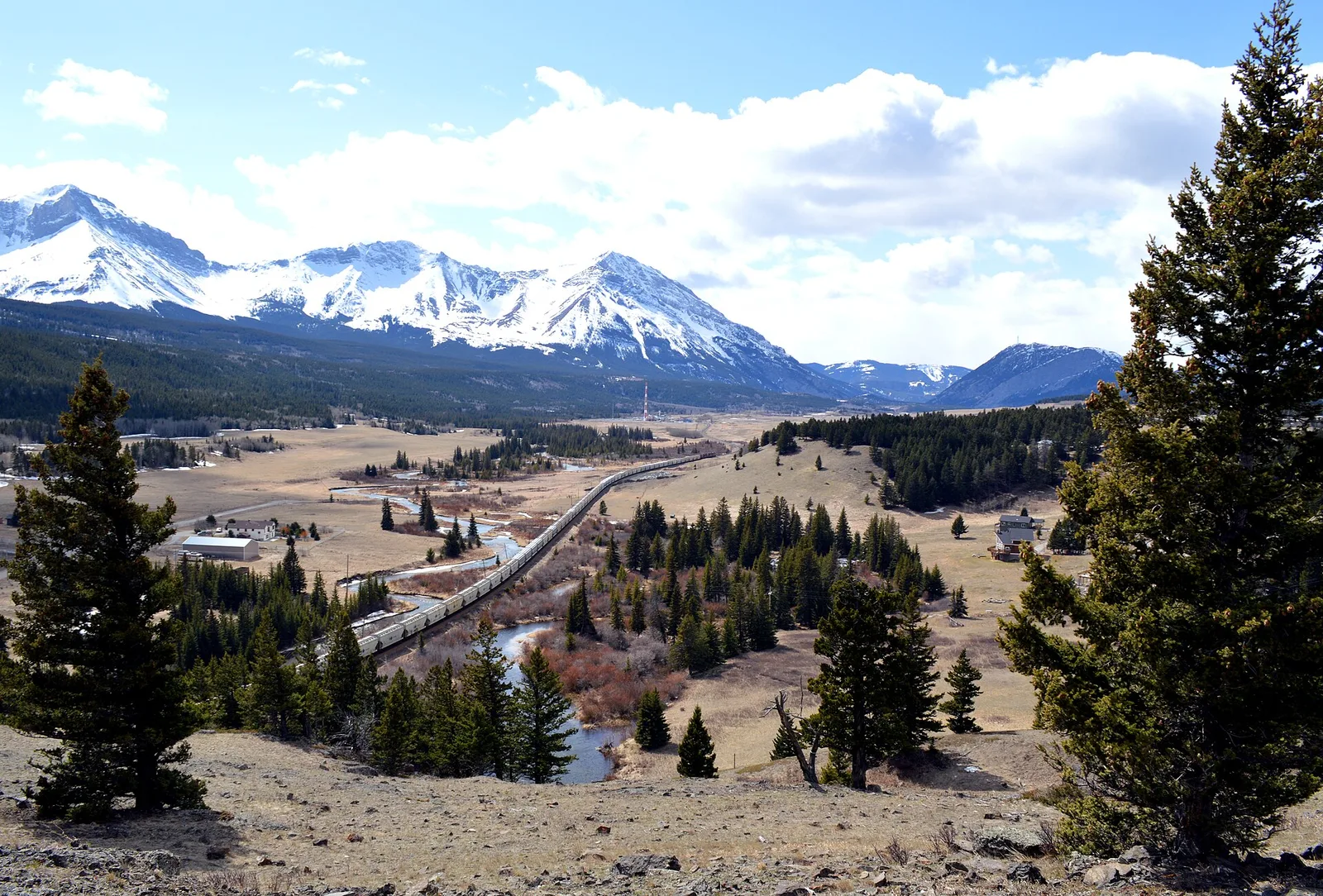
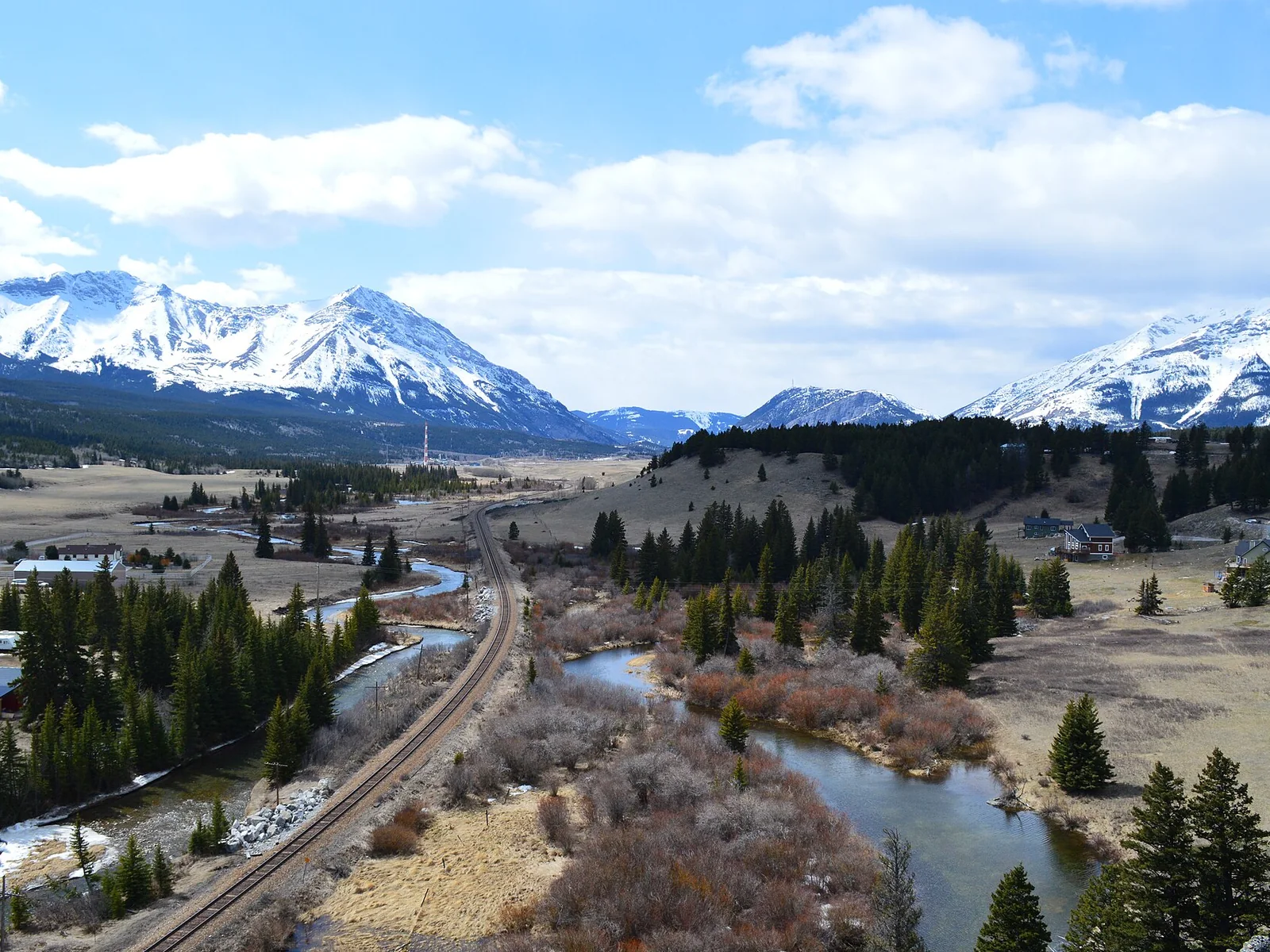
Train heads west into the Crowsnest Pass — Fernie airbnb marketing
Local Color
Train heads west into
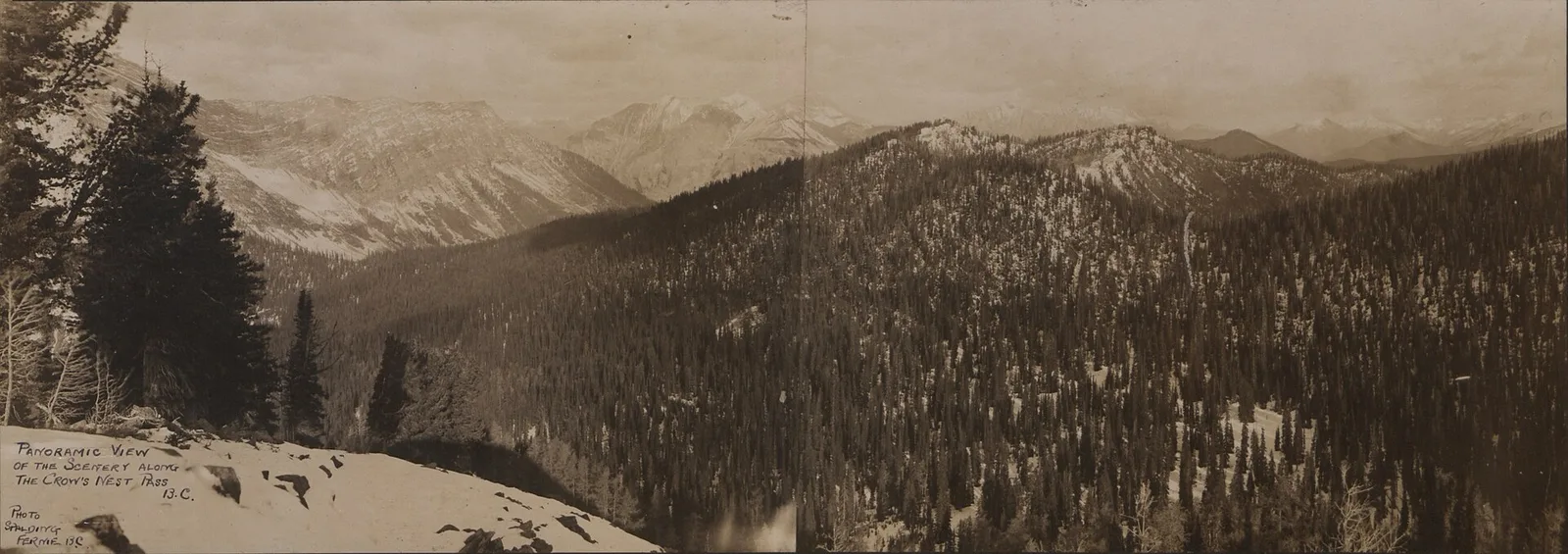
Panoramic view of the scenery along the Crow's Nest Pass, British Columbia — Fernie airbnb marketing
Local Color
Panoramic view of the scenery
Crowsnest Pass — Fernie airbnb marketing
Local Color
Crowsnest Pass
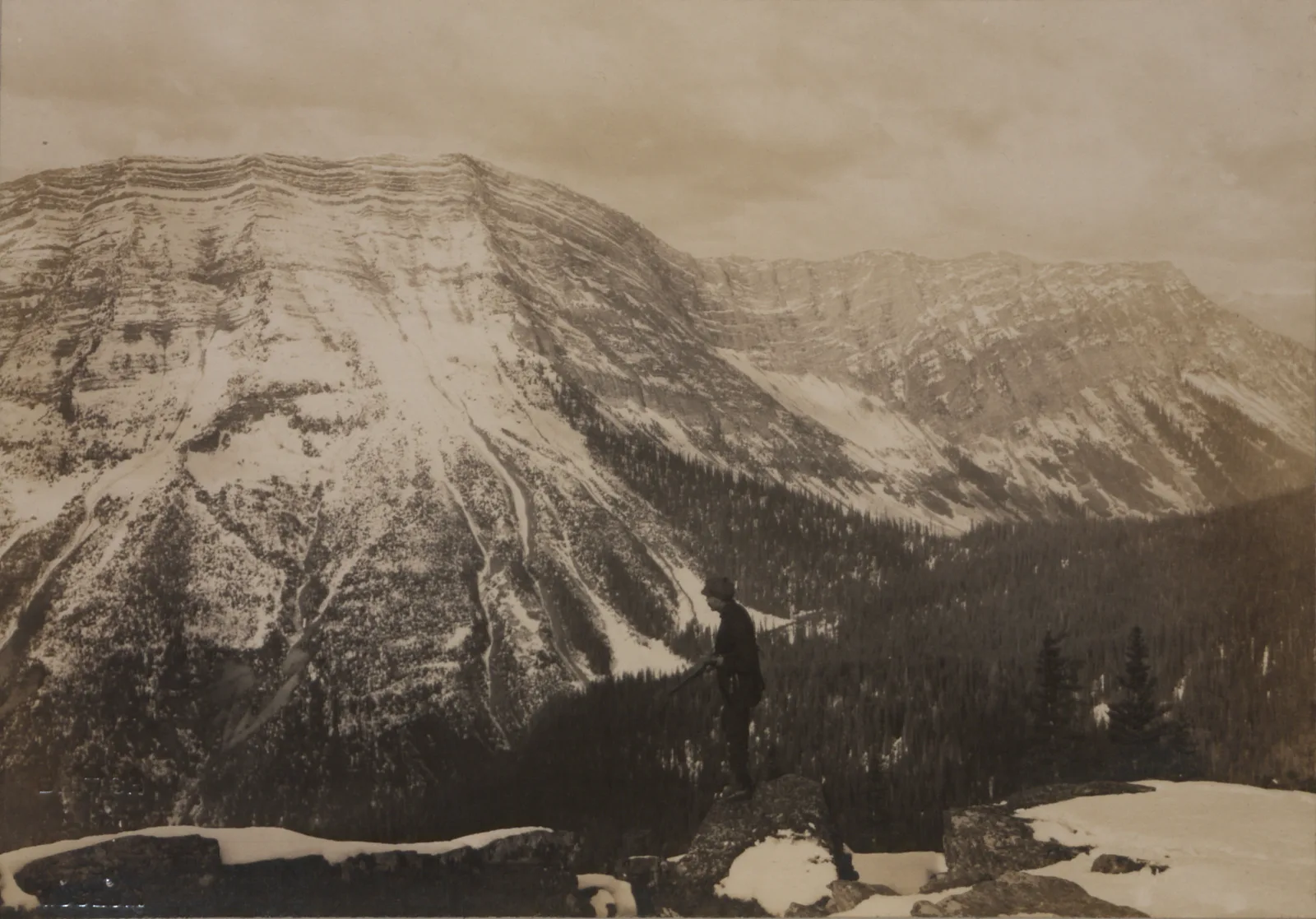
Goat Mountain from the summit of Crown Mountain, Crow's Nest Pass, British Columbia — Fernie airbnb marketing
Local Color
Goat Mountain from the summit
Why Cavmir

The Cavmir Advantage
in Fernie

Cavmir wins in Fernie because this market rewards specificity and almost every listing here is generic. We write the winter the way its guests read it — storm cycles, the morning drive to the base, where gear dries, what the Griz legend means to a February booking — and we price the published calendar: Christmas at its ceiling, the February stack week by week, Griz Days' March weekend, storm-responsive rates between. We build the summer most ski-town listings ignore: the Elk River's angling season marketed to the lodge clientele in their own language — runs, hatches, guide partnerships — and bike-week logistics for the riding crews. We shoot the town's actual character: brick storefronts under snowbanks, the Lizard Range going pink, the river at evening rise. We keep the licence and registration visible because a small town notices its operators. And for Fernie's lodges, inns and guesthouses — especially the angling operations whose guests rebook annually for decades — we build direct-booking websites and repeat-guest programs, because a client who returns every June for the same week of dry-fly water should never pay a platform for the reunion. We help position and market your property. We never manage it or touch your keys.

State of the Industry · History

The Fernie STR Market — Past & Present

Fernie was built on coal and rebuilt on brick. The Crowsnest Pass seams brought the railway and the miners in the 1890s, William Fernie's name went on the townsite, and the wooden boomtown that followed burned twice — the 1908 fire took ninety minutes to destroy virtually all of it — before the town rebuilt in the masonry that still defines it: a heritage downtown of brick and stone unmatched in the BC interior, built by a community that refused to burn a third time. Local legend added its own layers: the curse a jilted woman was said to have laid on the valley — fire, flood, famine — formally lifted in a 1964 ceremony between the city and the Ktunaxa; the Ghostrider shadow that appears on Mount Hosmer on summer evenings, read as the curse's reminder; and the Griz, the mythical mountain man whose rifle shots at the clouds are credited with the valley's absurd snowfall, honoured every March with a festival in his name. Mining carried the economy for a century and still operates up-valley.

The visitor economy grew in three waves. Skiing came first — the resort's terrain and the Lizard Range's storm-magnet geography earned a cult reputation through the 1990s expansion era, and the Powder Highway marketing of the 2000s formalized what skiers already knew. The Elk River's blue-ribbon designation built the second wave: dry-fly cutthroat water that put Fernie on the continental angling map, with lodges and guide operations serving a clientele that returns annually like clockwork. The bike network built the third. Through all of it the town stayed a real place — miners, guides and lifties in the same coffee lines — and the rental rules reflect that balance: the city licenses and zones short-term rentals under its own bylaw, the province's 2024 principal-residence law left Fernie exempt under the small-community threshold, and the 2025 registry added its number to every listing. A supply-capped heritage grid, a demand calendar with three seasons, and rules that let professionals operate: Fernie's fundamentals are quietly among the best in BC.

Pricing Strategy & Seasonality

Pricing, Seasonality & When to Capture ROI

Pricing Strategy

The rate map runs from the hill to the river. The resort base — Timberline, Alpine Trails and the slope-side stock — is the winter premium: ski-in access and hot tubs commanding the top nightly rates from Christmas through the February stack, with summer bike traffic keeping them honest. The historic downtown and the Annex trade lift proximity for brick-and-walkability charm — restaurants, the brewery, the river path — running the market's steadiest year-round occupancy with couples, anglers and festival guests. Riverside addresses carry a premium of their own in summer: Elk River frontage or short walks to the water sell to the angling clientele at rates ski-focused operators never think to ask. Ridgemont and Castle Mountain-side streets hold the family middle — garages, gear space, hill access — while West Fernie runs the value tier. Blended, Fernie sits around C$310 nightly at 50% occupancy, with the spread widest in winter — Christmas and February weeks at multiples of shoulder rates — and the sleeper margin in summer, where angler-positioned properties book midweeks the ski-only listings leave empty.

Seasonality & ROI Windows

Fernie's year runs three seasons deep. Winter is the anchor — December through March, Christmas and February at the ceiling, storm cycles filling the gaps, April spring skiing a loyalists' bonus. June opens the river: angling season builds through summer with its distinctive midweek pattern, joined by July-August bike and festival traffic that fills weekends. September is the connoisseur month — golden larches, evening rises, empty trails. The honest gaps are May, between snowmelt and season, and late October into November, when the town waits for the Griz to start shooting.

Regulation & Licensing · 2026

What the Law Requires in Fernie

Fernie's framework is municipal, moderate and stable — the operator-friendly end of BC's spectrum, with the caveats a small town always carries. The provincial layer is light: Fernie sits under the Short-Term Rental Accommodations Act's small-community threshold and is exempt from the principal-residence requirement, and it has not opted in — meaning investor-owned and non-resident-owned rentals remain provincially legal, one of the reasons Alberta capital has long favoured the valley. What governs is the city's own regime: short-term rentals operate under City of Fernie business licensing with zoning determining eligibility — rules differ by zone and property type, and the city's bylaw sets conditions on parking, occupancy and safety — so the zoning check is the first step of any purchase or launch. The provincial registry applies despite the exemption: since May 2025, every BC listing needs its registration number displayed, and platforms must delist without it. Strata buildings at the resort base add their own rental provisions worth reading before an offer. Two contextual notes keep operators on the right side of the town: worker housing pressure is real in the Elk Valley, and Fernie has periodically reviewed its short-term-rental posture as neighbouring jurisdictions tightened — the current stability is favourable but not guaranteed forever, and the operators who run tight, licensed, neighbour-respectful businesses are the constituency that keeps it favourable. Commercial accommodation — the lodges and inns serving the angling and ski trades — licenses on its own track. Confirm your address's zoning and licence class with the city before listing; in a town this size, the licensing office is a conversation, not a queue.

Market-Specific Tips & Challenges

Local Tips & Unique Market Challenges

Tips That Actually Move Revenue in Fernie

Price the Calgary rhythm: weekend premiums all winter, storm-responsive rates when the Lizard Range lights up, and midweek value that converts three-day trips into four. Build the angler product ski operators ignore — river-walk minutes, rod storage, wader-drying space, guide partnerships named in the listing — because the summer midweek clientele books lodge-grade rates. State the winter logistics plainly: drive time to the base on a snow morning, where gear dries, what the plow schedule means. Photograph the brick downtown under snowbanks and the river at evening rise; character is Fernie's differentiator, so sell it. Price Griz Days like February and Wapiti weekend like the event it is. Keep the licence visible and the neighbours happy — small towns notice, and Fernie's favourable rules are a shared asset. And build the repeat machine early: the same Calgary families and annual anglers return for years, making Fernie one of the fastest direct-booking payback markets in the Rockies. A checkout email and a returning-guest rate cost almost nothing to run here and quietly compound into the strongest book in the valley.

Unique Fernie Challenges

Fernie's frictions are the honest kind. Winter operations are real work: relentless snow clearing, roof-load vigilance, and a small trades-and-cleaning pool that books out during peaks — secure your turnover team before Christmas. The weather-driven demand curve swings: a slow storm cycle empties weekends the forecast filled last year, so annual models need variance. The drive market's loyalty cuts both ways — Calgary's rhythms dominate, and midweeks outside angling season need deliberate marketing. Housing pressure keeps the rental debate alive in the valley; today's moderate rules are periodically reviewed, and careless operators spend the goodwill careful ones bank. The river's gifts come with flood-plain questions for waterfront addresses. And the market's growing profile means professionalizing competition — the era when a bare listing filled itself is ending, which is precisely the opening for operators who invest in craft.

The Rider on the Mountain
On summer evenings, as the sun drops, a shadow appears on Mount Hosmer above town: a horse and rider, unmistakable once seen, known as the Ghostrider. Local legend ties it to the valley's famous curse — laid, the story goes, after William Fernie jilted a chief's daughter, and formally lifted in a 1964 peace-pipe ceremony between the city and the Ktunaxa Nation that the town still commemorates. Guests can watch the rider form from the Annex or the river path on a clear evening; put the timing in your guide and let the mountain tell the story itself.
Finance Essentials — Fernie
🛡️

Insurance

Fernie underwriting reads like the valley: heavy snow-load and ice-damming questions on every roof, wood stoves and hot tubs on most policies, and the classic between-booking freeze risk — a burst pipe in a cold snap — that makes occupancy-gap clauses and a disciplined checklist essential. Riverside product adds flood-plain questions the Elk has occasionally answered; ask directly and document mitigation. Guests arrive with skis, bikes and fly rods worth real money, so gear-theft and liability coverage deserve clarity, and operators hosting anglers should confirm how wading and guided activities are treated. Lodges and inns need commercial hospitality coverage. A local caretaker who checks after storms is the insurer's favourite amenity — and yours.

🧾

Property & Income Tax

Fernie stays carry BC's standard stack — 5% GST, 8% PST on short-term accommodation, plus the applicable MRDT — landing in the mid-teens on the nightly rate. Platforms remit portions on platform bookings; direct bookings — which this market's returning Calgary families and annual anglers increasingly should be — shift collection and filing to you. The C$30,000 GST threshold arrives within a season at winter rates. Income is fully taxable, non-resident owners carry their own withholding regime, and the CRA's 2024 rule denying deductions for rentals operating offside local requirements makes the city licence a tax document as much as a municipal one. Alberta-resident owners should have cross-provincial filing mapped early. Ask your accountant before the first winter.

🏦

Mortgages & Financing

Lenders treat Fernie as an established recreational market with an Alberta accent — a known file, priced sensibly, with short-term income discounted or excluded in qualification, so buyers plan around 20-35% down. Entry prices remain the Rockies' honest bargain relative to Canmore or coastal BC, which is exactly why Calgary capital keeps arriving; the base-area strata stock needs bylaw review in diligence, and the heritage housing downtown invites the inspection conversations century-old brick deserves. Cross-border and non-resident buyers are common and well-served locally. Model the winter-weighted curve with a storm-variance haircut, and price the summer angling upside in — it is the revenue line most Fernie pro formas miss.

Future Outlook · 2027 & Beyond

Where Fernie is Headed Next

Fernie's future is steady compounding under a snow-rich sky. The resort continues investing within its footprint, the Powder Highway's collective marketing keeps routing international skiers through the valley, and the climate logic favours the Lizard Range — its storm-magnet geography and altitude position it better than most as lower resorts struggle, a point the ski industry increasingly prices in. Summer's two engines both strengthen: blue-ribbon fisheries grow more precious as a continental asset, supporting the lodge economy's premium clientele, and the bike network's reputation keeps converting weekend traffic into destination trips. The Calgary engine underneath it all only grows — three hours from a city of 1.6 million that treats the Elk Valley as its powder backyard. On the supply side, the valley cannot sprawl: the heritage grid is finite, the resort base builds slowly, and the city's moderate rules sit under periodic review as housing pressure ebbs and flows — favourable today, worth respecting daily. The realistic 2027-and-beyond picture: firming winter rates, a lengthening three-season calendar, lodge and inn capacity appreciating, and repeat-guest economics — this market's superpower — rewarding whoever builds the direct-booking machine first. The operators who arrive early to that build, while the valley's listings are still mostly casual, will spend the next decade collecting the loyalty everyone else is still renting.

From the Desk of Sofie Sinag

Why We Love Marketing in Fernie

We love Fernie because nothing about it is invented. The brick downtown earned its permanence in fire, the snow legend has a festival because the snowfall deserves one, and the town's coffee line still seats miners beside heli guides beside fly-fishing clients from Montana — a working town that became a mountain town without surrendering itself. The skiing is cult-status for honest reasons, the Elk River at evening rise is one of the quiet great sights in the Rockies, and September's golden larches above the valley feel like a secret the Powder Highway crowd drives past. For marketers, Fernie is the specificity market: guests choose it over bigger names precisely because it is itself, which means listings that capture its character — the Griz, the Ghostrider, the brick, the river — outperform generic ski-town polish every time. Loyalty here runs in decades, and our job is making sure it books direct.

Why It Matters

A great property in Fernie doesn't just want a listing — it wants a point of view, an audience, and a brand the city itself would recognise.

Cavmir's Fernie Cheat Sheet

The Picks We Recommend for Your Welcome Book

The picks we send Fernie guests, tested across powder weekends, angling midweeks and one perfect September: where the town actually fuels, celebrates and watches the mountain.

Coffee & First Light

Big Bang Bagels, downtown

The morning institution — wood-fired bagels and proper coffee for a line of patrollers, guides and powder-day civilians reading the same forecast. Send guests before first chair; by day two they will have a usual order and opinions about it.

The Splurge Table

Yamagoya, the Annex

Sushi of genuinely surprising quality in a Rocky Mountain coal town — a Fernie institution whose izakaya room fills nightly with locals celebrating everything. Book ahead in winter; it is the town's answer for the trip's big dinner and the reviews mention it unprompted.

Local Obsession

The Griz and his rifle

Fernie credits its snowfall to a mythical mountain man who fires his rifle at the clouds — honoured every March with Griz Days, invoked in every storm forecast, painted on walls around town. Tell guests the legend before their first powder morning; it improves the snow somehow.

Shoulder Season Secret

Larch season on the ridgelines

Late September turns the high trails gold for two quiet weeks — larches blazing against limestone, crowds gone, the river still rising in the evenings. Sell it to couples and photographers as the valley's private season; shoulder rates, peak beauty.

The Classic Ritual

Watching the Ghostrider form

On clear summer evenings the shadow of a horse and rider appears on Mount Hosmer — the town's legend playing nightly above the rooftops. The river path and the Annex make the best galleries; put the timing in your guest guide and let first-timers discover it mid-walk.

What Guests Ask For

The drive, the dump and the river

Fernie inquiries repeat five questions: how far to the hill on a snow morning, where gear dries, what a storm cycle means for their weekend, how the river fishes and with which guide, and whether downtown is walkable from the door. Answer all five in the listing and the booking closes itself.

Local Work · Composite Case Vignettes

What Cavmir Has Done for Fernie Properties

A few composite engagements drawn from how Cavmir typically works in this market. The details are illustrative and consistent with Fernie, not pulled from a single named client.

Ski chalet · Alpine Trails
The Brief

A four-bedroom chalet near the base ran generic ski-town marketing — daylight interiors, one winter rate, no storm awareness — while Calgary's forecast-watching weekenders and the February destination wave booked around it into listings that spoke their language.

What We Did

Cavmir rewrote the chalet in Fernie's dialect — the morning drive timed, the drying room photographed, the Griz legend in the guide — priced Christmas and the February stack at their ceilings, set storm-responsive weekend rates for the Calgary rhythm, and added Griz Days as the priced event it is.

The Result

Winter revenue rose on the same calendar through pricing that finally matched demand, storm weekends filled at rates the flat schedule never asked, and two Calgary families booked their following February directly before leaving — the drive-market loyalty this valley hands to operators who earn it.

Heritage house · the Annex
The Brief

A century brick house near the river path leaned entirely on winter, went quiet from May to November, and never mentioned the Elk River flowing two blocks away — invisible to the angling clientele booking lodge-grade midweeks all summer through the town around it.

What We Did

Cavmir built the summer product: river-walk minutes stated, rod storage and wader-drying space added and photographed, evening-rise and Ghostrider timing written into the guide, a guide-service partnership named in the listing, and Wapiti weekend priced as the event it is.

The Result

Summer midweeks filled with anglers within a season — a clientele that books quietly, pays well and returns annually — the house became a genuine three-season business, and its September now rivals February, on water the old listing never thought to mention.

Riverside angling lodge · Elk Valley
The Brief

A family-run fishing lodge with decades of returning clients ran its whole book through phone calls and a commission-heavy OTA presence — no online booking, no guest list leverage, and its legendary June weeks selling through platforms that taxed relationships three generations deep.

What We Did

Cavmir built a direct-booking website with real-time availability and the lodge's true voice — the water, the hatches, the guides' decades on the river — assembled the client list from years of records into a returning-angler rate and early-season letter, and repointed the OTA presence at new-market discovery only.

The Result

The annual clients moved to direct within two seasons and June sold out through the lodge's own site, commission spend fell while the book stayed full, and the family entered the next season owning its client list — the asset a generational lodge on blue-ribbon water should never have rented from a platform.

Market Intelligence · Seasonality

Airbnb seasonality in Fernie, month by month

Demand in Fernie peaks around January, February and December and runs quietest around May and October. Here is how the year actually books — and what to do about each stretch of the calendar.

Peak demandSteadyQuiet

Peak season

December through March is the anchor, and the Lizard Range's storm cycles set the tempo. Christmas and New Year book the ceiling months ahead; the February holiday stack — Family Day, Presidents' week and international half-terms — keeps the month full; and between the set-piece weeks, Calgary watches the forecast and arrives three hours later, filling storm weekends on days' notice. Hold seven-night minimums through the peaks, price February week by week, and keep weekend rates responsive — the Griz's work deserves to be monetized.

The shoulders

June through September is Fernie's underrated depth. The Elk River's blue-ribbon angling season builds from June — a lodge-grade midweek clientele that books quietly and pays well — while July and August add bike crews and the Wapiti festival weekend to a walkable brick-downtown summer. September is the connoisseur window: golden larches on the ridgelines, evening rises on the river, empty trails and shoulder rates for peak beauty. Market each engine separately; the angler, the rider and the festival guest book different midweeks of the same months.

The quiet stretch

May and late October through November are the honest gaps — snowmelt mud on one side, waiting-for-the-Griz on the other. Use them for maintenance, photography and winter prep rather than deep discounting. A modest long-stay offer serves seasonal workers and contractors arriving ahead of the snow, and the town's character keeps a trickle of road-trippers worth catching with efficient one-night product. Winter pricing and photography should be locked by August; the international February wave books earlier than most operators expect.

Dates that fill first

Christmas and New Year weekslate December
The annual ceiling: destination families and Alberta regulars book months ahead and the base area sells through. Hold seven-night minimums and price to the top of the market — this fortnight funds the shoulders.
February holiday stackall of February
Family Day and Presidents' week stack Alberta and US traffic in the snow-sure heart of the season, with UK and Australian visitors on week-long trips beneath them. Price each week individually; the waves book on different schedules.
Storm weekendsDecember - March, forecast-driven
Calgary watches the Lizard Range's forecast religiously and arrives on three hours' notice. Responsive weekend pricing and instant-book readiness turn storm cycles into revenue flat calendars never see.
Griz DaysMarch
The town's festival for the mythical mountain man who brings the snow — parade, events and a loyal late-season crowd. Price the weekend like February and put the legend in your listing; it converts.
Elk River angling seasonJune - September
Blue-ribbon dry-fly water draws a continental clientele all summer, booking lodge-grade midweeks. River-walk minutes, rod storage and a named guide partnership in the listing capture a segment ski-focused operators never see.
Market Intelligence · Guests

Who books Fernie Airbnbs — and how far ahead

Calgary powder weekenders
The engine: three hours door to door, forecast-watching, returning on the same weekends for years. Responsive pricing, honest drive-time notes and a fast instant-book flow win them — and they convert to direct booking faster than any other segment.
Destination ski families
UK, Australian and Ontario families on week-long February trips built around the snow reputation. They shortlist on drying rooms, hot tubs and base-area logistics stated plainly, and they rebook the same week when a property delivers.
Elk River anglers
The summer's premium clientele: fly fishers booking midweek stays around hatches and guided days, quietly and repeatedly. Rod storage, wader-drying space and river-walk minutes in the listing speak their language; almost no competitor does.
Bike and festival crews
Summer's weekend wave: riding groups chasing the trail network and Wapiti's August festival crowd. Secure bike storage, washdown access and walkable-downtown positioning win a young, loyal, review-generous segment.
Lodge and inn regulars
The valley's angling lodges and ski-town inns host clients decades deep who book by relationship. A returning-guest rate on a direct-booking site keeps that loyalty commission-free — the highest-margin traffic in the Elk Valley.

The booking window

Christmas books six to twelve months out and February four to eight, with international families earliest. Angling clients lock June and July midweeks when guide calendars open — often the prior fall. Storm weekends book inside a week, Wapiti on announcement, and September inside a month. Practically: winter priced and photographed by August, the angler product marketed from March, and instant-book on year-round for the forecast-chasers.

Typical stays

Winter splits cleanly: destination families take five to ten nights while Calgary weekenders run two to three on storm timing. Summer anglers book three to five midweek nights around guided days; bike and festival crews take weekends. September couples run twos and threes. Hold week minimums through Christmas and February, keep weekends firm all winter, and let midweeks breathe for the angling and shoulder trade.

Where guests drive from

CalgaryLethbridgeCranbrookKalispellEdmonton

Where guests fly from

CalgaryVancouverTorontoLondonSydneyDenver
Calgary rules the drive market with southern Alberta behind it and Montana traffic crossing at Roosville. Destination guests fly into Calgary or Cranbrook and drive the final leg. For ads, target Calgary from October on storm-and-weekend messaging, UK and Australian ski audiences in their September-November planning windows, and fly-fishing communities continentally from late winter when guide calendars open.
Market Intelligence · What Wins

The Airbnb that wins in Fernie

The Fernie winner speaks to its season: a base-area chalet with the drying room photographed and storm-responsive pricing for winter, a brick-downtown character house selling walkability and the Ghostrider evening for summer, or a riverside address naming its rod storage and guide partnership for the angling trade. Licence visible, drive-times honest, legends included — specificity is the differentiator in a market guests choose precisely because it is itself.

Amenities that move bookings here

drying room with boot dryersprivate hot tubgarage or plowed parkingrod storage and wader-drying spacesecure bike storagewood stove or fireplacewasher and dryerfast wifi
If you do one thing in Fernie, build the wet-gear story for both seasons — boot dryers and a drying room for winter, rod and wader space for summer. The valley's guests arrive soaked twelve months a year, and the listing that shows where gear dries wins bookings interiors never close.
Straight Answers

Fernie Airbnb marketing questions, answered

How do I market my Airbnb in Fernie?

Sell Fernie's specificity, because that is why guests choose it. Write the winter in the market's language — storm cycles, the morning drive, the drying room, the Griz legend — and build the summer most ski listings ignore: Elk River angling logistics, bike storage, the brick downtown's walkability. Price the published calendar from Christmas through Griz Days to Wapiti weekend, keep weekend rates responsive to the forecasts Calgary watches, and put your city licence and BC registry number up front. That is the stack Cavmir builds for Fernie operators and lodges, with direct booking converting the valley's remarkable repeat loyalty.

When is peak season for Fernie Airbnbs?

December through March anchors the year — Christmas and the February holiday stack at the ceiling, storm weekends filling the gaps on Calgary's three-hour notice, and Griz Days closing March strong. Summer runs deeper than outsiders expect: the Elk River's angling season books premium midweeks June through September, bike and festival traffic fills July-August weekends, and September's golden larches make the quiet connoisseur window. May and November are the honest gaps.

Can I legally run a short-term rental in Fernie?

Yes — Fernie sits under BC's small-community threshold and is exempt from the principal-residence requirement, so investor-owned rentals remain provincially legal. The city's own framework governs: business licensing with zoning determining eligibility and conditions on parking, occupancy and safety. The provincial registry still applies, so your BC registration number must appear on every listing or platforms must delist it. Strata buildings at the base add their own provisions. Verify your address's zoning with the city first — and run a tight, neighbourly operation, because the valley's favourable rules are periodically reviewed.

How far in advance do guests book Fernie Airbnbs?

The spread is wide. International February families book four to eight months out and Christmas up to a year; annual anglers lock their June midweeks when guide calendars open the prior fall; and at the other extreme, Calgary's storm-weekend crowd books inside a week — sometimes the night before — when the Lizard Range forecast lights up. Wapiti and Griz Days book on announcement. Keep winter priced by August, the angling product marketed from March, and instant-book on for the forecast economy.

What amenities matter most for a Fernie Airbnb?

Wet-gear logistics in both seasons: a drying room with boot dryers for winter, rod storage and wader-drying space for the summer angling clientele — almost no listing offers the latter, which is the opportunity. A private hot tub converts year-round, a garage or reliably plowed parking answers the storm-morning question, and secure bike storage captures the summer trail crowd. Character finishes the sale: the brick, the legends, the river in the guide. In Fernie, specificity is the amenity.

Free Tools · Websites That Book

See what your listing in Fernie is leaving on the table

Run your Airbnb, Vrbo, or website through Cavmir's free grader. It checks the things that decide whether guests book in Fernie — photos, listing copy, page speed, local search — and shows you where bookings leak. Takes about a minute, and there's no sales call attached.

If the report says your booking engine is the weak link, that's fixable: a direct-booking website of your own means repeat guests stop paying platform fees to come back to you. That's the work Cavmir does — see Airbnb website design in Fernie.

What the grader measures

  • Photos and the first-impression frame
  • Listing title and copy
  • Your direct-booking website (or the lack of one)
  • Page speed and mobile experience
  • Local search and Google visibility
Grade My Listing — Free
Ready to Grow in Fernie?

Let's Put Your Fernie
Property on the Map

Talk to Cavmir today. We'll show you exactly what your Fernie property is leaving on the table — and how fast we can change that.

Book a Free Strategy Call