

The published range for Courchevel alone runs from about €7,800 a week for a two-bedroom catered chalet to €470,000 a week for a flagship estate, with most mid-range catered chalets with a pool, ski-in access and staff between €15,000 and €50,000. Catered per-person rates in France and Austria run €200 to €400 a night, and €300 to €600 in Switzerland, with breakfast, afternoon tea, dinner with wine and daily housekeeping included. In Aspen, ski-in ski-out estates pass $10,000 a night at Christmas, and holiday weeks run about double the shoulder.
Cavmir markets catered and staffed chalets in the Alps and the Rockies. The work is seasonal and it is front-loaded: Christmas, New Year, the early-January Russian New Year and the February half-term are the first weeks to fill, and they sell six to nine months ahead through advisors, chalet agencies and the chalet's own site. A chalet whose marketing is ready in spring sells its winter; one that starts in November discounts.
How chalet marketing is different
A chalet sells a week, in a resort, at a level defined by its staff. The guest compares chalets in the same resort on the same week, and the questions are the same every time: ski-in ski-out or a shuttle, how many bedrooms and which ones have en-suites, whether it is catered and by whom, the pool, the spa and the hot tub, the driver, the ski room and the boot warmers, and the view. The listing that answers all of it wins the comparison; the one that says "luxury chalet, sleeps 12" loses it.
The calendar is short and the peak is concentrated. Christmas, New Year, early January and February half-term are the weeks that decide the year, and they are bought by families who book the same week every year, often through the same advisor or chalet agency. Marketing a chalet means being ready for those buyers when they book, which is late spring and summer for the coming winter.
The distribution is specialized. Luxury chalet agencies, the ski specialists, and the advisor networks sell most of the peak weeks in the top resorts, and each of them wants the chalet presented in a particular format. The chalet's own site and listings take the rest of the season and the repeat guests who no longer need an agency.
Where marketing money goes furthest for a chalet
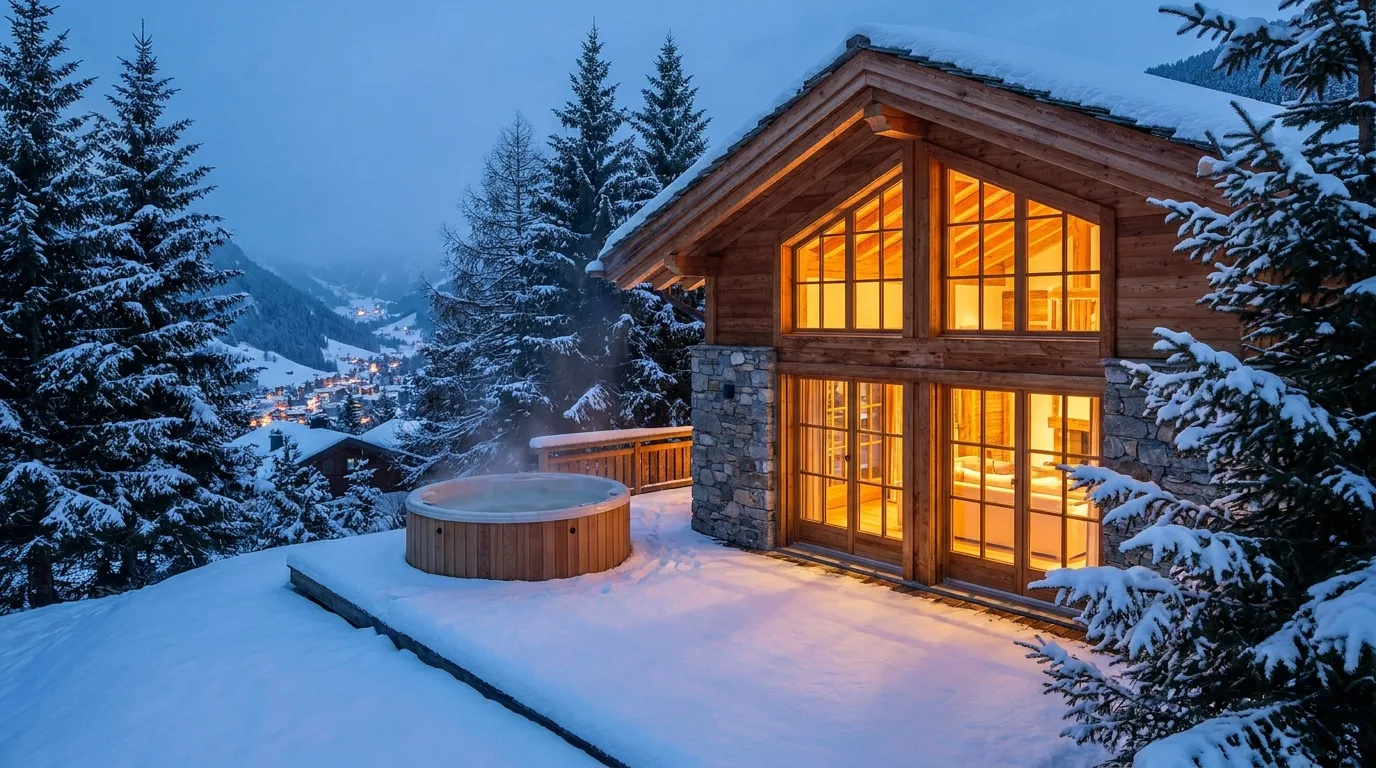
Winter photography and film shot in the right conditions. A chalet is bought on the picture of the building in fresh snow at blue hour, the hot tub steaming, the fire lit, the table set. Shoot it in a good snow week with the staff in place, and shoot the summer separately if the chalet lets in summer. The same set serves the site, the agencies, the advisor portals and the press for years.
A direct-booking site with the week-by-week rate card. Chalet guests and their advisors want the rates for each week of the season on the page, with what the catered package includes, so they can compare and decide. A site that publishes the calendar and the inclusions closes the repeat guest and the direct enquiry without an agency commission.
Agency and advisor distribution. The luxury chalet agencies and the ski specialists sell the peak weeks in the top resorts, and the chalet needs to be presented to them properly: the information pack, the floor plans, the staff profiles, the menus, and a visit for the agents who send the most. Press in the ski and luxury travel titles adds the enquiries that arrive in autumn.
Who books luxury chalets
Families for the school holidays. The peak-week buyers: two or three families sharing a large chalet at Christmas, New Year or February, booked six to nine months ahead through an advisor or an agency, and rebooked for the same week the following year if the stay was right. They care about bedrooms for children and grandparents, the nanny, the ski room and the catering.
Friends and celebration groups. Birthdays, anniversaries and reunions taking a chalet for a week in January or March, more price-aware than the holiday families and more likely to book direct from the site.
Corporate groups. Leadership retreats and client hospitality in the shoulder weeks, booked by assistants and agencies with a checklist: meeting space, internet, a driver, and catering that can host a dinner.
Summer guests. In the Alps, a growing market for hiking, cycling and cool-weather stays in July and August, at lower rates, with a different set of photos and a different page.
Chalet seasonality
The season opens in early December and closes in April. Christmas and New Year are the most valuable weeks of the year, followed by the early-January Russian New Year period in the top French and Swiss resorts and the February half-term weeks, which sell out first in the sought-after Courchevel 1850 chalets. January outside the holidays and March are the value weeks, and the marketing for them is a different message: the snow record, the quiet slopes, the rate.
In the Rockies the shape is the same: Christmas and New Year at the top, then Presidents' Day week and the spring-break weeks, with early December and April the soft edges. In Japan, Niseko's season runs December to March with the powder as the product and the Lunar New Year weeks the fullest.
Summer is the second season for chalets in the Alps: hiking, cycling, cool weather and family stays at a fraction of the winter rate. It needs its own photography and its own page, and it pays for the months the chalet would otherwise sit closed.
Chalet economics
A catered chalet is a small hotel with one booking a week. The revenue is concentrated in the peak weeks, and the published ranges show how wide the market is: from €7,800 a week for a two-bedroom catered chalet to €470,000 for a flagship estate in Courchevel, with the mid-range between €15,000 and €50,000. Per-person catered rates of €200 to €600 a night include the chef, the host, the housekeeping and the wine.
The costs are seasonal staff, catering, the driver and the vehicle, heating and snow clearance, and the year-round upkeep of a building in the mountains. A chalet that fills its peak weeks and sells January and March at a fair rate is a different business from one that discounts the holidays because the marketing started late.
Cavmir doesn't set your rates or run the chalet. The work is to make the rate defensible in the comparison the guest is making, and to have the chalet in front of the buyers and the agencies when the peak weeks are being booked.
Top markets for luxury chalets
Demand for staffed chalets concentrates in a short list of resorts where the buyers already go.
- Courchevel 1850 and the Three Valleys
- Verbier and Zermatt
- Gstaad and St. Moritz
- Megève and Val d'Isère
- Aspen and Snowmass
- Vail, Beaver Creek and Deer Valley
- Jackson Hole and Big Sky
- Niseko
How Cavmir works with luxury chalets
Cavmir markets the chalet. We name and brand it, direct the winter and summer photography and film, build a direct-booking website with the week-by-week rate card and the catered inclusions, produce the information pack the chalet agencies and advisors need, and write the listings for the luxury chalet collections and the platforms. Then we run the distribution: agencies, advisors, the ski press and the creators who cover the resorts.
Chalet work runs to the season. The build happens in spring, the peak weeks are sold through summer and early autumn, and the retainer covers the winter and the repeat-guest email that fills next year's calendar.
What it takes to earn 5-star reviews in a chalet
Chalet reviews are about the staff and the small things, because the mountain is the same for everyone.
- The chef and the host. Catered means every meal at the level of the rate, dietary briefs read in advance, and a host who knows the resort.
- The ski room. Boot warmers that work, storage for every guest, and a driver or a shuttle that is where it said it would be at the time it said.
- Heat, hot water and internet for a full house at the same time. A cold bedroom or a slow connection is the review that lasts.
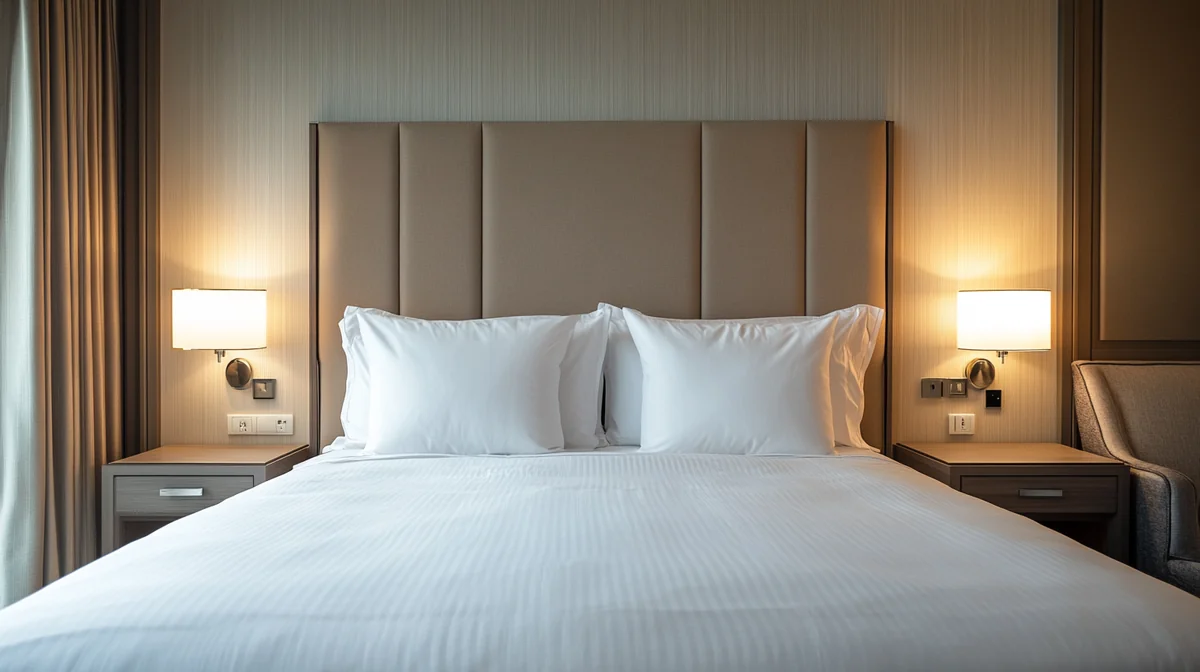
- Bedrooms as listed. Which rooms have en-suites, which are twins, which are the children's bunk rooms, stated before booking.
- Snow honesty. Tell guests what the conditions are. A family who arrives to bare slopes they were not warned about writes the review whatever the chalet did.
The shot list for a chalet
A chalet is bought on its winter photographs, and they can only be taken in winter.
- The exterior at blue hour after fresh snow, lights on, hot tub steaming.
- The exterior by day with the slopes or the village behind, and the ski-in access if there is one.
- The living room with the fire lit and the view through the window.
- Every bedroom and bathroom, labelled to match the floor plan.
- The dining table set, the chef at work, a plated dish, the wine.
- The pool, the spa, the sauna, the hot tub in use.
- The ski room with boots on the warmers, and the driver and the vehicle.
- The resort: the slopes, the village, the lift the chalet is closest to.
Shoot the summer set separately if the chalet lets in summer. The photography direction service plans the winter shoot around the snow forecast and the staff.
Writing the listing for a chalet
Lead with the resort, the access and the scale: "Ski-in ski-out catered chalet in Courchevel 1850, 7 bedrooms, pool and spa, sleeps 14." Chalet guests search the resort, and the access and the bedroom count decide whether they read on.
Then the chalet in the order the comparison is made: bedrooms and bathrooms by floor, the living spaces, the pool and spa, the ski room, the staff and what catered includes, the driver, the distance to the lift and the village, and the view. Then the practical layer: the rate by week, what is included and what is extra, the arrival airports and transfer times, and the childcare and ski-school arrangements the chalet can make.
Our listing optimization service writes the chalet for the luxury chalet collections, the ski specialists and the platforms, each in the format that channel rewards.
Where a direct-booking site earns its keep for a chalet
The repeat guest is the chalet's best customer, and the repeat guest books direct. A site with the week-by-week rate card, the catered inclusions, the floor plan and an enquiry form closes the families who came last year and the friends they told, without an agency commission. Advisors and agencies use the same site to check the chalet and forward it.
The pages that matter: the chalet and its location in the resort; each bedroom with the floor plan; the staff and the catering with sample menus; the spa and the ski room; the rate card by week with inclusions; getting there with transfer times from the airports; summer; and a press page. A Google Business Profile puts the chalet on the map under its own name in the resort, and search work around the resort and the words catered chalet reaches the family that is planning next winter.
Beyond the direct site, a chalet belongs with the luxury chalet agencies and the ski specialists for the peak weeks, on the luxury villa collections, and on Airbnb and Vrbo for the shoulder weeks. Press and creator stays work when the chalet has a story, and we run them through the influencer marketing service in the weeks the chalet would otherwise sit empty.
Frequently Asked Questions
What owners, estate managers, advisors and family offices ask us about luxury ski chalets.
How much does a luxury ski chalet cost per week?
Published rates in Courchevel run from about €7,800 a week for a two-bedroom catered chalet to €470,000 a week for a flagship estate, with most mid-range catered chalets with a pool and ski-in access between €15,000 and €50,000. Catered per-person rates run €200 to €400 a night in France and Austria and €300 to €600 in Switzerland.
When do the peak weeks sell?
Christmas, New Year, the early-January Russian New Year period and February half-term are the first weeks to fill, and they are booked six to nine months ahead. A chalet whose marketing is ready in spring sells its winter; one that starts in November discounts.
What does catered mean?
Breakfast, afternoon tea and dinner with wine prepared by the chalet's chef, with a host and daily housekeeping, included in the rate. Self-catered chalets provide the building and the cleaning only. The listing must say which the chalet is.
Who sells chalet weeks?
The luxury chalet agencies and ski specialists, the advisor networks, and the chalet's own site for direct and repeat guests. Each agency wants the chalet presented in its own format, with floor plans, staff profiles and menus.
Does a chalet need to be on Airbnb?
For the shoulder weeks and summer it helps. The peak weeks in the top resorts are sold through agencies, advisors and the chalet's own site, and the guests who rebook every year book direct.
What do families compare when choosing a chalet?
Ski-in ski-out or a shuttle, the bedrooms and which have en-suites, the catering and the chef, the pool and spa, the driver, the ski room, the distance to the lift and the village, the childcare arrangements, and the view. The listing that answers all of it wins.
Is summer worth marketing?
In the Alps, yes. Hiking, cycling and cool-weather family stays fill July and August at a fraction of the winter rate, and they pay for months the chalet would otherwise be closed. Summer needs its own photographs and its own page.
What photographs does a chalet need?
The exterior at blue hour after fresh snow with the hot tub steaming, the living room with the fire lit, every bedroom and bathroom, the table set with the chef at work, the pool and spa in use, the ski room, and the resort around it. They can only be taken in winter.
What is the biggest mistake chalet owners make?
Starting the marketing in autumn. The families who buy the peak weeks book in late spring and summer, through advisors and agencies who need the chalet's pack in hand by then.
How does Cavmir price chalet work?
By proposal, to the chalet and the resort. Most chalet engagements are a spring build followed by a retainer that covers the selling season and the winter.
Does Cavmir manage the chalet or the staff?
No. Cavmir is a marketing agency. We brand the chalet, direct the photography and film, build the website and the agency pack, write the listings and run the distribution. The chalet, the staff and the calendar stay yours.
Which resorts does Cavmir work in?
The resorts where staffed chalets are bought: Courchevel and the Three Valleys, Verbier, Zermatt, Gstaad, St. Moritz, Megève, Val d'Isère, Aspen, Vail, Deer Valley, Jackson Hole, Big Sky and Niseko among them.