Start here Work with Cavmir in Louisville
Get a Proposal (786) 751-3426
$250
Avg. Nightly Rate
52%
Avg. Occupancy Rate
$2,100
Avg. Monthly Revenue
5-7%
Est. Cash-on-Cash ROI
MEDIUM
Seasonality
MEDIUM
Regulatory Burden

* Market averages. Properties marketed by Cavmir typically exceed these figures by 25–45%. Data sourced from AirDNA, STR market reports, and Cavmir internal analytics.

The Market

Why Louisville is One of the World's Premier STR Markets

Louisville is the market where one weekend explains everything. The Kentucky Derby has run at Churchill Downs on the first Saturday of May every year since 1875 — the longest continuously held sporting event in America — and for two weeks each spring the whole city reprices: hotels sell out a year ahead, houses within walking distance of the track earn a meaningful share of their annual revenue in a handful of nights, and the Kentucky Derby Festival stacks demand from Thunder Over Louisville's April airshow-and-fireworks opening all the way to the roses. The rest of the year runs on bourbon. Louisville sits at the head of the Bourbon Trail, Whiskey Row's distilleries pour on Main Street, and September brings back-to-back festival weekends — Louder Than Life and Bourbon & Beyond — that fill the Highland Festival Grounds and every rental within a rideshare radius. The rules are workable but specific: an annual registration with Metro government for every short-term rental, a conditional use permit for non-owner-occupied rentals in most residential zones — with a 600-foot separation standard that was tightened in 2023 — and a tax stack that runs about 15.5%. Entry prices remain among the friendliest of any major American city with a marquee event, which is exactly why the owners who plan the calendar properly do so well here.

Louisville demand runs on published dates with a steady base underneath. Derby fortnight is the year's engine — the Oaks on Friday, the Derby on Saturday, and the Festival's parade, marathon and Thunder Over Louisville stretching demand across two-plus weeks of April and May — and September answers it with the festival double-header: Louder Than Life, one of the biggest rock festivals in America, followed a week later by Bourbon & Beyond at the same grounds. Between the spikes, bourbon tourism, conventions, Cardinals and Racing Louisville games, and the wedding-and-reunion trade keep weekends honest from spring through fall. Tracked averages run just under $300 a night at around 52% occupancy across roughly 3,800 active listings — but the Derby does heavy lifting in that average, and an honest planning figure for ordinary nights sits closer to $250. The geography is compact: the Highlands, NuLu, Old Louisville and Germantown carry most of the leisure trade, homes near Churchill Downs command Derby-week multiples that startle new owners, and winter is the quiet season a good calendar plans around rather than fights.

Top Attractions & Landmarks

  • Churchill Downs and the Kentucky Derby Museum
  • Louisville Slugger Museum & Factory
  • Muhammad Ali Center
  • Big Four Bridge and Waterfront Park
  • Old Forester Distilling Co. on Whiskey Row
  • Cherokee Park
  • Old Louisville and St. James Court

Nearby Markets: Nashville  |  Indianapolis  |  Hocking Hills

Airbnb marketing services in Louisville, Kentucky, USA
Postcards

Louisville through the lens

A few of the visual fingerprints we lean into when we shoot, brand and market a Louisville property — courtesy of the open Wikimedia Commons archive.

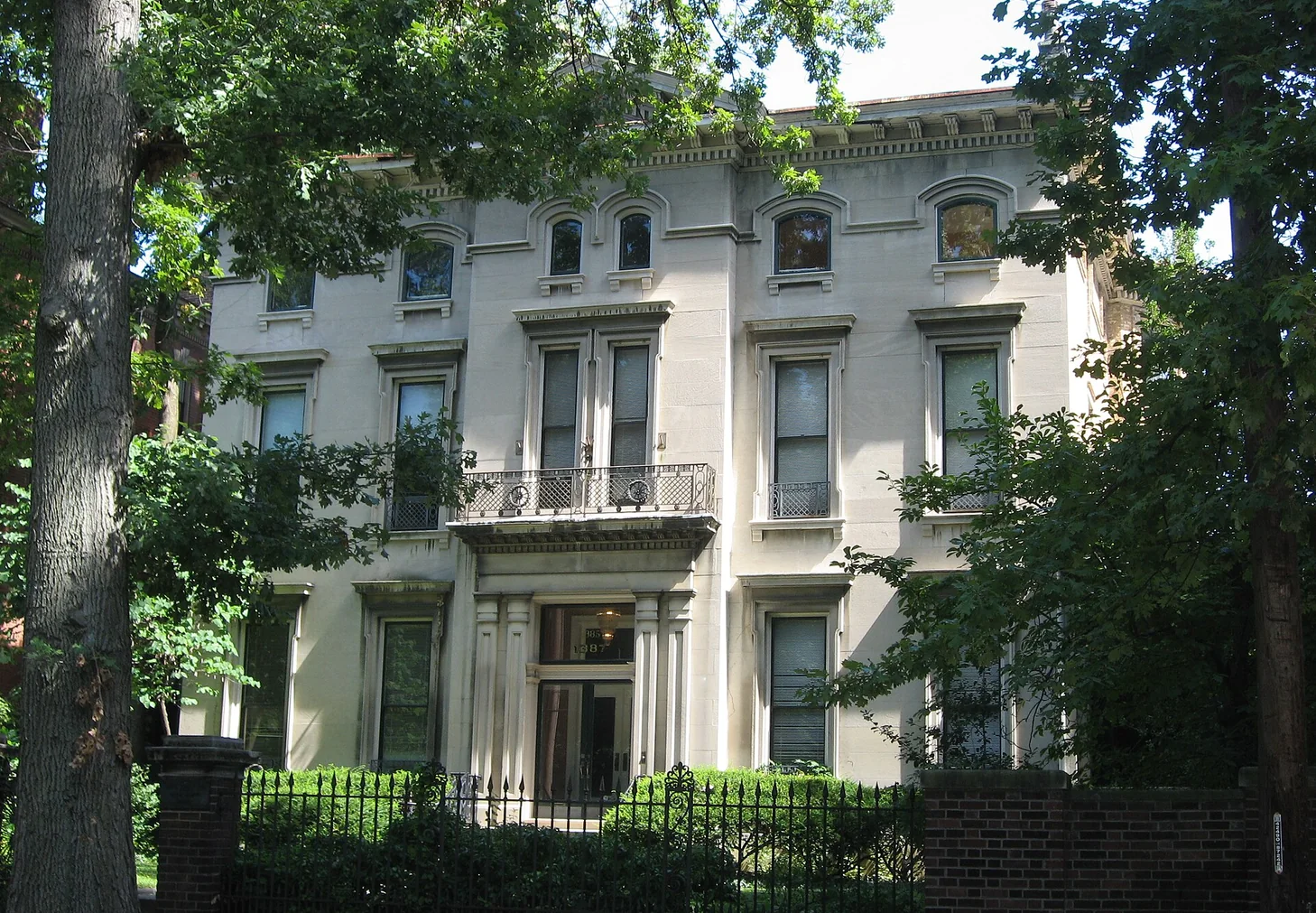
Werne's Row 4th and Hill, Old Louisville — Louisville airbnb marketing
Local Color
Werne's Row and Hill, Old
Louisville Panorama — Louisville airbnb marketing
Local Color
Louisville Panorama
Thunder over LOUISVILLE — Louisville airbnb marketing
Local Color
Thunder over LOUISVILLE
Muhammad Ali Center — Louisville airbnb marketing
Local Color
Muhammad Ali Center
Why Cavmir

The Cavmir Advantage
in Louisville

Cavmir wins in Louisville because this market hands owners a dated demand calendar and most listings ignore it. The Derby's date is fixed decades ahead; Thunder, the Oaks, Louder Than Life and Bourbon & Beyond are announced far in advance — yet flat January pricing still shows up on Derby weekend, donating the difference to faster operators. We build the rate card around the published calendar, set event minimums, and open Derby availability when the serious bookings land, months out. We write the bourbon story like locals — which distilleries walk from the front door, where the Urban Bourbon Trail actually starts, what a Saturday in NuLu looks like — and we shoot the city in its best light: the Big Four Bridge at dusk, Victorian Old Louisville, a porch with two glasses and a view of the street. For the inns and guesthouses that host the same Derby families every single year, we build direct-booking websites and repeat-guest programs, because a guest who returns every May should never cost a commission twice. We help position and market your property. We never manage it or touch your keys.

State of the Industry · History

The Louisville STR Market — Past & Present

Louisville was founded in 1778 at the one place the Ohio River made everyone stop: the Falls of the Ohio, a stretch of rapids that forced every boat to unload and portage, and where George Rogers Clark planted a settlement named for Louis XVI of France, whose alliance had just joined the American Revolution. The portage town became a river port, the river port became a whiskey town — Main Street's Whiskey Row held dozens of distillers and brokers by the late 1800s — and in 1875, Meriwether Lewis Clark Jr., grandson of the explorer, opened the Louisville Jockey Club track south of downtown and ran the first Kentucky Derby on May 17 of that year. The race has run every year since, through wars, the Depression and a pandemic, making it the longest continuously held sporting event in the country, and the twin-spired grandstand built in 1895 became one of the most recognizable structures in American sport. The city kept producing icons at an unreasonable rate: the Louisville Slugger bat, made here since 1884; the Hot Brown, invented at the Brown Hotel in 1926; and Muhammad Ali, born on Grand Avenue in 1942, who grew from a Louisville amateur into the most famous athlete on Earth and came home to rest at Cave Hill Cemetery.

The modern visitor economy layered bourbon onto the Derby. Kentucky distills about 95% of the world's bourbon, and over the past two decades Louisville deliberately rebuilt itself as the spirit's front door — distilleries returned to Whiskey Row, the Urban Bourbon Trail organized the bars, and September's festival grounds now host two of the biggest music weekends in America in Louder Than Life and Bourbon & Beyond. The short-term-rental rules matured alongside: Louisville Metro requires every rental to register annually with the Office of Planning & Design Services after obtaining a tax account with the Metro Revenue Commission, non-owner-occupied rentals in most residential zoning districts need a conditional use permit, and a September 2023 ordinance amendment tightened the regime — strengthening the 600-foot separation standard between permitted rentals and extending permit requirements into additional districts in the traditional neighborhoods. The direction is clear: Louisville wants its rentals registered, spaced and neighborly, and the operators who filed early hold positions the 2023 rules now protect.

Pricing Strategy & Seasonality

Pricing, Seasonality & When to Capture ROI

Pricing Strategy

The rate map follows the guest's reason for coming. The Highlands — the Victorian and Craftsman blocks off Bardstown Road — is the leisure heart, walkable to restaurants and bars, and carries the strongest steady weekend rates. NuLu and downtown serve the bourbon-and-convention trade at hotel-alternative pricing with the shortest walks to Whiskey Row; Old Louisville's preserved mansion district books photographers, wedding parties and St. James Court Art Show weekends; Germantown and Schnitzelburg run the value play with cottage stock minutes from everything; and the modest blocks around Churchill Downs — ordinary houses most of the year — transform every first week of May, when walk-to-the-track position commands the market's most dramatic event multiples. Tracked averages run just under $300 a night at about 52% occupancy across roughly 3,800 listings, but the Derby inflates that mean; ordinary non-event nights trade closer to $250 and below by neighborhood. The spread is the story: a Highlands house priced flat through Derby week can leave a five-figure fortnight on the table, and September's festival weekends now behave like a second, smaller Derby.

Seasonality & ROI Windows

Louisville runs spring-to-fall with two enormous spikes. April warms up through Thunder Over Louisville and the Derby Festival, the Oaks-and-Derby fortnight peaks the year in early May, and summer runs steady on bourbon tourism, ballpark weekends and reunions. September is the second peak — Louder Than Life and Bourbon & Beyond on consecutive weekends — and October holds with fall color, the St. James Court Art Show and conference season. November through February is the honest trough: holiday weekends and value-priced bourbon getaways against a quiet winter, which is when smart owners take the maintenance weeks.

Regulation & Licensing · 2026

What the Law Requires in Louisville

Louisville's rules are workable, but they reward reading the map before you buy — and confirming the current ordinance with Planning & Design Services and your attorney, because the 2023 amendments show this council revisits the details. The baseline: every short-term rental in Louisville Metro must register annually with the Office of Planning & Design Services, and before registering, hosts need a tax account with the Metro Revenue Commission. Registration is per-property and per-host — it must be active and in the name of the current host and owner — and operating unregistered is a code-enforcement case. The second layer is zoning: a short-term rental of a dwelling that is not the host's primary residence requires a conditional use permit in most residential zoning districts — R-R, R-E, R-1 through R-8A and U-N, with the September 2023 amendment extending CUP requirements to office-residential districts (OR, OR-1, OR-2) within traditional neighborhood form districts. The CUP process is real: application, neighborhood meeting, public hearing, typically four to six months — and if a rental isn't registered within 30 days of the CUP being granted, the permit becomes void.

The 2023 amendment's sharpest edge is spacing: Louisville applies a 600-foot separation standard between non-owner-occupied short-term rentals, and the amendment restricted waivers — where two or more permitted rentals already sit within 600 feet in residential zones, new waivers generally aren't available. Existing, legally established rentals in the newly restricted districts may qualify as lawfully nonconforming, which makes documented operating history genuinely valuable here. The tax stack: Kentucky's 6% state sales tax, the state's 1% statewide transient room tax, and Louisville Metro's 8.5% transient room tax — roughly 15.5% on stays under 30 days, with platforms collecting most of it on their bookings and the registration and any direct-booking remittance staying yours. Stays of 30 days or more fall outside the transient taxes. As of 2026 the framework is stable but actively enforced, and Frankfort periodically debates state preemption bills — so get current answers in writing before you close on an investment property.

Market-Specific Tips & Challenges

Local Tips & Unique Market Challenges

Tips That Actually Move Revenue in Louisville

The Louisville strategic tip: treat Derby week as a product you build all year, not a weekend you get lucky on. The serious Derby bookings — owners' groups, corporate parties, returning railbirds — land months to a year out, and they pay for exactly two things: proximity logistics and credibility. A listing that states its drive or walk time to the gates, its parking answer and its Derby-week terms plainly, with a calendar opened early at researched rates, captures the guests that vague listings scare into hotels. Set multi-night minimums; the fortnight fills either way.

Tactically: first, price the whole published calendar in January — Derby fortnight, Thunder weekend, both September festivals, the Art Show, State Fair week — because every one of those dates is announced and flat pricing donates the spread. Second, write bourbon fluency: name the walkable distilleries, the Urban Bourbon Trail stops, the tour that needs booking three weeks out — specificity converts the planning-heavy bourbon traveler. Third, shoot the city golden: the Big Four Bridge lit at dusk, Old Louisville's stained glass, the porch scene with two pours; Louisville photographs like a film set and almost no listing proves it. Fourth, build the repeat channel — Derby guests are the most annual guests in American travel, and a direct-booking page with a same-week-next-year hold turns one commission into a decade of Mays. Fifth, respect the winter honestly: price it as the value season, sell the museum-and-bourbon weekend to drive-market couples, and use January for the maintenance the Derby calendar won't allow.

Unique Louisville Challenges

The frictions are specific: the CUP process for non-owner-occupied rentals is slow and discretionary, the 600-foot rule can simply block a purchase thesis — map before you offer — and the 15.5% tax stack must live inside the rate card. Demand between the spikes is steady but unspectacular, winter is a real trough, and Derby-week guests are demanding in proportion to what they pay. This market rewards owners who run it like the events business it is.

A Curious Louisville Fact
The most-performed song in the English language was written by two Louisville sisters. In 1893, Patty Hill — a pioneering kindergarten teacher — and her sister Mildred, a church organist, published a classroom greeting tune that, with a later lyric change, became the birthday song sung around the world. The city's knack for exporting icons is almost comic: the same town gave the world the Louisville Slugger, the Hot Brown, Muhammad Ali and the mint julep as Derby ritual — and each May, the crowd at Churchill Downs sings a Stephen Foster ballad together before the horses load, one of the few moments in American sport where a hundred and fifty thousand people cry on schedule.
Finance Essentials — Louisville
🛡️

Insurance

Louisville underwriting is gentler than coastal markets but has its own checklist: much of the desirable stock is a century old, so roof age, knob-and-tube wiring remnants, and foundation questions move premiums; the Ohio Valley brings real hail, wind and occasional tornado exposure; and river-adjacent parcels need flood determinations. Short-term-rental operations need proper STR or landlord coverage rather than homeowner's policies — event-week guests and porch parties argue for real liability limits — and owners hosting Derby-week groups should confirm occupancy and event-use terms with their carrier rather than discovering exclusions after a claim. A Kentucky broker who writes older urban housing routinely is the right partner here.

🧾

Property & Income Tax

Short stays owe Kentucky's 6% state sales tax, the 1% statewide transient room tax, and Louisville Metro's 8.5% transient room tax — a combined stack of roughly 15.5%, with the Metro tax administered by the Revenue Commission. Platforms collect and remit these on platform bookings under their agreements; the accounts, filings and anything uncollected — especially direct bookings — remain the host's responsibility. Stays of 30 days or more fall outside the transient taxes. Rental income then faces federal and Kentucky income tax, plus Louisville's occupational license tax considerations for business activity — treat these as planning figures and confirm your exact stack with your accountant.

🏦

Mortgages & Financing

Louisville is one of the most financeable markets in this portfolio: entry prices sit comfortably inside conforming limits across most neighborhoods, conventional investment loans work, and DSCR lenders underwrite documented rental histories — with the caveat that underwriting a non-owner-occupied property should follow the CUP and 600-foot analysis, never precede it, because a parcel that can't be permitted can't earn the projected income. Historic-district properties bring preservation-review and older-systems findings into appraisals; the shotgun-house stock in Germantown appraises on thin comps that move slowly. Local lenders who know the Metro registration regime will ask the right questions early. The strategic note: this market's yield thesis is low entry plus event income — don't let a Derby-week projection justify overpaying for a house the zoning map doesn't support.

Future Outlook · 2027 & Beyond

Where Louisville is Headed Next

Louisville's trajectory is steady compounding around fixed assets. The Derby is not going anywhere — Churchill Downs keeps investing in the venue by the hundreds of millions — the September festivals have grown into national-scale institutions in under a decade, and bourbon tourism keeps adding distillery openings and trail traffic. The regulatory direction is more registration and spacing enforcement, not less, which quietly protects permitted operators the way such regimes always do: the 2023 amendments made existing legal positions more valuable, and the operators with clean records are the ones any future rules will grandfather kindly. Watch the state preemption debates in Frankfort, which could reshape local control, and watch supply in the Highlands and NuLu, where conversion pressure is real. The durable play into 2027 and beyond is a registered, properly permitted property in a walkable neighborhood, priced to the published calendar, with photography worth the city and a direct channel holding its Derby regulars. In the town that runs the fastest two minutes in sports, the slow, annual loyalties are the actual asset.

From the Desk of Sofie Sinag

Why We Love Marketing in Louisville

Louisville is the most schedulable market in America, and we love markets where the work compounds on known dates. The Derby has run on the first Saturday of May since 1875; Thunder's April date, the Oaks, both September festivals and the Art Show are published far ahead — which means a Louisville rental's revenue potential is largely knowable in January, and the gap between owners who plan for it and owners who don't is the widest, most fixable gap in the region. Marketing here is logistics done beautifully: price the fortnight, speak each guest tribe's language — railbirds, bourbon pilgrims, festival crowds — and let the calendar do what it was always going to do.

We also love the city's texture, because texture is what photography and copy are made of. Louisville has Victorian mansion blocks that stop first-time visitors mid-sentence, a bourbon culture that turned drinking local into a civic art form, a river with a lit pedestrian bridge, and a genuinely funny streak of icon-making — the bat, the sandwich, the birthday song, the Greatest. Listings here get to be interesting without straining, which is the easiest kind of copy to write and the hardest kind to fake. A city this specific deserves marketing this specific, and almost nobody in the comp set is doing it.

Why It Matters

A great property in Louisville doesn't just want a listing — it wants a point of view, an audience, and a brand the city itself would recognise.

Cavmir's Louisville Cheat Sheet

The Picks We Recommend for Your Welcome Book

A few honest, insider picks for Louisville — the kind of specifics that make a listing read like a local wrote it, because one did. Real places, no filler.

Morning

Cherokee Park's Scenic Loop

Frederick Law Olmsted designed this park in the 1890s, and the 2.4-mile loop through its hills is the neighborhood ritual of the Highlands — runners and dog-walkers own it at seven a.m. A listing that names the loop, and the Bardstown Road coffee afterward, reads local in one sentence.

Golden Hour

The Big Four Bridge

A retired railroad bridge turned pedestrian span, lit in colors after dusk, arcing from Waterfront Park across the Ohio to Indiana. The walk out to midspan at golden hour — river below, skyline behind — is the closing shot of any Louisville gallery and the free evening every guest remembers.

Neighborhood Walk

Old Louisville and St. James Court

Block after block of the largest Victorian district in the country, with the gaslit fountain court at its heart. October's Art Show weekend fills it, but on an ordinary evening it's astonishingly quiet — send guests at dusk when the stained glass lights up from inside.

Dinner That Photographs

Jack Fry's on Bardstown Road

A Highlands institution since 1933 — white tablecloths, jazz in the corner, walls of old Louisville photographs, and the shrimp and grits regulars argue about. It's the anniversary answer, and the reservation to tell guests to book the week their dates are set.

Local Obsession

The Hot Brown

An open-faced turkey sandwich under Mornay sauce and bacon, invented at the Brown Hotel in 1926 to feed dancers at two a.m., and defended by Louisvillians with theological seriousness. Guests should have the original in the hotel's English Grill once — then debate every diner version after.

Shoulder Season Secret

October in the parks

Derby gets the headlines, but October is the city at its best — Olmsted's parks in full color, the Art Show filling St. James Court, bourbon weather on every porch. Rates run reasonable, the calendar has room, and couples get the city Derby crowds never see.

Weekend Escape

Bardstown and the Bourbon Trail

Forty minutes south: the self-declared Bourbon Capital of the World, ringed by distilleries from Maker's Mark to Willett, with My Old Kentucky Home in between. It's the day trip that turns a Louisville weekend into a Kentucky one — designate the driver in the listing copy, cheerfully.

What Guests Ask For

Derby logistics, months early

The inquiries that matter arrive in winter: how far to Churchill Downs, where cars park, what the house costs Derby week and whether the porch fits a watch party. Answer all four in the listing itself — drive time, parking plan, event terms posted — and the serious bookings come to you first.

Local Work · Composite Case Vignettes

What Cavmir Has Done for Louisville Properties

A few composite engagements drawn from how Cavmir typically works in this market. The details are illustrative and consistent with Louisville, not pulled from a single named client.

Victorian near the track · South Louisville
The Brief

A modest house a fifteen-minute walk from Churchill Downs ran one flat rate all year — Derby week included — with dim photos, no event terms, and a calendar that strangers booked cheap in March before the owner understood what the first week of May was worth.

What We Did

Cavmir rebuilt the calendar around the published Derby Festival — fortnight pricing, multi-night minimums, terms posted early — reshot the house and the walk-to-gates route in evening light, wrote the watch-party porch into the lead, and opened Derby availability in the fall when serious bookings land.

The Result

Derby fortnight moved from an accidental giveaway to the anchor of the year's revenue, the same owners' group rebooked for the following May before checkout, and the house entered the returning-guest cycle that makes track-adjacent properties the quiet aristocracy of this market.

Highlands bungalow · off Bardstown Road
The Brief

A well-renovated bungalow in the city's best walking neighborhood was marketed like a suburban corporate stay — appliance photos, amenity bullets — with no bourbon story, no festival pricing and September's twin festival weekends priced like ordinary weekends.

What We Did

Cavmir rewrote the listing around the neighborhood — minutes to Cherokee Park's loop, the restaurant row, the Urban Bourbon Trail stops in walking range — built event pricing for Derby, Louder Than Life and Bourbon & Beyond, and shot the porch and street at golden hour.

The Result

The bungalow separated from its comp set on place rather than granite, September began performing like the second Derby month it now is, and the food-and-bourbon couples it attracted proved the most loyal and least destructive guest segment on its calendar.

Guesthouse inn · Old Louisville
The Brief

A mansion-district guesthouse with decades of returning Derby and Art Show guests was paying OTA commissions on its own regulars — a dated website, no email program, and no presence in the searches that fill the neighborhood twice a year.

What We Did

Cavmir rebuilt the brand and direct-booking website around the house's Victorian architecture and its two marquee weekends, reshot the interiors and the gaslit court at dusk, ran search marketing for Old Louisville stay terms, and organized the guest ledger into a calendar-keyed email program.

The Result

Direct bookings became the largest channel within a year, Derby and Art Show weeks sold out on the inn's own site before the platforms saw availability, and the guest list — generations deep, finally organized — began booking next year's dates at this year's checkout.

Market Intelligence · Seasonality

Airbnb seasonality in Louisville, month by month

Demand in Louisville peaks around May and September and runs quietest around January. Here is how the year actually books — and what to do about each stretch of the calendar.

Peak demandSteadyQuiet

Peak season

Derby week is the spike everything else gets measured against. The first Saturday of May fills calendars across the whole metro, and the Kentucky Derby Festival keeps late April moving right up to race day. Set multi-night minimums, price the full week rather than just the race weekend, and have your listing photographed and polished by February, because Derby regulars start locking in stays months ahead. September has quietly become a second peak: three big festival weekends in a row book the city out one after another.

The shoulders

June through August runs steady on bourbon tourism, ballpark weekends and family road trips along the I-64 and I-65 corridors. Bourbon Trail travelers use Louisville as their base and tend to stay longer than the average weekender, so speak to them directly in your listing copy. October keeps moving on fall distillery trips and conference traffic, and a well-run calendar prices individual weekends instead of sitting on one flat rate.

The quiet stretch

January and February are the honest lull, with November and early December only a little better outside the holidays. Lean into month-plus stays for traveling professionals and relocation scouts, loosen midweek minimums, and use the downtime for the unglamorous work: refreshed photos, review replies and rewritten listing copy before Derby demand starts building in late winter.

Dates that fill first

Thunder Over LouisvilleApril
The Derby Festival's opening airshow and fireworks pull enormous crowds to Waterfront Park and fill downtown and Highlands calendars for the weekend.
Kentucky Derbyearly May
The first Saturday of May is the biggest lodging week of the year, and guests book the surrounding nights too, so price the whole week and hold firm.
Kentucky Bourbon Festivalmid September
It happens down the road in Bardstown, but plenty of attendees base themselves in Louisville and day-trip, which firms up an already strong month.
Louder Than Lifemid September
One of the country's biggest rock festivals takes over the Highland Festival Grounds for four days, and group-friendly homes near the fairgrounds go first.
Bourbon & Beyondlate September
Four days of bourbon, food and headline music at the Kentucky Expo Center, drawing couples and groups who prefer a comfortable house over a hotel block.
Market Intelligence · Guests

Who books Louisville Airbnbs — and how far ahead

Derby week groups
They book big houses near Churchill Downs, the Highlands and Old Louisville, decide early, and care about beds, parking and a good space to gather before the track.
Bourbon Trail travelers
Louisville anchors their distillery loop, so they stay longer than typical weekenders and reward a real kitchen, a comfortable living room and honest local recommendations.
September festival crowds
Louder Than Life and Bourbon & Beyond bring groups who book around specific dates and compare listings on beds, parking and how easy the fairgrounds commute looks.
Midweek business travelers
Conventions, logistics employers and the hospital systems keep a steady base moving through downtown. Fast wifi, a real desk and self check-in decide these bookings.
Weekend city-breakers
Couples from Cincinnati, Indianapolis and Nashville come in for restaurants, bourbon bars and race meets at Churchill Downs. Walkability and character win them.

The booking window

Derby week is its own economy: regulars book months out, and the savviest lock in almost a year ahead, so that week should be priced and set by winter. September festival weekends fill one to three months in advance once lineups drop. Ordinary weekends move on a much shorter fuse, often inside a few weeks, so keep pricing responsive year-round.

Typical stays

Most bookings are two-to-three-night weekends, with Derby week and the September festivals stretching to four or five nights. Bourbon Trail guests often stay longer since Louisville anchors a multi-day loop, and a steady midweek business base keeps shorter stays moving downtown.

Where guests drive from

CincinnatiIndianapolisNashvilleLexingtonSt. Louis

Where guests fly from

New YorkChicagoDallasAtlantaLos Angeles
Louisville sits inside a ring of major metros a few hours away, and those cities supply most weekend and festival guests. Derby week flips the mix national with heavy fly-in traffic, which is why geo-targeted ads toward Cincinnati, Indianapolis and Nashville earn their keep most of the year while Derby marketing can go wide.
Market Intelligence · What Wins

The Airbnb that wins in Louisville

The Louisville winner is a three-or-four-bedroom home in the Highlands, Germantown, NuLu or Old Louisville with its character intact: a shotgun or Victorian done well beats a generic renovation every time. Group capacity matters more here than in most markets because Derby and the September festivals travel in packs. A short walk to Bardstown Road restaurants or an easy ride to Churchill Downs is worth leading with in your photos and copy.

Amenities that move bookings here

off-street parkingfast wifiself check-inbourbon bar setupbig dining tableporch or patio seatingpet friendlydedicated workspace
Set up a proper bourbon corner with good glassware and a short guide to local bottles, then photograph it. It costs little, it's what many guests came for, and almost nobody else does it well.
Straight Answers

Louisville Airbnb marketing questions, answered

How do I market my Airbnb in Louisville?

Start with the guests you actually get here: Derby groups, Bourbon Trail travelers and festival crowds, and write your listing around them instead of generic city copy. Photography that shows the porch, the dining table and the bourbon setup earns the click, and event-aware pricing does more for revenue than any single amenity. From there, a Google Business Profile puts you in map searches, and a simple direct-booking site lets Derby regulars and repeat bourbon travelers book you again without hunting through a platform. That's the stack Cavmir builds for Louisville hosts, and each piece makes the others work harder.

When is peak season for Louisville Airbnbs?

Derby week in early May is the clear peak, with late April strong thanks to Thunder Over Louisville and the rest of the Derby Festival calendar. September has become a second peak as the Kentucky Bourbon Festival, Louder Than Life and Bourbon & Beyond stack three big weekends in a row. Summer runs steady on bourbon tourism, and deep winter is the quiet stretch.

How far in advance do guests book Louisville Airbnbs?

Derby week books further ahead than anything else in the market — regulars lock in months out, and some reserve nearly a year ahead. September festival weekends fill one to three months in advance once lineups are announced. Ordinary weekends move inside a few weeks, so responsive pricing matters all year.

Where do most Louisville Airbnb guests come from?

Most of the year, guests drive in from Cincinnati, Indianapolis, Nashville, Lexington and St. Louis for weekends, festivals and bourbon trips. Derby week draws nationally, with fly-in guests from New York, Chicago, Texas and both coasts. If you run ads, the drive-market cities are the efficient targets for most of the calendar.

What amenities matter most for a Louisville Airbnb?

Off-street parking and self check-in cover the practical anxieties first. After that, spaces that host well win the market: a big dining table, porch seating and a genuinely stocked bourbon setup, because groups here gather at home before and after the track, the distilleries and the festivals. Fast wifi and a workspace keep the midweek business base in play.

Free Tools · Websites That Book

See what your listing in Louisville is leaving on the table

Run your Airbnb, Vrbo, or website through Cavmir's free grader. It checks the things that decide whether guests book in Louisville — photos, listing copy, page speed, local search — and shows you where bookings leak. Takes about a minute, and there's no sales call attached.

If the report says your booking engine is the weak link, that's fixable: a direct-booking website of your own means repeat guests stop paying platform fees to come back to you. That's the work Cavmir does — see Airbnb website design in Louisville.

What the grader measures

  • Photos and the first-impression frame
  • Listing title and copy
  • Your direct-booking website (or the lack of one)
  • Page speed and mobile experience
  • Local search and Google visibility
Grade My Listing — Free
By The Numbers · July 2026
997
License records on file in Louisville
1,722
Records statewide in Kentucky
1
Rank among Kentucky's tracked markets

Counted from Louisville Metro — short-term rental registry, deduplicated by permit number — real registry data, not an estimate. See the full Kentucky permit data →

Straight Answers

The Louisville market, counted

How many licensed short-term rentals are in Louisville?

As of July 2026, Louisville Metro — short-term rental registry shows 997 license records on file in Louisville. A license is not always one listing — some licenses cover multiple units — so treat this as a verified floor for the size of the legal market.

How competitive is Louisville for short-term rental owners?

Louisville ranks number 1 of Kentucky's tracked markets by records on file, holding about 58% of the 1,722 records we compiled for Kentucky. Every one of those operators shows up in the same searches your guests use — which is why presentation, photography, and a direct-booking path decide who gets seen.

Who tracks short-term rental licensing in Louisville?

The number above comes from Louisville Metro — short-term rental registry, an official public source, pulled and deduplicated in July 2026. Rules and requirements change — always confirm current licensing requirements with the program directly before you buy or list.

Free Property Review

What is your Louisville property actually worth per night?

Send us the listing and we'll tell you what we'd change. Not a pitch deck — a straight read on your photos, your title, your rates against the Louisville comp set, and whether a direct-booking site would pay for itself.

You'll hear back from a person, usually inside one business day. If we don't think we can move your numbers, we'll say so. Cavmir is a short-term rental marketing agency — we position and market properties, we don't manage them.

  • No obligation, and no automated call sequence
  • We market and position — we never manage your property or hold keys
  • Works whether you're on Airbnb, Vrbo, or direct

Ready to Grow in Louisville?

Let's Put Your Louisville
Property on the Map

Talk to Cavmir today. We'll show you exactly what your Louisville property is leaving on the table — and how fast we can change that.

Book a Free Strategy Call

Photography via Wikimedia Commons (images resized and cropped): Big Four Bridge 2025c by Antony-22 (CC BY-SA 4.0) · Werne's Row 4th and Hill, Old Louisville by The original uploader was Retired username at English Wikipedia. (CC BY 2.5) · Louisville Panorama by Anindya Chakraborty (CC BY 3.0) · Thunder over LOUISVILLE by Aroun Kesavaraj (CC BY-SA 4.0) · Muhammad Ali Center (photo 2) by Proof377 (CC BY-SA 4.0).