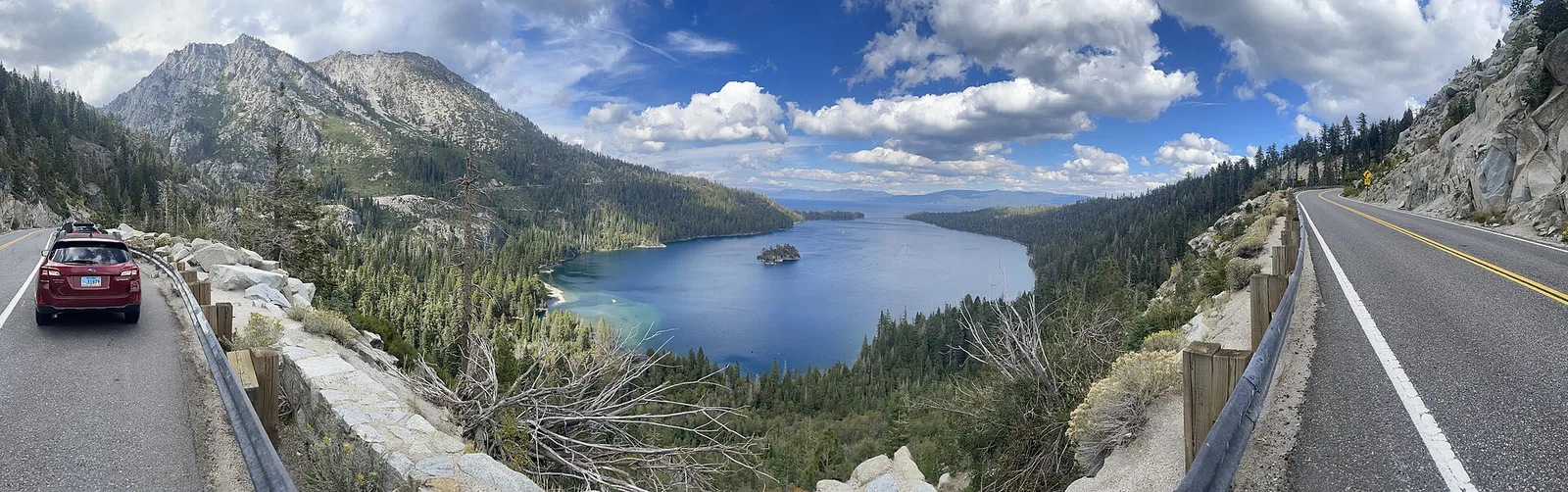
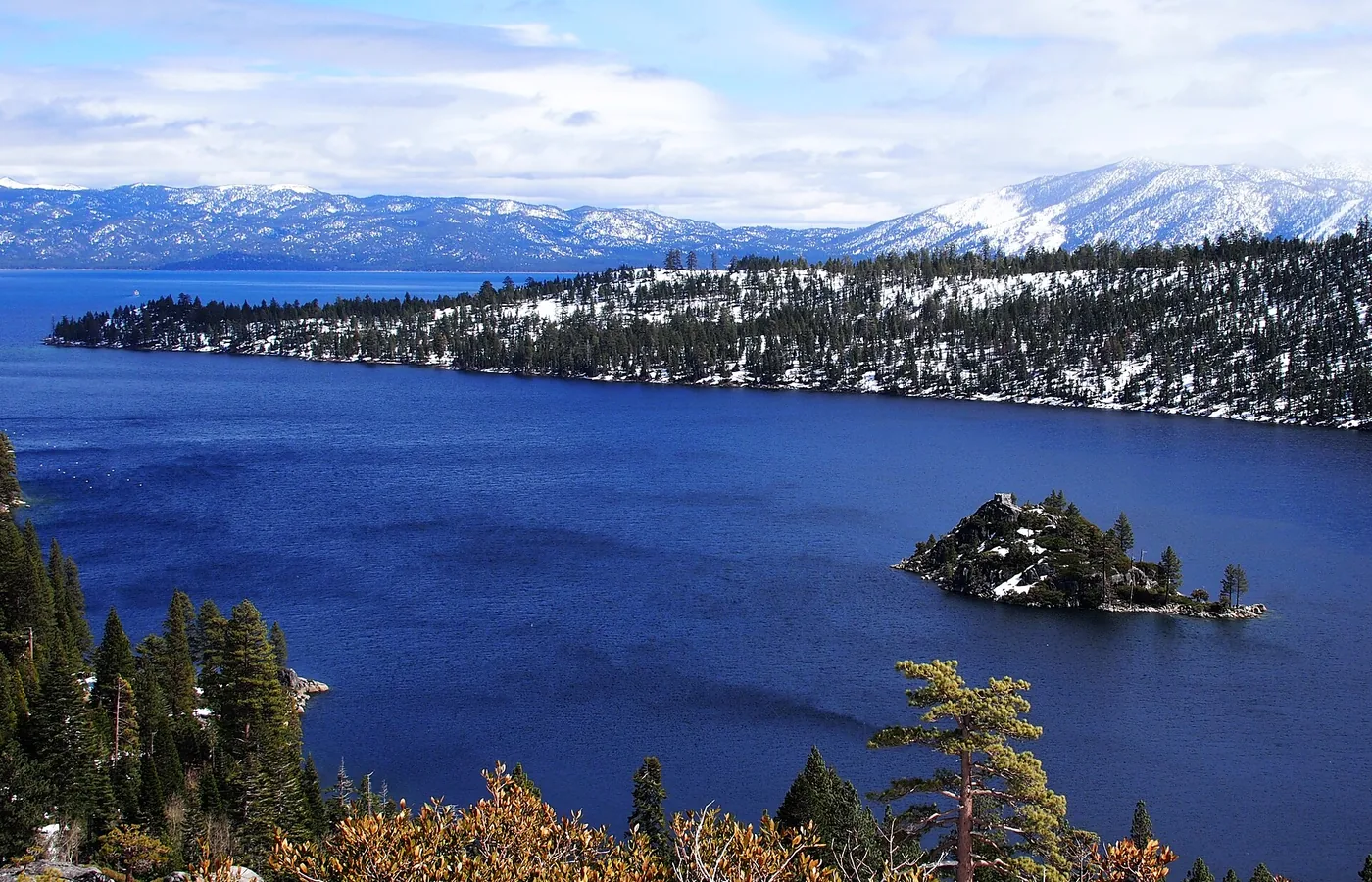
Emerald Bay overlook
Get there early, before the Highway 89 pull-outs jam. The view down to Fannette Island and Vikingsholm is the most photographed scene on the lake for a reason, and morning light makes the water that impossible turquoise.
Expert short-term rental marketing to grow your bookings and nightly rate in Lake Tahoe, California, USA.
* Market averages. Cavmir-managed properties typically exceed these figures by 25–45%. Data sourced from AirDNA, STR market reports, and Cavmir internal analytics.
Lake Tahoe is the highest-altitude alpine lake of its size in North America, and the bluest deal in California real estate marketing. On the California shore you've got South Lake Tahoe and its tourist core, Tahoe City on the north rim, Olympic Valley and Palisades Tahoe, plus the quieter west-shore stretches of Homewood and Tahoma. Across the state line sit Incline Village and Crystal Bay in Nevada. People come for two completely different vacations on the same water: summer beach-and-boat season around Emerald Bay and Sand Harbor, and a marquee ski winter at Heavenly and Palisades. They pay premium nightly rates because Tahoe is a once-a-year trip booked months out, and your listing is competing on a very short, very crowded shelf.
Demand here runs on two engines. July and August fill on lake access, beaches and the boating crowd; December through March fill on snow, with Heavenly and Palisades Tahoe pulling Bay Area skiers up Highway 50 and I-80. Lakefront and ski-in/ski-out addresses command the real premiums, and west-shore privacy near D.L. Bliss reads as luxury. Your travelers are families splitting a big house, ski groups, and remote workers stretching a long weekend. The catch: supply is capped hard in most jurisdictions, so the operators who win are the ones who market the experience, not just the bedroom count.
Nearby Markets: Napa Valley | Park City | Aspen

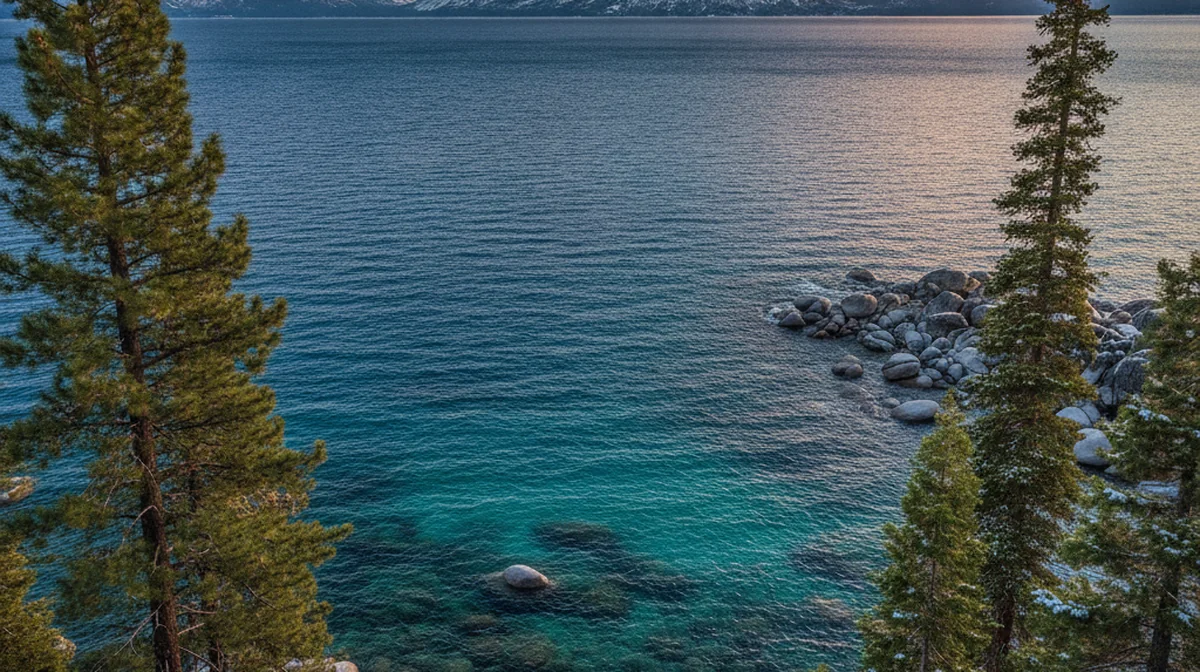
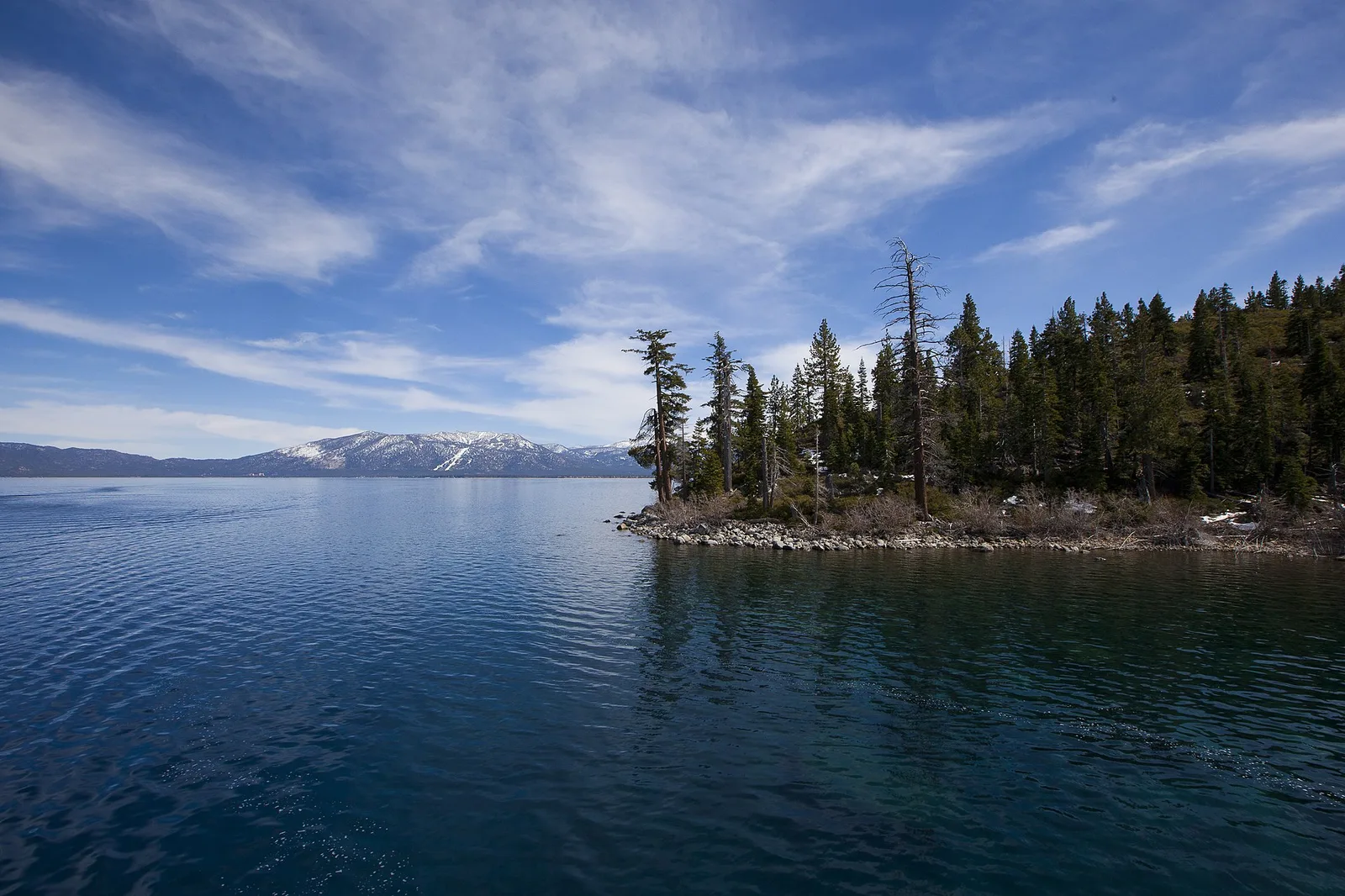
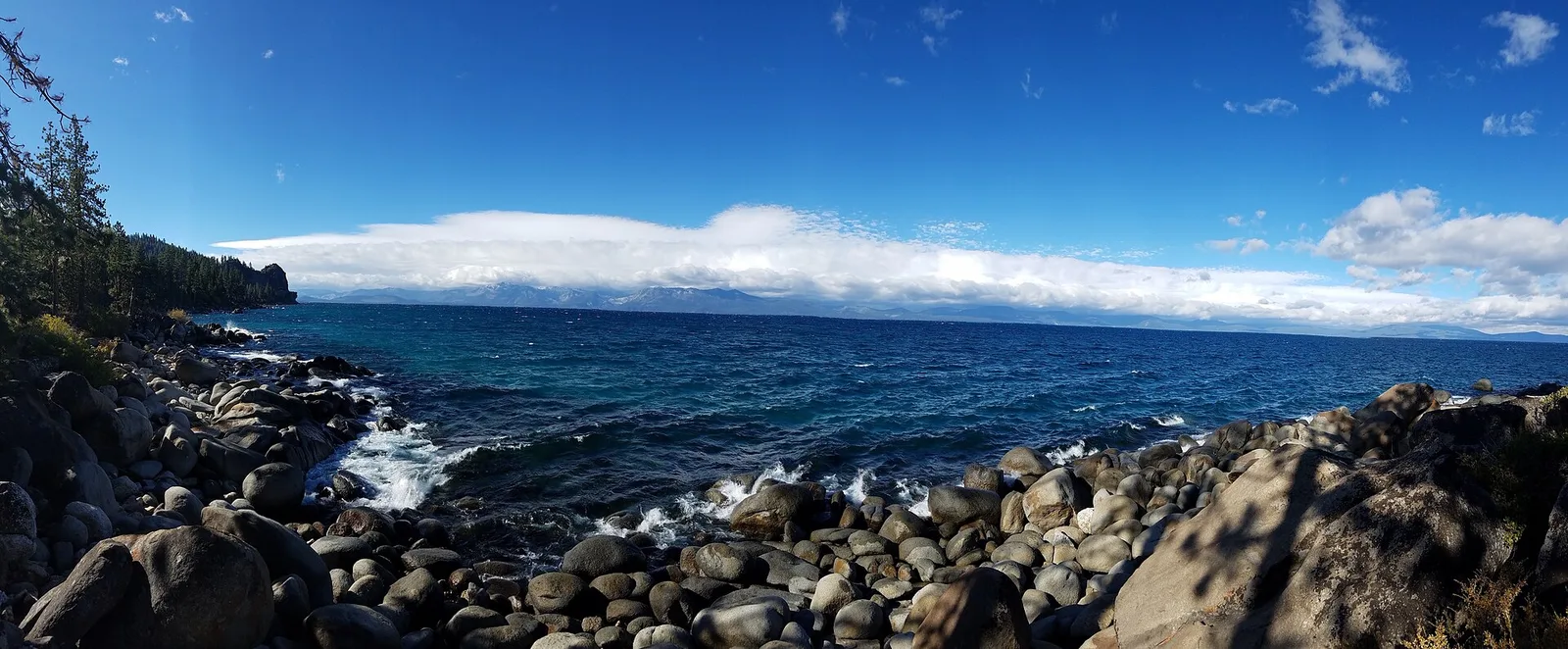
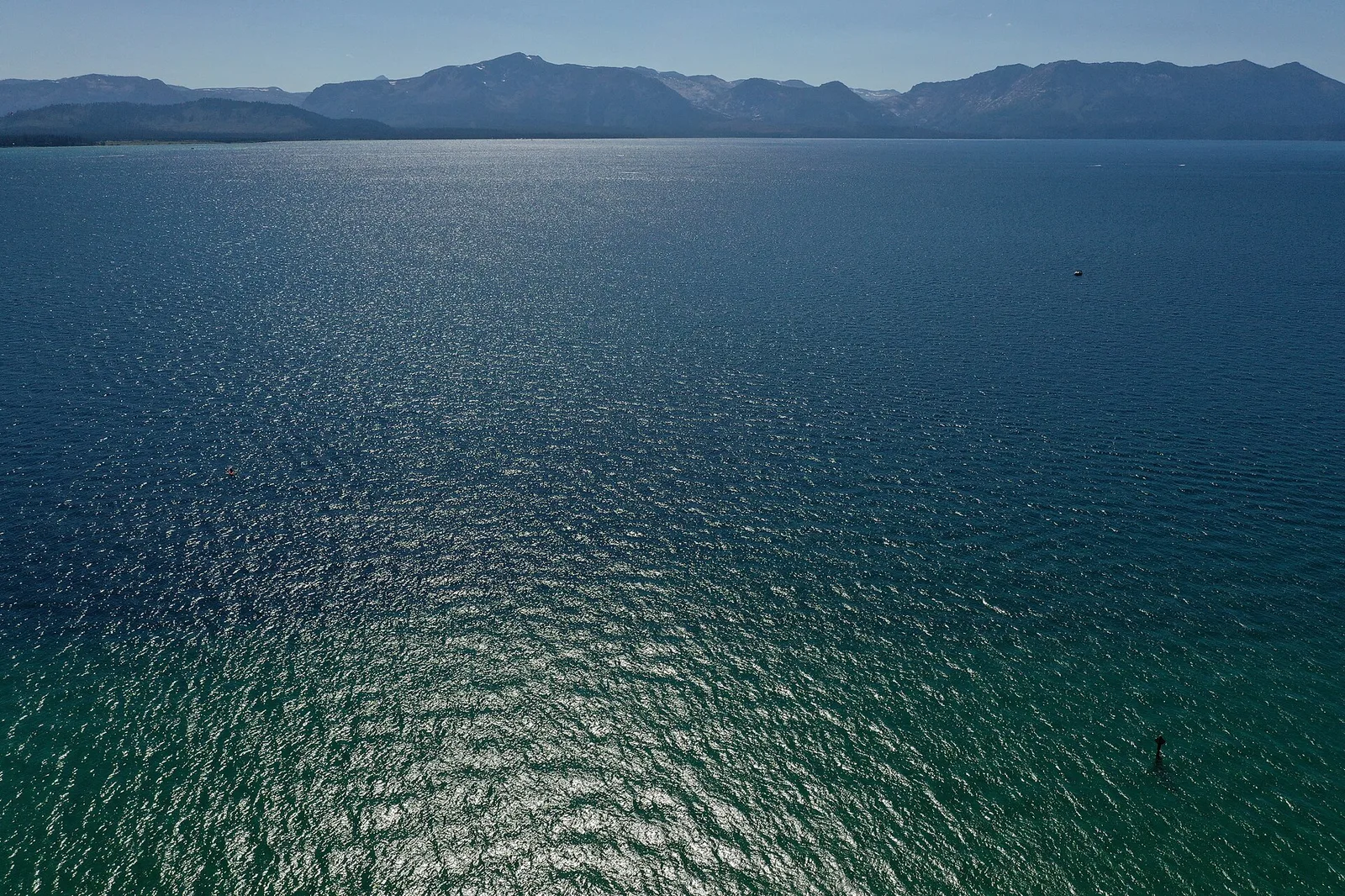
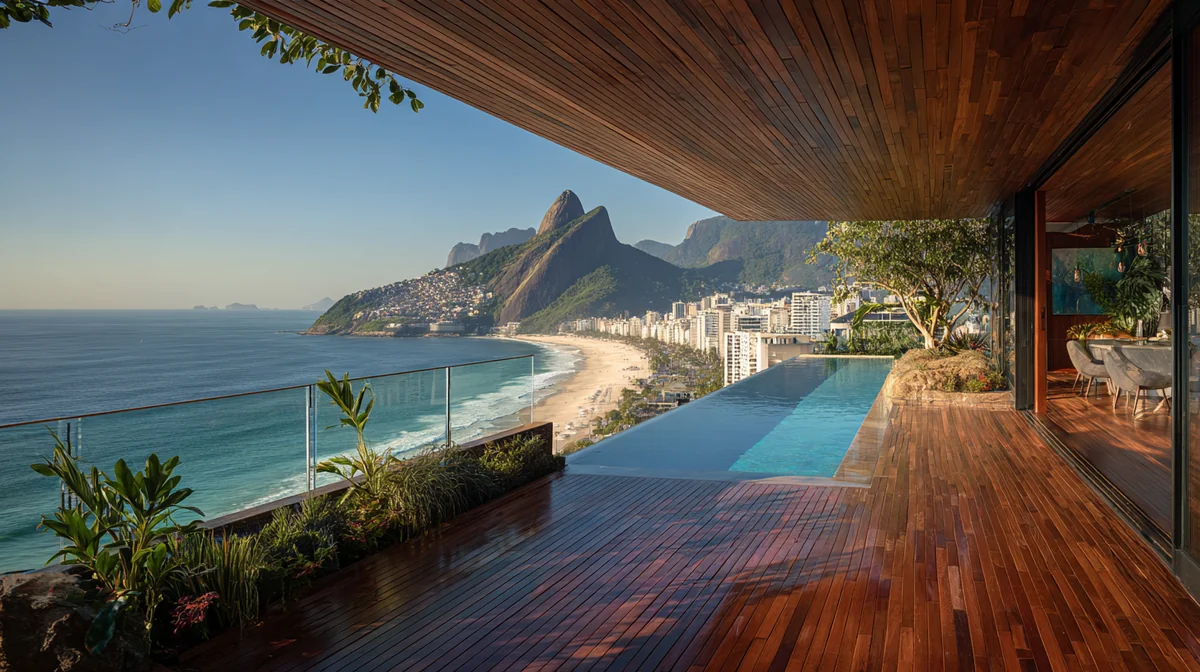
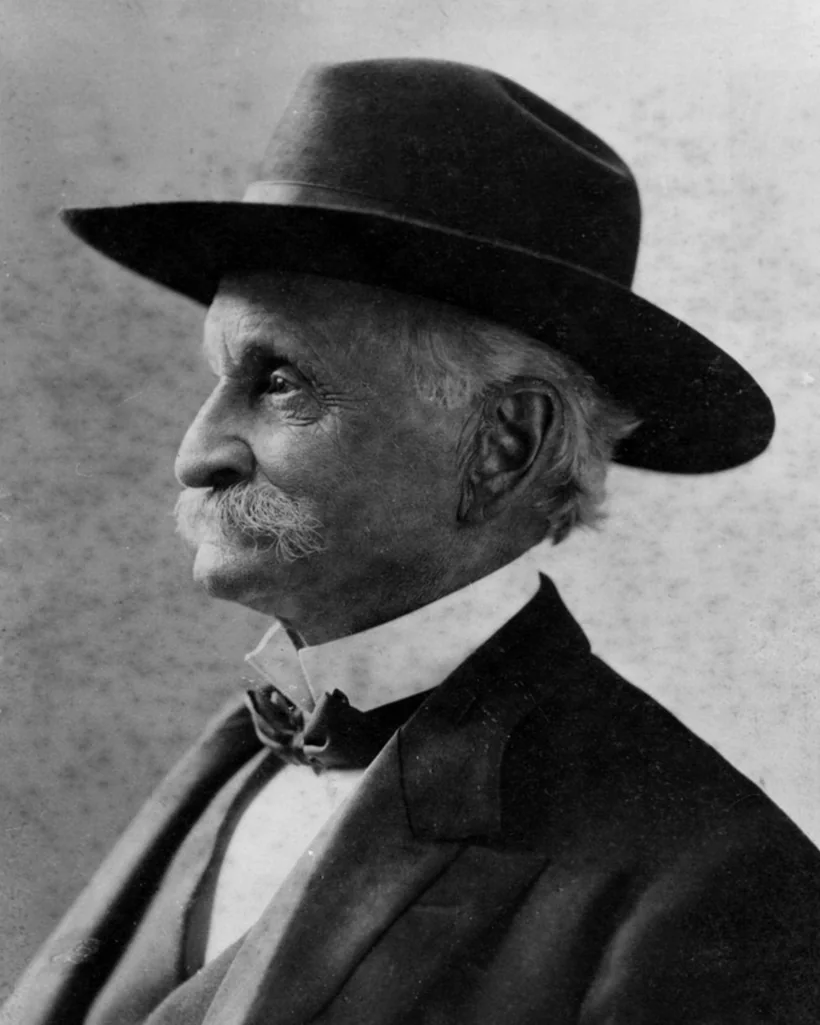
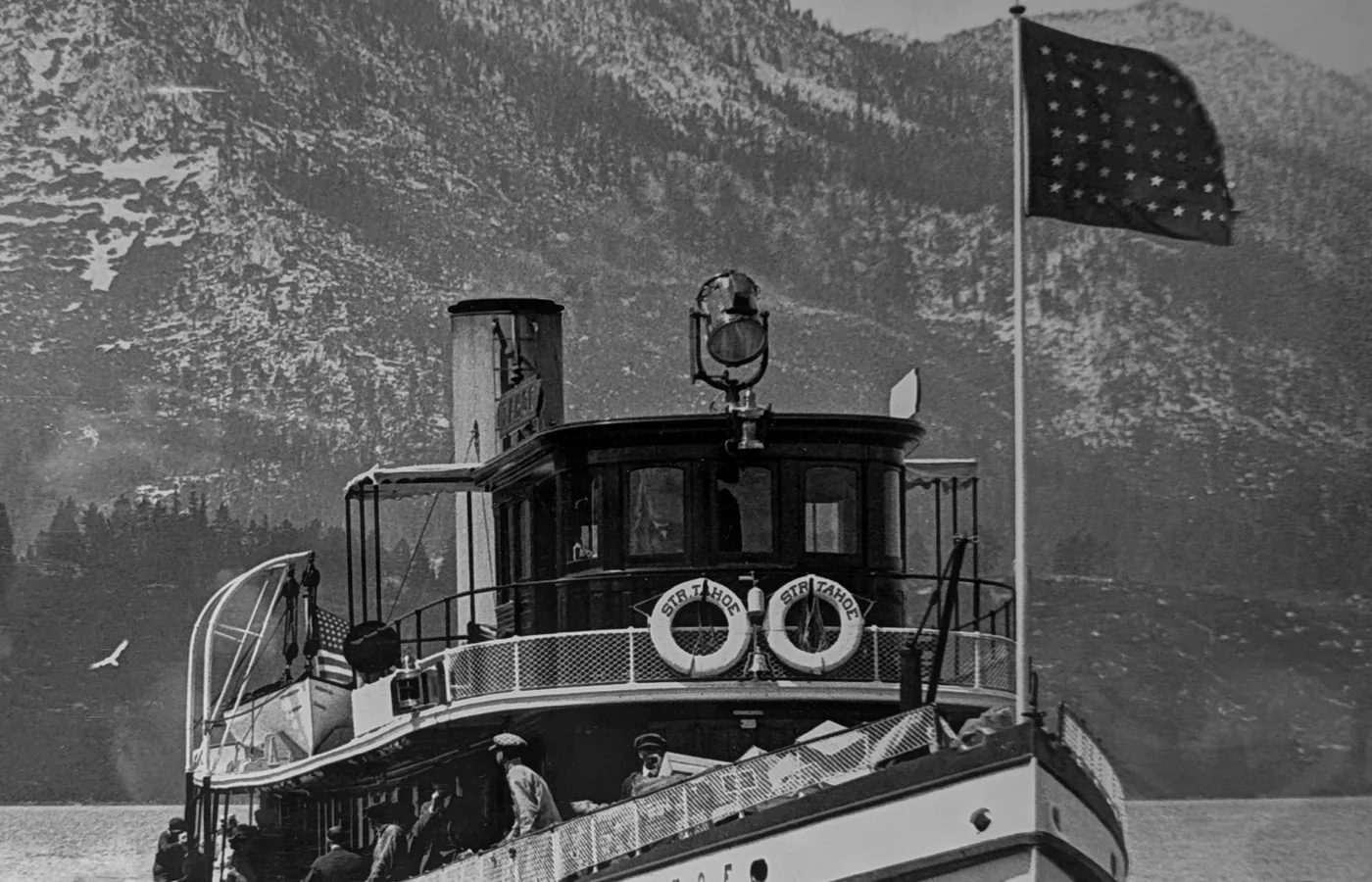
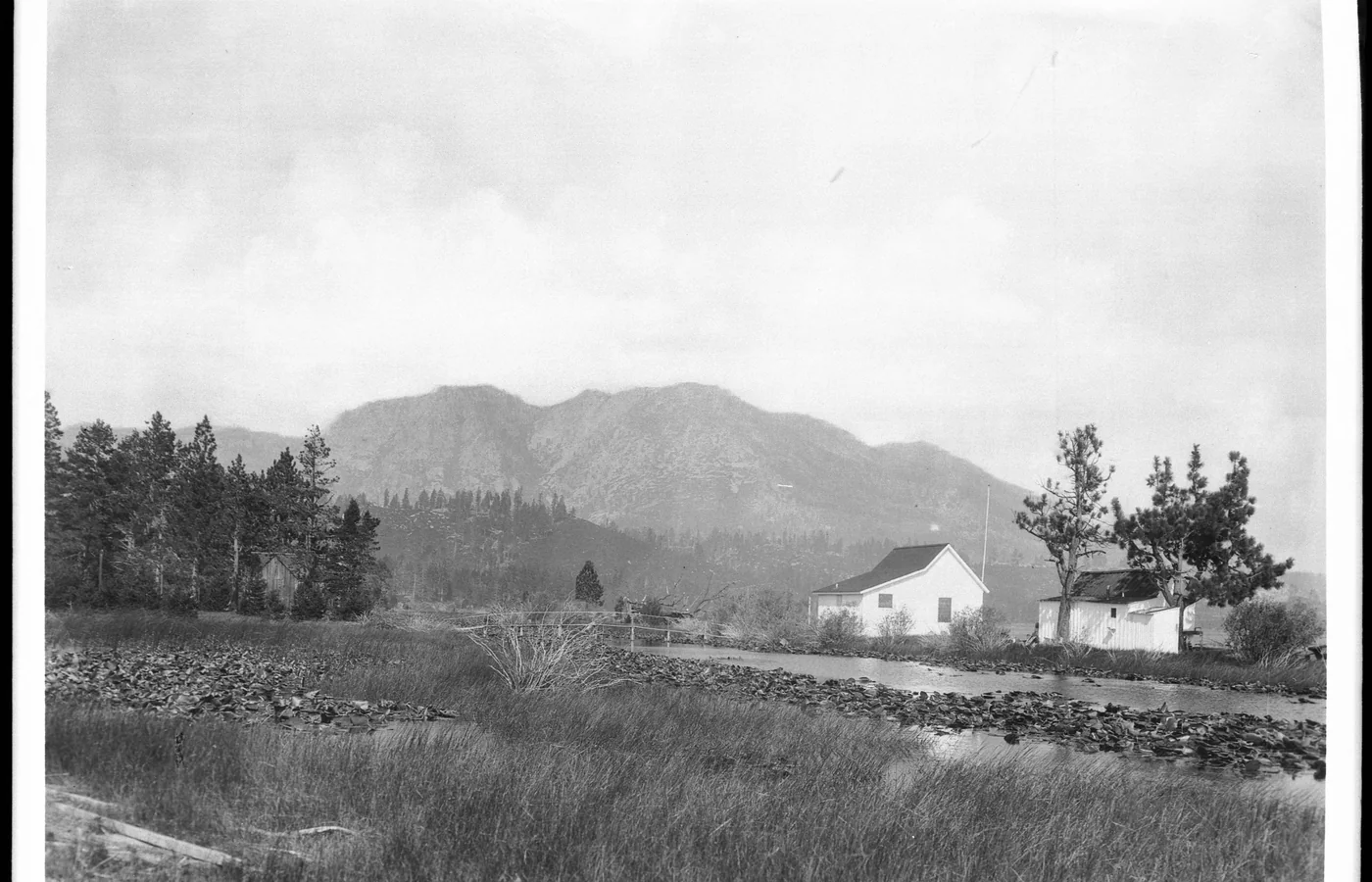
A few of the visual fingerprints we lean into when we shoot, brand and market a Lake Tahoe property — courtesy of the open Wikimedia Commons archive.
Tahoe rewards marketing that sells the whole trip. Cavmir helps you shoot both seasons properly, so a snowy listing still books a July beach week and a summer listing still books a powder weekend. We build a brand and a direct-booking site that travels across Airbnb, Vrbo and Google, position you for the shoulder weeks most hosts leave empty, and tighten your nightly pricing around real Tahoe events. In a capped market, every booking you don't lose to a thin listing is money you keep.
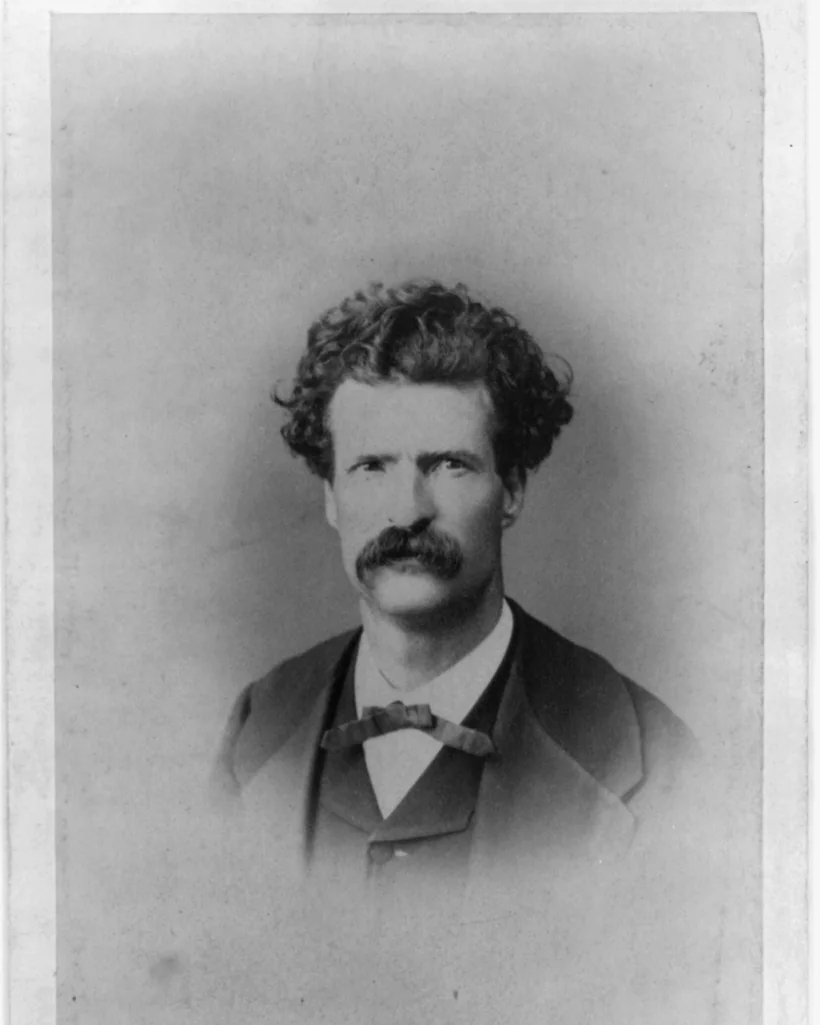
Lake Tahoe formed in a fault block of the Sierra Nevada and was filled by glaciers and snowmelt over millions of years, leaving a lake so clear that Mark Twain, who camped on its shore in 1861, wrote it was the fairest picture the whole earth affords. The Washoe people summered here for centuries before the Comstock silver boom of the 1860s stripped the surrounding hills for mine timber. The basin grew back, and by the early 1900s grand lake estates and the first resorts had arrived. The Lucky Baldwin and Tallac resort era drew San Francisco society to the south shore, and the lake slowly shifted from a logging basin to a vacation one. The real turning point was 1960, when little Squaw Valley — renamed Palisades Tahoe in 2021 — beat out Innsbruck to host the Winter Olympics and put Tahoe on the global ski map. Casinos rose on the Nevada line at Stateline, Heavenly spread across the south shore, the interstate cut the drive from the Bay Area, and the lake became California's four-season playground.
Today the short-term-rental inventory is overwhelmingly second homes: A-frames and cabins on the forested west shore, big family houses in the Tahoe Keys and Christmas Valley, ski condos near the lifts, and lakefront trophy properties that rent for thousands a night. What makes Tahoe unusual isn't the demand — it's that almost every jurisdiction around the lake has capped how many of these homes can legally rent short-term. That scarcity is the defining feature of the market. New supply is effectively frozen, waitlists run years long, and the homes that already hold a permit are the ones that have to compete for every booking on presentation, brand and pricing rather than on simply existing.
Lakefront is the ceiling. A true Tahoe lakefront or ski-in/ski-out property can clear $1,200 to $3,000-plus a night in peak weeks, and the largest Tahoe Keys houses go higher for big groups. Tahoe City and the west shore around Homewood and Tahoma run strong on summer ADR thanks to lake access and privacy. South Lake Tahoe condos and mid-size homes near Heavenly tend to sit in the $250-$600 nightly band depending on season and view. Across the line, Incline Village commands a premium for its address and its quieter, well-heeled feel, and lakefront there rivals anything on the California side. Studios and small cabins anchor the floor at roughly $180-$300, and the gap between a tired listing and a sharp one at the same address easily runs $100 a night.
Two peaks, two shoulders. Summer (July-August) and ski season (late December through March) are your money windows; holiday weeks and powder dumps spike hardest. The shoulders are spring mud season (April-May) and fall (September-October). The revenue most hosts blow is gorgeous, underpriced October — crisp weather, fall color, empty trails — left dark because the calendar wasn't worked.
Tahoe is one of the most heavily regulated short-term-rental markets in the country, and the rules change by jurisdiction — sometimes within a few miles. Confirm everything with the specific city or county before you buy or list.
In the City of South Lake Tahoe, the old Measure T (which banned rentals across most residential areas) was struck down in March 2025, and the city adopted a new Vacation Home Rental ordinance that took effect in spring 2026. It caps residential-district permits at 900, while rentals remain allowed in the tourist core and commercial/recreation zones. Expect a 365-day waiting period after a home sale before a new owner can register, a phase-out of rentals in ADUs and multi-family units, a 25-and-over guest minimum, required indoor noise and outdoor video monitoring, and a three-strikes rule. The city collects a 12% TOT.
In unincorporated El Dorado County (much of the south-shore basin), VHR permits are capped at 900 and fully spoken for, with a multi-year waitlist and a 500-foot buffer between active rentals; county TOT in the Tahoe area runs 14%. In Placer County (Tahoe City, Olympic Valley, Homewood, Tahoma) the cap is 3,900 and, as of 2026, has not yet been reached, with a 30-night minimum that kicks in once it is; North Lake Tahoe TOT is 10% plus a tourism-district assessment. Across the line, Incline Village/Crystal Bay (Washoe County, NV) requires a permit, allows one rental per parcel, and carries a 13% transient lodging tax.
The Tahoe play, if you only do one thing: market both seasons as if they're two separate properties on the same listing. Most hosts shoot their place once — usually in summer or once in snow — and then quietly lose half the year because a sun-drenched deck doesn't sell a powder week, and a buried-in-snow cabin doesn't sell a July beach trip. Show the house deep in winter and again in green summer, then lead the listing with whichever season the traveler is searching.
From there, four moves that actually move the needle here. First, build a direct-booking site and own your repeat guests — Tahoe is a once-a-year trip people rebook for years, and in a capped market your returning families are gold you don't want to keep renting back from the platforms. Second, price to the snow and the calendar, not to a flat nightly rate: holiday ski weeks, Fourth of July and powder weekends should each carry their own number, and your tools should react when a storm is in the forecast. Third, win the shoulders on purpose — package October fall color and quiet spring weeks as their own offer with mid-week minimums instead of leaving them dark. Fourth, photograph the trip, not the rooms: the boat dock, the drive to the lift, the hot tub steaming against pines, the lake fifteen minutes away. Spell out the logistics every Tahoe guest worries about, too — where they park in a snowstorm, whether the road gets plowed, how they actually reach the water — because answering those questions in the listing is what turns a browser into a booking. Tahoe guests are choosing an experience, and the listings that show the whole experience are the ones that hold rate when the calendar gets crowded.
The hard parts are real: permit caps and years-long waitlists in most of the basin, strict noise, parking and occupancy enforcement, wildfire and smoke seasons that can dent fall bookings, mountain-road snow that complicates winter check-ins, and a short, fiercely competitive peak where everyone is fighting for the same weeks. Marketing won't change the rules — but it decides who wins the bookings inside them.
Standard homeowner's policies usually exclude commercial short-term renting, so most Tahoe operators carry a dedicated STR or landlord policy with adequate liability limits. Two local factors raise the stakes: wildfire risk, which is tightening the California property-insurance market, and snow-load and freeze claims in winter. Budget for higher premiums and confirm wildfire coverage with your carrier rather than assuming it's included.
Plan for three tax buckets and talk to an accountant about all of them. You'll collect and remit transient occupancy tax — roughly 10% to 14% depending on whether you're in Placer County, El Dorado County or the City of South Lake Tahoe, plus 13% on the Nevada side — typically filed quarterly. California property taxes apply as normal, and your rental income is reportable federally and to the state. The upside: legitimate operating costs, depreciation and your marketing spend are generally deductible, so good bookkeeping matters as much as good photos.
Most Tahoe rentals are bought as second homes or with DSCR (debt-service-coverage) investor loans that underwrite the property's projected income rather than your day job. Lenders here pay close attention to the permit situation — a home without a transferable rental permit is a very different investment — and conventional second-home rates often beat investor pricing if you qualify. Work with a lender who actually understands Tahoe's caps.
Tahoe's regulatory direction is the whole story for 2027 and beyond, and it points one way: tighter. Caps in El Dorado County and the City of South Lake Tahoe are effectively full or close to it, Placer County's 3,900 ceiling is filling, and the Nevada side keeps adding conditions. New legal short-term supply is essentially frozen, which is brutal for would-be buyers but quietly excellent for owners who already hold a permit — scarcity protects your nightly rate. Demand isn't going anywhere: the lake, the Olympic-pedigree ski terrain, and the Bay Area's three-hour drive aren't moving. Expect more enforcement on noise, parking and occupancy, more interest in mid-stay and 30-night-plus bookings where caps push that way, and a growing premium on professional presentation as the field stops growing and starts competing harder. The durable moat in Tahoe isn't a clever pricing trick — it's holding a legal permit and marketing the property well enough that it stays booked while newer, weaker listings can't even get in the door.
Marketing Tahoe is a rare luxury: the place sells itself, so your job is to get out of its way and frame it honestly. There aren't many spots in America where the same house can promise a kid jumping off a warm boat dock in July and the same kid skiing in fresh powder by Christmas. That two-lives-in-one-property quality is the creative gift of this market. The light off the lake is unreal, the granite and pines do half the styling for you, and the snow makes even a modest A-frame look like a postcard. The trick is resisting the urge to pick a favorite season and instead telling both stories with conviction.
What we love most, though, is how much the marketing actually matters here. In a wide-open market, a mediocre listing can still skate by on supply. In Tahoe, where the legal homes are capped and the peak weeks are short, presentation is the whole ballgame — the difference between a calendar that fills itself and one that limps through the shoulders. That makes this an honest place to do our work. We can't get you a permit and we can't make it snow, but we can make sure that when a family finally picks one Tahoe house for the only trip they'll take all year, it's yours they remember and yours they rebook.
A great property in Lake Tahoe doesn't just want a listing — it wants a point of view, an audience, and a brand the city itself would recognise.
A few insider Tahoe picks we hand owners and steal for our own shoots — the kind of specifics that make a listing feel local instead of generic.
Get there early, before the Highway 89 pull-outs jam. The view down to Fannette Island and Vikingsholm is the most photographed scene on the lake for a reason, and morning light makes the water that impossible turquoise.
Cross to Sand Harbor for sunset and the granite boulders glow. It's the best golden-hour swimming on the lake and a clinic in why your listing photos should be shot at this exact hour, not at noon.
Stroll the Tahoe City waterfront to Fanny Bridge, where you can watch trout stack up below the dam at the lake's only outlet. Easy, scenic, and the heart of the north shore's small-town feel.
Book the deck at sunset on the west shore and let the lake be the backdrop. Tahoe guests want the meal-with-a-view shot, and a dinner-on-the-water reference in your listing sells the whole evening, not just the food.
The Flume Trail above the east shore is the bucket-list Tahoe ride — a narrow bench carved into the mountainside with the entire lake spread out below. Locals plan whole summers around it.
The crowds vanish after Labor Day but the weather holds. D.L. Bliss in October — aspens turning, the Rubicon Trail empty, the water still glass — is the underbooked Tahoe most visitors never see, and your fall calendar's best friend.
Ride the aerial tram up to High Camp above Olympic Valley, where the 1960 Olympics were held. Summer hiking or winter skiing, the base-to-base gondola now links Palisades to Alpine Meadows — a genuine two-resort weekend.
Everyone wants the lake. Whether it's a kayak rental, a boat slip, or a beach within walking distance, spell out exactly how your guests get on the water — it's the first question every Tahoe traveler asks and the easiest one to answer in a listing.
A few composite Tahoe engagements that show how we work. These are illustrative — blended from the kinds of properties and results we see around the lake, with numbers kept realistic for this market.
A charming three-bedroom cabin near the west shore, holding a legal permit but stuck in the low-$200s nightly and dark through fall. Every photo was a snowy exterior, so summer searchers scrolled right past it.
Cavmir reshot the property in green summer and deep winter, rebuilt the listing around lake access and the cabin's character, launched a simple direct-booking site, and set season-aware pricing with mid-week minimums aimed squarely at the empty October and spring weeks.
Within two seasons the cabin lifted its blended ADR into the low-$300s, filled most of its shoulder weeks for the first time, and moved roughly a quarter of nights to direct repeat bookings it no longer pays commission on.
A two-bedroom condo minutes from Heavenly, legal in the tourist core but underpricing its prime ski weeks and losing last-minute powder traffic to sharper-looking competitors with the same view.
We gave it a clean brand and crisp winter photography, optimized the listing for ski-search terms, turned on instant book with dynamic pricing tuned to storm forecasts, and ran light paid promotion into the holiday and Presidents'-week booking windows.
The condo captured noticeably more peak-week revenue, lifted holiday ADR by a solid double-digit margin, and stopped leaking last-minute powder weekends to the place down the hall.
A high-end lakefront house with a dock and big group capacity that was renting almost entirely through the platforms, paying heavy commissions and with no brand of its own to build repeat summer business.
Cavmir built a full property brand and a polished direct-booking site, shot cinematic summer and twilight photography of the dock and water, and set up multi-channel distribution so the home stayed visible on every platform while funneling repeat guests to book direct.
Peak-summer weeks now book out months ahead, a growing share of stays come direct from returning families, and the owner keeps materially more of each booking than when the platforms owned the relationship.
Talk to Cavmir today. We'll show you exactly what your Lake Tahoe property is leaving on the table — and how fast we can change that.
Book a Free Strategy Call