
Gated Icon
Malibu Colony
The original celebrity enclave — gated, private and legendary. Draws the discretion-first luxury guest who is buying a name as much as a beach. Sold on privacy and pedigree, never on amenity lists.

Expert short-term rental marketing to grow your bookings and nightly rate in Malibu, California, USA.
Sixteen services, one team. Everything below is built in-house and scoped to your property and market. Most owners start with the 12-Step System.
Every engagement is quoted to your portfolio. These are the ready-made scopes owners pick most — our Fall Special (55% off list or more) is already applied to the website, King Broker, Hotels and à la carte scopes. A clear proposal within 48 hours.
The work is public. Selected engagements and what changed — and reviews from the owners and managers behind them.
* Market averages from AirDNA and STR market reports. A single home's numbers depend on its size, its location and how it is marketed.
Cavmir is an Airbnb marketing agency. We build the brand, the direct-booking website and the marketing for short-term rentals in Malibu.
Malibu is California's most iconic coastal address. Twenty-one miles of Pacific coastline, celebrity culture, legendary surf breaks at Surfrider Beach, and the natural splendor of the Santa Monica Mountains combine to create one of the world's most aspirational destinations. From Carbon Beach — nicknamed 'Billionaire's Beach' — to the Malibu Pier and Point Dume, every corner of Malibu carries an outsized sense of place.
Malibu's STR market is dominated by luxury seekers and entertainment industry connections. Properties here compete on brand story and aesthetics as much as amenities. The summer season is intense; the shoulder season rewards properties with strong marketing and direct booking capability.
Nearby Markets: Los Angeles | Santa Barbara
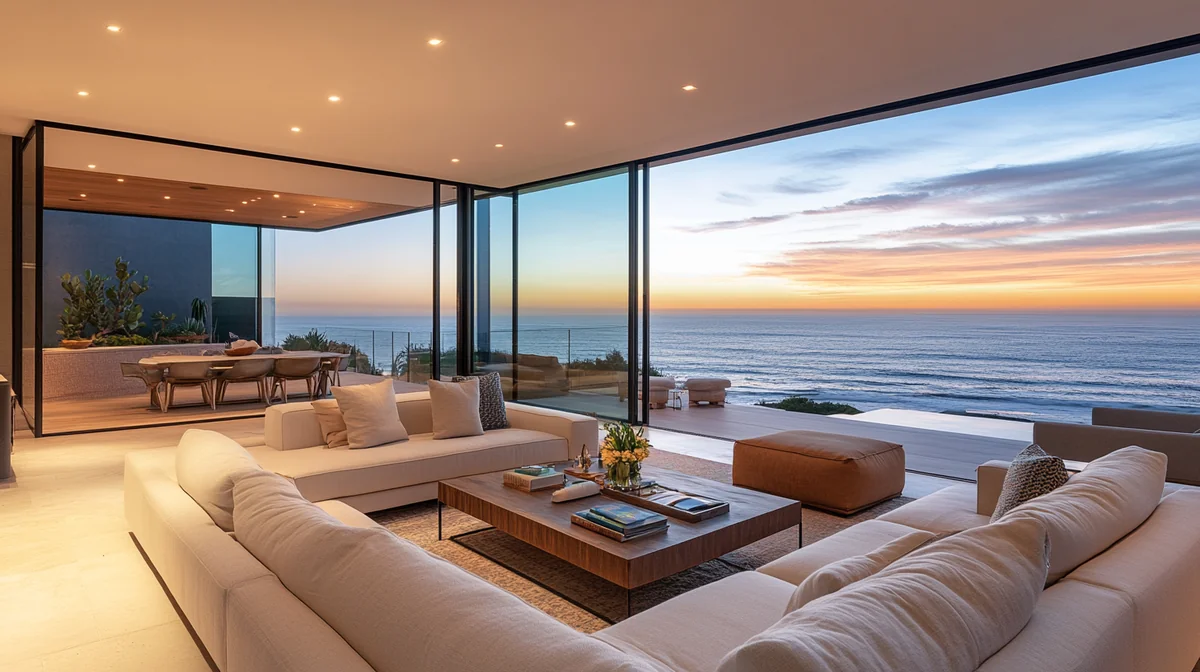
A few of the visual fingerprints we lean into when we shoot, brand and market a Malibu property — courtesy of the open Wikimedia Commons archive.
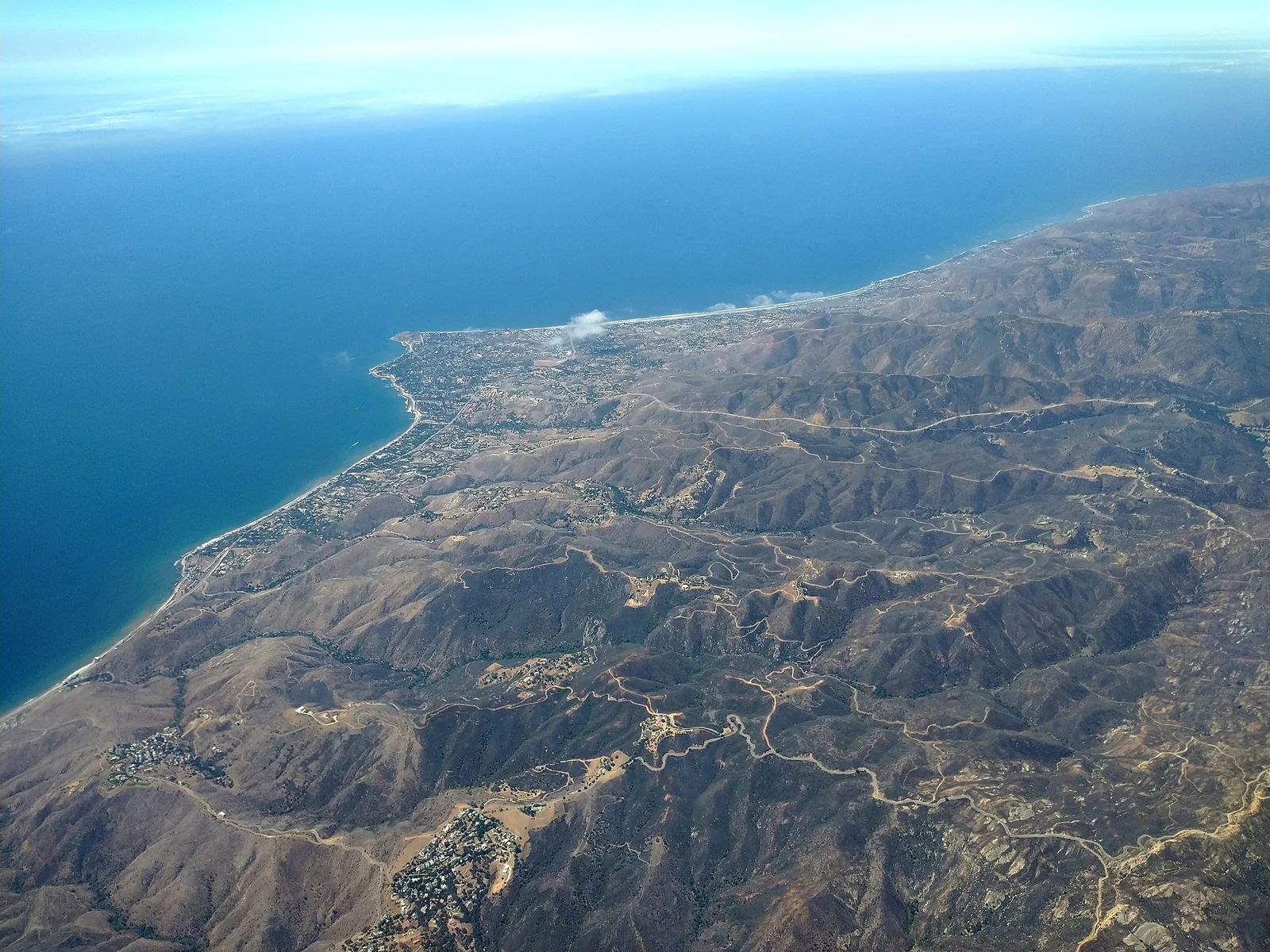
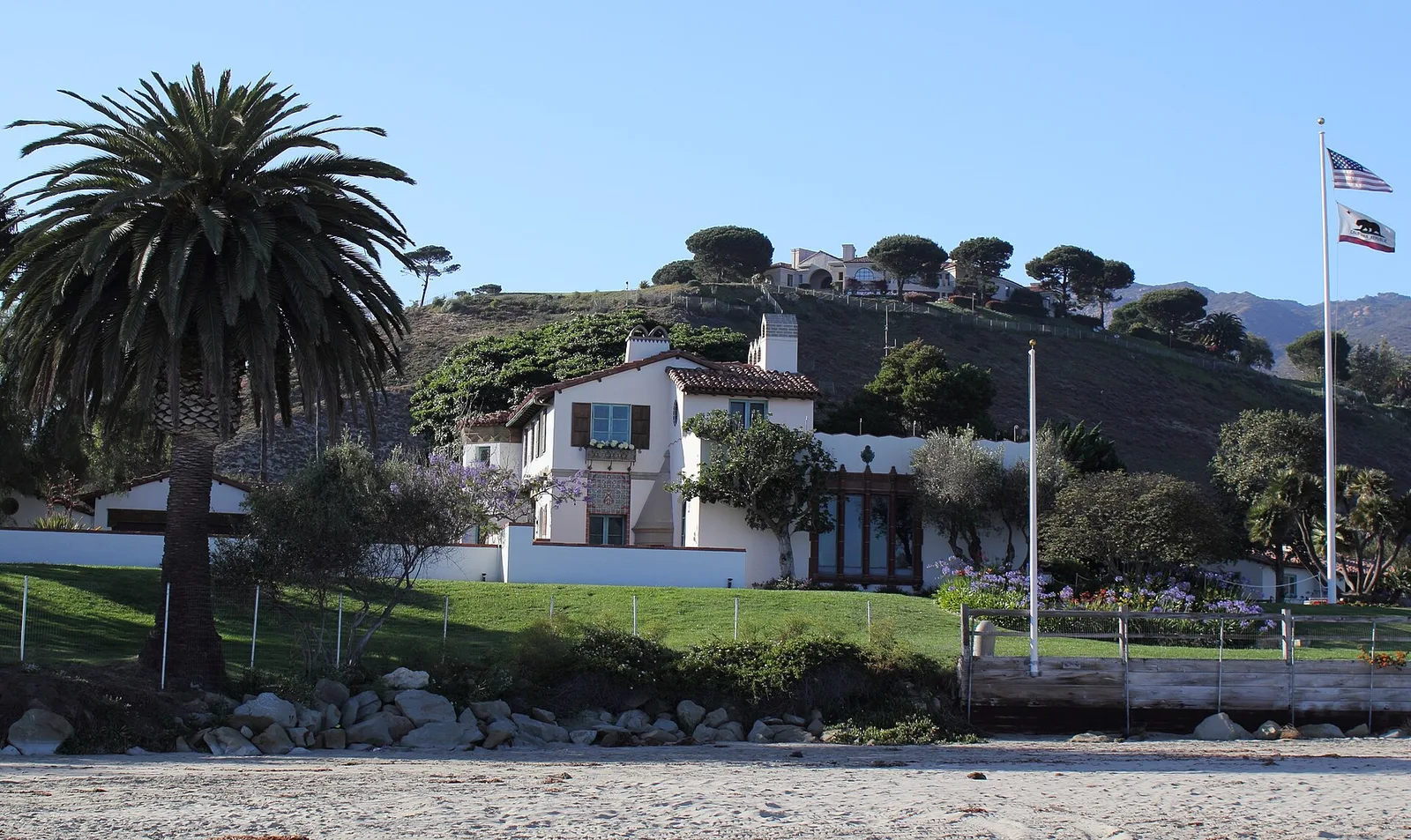
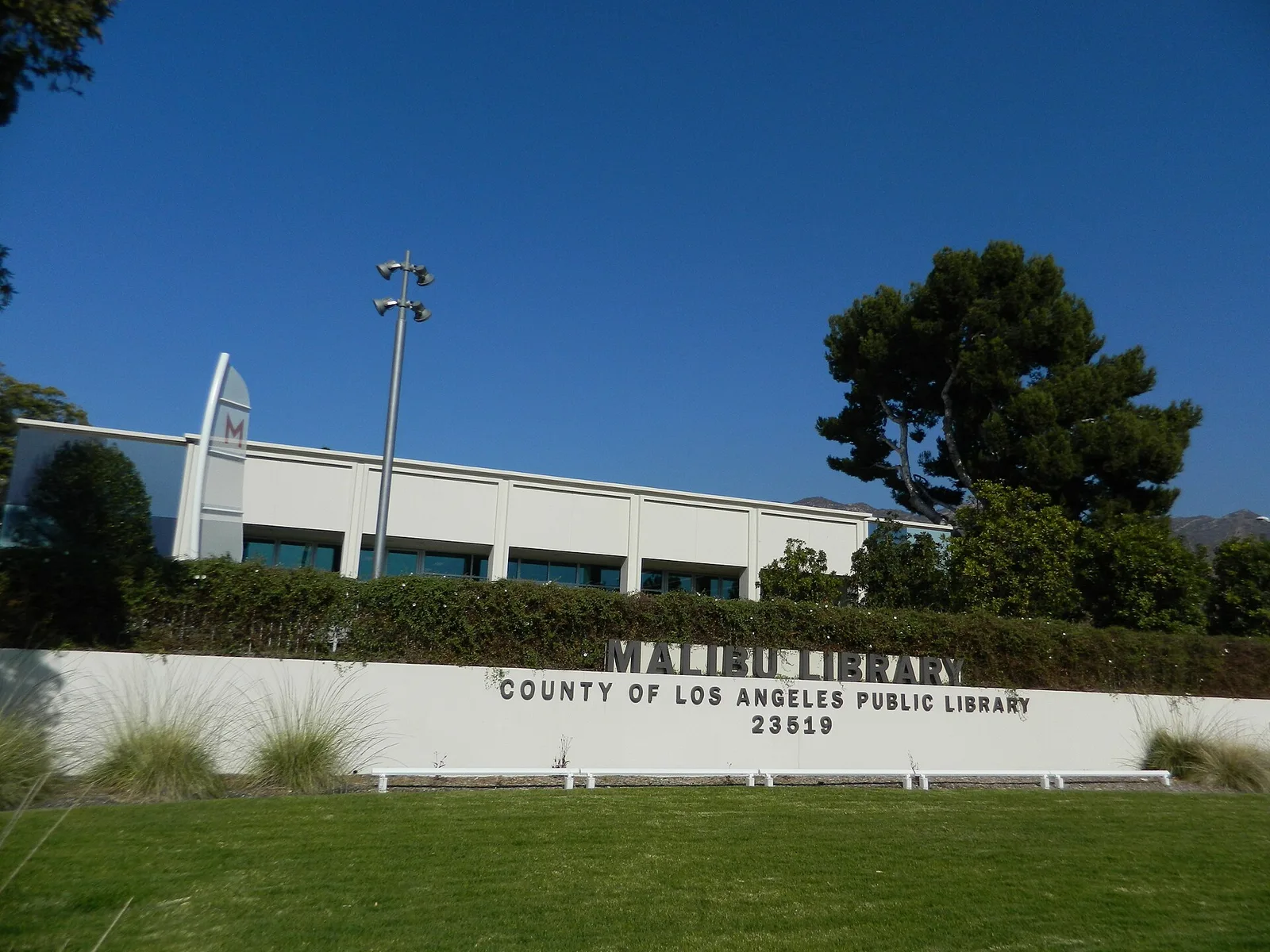
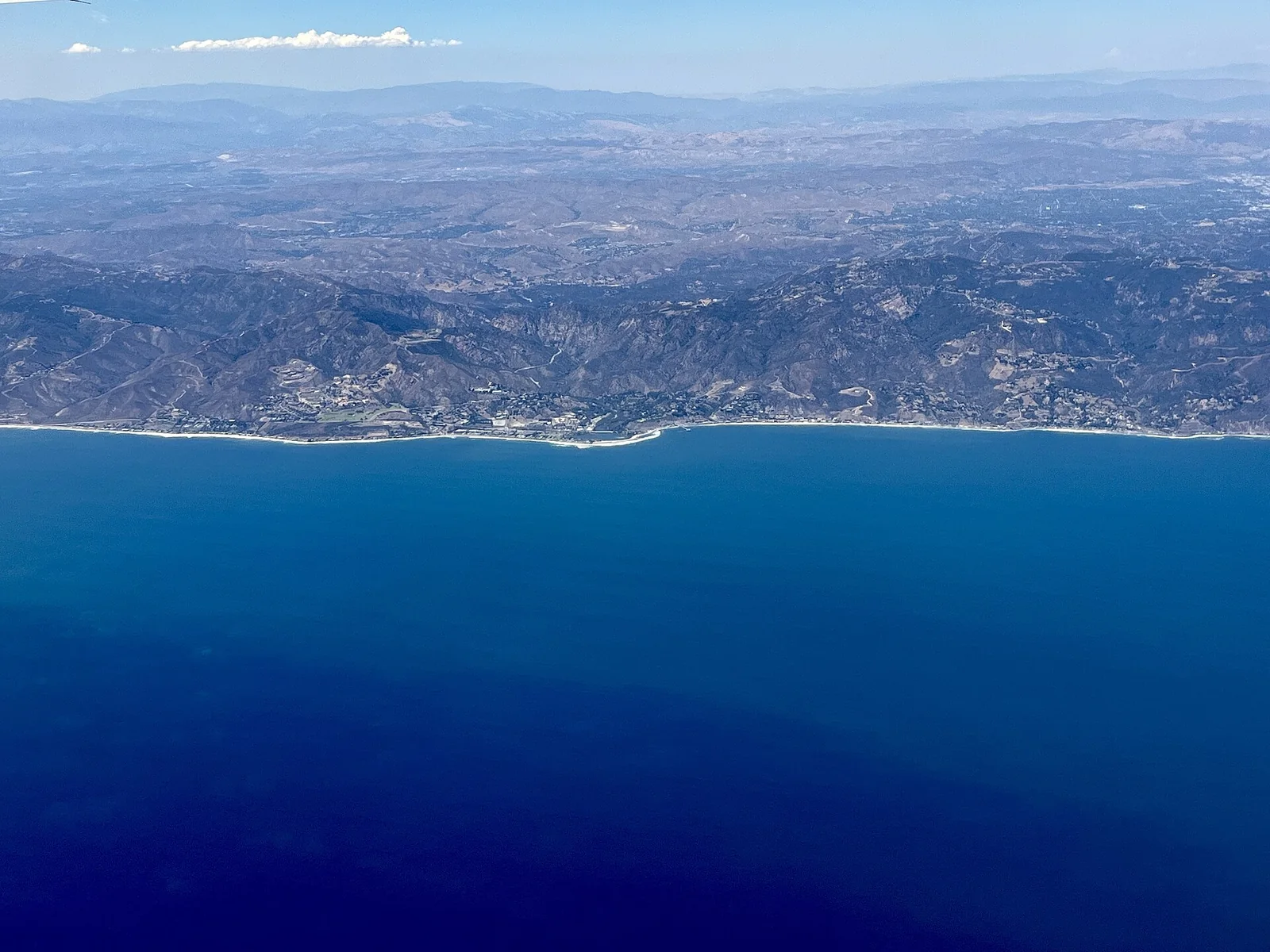
In a market where your neighbors include some of the most celebrated properties in America, you need a brand that holds its own. Cavmir builds that brand — through cinematic photography, a compelling property narrative, and influencer marketing that connects your listing to the lifestyle your guests are buying into.
Malibu has sold twenty-one miles of private coast as an address since Frederick Rindge called his ranch the American Riviera in the 1890s. Cavmir writes the modern chapter of that pitch.
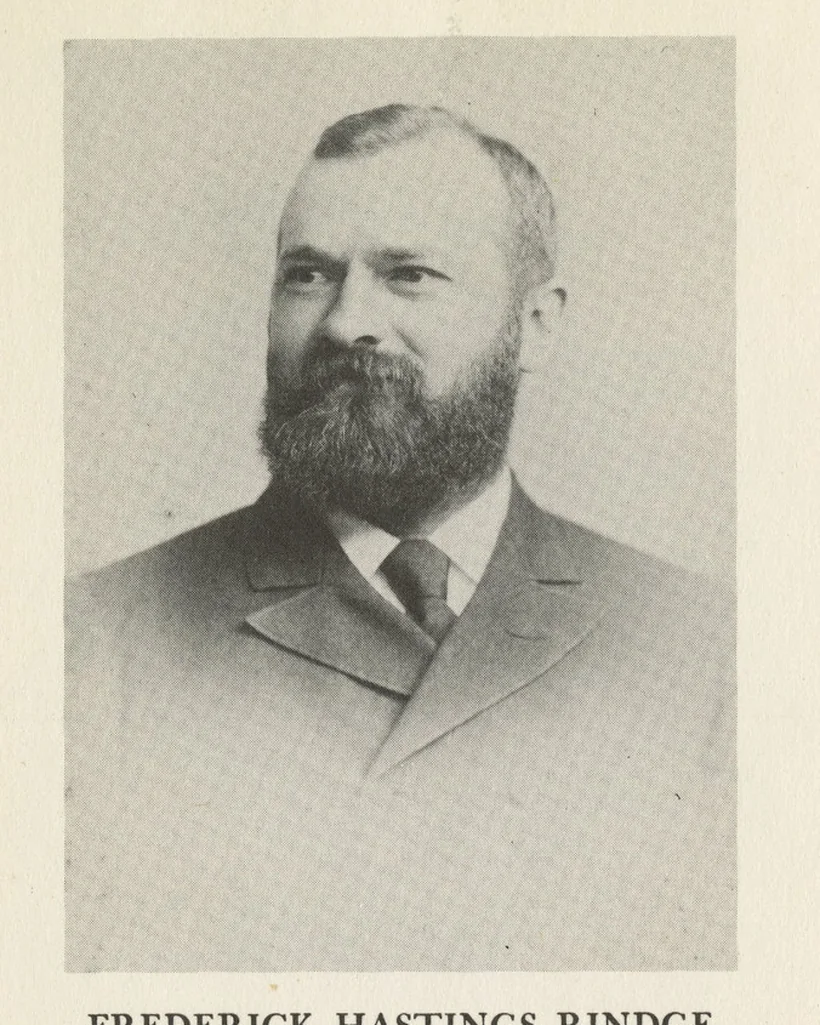

Malibu was called Umalibo (meaning 'where the surf sounds loudly') by the Chumash people who lived along this coast for at least 7,000 years before European contact. The Mexican land grant era preserved Malibu as a single 13,000-acre private estate (Rancho Topanga Malibu Sequit) through the 1890s, when May Rindge and her husband Frederick bought it and fought for decades to keep it private. Malibu did not get its first public beach access until 1929, which is why it still feels more private than most Southern California coastline today.
Malibu's STR market in its contemporary form emerged in the 1970s with the rise of surf-culture tourism and the establishment of Malibu as an entertainment-industry enclave. Celebrity-proximity tourism has been part of Malibu's economic fabric since the 1930s, and continues today — with the twist that many guests now book specifically to experience the architectural and lifestyle aesthetic of the contemporary Malibu home, independent of who owns the neighboring property.
Before the platforms, the owners did the marketing. Frederick Rindge bought the Malibu ranch in 1892 and named it the American Riviera; his widow, May Knight Rindge, spent decades and most of a fortune keeping the railroad and the highway off the land, which only made the coast rarer and more wanted. When she needed money she started Malibu Potteries and leased beach lots to Hollywood stars, and the Malibu Colony turned scarcity into glamour. Every move was presentation and positioning, the promise of the Malibu in a buyer's imagination. It is the same business Cavmir is in today.
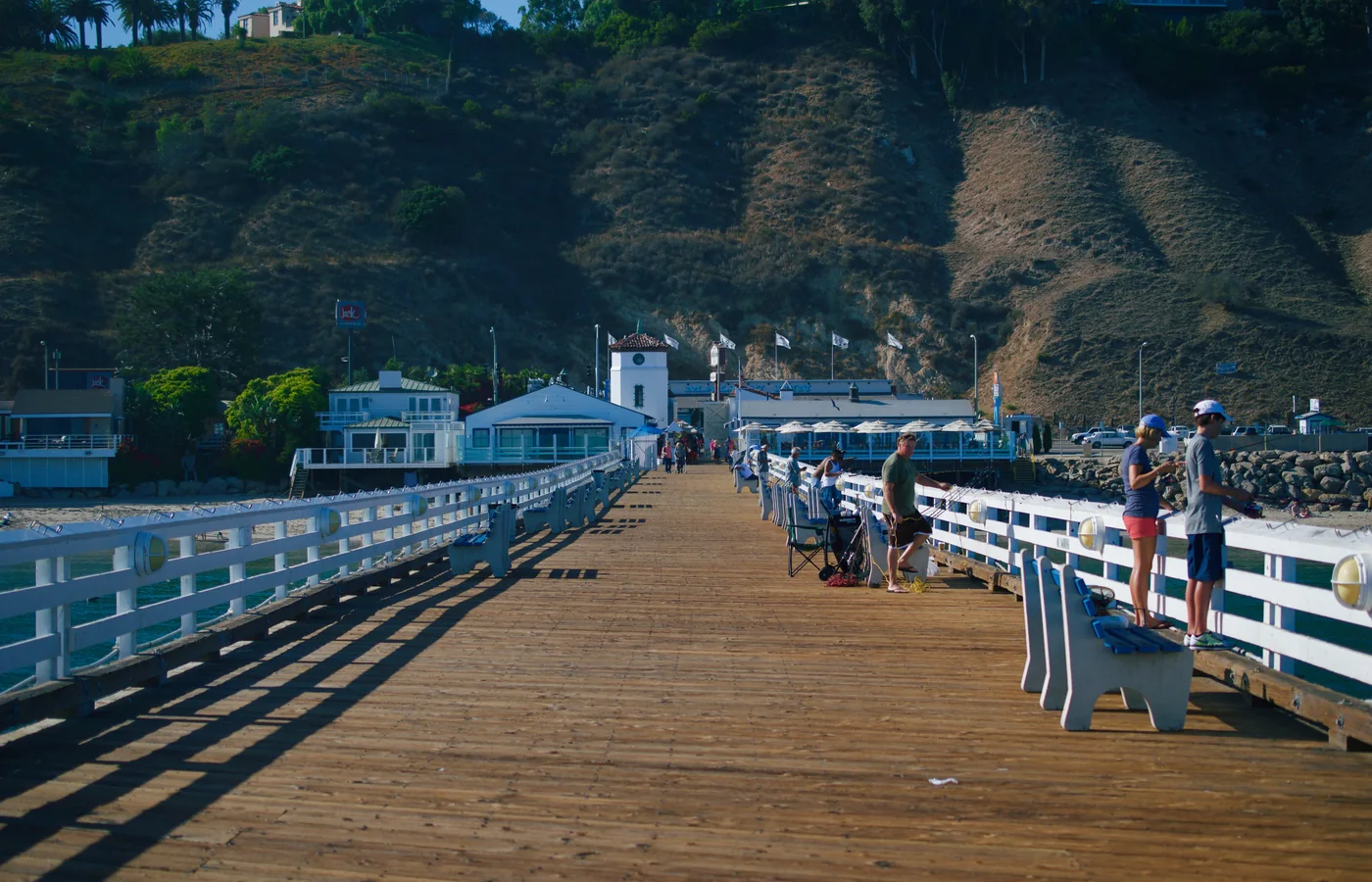
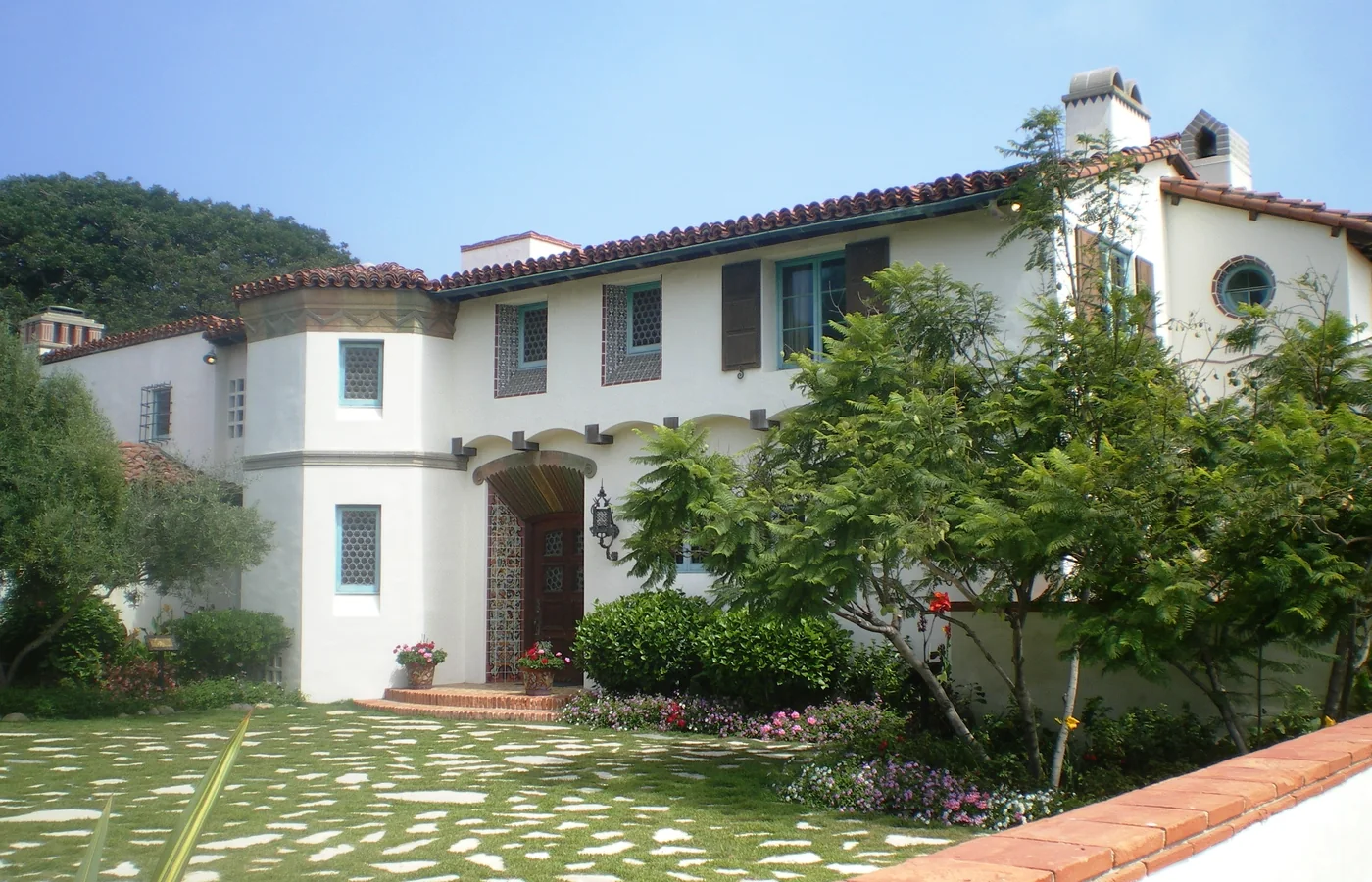
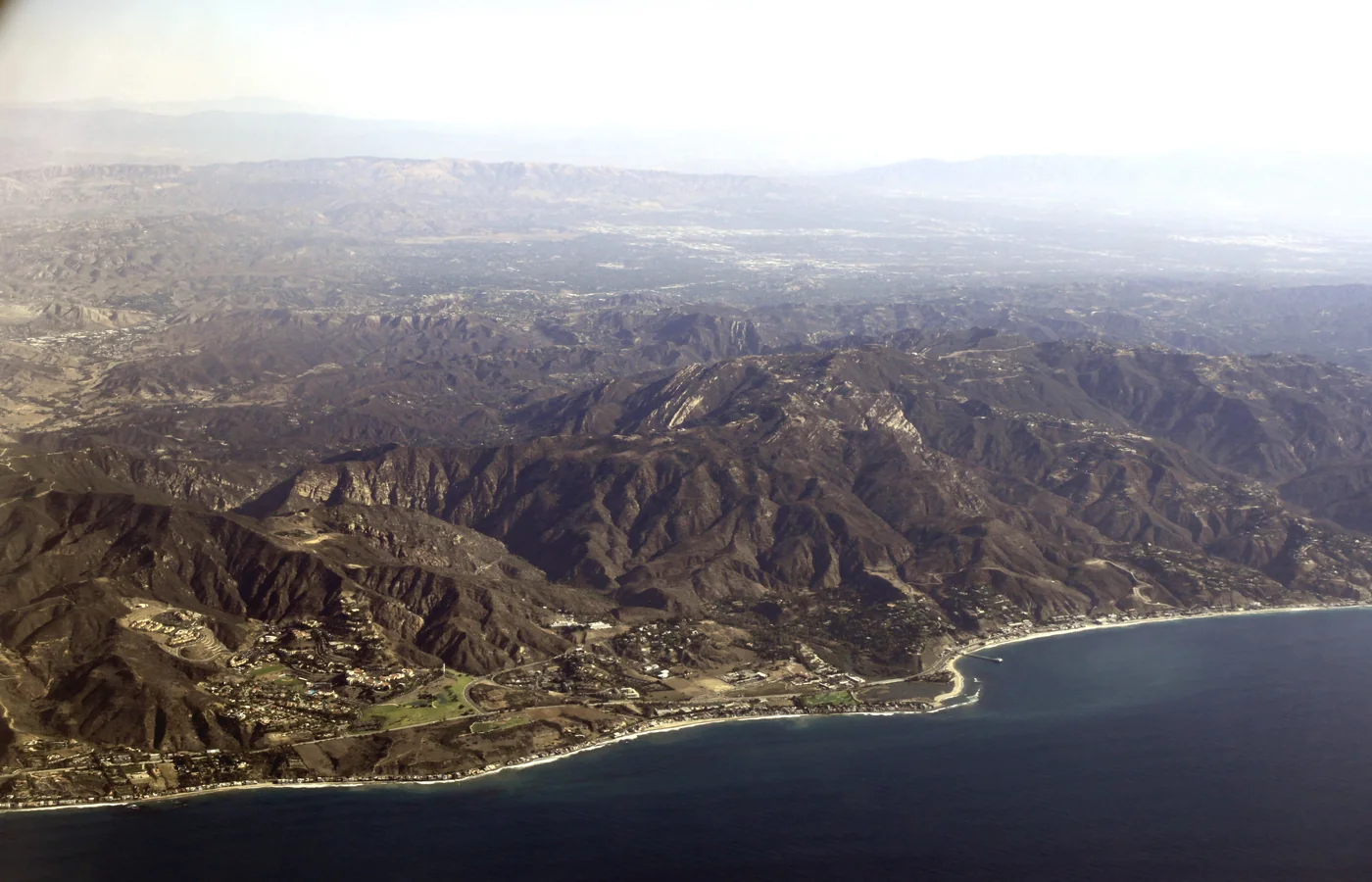
Historical images: public domain and Creative Commons via Wikimedia Commons — The Malibu Pier (Levi Clancy, CC BY-SA 4.0); The Adamson House (Los Angeles, CC BY-SA 3.0); The Malibu coast (Prayitno / Thank you for, CC BY 2.0); others public domain.
Malibu pricing is a narrow function of ocean access and view framing. Carbon Beach (Billionaire's Beach), La Costa, Paradise Cove, and Point Dume are the top-tier micro-markets — private-beach-access homes can clear $5,000–$15,000 per night in peak weeks. Mountain-side Malibu properties trade at a small fraction of oceanfront rates but can outperform on yield when marketed correctly to the wellness, retreat, and film-location segments. The common pricing mistake is chasing summer weekends and under-pricing weekday weeks — Malibu's private coastline makes mid-week stays almost more valuable to the discerning traveler.
Malibu operates as medium-seasonal — summer (Memorial Day through Labor Day) is peak, but the marine climate keeps winter and spring demand healthy. Christmas/New Year is a reliable secondary peak. The missed revenue window is January through March, when most owners cut rates reactively; targeted marketing to the East Coast escape, wellness retreat, and industry-shutdown market can hold near-peak rates.
Malibu's STR framework is serious. The city regulates under Ordinance No. 468 and the more restrictive Ordinance No. 472, requiring registration with the city, payment of the $495 annual registration fee, permit-number display on every listing, compliance with noise ordinances, TOT collection, and a detailed house-rules posting requirement. Short-term rental is defined as any stay under 30 consecutive days.
The City of Malibu shares jurisdictional complexity with Los Angeles County for unincorporated pockets. The California Coastal Commission has also begun asserting jurisdiction over coastal-zone STR permitting in some situations — coastal-zone properties need to verify that their STR use does not require a Coastal Development Permit amendment. California's 2025–2026 SB 346 enforcement framework requires platforms to share host data with cities on request, meaning Malibu now has granular visibility into unpermitted listings.
The critical Malibu tip: the 30-minute Responsible Person rule is enforced. Malibu requires a designated contact who can respond in-person within 30 minutes to complaints. Cities conduct real complaint-response audits. A property-management relationship with genuine on-island response capability is not optional; it is a licensing requirement.
Second — be fire-code meticulous. Malibu has lost thousands of homes in wildfires since 2018. Brush-clearance compliance, defensible-space certification, and insurance company acceptance are interlinked. Third — market to the film-industry production segment. Malibu homes routinely generate $3,000–$15,000 per day as film or photo-shoot locations; a property positioned for both STR and production use can add 15–25% annual revenue beyond residential bookings.
Malibu's challenges are concentrated: wildfire exposure, access disruption (PCH closures after fires or slides), and strict enforcement culture. Insurance availability in California's coastal-wildfire zone remains tight — some carriers have exited, and the California FAIR Plan is frequently the only path to coverage. PCH closures during rebuilding or after storms can make properties physically inaccessible, creating cancellation cascades. And Malibu enforcement of STR rules is among the most assertive in California.
California FAIR Plan or surplus-lines market coverage is often the only path for Malibu coastal homes. Premiums have risen substantially since 2020 — expect $15,000–$75,000+ annually for large single-family oceanfront. STR-specific liability (Proper, CBIZ) is layered on top. Defensible-space compliance (Zone 0–5 ft vegetation-free) is now a condition of insurability, not just a recommendation.
California property tax is Prop 13-capped at ~1% of purchase price plus local assessments, growing 2%/year until sale. California state income tax top rate is 13.3% — a material factor for resident owners. Malibu TOT is 12% collected from guests. LA County adds a small tourism assessment fee. Non-resident LLC and trust structures are common planning tools for high-value Malibu holdings.
Jumbo financing is standard (purchase prices frequently exceed conforming limits by multiples). Portfolio lenders (private banks, Bank of California) specialize in Malibu. DSCR loans work but underwrite conservatively given wildfire and insurance-cost uncertainty. Expect 25–35% down; wildfire-zone properties sometimes require escrow reserves for insurance and hazard.
Malibu's short-term-rental situation is one of the strangest in California, and understanding it is a genuine competitive edge. The city wants to restrict rentals; the state's coastal authority won't let it. The result is a market operating in the gap between the two — where an owner can legally do something the city has already voted to ban. Most buyers don't know this, price it wrong, or walk away from opportunities that are perfectly legal today. Knowing exactly where the line sits is the whole game on this coast.
In 2020 Malibu adopted a Hosted Short-Term Rental Ordinance requiring an on-site host and primary residency — effectively a ban on the non-hosted, whole-house rentals that dominate the coast. But the city sits inside California's coastal zone, so the rule can't take effect until the California Coastal Commission certifies it, and the Commission rejected the package, treating enforcement of an uncertified ordinance as a Coastal Act violation. The practical reality as of 2026: an owner can still legally operate a non-hosted whole-house rental under the city's enforcement ordinance — with a permit, occupancy limits and the 15% transient occupancy tax — while the stricter hosted rule sits blocked.
Two Malibu-specific gates trip up owners from elsewhere. First, most of Malibu has no municipal sewer, so since 2023 a rental needs a valid onsite wastewater treatment system permit — a working, compliant septic system — to qualify at all. Second, the coastal zone governs physical changes to the property, so anything structural can require a coastal development permit on top of city approvals. Add the roughly $495 application fee and the 15% tax, and the message is clear: in Malibu, compliance is about the land and the water as much as the paperwork.
Malibu's calendar looks like a classic beach town's on the surface — summer up, winter down — but the luxury layer underneath changes the math. A well-positioned Malibu property is never just a summer rental; it's a year-round address for a guest who doesn't check the weather before booking, and pricing only for July leaves the most valuable business on the table.
Summer, from Memorial Day through Labor Day, is the obvious peak — the beaches, the warm water and the LA weekend exodus. But the shoulder seasons are Malibu's quiet secret: spring and early fall bring the coast's best weather with a fraction of the crowds, and winter, though slower, carries a genuine gray-whale migration and a storm-watching romance that the right listing sells beautifully. Layered across all of it is the luxury and production demand — film and photo shoots, milestone celebrations, and the affluent long-weekend guest — that treats Malibu as an evergreen destination rather than a seasonal one.
Price summer weekends individually and hold firm — Malibu's supply is limited and its guest is not rate-shopping the way a budget market's is. Chase the 30-plus-night luxury and production stay, which pays a premium and reduces turnover on a property where cleaning and wear are expensive. And work the shoulders and winter with direct booking to your repeat guests: in a market this exclusive, the returning guest who books the same house every October is worth more than any single peak weekend.
Malibu runs twenty-one miles along the water, and the address means everything — the guest, the price and the feel change from cove to cove. Here is how Cavmir reads the coast before writing a word, because in Malibu the specific beach is the brand.
The original celebrity enclave — gated, private and legendary. Draws the discretion-first luxury guest who is buying a name as much as a beach. Sold on privacy and pedigree, never on amenity lists.
Dramatic headlands, tide pools and hidden coves. The family-luxury and nature-first guest who wants space and views over scene. Photography of the bluffs and the water does the selling here.
The big, open beaches — room for groups and multi-family stays. Sells the wide-sand, walk-out-the-door beach day. Larger homes that win on space and the classic Malibu shoreline.
The postcard cove and the bluff estates above it. A romantic, cinematic Malibu for couples and celebrations. Sells the view and the sense of a private, sheltered corner of the coast.
Equestrian, hillside and ocean-view without the beachfront price. Draws the retreat and the group who want quiet and vistas. Sells the ranch-meets-coast lifestyle the beach blocks can't.
Farther out, calmer and surf-first. The independent traveler and the long-stay guest who wants the real, unhurried Malibu. Authenticity and surf access outsell proximity to the scene.
The east end, minutes from Santa Monica. The weekend and shorter-stay guest who wants Malibu without the drive. Sells convenience and the classic PCH beach house within reach of the city.
The narrow, storied stretch of beachfront names. Ultra-premium, discretion-driven and view-obsessed. The top of the market, sold on address, architecture and the water at your door.
Malibu rewards owners who investigate the ground before the interiors. Confirm the septic system holds a valid operating permit, because without it the property can't qualify no matter how beautiful it is. Confirm the current rental status under the enforcement ordinance and the Coastal Commission's latest position, since the rules here are genuinely in motion. And read the coastal-zone implications for anything you plan to change structurally. This is a market where the physical parcel — the water table, the bluff, the septic field — is as much a part of compliance as any permit.
Malibu's advantage is scarcity, so market to it. A limited, exclusive coast means the guest is buying an experience, not comparing rates — which is why editorial photography, an architecture-led story and a genuine sense of place outperform amenity checklists every time. Capture the long-stay luxury and production demand that pays a premium and turns less. And build direct booking hard: in a market this exclusive, the repeat guest relationship is the most valuable and defensible inventory you will ever own.
The risks in Malibu are elemental. Wildfire has reshaped the coast, and insurance is now a specialty, expensive and sometimes hard to secure — budget for it early and in full. Winter storms and coastal erosion are real, and a listing must set accurate expectations about access and weather. Neighbor relations and event restrictions matter on a coast where privacy is the product, so a strict, well-documented policy against parties and oversized gatherings protects both your rating and your standing with the city.
Malibu through 2027 and beyond is a climate-adaptation story. Insurance availability will continue to drive what is buildable, insurable, and rentable. Expect the California Coastal Commission to become more active in STR permitting within coastal zones, tighter state-level platform-reporting rules, and continued aggressive enforcement from the city. Properties with modern fire-hardened construction and excellent defensible space will grow in relative value — insurable inventory becomes scarcer and commands premium as older non-hardened homes are removed from the pool by loss or uninsurability.
If Malibu insurance or wildfire exposure is pushing your investment math past workable, alternative California coastal markets worth exploring include San Diego (La Jolla, Coronado) and the Palm Springs desert-resort market. Both trade at lower entry and operating costs with meaningful STR demand.
Malibu is 27 miles of Pacific Coast Highway pretending to be a city, and marketing it correctly requires you to pick a stretch — because Point Dume isn't La Costa isn't El Matador isn't Paradise Cove. The photography opportunity is enormous, and yet most Malibu listings default to generic ocean-view framing that could be anywhere on the West Coast. The guest who books Malibu is specifically buying the Malibu myth — the light, the surfboards on the roof of every third car, the horses at the Point Dume headland, the quiet-money architecture hidden behind hedges on PCH.
We love marketing here because the guest is sophisticated. Malibu attracts industry people, international creatives, weekenders from Beverly Hills and Santa Monica, fashion crews looking for a location that photographs well. The properties that win are the ones that lean into specificity — the signature view, the private beach access, the specific architect or era, the walk to Nobu. A listing that says "oceanfront" without naming the stretch is doing half its job.
The picks Cavmir recommends for Malibu welcome books — small details that separate locals from weekenders and weekenders from tourists.
Pier Café for the photograph, Malibu Farm Lido for the breakfast. A host who names both looks credible.
The sea-stack photographs every guest thinks they invented. The timing matters — low tide, 30 minutes before sunset, accessed down the stairs.
One of the few proper coastal walks. Dolphin sightings more often than not. The photograph that returns as someone's lock-screen.
The classic. The quieter alternative is Mastro's or Geoffrey's if the guest wants a view table with slightly less scene.
At Malibu Country Mart. A local weekend ritual, bakery and flower stands that make a guest's Sunday photos.
Post-summer crowds leave, the light gets golden earlier, the ocean is warmest of the year. Malibu's best-kept pricing window.
Twenty-minute inland detour to the wine country around Malibu Family Wines. Different Malibu, different light.
Malibu is a surf town. A pre-booked lesson at Learn to Surf LA and a rinse-outside spot for wetsuits is the small detail that wins five stars.
Representative Cavmir engagements in Malibu. Property specifics redacted; numbers composited from internal campaign data and AirDNA market ranges.
Ultra-premium home on a sand-erosion-prone stretch. Competing with hotel suites at peak season. Owner's previous marketing reduced the property to "oceanfront 4BR" — no identity.
Cavmir built a brand around the specific Broad Beach history — the neighbors, the architectural heritage, the private-beach etiquette. Photography leaned into architectural detail, a cinematic film at the magic-hour tide change, an editorial copy rewrite that positioned the property as a 7-night destination rather than a weekend rental. Pricing restructured around 7-night minimums.
ADR moved from $3,400 to $5,100. Peak-week revenue up 58%. Guest profile shifted to longer-stay repeat visitors with measurably higher retention. A single repeat client has now booked three consecutive summers.
Charming cottage-style property in a gated beach community. Previous marketing made it look dated. Listing photography failed to capture the cottage character that was actually the selling point.
We leaned into the cottage identity rather than fighting it. New photography at golden-hour with deliberate vintage-Malibu color grading. Copy rewritten around the "quieter Malibu" positioning that appeals to guests burned out on the larger Malibu scene. Partnership with a wedding-photography agency produced a content library that fed both the listing and a direct-booking Instagram feed.
Occupancy climbed from 64% to 81%. ADR up 29%. The property now receives a substantial volume of elopement and small-retreat inquiries that book at premium rates.
Architecturally significant home with bad real-estate-style photography. Lost in a market where every listing claims 'designer home.'
Full architectural photography shoot with an editorial-trained photographer. Listing rewritten as a piece of design writing — naming the period, the architect's influences, the specific design choices that differentiated it. Pitched to a shelter publication, landed a feature that became the listing's anchor social proof. Direct-booking site positioned for design-tourist audiences.
ADR up 44%. Peak weeks now book to design-tourism clients, fashion productions, and editorial crews — guests who book longer and treat the property better. A full production month cleared $47K in revenue from a single booking.
Demand in Malibu peaks around June through September and runs quietest around January, February and November. Here is how the year actually books — and what to do about each stretch of the calendar.
Summer owns Malibu, and it runs long: June through September, with September often the best beach weather of the year, warm water, clear skies and the marine layer gone. Prime weeks book as full weeks, and ocean-view homes hold rates that inland listings can't touch. Have photography, pricing and week-long minimums for the marquee stretches locked by April, because the guests planning a Malibu summer are shopping in spring.
April, May and October are the in-between: warm days, quieter beaches and a steady flow of LA couples on close-to-home resets. May can bring gray mornings off the water, so sell what still works, hikes in the Santa Monica Mountains, long dinners, the deck with a blanket. Event dates like the spring powwow and Pepperdine's graduation weeks put firm demand on specific dates worth pricing individually.
November through February is the quiet season, though never a dead one: the coast stays mild, sunsets get better, and whale-watching season gives winter walks on Point Dume a purpose. Lean into two-night romantic escapes for Angelenos, longer stays for writers and remote workers who want the ocean out the window, and use the downtime for maintenance and a photo refresh shot in golden light.
Prime summer weeks and Labor Day are largely spoken for by late spring, and multigenerational groups plan the furthest ahead of anyone. The LA weekend trade books days to a couple of weeks out year-round, which keeps the calendar honest. Practically: lock summer pricing by April, then stay responsive for the short-fuse local bookings the rest of the year.
Summer prime books as full weeks, especially ocean-view and beachfront homes. The rest of the year runs on two-to-three-night escapes from Los Angeles, with a meaningful winter long-stay segment of writers, remote workers and families between homes who want the coast for a month.
The Malibu winner is the view, not the square footage: a bluff-top home on Point Dume, a beachfront on Broad Beach or Zuma, or a hillside place off Corral or Latigo Canyon where the ocean fills every window. A modest house with a spectacular deck outbooks a bigger home on the wrong side of PCH every time. Outdoor living is the actual product, so the deck, the firepit and the path to the sand deserve more design attention than any interior room.
Sell the view and the outdoor life first: golden-hour photography from the deck, a listing written around the beach you're actually near, Zuma, Point Dume, Broad Beach, and honest detail about parking and beach access, which is what guests here quietly worry about. Price summer as the premium season it is and treat Labor Day and graduation weekends as individual events. A Google Business Profile puts you in map results, and a direct-booking site captures the LA regulars who come back several times a year. That's the stack a marketing agency like Cavmir builds, and in a market sold on imagery, the photography alone usually pays for it.
June through September, and September is the sleeper: the marine layer clears, the water is at its warmest, and Labor Day's chili cook-off and the Zuma triathlon stack demand onto the month. October through February is the quiet stretch, softened by a steady trade of LA couples on weekend escapes and winter long stays.
Prime summer weeks and Labor Day are mostly booked by late spring, and multigenerational family groups plan the furthest ahead. The LA weekend trade moves on a much shorter fuse, days to a couple of weeks, all year long. Lock your summer rates by April and keep the rest of the calendar priced for spontaneous locals.
Los Angeles itself, overwhelmingly: Malibu's defining trait as a market is that its biggest feeder is next door, joined by Orange County and San Diego drive traffic. Summer adds fly-in guests through LAX from New York, the big domestic metros and international cities. Geo-targeting Los Angeles year-round is the single most efficient marketing move here.
The ocean-view outdoor space is the product: a furnished deck, outdoor dining and a fire pit or hot tub decide bookings before interiors are even considered. Dedicated on-site parking matters more than guests expect, since PCH parking is genuinely hard, and easy beach access with an outdoor shower rounds out the essentials. Fast wifi keeps the winter long-stay segment in play.
Run your Airbnb, Vrbo, or website through Cavmir's free grader. It checks the things that decide whether guests book in Malibu — photos, listing copy, page speed, local search — and shows you where bookings leak. Takes about a minute, and there's no sales call attached.
If the report says your booking engine is the weak link, that's fixable: a direct-booking website of your own means repeat guests stop paying platform fees to come back to you. That's the work Cavmir does — see Airbnb website design in Malibu.
Send us the listing and we'll tell you what we'd change. Not a pitch deck — a straight read on your photos, your title, your rates against the Malibu comp set, and whether a direct-booking site would pay for itself.
You'll hear back from a person, usually inside one business day. If we don't think we can move your numbers, we'll say so. Cavmir is a short-term rental marketing agency — we position and market properties, we don't manage them.
Talk to Cavmir today. We'll show you exactly what your Malibu property is leaving on the table — and how fast we can change that.
Book a Free Strategy CallPhotography via Wikimedia Commons (images resized and cropped): Adamson House by Սէրուժ (Serouj Ourishian) (CC BY-SA 3.0) · Malibu branch LA County Library by Jengod. The original uploader was Jengod at English Wikipedia. (CC BY-SA 3.0) · Malibu Pier by Levi Clancy (CC BY-SA 4.0) · Adamson House, Malibu by Los Angeles (CC BY-SA 3.0).
