The glamping category has expanded from a novelty in 2015 to a legitimate $5+ billion segment of the hospitality industry by 2026. Growth has attracted capital, operators, and — inevitably — mediocre sites that failed to understand that glamping is a premium experience, not budget camping with better sheets. The properties thriving in 2026 are the ones that took the experience seriously from day one.
Cavmir works with glamping operators across North America, Europe, and increasingly Latin America. The formula is consistent: the top-performing sites treat themselves as design-forward wellness properties that happen to have canvas walls, not campgrounds that happen to have thread-count sheets. Your marketing has to communicate which kind of glamping you are.
How Glamping Marketing Is Different
Glamping occupies an awkward marketing middle — guests arrive expecting hotel-level comfort but nature-level experience, and the two goals sometimes conflict. The properties that resolve this tension well in their marketing are explicit about both: what makes the experience genuinely outdoor (stars, sounds, trail access) alongside what makes the comfort genuine (real beds, climate control, proper bathrooms).
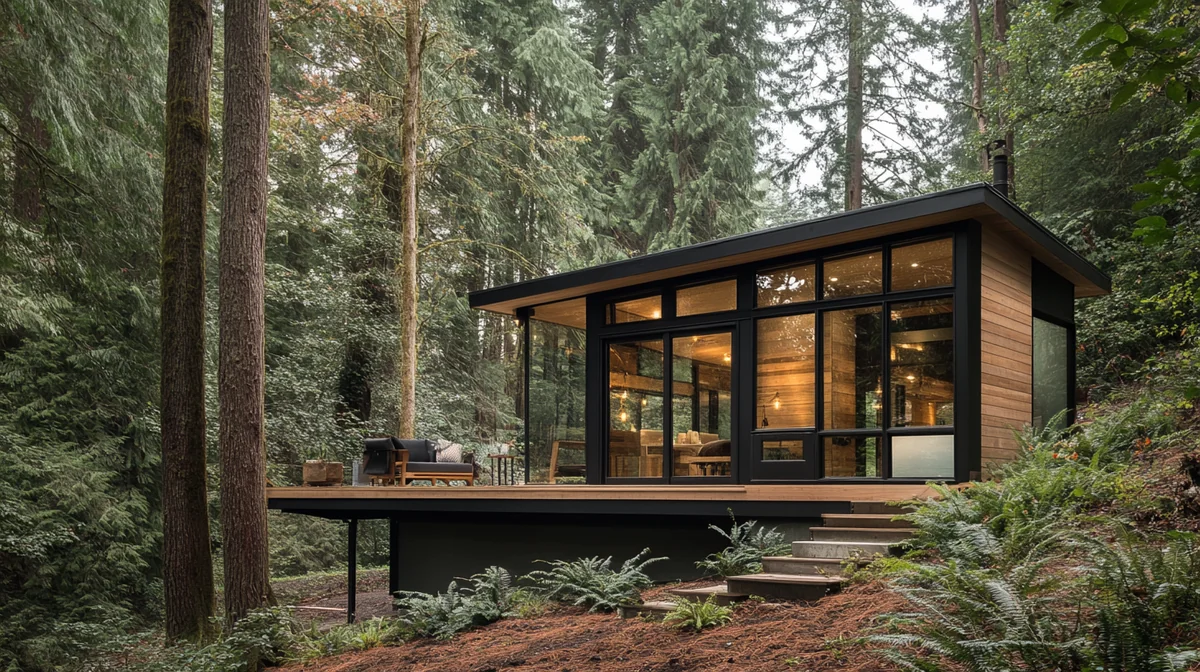
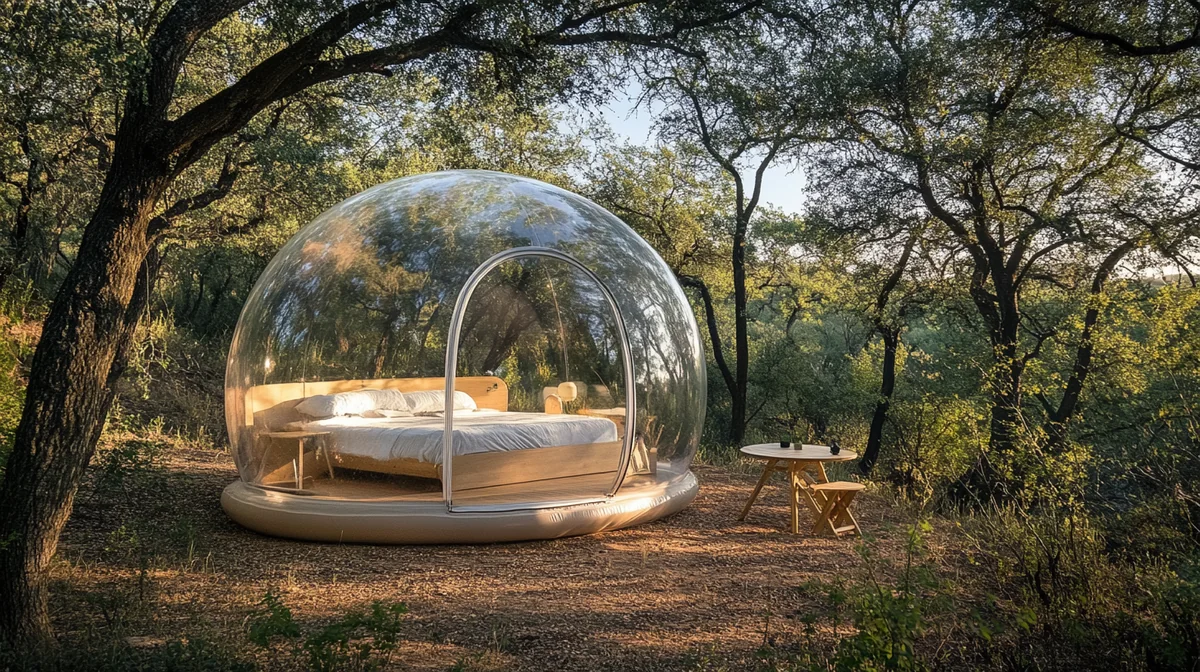
Unlike cabins, glamping properties photograph beautifully in ways that drive impulse bookings. Drone footage of a geodesic dome at sunset, hammock-and-hot-tub interiors, morning-light yoga deck shots — this content routinely goes viral on Instagram Reels and TikTok in ways that cabin content doesn't. That means social-first marketing is more central here than in almost any other property category.
The marketing also has to do real work on guest expectations. Underwhelming glamping reviews almost always center on a gap between marketing glamour and on-site reality. Honest, confident marketing — "this is a tent with real amenities, not a hotel room with a view" — outperforms aspirational marketing that over-promises. Guests who book the right expectations leave 4.9-star reviews.
Best Marketing ROI for Glamping in 2026
The highest-ROI spend for a glamping site in 2026 is drone and interior photography with a strong narrative. A $1,800–$3,500 shoot that captures the property across morning, afternoon, and twilight, paired with 30–60 seconds of drone footage, routinely returns 5–10x within 12 months. Glamping is a visual-first category, and mediocre photography is the #1 reason well-built glamping sites underperform.
After photography, Instagram Reels and TikTok deliver unusually strong returns. Glamping content performs on these platforms — viewers save posts, share, and book. A consistent posting cadence (3–5 Reels per week) can drive 50–150 direct inquiries per month for a well-positioned glamping property at minimal ad spend.
Google Business Profile optimization matters more here than owners expect. "Glamping near me" searches have exploded since 2022, and a properly optimized GBP with photos, reviews, and location-rich keywords captures local and drive-market traffic that doesn't come through OTAs. Budget 2–3 hours initial setup plus monthly review responses — the cost is trivial, the lift is meaningful.
Who Books Glamping in 2026
Glamping has one of the most defined guest profiles in hospitality — which makes marketing easier once you accept the segment.
Couples in their 30s–40s on weekend escapes are the dominant segment, accounting for roughly 60% of glamping bookings. They book 2–3 night stays, drive 2–5 hours from a major metro, and pay premium rates for the anniversary, birthday, or "need to disconnect" occasion. They're Instagram-active, design-conscious, and willing to pay $350+ per night for the right property. This is your core audience.
Female friend groups and bachelorette parties (28–38, groups of 3–8) are growing fast in 2026. They book larger multi-unit bookings, often buy out 3–5 units for a weekend, and generate massive social content. Properties that accommodate this segment with shared common areas, group-friendly amenities (photo-worthy spaces, outdoor dining, hot tubs) command premium group rates.
Wellness and retreat-style solo travelers (32–55, 1–3 night stays) book high-end glamping for intentional solitude. They care about quiet, meditation space, yoga decks, and minimal "party vibes" from neighbors. This segment supports the highest per-night rates but needs the property positioned and operated for quiet.
Seasonality in Glamping Markets
Glamping seasonality is high and weather-dependent. Most North American glamping sites operate April through October, with peak demand in May–June (pre-summer crowds, good weather) and September–October (leaf season). Year-round glamping is possible with proper insulation, heating, and snow management, but fewer than 30% of sites invest in winterization. Those that do see outsized shoulder and winter rates — a properly winterized glamping unit can charge premium "snow experience" rates in January.
The off-season strategy that works in 2026: lean into the weather rather than hiding from it. "Storm-watching retreat" in November, "Thanksgiving by the fire" in late November, "First-snow weekend" in December, "Last cold escape" in March — each of these is a bookable narrative in the right market. Glamping sites that create 4–6 seasonal micro-campaigns per year consistently outperform those running single year-round marketing.
The one seasonality trap to avoid: heavy discounting in shoulder season. Glamping guests pay for the experience, not the price. Dropping rates 40% in October attracts bargain hunters who don't fit your brand, leave mediocre reviews, and permanently dilute your market position.
Glamping Profit Margins in 2026
Glamping margins can be strong — 20–35% net margins are typical for well-operated sites — but they require careful cost management. The biggest margin killers are turnover labor (glamping units need more detailed cleaning than hotel rooms or standard STRs) and capital maintenance (canvas tents, unique structures, and outdoor furniture wear faster than indoor equivalents).
Budget 35–45% of gross for operating costs including cleaning, utilities, insurance (which can be higher for glamping than standard STRs — check for "unpermitted structure" exclusions), consumables, and grounds maintenance. Capital expenditure should run 6–10% annually to maintain standards — canvas replacements, outdoor furniture refresh, and structural repairs after storms.
The math: a single glamping unit at $320 average rate with 55% occupancy grosses roughly $64,000/year and nets $25,000–$40,000 after operating costs. A multi-unit site of 6–12 units at similar performance generates $200K–$500K gross with 25–35% net margins, assuming professional operations.
Top Global Markets for Glamping & Eco Retreats
The global glamping hotspots in 2026 combine three things: natural beauty with accessibility from a major metro (2-4 hour drive), low regulatory friction for alternative accommodations, and an existing glamping culture that drives guest awareness. These markets have demonstrated sustained demand growth since 2020.
- Hocking Hills, Ohio, USA
- Joshua Tree, California, USA
- Catskills, New York, USA
- Cotswolds, UK
- Tulum jungle, Mexico
- Glastonbury, UK
- Blue Mountains, Australia
How Cavmir Works With Glamping & Eco Retreats
Cavmir markets glamping properties with social-first positioning. Our 12-step system for glamping emphasizes: aspirational drone and interior photography, a branded property name (not 'Site A' or 'Tent 3'), an active Instagram and TikTok content cadence, Meta Ads retargeting to people who've visited the direct-booking site, and a wellness or design-forward positioning calibrated to the market.
Our glamping clients typically see 40–60% rate increases within a single season, plus meaningful growth in shoulder and off-season revenue. Sites that were relying on Airbnb 100% typically shift to 30–45% direct bookings within 18 months, keeping more revenue per stay.
What It Takes to Hit 4.9+ Ratings on Glamping & Eco Retreats
Glamping ratings are fragile — guests arrive with high expectations and notice every gap. What separates 4.9-star sites from 4.5-star ones:
- The bed is hotel-grade, not camping-grade. A memory foam mattress, real cotton sheets (300+ thread count), two proper pillows per guest, and a duvet — not a thin mattress with camping bedding. Guests are paying for comfort; this is where they notice it first.
- Bathroom works flawlessly — hot water, good pressure, clean. Glamping bathrooms (whether inside the unit or a shared bathhouse) are where most negative reviews originate. Invest in proper water heating, pressure, drainage, and spotless presentation.
- Climate control that actually handles local extremes. Proper insulation, heating, and cooling — a glamping unit that's too cold in winter or too hot in summer is unsalvageable. Invest in seasonal HVAC solutions before launching in a given climate.
- Thoughtful welcome kit that creates immediate delight. A small charcuterie board on arrival, a bottle of local wine, a printed map with recommendations, kindling and matches by the fire pit — these $20–$40 per stay investments drive "above and beyond" review language that lifts ratings.
- Clear wayfinding and first-15-minute orientation. Glamping sites can be confusing. A printed card at check-in with unit location, WiFi, firepit instructions, and "if you need X, do Y" eliminates the 30 minutes of disorientation that kills first impressions.
Frequently Asked Questions
What owners, operators, and prospective buyers ask us about this property type — answered with 2026 data.
Is glamping still a good investment in 2026?
Yes, in underserved markets with a distinctive concept. The low-end generic glamping segment is saturated, but design-forward or wellness-positioned glamping continues to grow. Secondary markets (2-3 hours from major metros) with natural draws and under 15 competing properties offer the best 2026 investment opportunities. Expect 4-6 year payback on well-positioned sites.
How much does it cost to build a glamping site?
Per-unit costs in 2026 range from $25,000 for a basic safari tent to $150,000 for a high-end geodesic dome with full interior build-out. Site costs (septic, water, electric, access roads, common facilities) add $80,000-$400,000 depending on scale. Total investment for a 6-unit glamping site typically lands at $400,000-$1.2M in the US in 2026.
What permits do I need for a glamping site in 2026?
Varies dramatically by jurisdiction. Some counties treat glamping as 'campground' (light regulation), others as 'accommodation' (full building permits, septic approvals, occupancy). Zoning is the biggest risk — some rural counties don't allow commercial accommodation on agricultural land. Engage a local attorney or land-use consultant before purchasing — this is where glamping projects die most often.
Should I go year-round or seasonal for my glamping site?
Year-round if your climate supports it and you're willing to invest in winterization. Winterized units command premium rates in winter (first-snow weekends, holiday escapes) with less competition. Seasonal operation (April-October in most US markets) is simpler but caps annual revenue. The year-round ROI is usually better if you can make the up-front winterization investment and handle winter operations.
What's the right unit mix for a glamping site?
A mix of tent/dome styles accommodating different guest segments outperforms single-unit-type sites. A typical 8-unit site might have 4 couple-oriented units (1 bed), 2 small-group units (2 beds), and 2 premium 'signature' units with hot tubs or outdoor soaking tubs at higher rates. This mix hits multiple booking segments and smooths out weekday vs weekend demand.
How important are shared common areas for a glamping site?
Very, if you want to drive group bookings and longer stays. A fire pit area, covered outdoor kitchen, games room, or hot tub common area adds revenue potential through group buyouts and wellness retreats. Sites with strong common areas command 15-30% premium over sites with just individual units. Budget 20-30% of site development for common area investment.
What insurance does a glamping site need?
Commercial hospitality insurance specific to alternative accommodations — standard STR policies often exclude unconventional structures. Required: general liability ($1-2M), property coverage for structures and contents, business interruption, and ideally a guest-injury coverage rider. In 2026, a handful of insurers specialize in glamping coverage (Simply Business, Proper, specialty brokers). Budget $4,000-$15,000 annually depending on site size.
Can I run a glamping site remotely?
Yes, with the right systems. You need: on-site cleaning team (not remote), local handyperson for maintenance, smart lock system on each unit, 24/7 guest messaging protocol, and ideally a local property manager for turnover oversight. Fully remote operation works for sites with 4+ units that can support a part-time local manager. Single-unit remote operation is more challenging but viable.
What's the biggest mistake new glamping operators make in 2026?
Under-investing in design and photography. The glamping market rewards distinctive aesthetics — sites that look generic in photos struggle regardless of location or price. Spend 10-15% of development budget on interior design, professional photography, and branding before opening. Retrofit is 3-5x more expensive than building it right the first time.
How do guests find glamping sites in 2026?
Google 'glamping near {destination}', Instagram/TikTok discovery from Reels and TikTok videos, Airbnb for one-off units, and dedicated glamping platforms (Glamping Hub, Hipcamp) for multi-unit sites. Instagram and Google drive more bookings than Airbnb for well-marketed sites. A site with zero social presence and no Google Business Profile will struggle regardless of property quality.