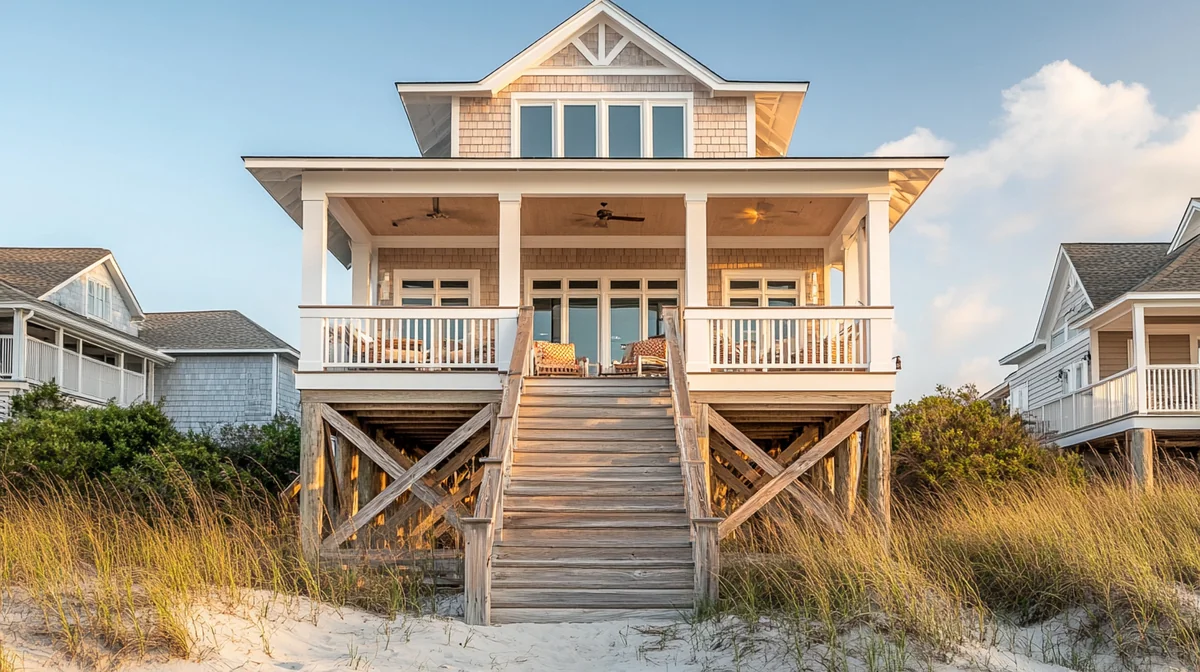




Morning
Breakfast at Nü or Raw Love
Nü for the beach-club version of the wellness breakfast; Raw Love for the town-side smaller-scale version. Both photograph, both deliver.

Expert short-term rental marketing to grow your bookings and nightly rate in Tulum, Quintana Roo, Mexico.
Sixteen services, one team. Everything below is built in-house and scoped to your property and market. Most owners start with the 12-Step System.
Every engagement is quoted to your portfolio. These are the ready-made scopes owners pick most — our Fall Special (55% off list or more) is already applied to the website, King Broker, Hotels and à la carte scopes. A clear proposal within 48 hours.
The work is public. Selected engagements and what changed — and reviews from the owners and managers behind them.
* Market averages from AirDNA and STR market reports. A single home's numbers depend on its size, its location and how it is marketed.
Cavmir is an Airbnb marketing agency. We build the brand, the direct-booking website and the marketing for short-term rentals in Tulum.
Tulum has emerged as one of the world's most aspirational travel destinations — a rare convergence of Mayan archaeological heritage, Caribbean coastline, and a wellness-forward, design-conscious hospitality scene that has attracted a global creative class. The Tulum Ruins overlooking the turquoise Caribbean Sea are among the most photographed in the Americas. The Sian Ka'an Biosphere Reserve, Gran Cenote, and the bioluminescent Laguna Bacalar offer natural experiences of extraordinary rarity.
Tulum's STR market is experiencing significant transformation as infrastructure improves and international investment accelerates. The international airport near Tulum city is dramatically expanding access. Design-forward properties with private pools, jungle settings, or beachfront access command exceptional premiums over generic listings.
Nearby Markets: Playa del Carmen | Cancún
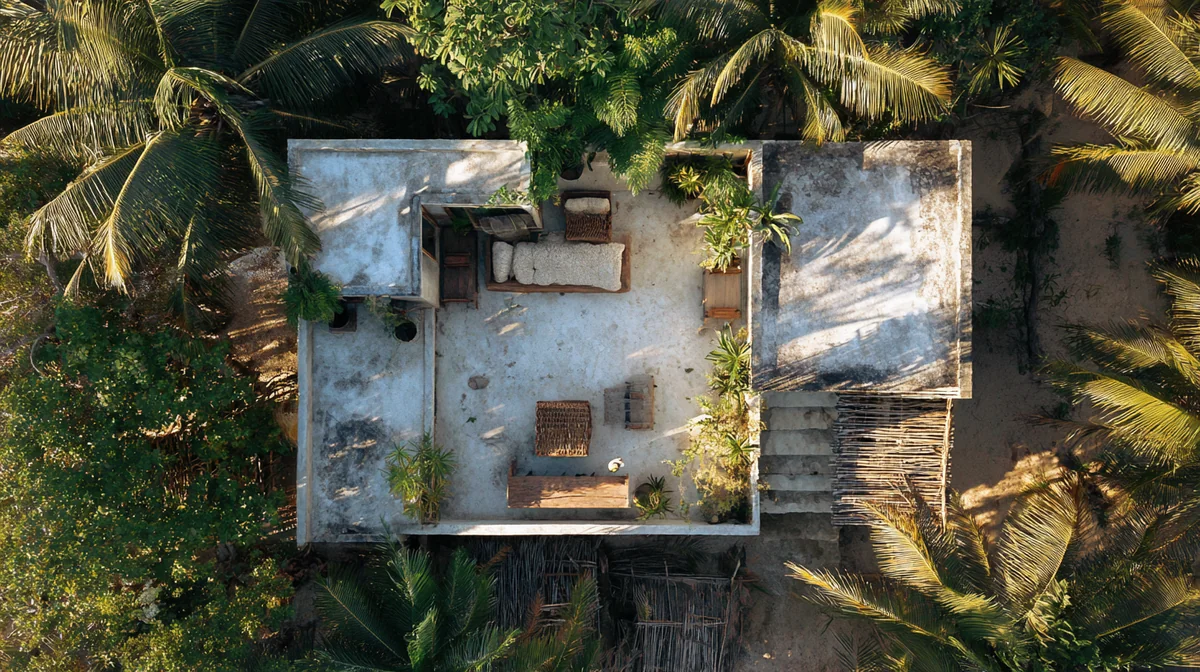
Cavmir's cinematic visual approach — warm color grading, lush jungle framing, turquoise water backdrops — was built for destinations like Tulum. We capture the sensory experience of your property and translate it into marketing that converts the aspirational Instagram traveler into a direct booking.
Tulum is the site of a 13th-century Mayan coastal fortress — one of the last Mayan cities built and among the few that survived until Spanish contact. The walled city overlooking the Caribbean has been a pilgrimage and trade center for 800+ years. The contemporary town of Tulum Pueblo, a few kilometers inland, is a modern development; the beach zone (Zona Hotelera) along Carretera Tulum-Boca Paila began developing seriously only in the 1990s–2000s, when a small cluster of palapa-roof cabañas built around yoga-retreat and off-grid-ecotourism culture attracted a specific creative-class traveler.
Tulum's transformation into a globally known wellness-luxury destination happened astonishingly fast — from roughly 2012 to 2022. Instagram, design-magazine exposure, and the rise of wellness-tourism as an economic category made Tulum world-famous. The 2023 opening of Felipe Carrillo Puerto International Airport ('Tulum Airport') finally gave the destination direct international access; Maya Train service to the region began in 2024. The combined infrastructure transforms Tulum from a 2-hour Cancún-transfer destination to a direct-access market. This is reshaping visitor volume and demographics rapidly.
Tulum pricing divides sharply between beach zone (Zona Hotelera) and town (Pueblo). Beach zone off-grid luxury cabañas can clear USD $500–$2,000+ per night during peak. Pueblo-zone boutique villas trade at more moderate rates ($150–$400/night). Jungle-villa developments in the Aldea Zama and Región 15 areas have become the new luxury category. Design matters more in Tulum than almost any other market — a specific 'Tulum aesthetic' (natural materials, palm-thatched roofs, hand-hewn wood, concrete floors, rattan and linen) commands significant premium. Generic construction competes on price; authentic design commands rates multiples higher.
Medium seasonality. Peak: December through April (Caribbean winter escape, New Year, spring break). Shoulder: May–June, November. Low: July through October (hurricane season, rainy, sargassum seaweed surges). Missed revenue: late November, which is actually excellent weather and pre-holiday booking, but traditionally priced below peak.
Tulum regulation changed significantly with RETUR-Q (the Quintana Roo State Tourism Registry) and municipal empowerment. Since August 2025, each municipality — Tulum specifically — has authority to issue fines up to 100,000 pesos for non-compliant operators. Registration on RETUR-Q is mandatory for all tourism service providers including STRs. Booking.com and other platforms actively ask hosts to submit proof of RETUR-Q registration. Without it, listings face removal.
All Tulum Airbnb hosts must obtain a State Operating License from the Quintana Roo state tax service (SATQ), the office that also registers you for the lodging tax. Quintana Roo's 6% Lodging Tax (ISH) applies to all short-term rental income. Federal obligations (ISR income tax, RFC registration) apply to foreign owners earning Mexican rental income. Non-Mexican ownership of coastal property uses the fideicomiso (bank trust) structure; verify this is in place before any investment. 2026 enforcement has meaningfully strengthened from the pre-2024 era when Tulum was effectively unregulated.
The defining Tulum tip: design is the product. Tulum's guest books the aesthetic as much as the location. Generic white-painted condos compete on price; properties that authentically execute the Tulum design language (natural materials, jungle integration, outdoor bathroom, plunge pool, carefully chosen art and textiles) command premiums that recover their capital investment quickly.
Second — Aldea Zama and jungle-villa developments are the current growth zone. Beach-zone inventory is essentially fixed by environmental regulation; inland is where new supply is possible. Market positioning for these properties emphasizes privacy, cenote access, and jungle immersion rather than beach proximity. Third — sargassum season (April–October, variable) affects beach quality unpredictably. Properties with private pools become essential; properties marketed as 'beachfront' need flexible expectations. Fourth — the airport and Maya Train opening reshape guest profiles; expect a larger domestic Mexican traveler segment alongside the traditional creative-class international visitor.
Tulum's challenges are increasingly visible. Infrastructure (water, electricity, internet, road quality) struggles to keep pace with growth. Sargassum is a recurring environmental reality. Hurricane season. Cenote and groundwater contamination concerns. Safety perception has fluctuated with regional security incidents. And the rapid commercialization has eroded some of what originally made Tulum distinctive — operators need to preserve authenticity against pressure to commoditize.
Mexican property insurance is less comprehensive than US equivalent. Hurricane coverage through specialty insurers (AIG, Mexican subsidiaries). Title insurance through fideicomiso structure. STR liability often arranged through international policy rather than Mexican carrier. Budget USD $1,200–$4,500 annually depending on property and location.
Mexican federal income tax (ISR) on rental income — foreign owners typically file monthly provisional payments. IVA (VAT) may apply. Property tax (predial) is remarkably low by US standards (often USD $300–$1,500/year even on luxury properties). 6% ISH lodging tax guest-collected. US owners typically need to file both Mexican and US returns with foreign tax credit optimization.
Mexican mortgages for foreigners are available but less common than cash purchases. US banks do not lend on Mexican property. Local Mexican banks (Banorte, BBVA Mexico) offer products but at rates significantly above US mortgages. Many US and European buyers use developer-financing or seller-carry structures. Cash-heavy market.
Tulum's 2026 has been a sorting year. The airport handled 1,244,661 passengers in 2025, then saw international traffic fall 34% to 178,000 in the first quarter of 2026, and local press reported hotel occupancy averaging 63% over the first half. When arrivals soften, guests compare harder, and the house with its own direct-booking site gets a second chance at the traveller who first found it on a platform. That site is where you answer what the Airbnb template never asks: which side of the Carretera Federal you're on, what happens when the power drops on the beach road, and what the stay costs in pesos with the tax already in it. Build it for the guests Tulum gets and for the rules Quintana Roo enforces.
Quintana Roo's tourism observatory, SITUR-Q, ranks the United States as Tulum's first market, with Canadians and British travellers next among international guests, and Mexican travellers fill the long weekends and the holidays. That points to English and Spanish as separate, hreflang-tagged versions (en and es-MX), written by people, never a translate widget that renders “alberca” three different ways on one page. Spanish is the legal baseline here: Article 34 of Mexico's consumer-protection law asks that advertising be in Spanish and prices in pesos, with other languages and currencies added on top. So quote in MX$ first and show US$, CA$ and £ beside it as reference figures, with the exchange date. North Americans want the airport transfer, the card-or-cash answer and the drinking-water setup spelled out; Mexican guests want the private pool, the parking and the weekend minimum stated before they ask.
Four sets of rules reach your website. Quintana Roo's tourism secretary said in November 2025 that from 2026 platforms may offer a property only if it holds a RETUR-Q registration; local guidance says the registration is online, free and per property, and that its Constancia de Inscripción must be kept visible, so show it on every property page and in the footer. The lodging tax belongs in the price: Airbnb collects 6% of the listing price including the cleaning fee, but on a booking through your own site you collect it, register with the state tax service (SATQ) and file by the 10th of the following month, and your accountant should confirm whether the 5% general rate or the 6% rate applies to your direct stays. Article 7 Bis of the consumer law requires the total, taxes included, to be shown clearly, and Profeco enforces it in town: in November 2025 it put suspension seals on four Tulum hotels that didn't display rates or terms and showed prices in foreign currency. Last, the privacy notice: Mexico's new LFPDPPP took effect on March 21, 2025 with stricter notice rules, overseen now by the Secretariat of Anti-Corruption and Good Governance after INAI was dissolved. Publish a Spanish aviso de privacidad that names your analytics and ad cookies, keep those tags off until the guest agrees, and have a Mexican attorney review the notice, the terms and the cancellation policy before launch.
Guests search Tulum by zone, so give each its own page: the beach road through the Zona Hotelera, Tulum centro along Avenida Tulum, Aldea Zama, La Veleta, Región 15, and the quieter bays north of town at Tankah and Soliman. Each page states the bike or drive time to the beach road, the ruins and the nearest cenotes, which is also what SEO and AI search feed on. Add a dated getting-here page: as of May 2026, US airlines flew nonstop into Tulum International Airport from Atlanta, Dallas, Houston and Miami, after Avianca, Copa, JetBlue and Volaris Costa Rica dropped their Tulum routes, with Cancún's airport and the Tren Maya as the alternatives. Then photograph what Tulum guests filter on: the air-conditioning unit in each bedroom, the solar panels or generator, the water filter, the desk beside a dated wifi speed test, the bikes, and the beach in front of the house as it looks in sargassum months, with the date on the photo.
GEO (generative engine optimization) is the work of getting your rental named when a traveller asks an AI assistant instead of scrolling a results page, and Tulum questions are the comparative, logistical, seasonal kind assistants get asked all day. Adobe surveyed more than 5,000 US consumers in 2025 and found 29% had used AI services to plan a trip, while AI-driven traffic to US travel sites rose 3,500% year on year in July 2025. The United States is Tulum's first market, so that's your guest. Cavmir's July 2026 study of 550 Google AI answers across 15 U.S. markets found independent and regional operators took 82% of the citations, and Airbnb or Vrbo appeared in 17% of answers. It wasn't a Tulum study, but it shows a small operator with clear pages can be the name in the answer.
In English the questions arrive with place names attached: “Is it better to stay in Aldea Zama or on the beach road in Tulum?”, “Which Tulum villas can I walk to the ruins from?”, “How do I get from Tulum airport to La Veleta?”, “Is the sargassum bad in Tulum in May?”, “Where should we stay for Zamna over New Year?” Mexican travellers ask in Spanish: “¿Dónde hospedarse en Tulum con alberca privada cerca del centro?” or “¿Cuánto cuesta entrar a la zona arqueológica de Tulum?” Each one is answered with a neighbourhood, a distance, a month or a price in pesos. A page that says those things in the words guests use, in both languages, gives an assistant something to repeat; a listing that only promises “jungle luxury” gives it nothing.
Write a short facts block for each home and use the same wording everywhere: the RETUR-Q registration, sleeps and bedrooms, the zone and which side of the highway it sits on, minutes by bike to the beach road and on foot to the nearest cenote, the drive to Tulum International Airport, whether there's backup power and filtered water, the all-in nightly price in MX$ with the lodging tax included, and the cancellation rule in one sentence. Keep those facts in the page text, never only inside a photo, and mark the page up with VacationRental structured data. Then make the Airbnb, Booking.com and Vrbo listings say the same thing: the same property name, the same address format, the same bedroom count and the same registration. When the Spanish page says four bedrooms and the English listing says three plus a den, you've handed an assistant two answers to choose between.
Answer engines draw on the outlets that already write about Tulum, so that's where your name needs to appear. The state promotion council, the CPTQ, runs the Caribe Mexicano brand and launched its campaign “Caribe Mexicano, la capital mundial de las vacaciones” at FITUR in Madrid in January 2026, naming Tulum among 12 interconnected destinations; Sedetur keeps the RETUR-Q registry. In the press, Por Esto! Quintana Roo, Novedades Quintana Roo and Ruptura 360 cover the state in Spanish, Riviera Maya News and The Tulum Times cover it in English, and El Financiero and Expansión carry Tulum stories when there's data in them. That's the digital PR map: a dated sargassum log from your stretch of coast, a note on how the house kept power through a storm, or a sourced guide to the 2026 ruins fees is material a local editor can use. British guests widen it: the CPTQ agreed co-marketing with TUI in November 2025, with banners for Tulum, so UK travel writers are reachable too.
Content marketing for a Tulum rental means writing the pages that answer those planning questions better than a listicle can, each tied to something with a date on it. Every page below carries named places, times from the house, a current price in pesos where one applies and a “last checked” line, because Tulum's facts move fast: the airport lost routes in 2026, the ruins changed their fees, and Zamna set a ten-day anniversary season. Publish each guide in English and Spanish on the same day, and link it back to the property page it sells.
Start with Zamna. The festival's tenth-anniversary season runs from December 31, 2026 to January 10, 2027 as separate nights, with each night's lineup announced on its own, so your page lists the dates, the ride from the house to the venues, your New Year minimum stay and the all-in MX$ price, and gets updated as each night is confirmed. Next, a getting-here page you date every quarter, with the current nonstop cities into Tulum International Airport, the Cancún alternative, the Tren Maya and the drive from each to your zone; route changes are the detail a stale page gets wrong first. Third, a booking-terms page in both languages that states the RETUR-Q registration, the lodging tax, the deposit and the cancellation rule in short sentences. It's the page that answers a guest who asks whether a villa is registered.
Then the guides guests return to. A ruins and Jaguar Park guide: the entry fees changed in 2026 under the Plan Tulum Renace recovery plan, with local press putting the ticket for Mexican visitors and residents at MX$80, so a page with the current fees, opening hours and the bike route from your door earns links and citations as long as you recheck it. A sargassum guide built on your own dated photos of the beach in front of the house, month by month, with the pool and the nearest cenotes as the answer for bad weeks. A cenotes guide naming Gran Cenote, Calavera, Dos Ojos and Zacil-Ha with the time from your house to each. And a guide for each neighbourhood page in Spanish as well, because Mexican guests search “Aldea Zama o Región 15” in their own words.
For September and October, write for long-stay and remote-work guests: a work-from-Tulum page with a dated speed test, the desk, the backup power and a monthly MX$ rate. For early November, a Spanish-first Día de Muertos and Hanal Píxan page for domestic travellers. The order: booking terms and getting here this month, Zamna before the start of November, ruins and cenotes ahead of the December rush, sargassum before March, then remote work in time for the summer slowdown. One well-sourced page every two weeks beats a burst of thin ones, and each new guide gives your digital PR something to send. It's the publishing calendar Cavmir starts from when we market a Tulum home.
Tulum through 2027 and beyond will be transformed by airport and Maya Train access. Expect substantial visitor-volume growth, continued regulatory tightening (RETUR-Q enforcement is just beginning), and infrastructure investment that both solves current problems and creates new ones. Competition will intensify as new supply enters; design-differentiated properties will outperform generic inventory increasingly. Hurricane-climate and environmental-sustainability concerns will shape longer-term regulation. Prices have already moved significantly; future returns depend more on operational excellence than on market-beta appreciation.
Tulum is the most editorially-photographed STR destination in the Americas — and the most marketing-saturated. Every listing uses the same palm-shadow-on-white-stucco shots, the same infinity-pool-meets-jungle frames. That saturation is a marketing opportunity: the listings that differentiate through genuine point of view, authentic local storytelling, and photography that shows what's specifically here — cenote water, Mayan ruin proximity, bicycle-infrastructure, the jungle-versus-beach-zone distinction — outperform the generic-editorial pack.
What we love about marketing Tulum is the international-guest diversity. A single well-marketed Tulum property pulls bookings from New York, Milan, Mexico City, São Paulo, Paris, and Toronto in the same month. The guest is sophisticated, wellness-conscious, design-literate, and willing to pay premium for the right aesthetic context. The properties that win here are the ones that treat themselves as small hospitality brands — not listings. Multilingual copy (English and Spanish minimum; Portuguese and Italian ideally), aesthetic coherence, and operational reliability in a market where reliability is often the differentiator.
The picks Cavmir recommends for Tulum welcome books — the level of specificity that the Tulum guest (who has researched intensely) expects from a well-operated property.
Nü for the beach-club version of the wellness breakfast; Raw Love for the town-side smaller-scale version. Both photograph, both deliver.
Tulum beach is east-facing — sunrise is the photograph, not sunset. Cenote Calavera at late morning when the sunbeam hits the water.
The Tulum-beach-road-to-Sian-Ka'an bicycle ride. Three hours round-trip, most scenic route on the peninsula. A host who arranges bike rental and provides a map earns the review.
Hartwood remains the book-months-out classic; Arca for the jungle-fire-cooking aesthetic that defines the contemporary Tulum scene.
The Yucatecan specialty most tourists never order. A host who flags the specific local restaurants (not the beach clubs) shows actual local knowledge.
Post-hurricane-risk-peak, pre-high-season. Weather is ideal, crowds have gone, pricing is 40% below peak. The Tulum value window.
Coba for the jungle-pyramid climb before tour buses arrive; Holbox for the two-day ferry-over side trip. Both expand the trip meaningfully.
Tulum beach-zone power grid and tap-water quality are ongoing realities. A pre-arrival honest briefing (bottled water stocking, generator logic if present) builds trust rather than erodes it.
Representative Cavmir engagements in Tulum. Property identifiers removed; figures composited from internal analytics and AirDNA ranges.
Beautiful jungle-edge property competing against hundreds of aesthetically-similar listings. Commodity-level pricing despite premium finishes.
Differentiated through genuine point-of-view. Photography rebuilt around the specific location — the jungle sounds at dawn, the cenote-proximity, the bike infrastructure to town. Multilingual copy (English, Spanish, Italian, Portuguese). Partnership with a wellness-retreat planner filled a recurring-stay calendar.
ADR climbed 42%. Wellness-retreat bookings now represent a substantial share of annual revenue. International-guest mix shifted to a more lucrative booking profile.
Beach-zone property with severe operational challenges (power, water, sargassum-season) that were affecting reviews. Marketing was honest but unstrategic.
Treated operational honesty as a marketing asset. A pre-arrival welcome-book PDF addressed every historically-complained-about operational reality transparently. Photography emphasised the lagoon-side alternatives for sargassum weeks. Positioning shifted to the guest who valued transparent operator over polished illusion.
Review score climbed from 4.4 to 4.87. Platform ranking improved. ADR held while occupancy moved from 58% to 79%.
High-end remote villa marketed as a generic vacation rental. Missing the retreat, wedding, and production-location audiences that represented the property's real revenue ceiling.
Built three distinct product brands from the same inventory: retreat-host rental, private-wedding rental, and production-location rental — each with separate tear sheets, photography treatments, and distribution channels. Multilingual partnership with two Latin-American wedding planners.
Retreat, wedding, and production bookings together now generate a majority of annual revenue at ADR levels well above platform-rental pricing. A single production booking cleared $38K.
Yes. Cavmir works with short-term rental owners and boutique hotels in Tulum and across Mexico — property branding, listing optimization, photography direction, direct-booking websites, SEO, and paid campaigns. Properties near Tulum Ruins, Gran Cenote and Sian Ka'an Biosphere Reserve are exactly the kind of stays we market.
The market snapshot on this page shows average nightly rates around $218 with occupancy near 72% for Tulum. Treat those as directional market averages, not guarantees — the spread between a well-marketed property and a poorly marketed one in the same market is wide.
Tulum sees moderate seasonality — clear peaks, but respectable demand through the rest of the year. That shoulder-season demand is exactly where marketing earns its keep, because travelers have more choices and pick the property that looks the part.
Tulum is comparatively light on short-term rental regulation today, but rules change quickly in this industry. Confirm current requirements with local authorities before you list. Cavmir handles the marketing side; we don't provide legal or permitting advice.
Give guests a way to book you without a platform in the middle: a fast direct-booking website, a complete Google Business Profile, and follow-up that brings past guests back. Cavmir builds that stack — see vacation rental SEO — so your repeat Tulum guests stop paying platform fees to find you.
It depends on scope. Current plans and one-time project pricing are on the pricing page — most owners start with a listing overhaul or the 12-step system. A conversation about your property costs nothing: contact Cavmir.
Send us the listing and we'll tell you what we'd change. Not a pitch deck — a straight read on your photos, your title, your rates against the Tulum comp set, and whether a direct-booking site would pay for itself.
You'll hear back from a person, usually inside one business day. If we don't think we can move your numbers, we'll say so. Cavmir is a short-term rental marketing agency — we position and market properties, we don't manage them.
Demand in Tulum peaks around January, February and March and runs quietest around September through October. Here is how the year actually books — and what to do about each stretch of the calendar.
The dry winter is the engine, roughly mid-December through April, and Tulum runs hotter than the coast average over the holidays thanks to the jungle music festivals that pack late December and January. Christmas, New Year and March spring break sit at the top. Set the holiday and festival weeks high and early, hold minimum stays over the busiest dates, and have the listing fully dialed before the December rush.
April and May carry the tail of spring break, and July brings a summer bump on family and European travel. The wellness and design crowd keeps the shoulder weeks steadier here than in the big resort towns. Use midweek angles, longer stays and repeat-guest offers to hold pace through the warmer months.
September and October are the softest weeks, the heart of the wet, storm-prone season, and much of the fly-in crowd waits it out. Keep the rate reasonable rather than dark, and use the lull for maintenance, a pool and palapa check and a photography refresh. Longer stays and remote workers who want warm, quiet weeks are the play for these two months.
Holiday and festival weeks book the furthest out, with the December-to-January crowd locking dates months ahead and winter travelers filling through the fall. Long-stay nomads and short trips move on shorter notice year-round. Set the peak and festival dates early and firm, then keep the shoulder calendar responsive.
The dry season and festival weeks run on stays of several nights to a week, while wellness travelers and nomads mix in longer escapes and monthly bookings. Spring break stacks group stays into March. The design-driven, long-stay profile rewards hosts who market to more than one guest type and lean on longer stays through the quiet weeks.
The home that wins leans into Tulum's design-forward aesthetic with a pool, a palapa or shaded outdoor living, and photography that looks like the brand guests came for, within an easy ride of the beach road or a walk to the town scene. The wellness and design crowd chooses on look and feel, so the presentation is the product. A stylish home in Aldea Zama, La Veleta or near the beach road covers the widest demand.
Lead with design: Tulum guests choose on aesthetic, so photography and styling that capture the boho-luxe look do more work here than almost anywhere. Build the listing around your pool, your shaded outdoor living and your ride to the beach road, and price the winter deliberately, setting the Christmas, New Year and jungle-festival weeks high and early. Add a Google Business Profile for map searches and a direct-booking site to capture the wellness travelers and long-stay nomads who return. That listing, imagery and local SEO work is the marketing layer Cavmir builds for Tulum hosts.
The dry winter from mid-December through April is the high season, and Tulum runs hotter than the coast over the holidays because of the jungle music festivals that pack late December and January. Spring break lifts March, July brings a summer bump, and September and October are the quiet, wet low.
Holiday and festival weeks book the furthest ahead, with the December-to-January crowd locking dates months out and winter travelers filling through the fall. Long-stay nomads and short trips move on shorter notice year-round. Lock the peak and festival dates early, then stay responsive.
Guests fly into Cancun and drive south, so Tulum draws dense North American and European traffic plus a heavy design-and-festival crowd from the US coasts. New York, Los Angeles, Chicago and Toronto lead the volume, with European travelers filling summer and the festival season.
Design-forward styling and a pool lead, because guests choose Tulum on aesthetic, followed by strong air conditioning and shaded palapa outdoor living. Fast, reliable wifi for the long-stay crowd and an easy ride to the beach road round out what guests reward most in Tulum.
Talk to Cavmir today. We'll show you exactly what your Tulum property is leaving on the table — and how fast we can change that.
Book a Free Strategy Call