
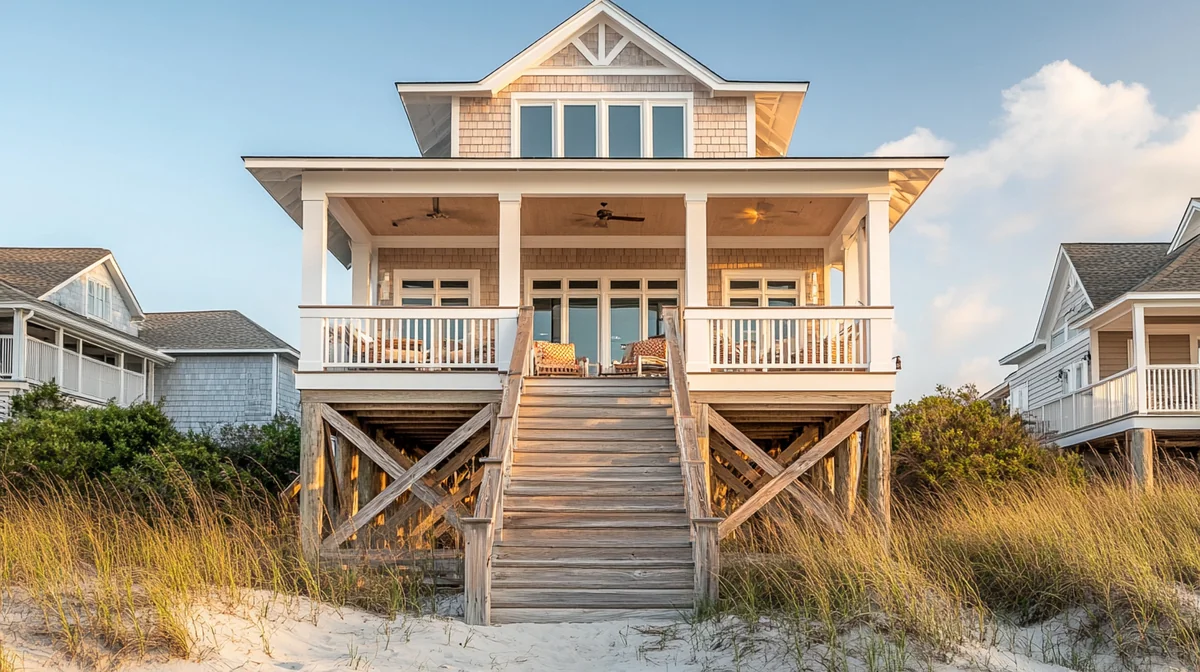
Property Optimization · Cavmir Learn
Airbnb Luxe and Plus: What It Takes to Qualify in 2026
Airbnb's top tier rents for four figures a night, and getting in is a curated, in-person process most guides describe wrong. Here's how qualification actually works in 2026 — what happened to Plus, how you get into Luxe, and what "acceptance" really looks like.
Airbnb Luxe properties rent in the four figures a night — at the June 2019 launch, Fortune reported Luxe prices from $1,000 to nearly $150,000 a night, averaging around $2,000. That number is why so many owners ask how to qualify. What they ask less often is whether their property is actually a candidate, how the process really runs, and whether a badge is even the fastest route to those rates.
This guide answers all three, with one advantage over most of what's online: it's current. The luxury-badge landscape changed, and a lot of older guides are quietly wrong now. Airbnb Plus — the inspected mid-tier everyone used to chase — has been discontinued. The badges that matter in 2026 are Guest Favorites, which you earn automatically, and Airbnb Luxe, the curated top of the platform. We'll cover what each one takes, show you what acceptance into Luxe actually looks like, and give you a printable checklist and a self-assessment you can run on your own property.
- Exclusivity: not required. Airbnb's own Luxe host guide says Luxe does not require exclusivity, so you can keep the home on other platforms and your own website while your channel manager keeps syncing.
- Requirements: Airbnb's Luxe standards ask for premium construction, an upscale and private location, high-end kitchen appliances with a full-size refrigerator, a king or queen primary bed with an en-suite bathroom, private laundry in most areas, and AC or heat throughout.
- How to get in: submit your listing through Airbnb's Luxe nomination form or wait for an invitation. A local Home Consultant walks the home in person, the review takes a few days to a few weeks, and the badge follows in about 7 to 10 days.
- Cost: Airbnb charges no extra Luxe fees and your commission stays the same. You keep control of rates, minimum stays and availability, so the cost is bringing the home up to the standard.
- Plus and Guest Favorites: Airbnb ended Plus on November 6, 2023. Guest Favorites, launched two days later, is the badge most hosts can earn: Airbnb checks ratings, reviews and reliability every day, with no application.
- Worth it, as of October 2026: usually only for a home that already meets the written standards. Luxe is less than 1% of Airbnb listings, and Skift reported on October 6, 2026 that Airbnb is rebuilding the program; Airbnb declined to comment.
For owners
Marketing with no management fee
Cavmir markets luxury rentals and does not manage them, so there is no management fee and no share of your bookings. Monthly plans cover SEO, AI search, guide pages and social posts, from $290 a month for one or two homes, with a 6-month minimum and then month to month.
Book a call See the pricesThe Landscape
The three tiers, and where each one stands now
Before you spend a dollar chasing a badge, it helps to know which badges still exist and what each one signals. Here's the current state of play.
A Necessary Correction
What happened to Airbnb Plus
Airbnb Plus launched in 2018 as a curated tier of homes that had passed an in-person inspection — a middle ground between a standard listing and full luxury. For a few years it was the badge hosts optimized toward, and it's still the thing people ask us about most. So let's be clear: Airbnb ended the Plus program on November 6, 2023. Airbnb said it was stopping Plus "to perfect our core service", and guests no longer see the Plus banner in search. Two days later Airbnb launched Guest Favorites, and its old Plus help article now opens the Guest Favorites page.
That matters for two reasons. First, if you've been preparing to "apply for Plus," you're preparing for a door that's closed — redirect that energy toward Guest Favorites and, if the property warrants it, Luxe. Second, everything Plus used to inspect for — consistency, real maintenance, a fully equipped kitchen, hotel-grade linens — didn't stop mattering. It just stopped being its own badge. Those standards now show up in your reviews, and your reviews are what earn the badges that replaced Plus.
We've kept the Plus name in this guide because it's still what people search for, and because the standard it represented is exactly the standard you need to clear for what came next. If you earned a Plus badge before the wind-down, it isn't a live program you can lean on anymore — treat your reviews and your Guest Favorite status as the signals that carry weight today.
The Badge You Can Actually Earn
Guest Favorites: how the everyday quality badge works
Airbnb introduced Guest Favorites on November 8, 2023 as a collection of the 2 million most-loved homes on the platform, based on ratings, reviews and reliability. Unlike Plus, there is no inspection and no application. The badge is awarded — and removed — automatically.
Airbnb's Guest favorites help article lists what it checks every day: overall star ratings and review feedback, the category ratings for check-in, cleanliness, accuracy, communication, location and value, your host cancellation rate, your review removal rate, quality incidents reported to customer service, and at least 5 reviews in the past 4 years with 1 in the past 2 years. Homes are compared globally, within their country, or both, and the article names no fixed star cutoff. At launch, Airbnb said these homes averaged above 4.9 stars, with host cancellations and quality issues around 1%. The top 1%, 5% and 10% of homes now carry an extra highlight. Guests can filter search for Guest Favorites, and the badge shows on the listing and in results.
For most hosts, this is the first badge worth engineering toward, and it's the real prerequisite for everything above it. The blunt version: if your property can't hold Guest Favorites status, it isn't a candidate for Luxe. And if it holds the badge comfortably at rates near the top of your market, that track record is exactly what makes the rest of this guide worth reading.
The Top Tier
Airbnb Luxe: what it actually is
Airbnb Luxe is a different category, not a higher grade of Plus. It grew out of Airbnb's 2017 acquisition of Luxury Retreats and launched as "Luxe" in 2019, consolidating Airbnb's earlier luxury efforts into a single curated tier. At the June 2019 launch, every Luxe home passed a review of more than 300 criteria covering design and function. Today Airbnb publishes its Luxe standards and requirements room by room and reviews Luxe listings every quarter.
As of October 2026, Luxe still takes nominations through Airbnb's Help Center. On October 6, 2026, Skift reported, citing two property managers who attended, that Airbnb CEO Brian Chesky told an invitation-only host summit in San Francisco that Airbnb is rebuilding Luxe. Airbnb declined to comment, so treat any new rules as unconfirmed until Airbnb publishes them.
Three things define it:
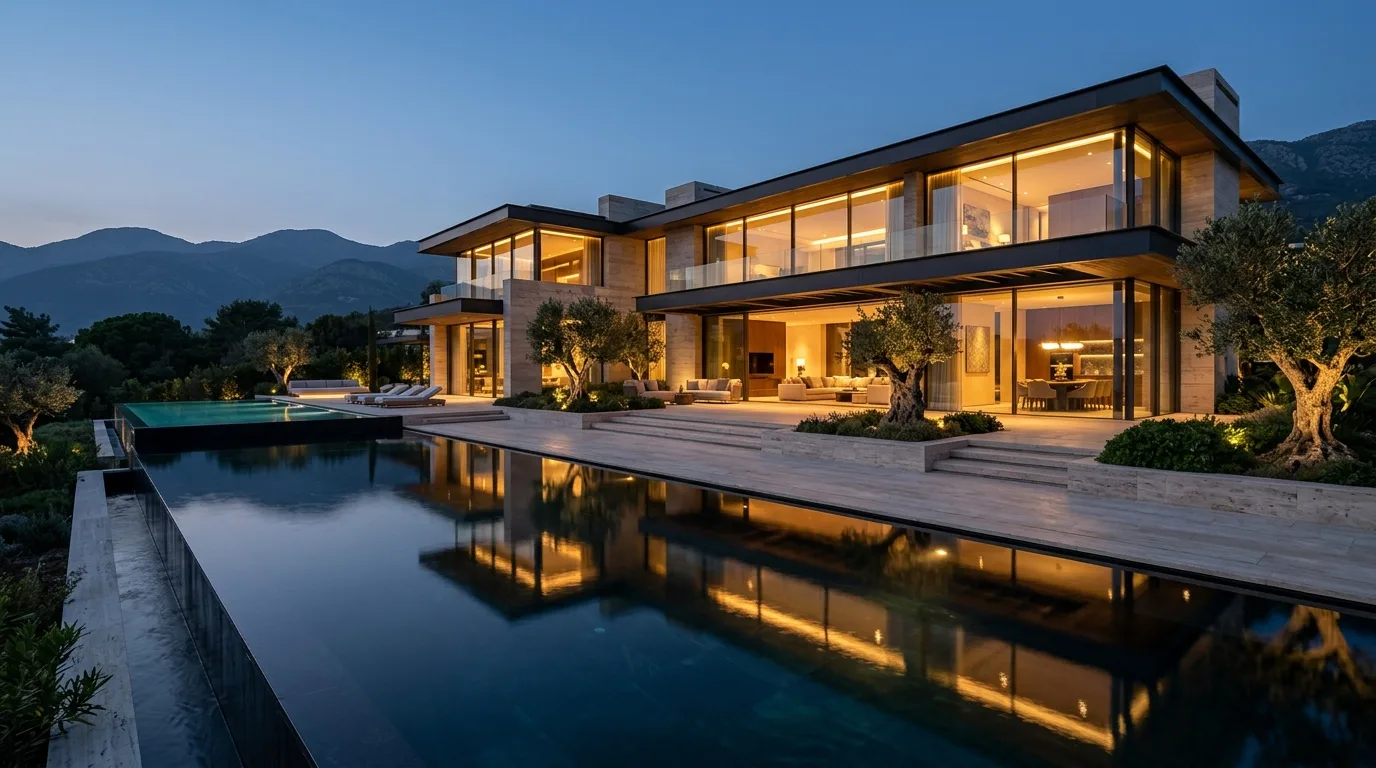
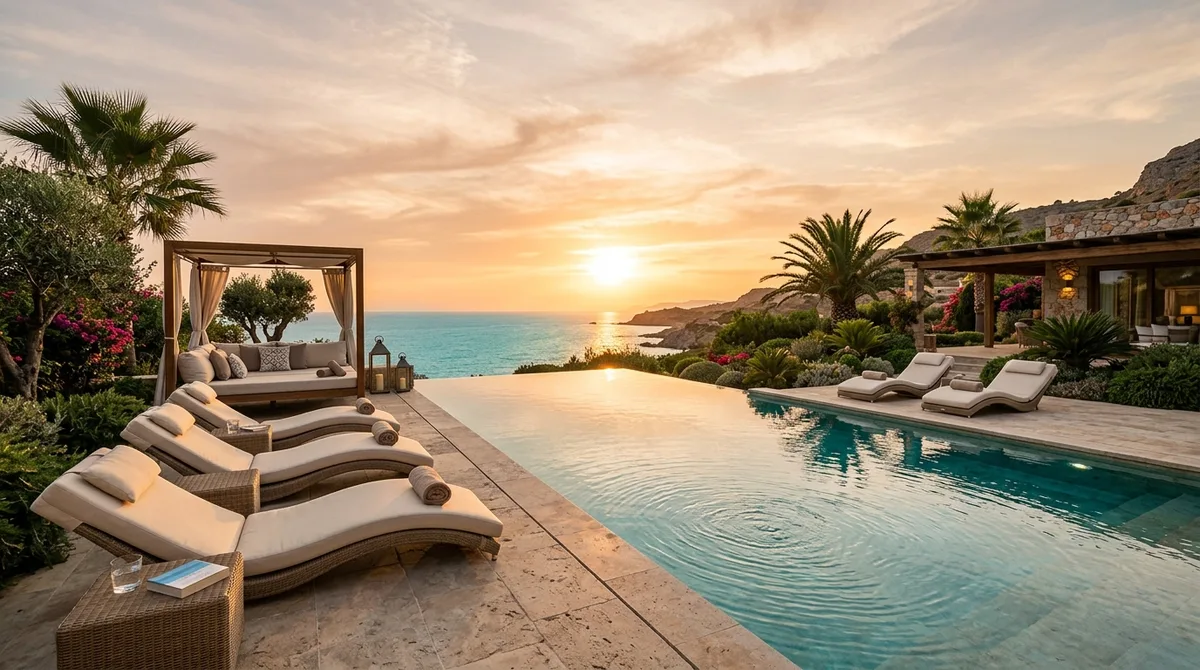
- Architectural distinction and professional design. These are estates, villas, penthouses, and singular homes — entire places, professionally designed, with hotel-quality everything and impeccable upkeep. Airbnb positions Luxe as a small fraction of its overall inventory.
- A service layer you run. At the 2019 launch, every Luxe booking came with a 24/7 trip designer. Airbnb's current Luxe help pages don't mention trip designers. Its guide to updating Luxe listings says you arrange paid add-ons with guests directly, usually in the Airbnb message thread. Airbnb's Luxe host guide adds that Luxe hosts get premium support from a specialized team, 24/7.
- High nightly rates you set. Luxe launched in June 2019 with more than 2,000 homes. Fortune reported prices from $1,000 to nearly $150,000 a night, averaging around $2,000, while TechCrunch, citing The New York Times, put the starting price at $600. Airbnb's current host guide sets no Luxe price rules: you choose your rates, minimum stays and availability.
What ties those together is that Luxe is an operational commitment, not just a design one. A beautiful house isn't enough if you can't reliably answer a guest's request on a Friday night or line up a private chef in a market where the good ones book weeks out. Owners who succeed at Luxe treat it like running a very small luxury hotel: a local team or manager on call, tight vendor relationships, and the patience for guests who expect a great deal for what they pay.
The Real Process
How you actually get into Luxe
Here's where most guides are dated. The old line is that Luxe is "invitation-only," curated in secret by Airbnb's luxury team. That's no longer the whole story. Today there are two doors, and one of them is open to you directly.
- Invitation. Airbnb still scouts. If your home is performing at the top of a market its luxury team cares about — near-perfect ratings, the highest rates in the area — you may get contacted through your host inbox.
- Self-nomination. Existing hosts can submit one or more listings through the nomination form in Airbnb's Luxe host guide, and new hosts apply through a separate form. Airbnb notes that submitting a listing doesn't mean it will be accepted.
From either door, the path is the same, and it's more hands-on than people expect:
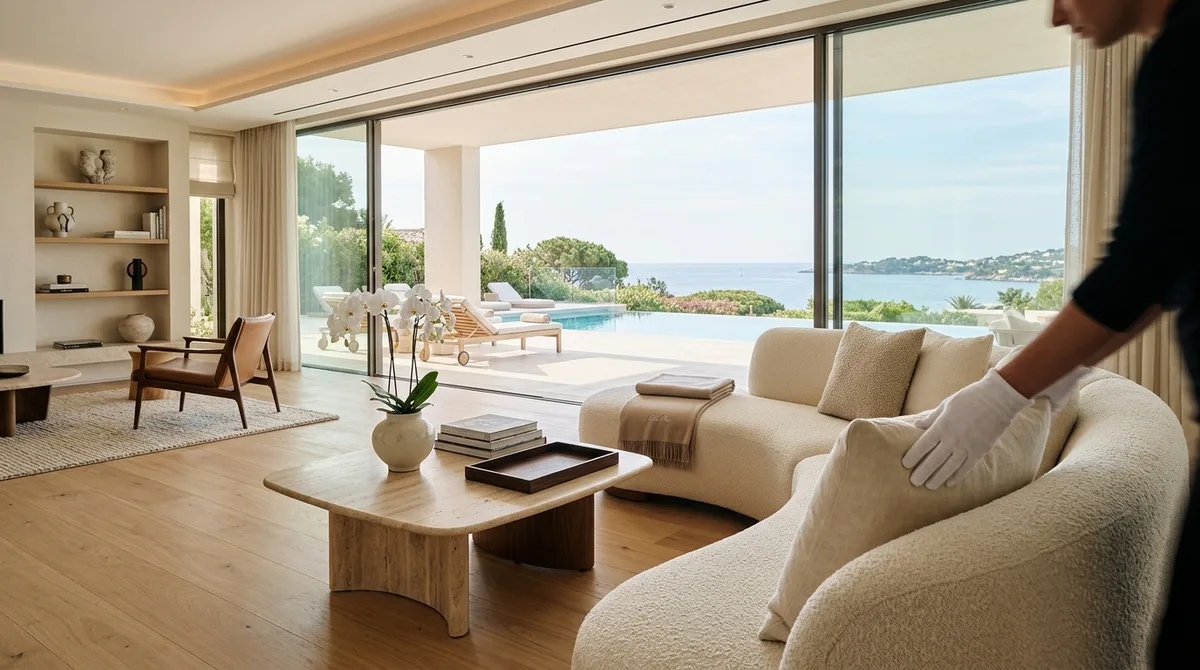
- A walkthrough by a local Home Consultant. Airbnb sends an independent, local consultant to evaluate the home in person — working through a checklist on a mobile app, assessing design, furnishings, and amenities, and photographing key features. Consultants are independent contractors and can't decide acceptance. You offer up to 8 time slots through Airbnb's scheduling tool, block up to 2 hours with no guests in the home, and can expect the full review to take a few days to a few weeks.
- Professional photography. If your photos don't show the home well enough for Luxe, Airbnb connects you with a professional photographer at no cost, provided your area is served, after the walkthrough.
- The Luxe badge goes live. Once a property is accepted, the Luxe badge is typically applied to the listing within about seven to ten days. Your listing stays live and bookable throughout — nothing goes dark while you wait.
The through-line: qualification is downstream of the property, not the paperwork. Make the home undeniable — the design, the reviews, the service layer — and either door opens. Nominate an average property and you've added your name to a long list. The nomination is easy; clearing the walkthrough is the work.
Other Channels
Airbnb Luxe Exclusivity and Other Platforms
Luxe hosts are not required to be exclusive to Airbnb. Airbnb's Help Center guide Hosting on Airbnb Luxe answers the question directly: "Airbnb Luxe does not require exclusivity," and you can continue listing the property on other platforms. The same guide calls Luxe a collection of homes inside Airbnb, "not a separate app, platform, or contract."
Here is what that guide says about running a Luxe home next to other channels, as of October 2026:
- Other platforms and your own site: allowed. Exclusivity is not a condition of Luxe.
- Calendar sync: all of Airbnb's API partners work with Luxe for full sync, and a third-party channel manager or your own system keeps working as normal.
- Pricing and booking settings: you set your own nightly rates, minimum stays and availability, and Instant Book is not required.
- Fees: no additional Luxe fees, and your commission structure stays the same.
- One property, one Luxe host: the same property can't be onboarded and listed in Luxe by two different hosts. If an owner and a manager both list the home, agree in advance which account carries Luxe.
Listing elsewhere doesn't change how you treat Airbnb guests. Airbnb's Off-Platform and Fee Transparency Policy keeps payments for Airbnb bookings on Airbnb and bars using Airbnb guests' contact details for marketing. Use your other channels for travelers who find you there, and keep every Airbnb guest's booking and payment on Airbnb.
Each other platform sets its own terms, so read its rate and content rules before you price the home differently across channels. For one example, see Cavmir's note on Vrbo's fee and rate parity terms.
What Acceptance Looks Like
The "you're in" moment — and why it's quieter than you'd think
People picture a confetti screen: a big Congratulations, you're Airbnb Luxe! banner, the way Superhost feels. The reality is more understated, and it's worth setting expectations plainly. There is no splashy in-app celebration for Luxe. Acceptance is a private, high-touch onboarding run over email by Airbnb's Luxe onboarding team. They coordinate the walkthrough, set the listing live at the tier, and confirm by email — and the visible reward is the Luxe badge appearing on your listing, usually within about seven to ten days.
So the real picture of "how it looks when Airbnb grants you Luxe status" is two things: an email from the onboarding team, and a badge on your live listing. Here's an illustration of both.
 Luxe
Luxe
[email protected]
Congratulations — your home has passed the Luxe evaluation and joined the collection.
Your Luxe badge will appear on your listing within the next 7–10 days. Premium 24/7 support from the Luxe host team is now active for your listing.
Your onboarding specialist will follow up to confirm service details and next steps.
Editorial illustration by Cavmir, based on Airbnb's documented Luxe onboarding process — not a screenshot of Airbnb's product. Wording and figures are representative. Airbnb® and the Airbnb Luxe mark are trademarks of Airbnb, Inc.
For contrast, here's how the other two moments feel, so you know what you're comparing against:
- Superhost is assessed quarterly. You get an email with your stats — guests hosted, cancellation rate, rating, response rate — and you can watch your progress in the app under Hosting. The badge applies automatically, sometimes within a week.
- Guest Favorite has no acceptance moment at all. The badge simply appears on qualifying listings and updates on its own as your reviews and reliability move.
- Luxe is the white-glove version: a real human onboarding team, an email, and a badge that follows. Quiet, but it comes with a service apparatus the others don't.
If you've been accepted and have the real onboarding message or badge on your listing, that's the genuine article — the panels above are only an illustration of what to expect.
Clearing the Air
Three myths worth dropping
A lot of the advice still circulating about Airbnb's luxury tiers is a few years out of date. Before you plan around any of it, drop these:
- "Aim for Airbnb Plus." Plus is retired. Airbnb no longer onboards new Plus homes, so any plan built around a Plus application is built around a closed door. Aim at Guest Favorites and, if the home warrants it, Luxe.
- "Luxe is invitation-only." Not anymore. Airbnb still invites strong candidates, but there's now a self-nomination path — you can put your own listing forward without waiting to be discovered.
- "You can pay your way in." You can't. There's no fee to be considered and no package to buy; it's a curation backed by an in-person walkthrough. Airbnb charges no extra Luxe fees, keeps your commission the same, and connects you with a free professional photographer if your photos fall short. Spending money helps only insofar as it gets the property to the standard the walkthrough checks.
The Standard
What the walkthrough is really checking
The full criteria list isn't public, and it changes. But the shape of it is consistent, and it maps cleanly onto the rooms of your home. Consistency is the watchword — reviewers are trained to notice the drop-off, the one room that got the leftover furniture, the second bathroom that never got the attention the primary did. Walk your property the way a Home Consultant would, room by room.
The kitchen
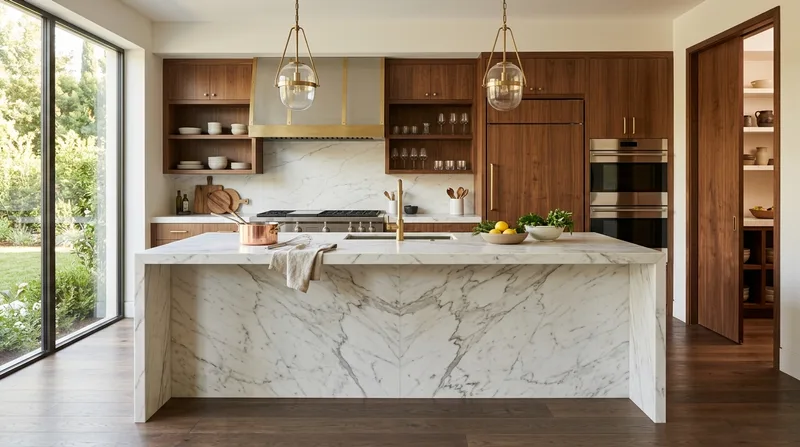
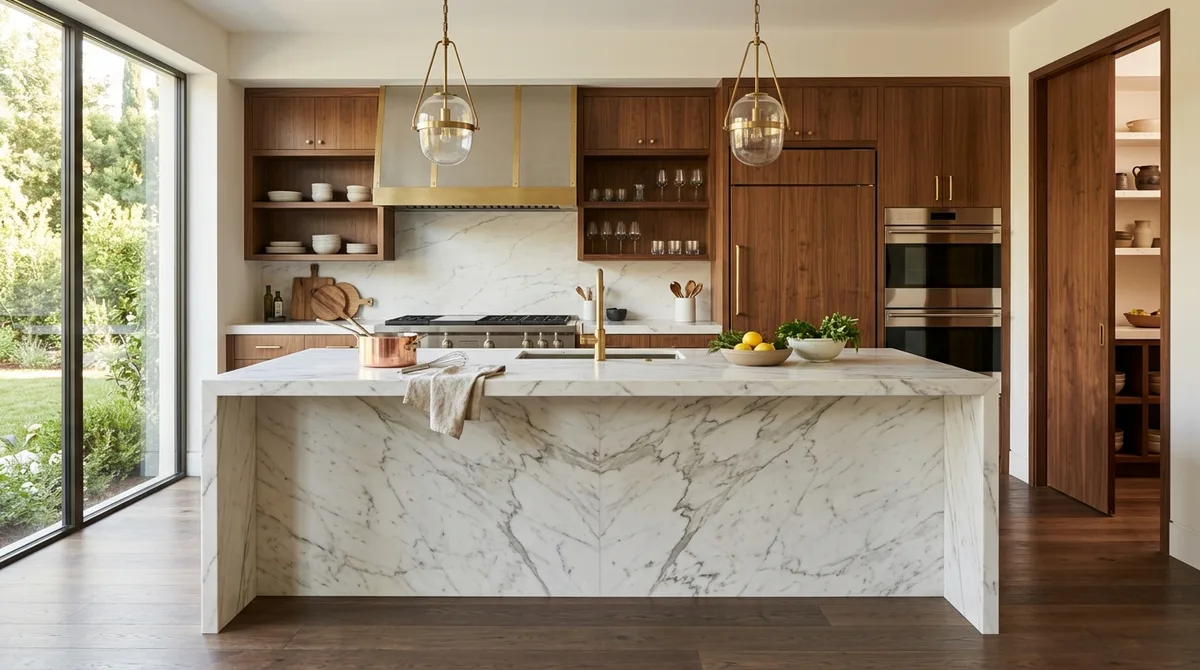
A half-stocked kitchen is one of the most common reasons a beautiful home still reads as unfinished. At this tier that means matching cookware in good condition, a real knife set, professional-grade appliances that all work, and enough dishware and glassware for a full house. It should look and function like somewhere a private chef could actually cook.
Bathrooms and bedrooms
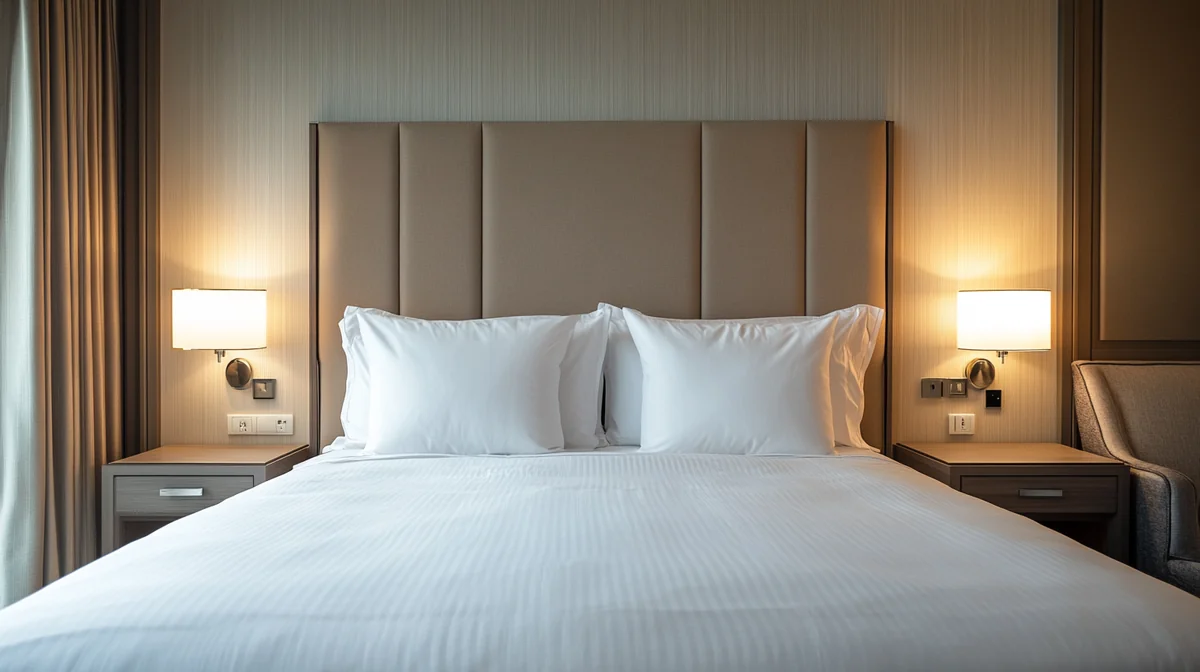
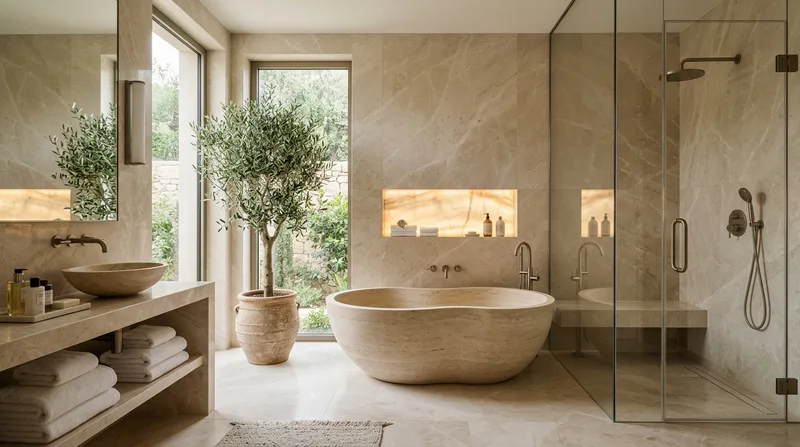
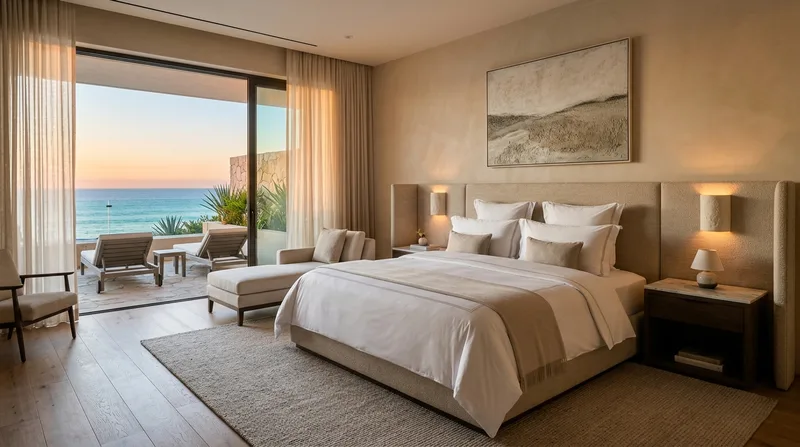
Bathrooms are where deferred upkeep shows first: clean grout, no mildew, strong water pressure, working fixtures, matching towels folded consistently, and thoughtful basics like a good hair dryer and quality toiletries. Bedrooms are held to a hotel standard — hotel-quality linens in matching sets, comfortable mattresses, blackout capability, real storage — and crucially, every bedroom, not just the primary suite. The spare room is exactly where a strong property loses points.
Service, not just square footage
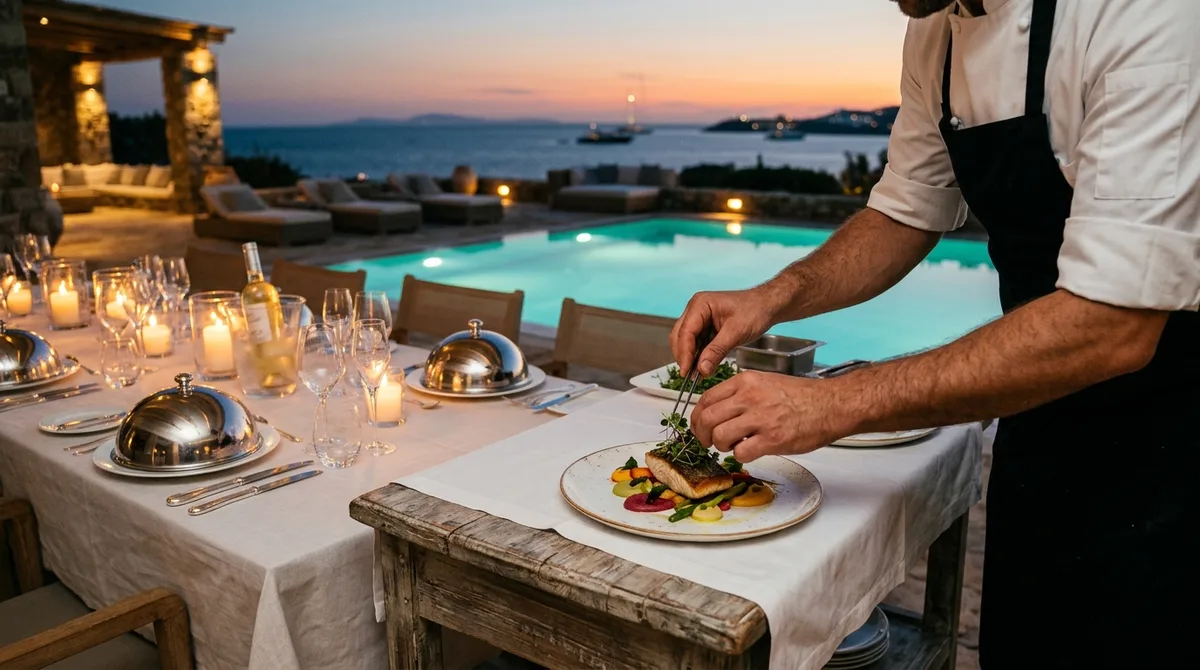
This is the part owners underestimate. Luxe is a service product. Airbnb's Luxe listing guide says hosts arrange paid add-ons with guests directly, so the property has to support or arrange the extras high-end guests assume: grocery pre-stocking, airport transfers, private-chef dinners, housekeeping cadence that never lets the standard slip between stays. If you can't offer or reliably arrange those, an exceptional building will still underperform in the tier.
The Guest Side
What a Luxe guest actually expects
It's easier to hold the standard once you understand who you're holding it for. A guest paying four figures a night through Luxe isn't comparing you to other rentals — they're comparing you to a five-star hotel, minus the front desk and plus a whole house. That reframes the whole job.
Three expectations sit underneath almost every Luxe review:
- Anticipation, not reaction. The chilled water on arrival, the fridge already stocked to the preferences they mentioned, the beach gear waiting by the door. You arrange most of this with the guest before arrival, usually in the Airbnb message thread, and it lands at your property, so your operation has to execute it without being asked twice.
- The listing was the floor, not the ceiling. At this tier, guests expect the home to meet the photos exactly and then exceed them in person. A gap between the images and the reality — a tired sofa the wide shot hid, a pool that photographs bluer than it is — reads as a broken promise, and it shows up in the review that follows.
- Discretion and calm. High-end guests want service that's present when needed and invisible otherwise. Fast, warm, unobtrusive communication; problems solved before they become complaints; privacy respected completely. The properties that win at this tier feel effortless precisely because someone did a lot of unseen work to make them feel that way.
None of this is exotic — it's hospitality done to a standard most rentals never reach. But it's the difference between a home that holds a four-figure rate and one that merely asks for it.
The Gut Check
Is your property even a candidate?
Before you invest a cent in upgrades or a nomination, run down this list. The most expensive version of this process is the one where you spend on a tier your property was never realistically going to hold. If you're hesitating on more than a couple of these, your energy is better spent on positioning than on chasing a badge.
- Rating
- Is your overall rating sitting at 4.9+ and holding there — Guest-Favorite territory — rather than a recent spike?
- Distinction
- Does the home have real architectural or design distinction, or is it well-kept but ordinary?
- Consistency
- Is every room finished to the same standard, with no weak spare bedroom or second bathroom dragging it down?
- Service
- Can you offer or arrange concierge-level extras like a chef, transfers and grocery stocking, and answer guest requests within the hour?
- Rate
- Are you priced where Luxe guests actually shop — four figures a night — or close to it?
Rather than eyeball it, score it. Answer the ten questions below and get a straight read on where your property stands.
Is your property Luxe-ready? A 10-point self-assessment
Check every statement that's genuinely true of your property today. Nothing is stored or sent — the score is calculated in your browser.
Whatever your score, the way through is the same: a room-by-room pass against the standard. We've turned this guide into a printable checklist — 84 checkpoints across eleven sections, from the ratings floor to the concierge layer.
84 checkpoints across 11 sections — the full standard from this guide in a printable, room-by-room format you can walk with a clipboard.
The Revenue Reality
What the numbers actually look like
The rate premium is real, but the occupancy picture is different, and it's worth understanding what you're optimizing for. At the 2019 launch, Fortune reported Luxe prices from $1,000 to nearly $150,000 a night, averaging around $2,000, and Airbnb's current host guide leaves pricing to you. You'll also see "3–5x the market average" repeated widely — treat that as a ballpark estimate, not a guarantee, since the multiples different sources cite vary a lot and none trace cleanly to Airbnb.
The trade-off is volume. Luxe guests are fewer and highly selective, so these homes generally run at lower occupancy than a well-run standard listing. The math still works — a four-figure nightly rate at moderate occupancy can outperform a mid-market home running full — but you're winning on rate, not on nights booked. If your business needs steady year-round volume, that's a real consideration before you chase the tier.
Getting Ready
What it costs to get ready
Neither badge charges you to be considered. The cost is readiness, and it's the part hosts most often underestimate. Think of it in three buckets — and note that these are directional ranges to frame your planning, not quotes.
Design and furnishings tend to be the biggest line. If the property is close and just needs consistency work — swapping the mismatched room, upgrading linens and cookware, replacing tired pieces — you might be looking at a few thousand dollars. If it needs a real design pass to reach a coherent, distinctive look, professional interior design plus furnishings can run well into five figures for a larger, Luxe-caliber home.
Photography is the single highest-leverage spend once the home looks the part — and here's a perk of the Luxe route: if your photos fall short, Airbnb connects you with a professional photographer at no cost where your area is served. That doesn't let you off the hook for standard listings and your own channels, where a professional shoot is the investment I'd make first, not last. It pays back regardless of whether a badge ever comes through.
Maintenance and small upgrades — refinishing floors, touch-up paint, fixing fixtures, deep-cleaning grout — are easy to overlook and add up quietly. Budget for a full punch-list pass, because these are precisely the details that fail a walkthrough.
Set against the upside the arithmetic can absolutely work, but treat the readiness spend as an investment in your property's positioning that stands on its own. A beautifully photographed, well-finished home earns a premium whether or not the platform ever hands you a badge.
The Calendar
How long it really takes
Set expectations on the calendar, not just the checklist. The good news: once a property is accepted into Luxe, the badge typically lands within about seven to ten days, and your listing keeps earning the whole time. The long part is everything before acceptance.
Readiness moves at the speed of your slowest vendor. Ordering furniture, scheduling a design pass, and getting maintenance done can eat a month or two before you nominate. Then there's the walkthrough to schedule and pass. The practical takeaway is not to time this against a hard deadline — don't gut the property mid-year assuming it'll be back at the top of the market by peak season. Do the readiness work during a slower stretch, keep earning at your current tier while you wait, and treat the badge as a bonus that lands when it lands. A realistic mental model: budget one to three months to get the property genuinely ready, a few weeks to schedule and pass the walkthrough, then the seven-to-ten-day badge window on top. The homes that move fastest are the ones that were already operating at the standard before anyone asked them to prove it.
Where Properties Slip
Common failure points — and how to fix them
The Wider Field
Luxe vs. the alternatives
Premium positioning isn't exclusive to Airbnb's badges, and the smart play is usually to be on more than one curated channel. A home that clears Luxe has almost certainly cleared what the others ask. Here's how the main routes compare, including the one you fully control.
| Airbnb Luxe | Plum Guide | Homes & Villas by Marriott | Your own direct-booking brand | |
|---|---|---|---|---|
| How you get in | Invitation or self-nomination, then an in-person Home Consultant walkthrough | Apply; AI screen plus a human "Home Critic" in-person test | Professionally managed homes onboarded through Marriott's program | You decide — no gatekeeper |
| Acceptance bar | Published Luxe standards, in-person walkthrough, quarterly reviews | 150+ point test; accepts under ~3% reviewed | Managed-portfolio & service standards | Whatever standard you set (make it high) |
| What it costs you | Readiness spend; no extra Luxe fees, same commission | Readiness spend; no fee to apply | Typically via a management company | Site, brand & marketing you own outright |
| Guest profile | Ultra-high-end, service-expectant | Design-led travelers who distrust mass inventory | Marriott Bonvoy members earning/redeeming points | Your repeat & referral audience |
| Service required | Add-ons you arrange, plus 24/7 Luxe host support | High, but no assigned concierge | Full professional management | Whatever you build |
| Who owns the guest | Airbnb | Plum Guide | Marriott | You |
Plum Guide accepts under about 3% of the properties it reviews. Homes & Villas by Marriott is a curated collection of professionally managed premium homes, points-eligible through Marriott Bonvoy.
The broader point: a well-positioned home with strong branding, professional photography, and a direct booking channel can command premium rates independent of any platform's badge — and it's the only channel where you keep the guest relationship. Curated tiers are worth pursuing; just don't let a badge become the whole strategy. For more on that, see luxury villa rental platforms beyond Airbnb Luxe and the anatomy of an ultra-luxury listing.
The Bottom Line
So, is it worth pursuing?
Guest Favorites is worth engineering toward for any property that can hold it — it's the badge with the widest reach and the one guests actively filter for. Airbnb Luxe is worth pursuing for genuinely exceptional homes whose owners are committed to running them like a small luxury hotel, service layer and all. For everyone in between, the better question isn't "how do I qualify?" but "how do I build a premium brand that doesn't depend on a badge to justify its rate?" — because that brand pays you whether or not the badge ever arrives.
Wherever you land, the path starts the same way: design, photography, and positioning first. Run the Luxe-Ready Checklist on your property, be straight about the score, and fix the room that's dragging the rest down.
Frequently Asked Questions
Airbnb Luxe & Plus, answered
Is Airbnb Plus still available in 2026?
No. Airbnb ended the Plus program on November 6, 2023, and launched Guest Favorites two days later. If a guide walks you through a Plus application, it is out of date. The badges that matter now are Guest Favorites (earned automatically) and Airbnb Luxe (curated).
How do I apply for Airbnb Luxe?
There are two doors. Airbnb invites strong candidates through the host inbox, and you can submit your own listing through the Luxe nomination form in Airbnb's Help Center (new hosts use a separate form). The review takes a few days to a few weeks. From either door, a local, independent Home Consultant does an in-person walkthrough against Airbnb’s criteria, professional photography is arranged as needed, and once you’re accepted the Luxe badge is typically applied to your listing within about 7–10 days. Your listing stays live and bookable the whole time.
What are the Airbnb Luxe requirements?
Airbnb's Luxe standards and requirements page asks for superior construction with premium materials, an upscale location with privacy, a cohesive design with updated kitchens and bathrooms, high-end appliances and a full-size refrigerator, a king or queen primary bed with an en-suite bathroom and enclosed standalone shower, a private washer and dryer in most areas, AC or heat throughout as the climate requires, and outdoor seating sized to the guest count. Luxe listings also follow Airbnb's Ground Rules for Hosts and are reviewed every quarter.
What does it look like when Airbnb accepts you into Luxe?
Quieter than most people expect. There is no splashy in-app “Congratulations” animation for Luxe. Acceptance is a private, email-driven onboarding handled by Airbnb’s Luxe onboarding team: they coordinate the walkthrough, set your listing live at the tier, and confirm by email — and the visible reward is the Luxe badge appearing on your listing, usually within about 7–10 days. By contrast, Superhost sends a quarterly email with your stats, and Guest Favorite simply appears with no acceptance moment at all.
How much more do Airbnb Luxe properties earn?
At the June 2019 launch, Fortune reported Luxe prices from $1,000 to nearly $150,000 a night, averaging around $2,000, and TechCrunch put the starting price at $600. Airbnb's current host guide sets no Luxe price rules. You’ll see “3–5x the market average” repeated widely — treat it as a rough estimate rather than a guarantee, since the cited multiples vary and none trace cleanly to Airbnb. And remember Luxe wins on rate, not volume: occupancy generally runs lower than a well-run standard listing.
What is Guest Favorites, and should I aim for it first?
Guest Favorites is the quality badge Airbnb awards automatically. Airbnb checks eligible homes every day on star and category ratings, review feedback, host cancellation rate, review removal rate and quality incidents, and a home needs at least 5 reviews in the past 4 years, with 1 in the past 2 years. There’s no inspection or application, and guests can filter for it. For most hosts it’s the first badge worth engineering toward, and if you have Luxe ambitions it’s the proof point that your property operates at the level Airbnb’s luxury team scouts for.
Are Airbnb Luxe hosts required to be exclusive to Airbnb?
No. Airbnb's Help Center guide Hosting on Airbnb Luxe says Luxe does not require exclusivity and you can keep listing the property on other platforms. Third-party channel managers and Airbnb's API partners keep syncing, you set your own rates and availability, and there are no extra Luxe fees. Two limits apply: the same property can't be listed in Luxe by two different hosts, and Airbnb's Off-Platform and Fee Transparency Policy still keeps payments for Airbnb bookings on Airbnb.
What are the alternatives if my property doesn’t qualify for Luxe?
Plum Guide, which accepts under about 3% of the properties it reviews after a 150+ point in-person test; Homes & Villas by Marriott Bonvoy, a curated collection of professionally managed premium homes that earns and redeems hotel loyalty points; and — the one you fully control — a direct-booking brand of your own. The curated platforms aren’t mutually exclusive, and a strong brand with professional photography and a direct booking channel commands premium rates without any platform’s permission.
From the Cavmir desk
Want a Luxe-readiness review of your property?
Cavmir helps luxury hosts get the design, photography, and positioning to a place where the top tiers — and top rates — are within reach, and where you keep winning direct bookings alongside them. Tell us about the property and we'll give you a straight read on where it stands.
Request a readiness review