$450
Avg. Nightly Rate
55%
Avg. Occupancy Rate
$6,100
Avg. Monthly Revenue
5-8%
Est. Cash-on-Cash ROI
HIGH
Seasonality
MEDIUM
Regulatory Burden

* Market averages. Cavmir-managed properties typically exceed these figures by 25–45%. Data sourced from AirDNA, STR market reports, and Cavmir internal analytics.

The Market

Why Cape Cod is One of the World's Premier STR Markets

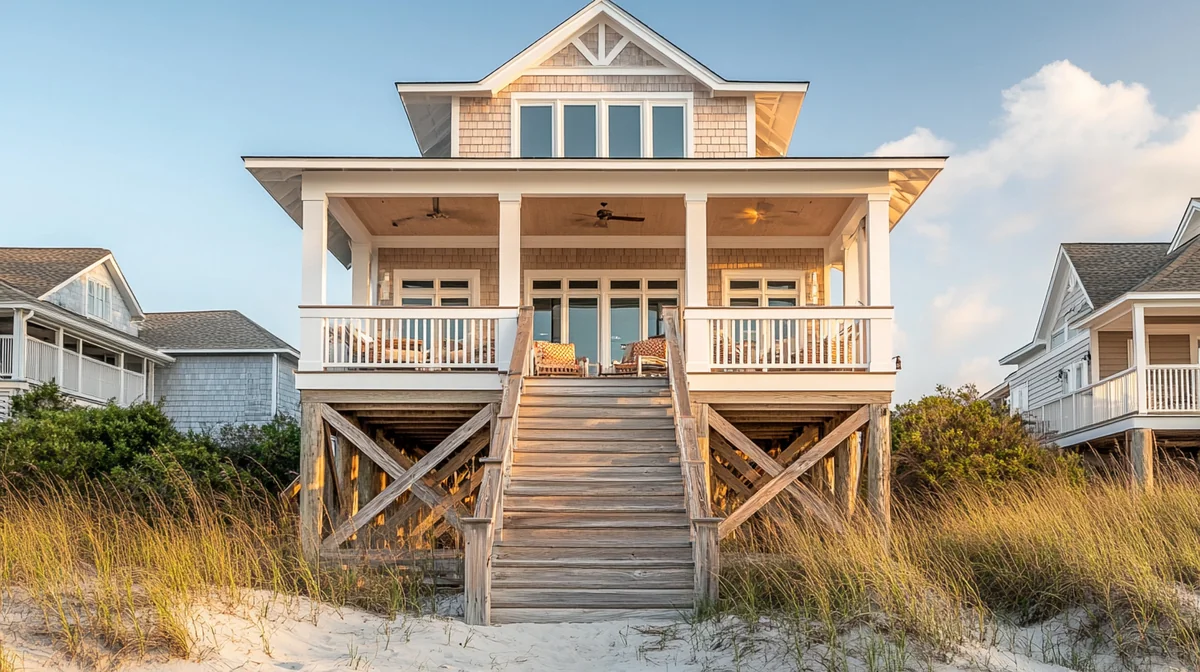
Cape Cod is a sixty-five-mile arm of sand curling into the Atlantic, and it's really fifteen towns wearing one name. Falmouth and the Upper Cape sit closest to the bridges; Chatham anchors the elbow with its shingled village and lighthouse; Wellfleet and Truro run along the protected dunes of the Cape Cod National Seashore; and Provincetown caps the tip with its harbor, galleries and Commercial Street crowds. Boston is about ninety minutes away without traffic, New York about five hours, and millions of visitors make the drive every summer. The rental tradition here is old and specific — weathered gray shingles, a sandy path to the beach, and families who come back to the same house every year. If you own here, you're competing against a lot of look-alike listings, and the house that's photographed and marketed like it matters wins the calendar.

The season compresses hard: late June through Labor Day carries most of the year, and the Saturday-to-Saturday weekly booking is still the backbone of the market — families take the same week annually, often for decades. The Outer Cape (Wellfleet, Truro, Provincetown) pulls a design-and-nature crowd willing to pay for Seashore proximity; Chatham and Orleans draw established families; Falmouth and the Upper Cape trade on easy bridge access and Woods Hole ferries. Nightly rates blend to roughly $450 with occupancy in the mid-50s, but the spread is wide — a walk-to-beach house in Chatham or Wellfleet in August is a different business from a Route 28 ranch in May. September and October are the quiet opportunity: the ocean is at its warmest, the crowds are gone, and most calendars go dark anyway.

Top Attractions & Landmarks

  • Cape Cod National Seashore
  • Commercial Street, Provincetown
  • Chatham Lighthouse Beach
  • Nauset Beach, Orleans
  • Wellfleet Drive-In Theatre
  • Cape Cod Rail Trail
  • Woods Hole, Falmouth

Nearby Markets: Nantucket  |  Martha's Vineyard  |  Boston

Airbnb marketing services in Cape Cod, Massachusetts, USA
Postcards

Cape Cod through the lens

A few of the visual fingerprints we lean into when we shoot, brand and market a Cape Cod property — courtesy of the open Wikimedia Commons archive.

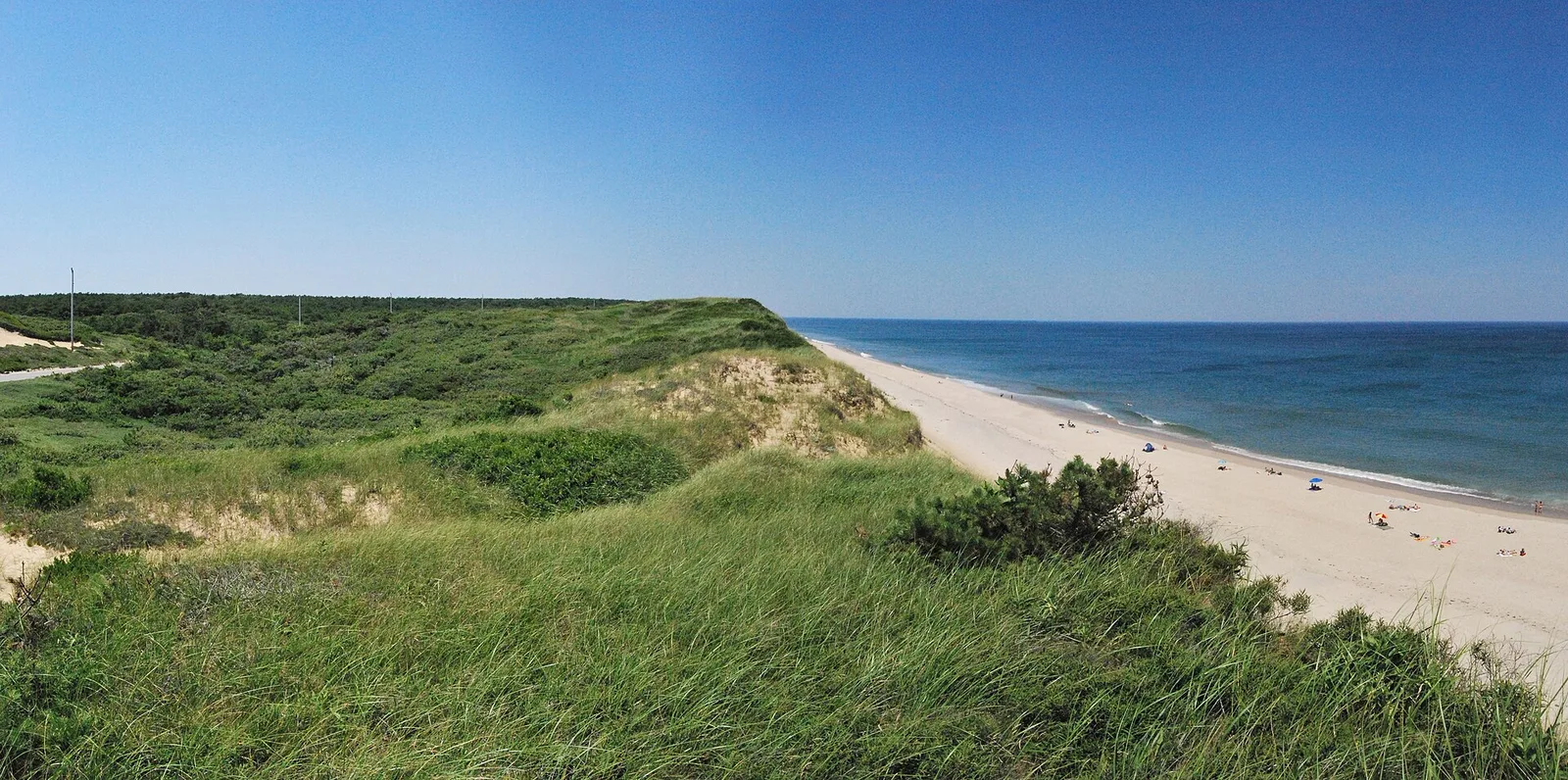
White Crest Beach Wellfleet — Cape Cod airbnb marketing
Local Color
White Crest Beach Wellfleet
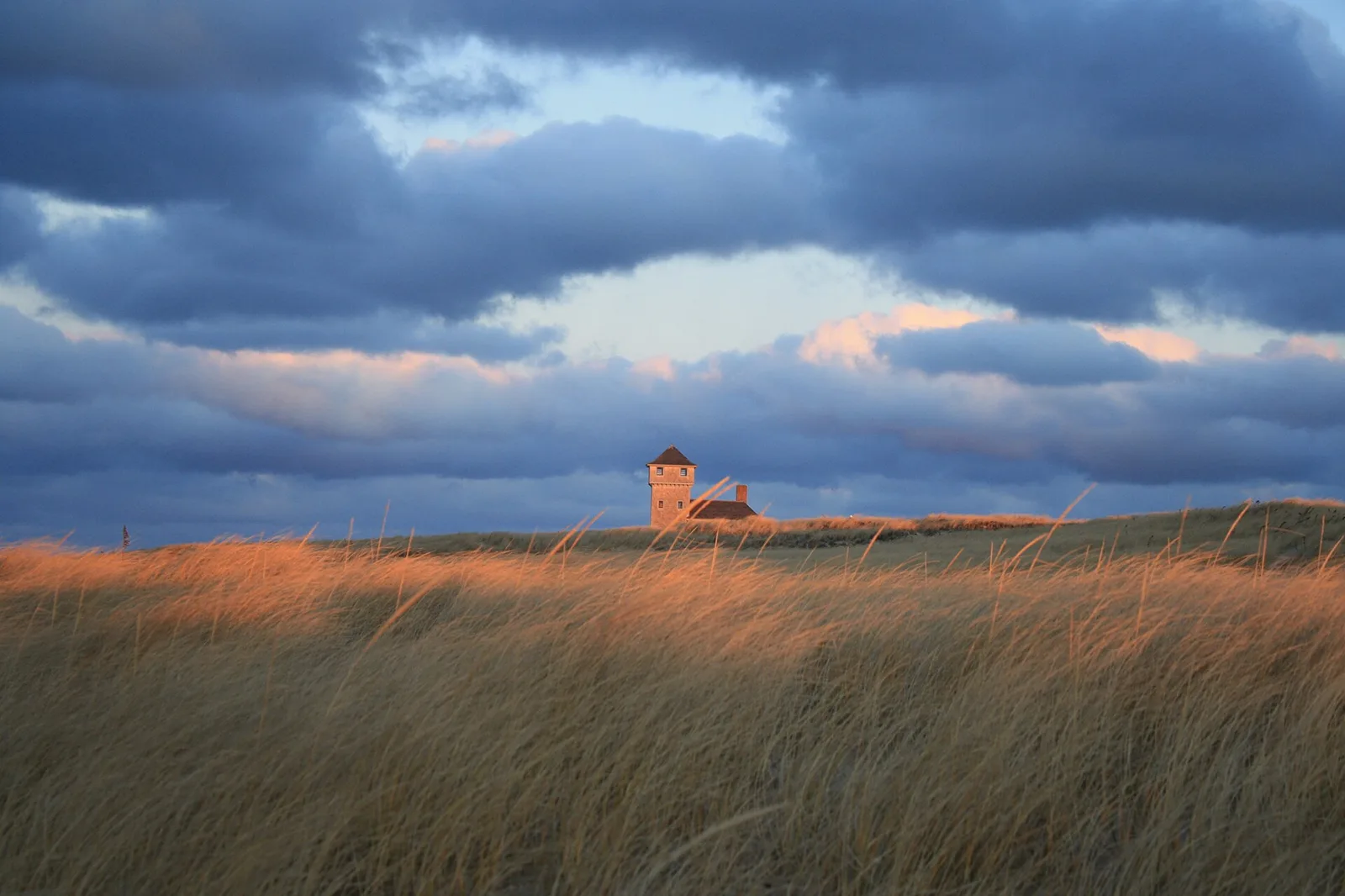
Old Harbor Life Saving Station, Sunset — Cape Cod airbnb marketing
Local Color
Old Harbor Life Saving Station,
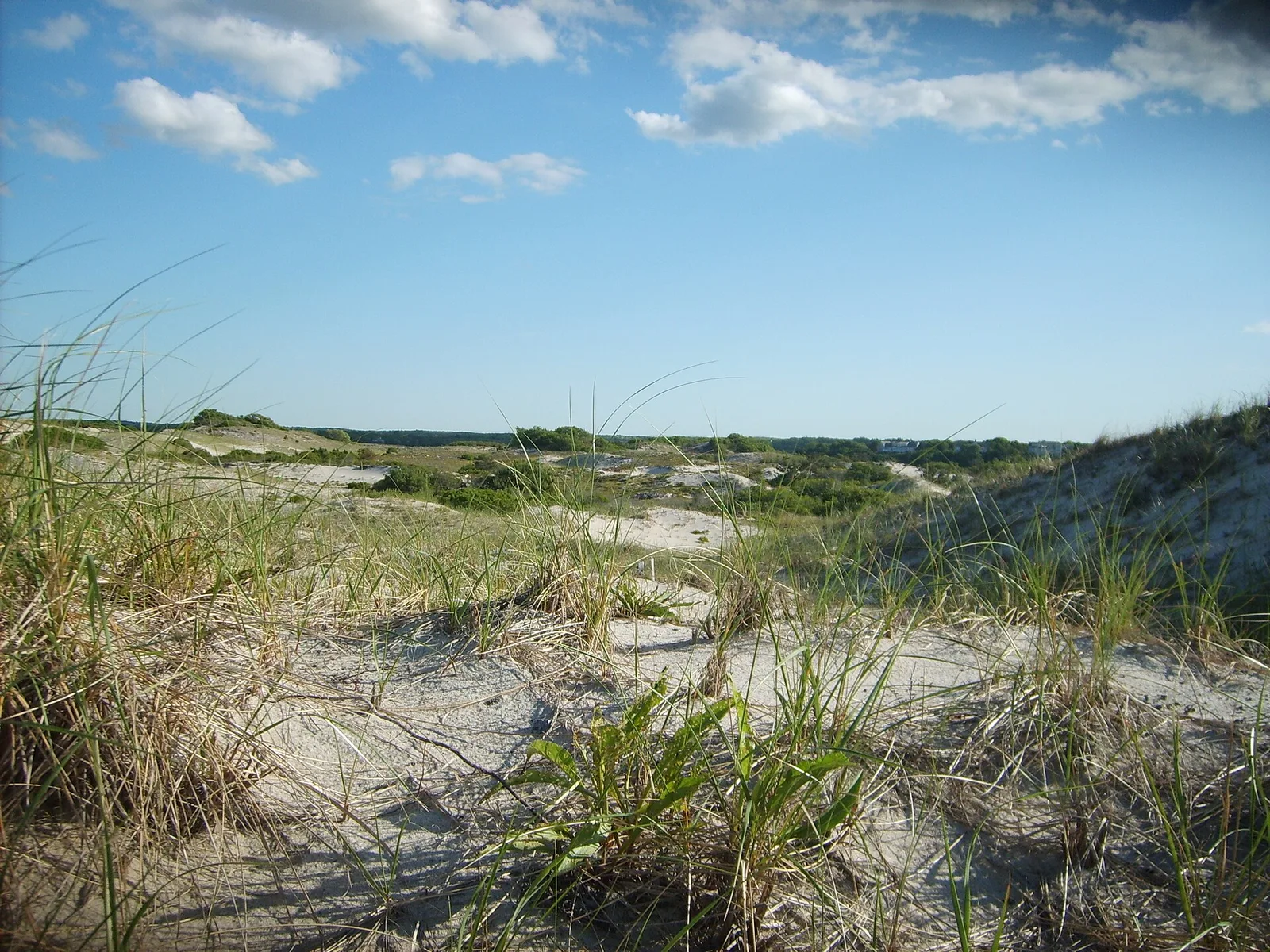
SandyNeckDunes — Cape Cod airbnb marketing
Local Color
Cape Cod Local Landmark
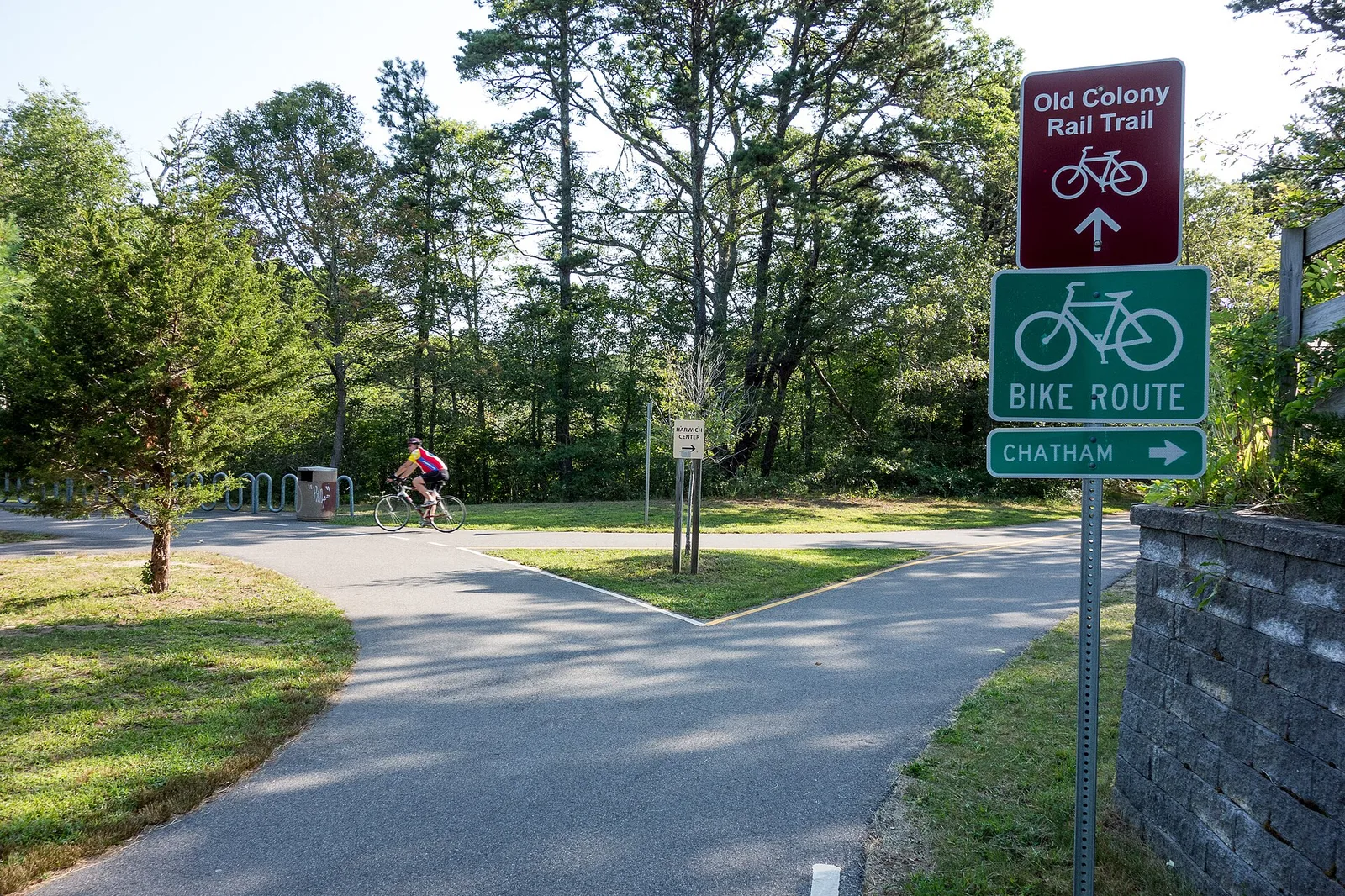
Old Colony Rail Trail — Cape Cod airbnb marketing
Local Color
Old Colony Rail Trail
Why Cavmir

The Cavmir Advantage
in Cape Cod

Cavmir works Cape Cod because the market rewards presentation and repeat guests more than almost anywhere. We shoot the house the way renters remember it — the beach path, the outdoor shower, the light off the bay — build a direct-booking website so your returning families stop paying platform fees, and run vacation rental marketing aimed at the shoulder weeks everyone else abandons after Labor Day. We help position and market your property. We never manage it or touch your keys.

State of the Industry · History

The Cape Cod STR Market — Past & Present

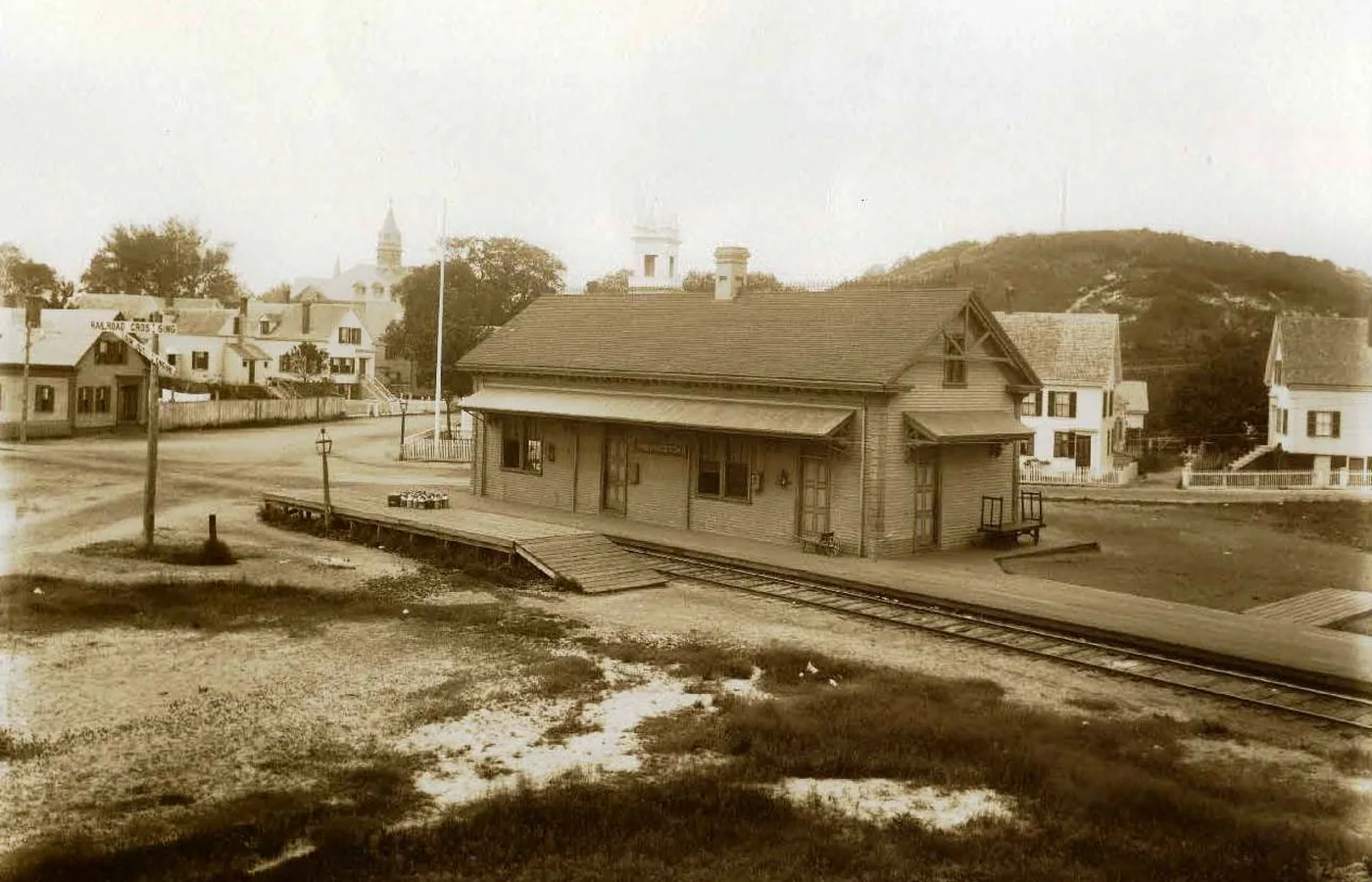
The Pilgrims made their first landfall not at Plymouth but at the tip of Cape Cod — the Mayflower anchored in Provincetown Harbor in November 1620, and the Mayflower Compact was signed there before the colonists moved on. For the next two and a half centuries the Cape lived off the sea: fishing fleets out of Chatham and Wellfleet, whaling and salt works, and a coastline so dangerous it collected shipwrecks by the hundreds and lighthouses to match. Provincetown grew into a Portuguese fishing town, and in 1899 Charles Hawthorne opened his painting school there, seeding what's now the oldest continuous art colony in America.

The summer economy arrived with the railroads and then the automobile, but the decisive act came in 1961, when President Kennedy signed the law creating the Cape Cod National Seashore — forty miles of Outer Cape beach, dune and woodland permanently protected from development. That single decision still shapes the rental market: supply near the best beaches is fixed forever. The housing stock that grew up around it — shingled captains' houses, mid-century beach cottages, newer builds tucked behind the dune lines — became the classic American summer rental, traditionally booked Saturday to Saturday by families who return for the same week every year. Today roughly fifteen towns each run their own rules on top of statewide registration, and the owners who treat the house as a small hospitality brand — rather than a listing among thousands — are the ones converting that inherited tradition into a durable, repeat-guest business.

Pricing Strategy & Seasonality

Pricing, Seasonality & When to Capture ROI

Pricing Strategy

Walk-to-beach houses in Chatham and Wellfleet near the National Seashore set the ceiling — peak-summer weeks on the water routinely run $8,000 to $20,000+, with true oceanfront higher. Provincetown commands premium nightly rates on smaller units, driven by its arts-and-events calendar. Orleans, Eastham and Truro trade on Seashore access at a step down; Falmouth and the Upper Cape run higher volume at gentler rates with the bridges and ferries close. Blended market estimates land near $450 a night at mid-50s occupancy, but the real unit of account here is the summer week — a house that books ten strong weeks and holds a September calendar beats one that discounts July.

Seasonality & ROI Windows

Peak is late June through Labor Day, with July and August essentially spoken for by spring in a well-marketed house. The shoulder is where the money leaks: September and early October bring the warmest ocean of the year, open restaurant reservations and empty roads, yet most calendars go dark after Labor Day. Late spring — Memorial Day through mid-June — is a second underused window. Winter is quiet outside holiday weeks, though Provincetown keeps a pulse year-round.

Regulation & Licensing · 2026

What the Law Requires in Cape Cod

Massachusetts regulates short-term rentals at the state level, and most Cape towns add their own layer on top — get your specific town's rules in writing before you list. Statewide, any rental of 31 days or less must be registered with the Massachusetts Department of Revenue through MassTaxConnect, your certificate number must appear in listings, and hosts are required to carry $1 million in liability coverage per stay (platform coverage can satisfy this — verify how yours applies).

Town rules vary widely. Provincetown requires its own short-term-rental registration at roughly $750 per year. Wellfleet requires registration and an inspection, with annual fees scaled by bedroom count — roughly $300 to $700. Chatham runs a town registration with an annual renewal cycle early in the year. Other towns are lighter, but several are actively adding registration and inspection programs, so the picture shifts season to season.

None of the fifteen towns currently bans short-term rentals outright, which makes the Cape moderate by New England standards — but septic capacity (Title 5) limits on occupancy, parking rules and noise ordinances all have teeth. Confirm your town's current requirements with the health or licensing office in writing before you advertise.

Market-Specific Tips & Challenges

Local Tips & Unique Market Challenges

Tips That Actually Move Revenue in Cape Cod

The Cape strategic tip: build a repeat-guest machine, because this market already wants to be one. Families here rebook the same house for the same week for years — that's a tradition most owners passively benefit from and never actually own. A direct-booking website with your past guests on an email list turns that habit into fee-free revenue you control, and it's the single highest-compounding move on the Cape.

Tactically: first, shoot the walk. The beach path, the outdoor shower, the deck at six in the evening — that's what a returning family remembers and what a new one is buying; flat midday interiors don't sell a Cape house. Second, hold your summer pricing and sell the shoulder instead of discounting July — September is the best-kept open secret in New England and it responds to marketing aimed at couples and remote workers rather than leftover family pricing. Third, respect the Saturday changeover but don't be enslaved by it after Labor Day; three- and four-night stays win the fall. Fourth, put your state certificate and any town registration number in the listing from day one — compliant reads as trustworthy at Cape price points. Fifth, list your true septic-permitted occupancy and market to it honestly; the fine for overstuffing a four-bedroom is a bad review and a town complaint, and both cost more than the extra guests paid.

Unique Cape Cod Challenges

The season is short and the fixed costs aren't: insurance, maintenance on salt-air houses and rising town fees all land whether you book ten weeks or six. The town-by-town rulebook keeps shifting, bridge traffic is a real guest complaint, and competition is thick with look-alike inventory. And a weak July — or a dark September — is very hard to make up elsewhere in the calendar.

A Curious Cape Cod Fact
The first transatlantic wireless message ever sent from the United States left from a bluff in Wellfleet. In January 1903, Guglielmo Marconi's station on the Outer Cape transmitted a greeting from President Theodore Roosevelt to King Edward VII of England — the dawn of transatlantic radio, from a set of towers on a Cape Cod dune. The sea has since claimed most of the site, but the Marconi Station area of the National Seashore still marks the spot, and the beach below remains one of the Cape's best.
Finance Essentials — Cape Cod
🛡️

Insurance

Standard homeowner's policies generally don't cover short-term renting, and Massachusetts law requires $1 million in liability coverage per stay besides. Plan on a proper short-term-rental or landlord policy, and price coastal exposure honestly — wind and flood coverage for anything near the water, with flood often a separate policy entirely. A broker who writes Cape and Islands coastal property will save you from the generic-policy surprises; talk to one before your first booking.

🧾

Property & Income Tax

Massachusetts taxes short-term rentals like lodging. The state room occupancy excise is 5.7%, towns add a local option of up to 6% (most Cape towns are at or near the top), and every Cape town adds the 2.75% Cape Cod & Islands Water Protection Fund charge — so all-in guest taxes commonly run around 14% and can reach roughly 17% where a community impact fee applies to professionally managed units. Platforms collect much of this, but you're responsible for direct bookings and for anything the platform misses. Add income tax on the earnings, and confirm your exact stack with your accountant.

🏦

Mortgages & Financing

Most Cape rental buyers are financing a second home or an investment property — expect larger down payments, higher reserves and a rate premium over primary-home loans. DSCR loans underwritten on rental income are common for pure investment purchases, and lenders will want to see a credible seasonal income story, which is where documented occupancy and real marketing help. Talk to a lender who knows seasonal coastal markets before you assume the numbers.

Future Outlook · 2027 & Beyond

Where Cape Cod is Headed Next

The Cape's fundamentals are about as protected as American beach markets get: the National Seashore froze the best supply in 1961, the drive-to population of Boston and New York keeps growing, and remote work has stretched the season deeper into fall every year since 2020. The regulatory direction is more paperwork, not prohibition — more towns adding registration, inspections and bedroom-based fees — which raises the floor for casual operators and quietly rewards the compliant, professionally marketed house. Expect the weekly-booking tradition to keep loosening at the edges as couples and remote workers take more shoulder-season short stays, and expect September and October to keep growing into a real second season. The durable play is the one the Cape has always hinted at: a house with a name, a returning guest list and a direct channel, marketed like the small hospitality business it actually is. Owners who build that now will spend the next decade collecting the compounding — everyone else will keep re-renting their own past guests through a platform at full commission.

From the Desk of Sofie Sinag

Why We Love Marketing in Cape Cod

Marketing Cape Cod houses is satisfying work because the raw material carries so much memory. Nobody rents a Cape house cold — they rent the summer they had as a kid, or the one they wish they'd had: the sandy path over the dune, the outdoor shower, corn on the grill, fudge on Main Street. Most listings bury all of that under flat midday interiors and a bullet list of appliances. Give us the same house and we'll shoot the walk to the beach at six in the evening, name the ice cream place, and let the shingles and the light do what they've done for a hundred years. The Cape sells itself; most owners just never let it.

What we love most is the loyalty in this market. Cape families rebook the same week in the same house for decades — that's a repeat-guest business most hotels would kill for, sitting unmanaged in most owners' inboxes. Building the direct channel here isn't a growth hack, it's just collecting what the market already wants to give you. And September is our favorite argument: the warmest ocean of the year, open tables at restaurants that were an hour's wait in July, and empty calendars everywhere. Convincing a couple that the Cape's best month is the one after everyone leaves is the kind of marketing problem we like — true, underpriced, and nobody else is telling them.

Why It Matters

A great property in Cape Cod doesn't just want a listing — it wants a point of view, an audience, and a brand the city itself would recognise.

Cavmir's Cape Cod Cheat Sheet

The Picks We Recommend for Your Welcome Book

A few honest, insider picks from Falmouth to the tip — the specifics that make a listing read like a local wrote it. Real places, no filler.

Morning

Nauset Light Beach, Eastham

Get there before the parking lot fills — the red-and-white lighthouse over the break, the Seashore stretching both directions, and hardly anyone on the sand. The photo that says Outer Cape better than any caption.

Golden Hour

Rock Harbor, Orleans

The bay side does the sunsets. Fishing boats settle onto the flats as the tide drops and the sky goes orange over the water — locals bring chairs and dinner. It's the closing shot of every good Cape week.

Neighborhood Walk

Commercial Street, Provincetown

Three miles of galleries, oyster bars, drag marquees and captains' houses down the tip of the Cape. It photographs like nowhere else in New England, and a listing anywhere on the Outer Cape should mention it.

Dinner That Photographs

Mac's on the Pier, Wellfleet

Lobster rolls and oysters on the working harbor as the boats come in. Paper trays, picnic tables, golden light on the water — the exact image renters forward to the rest of the family.

Local Obsession

Wellfleet oysters

The town's name is on menus from Boston to Tokyo, and here you eat them a few hundred yards from the flats they grew on. Mention the raw bars and the October OysterFest and your listing instantly reads local.

Shoulder Season Secret

The ocean in September

The Atlantic off the Cape is at its warmest after Labor Day, when the crowds have gone. Warm water, empty beaches, open reservations — the best month on the Cape is the one most calendars go dark.

Weekend Escape

Cape Cod Rail Trail

Twenty-five flat, paved miles from Yarmouth to Wellfleet past ponds, cranberry bogs and beach spurs. Guests with bikes fill an entire day on it — note the nearest access point in your listing.

What Guests Ask For

Beach parking stickers

The first question every guest asks: which beaches can we actually park at? Town beach permits often come with the rental — spell out exactly which sticker your house carries and what it covers. It's a booking-decider.

Local Work · Composite Case Vignettes

What Cavmir Has Done for Cape Cod Properties

A few composite engagements drawn from how Cavmir typically works on the Cape. The details are illustrative and consistent with the market, not pulled from a single named client.

Walk-to-beach house · Wellfleet
The Brief

A four-bedroom a short walk from the ocean booked its July and August weeks through word of mouth but went dark after Labor Day, and the listing photos — midday interiors, no beach path, no outdoor shower — undersold everything renters actually remember.

What We Did

Cavmir reshot the property around the walk to the beach and the evening light, rebuilt the listing copy around the Outer Cape experience, launched a direct-booking website with the owner's past-guest list, and ran a September campaign aimed at couples and remote workers.

The Result

The house picked up several shoulder-season weeks it had always lost, longtime repeat families began rebooking direct instead of through the platform, and the September calendar stopped being an afterthought.

Village cottage · Chatham
The Brief

A two-bedroom near the lighthouse was priced like generic inventory and presented with no reference to the village, the fish pier or the walkability that justified its rate — so it competed on price against houses miles from anything.

What We Did

Cavmir rebranded the cottage around the village location, shot the walk to Main Street and Lighthouse Beach, tightened pricing to reflect the position, and made sure the state certificate and town registration appeared in every listing to read compliant and established.

The Result

The cottage held a meaningfully stronger nightly rate without losing occupancy, review scores rose as the right guests self-selected, and inquiries increasingly referenced the village lifestyle the listing now actually sold.

Family compound · Falmouth
The Brief

A main-house-plus-guest-cottage property slept ten but marketed itself as a single dated listing with no story, missing the multigenerational family reunions that are the natural renter for the Upper Cape.

What We Did

Cavmir repositioned the property as a family-gathering compound — photography built around the long table, the yard and the two-building layout — rewrote the copy for the family organizer doing the booking, and pushed the listing across the channels where that renter searches.

The Result

Peak weeks began booking earlier at stronger weekly totals, the property attracted longer family stays that reduced turnover costs, and repeat reunion bookings started arriving direct for the following summer.

Ready to Grow in Cape Cod?

Let's Put Your Cape Cod
Property on the Map

Talk to Cavmir today. We'll show you exactly what your Cape Cod property is leaving on the table — and how fast we can change that.

Book a Free Strategy Call