$625
Avg. Nightly Rate
55%
Avg. Occupancy Rate
$10,320
Avg. Monthly Revenue
4–7%
Est. Cash-on-Cash ROI
HIGH
Seasonality
MEDIUM
Regulatory Burden

* Market averages. Cavmir-managed properties typically exceed these figures by 25–45%. Data sourced from AirDNA, STR market reports, and Cavmir internal analytics.

The Market

Why Nantucket is One of the World's Premier STR Markets

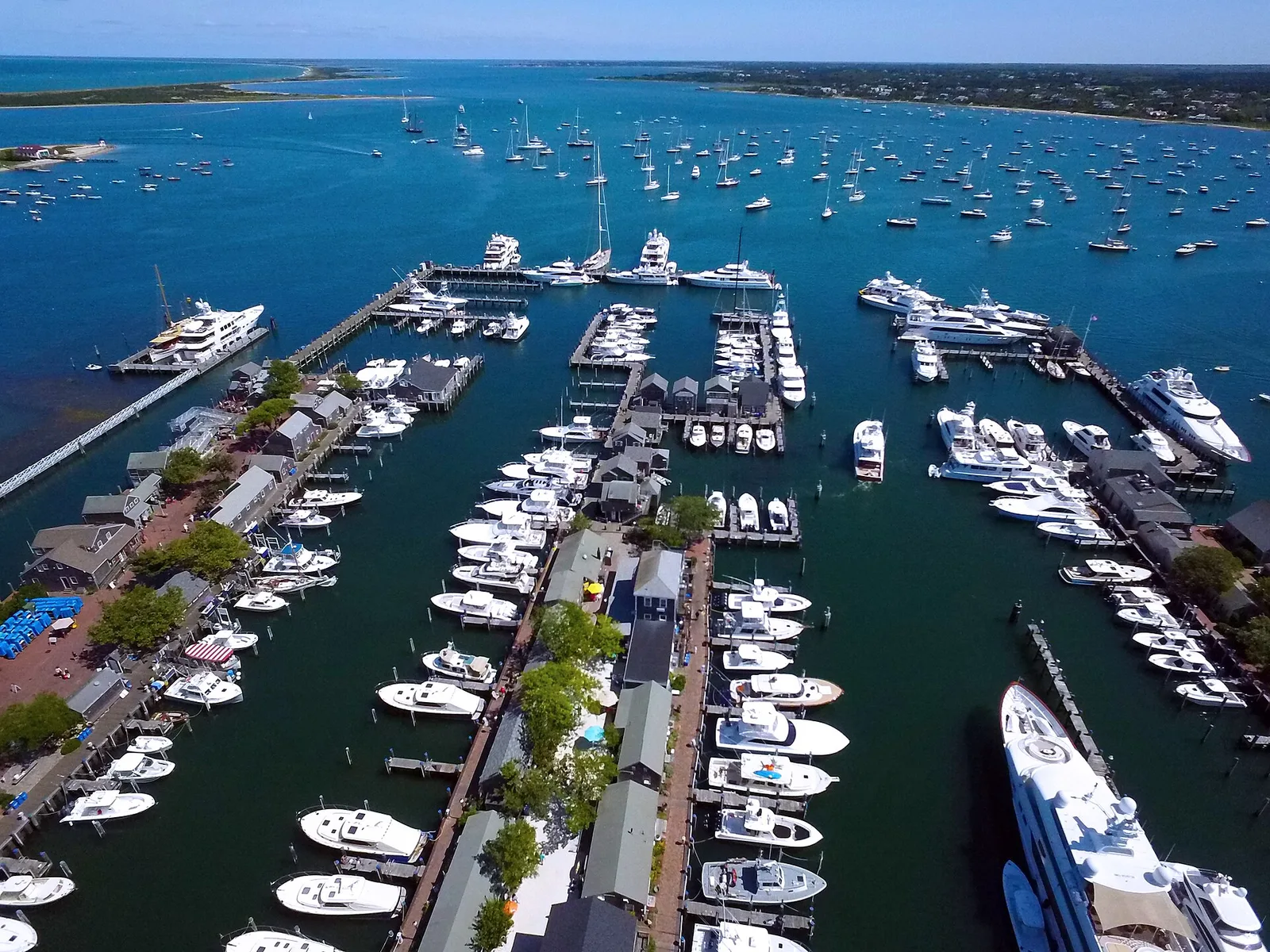
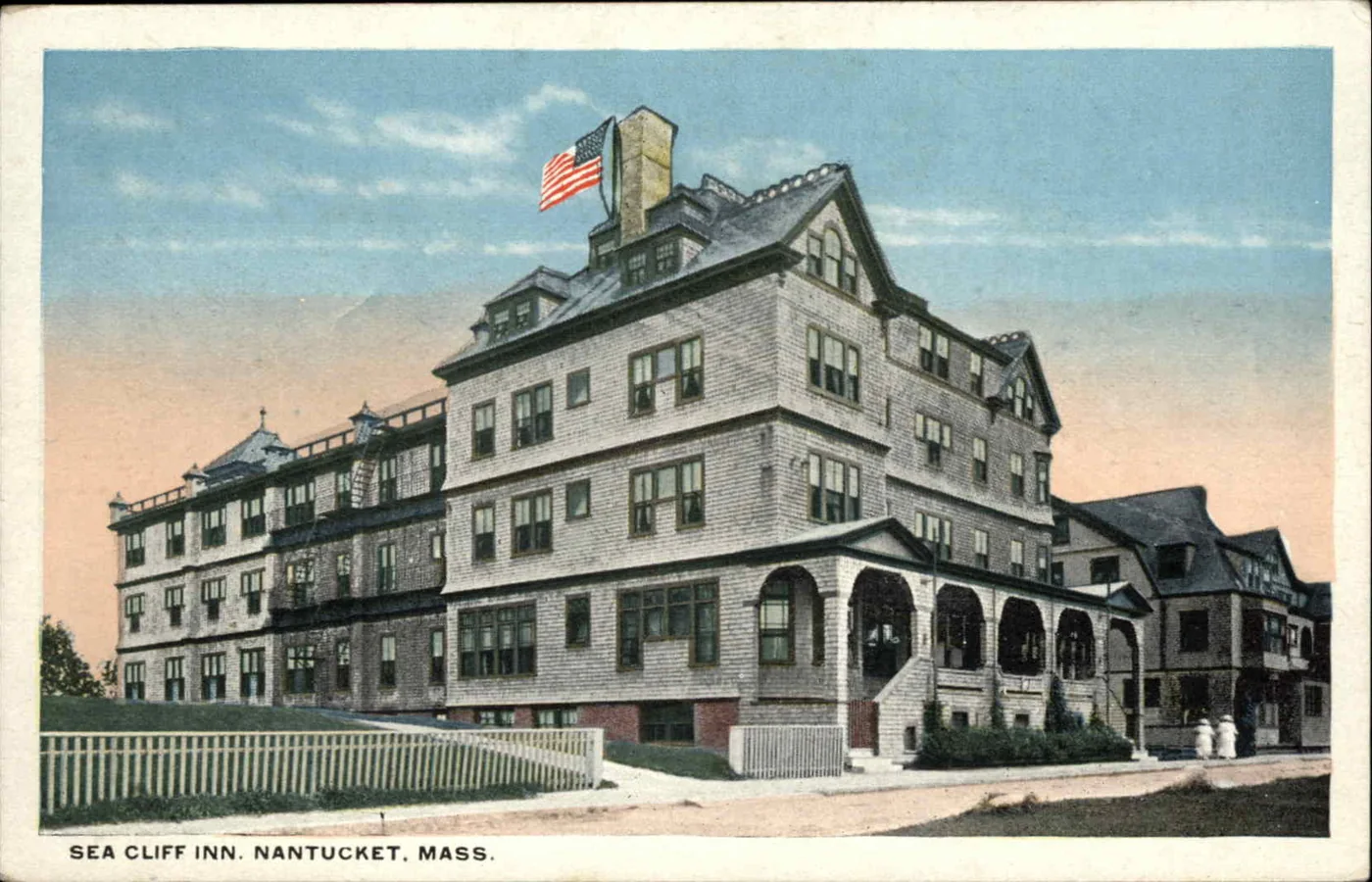
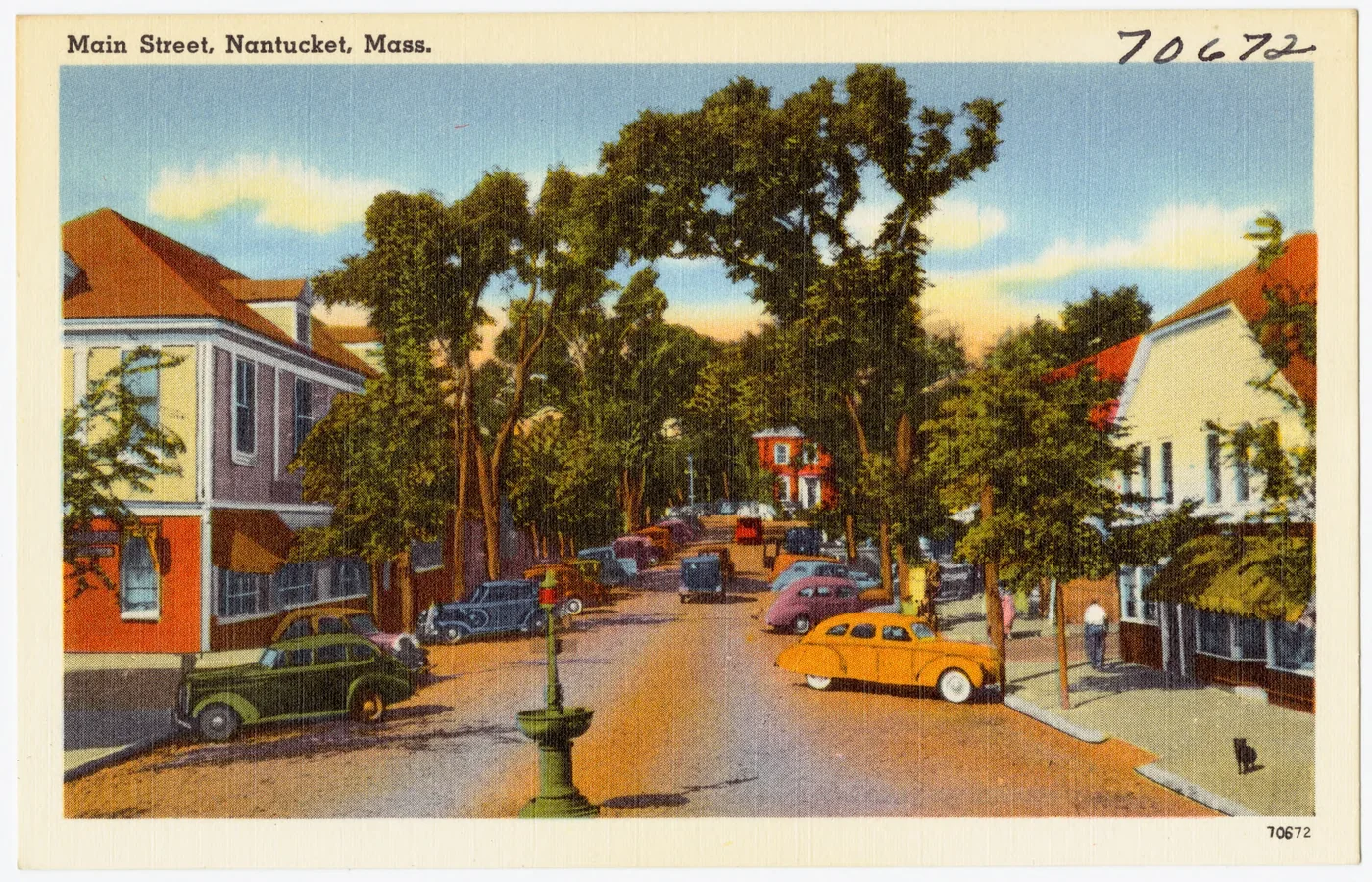
Nantucket is one of America's most exclusive summer destinations — a 14-mile island thirty miles off the Massachusetts coast, with cobblestone streets, weathered gray-shingled cottages, and a preservation ethic that has kept the architecture almost unchanged since the 19th-century whaling era. From Main Street to Sconset, Madaket to Cisco Beach, Nantucket is a small island with enormous weight per square mile — a place where a peak-season week often costs more than a month in most markets.

Nantucket's STR market is dominated by summer (mid-June through Labor Day), where legally permitted homes command rates most markets never see. Shoulder season is where strong marketing makes the biggest difference — early June and September can clear strong rates with the right positioning. Nantucket voters passed short-term rental registration in recent cycles, and compliance is now a baseline, not a differentiator.

Top Attractions & Landmarks

  • Main Street
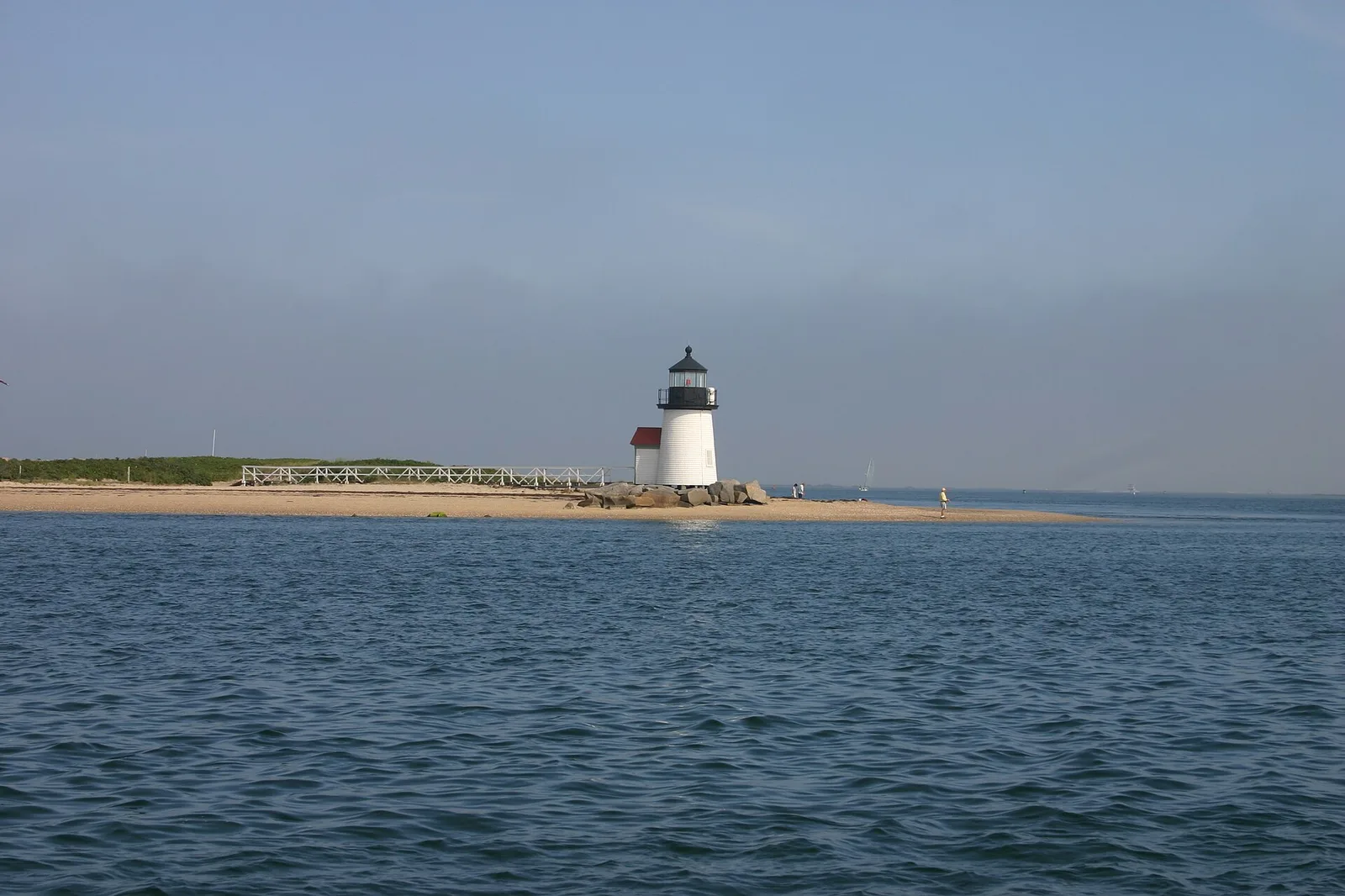
  • Brant Point Light
  • Sconset
  • Cisco Beach
  • Madaket
  • Steps Beach
  • Sankaty Head
  • The Wharves

Nearby Markets: Outer Banks  |  Hilton Head

Airbnb marketing services in Nantucket, Massachusetts, USA
Why Cavmir

The Cavmir Advantage
in Nantucket

Cavmir positions Nantucket properties for the multi-generational family renting for a full week or more — the guest who doesn't price-shop and wants everything handled. Our editorial photography captures the island's aesthetic at the right hour, our concierge distribution reaches the peak-season repeat guest, and our direct-booking setup earns you back the platform fees that add up fast at Nantucket rates.

State of the Industry · History

The Nantucket STR Market — Past & Present

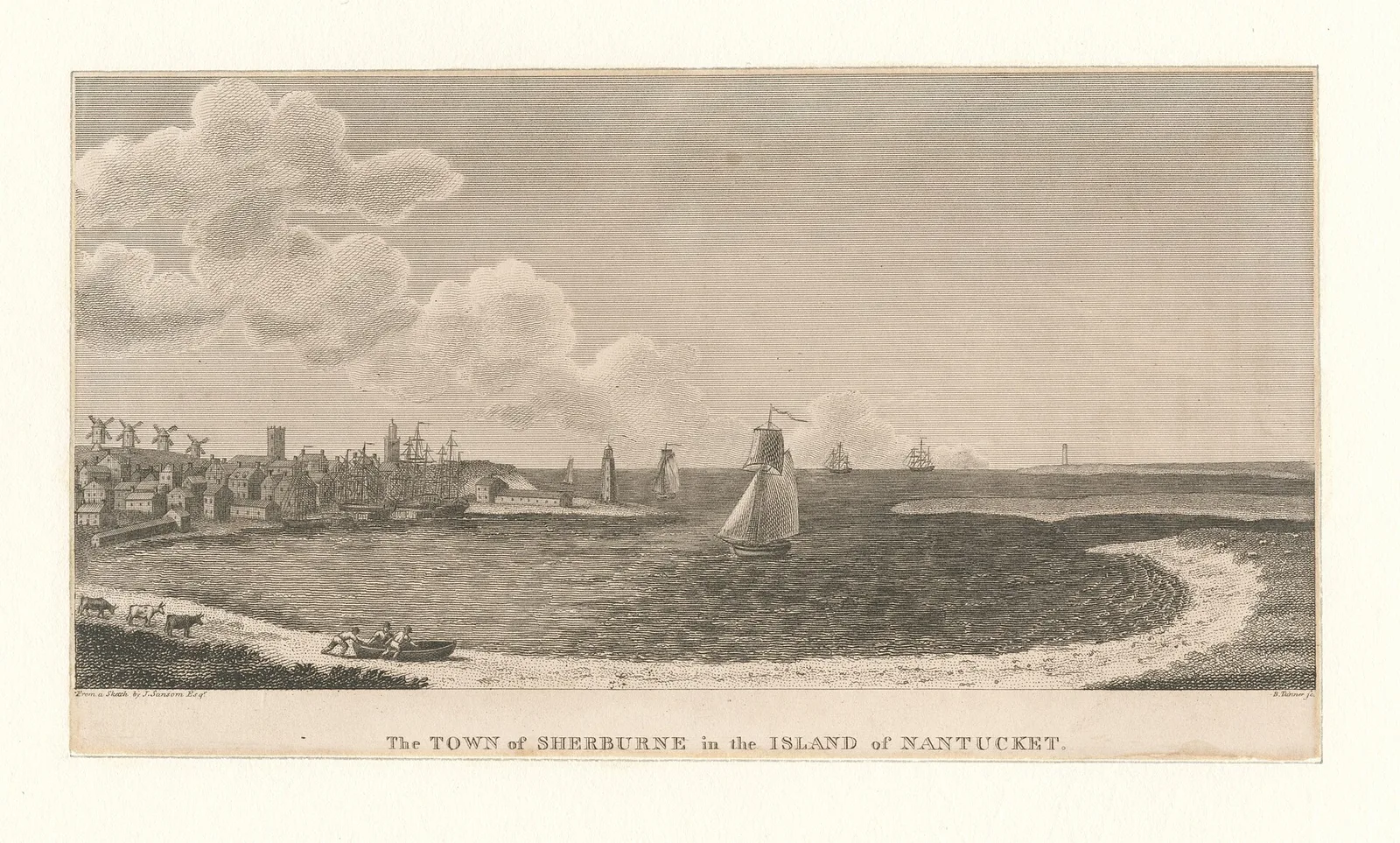
Nantucket's short-term rental tradition predates the word "tourism" by a century. When the whaling economy collapsed in the 1850s, islanders began renting rooms and cottages to summer visitors to survive the winter. By the 1880s Nantucket was already a recognized summer colony, and the rose-covered cottages of 'Sconset were being rented by the week to families from Boston and New York. For more than 140 years, seasonal rental has been structurally central to how the island economy works — not an Airbnb-era overlay.

The platform era arrived on Nantucket later than most US markets. Weekly summer rentals through local agencies remained the dominant channel through the 2010s, and many of the island's highest-revenue properties still book primarily through agency relationships rather than platforms. What changed is the shoulder-season economy. Where once the island effectively closed after Columbus Day, the Daffodil Festival, Nantucket Film Festival, and the Christmas Stroll now anchor a widening set of event weekends that well-marketed properties can capture. The island's recent town-meeting approval of a short-term rental bylaw formalized a market that had operated on informal consensus for generations.

Pricing Strategy & Seasonality

Pricing, Seasonality & When to Capture ROI

Pricing Strategy

Nantucket is one of the most extreme seasonal-pricing markets in America. A three-bedroom in Town during the first two weeks of August will clear $12,000-$25,000 per week; the same property in April rents for $1,800-$3,200 per week if it rents at all. 'Sconset and Cliff properties with water views command a significant premium over Mid-Island equivalents, and a direct waterfront address can double the weekly rate again.

The pricing mistake most Nantucket owners make is pricing the shoulder weeks as if they were a discounted version of summer. They're not — they're a different product aimed at a different guest. The Daffodil Festival, the Figawi Race, the Film Festival, and the Christmas Stroll each have their own audiences willing to pay real rates for a specific weekend. Owners who build their calendar around Saturday-to-Saturday summer weeks and event-anchored shoulder weekends outperform owners who treat every non-summer night as a markdown. Minimum-stay strategy is critical: seven-night minimums in July and August, three-night minimums around events, and flexibility the rest of the year.

Seasonality & ROI Windows

Nantucket is one of the most seasonal short-term rental markets in the United States. Roughly 85-90% of annual revenue on typical properties comes in a 12-14 week window running from late June through Labor Day, with a narrow shoulder that extends to Columbus Day. The island effectively slows to a walk in January, February, and March. Marketing the shoulder and off-season requires genuine creativity — event-driven calendars, writer retreats, off-season weddings, and corporate-offsite positioning are where smart owners carve a second revenue tier.

Regulation & Licensing · 2026

What the Law Requires in Nantucket

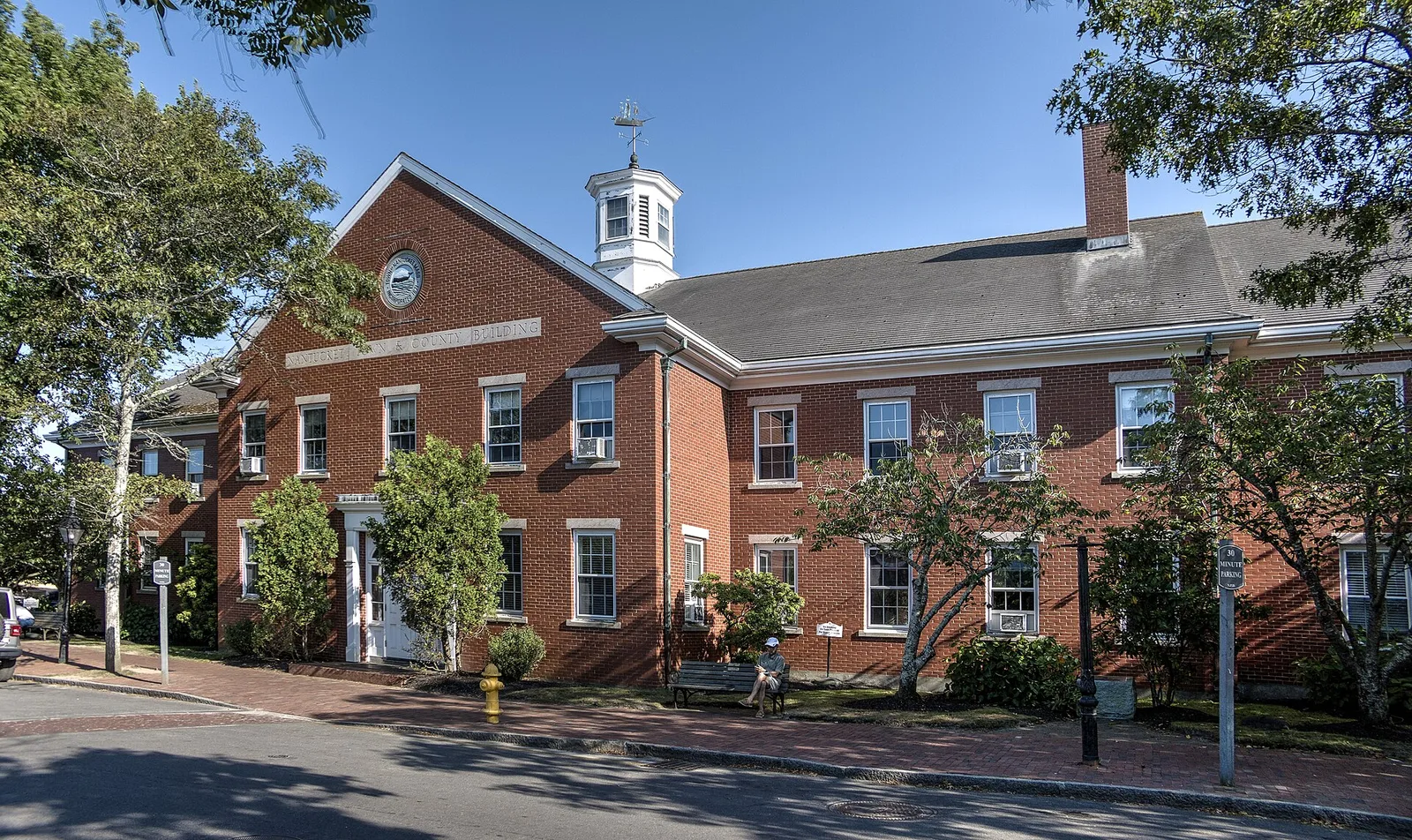
Nantucket's regulatory framework sits between the two poles most US STR markets occupy. The island isn't closed to short-term rentals — weekly summer rental is structurally part of the local economy — but the town has moved to formalize the practice. Town Meeting approved a short-term rental bylaw that establishes a registration system for both owner-occupied and non-owner-occupied rentals, sets occupancy limits tied to bedroom count and septic capacity, and requires baseline safety standards (smoke detectors, carbon monoxide detectors, posted evacuation routes). Registration is annual.

The Massachusetts state room-occupancy excise is where the real tax complexity lives. The base state excise is 5.7%. The town can add a local option excise of up to 6%. Nantucket has also adopted a 3% community impact fee, which applies to non-owner-occupied professionally managed rentals and feeds local housing and infrastructure programs. That stacks to a total tax burden on the guest that can exceed 14% on certain bookings. Platforms like Airbnb and Vrbo collect most of these automatically, but reconciliation and filing remain the owner's responsibility. Ask your accountant before your first season — the filing calendar matters.

Septic rules are the other quiet regulator on Nantucket. The island sits on a sole-source aquifer, and the Board of Health enforces strict septic capacity standards that directly cap how many guests a property can legally sleep. A four-bedroom house rated for six does not become an eight-bedroom product by adding trundle beds, regardless of what Airbnb lets you list. Historic District Commission review also applies to exterior work on most of the island's historic housing stock.

Market-Specific Tips & Challenges

Local Tips & Unique Market Challenges

Tips That Actually Move Revenue in Nantucket

The Nantucket-specific tip most mainland buyers miss: the math is appreciation plus seasonal rental, not cash flow. Property values per square foot here are among the highest in America, and even a strong summer season rarely covers the full carry on a recently acquired waterfront home. Owners who buy expecting positive cash flow from week one are usually disappointed. Owners who buy for long-term appreciation with rental offsetting carry are usually pleased. Model the numbers conservatively and ask your accountant to stress-test a weak summer before you commit.

Second — lead with the island, not the house. Nantucket guests are buying access to the island itself: the cobblestone streets of Town, the rose-covered cottages of 'Sconset, the sunsets at Madaket, the south-shore surf at Cisco. A listing that opens with "five-minute walk to the ferry" or "fifteen minutes to 'Sconset Beach" converts better than one that opens with square footage. Third — build for the repeat guest. A substantial share of Nantucket's best bookings are families who've been coming for decades. A direct-booking channel, a returning-guest discount, and a personal touch (handwritten welcome, local produce on arrival) convert one summer into ten.

Unique Nantucket Challenges

The signature Nantucket challenge is the 12-14 week revenue window. A missed summer is structurally hard to recover from, and weather, a weak regional economy, or a single bad review can cost a full season's upside. Insurance is the second challenge: wind, hurricane, and coastal erosion exposure have pushed many carriers off the island, and Mass FAIR Plan coverage is now the reality for a meaningful slice of waterfront inventory. Ferry and flight access is the third constraint — guest expectations around travel logistics have to be managed proactively.

A Curious Nantucket Fact
'Sconset's rose-covered cottages — the iconic eastern-shore houses draped in pink climbers — were originally built as fisherman's shacks in the 1700s. The roses were planted by the summer colony in the 1880s to soften the weathered cedar-shingle exteriors. Today those same cottages rent for $15,000-$40,000 per week at peak, and the rose pruning is a professional trade on the island.
Finance Essentials — Nantucket
🛡️

Insurance

Standard homeowners policies won't cover STR use on Nantucket, and many mainland carriers won't write new coastal policies here at all. Owners need a dedicated STR policy or a landlord policy with rental endorsement, often layered with Mass FAIR Plan coverage for wind. Flood insurance through the NFIP is effectively required for most of the island. Budget $6,000-$18,000 per year on waterfront properties, less on inland Mid-Island homes.

🧾

Property & Income Tax

Massachusetts has a flat state income tax on rental income (currently 5%), with an additional surtax on high incomes. Nantucket property tax runs roughly 0.3-0.5% of assessed value — low as a rate, high in absolute dollars given island valuations. The room-occupancy excise and community impact fee stack on the guest side. Ask your accountant about the 14-day rule for federal tax treatment.

🏦

Mortgages & Financing

Nantucket financing is its own category. Many of the island's waterfront properties exceed conforming-loan limits, pushing buyers into jumbo territory with stricter underwriting. Second-home financing (10% down) is common; DSCR loans underwritten against projected rental income are increasingly used for non-owner-occupied buys. Expect mortgage rates 0.5-1% above mainland primary-residence rates, and plan for higher insurance escrow requirements from day one.

Future Outlook · 2027 & Beyond

Where Nantucket is Headed Next

Looking past 2026, Nantucket's STR regulatory trajectory is toward more registration rigor, not away from it. The community impact fee is unlikely to be repealed, and the town's housing pressures mean the non-owner-occupied category will keep getting more attention than the owner-occupied one. Septic capacity caps are becoming a tighter constraint as the Board of Health modernizes its standards, and historic district review remains a steady administrative friction.

The demand side stays structurally strong. Nantucket remains one of the most prestigious summer addresses in America, and the buyer pool tilts toward households with long time horizons and appreciation-first investment logic. The owners who win past 2027 are the ones who treat their property as a small hospitality brand — editorial photography, a direct-booking channel, a returning-guest program, and shoulder-season event marketing that captures Daffodil, Film Festival, and Stroll weekends at real rates. Undifferentiated listings relying on summer-only demand will keep getting compressed as the high end professionalizes.

From the Desk of Sofie Sinag

Why We Love Marketing in Nantucket

Nantucket has a visual grammar that no other American island shares. The grey-shingle siding that weathers silver in three winters, the white trim, the boxwood hedges, the cobblestones of Main Street, the rose-covered cottages of 'Sconset at dawn, the light at Madaket when the sun drops behind the dunes — it's a place that has decided what it looks like and then held that decision for two hundred years. You can photograph it well or badly, but you can't modernize it. The island resists. That resistance is the marketing asset.

What we love about marketing on Nantucket is how loyal the audience is. Guests here aren't impulse bookers; they're families who've been coming for thirty years, young couples who honeymooned here and now bring children, Boston and New York professionals who spend their whole year planning the one week they'll rent a grey-shingle cottage off Polpis Road. Listings that respect that — that show the actual house, in its actual location, with its actual character — compound year over year into a repeat-guest machine. Listings that try to photograph Nantucket the way you'd photograph Miami fail instantly. The audience can tell. Our job is to find the editorial truth of the specific property — is it a Cliff sunset house, a 'Sconset garden cottage, a Cisco surf shack, a Town family home — and then make that truth the center of the marketing. Everything else compounds from there.

Cavmir's Nantucket Cheat Sheet

The Picks We Recommend for Your Welcome Book

The picks we recommend Nantucket hosts include in welcome books — the details that turn first-time guests into multi-generational returners.

Morning

Something Natural sandwiches for a beach picnic

Order ahead, pick up on the way to Madaket. The Portuguese bread is the island's unofficial lunch currency. A welcome book that names the sandwich to order saves a guest from decision paralysis.

Golden Hour

Madaket Beach at sunset

The west-facing beach where the island turns to watch the sun drop. Bring a blanket, skip the sandals, and photograph the light without filters. A host who maps the route and names the parking lot is remembered.

Neighborhood Walk

'Sconset from the Casino to the Bluff Walk

A slow forty-minute loop through the rose-covered cottages and along the eastern bluff. Reads like a coastal storybook. Best before 10am when the light is still soft.

Dinner That Photographs

Cru or The Chanticleer

Cru for harbor-edge raw bar energy, Chanticleer for the rose-garden 'Sconset classic. Both require reservations weeks ahead in peak. A welcome book that flags the lead time gets forwarded to the guest's friends.

Local Obsession

A Downyflake donut, early

Cake donut, sugar glaze, gone by 9am in July. The kind of small ritual that turns a week into a tradition.

Shoulder Season Secret

The Christmas Stroll weekend

First weekend of December. The island dresses up, the houses hang wreaths on every window, and the ferry arrives full of guests who've planned this weekend all year. Most owners ignore it and lose the rate.

Weekend Escape

Bike to Great Point lighthouse

A long day-trip for energetic guests — north shore beach, seals, an old stone lighthouse at the end of a sand spit. Turns a seven-night booking into a story the guest tells at Thanksgiving.

What Guests Ask For

Ferry and Hy-Line logistics

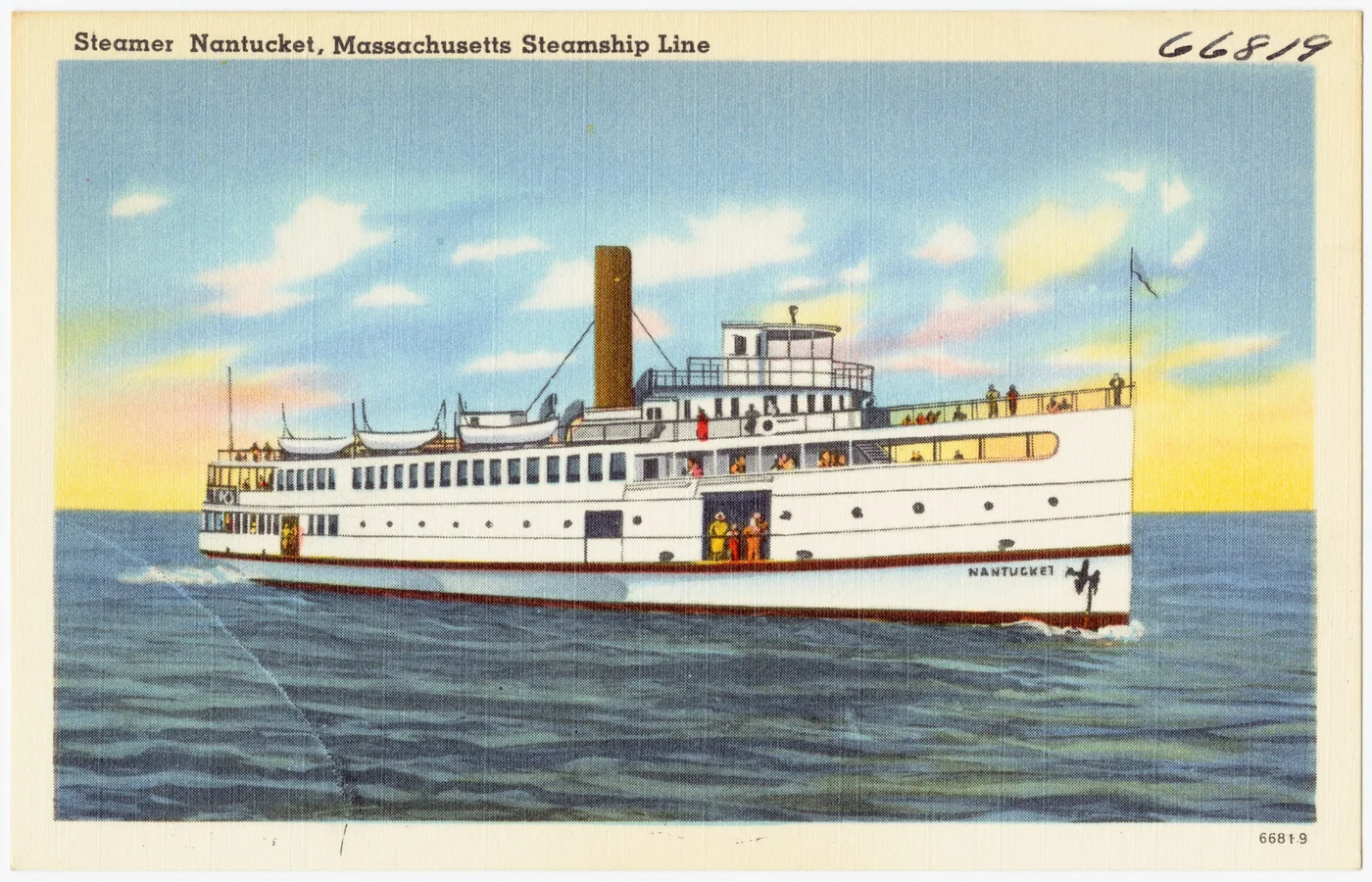
The Steamship versus the Hy-Line, reservations versus standby, cars versus bikes. A host who sends a one-page ferry briefing 48 hours before arrival wins a five-star review before the guest sets foot on the island.

Local Work · Composite Case Vignettes

What Cavmir Has Done for Nantucket Properties

Composite engagements representative of Cavmir's Nantucket work. Property identifiers removed, figures anchored to public AirDNA ranges and our own post-campaign analytics.

4BR Grey-Shingle Home · 'Sconset
The Brief

Long-standing family property transitioning from private use to active rental. No professional photography, no brand, and no channel beyond a single agency listing. Booking pace was flat and summer weeks were filling late at below-market rates.

What We Did

Cavmir rebuilt the property as a small hospitality brand rather than an agency listing. Architectural photography at golden hour captured the rose-covered exterior, the boxwood garden, and the short walk to 'Sconset Beach. We wrote copy that named the cottage's 1890s history, its location on a specific 'Sconset lane, and its relationship to the Bluff Walk. We launched a direct-booking micro-site, built a returning-guest discount structure, and distributed through two regional luxury-travel editorial channels without abandoning the existing agency relationship.

The Result

Summer 2026 calendar filled by March, 4-6 months earlier than the prior two years. ADR climbed 19% against the island shoulder-of-peak benchmark. Direct-booking share reached 22% of annual revenue, insulating the property from the platform-fee compression that's squeezing comparable listings.

3BR Cottage · Town, off Main Street
The Brief

Newly renovated in-town property aimed at the Stroll and Film Festival markets but almost invisible outside the August peak. Shoulder-season weekends booked at flat off-season rates with no event premium captured.

What We Did

We built separate editorial positions for each of the four major island event weekends — Daffodil, Figawi, Film Festival, and Stroll — and targeted each with its own audience and rate ladder. Photography was reshot to include a Stroll-decorated exterior in December and a spring Daffodil-weekend exterior in April. Copy referenced the Film Festival venues within walking distance. We ran a small paid campaign against Boston and New York audiences in the six weeks before each event.

The Result

Christmas Stroll weekend 2026 cleared a 2.8x premium over standard shoulder rates, fully booked ten weeks out. Daffodil weekend filled at 2.1x. Combined shoulder-event revenue doubled the property's off-peak annual contribution versus the prior year.

5BR Waterfront Home · Cliff
The Brief

High-end waterfront property with beautiful bones and mediocre marketing. Booking the full $30,000-$45,000 peak-week rate required a brand story the existing listing didn't tell. Property was losing peak weeks to newer competitors with better photography.

What We Did

Cavmir treated the engagement as a luxury-brand rebuild. Drone photography captured the Cliff position and the water view in context. Interior photography emphasized the architecture, the fireplace, the quiet of the north-shore mornings. A short-form video walked a day in the house from coffee on the porch to sunset on the deck. We placed the property in a regional lifestyle magazine and built a dedicated direct-booking site with a returning-guest structure.

The Result

Peak weeks cleared at the top of the Cliff submarket range, all booked by February for the following summer. ADR on shoulder weeks climbed 28%. Repeat guests now represent a meaningful share of bookings, and the property has a waiting list for the first two weeks of August — a structural advantage that compounds each year.

Ready to Grow in Nantucket?

Let's Put Your Nantucket
Property on the Map

Talk to Cavmir today. We'll show you exactly what your Nantucket property is leaving on the table — and how fast we can change that.

Book a Free Strategy Call