Larsen's Fish Market, Menemsha
Walk to the harbor and order littlenecks or a lobster roll off the dock, no tables, just a bench and the boats. It's the most honest meal on the island and a photo your guests will text home before they finish it.
Expert short-term rental marketing to grow your bookings and nightly rate in Martha's Vineyard, Massachusetts, USA.
* Market averages. Cavmir-managed properties typically exceed these figures by 25–45%. Data sourced from AirDNA, STR market reports, and Cavmir internal analytics.
Martha's Vineyard is a ferry-only island off Cape Cod where a summer week can cost what a month costs almost anywhere else. Down-Island you've got Edgartown's white captains' houses and harbor light, Oak Bluffs with its lantern-lit gingerbread cottages, and Vineyard Haven, the year-round port. Up-Island goes quiet and expensive: Chilmark, West Tisbury, the fishing shacks at Menemsha, and the painted clay cliffs at Aquinnah. People come for the beaches, the privacy and the cachet of an island that's hosted presidents and movie stars without ever announcing it. They book early, they stay a week, and they pay a real premium for water views and walk-to-town addresses. That's the demand your listing is competing for.
Bookings here run on summer and scarcity. The island roughly doubles in population between late June and Labor Day, and that ten-week window carries most of the year's revenue. Waterfront and harbor-walk homes in Edgartown and Oak Bluffs command the top rates; up-Island acreage in Chilmark and Aquinnah sells privacy and views to families who rebook the same house for years. Your travelers are affluent Northeast families, multigenerational reunions and remote-work couples stretching the shoulder weeks. Minimum-stay weeks are the norm in peak. The hosts who win publish early, photograph the water, and own the September calendar everyone else gives away.
Nearby Markets: Nantucket | The Hamptons | Newport

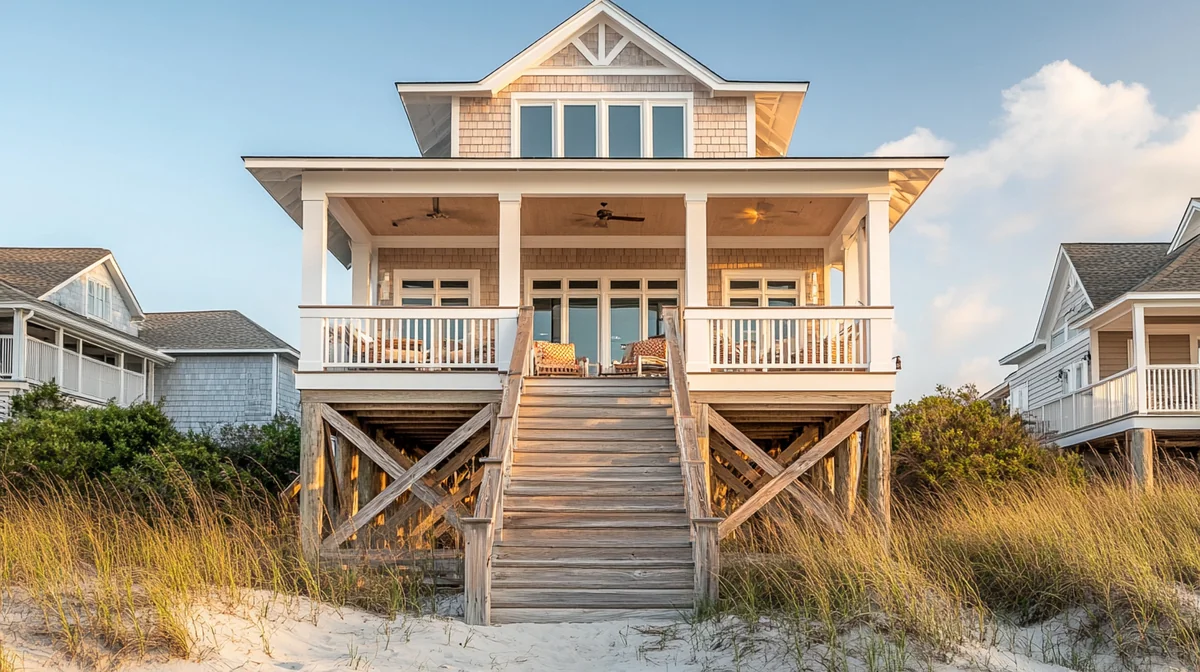
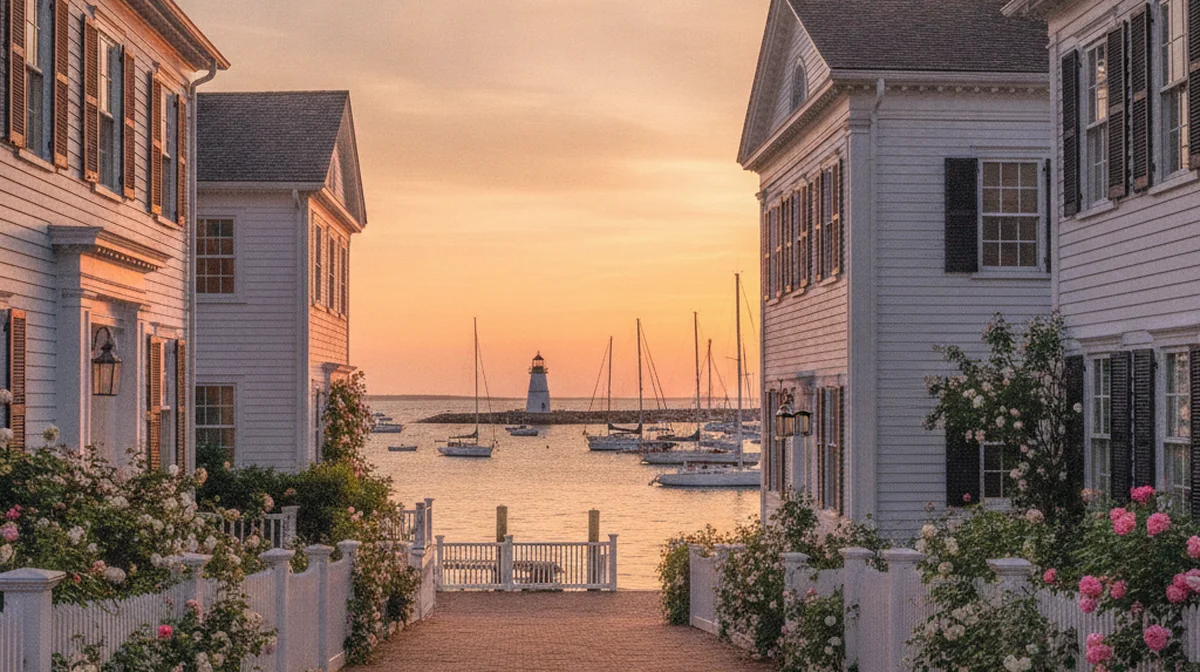
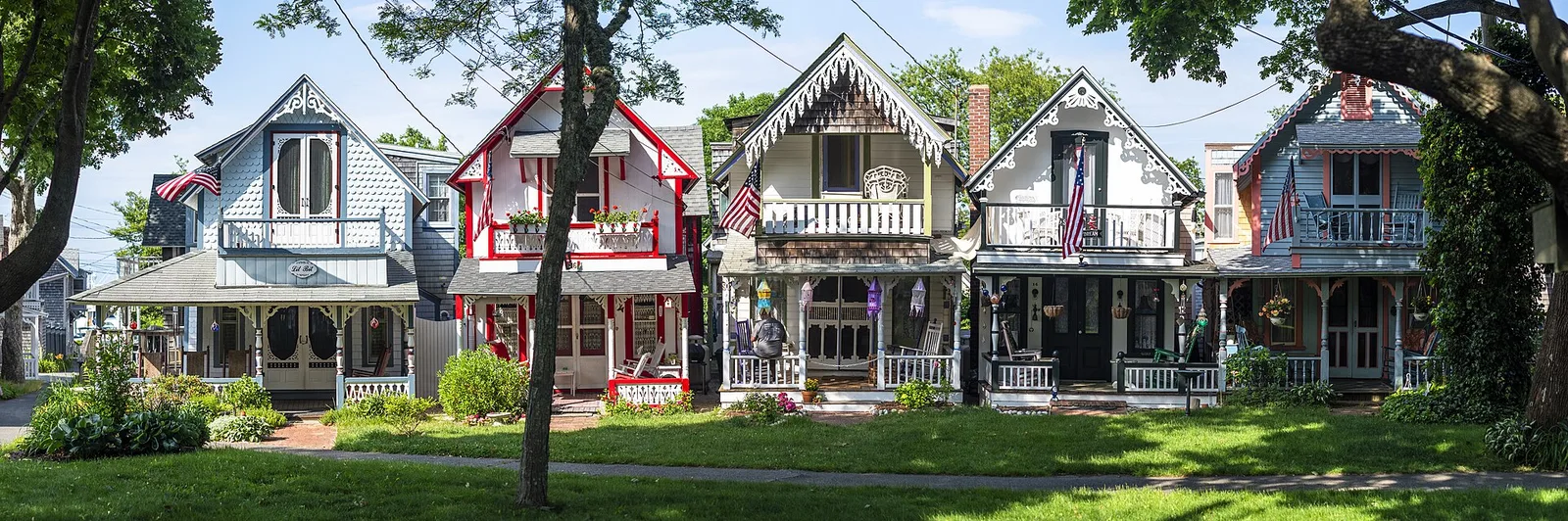
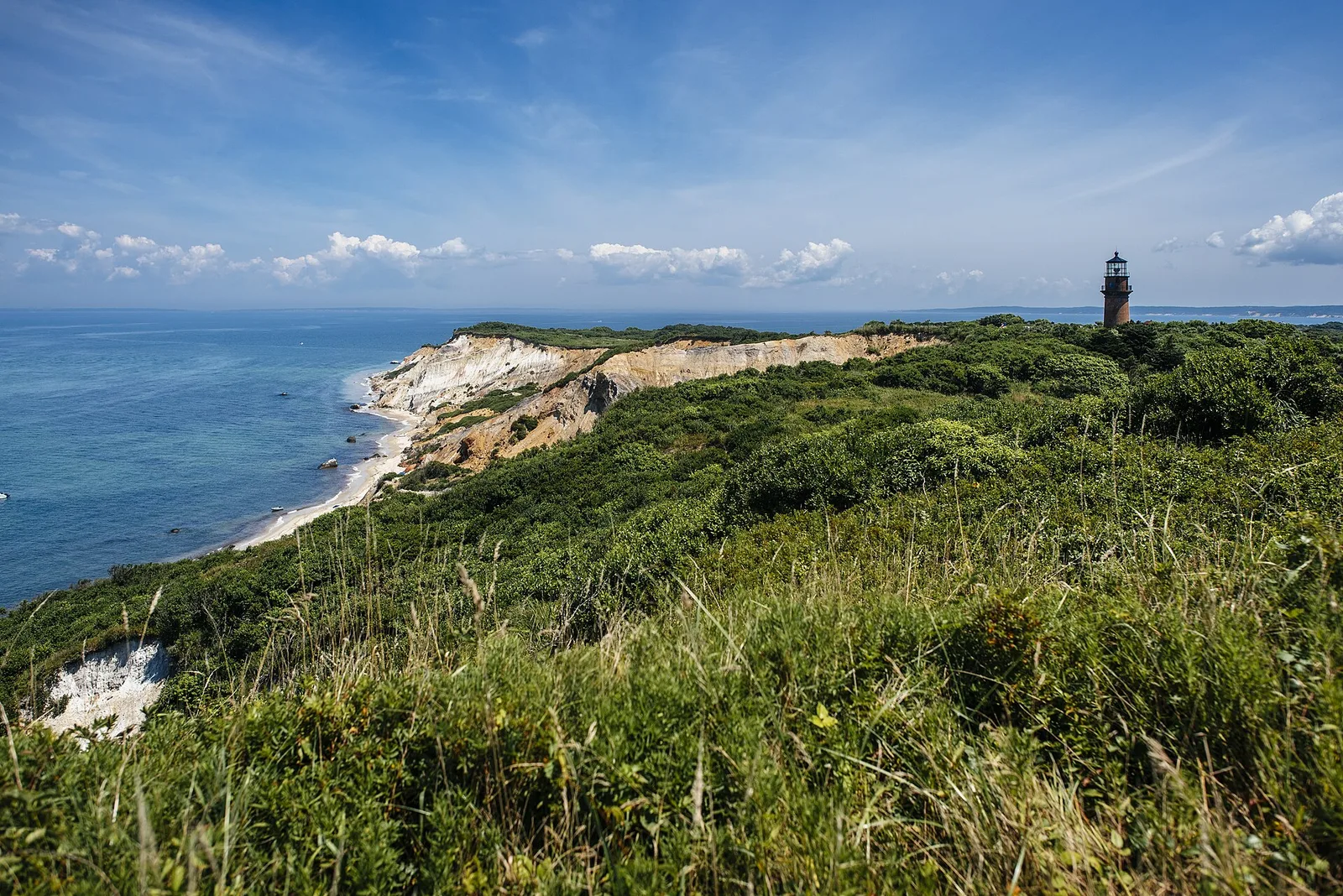
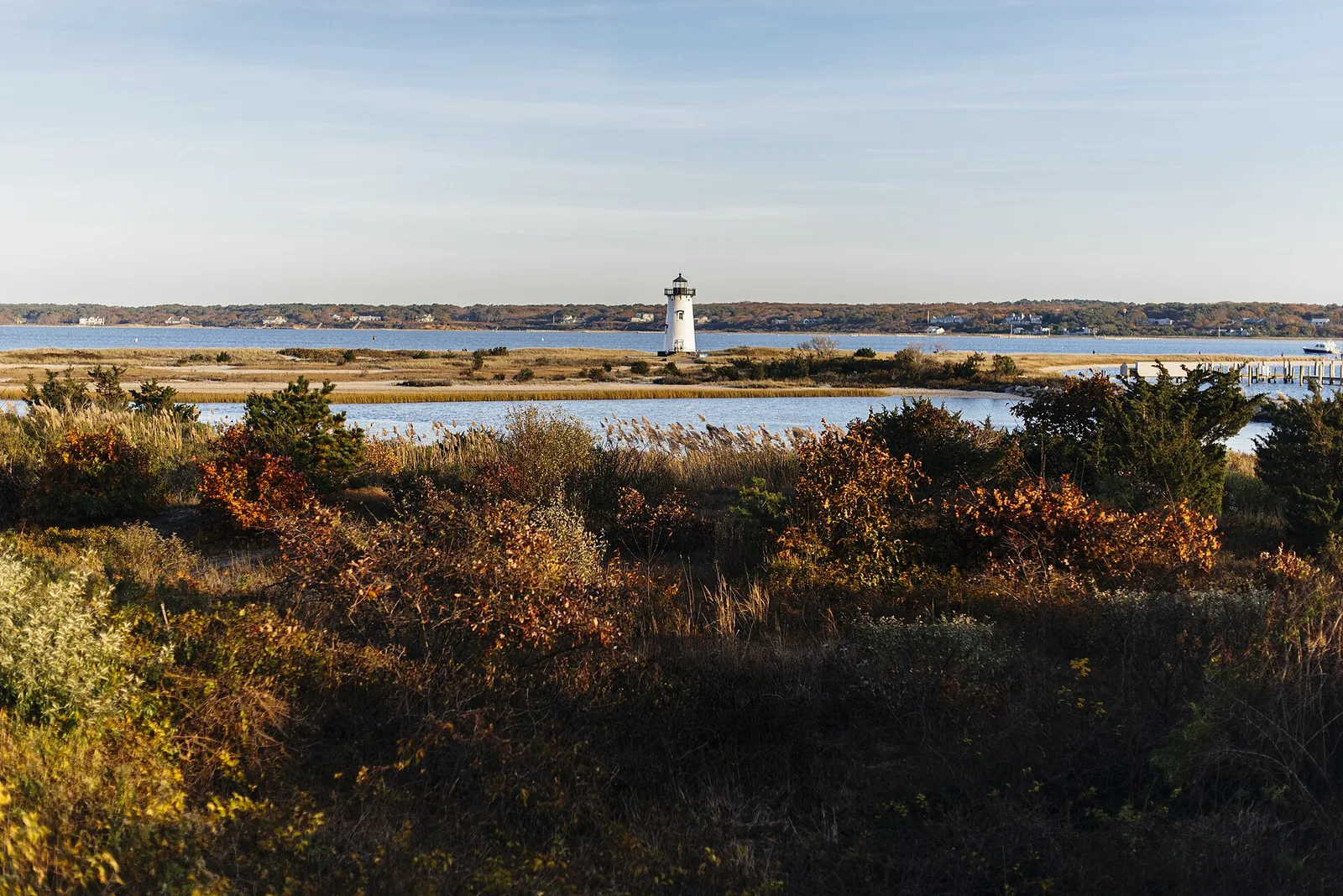
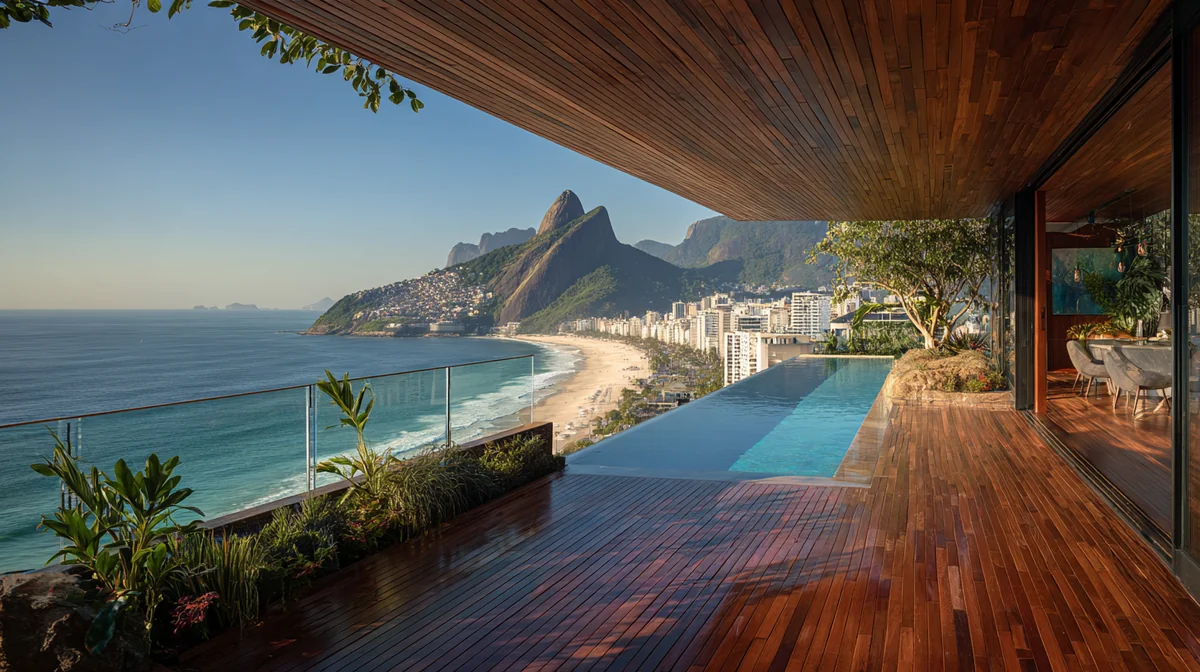
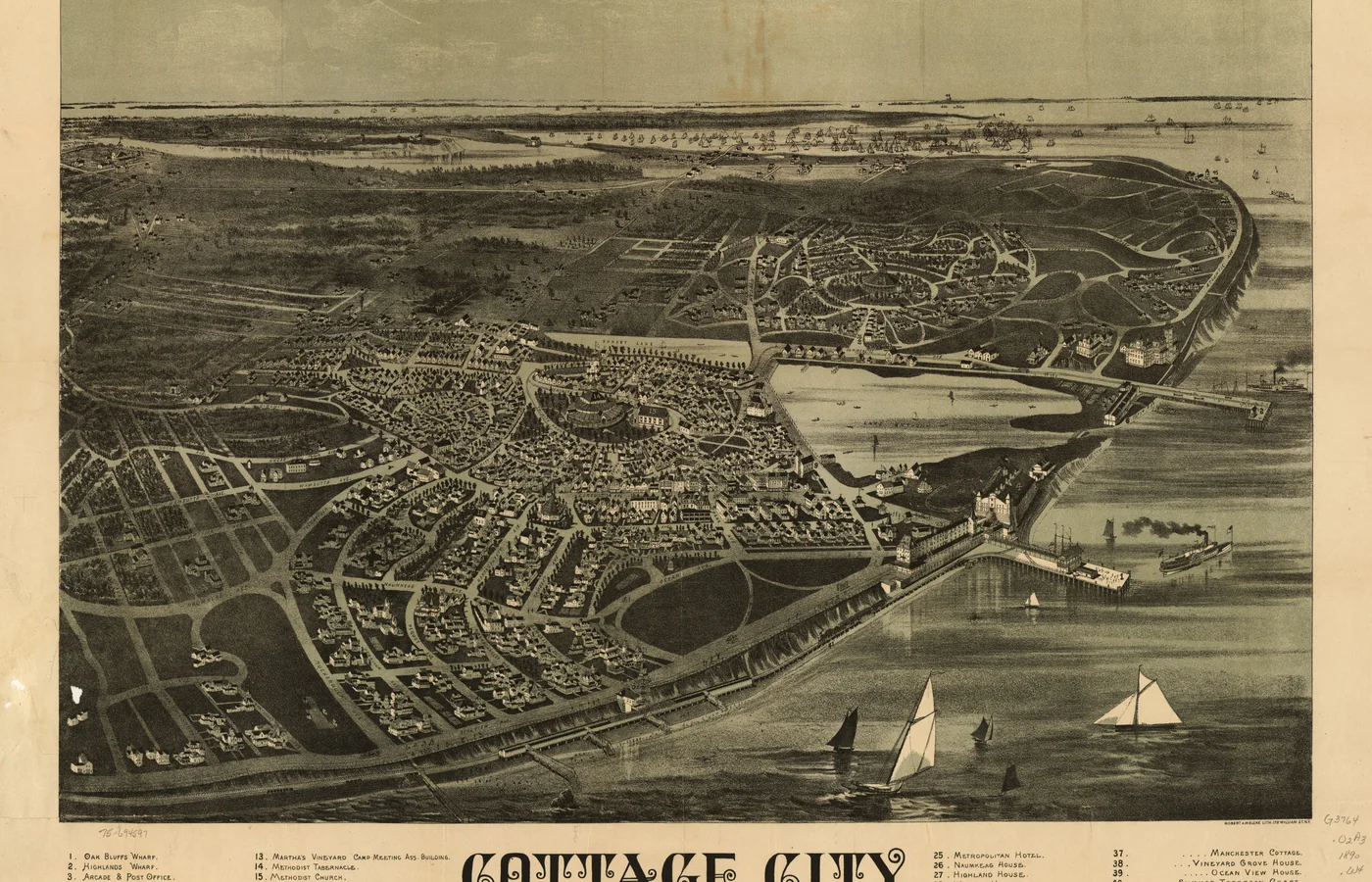
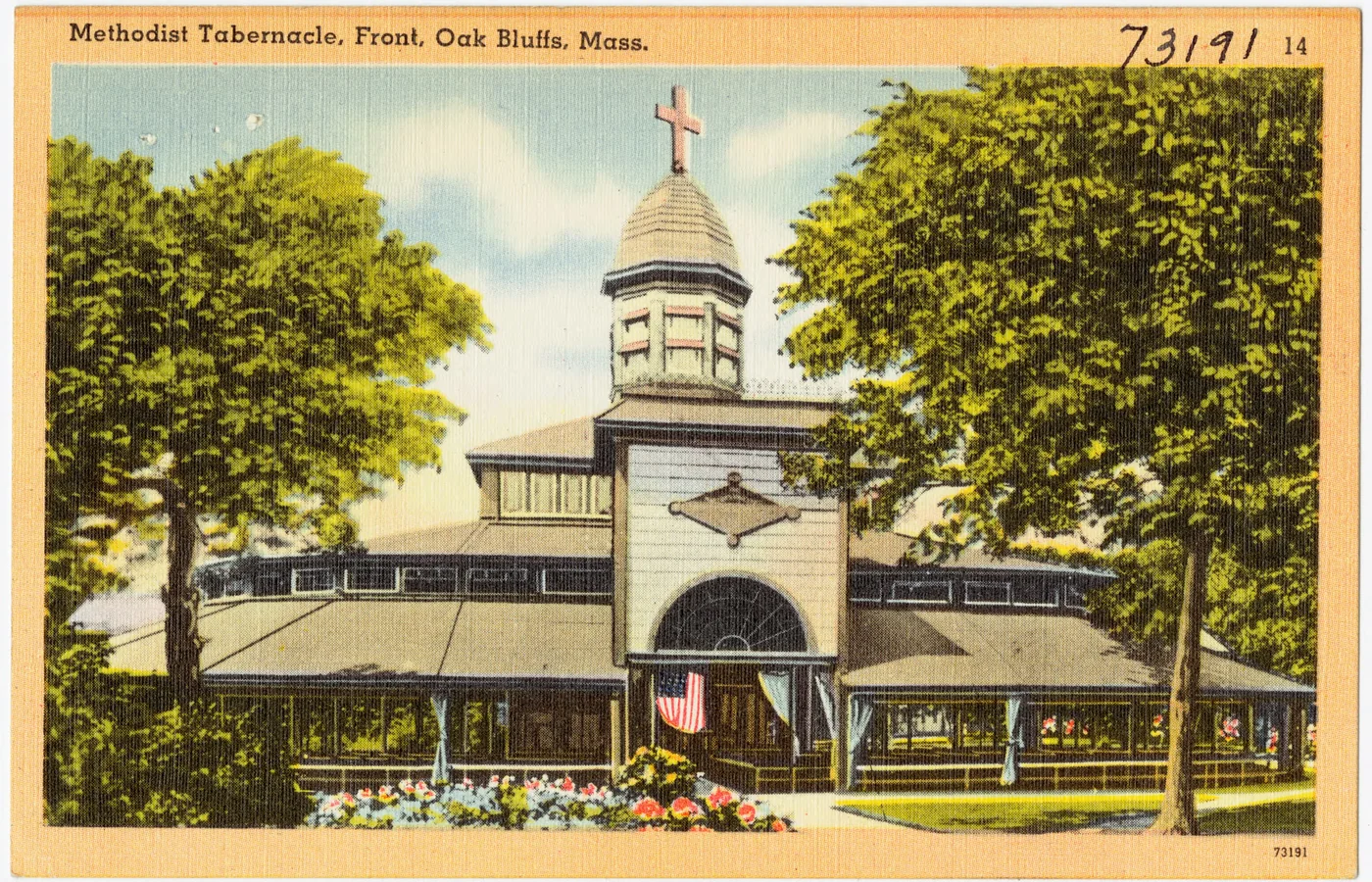
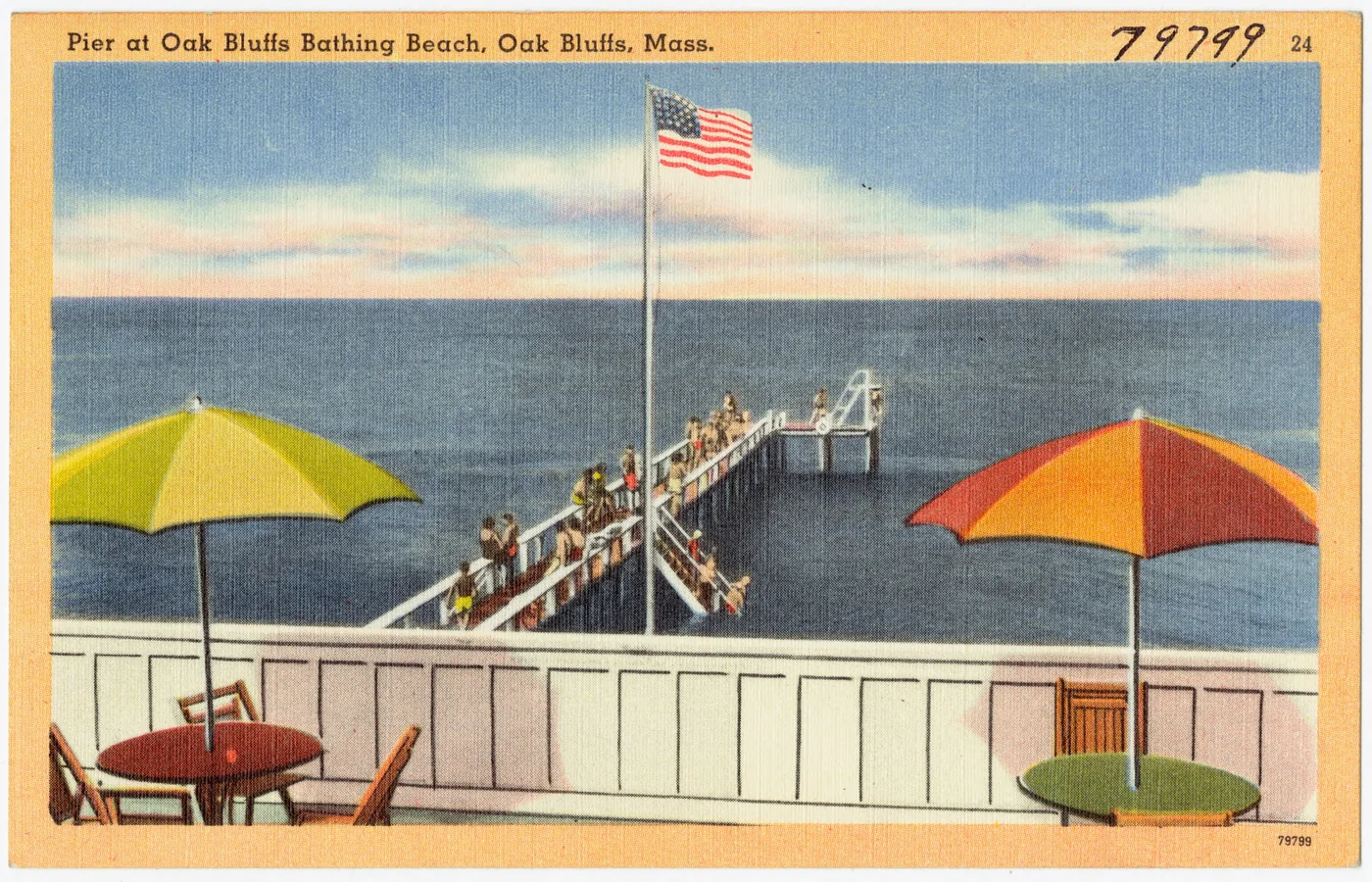
A few of the visual fingerprints we lean into when we shoot, brand and market a Martha's Vineyard property — courtesy of the open Wikimedia Commons archive.
On an island where buyers compare a dozen near-identical shingled homes, the listing with cinematic photography and a real brand wins the click. Cavmir helps optimize your listing and channel mix, builds you a direct-booking site so you're not renting your guest list from a platform, and positions your home for the shoulder weeks most owners leave empty. We market the harbor, the golden-hour deck and the walk to town, the things that justify your rate, in front of the right travelers before peak sells out.
Martha's Vineyard was home to the Wampanoag long before the English navigator Bartholomew Gosnold sailed past in 1602 and gave it the name that stuck. For two centuries it ran on the sea, whaling out of Edgartown, fishing out of Menemsha, with the captains' fortunes built into the Federal and Greek Revival houses that still line North Water Street. The tourist island was born in 1835, when Methodists pitched tents for summer camp meetings in what became Oak Bluffs. Those tents hardened into the roughly 300 candy-colored gingerbread cottages of the Camp Meeting Association, and the Tabernacle at their center still hosts the August lantern night that draws the island's biggest crowd.
The twentieth century layered on quiet celebrity. Oak Bluffs' Inkwell beach anchored one of the country's oldest African American summer communities; presidents from Clinton to Obama vacationed up-Island; and a steady stream of writers, musicians and actors bought in precisely because the island never made a fuss about them. The ferry, run by the Steamship Authority out of Woods Hole, kept the place deliberately hard to reach, and that friction became part of the appeal, you don't end up on Martha's Vineyard by accident.
Today the rental stock is overwhelmingly whole-home and seasonal, several thousand listings across the six towns, with Edgartown alone counting roughly 1,400 short-term rentals. Inventory skews hard to single-family houses rather than condos or chain hotels, much of it second homes owned by families who rent the summer weeks to carry the place the rest of the year. Prices climb up-Island, where lots are bigger and rarer, and the year-round housing crunch keeps new supply from arriving fast. Supply is effectively capped by geography and zoning, which is exactly why a well-marketed house holds its rate year after year while the casual, badly photographed listings get left behind.
Edgartown sets the ceiling: in-town harbor-walk and waterfront homes can run $1,200 to $5,000-plus a night in peak July and August, and trophy estates go well past that. Oak Bluffs, walkable and family-friendly, books strong in the $500-$1,200 range, with a premium for Ocean Park and Copeland District addresses. Vineyard Haven, the year-round port, holds value into the shoulder months. Up-Island, Chilmark and Aquinnah trade nightly volume for weekly privacy, $700-$3,000 a night for acreage, pond frontage or a water view. Across the island, the single biggest rate lever is water: a real view or a short walk to the beach is worth a tier on its own. Bedroom count matters too, since so much demand is multigenerational, a clean five- or six-bedroom that sleeps a reunion books at a premium per night over a comparable three-bedroom. These are peak-summer figures; shoulder weeks settle well below them, which is exactly where smart pricing earns its keep.
Peak is late June through Labor Day, when weekly minimums and top rates apply and the calendar fills months out. The fall shoulder, September into Columbus Day, is the island at its best, warm water, empty beaches, and it's the window most owners blow by going dark right after Labor Day. Late spring and the holiday weekends carry a smaller but real demand, especially around long weekends and the Ag Fair lead-up. Deep winter is quiet outside year-round Vineyard Haven, where some demand persists from off-season visitors and contractors. The pattern is unforgiving: a great summer can carry the whole year, and a soft shoulder is almost always self-inflicted, not a demand problem.
Massachusetts regulates short-term rentals at the state level under the 2018 expansion of the room occupancy excise (Chapter 337). A short-term rental is a stay of 31 days or less. Every non-exempt operator must register with the Massachusetts Department of Revenue through MassTaxConnect, which lists you in the statewide Public Registry of Lodging Operators; registration is renewed annually and the DOR issues a certificate platforms and insurers may ask for. State law also requires operators to carry liability insurance of at least $1,000,000 per occurrence, though coverage provided by a hosting platform can satisfy this if the limits match, verify your policy actually covers commercial rental use. If you rent 14 days or fewer in a calendar year, you can be exempt from the excise, but you still must register and file a declaration first.
Town rules are where the Vineyard gets specific, and they're in motion. As of 2026, Tisbury (Vineyard Haven) is the only town with a cap, a 75-night annual limit, plus a registration certificate (about $115) and a biannual health and safety inspection. Voters reaffirmed that cap at the April 2026 town meeting. Edgartown, Oak Bluffs and Chilmark were actively drafting local bylaws and registration rules through 2025-2026, and West Tisbury finalized its own rules in early 2025. Towns may impose their own registration and inspection requirements at the operator's cost, and a few are weighing occupancy limits and parking rules on top of that. None of the down-Island towns has adopted an owner-occupancy mandate as of mid-2026, but the housing pressure that's driving all of this isn't going away. Because this is genuinely shifting town by town, confirm current rules with your town hall and board of health before you list, and don't assume last year's answer still holds.
The Vineyard play in one line: own the shoulder season everyone else abandons. Most owners here treat the island as a ten-week summer machine and go dark the day after Labor Day, which leaves September and early October, the warmest water and emptiest beaches of the year, sitting on the table. Stay listed, market the fall, and you capture high-margin weeks against almost no competition.
Tactically, four moves. First, photograph the water and the light: a real harbor or ocean view, a deck at golden hour, the walk to the beach, these are the rate levers, and on an island of near-identical shingled houses, the photos are the whole decision. Second, open your calendar and lock minimums early, peak weeks here book months out, and the July 4th and Ag Fair weeks are gone before slow owners even post; set weekly minimums in peak and protect the high-value weekends. Third, build a direct-booking site and an email list, Vineyard guests are loyal and rebook the same house for years, so every repeat booking you move off-platform saves the fee and keeps the relationship yours. Fourth, plan around the ferry: car reservations on the Steamship Authority from Woods Hole open in February and sell out for summer fast, so put booking and ferry-reservation guidance right in your listing and check-in notes, a smoother arrival is the difference between a 4-star and a 5-star review. And fifth, price the events, not just the season: the Ag Fair, Illumination Night and the July 4th week aren't average summer nights, so a flat peak rate leaves real money on the table during the three or four windows that draw the biggest crowds. Bundle in the obvious wins, bikes, beach passes, a Menemsha sunset tip, and you're selling the island, not just the house.
The headwinds are real: a brutally short earning season, high acquisition and carrying costs that make cash-on-cash modest, and ferry-dependent logistics that complicate turnovers, cleaning crews and supply runs. Add a tight, expensive labor market for housekeeping and maintenance, shifting town-by-town regulation, and weather that can cancel a guest's whole crossing on a foggy day. Getting furniture, contractors or a replacement appliance to the island is its own slow saga. None of it is a dealbreaker, but it rewards operators who plan and punishes those who improvise, which is good news if you're the one who plans.
Massachusetts requires at least $1,000,000 in liability coverage per short-term rental, so insurance isn't optional here, it's the law. Platform host protection can meet the limit, but it's thin, treat it as backup, not your policy. Carry a proper commercial or short-term-rental policy that covers guest injury, property damage and loss of rental income, and on a coastal island, confirm your wind, flood and storm coverage, the same nor'easters that make the island beautiful can do real damage. Keep proof of coverage filed with your DOR registration, since platforms, towns and your guests' own peace of mind may all ask to see it.
Plan for a stacked lodging tax. The state room occupancy excise is 5.7%; Vineyard towns add a local option (up to 6%) plus the Cape Cod and Islands Water Protection Fund excise of 2.75%, since the island's towns belong to it. Towns that adopt the local option can also vote a community impact fee of up to 3% on professionally managed units. Combined, guests typically pay in the low-to-mid teens in percentage terms. Separately, you owe federal and Massachusetts income tax on net rental income, and the island carries some of the country's higher property values, so the tax bill is real. Ask your accountant how to structure it.
Most Vineyard rentals are bought as second homes or investment properties, not primary residences, so expect a larger down payment and a slightly higher rate than an owner-occupied loan. DSCR loans that qualify on the property's rental income are common for investors here, and given the seasonal cash flow, lenders look hard at your annual numbers. Local Cape and Islands banks understand the market better than a national call center, talk to one early. And run your numbers on the season you'll actually rent, not a fantasy of year-round occupancy, the houses that get owners in trouble are the ones financed as if it's July forever.
The Vineyard's moat is permanence. You can't build more island, the towns aren't loosening zoning, and the housing crunch makes new supply harder, not easier, every year. That scarcity is the durable case for owning and renting here: demand keeps arriving and the inventory ceiling barely moves. The clear 2027-plus story is regulation. Town by town, the Vineyard is writing its own short-term rental bylaws, Tisbury already caps nights, and Oak Bluffs, Edgartown and Chilmark are drafting registration, inspection and possibly cap rules driven by a real year-round housing shortage. Expect more paperwork, more inspections and the possibility of caps spreading. The owners who'll thrive are the ones who register cleanly, stay compliant, build a direct-booking relationship with repeat guests, and extend their season into the shoulder months instead of fighting for the same crowded summer weeks. Marketing stops being a nice-to-have and becomes the way you defend your rate as the rules tighten and casual hosts drop out. Demand for the island isn't the question, it's been answered for two hundred years; the question is whether your specific house is the one that gets found, booked and rebooked.
Martha's Vineyard is a marketer's dream because the island already did the hard part, it built a brand over two hundred years and then refused to shout about it. The cachet is real and it's quiet: presidents who vacation without a motorcade, movie stars who bike to the farmers market, a Gilded-Age summer culture that wears boat shoes instead of black tie. Your job isn't to manufacture prestige, it's to photograph what's there honestly, the harbor light, the gingerbread cottages, the fog burning off Menemsha, and let the island sell itself. The trap is leaning on tired luxury clichés. Vineyard guests can smell it. They want salt air and screened porches and a clambake, not a hotel-brochure version of wealth.
What we love is how visual every corner is. Down-Island gives you walkable, lantern-lit, full of life; up-Island gives you stone walls, ponds and that end-of-the-road quiet people pay a fortune to disappear into. The creative DNA here is restraint, real light, real places, real local color, the bike to Aquinnah, the sunset crowd clapping at Menemsha, the line at the fishmonger. Tell that story straight and your listing stops being one more shingled box in the search results and starts being the house someone's family rebooks for the next ten summers.
A great property in Martha's Vineyard doesn't just want a listing — it wants a point of view, an audience, and a brand the city itself would recognise.
Sofie's quick island playbook, the real picks that make a Vineyard listing feel like a local handed you the keys, not a brochure. Use these in your guidebook and your check-in notes.
Walk to the harbor and order littlenecks or a lobster roll off the dock, no tables, just a bench and the boats. It's the most honest meal on the island and a photo your guests will text home before they finish it.
Up-Island's nightly ritual: people gather on the sand to watch the sun drop into Vineyard Sound, and when it's good, the whole beach applauds. Tell your guests to bring takeout from the docks and go early in July.
Wander the lanes of roughly 300 gingerbread cottages by the Tabernacle, every porch a different candy color. It's a five-minute stroll from Circuit Avenue and the single most photogenic block on the island.
Book a table near the water as the boats come in and the captains' houses glow white. Edgartown does the polished version of the island, and a sunset harbor table is the dinner guests plan the trip around.
The harborside bakery-tavern turned its silhouette into the island's unofficial uniform. Half-touristy, half-iconic, fully expected, point guests to the wharf and let them in on the joke.
The water's still warm, the parking's easy, and the summer crowds are gone. This is the week most owners go dark, which is exactly why you shouldn't, send guests to Katama and own the calendar.
Drive up-Island to the painted clay cliffs, a National Natural Landmark sacred to the Wampanoag, and the only working lighthouse on the Vineyard. The colors are most vivid after rain; tell guests to go late and stay for the view.
Two questions every time: how do I get the car over, and where do I rent bikes. Put the Woods Hole ferry-reservation link (book early, it sells out) and a bike-shop tip right in your welcome guide and you'll head off half your messages.
A few composite engagements drawn from how Cavmir works a market like this, blended from typical Vineyard scenarios rather than any single named client, but the moves and the math are realistic for these towns.
A walk-to-town three-bedroom with a sliver of harbor view was renting in the summer but going completely dark after Labor Day, and its listing photos were dim phone shots that buried the water view entirely.
Cavmir reshot the home with cinematic photography that led on the harbor and golden-hour deck, rewrote the listing around the walk-to-town location, and built a simple direct-booking page with a fall-weeks email push to past guests.
Peak weeks filled earlier at a firmer rate, and the property added roughly six shoulder-season weeks it had been giving away, lifting annual occupancy meaningfully and moving a healthy share of repeat bookings direct.
A private pond-view house on a few acres had loyal repeat guests but no presence online, no brand, no direct channel, and no way to reach new travelers when a regular skipped a summer.
Cavmir built a brand identity and a direct-booking website around the up-Island privacy story, optimized the listing across channels, and ran a light influencer and email campaign aimed at multigenerational families seeking a quiet week.
The home backfilled the gaps left by lapsed regulars, raised its weekly rate toward the top of its up-Island tier, and built an email list that now drives a growing slice of bookings without platform fees.
A two-bedroom steps from the Camp Ground had charm but blended into dozens of similar Oak Bluffs listings, with generic copy and a flat rate that ignored the Illumination Night and Ag Fair surges.
Cavmir leaned the photography and copy into the walkable, lantern-lit Oak Bluffs character, set event-aware pricing for the August peaks, and tuned multi-channel distribution to put the listing in front of family travelers.
The listing's conversion improved against its lookalikes, the August event weeks sold at a clear premium instead of the flat rate, and overall summer revenue rose while reviews ticked up on the improved guest prep.
Talk to Cavmir today. We'll show you exactly what your Martha's Vineyard property is leaving on the table — and how fast we can change that.
Book a Free Strategy Call