$475
Avg. Nightly Rate
42%
Avg. Occupancy Rate
$4,900
Avg. Monthly Revenue
4-6%
Est. Cash-on-Cash ROI
HIGH
Seasonality
MEDIUM
Regulatory Burden

* Market averages. Properties marketed by Cavmir typically exceed these figures by 25–45%. Data sourced from AirDNA, STR market reports, and Cavmir internal analytics.

The Market

Why Provincetown is One of the World's Premier STR Markets

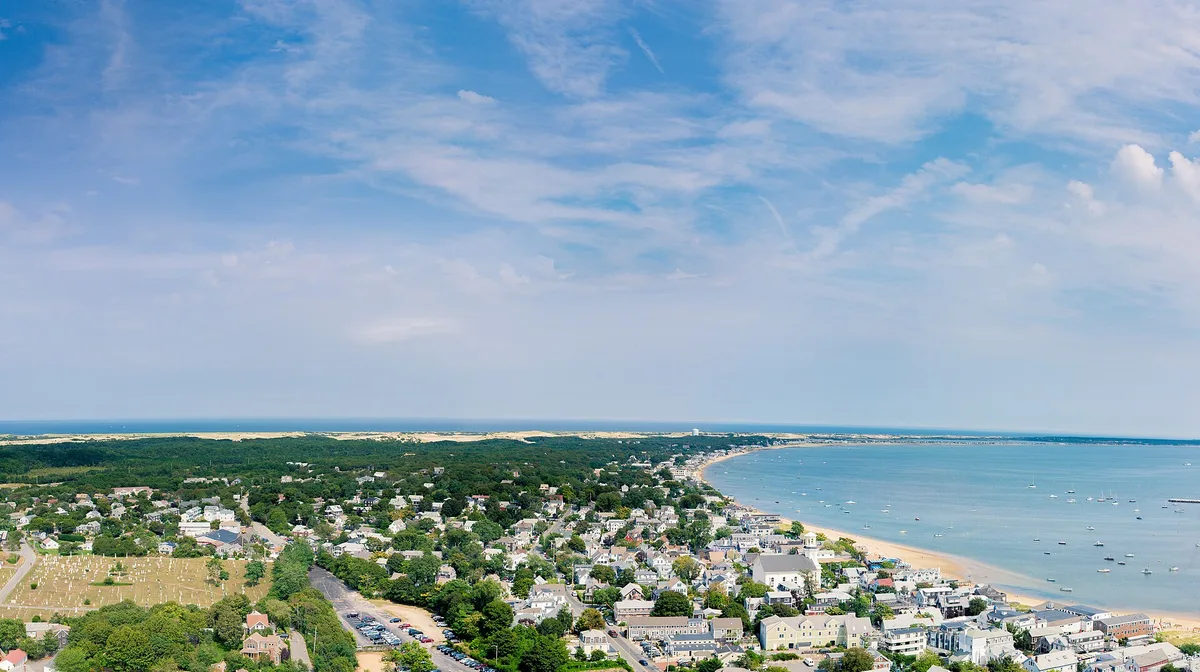
Provincetown sits at the very end of Cape Cod, on a curl of sand that faces back at the mainland it left behind. The Mayflower anchored here first, before Plymouth, and there is a granite tower on the hill to say so. Since then the town has been a Portuguese fishing port, an art colony that has been continuously working since 1899, and for decades one of the most established LGBTQ destinations in the United States. All three of those histories are still visible on Commercial Street on the same afternoon. Provincetown is not a version of Cape Cod. It prices differently, fills differently, empties differently, and is regulated differently from the towns down the arm, and treating it as interchangeable with Chatham or Wellfleet is the fastest way to get a rental strategy wrong here. It has the highest summer rates on the Cape and one of the shortest genuine seasons, and its physical constraints — a town wedged between the harbour and the National Seashore, on a sandbar with finite septic capacity — set hard limits on what any given property can do. Those limits are the market.

The thing that separates Provincetown from every other Cape market is that occupancy is a plumbing question. Under the town's short-term rental bylaw, occupancy is tied to a property's septic capacity, generally on the basis of two people per bedroom, with voters approving a formula of two per bedroom plus two additional people. In a town built on sand with a constrained wastewater system, that is not an administrative technicality — it is the ceiling on what your property can earn in a week in August, and it is set by an engineering fact you cannot market your way around. Annual short-term rental registration with the town is required, along with a life-safety inspection; Massachusetts building code has required short-term rental inspections since 1 July 2025. A short-term rental in Provincetown means any room or unit let for thirty-one consecutive days or less, and that includes a room in your own house. Operators are also required to notify their insurer and to carry liability cover of at least one million dollars. The season is the other constraint. Provincetown does extraordinary numbers from late June to early September and around its major event weeks, and then goes very quiet. The rate ceiling is high and the number of nights available to hit it is small.

Top Attractions & Landmarks

  • Commercial Street from the East End galleries to the West End
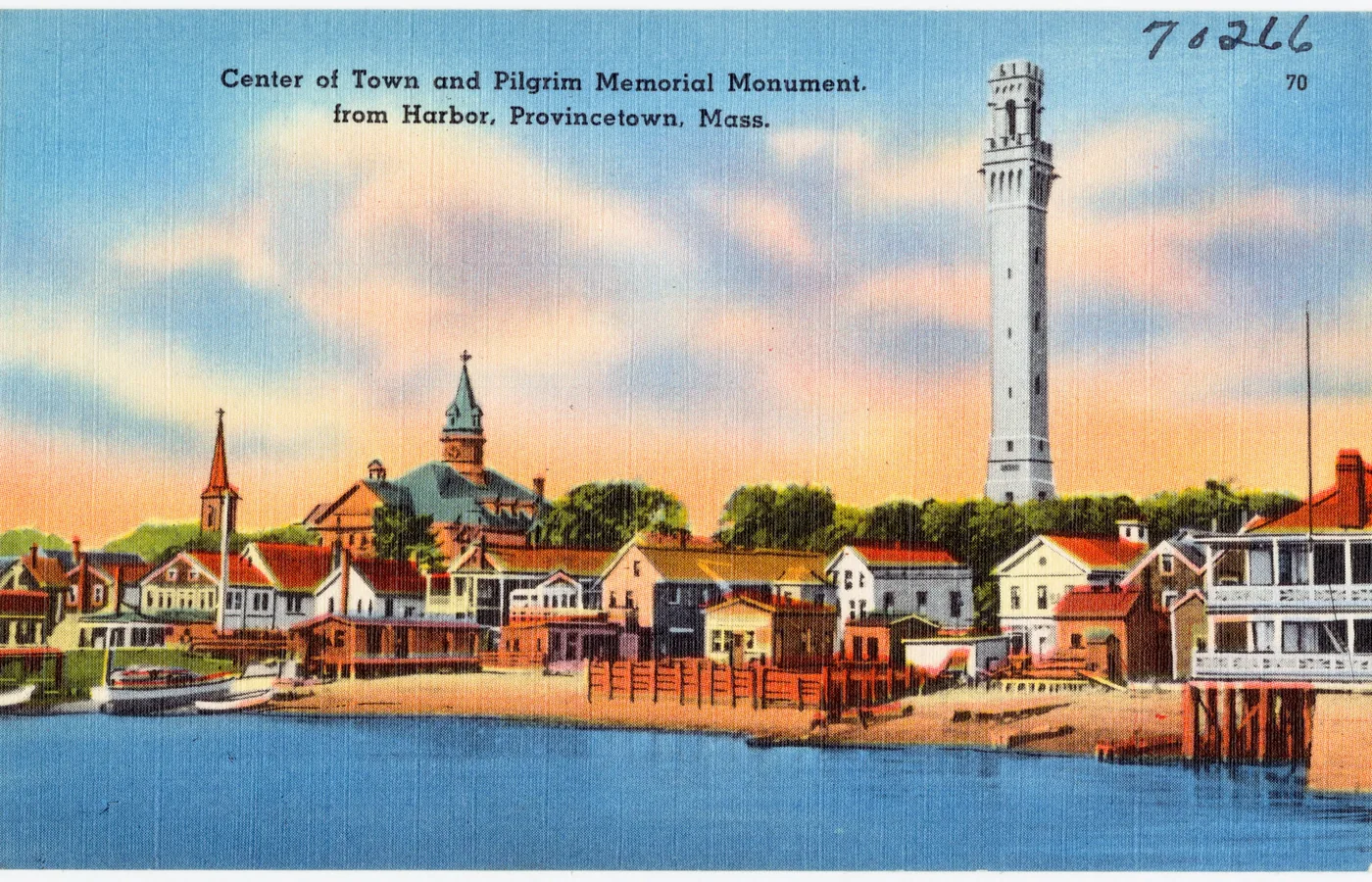
  • The Pilgrim Monument and Provincetown Museum
  • Race Point and Herring Cove in the Cape Cod National Seashore
  • The Provincetown Art Association and Museum, founded in 1899
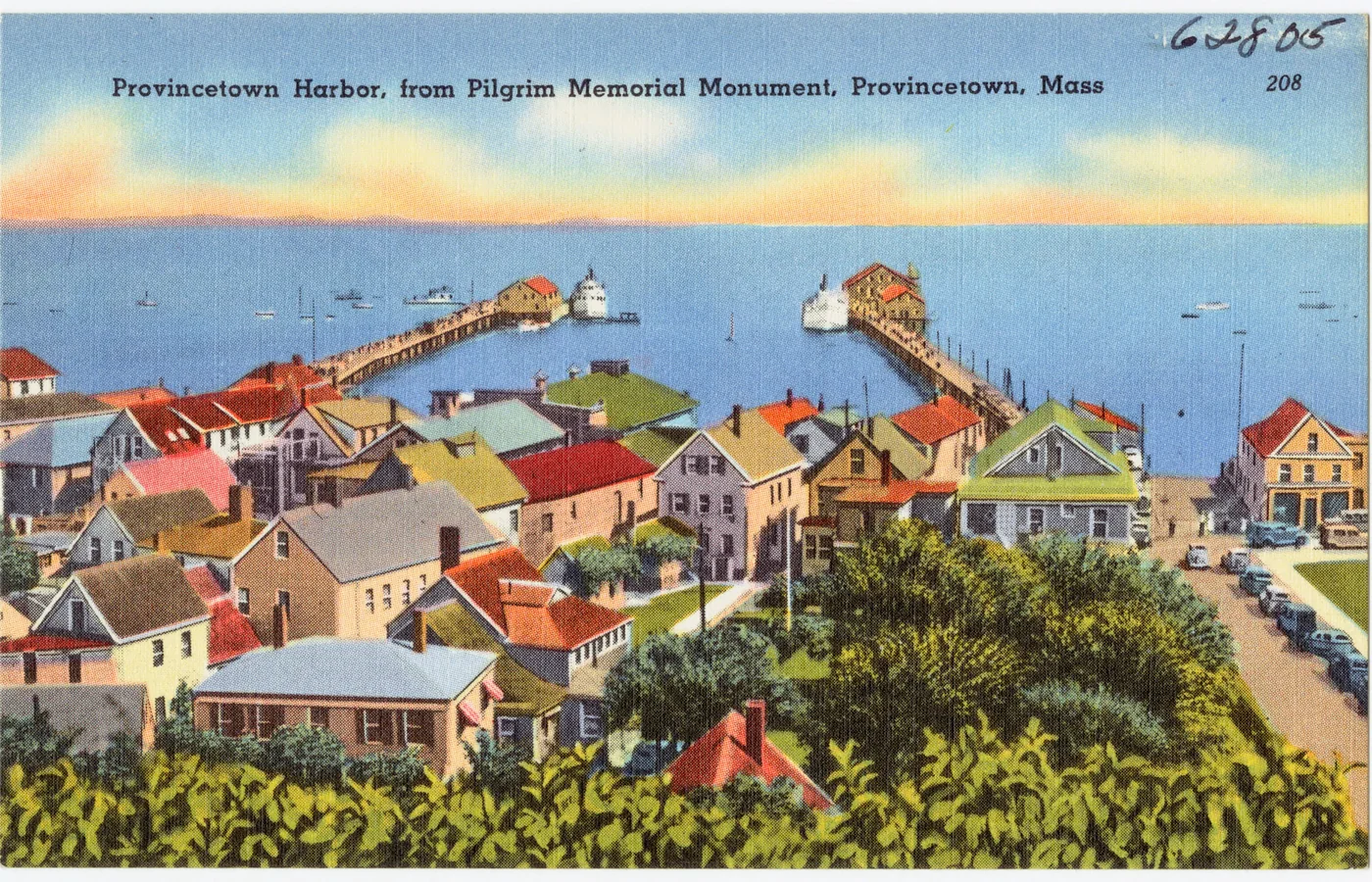
  • Whale watching on Stellwagen Bank out of MacMillan Pier
  • The Province Lands bike trail through the dunes
  • Long Point and the breakwater walk across the harbour

Nearby Markets: Cape Cod  |  Martha's Vineyard  |  Nantucket

Airbnb marketing services in Provincetown, Massachusetts, USA
Postcards

Provincetown through the lens

A few of the visual fingerprints we lean into when we shoot, brand and market a Provincetown property — courtesy of the open Wikimedia Commons archive.

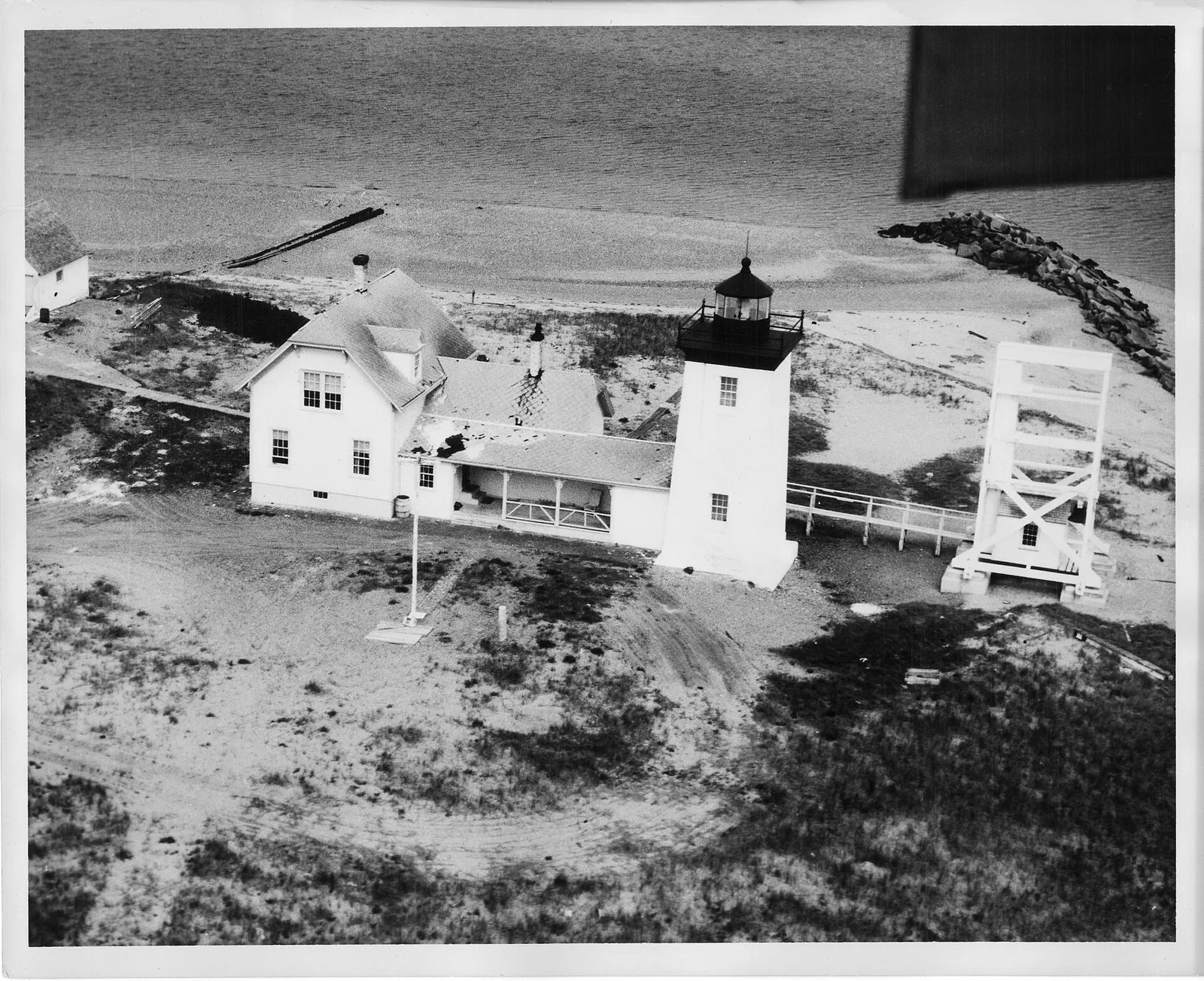
Long Point Lighthouse MA — Provincetown airbnb marketing
Local Color
Long Point Lighthouse MA
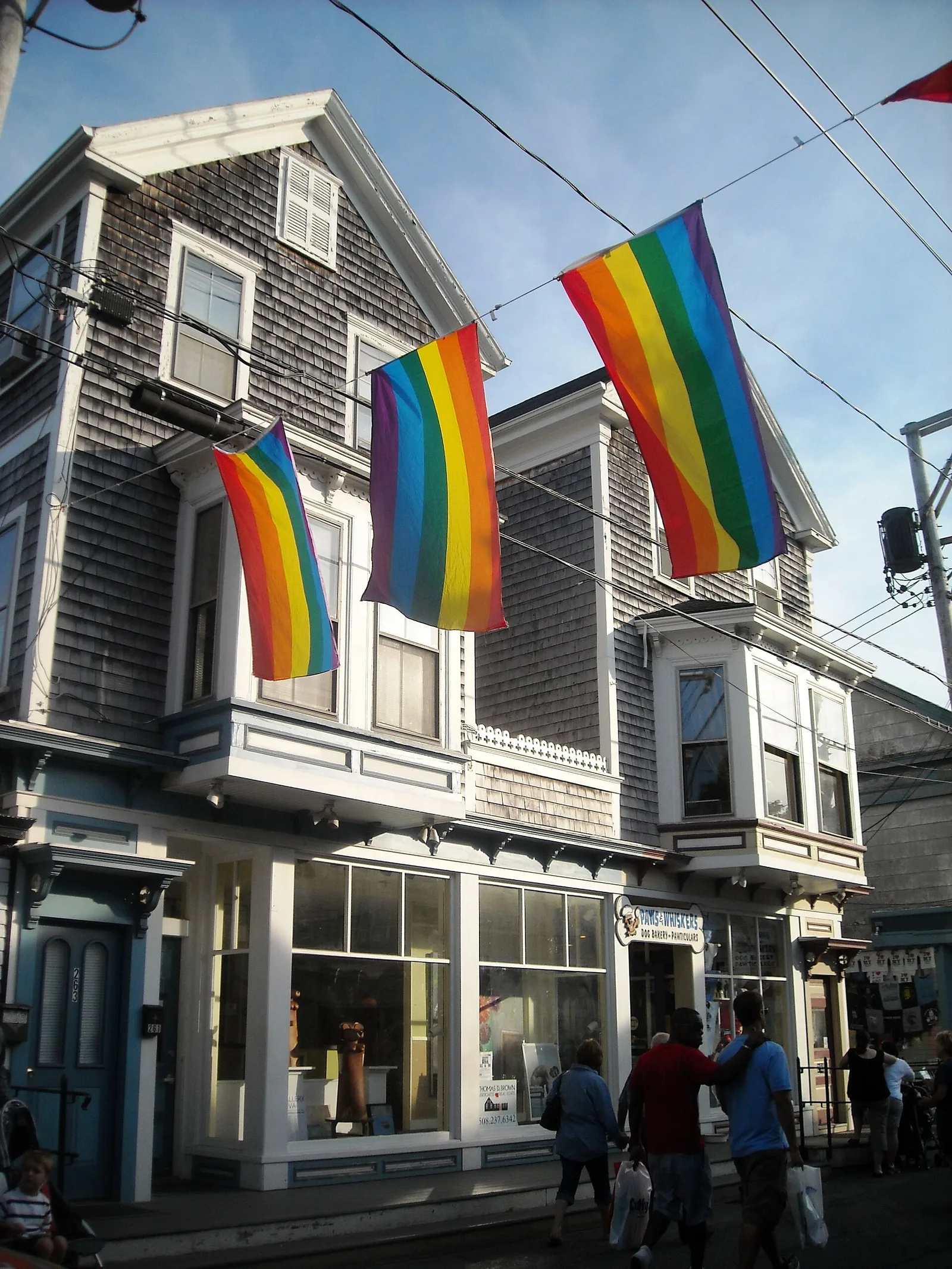
Provincetown Historic District, 3 — Provincetown airbnb marketing
Local Color
Provincetown Historic District,
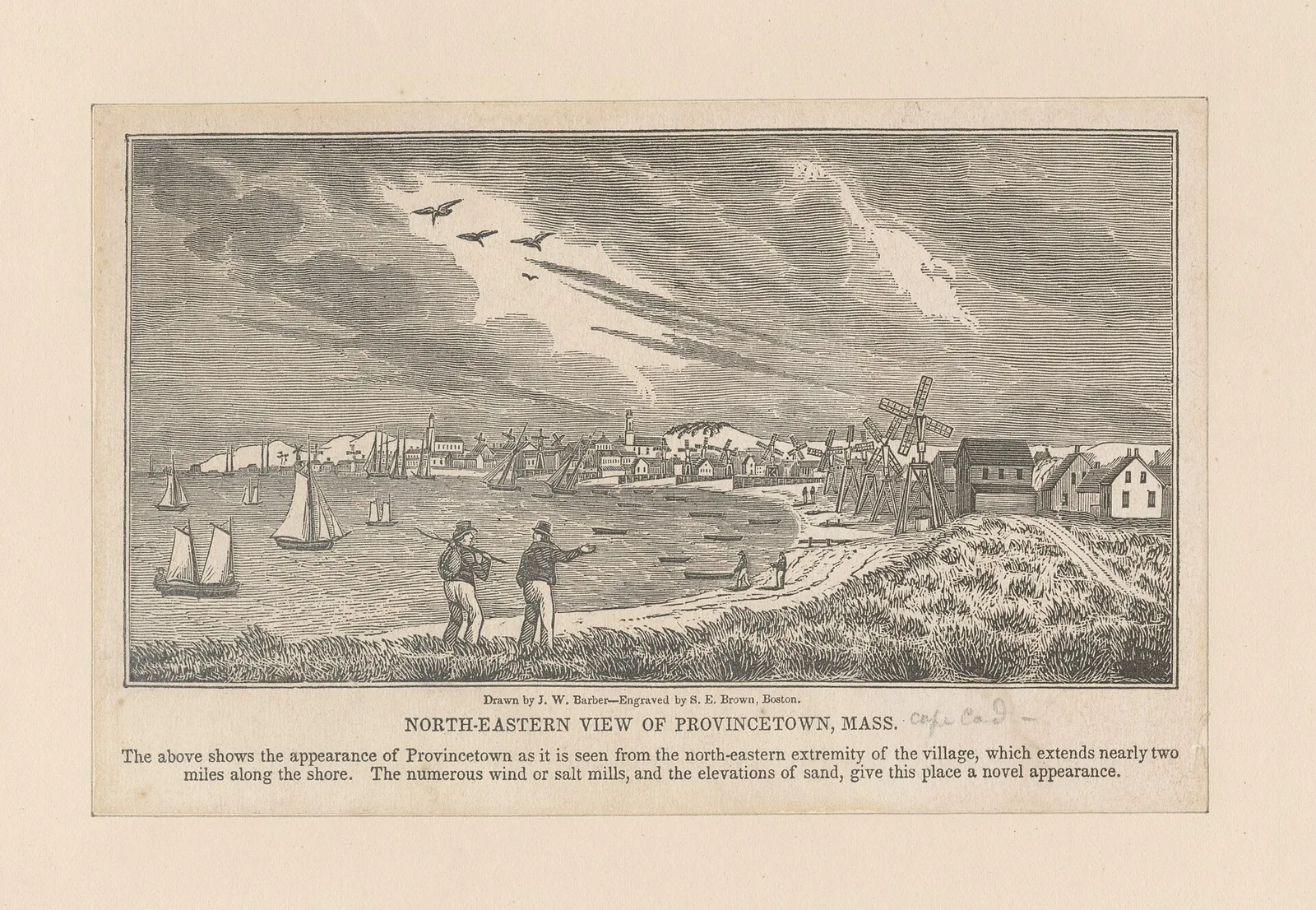
North eastern view of Provincetown, Mass — Provincetown airbnb marketing
Local Color
North eastern view of Provincetown,
PilgrimMonumentbasrelief — Provincetown airbnb marketing
Local Color
Provincetown Local Landmark
Why Cavmir

The Cavmir Advantage
in Provincetown

Cavmir markets Provincetown properties around the week, not the night. This is a market where guests book specific dates for specific reasons — Carnival week, Bear Week, Family Week, the Portuguese Festival, a wedding, an art class — and a listing that describes a generic beach holiday is invisible to all of them. We photograph the property properly, in season, in light that actually exists in this town, and we write the copy so that where you are on Commercial Street, how far the walk is to the beach and the ferry, and exactly what the property sleeps under the occupancy rules are all clear before anyone enquires. We build a direct booking site that can hold that detail and take reservations without a platform in between, which matters more here than in most places because Provincetown has an unusually loyal repeat guest who returns to the same week every year and does not need to be reintroduced to you annually. Then we run the local search that matters, place ads against the event calendar rather than against the whole summer, and keep an email list that turns one visit into a decade of them. We help position and market your property. We never manage it or touch your keys.

State of the Industry · History

The Provincetown STR Market — Past & Present

The Mayflower made landfall here first. The ship anchored in Provincetown Harbor in November 1620, the Mayflower Compact was signed aboard while it lay at anchor, and the passengers spent several weeks exploring the outer Cape before deciding the site would not do and continuing to Plymouth. The Pilgrim Monument on High Pole Hill, finished in 1910, is a 252-foot granite tower built to make sure nobody forgets which town came first.

What the town actually became was a fishing port. The harbour is deep and sheltered, unusual on this coast, and by the nineteenth century Provincetown was one of the busiest fishing and whaling ports in New England. Portuguese fishermen, particularly from the Azores, came in numbers through the 1800s and stayed, and their descendants are still here — which is why the Provincetown Portuguese Festival and the Blessing of the Fleet are among the town's oldest continuous events rather than a heritage revival.

The art colony arrived in 1899, when Charles Webster Hawthorne opened the Cape Cod School of Art and started teaching plein-air painting in the extraordinary light that comes off the water on three sides of a sandbar. The Provincetown Art Association and Museum followed in 1914. In the decades after, the town drew Eugene O'Neill, whose early plays were staged in a fish house on a wharf, Norman Mailer, Tennessee Williams, and a continuous stream of writers and painters. That colony has never actually stopped working.

The third identity took hold through the middle of the twentieth century, as Provincetown became one of the most established LGBTQ destinations in the country — a status now measured in generations rather than seasons. The town's event calendar reflects it directly, and understanding that calendar is not optional for anyone renting property here.

The Cape Cod National Seashore, established in 1961, drew a hard line around what could ever be built. Provincetown is surrounded by protected dunes and beach on almost every side. The town cannot sprawl. That is why the housing stock is what it is, why the septic question matters so much, and why supply is structurally constrained.

Pricing Strategy & Seasonality

Pricing, Seasonality & When to Capture ROI

Pricing Strategy

Provincetown has the highest peak rates on Cape Cod and one of the shortest windows in which to earn them, and that combination is the entire pricing problem.

The core season runs from late June to just after Labor Day. Within it, the event weeks are not a nice-to-have — they are the pricing structure. Carnival week in August is the largest, and rates during it bear little relation to an ordinary July week. Bear Week, Family Week, Women's Week in October and the Portuguese Festival in June each produce their own hard demand spike with their own guest profile and their own booking behaviour. Owners who price a flat summer rate across the whole season are leaving a great deal on the table in some weeks and sitting empty in others.

The shoulders are better than most people assume and are consistently underpriced. May and early June are lovely, the town is open, and rates are a fraction of August. September and October are arguably the best weeks of the year on the outer Cape, with warm water, empty beaches and Women's Week anchoring October. Owners who treat everything outside July and August as off-season give away real revenue.

Winter is genuinely quiet. A significant part of the town closes, the ferry stops running, and the population drops to a few thousand. There is a small, loyal off-season market and there is holiday demand around Holly Folly and New Year, but this is not a twelve-month town and pretending otherwise leads to disappointment.

Minimum stays should follow the event calendar rather than the month. A full week is normal in high summer and over Carnival; a rigid seven-night minimum in late May costs you bookings that had nowhere else to go.

Seasonality & ROI Windows

May and early June are a pleasant, underpriced shoulder with the town waking up and the Portuguese Festival in late June. Late June through Labor Day is the peak, with Carnival week in August the single highest-demand period of the year. September is superb — warm water, thin crowds, good weather — and October carries Women's Week and the last strong dates of the year. November through April is genuinely quiet, with a meaningful share of the town closed, the ferry service ended for the season, and demand limited to holiday weeks and a small off-season following. Provincetown's year is short, intense and event-shaped rather than gradually seasonal.

Regulation & Licensing · 2026

What the Law Requires in Provincetown

Provincetown regulates short-term rentals through the town alongside the Massachusetts state framework, and the local layer has a genuinely unusual mechanism in it.

A short-term rental in Provincetown means any room or unit rented for a period of thirty-one consecutive days or less. That definition covers a room let within your own house, a second home, and a whole unit alike — there is no carve-out for renting a spare bedroom.

Every owner intending to operate must register the unit annually with the Town, through the Community Development Office or the town's online permitting system, and a life-safety inspection is required. Massachusetts state building code has required short-term rental inspection on an annual basis since 1 July 2025, and part of the town's 2026 bylaw work was to bring local requirements into line with that.

The provision that shapes the economics is occupancy. The bylaw ties a property's permitted occupancy to its septic capacity — generally two people per bedroom, with voters having approved a formula that permits two per bedroom plus two additional people. Provincetown sits on a sandbar with genuine wastewater constraints, and the effect is that your maximum headcount is determined by an engineering assessment rather than by how many beds you can fit. For a market where large-group summer weeks carry the highest rates, that is the single most important number attached to your property.

Insurance is also a regulatory requirement rather than merely prudent here: operators must notify their insurer that the property is being let short-term and must carry liability cover of not less than one million dollars.

Massachusetts additionally requires short-term rental operators to register with the state Department of Revenue for room occupancy excise purposes, and the state maintains its own registry.

Bylaws in Provincetown are amended at Town Meeting and the short-term rental provisions have been revisited more than once, most recently in 2026. Confirm the current registration process, inspection requirements and occupancy determination directly with the Town of Provincetown before relying on any of this.

Market-Specific Tips & Challenges

Local Tips & Unique Market Challenges

Tips That Actually Move Revenue in Provincetown

Market the week, not the summer. Provincetown's calendar is a sequence of named weeks with distinct audiences, and the single biggest improvement most owners can make is to stop selling 'July in Provincetown' and start selling the specific weeks their property suits. Guests book Carnival, Bear Week, Family Week and Women's Week by name, months ahead, and they search for them by name.

State your permitted occupancy precisely and early. Because headcount here is a septic determination rather than a furniture decision, guests and owners frequently talk past each other. Publishing the real number saves you enquiries you have to turn down and protects you from a group that arrives larger than the property is permitted to hold.

Say where you are on Commercial Street. The East End, the centre and the West End are different experiences — galleries, noise, walking distance to the bars, quiet — and locals think in those terms. A guest who has been coming for fifteen years will choose on that basis alone.

Photograph the light. Provincetown's light is the reason an art colony formed here in 1899, and it is genuinely different in the late afternoon. A property shot at midday with a phone throws away the best asset the town has. Shoot late, shoot the water, and shoot the outdoor space if you have any, because private outdoor space in this town is scarce and valuable.

Sell the shoulders honestly rather than discounting them. May, September and October are lovely and are not lesser versions of August. Write them as their own product — warm water in September, an emptier town, better restaurant availability — rather than as a cheaper alternative.

Explain parking before arrival. Provincetown parking is genuinely difficult in summer, most guests underestimate it, and whether your property has a space is one of the most important practical facts about it. If you have parking, lead with it. If you do not, say so clearly and tell people what to do instead.

Unique Provincetown Challenges

The occupancy ceiling is the first challenge. If septic capacity limits your property below what its square footage suggests, your peak-week revenue is capped, and no amount of marketing changes it. Know the number before you buy.

The second is the length of the season. A town that empties from November to April has to earn its year in roughly five months, and carrying costs run twelve.

The third is that Provincetown is expensive to acquire and the yield reflects it. Buyers coming from markets where a 9% return is normal will find the arithmetic here different, and properties are frequently held for a mix of personal use and income rather than pure yield.

The fourth is parking and access. The town is at the end of a three-hour drive from Boston or a ferry ride across the bay, and neither is trivial in July. Properties that solve the practical problems for guests — parking, bikes, ferry timing — outperform prettier properties that do not.

The town where your bookings depend on the septic system
Most short-term rental markets set occupancy with a formula about bedrooms, or a fire-code headcount, or simply leave it to the owner. Provincetown ties it to wastewater. The town sits on a spit of sand at the end of Cape Cod with a constrained sewer and septic system and no room to expand outward, because the Cape Cod National Seashore surrounds it. So the bylaw connects how many people may sleep in a property to that property's septic capacity, generally on a two-per-bedroom basis with voters approving two per bedroom plus two additional people. The practical consequence is that a Provincetown property's peak earning power is set by an engineering assessment of its plumbing. It is the only market on Cape Cod where the most important number in your rental business is one a wastewater engineer determined, and it explains a great deal about why supply here never grows the way demand does.
Finance Essentials — Provincetown
🛡️

Insurance

Provincetown is one of the few markets where liability insurance is not merely advisable but a stated requirement: operators must notify their insurer that the unit is being let short-term and must carry liability cover of at least one million dollars. Get that in place before you register, not after.

Coastal exposure drives everything else. This is a barrier spit facing open water, and wind, storm surge and coastal flooding are live underwriting questions. Flood insurance is a separate policy from your property cover, and the flood zone designation for your specific parcel matters enormously to both cost and availability. Establish it early.

Winter freeze in a property closed from November to April is a routine claim on the outer Cape, and carriers will want to know how the property is winterised and monitored. A low-temperature alarm or automatic shutoff often changes your terms.

Older housing stock adds its own questions — knob-and-tube wiring, old heating systems, and the general realities of a town where a lot of buildings are a century or more old. Underwriters ask, and the answers affect the price.

Work with a broker who writes short-term rental policies on Cape Cod specifically, and confirm how the policy treats the closed season.

🧾

Property & Income Tax

Massachusetts taxes short-term rentals through the room occupancy excise, and on the outer Cape there are three components that stack.

In Provincetown the combined rate is 14.45% of the rent: 5.7% state room occupancy excise, 6.0% local option excise, and 2.75% for the Cape Cod and Islands Water Protection Fund. That last component is a dedicated fund within the state's Clean Water Trust that supports water quality projects across Cape Cod, Martha's Vineyard and Nantucket, which is a direct and rather neat connection to the septic capacity issue that governs your occupancy.

Massachusetts also permits a community impact fee of up to 3% on professionally managed units — broadly, where an operator has multiple units in the same municipality. Whether Provincetown currently applies that fee has been reported inconsistently, so confirm the position for your own circumstances with the Town and the Massachusetts Department of Revenue rather than assuming either way.

Operators must register with the Massachusetts Department of Revenue. Booking platforms collect and remit in many cases, but registration remains your obligation and direct bookings are generally handled by you.

Rates and local options change at Town Meeting and by legislation. Confirm current figures before quoting them to a guest, and talk to your accountant about how the income is treated on your return.

🏦

Mortgages & Financing

Provincetown is a high-value, low-yield market, and financing conversations here tend to be about carrying costs rather than cash flow.

The most Provincetown-specific issue is the occupancy determination. If your purchase model assumes a large-group summer week, and the property's septic-derived occupancy will not support that headcount, the income projection and the property are describing different things. Establish the permitted occupancy before you finalise a model, and certainly before an appraisal relies on rental comparables.

Insurability is the second gate. Flood zone designation, wind exposure and the age of the building all affect whether the property can be insured at a cost that works, and a lender will require cover in place at closing.

Condominium purchases add association questions. Many Provincetown buildings are small condominium conversions, and the association's own rules on short-term letting can be more restrictive than the town's. Read the documents rather than relying on what the current owner does.

Second-home and investment-property financing differ in rate, down payment and occupancy expectations, and in a market where many buyers use the property themselves for part of the season, being clear about intended use at application avoids problems later.

This is general information rather than financial advice — confirm the specifics with your mortgage broker, your insurance broker and your accountant.

Future Outlook · 2027 & Beyond

Where Provincetown is Headed Next

Provincetown's supply is structurally fixed in a way very few markets are. The National Seashore surrounds the town, the sandbar is finite, and the wastewater system sets a hard ceiling on intensification. New inventory in any meaningful quantity is not coming. That is the single most important long-term fact for an owner here, and it underpins both values and the case for investing in presentation rather than competing on price.

The regulatory direction is toward more formality rather than restriction. The 2026 bylaw work was substantially about aligning with state inspection requirements and clarifying occupancy, not about capping or banning. Massachusetts has been tightening registration and enforcement statewide, and the trend is that operating properly gets easier to verify and operating improperly gets harder.

Housing pressure is the political variable. Like every desirable coastal town, Provincetown has a year-round workforce that struggles to find housing, and short-term rentals are part of that conversation. Owners should expect the topic to keep returning to Town Meeting.

On demand, the fundamentals are unusually durable. Provincetown's event calendar is decades old and generates loyal, repeat, date-specific bookings that do not behave like generic beach demand. The shoulder seasons have been strengthening as visitors discover that September on the outer Cape is better than August. The owners who do well from here are the ones who build direct relationships with the guests who return every year, rather than re-acquiring them through a marketplace each season.

From the Desk of Sofie Sinag

Why We Love Marketing in Provincetown

Provincetown is a town that has been three different things at once for over a century and has never resolved the tension, which is exactly what makes it interesting. On the same block you get a Portuguese bakery that has been there for generations, a gallery hanging work by an artist who studied in the same building in the 1970s, and a bar that fills for Carnival week. None of those are heritage displays. They are all just Tuesday.

The light really is different. That sounds like an art-colony myth until you stand on the beach at Herring Cove in the late afternoon and see what happens when the sun goes down over water on the western side of a town that is technically facing east. Charles Hawthorne started a school here in 1899 because of it and painters have never stopped coming. For anyone photographing property, it is a genuine gift and most listings waste it entirely by shooting at noon.

We love the National Seashore for what it did to the town. By protecting the dunes and the beaches around it in 1961, the federal government accidentally guaranteed that Provincetown could never sprawl. Everything about the market — the scarcity, the prices, the tight streets, the septic constraint — follows from that decision.

And we love that this is a market where a guest relationship genuinely compounds. People come to Provincetown the same week every year for decades. They know their block, their bakery, their bench on the wharf. An owner who builds a direct relationship with those guests is not marketing a rental; they are holding a place in someone's year. That is worth more than any single booking and it is the whole reason we push direct booking here harder than almost anywhere else.

Why It Matters

A great property in Provincetown doesn't just want a listing — it wants a point of view, an audience, and a brand the city itself would recognise.

Cavmir's Provincetown Cheat Sheet

The Picks We Recommend for Your Welcome Book

Eight things a Provincetown guest genuinely needs to know — parking, the ferry, which end of Commercial Street you are on, and the week they have accidentally booked.

Arrival

Parking is the hardest part of the summer

Provincetown parking in July and August is genuinely difficult. If your property has a space, say so at the top of the listing. If it does not, tell guests where the municipal lots are and suggest they bring bikes instead of a second car.

Ferry

The fast ferry from Boston

Seasonal service across the bay from Boston takes a fraction of the drive time and lands at MacMillan Pier in the middle of town. For guests without a car it changes the whole trip — tell them it exists and when it runs.

Geography

East End, centre, West End

Commercial Street is three miles long and the ends are different towns in feel. Galleries and quiet at the East End, the busiest stretch in the middle, quieter again at the West End toward the breakwater. Say which one you are.

Beaches

Herring Cove and Race Point

Both are National Seashore beaches with entrance fees and their own parking situations. Herring Cove faces west and gets the sunset; Race Point faces the open Atlantic and is wilder. Give guests the difference.

Whales

Stellwagen Bank out of MacMillan Pier

The feeding grounds are close enough that trips run several times a day in season and sightings are reliable. It is one of the best whale-watching operations on the east coast and guests often do not realise it leaves from the town pier.

Bikes

The Province Lands trail

A loop through the dunes in the National Seashore, one of the best rides on Cape Cod, starting minutes from town. Mention where to hire bikes, because most guests will not have brought them.

Calendar

Check which week you have booked

Carnival, Bear Week, Family Week and Women's Week each fill the town with a specific crowd. Guests who arrive without knowing are sometimes delighted and sometimes surprised. Tell them in advance either way.

Walk

The breakwater to Long Point

A mile and a half across the granite breakwater at the West End to the very tip of Cape Cod. Tide-dependent, uneven underfoot, and worth it. Warn guests about footwear and the tide, then let them go.

Local Work · Composite Case Vignettes

What Cavmir Has Done for Provincetown Properties

The following are composite, illustrative examples based on patterns we see in event-driven coastal markets. They are not descriptions of specific clients or properties.

Two-bedroom condominium — a flat rate across a very unflat summer
The Brief

A single summer rate applied from June to September, which undersold the major event weeks badly and left ordinary July midweek nights sitting empty at a price they could not justify.

What We Did

Rebuilt the calendar around the named weeks, published event-week rates as soon as dates were confirmed, and rewrote the listing so those weeks were addressed by name rather than buried in generic summer copy.

The Result

The highest-demand weeks stopped being sold at ordinary rates, and the softer midweek nights filled more easily once they were priced separately.

West End house — an occupancy number that did not match the beds
The Brief

A property advertising a headcount above what its septic-derived occupancy permitted, generating enquiries from groups the owner then had to decline and creating friction on arrival.

What We Did

Confirmed the permitted occupancy, republished it plainly across every channel, and repositioned the property toward the group size it could genuinely and legally host well.

The Result

Enquiry quality improved sharply, declined bookings dropped to near zero, and reviews stopped mentioning confusion about how many people could stay.

East End apartment — a decade of loyal guests routed through a marketplace
The Brief

A property with a substantial base of returning guests who booked the same week each year, every one of them re-acquired through a platform and its commission each time.

What We Did

Built a direct booking site, moved returning guests onto a direct channel with a simple annual renewal offer, and started an email list that went out well before the following season opened.

The Result

A meaningful share of the calendar was rebooked directly before it ever went on the open market, and the marketing cost of the most reliable guests fell substantially.

Market Intelligence · Seasonality

Airbnb seasonality in Provincetown, month by month

Demand in Provincetown peaks around July through August and runs quietest around January through February. Here is how the year actually books — and what to do about each stretch of the calendar.

Peak demandSteadyQuiet

Peak season

Late June to just after Labor Day, and inside it the named weeks are the pricing structure rather than a detail. Carnival week in August is the largest of the year and rates during it bear no relation to an ordinary July week. Bear Week and Family Week each carry their own hard spike. Set those dates and their minimums a year out.

The shoulders

May, early June, September and October are consistently under-priced and are genuinely lovely. September on the outer Cape is arguably better than August, with warm water and empty beaches, and Women's Week anchors October. Write them as their own product for a different guest rather than as cheaper August.

The quiet stretch

November through April is genuinely quiet, with a large share of the town closed and the ferry stopped for the season. There is a small loyal off-season following and holiday demand around Holly Folly and New Year. Longer stays and honest communication about what is open both matter more than rate here.

Dates that fill first

Provincetown CarnivalAugust
The single largest demand week of the year, and guests search for it by name.
Bear WeekJuly
A hard, well-established week with its own audience and its own booking behaviour.
Family Weeklate July
Fills the town with a specific crowd and should be priced and marketed by name.
Women's WeekOctober
Anchors the autumn shoulder and turns a quiet month into a real one.
Provincetown Portuguese Festival and Blessing of the FleetJune
One of the town's oldest continuous events and the start of the real season.
Holly FollyDecember
A rare winter demand window in a town that otherwise closes.
Market Intelligence · Guests

Who books Provincetown Airbnbs — and how far ahead

Returning annual visitors
The most valuable segment here. They come the same week every year for decades and should never be re-acquired through a marketplace.
Event-week travellers
Booking Carnival, Bear Week, Family Week or Women's Week by name, months ahead, at whatever the week costs.
Art and gallery visitors
Shoulder-season guests drawn by a colony that has worked continuously since 1899. They want the East End and the light.
Shoulder-season couples
May, September and October travellers with no school calendar, happy to come midweek if given a reason.

The booking window

The named weeks book furthest out, often close to a year ahead for returning guests, and a large share of the best inventory never reaches the open market. General summer weeks fill several months out. Shoulder months are much shorter notice and reward being visible and flexible.

Typical stays

Full weeks are normal in high summer and over the named events. Shoulder stays are shorter and more flexible, and a rigid seven-night minimum in late May costs bookings that have nowhere else to go. Let the minimum follow the event calendar rather than the month.

Where guests drive from

BostonProvidenceHartfordNew YorkWorcester

Where guests fly from

New YorkWashingtonChicagoAtlantaSan Francisco
The seasonal fast ferry from Boston changes the trip entirely for guests without a car, and Provincetown's national audience is much broader than a typical Cape town's because of the event calendar.
Market Intelligence · What Wins

The Airbnb that wins in Provincetown

Location on Commercial Street decides a great deal, and the East End, centre and West End are effectively different products. Private outdoor space is scarce here and carries a genuine premium. Parking, where you have it, should be near the top of the listing.

Amenities that move bookings here

private outdoor spaceoff-street parkingair conditioningbicyclesfull kitchenfast wifioutdoor shower
Publish your permitted occupancy precisely. Because headcount here follows septic capacity rather than furniture, an accurate number prevents both wasted enquiries and a group arriving larger than the property may legally hold.
Straight Answers

Provincetown Airbnb marketing questions, answered

How do I market my Airbnb in Provincetown?

Start with photography that shows what a guest actually gets here, then write the listing around a real itinerary rather than a feature list. Build a direct-booking site so returning guests can come back without going through a platform, and keep an email list segmented by season so you can reach last year's visitors before the calendar opens. Local search matters more than people expect in a market this size, because guests search the destination and the attraction rather than the word rental. A marketing agency layer handles the photography, the listing copy, the direct-booking site and the local SEO as one system instead of four disconnected jobs.

When is peak season for Provincetown Airbnbs?

Late June to just after Labor Day, and the named weeks inside it set the whole pricing structure. Carnival in August is the biggest, with Bear Week and Family Week in July and Women's Week anchoring October. September is arguably better than August and rarely priced that way. November to April is genuinely quiet with much of the town closed.

How far in advance do guests book Provincetown Airbnbs?

The named event weeks book furthest out, often close to a year ahead, and a large share of the best inventory is renewed by returning guests before it ever reaches the open market. General summer weeks fill several months out, while May, September and October are much shorter notice.

Where do most Provincetown Airbnb guests come from?

A heavy drive market from Boston, Providence and the wider north-east, plus a genuinely national audience because of the event calendar. The seasonal fast ferry from Boston changes the trip for guests without a car and is worth mentioning in every listing.

What amenities matter most for a Provincetown Airbnb?

Private outdoor space is scarce and valuable here, and off-street parking is close to a deciding factor in summer. Air conditioning, bicycles and an outdoor shower all convert. Beyond amenities, publish your permitted occupancy accurately, because it follows septic capacity rather than how many beds you own.

Free Tools · Websites That Book

See what your listing in Provincetown is leaving on the table

Run your Airbnb, Vrbo, or website through Cavmir's free grader. It checks the things that decide whether guests book in Provincetown — photos, listing copy, page speed, local search — and shows you where bookings leak. Takes about a minute, and there's no sales call attached.

If the report says your booking engine is the weak link, that's fixable: a direct-booking website of your own means repeat guests stop paying platform fees to come back to you. That's the work Cavmir does — see Airbnb website design in Provincetown.

What the grader measures

  • Photos and the first-impression frame
  • Listing title and copy
  • Your direct-booking website (or the lack of one)
  • Page speed and mobile experience
  • Local search and Google visibility
Grade My Listing — Free
Ready to Grow in Provincetown?

Let's Put Your Provincetown
Property on the Map

Talk to Cavmir today. We'll show you exactly what your Provincetown property is leaving on the table — and how fast we can change that.

Book a Free Strategy Call