$340
Avg. Nightly Rate
44%
Avg. Occupancy Rate
$3,600
Avg. Monthly Revenue
3-5%
Est. Cash-on-Cash ROI
MEDIUM
Seasonality
MEDIUM
Regulatory Burden

* Market averages. Properties marketed by Cavmir typically exceed these figures by 25–45%. Data sourced from AirDNA, STR market reports, and Cavmir internal analytics.

The Market

Why The Berkshires is One of the World's Premier STR Markets

The Berkshires are what happened when America's Gilded Age money went looking for hills: seventy-some 'cottages' — mansions, really — rose around Lenox and Stockbridge in the 1880s and 90s, Edith Wharton built The Mount, and the region has run on culture ever since. Today the Boston Symphony Orchestra summers at Tanglewood, Jacob's Pillow stages the country's longest-running dance festival, MASS MoCA fills a nineteenth-century mill complex with contemporary art, and October turns every hillside into the reason New England exists. The rental rules run in two layers. Massachusetts regulates short-term rentals statewide — a Department of Revenue registry, a room occupancy excise on stays of 31 days or fewer (5.7% state plus a local option up to 6%), and a million dollars of required liability coverage. Then the towns add their own: Great Barrington caps un-hosted rentals at 150 days a year with annual registration, Lenox adopted a tightened bylaw in late 2025 that's still clearing state review, and each village sets its own posture. It's a patchwork that rewards owners who do the homework — and a calendar, unique in this collection, that is literally published by a symphony orchestra months in advance.

Berkshires demand is scheduled culture plus scheduled foliage, weighted hard toward weekends. The summer season — late June through early September — is the peak: Tanglewood's program sells out the region's beds on its biggest nights, with James Taylor's traditional July appearances the single hottest dates of the year, while Jacob's Pillow, Shakespeare & Company and the summer theaters fill the midweeks partway. October is the second peak, three weekends of foliage that price like August. Winter runs modest but real — Jiminy Peak and Butternut ski weekends, holiday weeks, the early-December Stockbridge Main Street celebration that restages Norman Rockwell's painting — and April's mud season is the honest floor. Blended nightly rates run around $340 with annual occupancy in the mid-40s, and the defining spread isn't seasonal, it's weekly: Saturdays sell themselves while midweek sits soft, which is precisely where marketing earns its keep. New York supplies most of the money — two and a half hours door to door — and it comes back annually, often for the same concert weekends.

Top Attractions & Landmarks

  • Tanglewood
  • MASS MoCA
  • Norman Rockwell Museum
  • The Mount, Edith Wharton's Home
  • Mount Greylock State Reservation
  • Jacob's Pillow
  • Hancock Shaker Village

Nearby Markets: The Catskills  |  Stowe  |  Cape Cod

Airbnb marketing services in The Berkshires, Massachusetts, USA
Postcards

The Berkshires through the lens

A few of the visual fingerprints we lean into when we shoot, brand and market a The Berkshires property — courtesy of the open Wikimedia Commons archive.

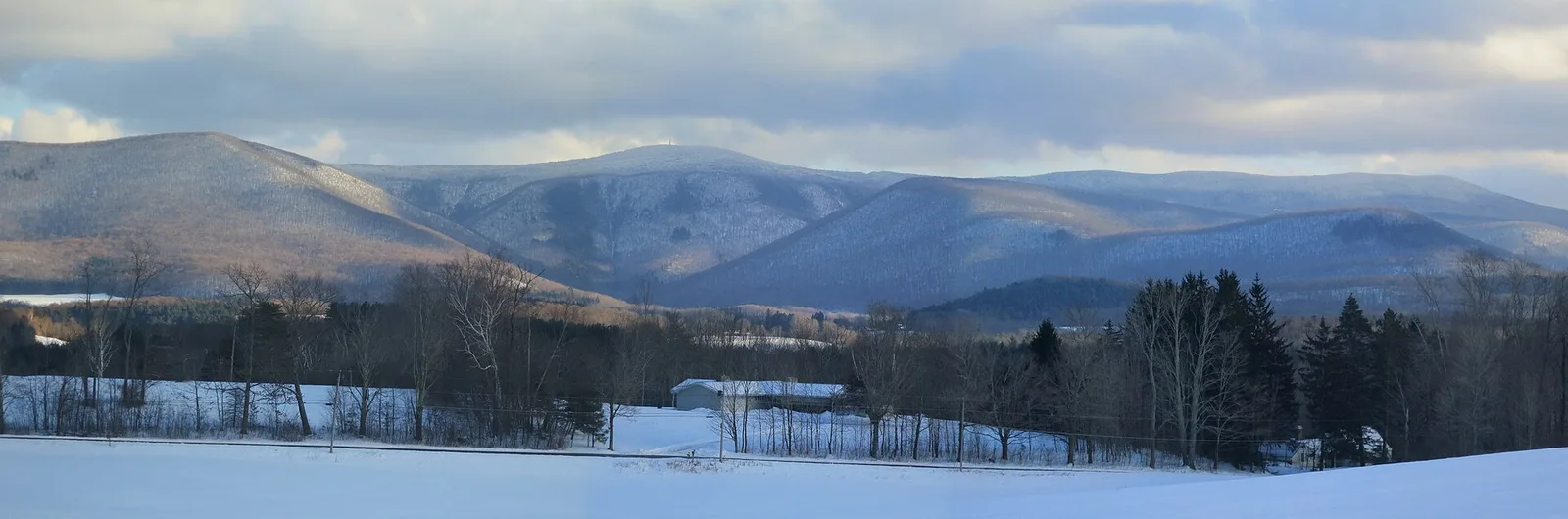
Berkshires in Winter — The Berkshires airbnb marketing
Local Color
Berkshires in Winter
Greylock in December — The Berkshires airbnb marketing
Local Color
Greylock in December
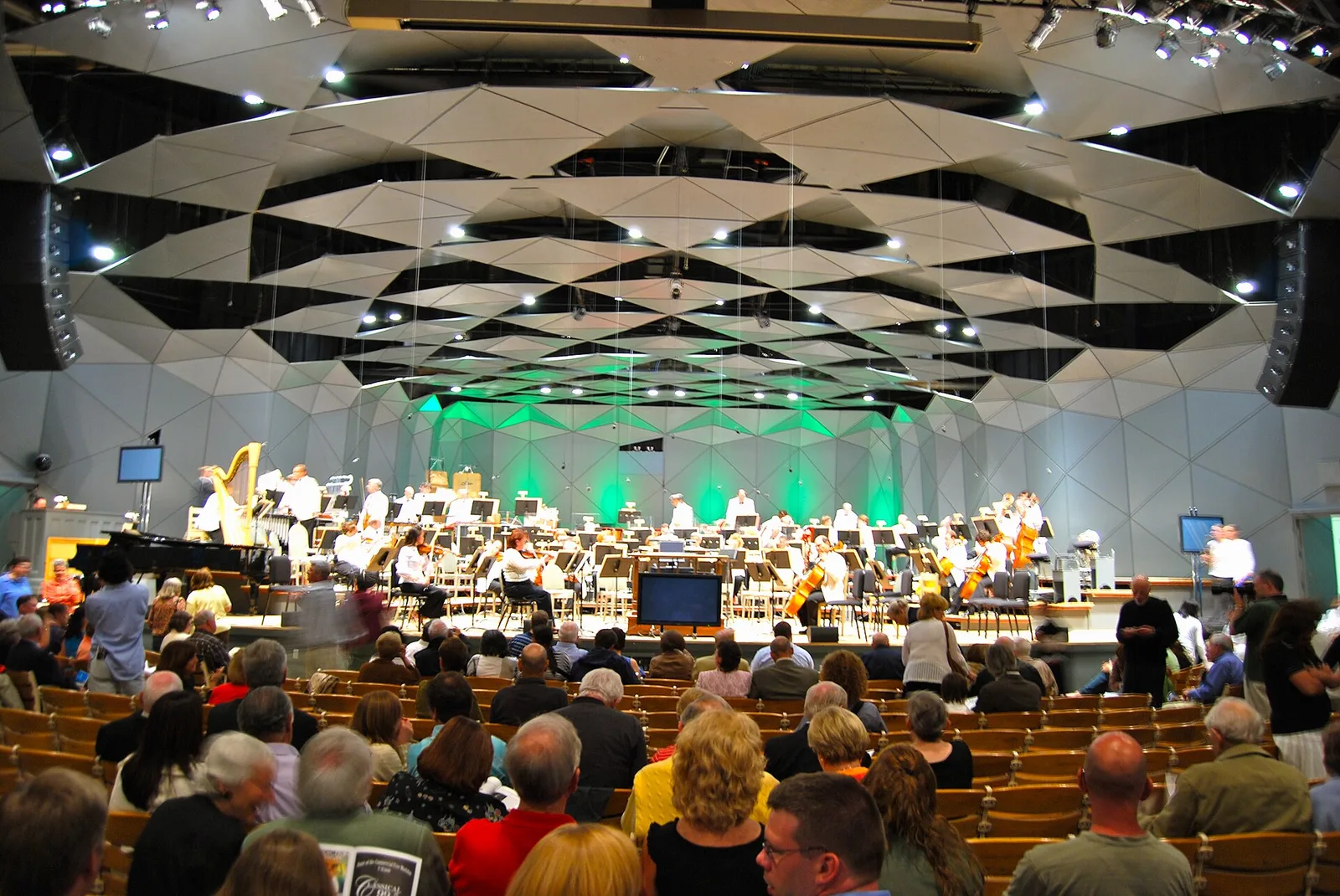
BostonPopsAtTanglewood — The Berkshires airbnb marketing
Local Color
The Berkshires Local Landmark
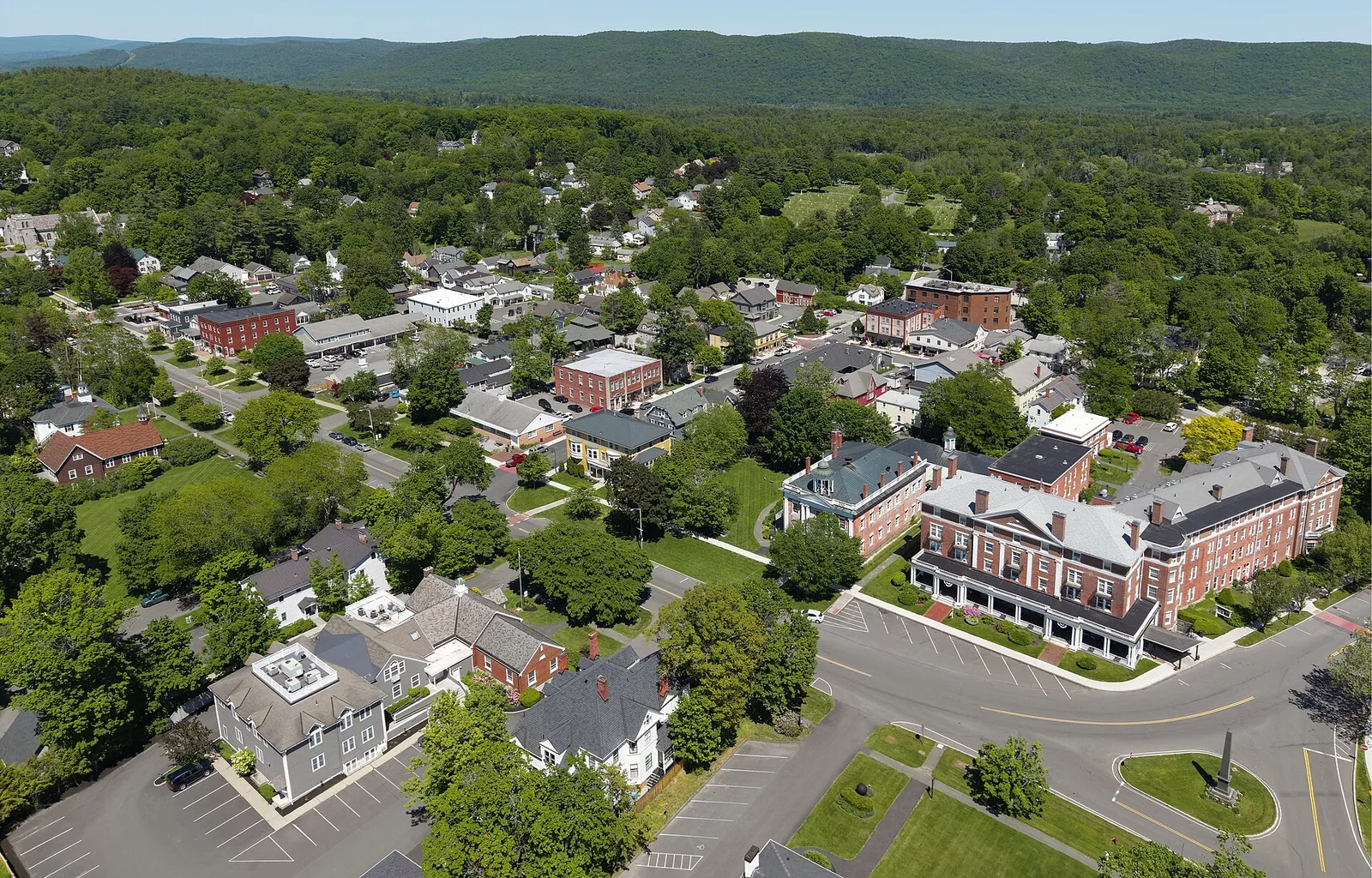
Lenox, Massachusetts — The Berkshires airbnb marketing
Local Color
Lenox, Massachusetts
Why Cavmir

The Cavmir Advantage
in The Berkshires

Cavmir wins in the Berkshires because this market hands you its demand calendar in print and almost nobody prices or plans against it. Tanglewood publishes its season in winter; the foliage weekends are known to the Saturday; and the average listing still runs flat rates and a July-only photo set. We build the program-aware calendar, shoot the porch-and-lawn life the region actually sells plus a real October set, fix the midweek problem with culture packages and month-plus off-season stays that sit outside the excise entirely, and build direct-booking websites for the homes and inns whose guests return every single summer. For the region's inns and small hotels — the natural beneficiaries of every town rule — we run full brand, search and direct-channel work. We help position and market your property. We never manage it or touch your keys.

State of the Industry · History

The The Berkshires STR Market — Past & Present

The Berkshires were literary before they were grand. Herman Melville bought Arrowhead farm outside Pittsfield in 1850 and wrote Moby-Dick looking at Mount Greylock's whale-shaped ridge; Nathaniel Hawthorne worked in a little red cottage by Stockbridge Bowl; and the hills filled with writers before the money arrived. Then it arrived properly: in the Gilded Age, New York and Boston fortunes built some seventy 'Berkshire cottages' — Vanderbilt-scale summer palaces around Lenox and Stockbridge — and the region earned its nickname as the inland Newport. Edith Wharton designed The Mount in 1902 as her declaration of taste; W.E.B. Du Bois was born in Great Barrington in 1868; and in 1886, on Great Barrington's Main Street, William Stanley demonstrated the first practical alternating-current transformer system — briefly making a Berkshire village the birthplace of the modern electric grid.

The twentieth century turned estates into institutions. The Boston Symphony Orchestra began summering at Tanglewood in the 1930s, building the Koussevitzky Music Shed in 1938 and an American ritual — lawn picnics under the stars — around it. Ted Shawn's dance farm in Becket became Jacob's Pillow, the country's longest-running dance festival. Norman Rockwell painted Stockbridge's Main Street from his studio in town, Arlo Guthrie's Thanksgiving misadventure became 'Alice's Restaurant,' and when the Sprague Electric mill complex in North Adams finally closed, it reopened in 1999 as MASS MoCA — one of the largest contemporary art museums in the country. The rental era layered onto this economy of summer people: Massachusetts extended its room occupancy excise to short-term rentals in 2019 with a state registry and insurance requirements, Great Barrington added registration and a 150-day cap on un-hosted rentals in 2022, Lenox adopted a tightened bylaw at a late-2025 town meeting that is still clearing the Attorney General's review — and the region's inns, some operating since stagecoach days, kept doing what they've done for two centuries.

Pricing Strategy & Seasonality

Pricing, Seasonality & When to Capture ROI

Pricing Strategy

Culture sets the map. Lenox and Stockbridge are the ceiling — Tanglewood's gravity prices every bedroom within fifteen minutes of the gates, and July–August Saturdays there are the region's most valuable nights. Great Barrington runs close behind as the south county's restaurant town. West Stockbridge, Alford and Egremont sell quiet-road charm at strong rates, while the north county — Williamstown and North Adams — trades on MASS MoCA, the Clark and Williams College at friendlier prices. Becket, Otis and the hill towns are lake-and-forest cabin country, and Pittsfield anchors the value end with year-round demand. Blended nightly rates land around $340 with annual occupancy in the mid-40s — hill-town listings around $347 a night grossing near $46,000 a year is a representative picture — and the real spread is weekly, not geographic: a program-priced Saturday can earn what a soft midweek loses.

Seasonality & ROI Windows

The peak is scheduled by an orchestra: late June through early September, when Tanglewood, Jacob's Pillow and the theater festivals run, with July's biggest concert weekends the annual summit. October is the second peak — three foliage weekends that price like August. December earns on holiday charm, anchored by Stockbridge's Main Street celebration; ski weekends at Jiminy Peak and Butternut keep winter honest; and April's mud season is the true floor. The structural pattern is weekend concentration — Saturdays sell out while Tuesdays sit — which makes midweek strategy the region's defining marketing problem.

Regulation & Licensing · 2026

What the Law Requires in The Berkshires

Berkshires rules stack state framework first, town bylaws second — manageable, but the town layer is genuinely different from village to village, so map both and confirm with your town hall and attorney. The state layer, in force since July 2019: every short-term rental operator must register with the Department of Revenue and carry at least $1 million in liability coverage (platform coverage can satisfy it), and stays of 31 days or fewer owe the room occupancy excise — 5.7% to the state plus a local option up to 6%, which most Berkshire towns including Lenox have adopted in full, plus a possible community impact fee up to 3% on operators with multiple units in a town (adoption varies; Lenox, notably, had not adopted it as of recent town guidance). Platforms — 'intermediaries' in the statute — collect and remit on their bookings; direct bookings put the filing on you.

The town layer is where the homework lives. Great Barrington requires annual registration (running since 2023) and caps un-hosted rentals at 150 days a year, one registered rental dwelling per owner. Lenox voters adopted an updated short-term-rental general bylaw at a November 2025 town meeting — expect registration and inspection mechanics — but it remained under Attorney General review into 2026, so verify what's actually in force before relying on either the old rules or the new. Stockbridge, Williamstown, North Adams and the hill towns each run their own posture, from registration requirements to essentially nothing. Two structural notes: stays over 31 days sit outside the excise entirely — the month-plus off-season lane is clean — and Massachusetts smoke and carbon-monoxide compliance applies everywhere. The direction of travel across the region is more registration, not less; build compliance into the plan.

Market-Specific Tips & Challenges

Local Tips & Unique Market Challenges

Tips That Actually Move Revenue in The Berkshires

The Berkshires strategic tip: program the year like a subscriber — this is the only market in America whose peak demand is published by a symphony orchestra months in advance. Tanglewood's schedule lands in winter; the foliage weekends are predictable to the Saturday; Solid Sound and the festivals announce early. The owner who builds the rate calendar off the actual program — and holds the line on the big nights — captures what flat-raters give away every July.

Tactically: first, shoot the life, not just the rooms: the porch with coffee, the lawn-picnic spread, the garden at golden hour, plus a real October set — the Berkshires sell a fantasy of unhurried afternoons and most listings show bedspreads. Second, attack midweek deliberately: culture-package copy for retirees and remote workers, Tuesday-to-Friday pricing, and month-plus off-season stays that sit outside the excise and fill the winter cleanly. Third, price the program: Taylor weekends, opening nights, foliage Saturdays and Stockbridge-at-Christmas are known dates. Fourth, build the annual-repeat channel — lawn regulars return for the same weekends every summer, and a direct-booking site with an email list keyed to the BSO announcement converts them from platform guests into yours. Fifth, if you're in Great Barrington's capped lane, treat the 150 days as a budget: spend them on the top-rate calendar — summer Saturdays, foliage, holidays — and fill the remainder with 31-plus-day stays, because the cap limits days, not intelligence.

Unique The Berkshires Challenges

The frictions: weekend-heavy occupancy that leaves midweek soft, a genuine mud-season floor in April, a town rulebook that changes at the village line and keeps evolving — Lenox's bylaw being the current watch item — plus old-house underwriting and Massachusetts' full compliance stack. Entry prices near Tanglewood are second-home-market serious. This region pays owners who plan against the program and punishes flat calendars.

A Curious Berkshires Fact
American literature changed on a Berkshires day hike. On August 5, 1850, a picnic party climbed Monument Mountain near Great Barrington; caught by a thunderstorm, the hikers sheltered under the ledges — and Herman Melville, 31, spent the storm deep in conversation with Nathaniel Hawthorne, 46, whom he'd just met. The friendship that started on that mountain transformed the book Melville was writing: a straightforward whaling yarn grew into Moby-Dick, published the next year with a dedication to Hawthorne. Locals add that Melville liked to see a great white whale in Mount Greylock's snowy winter profile from his study window — meaning the Berkshires can plausibly claim both the inspiration and the dedication of the great American novel, one thunderstorm included.
Finance Essentials — The Berkshires
🛡️

Insurance

Massachusetts sets the floor — $1 million in liability coverage is required for short-term-rental operators statewide — and Berkshires housing stock sets the questions: much of the inventory is a century old, so carriers ask about wiring, heating, roofs and chimneys, and wood stoves need disclosure. Winter-gapped calendars raise frozen-pipe exposure (the classic New England claim), lake properties add waterfront liability, and estate-scale homes near Lenox belong in high-value specialty markets. Proper STR or landlord coverage, not homeowner's policies, and an umbrella above the state minimum is cheap peace of mind. Use a Massachusetts broker who writes the Berkshires specifically.

🧾

Property & Income Tax

Stays of 31 days or fewer owe the Massachusetts room occupancy excise: 5.7% state plus the local option up to 6% — Lenox and most Berkshire towns take the full 6% — plus a community impact fee up to 3% where adopted, generally on operators with multiple units in a town. Platforms collect and remit on their bookings by law; direct bookings are registered and filed by you. Stays of 32-plus days sit outside the excise entirely, which makes the month-long off-season lane unusually clean. Massachusetts then taxes the income at its 5% rate. Confirm your town's local option and impact-fee status with town hall and your accountant — the combination varies village to village.

🏦

Mortgages & Financing

This is second-home country financed accordingly: New York and Boston buyers, jumbo loans at the Lenox-Stockbridge top, conventional second-home and investment lending through the middle. DSCR files work but need honest modeling — lenders should see the weekend-concentrated, program-driven revenue pattern rather than a smooth monthly fiction, and Great Barrington's 150-day cap belongs in any projection for that town. Old-house diligence — inspections, systems, oil tanks — shapes closings more than in newer markets. The strategic note: a property whose town allows clean short-term operation carries a premium worth paying, and a lender who knows which town is which will keep you out of the classic mistake of underwriting Lenox income on a bylaw that just changed.

Future Outlook · 2027 & Beyond

Where The Berkshires is Headed Next

The Berkshires' future is institutional, which is the best kind of stable. Tanglewood added year-round programming with its Linde Center, MASS MoCA and the Clark keep expanding the north county's pull, the seasonal Berkshire Flyer train reconnected Pittsfield to New York, and remote work turned summer people into month-people — deepening exactly the 31-plus-day lane the tax code favors. Regulation will keep formalizing: Lenox's bylaw will settle, more towns will adopt registration, and the state registry is permanent — all of it favoring documented, insured, professionally marketed operators over gray-zone listings. Demand is as durable as the institutions anchoring it. The durable play into 2027 and beyond: a registered, compliant property with program-aware pricing, a real October and December story, a midweek plan and a direct channel full of annual regulars. In a region that schedules its own high season, the owners who read the program win it.

From the Desk of Sofie Sinag

Why We Love Marketing in The Berkshires

The Berkshires are the only market we cover whose peak season is composed, scheduled and published by a symphony orchestra. Tanglewood's program lands in winter and instantly maps the summer's demand — the Taylor weekends, the opening nights, the film-score evenings that sell out the lawn — and yet most local listings run flat rates through all of it. When the demand calendar is literally printed, marketing stops being guesswork and becomes execution: price the program, shoot the picnic, own the repeat guest. We love an assignment where the sheet music is handed out in advance.

We also love the region's density of story. Every township holds something national: the cottage where Moby-Dick was written facing the mountain that inspired it, the Main Street Rockwell painted and the town that still restages it each December, a mill complex reborn as one of the country's great contemporary art museums, the village green where the electric grid was effectively born. Properties here don't need invented charm — they need someone to connect the house to the heritage twenty minutes around it. Doing that connection work — the lawn-picnic photography, the October set, the midweek culture packages, the direct list of families who return every summer like the orchestra does — is the Berkshires assignment, and it's as satisfying as marketing gets in New England.

Why It Matters

A great property in The Berkshires doesn't just want a listing — it wants a point of view, an audience, and a brand the city itself would recognise.

Cavmir's The Berkshires Cheat Sheet

The Picks We Recommend for Your Welcome Book

A few honest, insider picks for the Berkshires — the kind of specifics that make a listing read like a local wrote it, because one did. Real places, no filler.

Morning

Monument Mountain before breakfast

The Great Barrington hike where Melville and Hawthorne famously met in an 1850 thunderstorm — a short, rewarding climb to quartzite ledges over the Housatonic valley. Locals do it before the day fills; guests who take the literary version of the story up with them come down converts.

Golden Hour

Olivia's Overlook above Stockbridge Bowl

The pullout on the Lenox-Richmond ridge with the whole of Stockbridge Bowl below — the lake Tanglewood sits beside — going amber at dusk. It's a two-minute stop that produces the region's definitive photograph, and a listing within twenty minutes should say so.

Neighborhood Walk

Stockbridge Main Street

The street Norman Rockwell painted at Christmas, walkable end to end past the Red Lion's porch — and each early December the town parks the vintage cars and restages the painting in real life. An hour here explains the Berkshires' whole appeal; the museum with the original is minutes away.

Dinner That Photographs

The Red Lion Inn

Operating since 1773 — stagecoach era — with a wraparound porch of rocking chairs, a lobby of clocks and portraits, and dinner rooms that wear their centuries lightly. The porch at dusk is the photograph; tell guests to arrive early for a drink in the rockers whatever their reservation says.

Local Obsession

The Tanglewood lawn picnic

Lawn tickets are the Berkshires ritual: blankets and low chairs, spreads that escalate from sandwiches to candelabra, wine corked at sunset as the Shed lights up. Regulars treat picnic-craft as a competitive art. A listing that explains the lawn — gates, chairs, what to bring — is instantly local.

Shoulder Season Secret

Late September

The program ends, the leaf-peepers haven't arrived, and for two or three weeks the region runs warm days, empty trails and soft rates between its two peaks. Hiking is at its best and dinner reservations are easy. Sell the gap plainly — same hills, fraction of the competition.

Weekend Escape

North Adams and the Mohawk Trail

An hour north: MASS MoCA's vast galleries in the old mill, the Clark's marble pavilion in Williamstown, and the Mohawk Trail's famous hairpin turn with half the county in the view. It's the add-a-day that turns a Tanglewood weekend into a full Berkshires tour — worth a plain paragraph in any south-county listing.

What Guests Ask For

Tanglewood logistics, answered

Every summer inquiry contains the same questions: lawn or Shed, what you're allowed to bring (chairs, blankets, food and wine on the lawn — yes), how early to arrive, and how the Route 183 exit traffic behaves after the applause. Answer all four in the listing, add a cell-service honesty note for the hill towns, and watch inquiries convert.

Local Work · Composite Case Vignettes

What Cavmir Has Done for The Berkshires Properties

A few composite engagements drawn from how Cavmir typically works in this market. The details are illustrative and consistent with the Berkshires, not pulled from a single named client.

Program house · Lenox, near the Tanglewood gates
The Brief

A four-bedroom within ten minutes of Tanglewood ran flat July rates through the season's biggest nights, showed one spring photo set, said nothing about the lawn ritual its location was built for, and sat half-empty every midweek of the summer.

What We Did

Cavmir rebuilt the rate calendar off the published program — Taylor weekends and opening nights priced as the events they are — shot the porch-and-garden life at golden hour with a picnic styled on the lawn, wrote the Tanglewood logistics guide into the listing, and added midweek culture packaging with a direct-booking page for the house's annual regulars.

The Result

Program Saturdays booked out the week the BSO schedule dropped, midweeks firmed on the culture-package positioning, and the house's returning families — the same weekends every summer — moved onto a direct channel that now anchors the season before the platforms see a date.

Capped rental · Great Barrington
The Brief

An owner constrained by the town's 150-day cap on un-hosted rentals spread those days evenly across the year — burning scarce inventory on soft midweeks — and left the property empty all winter, convinced the bylaw had broken the business.

What We Did

Cavmir rebuilt the plan around the cap: the 150 days concentrated deliberately on the top-rate calendar — summer Saturdays, foliage weekends, the holidays — with the rest of the year converted to month-plus furnished stays that sit outside both the cap's logic and the excise, marketed to sabbatical academics, relocating families and winter writers.

The Result

The same 150 days produced a fundamentally stronger year, winter turned from vacancy into quiet monthly income with gentler wear, and the owner ended up with a calmer, compliant operation — proof the cap limits days, not judgment.

North county inn · Williamstown-North Adams corridor
The Brief

A handsome inn between the Clark and MASS MoCA was OTA-dependent and under-storied — a dated website, no email list, and no presence during Solid Sound, college commencement or the foliage weeks that fill the north county on published dates.

What We Did

Cavmir rebuilt the brand and direct-booking website around the inn's art-country position, reshot rooms and the valley views in fall light, ran search marketing for Berkshires and Williamstown inn terms, and built packages keyed to the museums, the festival calendar and commencement.

The Result

Direct bookings grew into a durable share of revenue, published-date weekends sold out on the inn's own site at stronger rates, and the guest list — art travelers and college families who return annually — finally belonged to the innkeepers rather than the platforms.

Market Intelligence · Seasonality

Airbnb seasonality in The Berkshires, month by month

Demand in The Berkshires peaks around July, August and October and runs quietest around January, March and April. Here is how the year actually books — and what to do about each stretch of the calendar.

Peak demandSteadyQuiet

Peak season

Summer is the cultural high season: Tanglewood's lawn fills in Lenox, Jacob's Pillow runs in Becket, the theaters and museums hit full programming, and July and August weekends book solid across the southern Berkshires. October is the second peak, when foliage turns every winding road into the reason people came. Have summer rates and weekend minimums set by early spring, and price October weekends with the confidence they deserve.

The shoulders

June and September are the connoisseur months — programming has started or lingers, the weather cooperates, and weekends run strong while midweek opens up for couples and remote workers. September adds the Josh Billings RunAground and early color in the hill towns. The play is midweek packaging: this is a genuinely good market for the quiet Tuesday guest.

The quiet stretch

November and the early-spring mud season are the honest lulls, and winter in between is moderate — ski weekends at Jiminy Peak and Butternut, holiday weeks, cozy-getaway couples. Lean on fireplace weekends, monthly stays for writers and remote workers, and use the quiet for the projects that protect summer reviews. The Berkshires never fully empties the way beach markets do; it just slows to a local pace.

Dates that fill first

Tanglewood seasonlate June through early September
The Boston Symphony's summer home in Lenox anchors the entire market: concert weekends fill Lenox, Stockbridge and Lee, and devoted regulars return for the same weeks every year. If your house is an easy drive from the grounds, say so in the first line.
Jacob's Pillow Dance FestivalJune through August
America's longest-running international dance festival draws a steady cultural crowd to Becket all summer, spreading demand east of the Tanglewood core. Culture-first guests book on good kitchens and quiet porches.
Josh Billings RunAgroundSeptember
The bike-paddle-run relay from Great Barrington to a Tanglewood finish is a beloved local institution that books team houses across the south county. Group-friendly places with parking win the weekend.
Fall foliage seasonlate September through October
The second peak. Leaf-peepers from New York and Boston chase the color up the Mohawk Trail and through the hill towns, and October weekends sell out well ahead. Hold your rates — the demand shows up every single year.
Market Intelligence · Guests

Who books The Berkshires Airbnbs — and how far ahead

Tanglewood regulars
The market's gold: couples and families who structure summer around the concert calendar and rebook the same weeks for years. They want screened porches, kitchens for picnic prep and a host who never makes them think.
NYC and Boston weekenders
The year-round base, arriving Friday night from both directions. Design-forward farmhouses and collected interiors photograph their way into these bookings; a hot tub closes them.
Leaf-peepers
October's wave, targeting specific weekends and deciding fast once the color reports turn. Short stays, strong willingness to pay, zero patience for tired listings.
Wedding guests and celebration groups
Barn venues and inns keep summer and fall Saturdays full of wedding parties needing houses that sleep a crowd. They book around fixed dates and value beds, bathrooms and proximity over style points.
Winter cozy-seekers and ski families
Moderate but dependable: Jiminy Peak and Butternut weekends, holiday weeks, fireplace couples. A wood-burning fireplace that actually works is the whole pitch.

The booking window

Tanglewood loyalists book when the season's program is announced in late winter, and the best July and August weekends go from there. October foliage weekends fill by late summer. Winter and shoulder weekends move inside a few weeks, so the calendar needs early-season polish and late-window price flexibility at the same time.

Typical stays

Weekends rule — two and three nights, stretched to four around holidays — with Tanglewood regulars and August families booking full weeks. Midweek fills best in July, August and October, and there's a quiet long-stay market of writers, academics and remote workers in the off months.

Where guests drive from

New York CityBostonHartfordAlbanySpringfieldNew Haven

Where guests fly from

New YorkWashingtonChicago
The Berkshires sit almost exactly between New York and Boston, and that geography is the business: two enormous drive markets treating these hills as a shared backyard. Fly-in guests are few and land at Hartford's Bradley or Albany. Split your ad spend between the two metros and let the cultural calendar write your copy.
Market Intelligence · What Wins

The Airbnb that wins in The Berkshires

The winner is a character house — a renovated farmhouse, a barn conversion, something with bones — on a bit of land within striking distance of Lenox, Stockbridge or Great Barrington, or up north near Williamstown and the MASS MoCA orbit for the museum crowd. Interiors matter unusually much here: this guest reads shelter magazines, and listings that look collected rather than furnished win the premium weekends. Central air in an old house is a quiet superpower in July.

Amenities that move bookings here

central air conditioningchef-grade kitchenwood-burning fireplacehot tubfast wifiwasher and dryerpet friendlyev charger
If your house predates air conditioning, adding real cooling is the highest-leverage upgrade in this market — July culture crowds filter for it, and old-house charm stops charming around the second humid night.
Straight Answers

The Berkshires Airbnb marketing questions, answered

How do I market my Airbnb in The Berkshires?

Lead with character and place: this guest is choosing between houses with stories, so photography should read like a magazine feature and the copy should name what's nearby — minutes to Tanglewood, the walk to dinner in Great Barrington, the trailhead up the road. Price the cultural calendar deliberately: concert weekends, foliage Saturdays and Josh Billings weekend each deserve their own rates. A Google Business Profile captures searches for the towns themselves, and a direct-booking site turns Tanglewood regulars into guests you keep for years. That's the stack Cavmir builds for Berkshire hosts — in a repeat-visitor market, the direct relationship is the asset.

When is peak season for Berkshires Airbnbs?

July and August, when Tanglewood and the festival calendar run at full strength, with October foliage as a genuine second peak. June and September are strong shoulders with the best weather-to-crowd tradeoff, and winter is moderate — ski weekends and holiday weeks — before the mud-season lull of early spring.

How far in advance do guests book Berkshires Airbnbs?

The devoted book earliest: Tanglewood regulars commit once the summer program is announced in late winter, and the marquee July and August weekends fill from there. October weekends go by late summer. Outside those windows the market moves close-in, with city weekenders often deciding the same week they travel. Keep summer dialed early and stay nimble everywhere else.

Where do most Berkshires Airbnb guests come from?

New York and Boston, in roughly equal force, with Hartford, Albany and the rest of southern New England filling in — this is a drive market defined by sitting between two major metros. The small fly-in segment lands at Bradley or Albany. Advertising split between New York and Boston, timed to the Tanglewood announcement and the foliage forecast, is the efficient play.

What amenities matter most for a Berkshires Airbnb?

Central air conditioning quietly decides July, because many classic houses here still lack it. Beyond that: a kitchen that can host a dinner party, a wood-burning fireplace for the other three seasons, a hot tub for the weekend crowd, and wifi solid enough for the remote workers extending their stays. Style is a functional amenity in this market — the collected, characterful look is what earns the premium.

Ready to Grow in The Berkshires?

Let's Put Your The Berkshires
Property on the Map

Talk to Cavmir today. We'll show you exactly what your The Berkshires property is leaving on the table — and how fast we can change that.

Book a Free Strategy Call