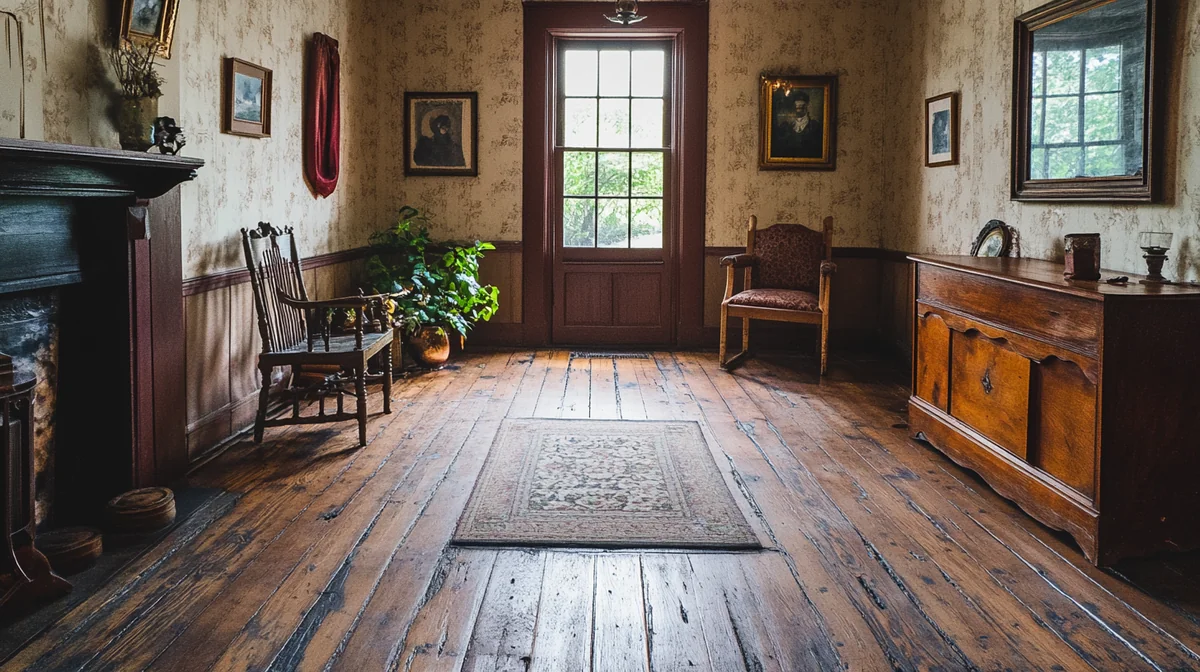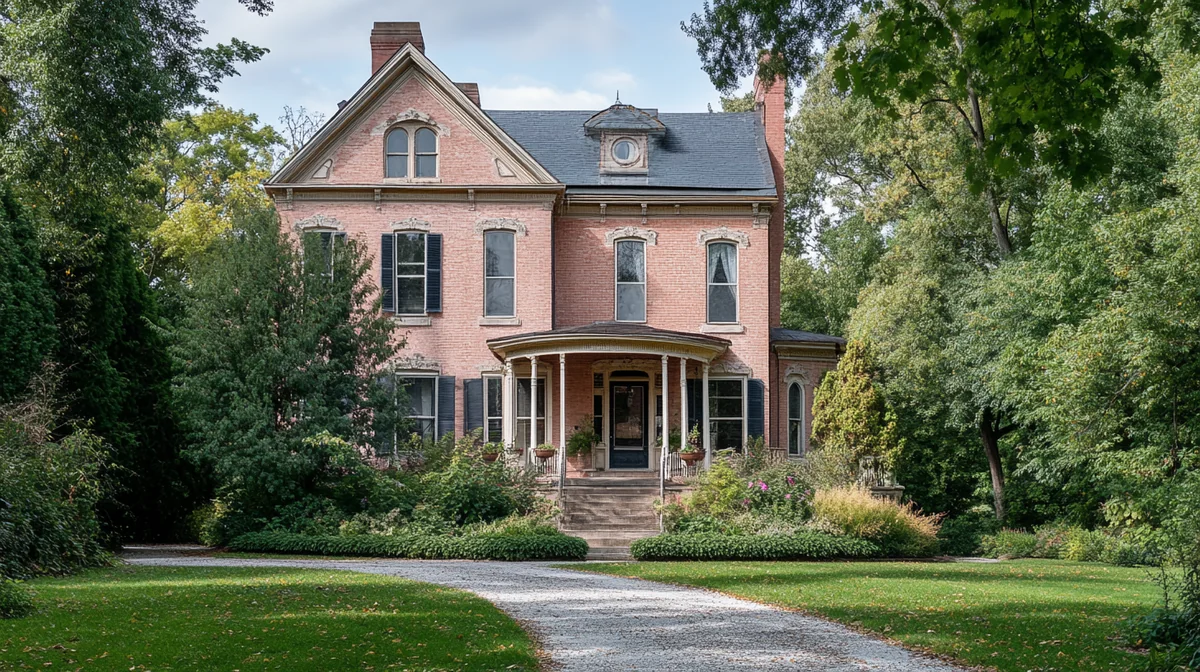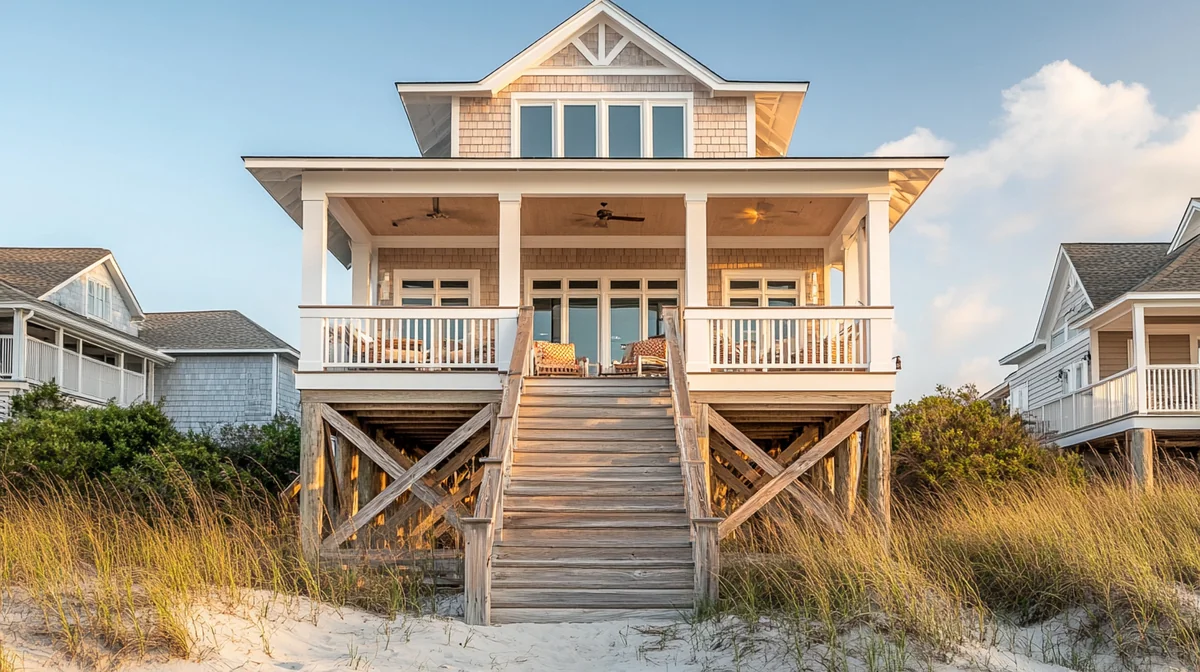
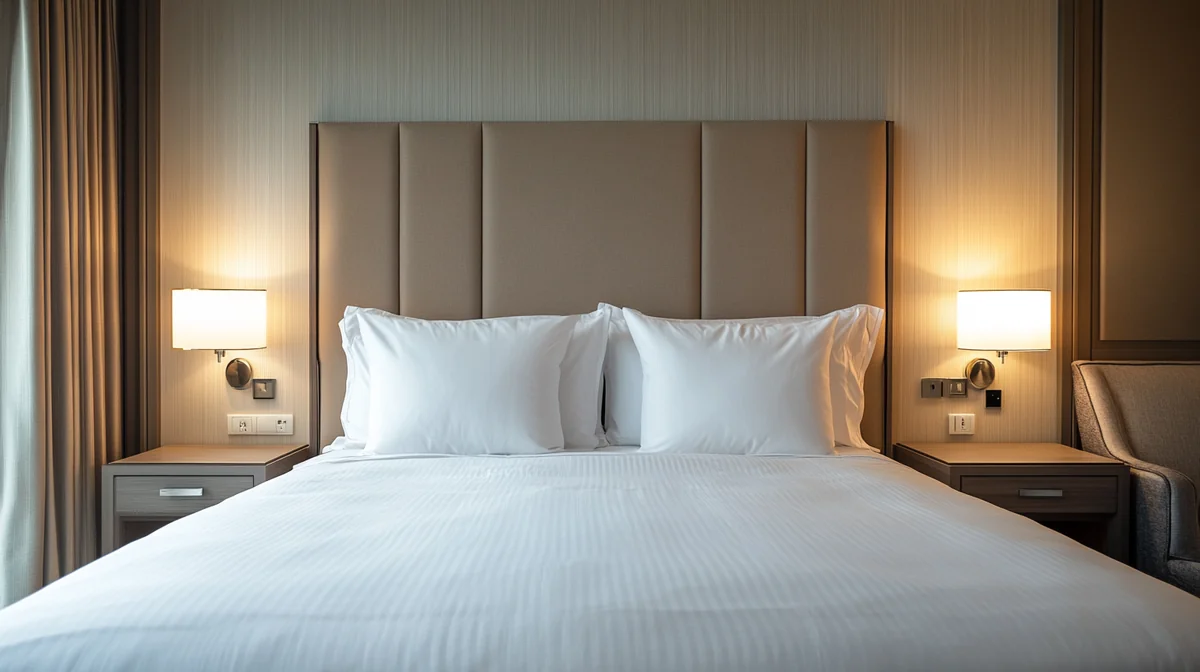


A boutique hotel is neither a chain hotel nor an Airbnb — and its marketing has to earn its own category. In 2026, the boutique hotels that thrive are the ones that treat themselves as consumer brands first and accommodation providers second. The property's rooms, service, and food are table stakes; the brand is what fills them.
Cavmir works with boutique hotels from 8-room design properties in Lisbon to 40-room heritage hotels in Cape Town. The consistent thread: properties that invest in brand identity, editorial-quality content, direct-booking infrastructure, and social-first distribution outperform properties with similar rooms and higher marketing budgets dumped into OTA commissions and paid ads.
How Boutique Hotel Marketing Is Different From Both Chains and Airbnbs
Boutique hotels face a specific strategic problem: they can't out-loyalty-program the Marriott, and they can't out-authenticity the well-designed Airbnb. Their advantage is a very specific kind of branded experience — consistent service, design intentionality, a curated F&B program, and a named identity — that neither alternative can match. The marketing has to communicate that advantage clearly and repeatedly.
Practically, boutique hotel marketing in 2026 leans heavily on three things standard hotels underinvest in: editorial-quality photography and content, direct-booking economics, and named F&B programs. The website should feel like a magazine spread, not a booking engine. The direct-booking rate should be 25%+ of total revenue within two years of a proper brand investment. And the restaurant or bar should have its own Instagram presence that attracts non-guest diners, seeding awareness for the rooms.
The hotels winning in 2026 also understand that every guest stay is a brand content opportunity. They invest in small in-room moments — a handwritten welcome note, a branded robe, curated mini-bar — that guests photograph and share. Over 18 months, this guest-generated content becomes a larger marketing asset than any paid campaign.
Best Marketing ROI for Boutique Hotels in 2026
The single highest-ROI investment for a boutique hotel in 2026 is a properly built direct-booking infrastructure: a website that converts, an email list that nurtures past guests, a loyalty program (even a simple one), and the operational systems to deliver on direct bookings as well as or better than OTA bookings. Every 1% shift from OTA to direct booking adds 15–20% in net revenue — the OTA commission savings drop straight to the bottom line.
After direct booking, the next highest ROI is investment in F&B brand separate from the hotel brand. A named restaurant or bar with its own Instagram, its own reviews, and its own pull attracts local customers, tourism traffic, and press coverage. Many boutique hotels now generate 30–45% of revenue from F&B operations, not rooms — and the F&B presence sells the rooms.
Editorial press and influencer placements matter more for boutique hotels than almost any other property type. A feature in Condé Nast Traveler, Monocle, or Conde Nast Traveler's Hot List drives direct bookings for 12–36 months. Work with a hospitality PR firm or hire an in-house director of communications once revenue supports it — the ROI is usually dramatic.
Who Books Boutique Hotels in 2026
Boutique hotel guests skew older, more affluent, and more design-conscious than general STR guests. The four primary segments each justify the premium over a chain hotel for different reasons.
Design-conscious couples (32–55 age range) book boutique hotels for anniversaries, milestone trips, and romantic escapes. They care about the specific aesthetic, the restaurant, and the concierge knowledge. They're less price-sensitive and more likely to write detailed reviews. This is your highest-value segment and should drive your photography and positioning.
Business and leisure hybrid travelers (35–60) book boutique hotels for work trips they want to enjoy. They care about strong WiFi, workspace, and being near professional districts, but they also want the experience side: dinner at the hotel restaurant, a local concierge recommendation, a proper pour of an evening cocktail. In 2026, this bleisure segment has become the steadiest boutique hotel revenue source.
Small group and event bookings (corporate offsites, wedding blocks, creative retreats) drive high-value multi-room bookings. A 10-room buyout at premium rates for a corporate retreat can equal a week of individual bookings. Building relationships with event planners, corporate travel managers, and wedding planners is a slow-burn high-ROI marketing channel.
Press and influencer stays (comp'd or discounted, 25–45) are a deliberate marketing investment, not guest revenue. A curated 5–10 stays per year with the right creators and writers generates more brand value than the equivalent in paid media. Select thoughtfully — follower count matters less than audience quality.
Seasonality & The Bleisure Advantage
Boutique hotels have more consistent year-round performance than vacation-focused STRs because the business-travel component fills weekdays that vacation rentals leave empty. Depending on location, annual occupancy at a well-marketed boutique hotel should land in the 65–80% range — higher than most comparable short-term rentals in the same city.
The shoulder-season strategy that works in 2026: weekday bleisure packages (business traveler pricing with a weekend add-on for personal), local staycation campaigns (marketed to nearby metros within 2-hour drive), and creative retreats (workshops, writing residencies, design masterminds hosted at the hotel to fill Mon–Thu midweek shoulders). These fill the weeknight gaps standard OTA demand doesn't.
Peak season at boutique hotels has its own challenges — overflow demand means you can raise rates aggressively but must maintain service standards. The one thing that kills boutique hotel ratings in peak is service slippage: rushed check-in, missed amenity restocks, slow restaurant service. Protect the service experience even at the expense of accepting fewer bookings.
Boutique Hotel Margins in 2026
Boutique hotel margins vary enormously based on F&B integration, staffing model, and location. A well-run 15–25 room property in 2026 typically sees: 70–75% gross rooms margin, 25–45% F&B margin (highly dependent on food costs and labor), 18–28% GOP (Gross Operating Profit) margin, and 8–15% NOP (Net Operating Profit) margin after all costs including management fees.
Margin drivers to watch in 2026: labor costs (up significantly in most markets post-pandemic), energy (especially in heating/cooling-heavy climates), OTA commissions (which can reach 20–30% of rooms revenue if not actively shifted to direct), and capital expenditure for room refreshes (boutique hotels need full soft refurbishment every 5–7 years to stay competitive).
The margin difference between a properly-marketed boutique hotel and a poorly-marketed one is stark. A 15–20 percentage point difference in GOP is typical — almost entirely attributable to direct-booking rate, ADR achievement, and F&B conversion of room guests.
Top Global Markets for Boutique Hotels
The top boutique hotel markets globally in 2026 share a pattern: strong design-traveler culture, robust tourism infrastructure, and enough cultural or natural draw to sustain year-round demand. These are the markets where boutique hotel investments tend to find their audience reliably.
- Tulum, Mexico
- Lisbon, Portugal
- Oaxaca, Mexico
- Marrakech, Morocco
- Lake Como, Italy
- Kyoto, Japan
- Cape Town, South Africa
How Cavmir Works With Boutique Hotels
Cavmir markets boutique hotels through brand-first positioning. Our 12-step process for boutique hotels emphasizes: editorial photography and video (not just room shots — environmental, food, staff, detail), a direct-booking website that converts like a luxury e-commerce site, an email marketing program nurturing past guests toward repeat visits, F&B brand development separate from the hotel brand, targeted press and influencer campaigns, and social content that shows the property lived-in rather than staged.
Boutique hotel engagements are typically longer than single-property STR engagements — 6–12 month initial investments with ongoing content retainers. Results are slower to show but more durable: direct-booking rates shift from 5–15% to 30%+ over 18 months, ADR typically lifts 15–30%, and press/social presence compounds into a long-term brand moat.
What It Takes to Hit 4.9+ Ratings on Boutique Hotels
Boutique hotel ratings hinge on consistency — a chain hotel can survive a 3.5 rating through loyalty program volume; a boutique hotel cannot. The five things that drive 4.9+ ratings:
- Personal recognition at check-in. The front desk or concierge addressing guests by name, remembering returning guests, knowing about the occasion of the stay. This requires a disciplined PMS note-taking system and a small enough staff to actually retain this information.
- Immaculate room consistency. Every room, every turn, every amenity stocked exactly as the standard. The tolerance for variance is much lower than in chain hotels. A single detail missed — a missing robe, a half-empty bath amenity, a loose door handle — ends up in reviews.
- F&B standards that match the room standards. A beautiful boutique hotel with a mediocre breakfast is an immediate 0.5-star deduction. The restaurant and bar must be calibrated to the same quality bar as the room experience.
- Concierge knowledge that exceeds digital alternatives. Guests can Google restaurant recommendations. They stay at your hotel for the curated, honest, personal-connection recommendation you give them. Invest in staff training and cultivated relationships with local operators — this is what digital can't replicate.
- Response to issues with grace and speed. Something will go wrong in a 20-room hotel every week. The 4.9-star hotels handle issues with acknowledgement, solution, and small gesture of apology — all within the same day. The 4.3-star hotels get defensive or slow.
The shot list for a boutique hotel
A boutique hotel's photography has to do two jobs at once: sell the brand to a guest scrolling on a phone, and sell each room type to a guest comparing rates. Most independent hotels shoot only the first, a moody lobby and a pool at dusk, and leave the room categories to a single generic frame. The shot list we brief covers both.
- The arrival: the entrance, the sign and the front desk or the host who greets guests.
- Each room category from the doorway, bed made tight, with the bathroom and the view shot separately for each.
- The best suite as a sequence: living space, bed, bath, terrace.
- The restaurant and bar in service, one dish plated, one drink poured, staff in frame.
- The pool, the rooftop or the garden at golden hour, with people in it where releases allow.
- Breakfast, because it decides more reviews than the lobby.
- The neighbourhood from the hotel: the street, the square, the beach two blocks away.
- The details the brand is built on: the tile, the local art, the linen, the key.
- Meeting or event space set for a small wedding or a dinner, if the hotel takes them.
Shoot for the channels separately. The platforms want bright, literal room photos in a fixed order; your own site and social want the editorial frames. One shoot, two edits. Our photography direction and brand work run together for hotels so the two sets look like the same property.
Writing the listing for a boutique hotel
On the platforms an independent hotel competes with chains that have a name guests already trust, so the title has to carry the name and the reason in one line: "Hotel Marlowe, 22-room design hotel in the historic district, rooftop pool." The room-type titles are the product names: "Courtyard King," "Garden Suite with terrace," each with the bed, the size and the view spelled out.
The description leads with what a chain cannot say: who runs the hotel, what the building was, what the restaurant cooks, what the neighbourhood is like at night. Then the practical layer a hotel guest expects: check-in and check-out times, parking and its cost, breakfast hours and price, whether the pool is heated, the elevator, accessibility. Independence is the point, so write like a person, not like a brand manual.
Tag every amenity a filter can find, room by room: air conditioning, a work desk, a safe, a minibar, blackout curtains, a bath versus a shower, a balcony, connecting rooms. On the property level: the restaurant, the bar, the gym, the pool, room service hours, airport transfers, pet policy. Boutique hotels lose bookings on missing tags more than on price. We rewrite the whole set across every channel in the listing optimization service and keep the rates and copy in parity.
Where a direct-booking site earns its keep for a boutique hotel
For a hotel the direct channel is the business model. Every booking that comes through a platform pays a commission on a room the hotel would have sold anyway to a guest who searched its name, and a rate that is worse on the hotel's own site than on the platforms trains guests to book elsewhere. The site has to make booking a specific room on specific dates as fast as the platforms do, and the rate has to be as good or better. Model the difference in the direct-booking calculator.
The pages that carry a hotel site: one page per room category with its own gallery and rate; the restaurant and bar with the menu; the neighbourhood, written for the searches guests type about the district; events and small weddings if you host them; offers with a reason, the third night, the winter rate, breakfast included; and a plain policies page. The Google Business Profile for a hotel is a booking surface in its own right, and search work around the hotel's name and the district protects the direct share.
Beyond Airbnb, a boutique hotel belongs on Booking.com and Expedia for reach, on Google Hotel Ads for the guest searching the name, and on the design-hotel collections where the brand fits. Press and influencer stays, run in the influencer marketing service, work for hotels because a night in a distinctive room is a story a creator wants to tell. Email to past guests, with a real reason to return, is the cheapest occupancy the hotel will ever buy.
Frequently Asked Questions
What owners, operators, and prospective buyers ask us about this property type — answered with 2026 data.
Can a boutique hotel compete with well-branded Airbnb properties in 2026?
Yes — but not by imitating them. The boutique hotel advantage is service, consistency, and F&B integration, which no Airbnb can match. Properties that lean into those differences (anticipatory service, curated in-room amenities, restaurant and bar as destination) outperform Airbnbs. Properties that try to match Airbnb 'home-like' positioning usually fail — they end up less than both.
What's the ideal size for a boutique hotel in 2026?
The sweet spot is 15–35 rooms. Smaller than 15 struggles to justify the fixed costs of a meaningful staff (front desk, housekeeping manager, F&B team). Larger than 35 starts losing the personal-service advantage that defines boutique. Properties in the 15–35 range can deliver genuinely personal service at a price point that makes financial sense.
How much should a boutique hotel spend on marketing?
Budget 8–15% of gross rooms revenue on marketing in 2026, with a shift from OTA commissions toward direct-booking investment (website, email, content, PR, social) as the brand matures. New boutique hotels often spend 18–25% in year 1–2 to establish brand, then decrease as organic demand builds. The key metric: direct-booking percentage over time. If it's rising, marketing is working.
What's the right balance between OTAs and direct booking for a boutique hotel?
Target 30–40% direct bookings within 24 months of proper marketing investment. OTAs remain valuable for guest acquisition and gap-filling, but they shouldn't exceed 60–70% of rooms revenue. Boutique hotels over-dependent on OTAs give up 15–25% of revenue to commissions and lose direct relationships with guests. The path from 10% direct to 40% direct is typically the highest-ROI marketing journey a hotel can make.
Do boutique hotels still need a loyalty program in 2026?
Yes, though it looks different from a chain loyalty program. A simple 'return-guest' structure — 10% off next stay booked direct, a complimentary upgrade on second visit, a personalized welcome on return — drives meaningful repeat visitation. Sophisticated boutique hotels in 2026 use loyalty CRM systems (Revinate, Cendyn) to personalize at scale. But the core isn't technology; it's the hospitable gesture behind it.
How important is the restaurant for a boutique hotel's success?
Critical, in most 2026 markets. A hotel restaurant that attracts locals — through Instagram presence, press coverage, or a chef with independent name recognition — makes the rooms easier to sell. Guests choose hotels partly based on where they'll have breakfast and dinner. A mediocre in-hotel restaurant actively hurts bookings; an excellent one drives them. If you can't run the restaurant at a high standard, consider partnering with an independent operator who can.
What PMS and tech stack should a boutique hotel use in 2026?
A proper hospitality PMS (Mews, Cloudbeds, Little Hotelier for smaller properties) paired with a channel manager, direct-booking engine, CRM (Revinate or similar), and revenue management system. Budget $400–$1,500/month on tech stack depending on size. Skipping the tech investment is one of the most common boutique hotel mistakes in 2026 — manual operations don't scale and lose revenue to double-bookings and rate errors.
How do I get press coverage for my boutique hotel?
Hire a hospitality-focused PR firm ($3,000–$8,000/month for 6–12 month campaigns) if budget allows. If DIY: build relationships with 10–15 travel journalists over 12 months by offering comped stays with a clear story angle ('off-the-beaten-path Lisbon,' 'a chef's boutique hotel in Oaxaca'). Never pitch generic 'come stay at our hotel' — always lead with a specific, timely story that matches the publication's voice.
What social media strategy works for boutique hotels in 2026?
Instagram-first with Reels, supplemented by TikTok if the property has a playful brand. Focus on environmental content (property, food, surroundings, details) rather than explicit promotion. Feature guests occasionally (with permission), staff sometimes (humanizes the brand), and local neighborhood content to show embeddedness. Post consistency matters more than volume — 3 high-quality posts per week beats 10 average ones.
What's the biggest mistake independent boutique hotels make with marketing in 2026?
Relying primarily on OTAs and neglecting brand investment. OTAs deliver immediate bookings but don't build brand equity, email lists, or direct relationships. Hotels that coast on OTA traffic feel fine financially for 2–3 years, then find themselves at the mercy of algorithm changes or commission hikes. The hotels investing in brand, direct bookings, and PR in 2026 are the ones that will still be thriving in 2030.
Should a boutique hotel list on Airbnb at all?
Usually yes, as one channel among several. Airbnb reaches a leisure guest who may never search hotel sites, and a hotel's rooms list well there when each category has its own photos and copy. It should never be the only channel, and the rate there should never beat the hotel's own site.
How many room photos does each category need?
Enough that a guest can tell the categories apart without reading: the room from the doorway, the bed, the bathroom, the view or terrace, and one detail. Four or five per category, shot in the same light so the set reads as one hotel.
Why does rate parity matter so much for an independent hotel?
A guest who finds a lower rate on a platform than on the hotel's site assumes the hotel is hiding something and books through the platform, and the hotel pays a commission on a guest it had already won. Keep the direct rate equal or better and say so on the site.
What is the first thing Cavmir would fix on most boutique hotel listings?
The room categories. Most independent hotels list one generic room photo and a paragraph about the lobby, so guests cannot see what they are booking and choose a chain that shows them. A room-by-room photo set and titles that name the bed, the size and the view usually move bookings before anything else does.