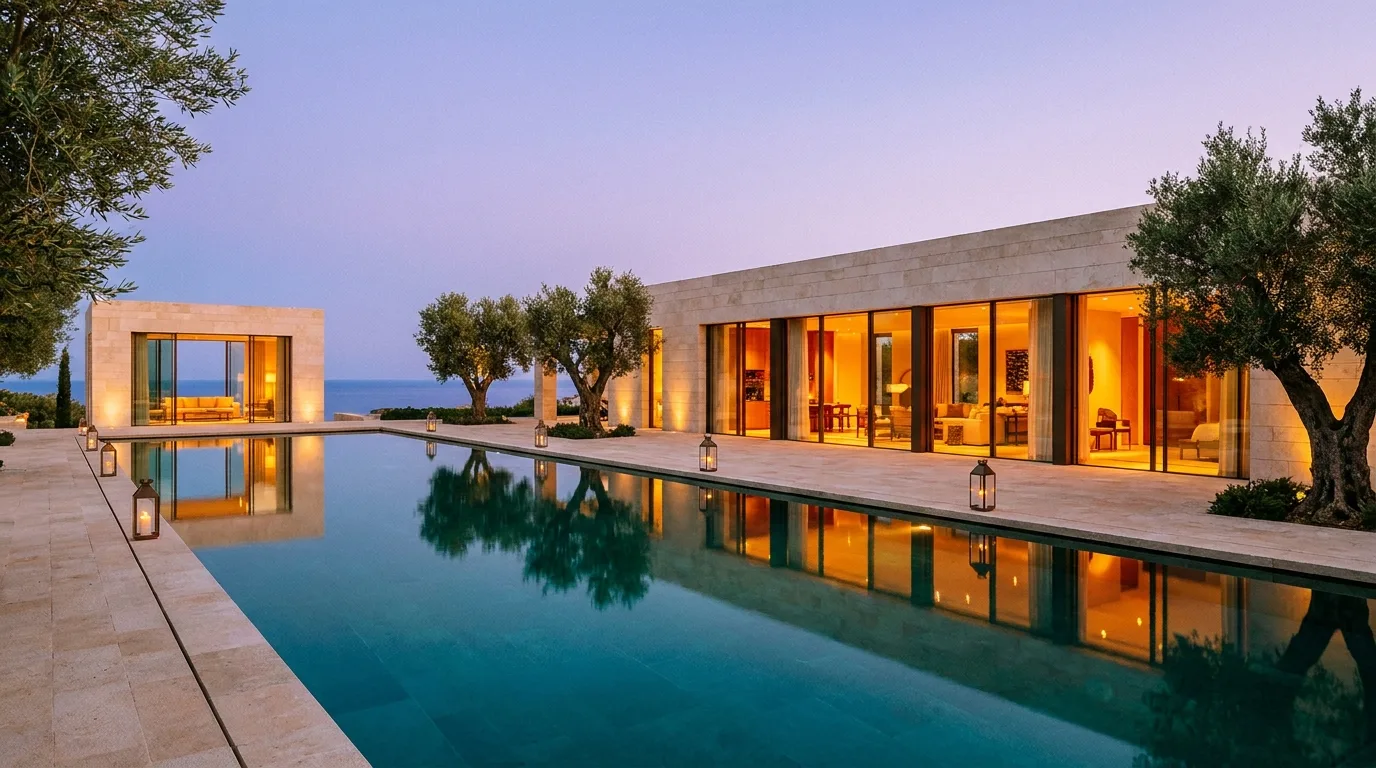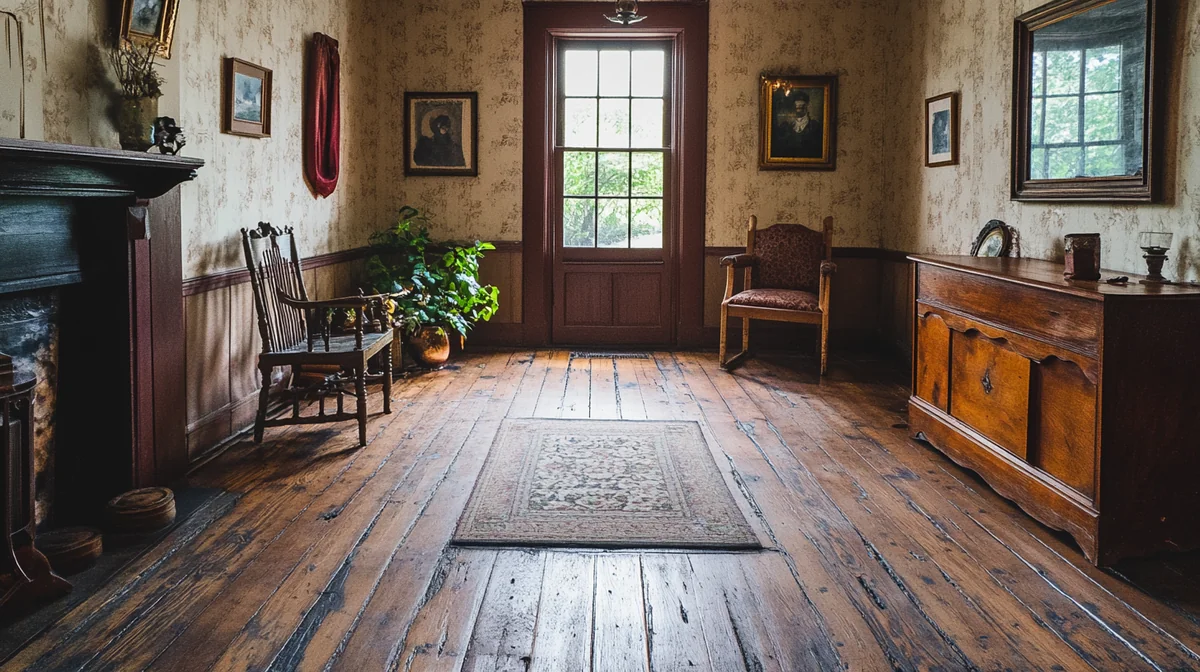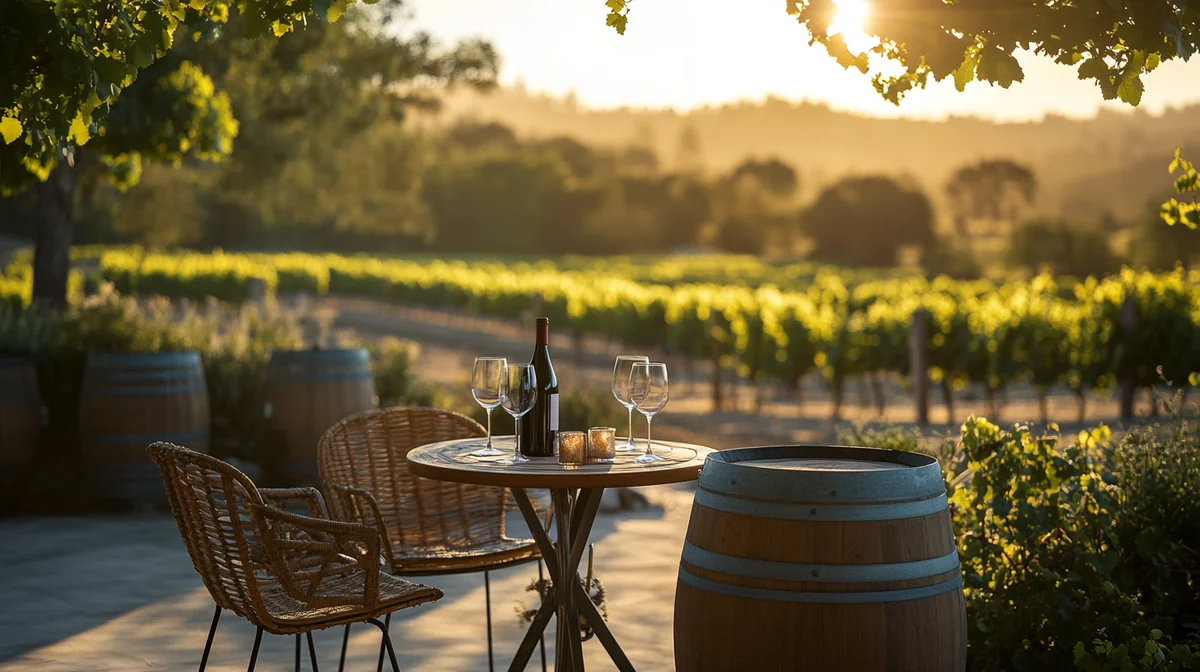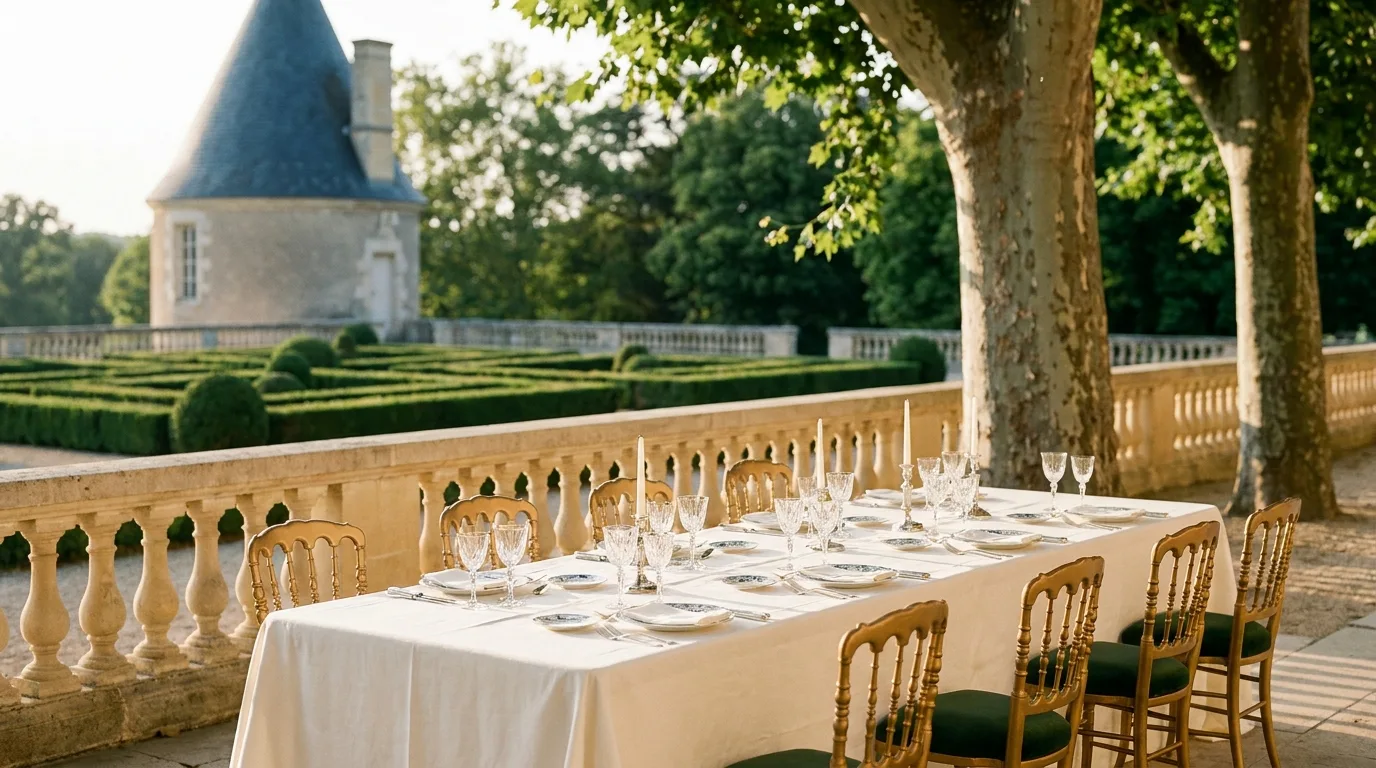


A castle or a château is booked by the group, not the guest. A family taking the whole house for a reunion, a couple and their planner hiring it for a wedding week, a company bringing its leadership team, a production renting the setting. Published weekly rates in France run from about €3,000 for a family château to €20,000 and more for a staffed estate, and the large exclusive-use castles in Scotland start around £5,000 a night. At those numbers the buyer wants to see everything before they commit, and they usually want to talk to a person.
Cavmir markets castles, châteaux, palazzos and manor estates that are rented whole. The work is different from a villa: the story of the house matters, the grounds and the rooms have to be shown one by one, the staffing and the inclusions have to be spelled out, and the booking usually arrives through a planner, an advisor or an assistant rather than a platform checkout.
How castle and château marketing is different
A castle has a history, and the history is the brand. Guests who hire one want to know who built it, who lived there, what has been restored and what is original. That story goes at the top of the website and the listing, in plain language, with the dates you can document. Invented legends do more harm than good at this level: the guest who books a château often knows the region and reads the history books.
The second difference is scale. A château with twelve bedrooms, a chapel, an orangery, a walled garden and a pool is a dozen products in one, and the buyer wants to see each of them. Most castle listings show the facade and two bedrooms. The ones that book show every bedroom, every bathroom, the kitchens, the dining rooms at different times of day, the grounds from above and the approach from the gate.
The third difference is who books. Weddings and reunions are planned by someone acting for the group. Corporate retreats are booked by an executive assistant or an events agency. Film and photo productions come through location agencies. Each of those buyers has a checklist, and the marketing has to answer it before they ask: sleeping capacity by room, catering and staff arrangements, event permissions, noise and curfew rules, parking, and the nearest airports and stations.
Where marketing money goes furthest for a castle
The single asset that does the most work is a complete photo and film set of the whole estate. A castle that has only been photographed for a wedding blog looks like a venue. A castle photographed as a home, room by room and season by season, reads as a place to stay, and it earns the holiday weeks as well as the event weekends. Shoot the grounds in spring and summer, the interiors lit for winter, and the approach and the exterior at dusk.
The second investment is the direct-booking website with a proper enquiry process. Castles are rarely booked through a platform's instant checkout. The site has to work as a sales document: rooms, capacity, staff, inclusions, event terms, sample menus, floor plans, and an enquiry form that reaches a named person quickly. Listings on the castle and estate collections, the villa collections and Airbnb still matter for discovery, but the conversation moves to email and the phone.
The third is distribution to the people who book castles for a living: wedding planners, luxury travel advisors, incentive and events agencies, and location agencies. A short, well-designed information pack, a familiarization visit for a handful of planners, and a press placement in the titles they read do more than a paid social campaign aimed at the public.
Who hires a castle
Weddings and celebrations. The largest segment for most castles. The couple's planner books the house for three to seven nights, needs exclusive use, clear event permissions and a list of approved caterers and suppliers, and asks the same questions every time. The castle that answers them on the website gets shortlisted.
Multi-generational family reunions. Ten to thirty people for a week, often across three generations, usually organized by one family member or a travel advisor. They care about bedrooms that suit grandparents and small children, a kitchen and staff that can feed the group, and things to do on the estate for every age.
Corporate retreats and leadership offsites. Booked by an assistant or an agency, with a fixed budget, a need for meeting space, reliable internet and privacy, and a decision made quickly once the venue passes the checklist. They come back if the first stay works.
Productions. Film, television, fashion and advertising shoots hire castles as locations, sometimes for weeks, through location agencies. They pay well for flexibility and access, and a listing with a location agency is a separate distribution channel worth having.
Castle and château seasonality
Holiday lets follow the summer: May to September in France, Italy and Ireland, with July and August the fullest. Weddings cluster from late spring to early autumn. Christmas and New Year are a strong second peak for exclusive-use hire, especially in Scotland and Ireland, where a castle at Christmas is a product in its own right.
The quiet months are the opportunity. Corporate retreats book in the shoulder, productions shoot year-round, and a castle with good heating and a fireplace in every room can sell autumn and winter weekends for smaller groups. The marketing for the off-season is a different set of pages and photos: the house lit for winter, the menus for a long weekend, the walks and the shooting or fishing nearby.
The calendar also has to be managed against the owner's own use and the maintenance the building needs. Many castles close for a few weeks a year for works, and the site should say so rather than showing a calendar that looks closed for no reason.
The economics of renting a castle whole
A castle earns in weeks and weekends, not nights. The published weekly rates for French châteaux range from a few thousand euros for a family house to €20,000 and more for a fully staffed estate, and the largest Scottish castles publish exclusive-use rates from around £5,000 a night, with dinner and activities quoted on top. Events carry their own fees and deposits. Cleaning, security deposits, local taxes, catering, staffing and event permits are usually charged separately, and a clear list of what is included is part of the marketing.
The costs are the building. Heating, insurance, roof and stone repairs, gardens and the staff to run the house for a group are the lines that decide the margin, and they run whether the house is booked or not. That is why the calendar matters more than the rate: a castle that adds a dozen off-season weekends to its summer weeks changes its year.
Cavmir doesn't set your rates or manage the house. The work is to make the rate defensible in the eyes of the buyer, by showing the estate completely and putting it in front of the people who hire castles.
Top markets for castle and château rentals
Demand concentrates where the buildings are and where guests already travel: the Loire, the Dordogne and Provence in France; the Highlands and Perthshire in Scotland; Ireland's west and south; Tuscany and Umbria in Italy, where palazzos and fortified villas rent whole; Germany and Austria for Schloss stays; and Spain's Castile and Andalusia for castles and cortijos.
- Loire Valley and Dordogne, France
- Provence and the Luberon, France
- Scottish Highlands and Perthshire
- Ireland (Cork, Kerry, Galway, Dublin's outskirts)
- Tuscany and Umbria, Italy
- Bavaria and Austria (Schloss stays)
- Andalusia and Castile, Spain
How Cavmir works with castles and châteaux
Cavmir markets the estate. We write the history of the house from the documents you have, name and brand the property, direct a complete photo and film set, build a direct-booking website that works as a sales document for planners and advisors, and write and rank the listings on the castle, villa and estate collections where the buyers look. Then we put the house in front of the planners, advisors, agencies and press who hire castles.
Castle engagements are usually a build followed by a retainer, because the sales cycle is long: a wedding booked this autumn takes place in eighteen months. You keep your calendar, your staff and your rates; Cavmir is the marketing on top.
What it takes to earn 5-star reviews for a castle
Castle guests review the whole experience, and the building's age is never accepted as an excuse. The reviews that hurt are always about the same things:
- Heating and hot water. Old houses are cold. A castle that rents in the shoulder months needs heating that works in every bedroom and hot water for a full house at once, and the listing should say what the heating is.
- Capacity that matches the promise. "Sleeps 24" has to mean 24 proper beds in real bedrooms, listed one by one. Sofa beds and staff rooms counted in the total are the fastest route to a bad review.
- A named person on site or on call. Groups need someone who knows the house: where the fuse board is, how the range works, which door sticks.
- Internet that holds up for thirty people. Corporate groups will test it on day one.
- Honest photos. Show the rooms as they are, including the modest ones. The guest who booked from photos of the two best suites and gets the attic room writes the review.
The shot list for a castle
A castle has to be photographed as a home to rent and as a place to hold an event, and the two sets are different. The shot list we brief covers both.
- The approach: the gates, the drive, the first sight of the house.
- The exterior from every side, at dusk with the windows lit and in daylight from the garden.
- The aerial that shows the estate, the grounds, the outbuildings and the surroundings.
- Every bedroom and every bathroom, labelled with the room name used on the floor plan.
- The reception rooms set for a dinner, for a meeting and for an evening by the fire.
- The kitchens, because the caterer and the chef will ask.
- The event spaces: the courtyard, the orangery, the chapel, the lawn, with a marquee if that is how weddings are held.
- The grounds through the seasons: the garden in bloom, the park in autumn, snow if it comes.
- The details of the history: the stone, the panelling, the paintings, the staircase.
Film the same way: a two-minute film of a day at the house, and a shorter cut of the event spaces for planners. The photography direction service plans the shoot around the seasons and the events already in the calendar.
Writing the listing for a castle
Lead with the name of the house, the region and the scale: "16th-century château in the Dordogne, 14 bedrooms, exclusive use, sleeps 28." The buyer searches the region and the words "château" or "castle", and the sleeping capacity and the event permission decide whether they read on.
The first paragraph is the history in three sentences, with the dates you can document. Then the house in order: bedrooms and bathrooms by floor, the reception rooms, the kitchens, the grounds and what is on them. Then the practical layer planners need: staff included and staff available, catering arrangements, whether weddings and events are permitted and on what terms, the curfew, capacity for a seated dinner and a ceremony, parking, and the airports and stations with times.
Say what the rate includes and what is charged separately, in a list. At this price, ambiguity costs the booking. Our listing optimization service writes the estate for the castle and villa collections, the event platforms and Airbnb, each in the format that channel rewards.
Where a direct-booking site earns its keep for a castle
Almost every castle booking is a conversation, and the website is where it starts. Planners and advisors read the site, download the pack, and email a person. The site has to carry the history, the rooms with a floor plan, the staff and the inclusions, the event terms, sample menus and suppliers, the grounds, getting there, and an enquiry form that reaches a human the same day. A booking made this way keeps the whole margin on a week that can be worth tens of thousands.
The pages that matter: the house and its history; each floor with its bedrooms; the event spaces with capacities; weddings; celebrations and reunions; corporate retreats; productions; the grounds and the estate; food and staff; getting there; rates and inclusions; and a press page. A Google Business Profile puts the castle on the map under its own name, and search work around the region and the words castle and château reaches the planner before the venue directories do.
Beyond the direct site, a castle belongs on the estate and villa collections, with the wedding platforms if events are part of the business, on Airbnb and Vrbo for the holiday weeks, and with a location agency for productions. Press and creator stays work when the house has a story, and we run them through the influencer marketing service with the same discretion as a guest stay.
Frequently Asked Questions
What owners, estate managers, advisors and family offices ask us about castles and châteaux.
How much does it cost to rent a castle or château for a week?
Published weekly rates for French châteaux run from about €3,000 for a family house in summer to €20,000 and more for a staffed estate. The large exclusive-use castles in Scotland publish rates from around £5,000 a night, with dinner and activities quoted separately. Cleaning, deposits, local taxes, catering, staff and event permits are usually charged on top.
Who actually books a castle?
Usually someone acting for a group: a wedding planner, a family member organizing a reunion, an executive assistant booking a retreat, a travel advisor, or a location agency for a production. The marketing has to answer their checklist before they ask.
Do castles get booked through Airbnb?
Some holiday weeks do, and Airbnb and Vrbo are worth keeping for discovery. Exclusive-use hire, weddings and corporate weeks almost always close by email or phone after the buyer has read the website, so the site and the enquiry process matter more than any single platform.
What should a castle listing say about events?
Whether weddings and events are permitted, the maximum numbers for a ceremony and a seated dinner, the curfew, the approved suppliers or catering arrangement, the event fee and deposit, and any restrictions on marquees, music and fireworks. Planners shortlist the castles that publish this.
How far ahead do castles book?
Weddings and large reunions book twelve to twenty-four months out. Summer holiday weeks book six to twelve months ahead. Corporate retreats and productions can be booked in weeks.
Is the history of the house really part of the marketing?
Yes. Guests who hire a castle want to know who built it and what is original. Write it from the documents and dates you have. Invented legends get caught, and they cost trust with exactly the guests who pay the most.
How do I market the off-season?
With a different set of pages and photos: the house lit for winter, long-weekend menus, fires in every room, walks and country sports nearby, and offers aimed at smaller groups and corporate retreats. Christmas and New Year deserve their own page.
What photographs does a castle need?
Every bedroom and bathroom, the reception rooms set for dinner and for meetings, the kitchens, the event spaces with the marquee if that is how weddings are held, the grounds through the seasons, the aerial and the approach from the gate. Photograph it as a home to rent and as a place to hold an event.
What is the biggest mistake castle owners make in their marketing?
Showing the facade and the two best suites, and leaving planners to guess about capacity, staff and event terms. Groups book the castle that answers every question on its website.
Does Cavmir manage the castle or the bookings?
No. Cavmir is a marketing agency. We build the brand, the photography and film, the direct-booking website and the distribution to planners, advisors and press. You keep your staff, your calendar and your rates.
Which platforms list castles and châteaux?
The castle and estate collections, the villa collections, wedding and event venue platforms, location agencies for productions, and Airbnb and Vrbo for holiday weeks. Each one wants a different version of the listing, and we write each version.
Can a castle be marketed discreetly?
Yes. Many owners prefer no press, no public case study and no location-revealing social posts. We work under those terms: the marketing goes to the planners, advisors and agencies who book castles, not to the public feed.