C$225
Avg. Nightly Rate
72%
Avg. Occupancy Rate
C$3,900
Avg. Monthly Revenue
3-4%
Est. Cash-on-Cash ROI
MEDIUM
Seasonality
VERY HIGH
Regulatory Burden

* Market averages. Properties marketed by Cavmir typically exceed these figures by 25–45%. Data sourced from AirDNA, STR market reports, and Cavmir internal analytics.

The Market

Why Vancouver is One of the World's Premier STR Markets

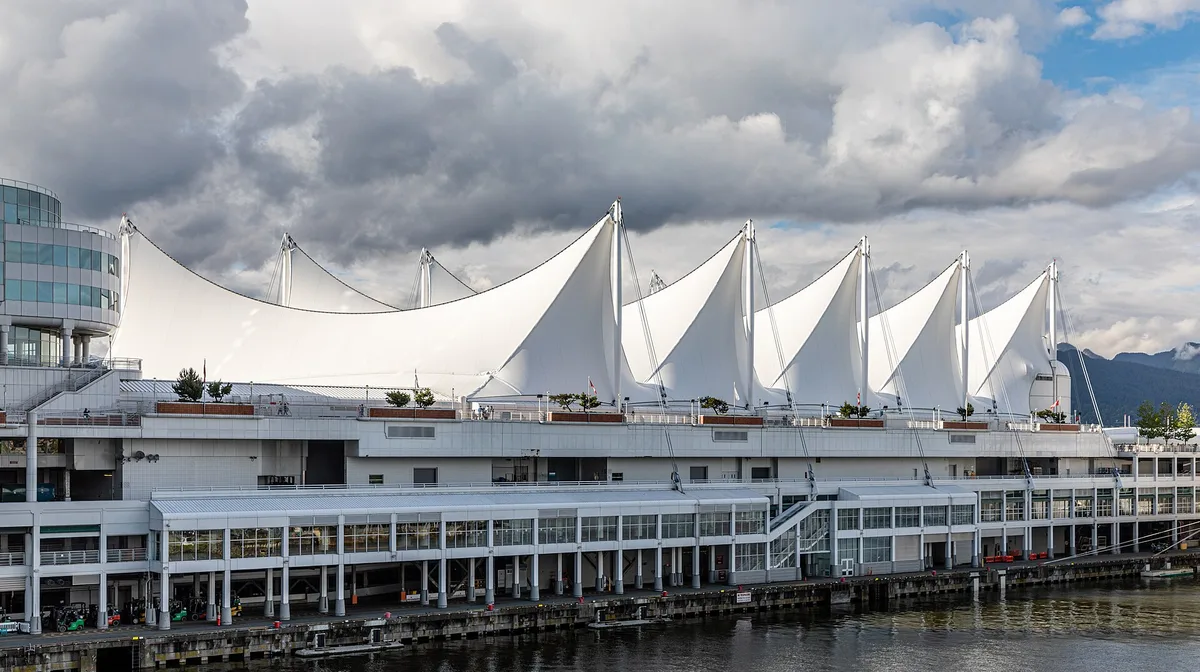
Vancouver is Canada's most regulated short-term rental market and, for the operators who qualify, one of its most reliable. The rules are strict and unambiguous: since 2018, nightly rental is legal only in the host's principal residence — the home you actually live in, plus at most a secondary suite or laneway house on the same property — with a city business licence (C$1,108 for 2026) and, since May 2025, a provincial registration number that platforms must display or delist. The city publishes its enforcement scoreboard: as of April 2026, roughly 4,969 active listings against 3,248 licences issued, with 69 licences suspended in the year. What that regime produced is scarcity — a fraction of the supply a city this visited would otherwise carry — while demand kept compounding: Alaska-bound cruise passengers bookending sailings at Canada Place, a convention calendar that fills downtown midweek, film crews on month-long productions, and a summer that just proved its ceiling when BC Place hosted seven FIFA World Cup matches in June and July 2026, including two Canada games, under an events tax the city passed specifically to fund the show. Licensed hosts operate in a seller's market for compliant space. The city's boutique hotels, guesthouses and B&Bs — exempt from none of the scrutiny but positioned exactly where the restricted supply cannot stretch — are the other winners, and most of them still market like it is 2015. That is the opportunity.

Vancouver demand is deep, diversified and increasingly year-round. Summer is the headline: May through September, cruise season routes hundreds of thousands of Alaska passengers through Canada Place with a night or two on either side of the sailing, the seawall and beaches run at capacity, and the events calendar stacks — the Celebration of Light fireworks, Pride, and in 2026 a World Cup June-July that filled every licensed bed in the city. Fall belongs to conventions and the film industry's long-stay crews; winter is the quiet stretch but never empty, floored by the holiday markets, Dine Out Vancouver's January-February restaurant weeks, and ski traffic staging toward the North Shore mountains and Whistler. Occupancy for licensed operators runs in the low 70s — supply restriction doing its work — with blended nightly rates around C$225 and the premium going to walkable water-adjacent addresses: the West End beside Stanley Park, Yaletown and Coal Harbour downtown, Kitsilano across the bridge. The guest mix is unusually international, heavy on couples and cruise bookenders who book compact, well-located spaces over square footage. It is a market where a licensed suite with its logistics story told properly stays booked while unlicensed inventory disappears from the platforms around it.

Top Attractions & Landmarks

  • Stanley Park and the Seawall
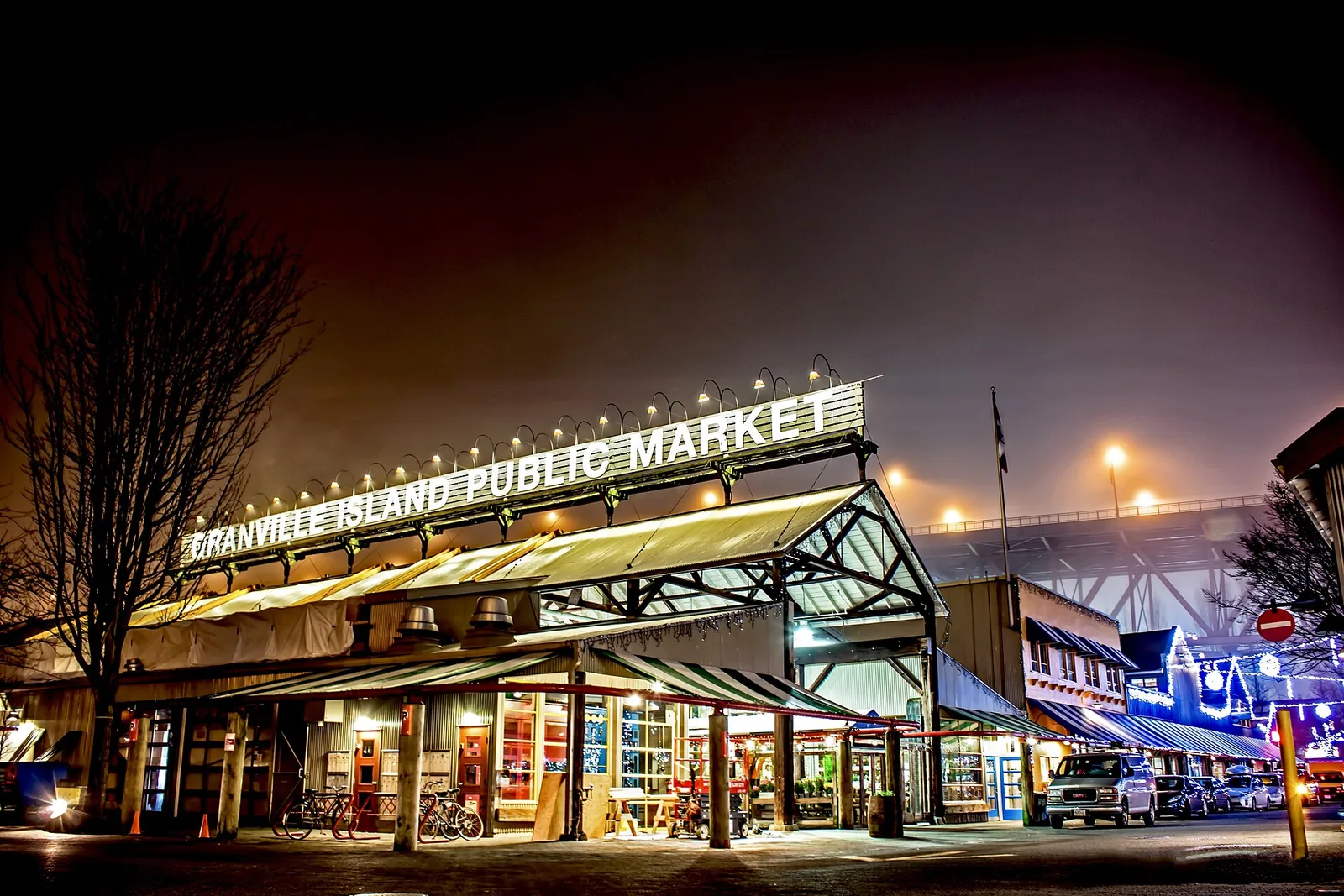
  • Granville Island Public Market
  • English Bay Beach
  • Capilano Suspension Bridge Park
  • Grouse Mountain
  • Gastown and the Steam Clock
  • Museum of Anthropology at UBC

Nearby Markets: Whistler  |  Victoria  |  Kelowna

Airbnb marketing services in Vancouver, British Columbia, Canada
Postcards

Vancouver through the lens

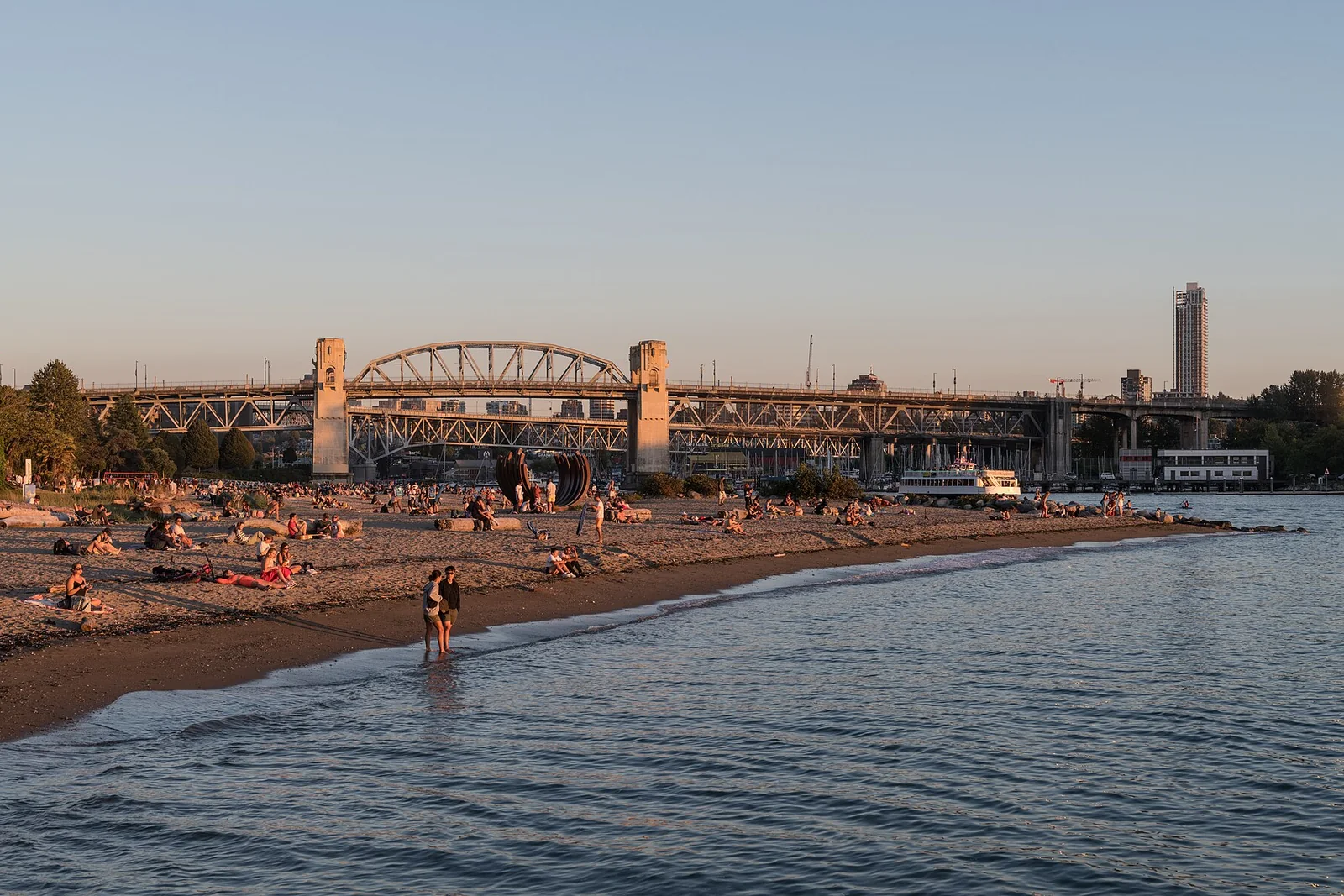
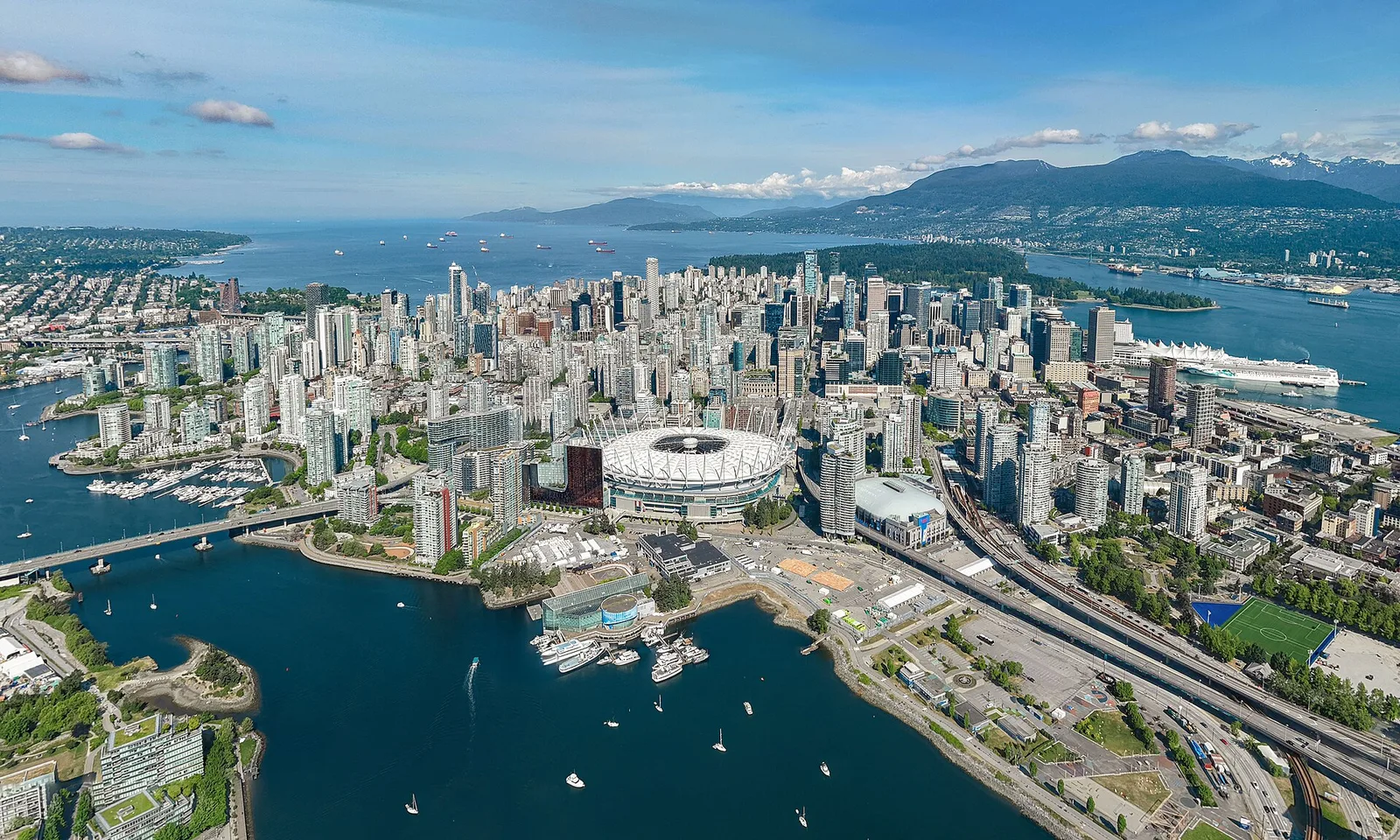
A few of the visual fingerprints we lean into when we shoot, brand and market a Vancouver property — courtesy of the open Wikimedia Commons archive.

English Bay Beach Vancouver — Vancouver airbnb marketing
Local Color
English Bay Beach Vancouver
Skyline of Vancouver, Canada — Vancouver airbnb marketing
Local Color
Skyline of Vancouver, Canada
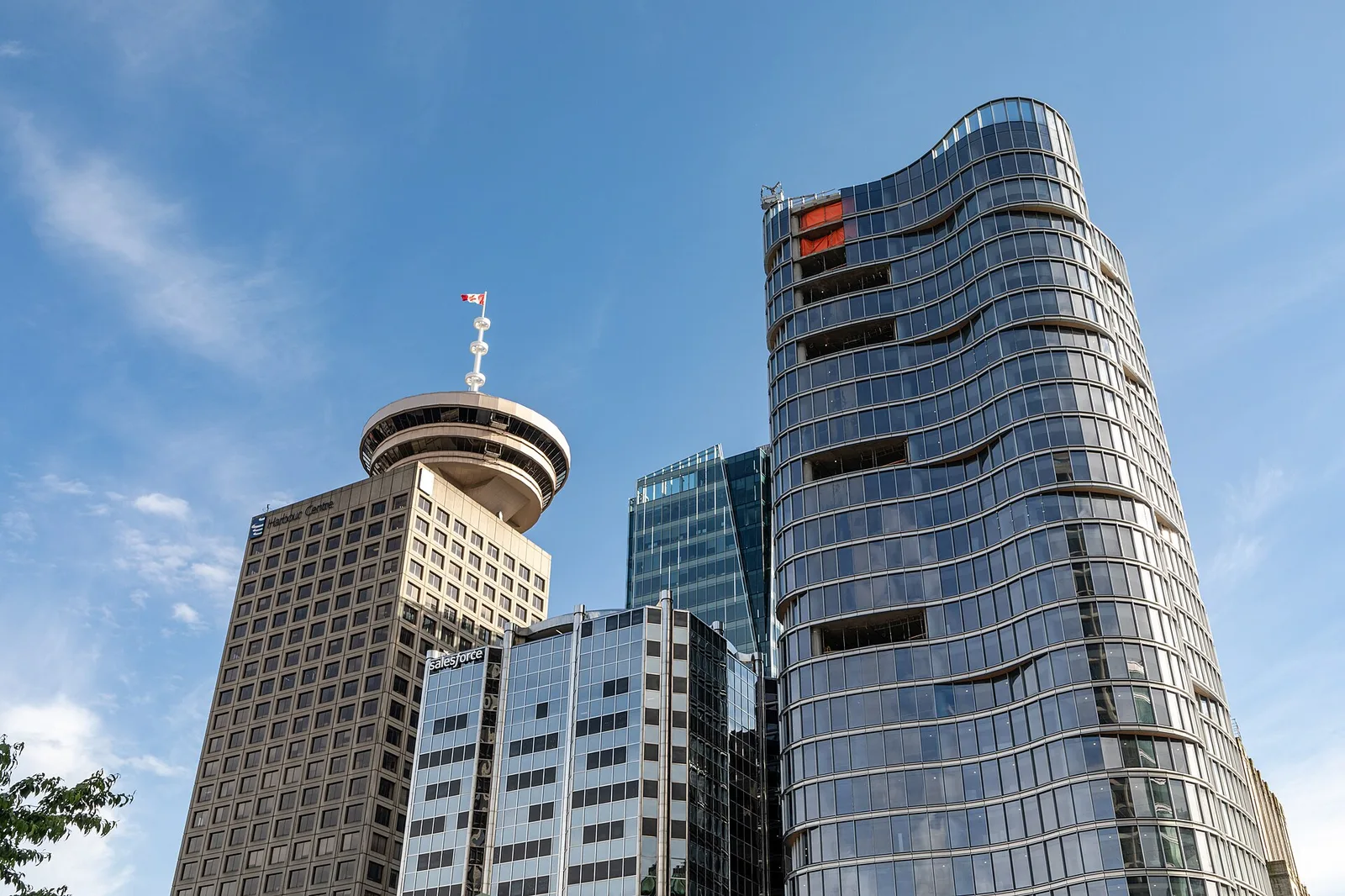
Vancouver , Harbour Centre 2022 — Vancouver airbnb marketing
Local Color
Vancouver Harbour Centre
Waterfront station Vancouver — Vancouver airbnb marketing
Local Color
Waterfront station Vancouver
Why Cavmir

The Cavmir Advantage
in Vancouver

Cavmir wins in Vancouver because this market's constraint is legal, and we market the constraint as the asset it is. A licence number in the first line, the principal-residence story told honestly, the registration visible — in a city that publishes suspension counts, the demonstrably compliant listing wins the cautious booker and outlives every shortcut competitor. Then we price the real calendar: cruise-season bookends packaged around Canada Place logistics, convention midweeks, fireworks and Pride weekends, the January-February Dine Out floor — and we write copy that answers what Vancouver guests actually ask: which SkyTrain station, how far to the cruise terminal with luggage, where the car parks, what the rain plan is. We shoot the city's actual light — seawall at golden hour, mountains over English Bay, the suite warm against the November grey. And for the guesthouses, B&Bs and boutique inns that hold the licensed ground the restricted market cannot stretch into, we build direct-booking websites and repeat-guest programs, because Vancouver's returning visitors — the annual cruise couple, the convention regular, the family that comes every August — should book their second stay commission-free. We help position and market your property. We never manage it or touch your keys.

State of the Industry · History

The Vancouver STR Market — Past & Present

Vancouver is young even by Canadian standards — incorporated in 1886, burned to the ground two months later, rebuilt around the new Canadian Pacific Railway terminus that existed to connect a nation to the Pacific. The port made the city: grain, timber and trade built the early fortunes, Gastown's warehouses filled, and waves of immigration — Chinese, Japanese, South Asian, later from across the Pacific Rim — made Vancouver one of the most internationally rooted cities in North America. The late twentieth century added the signature skyline of slim green-glass residential buildings between the water and the mountains, a planning philosophy so distinctive it is taught as Vancouverism, and Expo 86 announced the city globally the way the 2010 Winter Olympics later confirmed it. Film and television grew into a pillar — Hollywood North employs tens of thousands — alongside tech, trade and a tourism economy anchored by the Alaska cruise trade at Canada Place.

The rental story tracks the housing story, because in Vancouver everything does. As one of the world's least affordable housing markets, the city moved early and hard on short-term rentals: the 2018 regime restricted nightly rental to a host's principal residence with a business licence, platforms were pulled into data-sharing agreements, and enforcement became genuinely active rather than theoretical. The province then built on Vancouver's template — the 2024 Short-Term Rental Accommodations Act took the principal-residence rule province-wide and the 2025 registry gave platforms a delisting mandate — and layered the Major Events MRDT, a 2.5% accommodation tax running 2023 through January 2030, to fund the city's FIFA World Cup hosting. Those seven matches at BC Place in June and July 2026 stress-tested the whole system: restricted supply, surging demand, and licensed operators earning what scarcity earns. The framework is the strictest in Canada, and it is also settled — which, for the hosts and innkeepers who qualify, is exactly what a durable business wants.

Pricing Strategy & Seasonality

Pricing, Seasonality & When to Capture ROI

Pricing Strategy

The rate map follows water and walkability. Downtown, Coal Harbour and Yaletown are the premium core — cruise terminal, convention centre and seawall within walking distance — where licensed suites price at the market's top and midweek convention demand meets weekend leisure. The West End beside Stanley Park is the character play: tree-lined streets, English Bay sunsets, and the guesthouse-and-B&B belt that serves guests wanting the park over the glass core. Kitsilano and Point Grey across False Creek sell beach-neighbourhood Vancouver — farmers markets, sea-wall mornings — strong with returning summer families and academic traffic toward UBC. Mount Pleasant and Main Street run the craft-and-coffee corridor, the value-forward choice for younger travellers, with laneway houses earning notable premiums for privacy. East Vancouver trades polish for authenticity and price headroom, working best with logistics-led listings near SkyTrain. Blended, the city runs around C$225 a night at low-70s occupancy for licensed operators — compressed spreads by resort standards, with the real variance in how completely a listing answers the cruise, convention and transit questions its neighbourhood implies.

Seasonality & ROI Windows

Vancouver runs a long, strong summer and a workable winter. May opens cruise season and the city holds near-capacity weekends through September — July and August peak, and 2026's World Cup pulled June up to match them. Fall shifts to conventions, film crews and university rhythms, with October's film festival and warm-grey seawall weeks. November through February is the honest quiet stretch, floored by holiday markets, Dine Out Vancouver's restaurant weeks and ski traffic staging for the North Shore; March and April build steadily back with spring break, cherry blossoms and the first repositioning cruises.

Regulation & Licensing · 2026

What the Law Requires in Vancouver

Vancouver's rules are the strictest of any major Canadian city, and they are also the clearest. Nightly rental (under 30 days) is legal only in your principal residence — the dwelling where you live and can prove it — which may include one secondary suite or laneway house on the same property, but never a second home, an investment condo or a dedicated unit. Operating requires a City of Vancouver short-term rental business licence (C$1,108 for 2026, renewed annually), the licence number displayed on every listing, and since May 2025 a BC provincial registration number (C$77 per year) that platforms are legally required to verify and display; unregistered listings get delisted. The city runs real enforcement — data-sharing with platforms, audits, fines, and licence suspensions it publishes (69 in the 2026 count) — and strata buildings add their own layer: many prohibit or restrict short-term rentals regardless of city eligibility, and the strata rule wins. Traditional accommodation — hotels, boutique inns, licensed B&Bs — operates outside the STR regime under its own licensing, which is precisely why that sector carries so much of the city's guest capacity. Metro boundaries matter more than most operators realize: Burnaby, Richmond, North Vancouver and the rest run separate regimes with different postures, so an address a block across a boundary can live under entirely different rules. If your situation is anything but textbook, confirm it with the city's licensing office before you list — in this market, operating offside is a fast way to lose both the listing and the licence.

Market-Specific Tips & Challenges

Local Tips & Unique Market Challenges

Tips That Actually Move Revenue in Vancouver

Put the licence number and registration in the listing's first lines — in a city that publishes suspensions, compliance is conversion. Build a cruise-bookend product: flexible check-in for ship arrivals, luggage space, written directions to Canada Place with real times, and a pre-cruise one-night rate that fills the Sunday-Thursday gaps. Price event nights individually — fireworks Saturdays, stadium dates, convention peaks — instead of running one summer rate. Name your SkyTrain station and walking minutes in the title area; transit specificity outperforms neighbourhood adjectives here. Photograph the November version of your space as warmly as the July version, because the winter booker is deciding against the grey. If you host a suite or laneway, sell the privacy line hard — separate entrance, no shared walls — it is the difference between competing with hotel rooms and beating them. And capture every repeat: the annual cruise couple and the convention regular are direct-booking candidates from their first checkout email.

Unique Vancouver Challenges

The constraint that makes Vancouver work also caps it: principal-residence-only means you cannot scale into more units, the licence dies if you move, and the strata can veto what the city allows. Costs are severe — the licence alone is four figures, insurance for in-home hosting is climbing, and the tax stack demands real bookkeeping. Seasonality is gentler than resort markets but the November-February trough is long, grey and needs deliberate marketing rather than hope. Enforcement cuts both ways: it removes cheating competitors but audits licensed operators too, so records must be clean. And the metro's patchwork of separate municipal regimes confuses guests and operators alike — you will spend real listing space explaining what your address can legally offer that the one across the boundary cannot.

The City That Burned in Twenty Minutes
Vancouver was two months old when it ceased to exist. On June 13, 1886, a land-clearing fire jumped its lines and destroyed virtually the entire new city in roughly twenty minutes — survivors described outrunning it to the water. Rebuilding began the next morning, this time in brick, and the city's first fire hall went up before its first hospital. The maple tree at Gastown's Maple Tree Square, where citizens met to elect their first council, remains the symbolic centre of a city that has treated reinvention as its founding habit ever since.
Finance Essentials — Vancouver
🛡️

Insurance

A principal-residence operation changes the insurance conversation: you are hosting inside the home your homeowner policy covers, and that policy almost certainly excludes commercial hosting — so a short-term-rental endorsement or hybrid home-sharing policy is the baseline, with liability limits that reflect guests sleeping under your roof. Laneway houses and secondary suites need explicit inclusion, not assumption. Vancouver's claims classics are water — winter storms, aging building stock, suite plumbing — plus bike theft from guests' gear, so document the suite, require the between-stay checklist, and confirm how your insurer treats the weeks you travel while the suite hosts on.

🧾

Property & Income Tax

Vancouver carries Canada's heaviest accommodation tax stack: 5% GST, 8% BC PST on short-term accommodation, 3% MRDT, and the 2.5% Major Events MRDT running through January 2030 to fund World Cup hosting — roughly 18.5% in layers on the nightly rate. Platforms collect and remit much of it for platform bookings, but direct bookings and licensing thresholds shift obligations to the operator, so map who files what before your first season rather than after. Income remains fully taxable, non-resident owners have their own withholding regime, and since 2024 the CRA denies expense deductions for short-term rentals operating offside local rules — in Vancouver, where offside is easy to prove, that penalty has teeth. Ask your accountant to walk your exact configuration.

🏦

Mortgages & Financing

Lenders read Vancouver principal-residence hosting as owner-occupied with rental income, which is the friendliest framing in the book — suite and laneway income can help qualification with many lenders, though short-term revenue is discounted or averaged far more conservatively than long-term leases. Buyers targeting a home-with-suite setup should expect standard owner-occupied down payments but stress-test the numbers without rental income entirely, because the licence attaches to your residency, not the property. Entry prices remain among the world's highest — the suite economics soften the mortgage rather than carry it — which is why Vancouver hosting is best understood as offsetting a home you wanted anyway, not as a yield play.

Future Outlook · 2027 & Beyond

Where Vancouver is Headed Next

Vancouver's direction is more demand against supply that cannot legally grow. The event pipeline is the loud part: the World Cup's seven matches proved the hosting machine and the Major Events MRDT runs through January 2030 with a mandate to keep attracting exactly that calibre of calendar — stadium internationals, marquee concerts, convention wins. The structural part is quieter and stronger: the cruise industry keeps adding Alaska capacity through Canada Place, the airport keeps expanding trans-Pacific routes, and the film industry's production base keeps generating month-scale accommodation demand no hotel product serves well. On the supply side, nothing loosens — the provincial framework hardened around Vancouver's template, and in April 2026 the province signalled the rules will flex by local vacancy conditions, which in chronically tight Vancouver points one way. For licensed hosts, that is compounding scarcity value. For the city's guesthouses, B&Bs and boutique inns, it is a widening structural gap between visitor demand and licensed beds — the clearest runway in the market for operators who invest in direct-booking infrastructure and repeat-guest economics now, before another event cycle proves it again.

From the Desk of Sofie Sinag

Why We Love Marketing in Vancouver

We love Vancouver because it is the rare big city where the marketing photos undersell the place. The seawall really does run gold at sunset with mountains stacked behind the sails of Canada Place; the neighbourhoods really are that distinct — the West End's tree tunnels, Kits' beach mornings, Main Street's coffee-and-vinyl blocks; and the food, from Granville Island's market stalls to the izakayas of Robson, genuinely competes with cities three times its size. It is a city that works for every guest type we market to: cruise couples want the two perfect days, conventioneers want the livable midweek, families want the beach-and-mountain double feature, and film crews want a month that feels like home. And professionally, we love what the rules did: Vancouver decided housing comes first, hosts operate inside honest constraints, and the licensed operators and innkeepers who remain run real businesses in a market that respects them. Scarcity, done fairly, is a marketer's favourite raw material.

Why It Matters

A great property in Vancouver doesn't just want a listing — it wants a point of view, an audience, and a brand the city itself would recognise.

Cavmir's Vancouver Cheat Sheet

The Picks We Recommend for Your Welcome Book

The picks we send Vancouver guests, tested across cruise bookends, convention weeks and one very rainy November: where locals actually queue, splurge and walk off the jet lag.

Coffee & First Light

49th Parallel, Main Street or Kitsilano

Vancouver's benchmark roaster, with Lucky's Doughnuts made in-house and a morning room full of locals pretending the rain is fine. Send guests to the Main Street location and they will walk out understanding the city's coffee seriousness in one flat white.

The Splurge Table

St. Lawrence, Railtown

Quebecois-French cooking that wins national best-restaurant lists — tourtiere, duck, and a room that feels smuggled out of old Montreal. The reservation to book the day you book the flight; it is the special-occasion answer that makes hosts look brilliant.

Local Obsession

Japadog, downtown carts

Hot dogs topped with nori, teriyaki and wasabi mayo — a street-cart institution since 2005 that visiting chefs make pilgrimages to. It is the cheap, only-in-Vancouver bite guests photograph more than the mountains, and the line moves fast.

Shoulder Season Secret

Granville Island on a November weekday

The market at its local best — no summer crush, chowder steaming against the rain, buskers under cover and the winter light silver on False Creek. Sell it to off-season guests as the city's cosiest afternoon, ferry ride included.

The Classic Ritual

The full Seawall loop at golden hour

Nine kilometres around Stanley Park between ocean and old-growth, best ridden on a rental bike starting from the West End as the light goes amber. It is the single experience most likely to appear in your five-star reviews — say so in the listing.

What Guests Ask For

The station, the terminal and the rain plan

Vancouver inquiries repeat five questions: which SkyTrain station and how many minutes, how to reach the cruise terminal with luggage, where the car parks and what it costs, whether there is AC for the warm weeks, and what to do when it rains. Answer all five and the booking closes itself.

Local Work · Composite Case Vignettes

What Cavmir Has Done for Vancouver Properties

A few composite engagements drawn from how Cavmir typically works in this market. The details are illustrative and consistent with Vancouver, not pulled from a single named client.

Laneway house · Kitsilano
The Brief

A licensed laneway house three blocks off Kits Beach ran generic apartment photos, no mention of its licence, and one flat rate through a summer that included fireworks nights and a World Cup — while its separate-entrance privacy, the actual selling point, appeared nowhere in the copy.

What We Did

Cavmir led the listing with the compliance line and the privacy story — your own house, your own door, garden between you and the city — shot the space at golden hour with the beach walk mapped in minutes, priced event nights individually across the summer calendar, and added a cruise-bookend package with luggage logistics written out.

The Result

The laneway stopped competing with downtown condos on price and started winning couples who wanted a house, summer booked through at event-honest rates, and the licence-forward framing pulled the cautious international bookers whose messages once went to hotels — occupancy the restricted market was always going to give whoever asked for it properly.

West End suite · near English Bay
The Brief

A host with a garden-level suite beside Stanley Park had strong summer reviews and a dead calendar from November to March — no winter story, no Dine Out awareness, and photos that made the suite look like a rainy basement exactly when bookers were deciding against the grey.

What We Did

Cavmir reshot the suite warm — lamps on, rain on the window as atmosphere, the park's winter seawall framed as the amenity it is — built a winter narrative around Dine Out reservations, holiday markets and storm-walk romance, priced midweeks for the convention overflow, and set up a returning-guest email keyed to cruise-planning season.

The Result

Winter stopped being a write-off: the suite carried a real November-through-February floor of couples and conference guests, the summer cruise regulars started rebooking direct for the following year, and the host's calendar finally matched what a park-side West End address should earn in all twelve months.

Nine-room boutique inn · West End
The Brief

A heritage-house inn near English Bay — the licensed capacity the restricted market leans on — was invisible online: an aging website without a booking engine, OTA commissions on guests who had stayed five times, and World Cup weeks that sold out through platforms taking a cut of the busiest days in the inn's history.

What We Did

Cavmir built a direct-booking website with real-time availability and the inn's story told properly — the 1905 bones, the breakfast room, the sunset two blocks away — launched a returning-guest rate to a mailing list assembled from years of registrations, and repositioned the OTAs as discovery channels with direct as the home for everyone who had already found them.

The Result

Repeat guests moved to direct within two seasons and the commission line fell while occupancy held at the market's ceiling; the inn entered the next event cycle owning its guest list, its best weeks and its margins — the position every licensed West End property should hold in a city where the beds, not the demand, are the scarce resource.

Market Intelligence · Seasonality

Airbnb seasonality in Vancouver, month by month

Demand in Vancouver peaks around June through August and runs quietest around January, November and December. Here is how the year actually books — and what to do about each stretch of the calendar.

Peak demandSteadyQuiet

Peak season

May through September is Vancouver's engine, and July and August are its ceiling. Cruise season routes Alaska passengers through Canada Place all summer with a night or two on each side of the sailing, the beaches and seawall run full, and the event calendar stacks fireworks nights, Pride and stadium dates on top — 2026's seven World Cup matches showed what the top gear looks like. Licensed supply is capped by the principal-residence rule, so well-marketed compliant listings hold premium rates through the whole stretch without discounting.

The shoulders

Spring builds from March's cherry blossoms through April's first repositioning cruises, with hotel-grade weekends arriving before the ships do. Fall is the professional shoulder: September and October carry conventions, the film festival and Hollywood North's long-stay production crews, which fill midweeks in a way leisure never will. Both shoulders reward workspace-equipped listings and midweek pricing discipline — the demand is there, it just books differently than summer, on shorter windows and longer stays.

The quiet stretch

November through February is long, grey and workable. Holiday markets and December lights give a festive floor, Dine Out Vancouver's restaurant weeks put couples in walkable neighbourhoods through deep winter, and ski traffic stages toward the North Shore and Whistler. The winter booker is deciding against the rain, so shoot your space warm — lamps on, rain as atmosphere — keep midweek rates flexible for convention overflow, and use the lull for refreshes before the March ramp. The city never empties; it just books closer in.

Dates that fill first

Alaska cruise seasonMay through September
Hundreds of thousands of passengers bookend sailings from Canada Place with Vancouver nights. Flexible check-in for ship schedules, luggage space and written terminal directions win these bookings — it is the steadiest demand engine the city has.
Honda Celebration of Lightlate July - early August
The international fireworks competition fills English Bay viewpoints across multiple show nights. West End and Kitsilano addresses should price each night individually and mention viewing logistics — rooftop, beach walk, or bridge — in the listing.
BC Place major eventsyear-round, summer-heavy
Seven FIFA World Cup matches in June-July 2026 proved the stadium calendar's pull; internationals, marquee concerts and Whitecaps dates keep it delivering. Track announcements and price stadium nights like the mini-peaks they are.
Dine Out Vancouverlate January - early February
Canada's largest restaurant festival puts prix-fixe menus across hundreds of rooms and gives deep winter a genuine demand floor. Package it to couples: walkable dining-district address, late checkout, reservation tips in your guest guide.
Vancouver Cherry Blossom Festivallate March - April
Tens of thousands of blossoming trees mark the spring inflection and flood social feeds — the soft signal that books April weekends. Photograph your own street in bloom once and reuse it every spring; it converts.
Market Intelligence · Guests

Who books Vancouver Airbnbs — and how far ahead

Cruise bookend couples
One or two nights on either side of an Alaska sailing, all summer long. They care about terminal logistics, luggage handling and a walkable first-and-last day far more than square footage — write the Canada Place directions into the listing.
Convention and business travellers
The convention centre's calendar fills downtown midweeks spring and fall. They book licensed, well-reviewed spaces close to SkyTrain with real workspaces, and they return on the same event annually — direct-booking candidates from the first stay.
Film and production crews
Hollywood North generates month-scale stays no hotel serves well: crew and cast wanting kitchens, laundry, parking and quiet. Monthly pricing and a furnished-professional setup capture a segment that books repeatedly across a production season.
International summer families
The beach-and-mountains double feature draws families from the UK, Australia and across Asia for week-plus August stays. Suites and laneway houses with privacy, kitchens and transit specifics beat hotel rooms for them on every axis but discovery — which marketing fixes.
Inn and guesthouse loyalists
The West End's B&Bs and boutique inns hold licensed capacity the restricted market leans on, hosting returning guests who book by relationship. A returning-guest rate on a direct site keeps that loyalty commission-free — the highest-margin segment in the city.

The booking window

Summer weekends and event nights book two to five months out, with cruise bookenders locking dates when sailings are ticketed — often six-plus months ahead. Convention guests book on announcement cycles, four to eight weeks out. Winter moves inside a month, and film-crew stays arrive on production schedules with little warning. Practically: summer pricing and photography need to be sharp by February, and event nights identified and priced the day dates are announced.

Typical stays

Summer leisure runs two to four nights — cruise bookenders anchor the short end, international families the long — while convention stays sit midweek at two to three. The distinctive Vancouver segment is the long stay: film crews, visiting academics and trans-Pacific families take weeks to a month, and licensed suites set up for them smooth the winter trough beautifully.

Where guests drive from

SeattleBellinghamVictoriaKelownaPortland

Where guests fly from

TorontoCalgaryLos AngelesSan FranciscoLondonHong Kong
The drive market is Cascadia — Seattle above all, with ferry traffic from Victoria and weekenders down the valley — while the fly market is genuinely global through YVR's trans-Pacific hub. For ads, Seattle converts year-round on weekend escapes, Toronto and Calgary on event and family windows, and international targeting belongs in January-March when summer Alaska cruises and Canada trips get planned.
Market Intelligence · What Wins

The Airbnb that wins in Vancouver

The Vancouver winner is a licensed principal-residence suite or laneway house with the compliance line up front and the logistics answered: SkyTrain station and minutes, cruise-terminal directions, parking truth-telling, AC for the warm weeks. Privacy language — separate entrance, no shared walls — separates house-style listings from the condo pack, and a warm winter photo set keeps the calendar alive when the grey arrives. For inns and B&Bs, the win is direct-booking infrastructure under the restricted market's structural demand.

Amenities that move bookings here

separate private entrancefull kitchenin-suite laundryair conditioningdedicated workspaceluggage storage for cruise daysparking spotfast wifi
If you do one thing in Vancouver, put your licence and registration numbers in the first lines of the listing — in a city that delists unregistered inventory and publishes suspensions, visible compliance is the single cheapest conversion upgrade available.
Straight Answers

Vancouver Airbnb marketing questions, answered

How do I market my Airbnb in Vancouver?

Lead with legitimacy, then logistics. Vancouver guests are booking in a city famous for strict rules, so the licence number, provincial registration and principal-residence story go in the first lines — visible compliance converts here. Then answer the questions every Vancouver guest has: which SkyTrain station and how far, how to reach the cruise terminal with luggage, where the car parks, what the rain plan is. Price the real calendar — cruise season, fireworks nights, stadium dates, Dine Out winter — instead of running flat seasonal rates. That is the stack Cavmir builds for Vancouver hosts and innkeepers, with a direct-booking site capturing the repeats.

When is peak season for Vancouver Airbnbs?

May through September, with July and August at the top. Cruise season drives steady bookend stays all summer, the Celebration of Light and stadium events spike specific nights, and 2026's World Cup showed the ceiling a mega-event summer can reach. September and October stay strong on conventions and film work. The quiet stretch is November through February — softened by holiday markets and Dine Out Vancouver — and spring builds back through cherry-blossom season into April's first cruises.

Can I legally run a short-term rental in Vancouver?

Only in your principal residence — the home you actually live in, which may include one secondary suite or laneway house on the same property. Investment condos and second homes are out. You need a City of Vancouver STR business licence (C$1,108 for 2026) displayed on every listing, plus a BC provincial registration number (C$77/year) that platforms must verify or delist you. Strata bylaws can prohibit rentals regardless of city eligibility, and neighbouring municipalities run entirely separate regimes. If your setup is anything but textbook, confirm with the city's licensing office before listing.

Where do most Vancouver Airbnb guests come from?

Everywhere, which is the point. The drive market is Cascadia — Seattle leads, with Bellingham, Portland and ferry traffic from Victoria — while YVR's trans-Pacific hub delivers guests from London, Hong Kong, Sydney and across Asia, plus steady domestic flow from Toronto and Calgary. Cruise passengers arrive from across North America for Alaska sailings. For advertising, Seattle converts year-round, domestic markets book events and family windows, and international targeting works best January through March when summer trips get planned.

What amenities matter most for a Vancouver Airbnb?

Privacy and logistics beat luxury. A separate entrance with no shared walls is the amenity Vancouver's suite-and-laneway market is built on — name it plainly. After that: a full kitchen and in-suite laundry for the long-stay crews and families, air conditioning for the increasingly warm weeks, a real workspace for convention midweeks, luggage storage and flexible check-in for cruise days, and honest parking information. For inns and B&Bs, the winning amenity is the breakfast room and the returning-guest rate — the things platforms cannot commoditize.

Free Tools · Websites That Book

See what your listing in Vancouver is leaving on the table

Run your Airbnb, Vrbo, or website through Cavmir's free grader. It checks the things that decide whether guests book in Vancouver — photos, listing copy, page speed, local search — and shows you where bookings leak. Takes about a minute, and there's no sales call attached.

If the report says your booking engine is the weak link, that's fixable: a direct-booking website of your own means repeat guests stop paying platform fees to come back to you. That's the work Cavmir does — see Airbnb website design in Vancouver.

What the grader measures

  • Photos and the first-impression frame
  • Listing title and copy
  • Your direct-booking website (or the lack of one)
  • Page speed and mobile experience
  • Local search and Google visibility
Grade My Listing — Free
Ready to Grow in Vancouver?

Let's Put Your Vancouver
Property on the Map

Talk to Cavmir today. We'll show you exactly what your Vancouver property is leaving on the table — and how fast we can change that.

Book a Free Strategy Call