Start here Work with Cavmir in Chester & Lunenburg
Get a Proposal (786) 751-3426
C$394
Avg. Nightly Rate
42%
Avg. Occupancy Rate
C$3,460
Avg. Monthly Revenue
5–9%
Est. Cash-on-Cash ROI
HIGH
Seasonality
MODERATE
Regulatory Burden

* Market averages in Canadian dollars from AirROI data for Chester, Nova Scotia, October 2025 to September 2026 (updated October 1, 2026), converted from US dollars at 1.39. ROI is Cavmir's estimate. A single home's numbers depend on its size, its location and how it is marketed.

The Market

Why Chester and Lunenburg Are a Luxury Rental Market

Cavmir is an Airbnb marketing agency. We build the brand, the direct-booking website and the marketing for short-term rentals in Chester & Lunenburg.

This page covers Nova Scotia's South Shore from Hubbards to Lunenburg, a stretch of coast that holds several rental markets within a short drive of each other. The Municipality of the District of Chester runs from Hubbards through Chester village to the Tancook islands, which a ferry from Chester serves every day. The Town of Mahone Bay sits on the bay that shares its name, the Town of Lunenburg holds the UNESCO-listed Old Town and its working harbor, and the Municipality of the District of Lunenburg surrounds both towns and takes in Blue Rocks; Bridgewater, the next town inland, is outside the area this page covers. Halifax is close: the Municipality of Chester describes a 60-minute commute to downtown, and Mahone Bay's tourism association puts the town an hour southwest of the city. The family that wants a dock and a July week near Chester village shops for a different house than the couple who wants to walk to dinner on Lunenburg's waterfront in October, so each listing should be written for one of them.

Nightly rates here sit well above the provincial average. AirROI's Chester market, which counts 46 active listings, averaged about C$394 a night over the twelve months to September 2026, against C$235 for the province, and the average listing took in about C$41,600, up 27.5% on the year before. The top tenth of Chester listings by rate charged C$675 a night or more, and the market's top earner, a four-bedroom home, grossed about C$150,900 at an average of C$1,080 a night. Lunenburg is the bigger market, with 89 listings averaging C$277 a night at about 50% occupancy, and the Town of Mahone Bay counts 58 listings at C$280 and 47%. Hubbards, at the eastern end of the Municipality of Chester, is a separate AirROI market of 57 listings at C$253 a night and 34%. AirROI counts bookings in US dollars and converts its Canadian pages at C$1.39 per US dollar, the period's average, so every money figure on this page is in Canadian dollars at that rate.

In AirROI's guest data, Halifax comes first and Toronto second among the cities that send guests to both Chester and Lunenburg, and Ottawa and Dartmouth make each town's top five. The American share changes from town to town: about 12% of Chester's guests and about 26% of Lunenburg's came from the United States. Halifax Stanfield International Airport is the gateway, and its October 2026 nonstop list shows about twenty departures a day to Toronto across Air Canada, Porter, WestJet and Flair all year, daily Air Canada service to Boston, daily flights to Newark on Air Canada and United, and, in summer 2026, twice-daily LaGuardia flights on both American and Delta.

It's also a registered market. Every accommodation rented for 28 consecutive days or less in Nova Scotia must be in the province's Short-term Rentals Registry, the registration number has to appear in every online advertisement, and since December 1, 2025 the province can issue administrative penalties of C$2,000 to C$8,000. The municipalities add their own layer. The Municipality of the District of Chester requires a free licence for every accommodation, Mahone Bay's planning rules allow short-term rentals outside its commercial zones only on lots where the occupier lives on the property, and the Town of Lunenburg allows one short-term rental per residential lot and has adopted a 3% accommodation levy that starts on January 1, 2027.

Those rules change what good marketing looks like here. A registration number, a municipal licence and a clear description of which buildings guests may use now belong in every listing, and a listing that states them plainly answers questions before they're asked. Our part is the marketing: the brand and the listing, the photography brief, the direct-booking site, visibility in search and AI answers, and campaigns aimed at Halifax, Toronto, Boston and New York. The registration, the licence, the inspections and the tax returns stay with the owner and their lawyer, accountant or manager. Below are the market, each municipality's rules, a calendar that runs from the first lobster suppers in May to the Season of Father Christmas, and the plans Cavmir would build for a Chester waterfront house, an Old Town heritage house and two bed-and-breakfast rooms in Mahone Bay.

Top Attractions & Landmarks

  • Old Town Lunenburg, on the UNESCO World Heritage List since 1995
  • Bluenose II at her home port in Lunenburg
  • Chester Race Week and the Chester Yacht Club
  • The Fisheries Museum of the Atlantic, Lunenburg
  • Mahone Bay's three churches on one curve of shoreline
  • The Tancook ferry from Chester
  • Lobster suppers at the Shore Club, Hubbards
  • Sea kayaking from Blue Rocks

Nearby Markets: Inverness  |  Bar Harbor  |  Camden

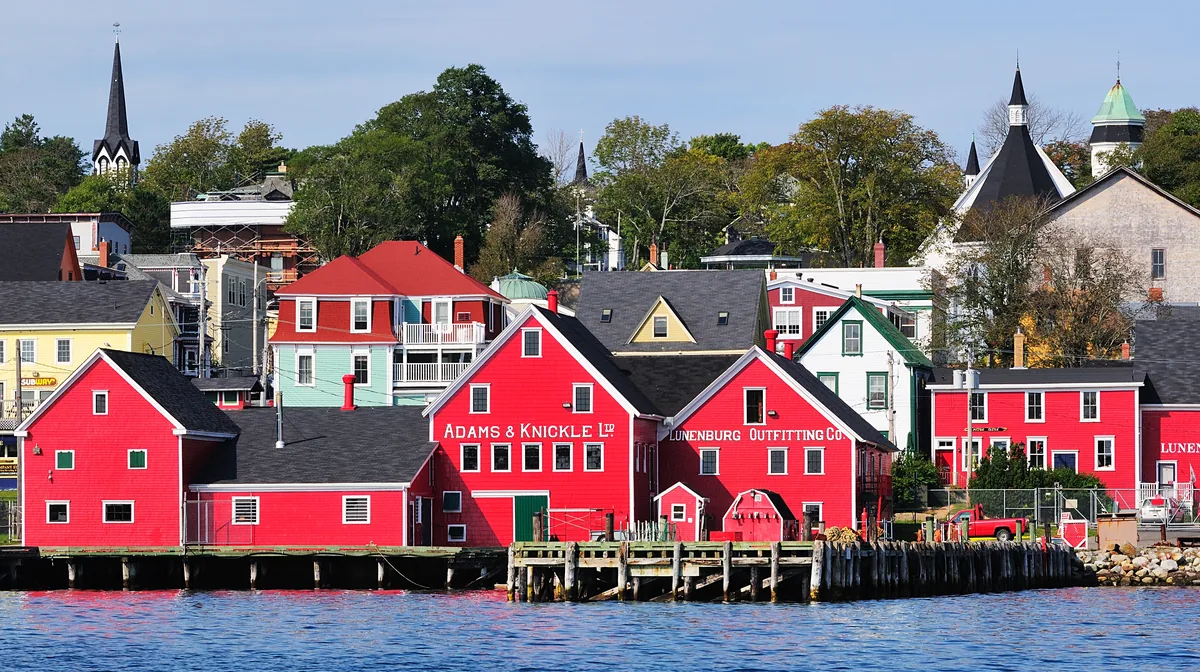
The red waterfront buildings of Lunenburg's harbor, Nova Scotia

Photo: Wladyslaw · CC BY-SA 3.0 · via Wikimedia Commons

Why Cavmir

The Cavmir Advantage
in Chester & Lunenburg

Cavmir sells each South Shore property for what it is, within the rules of the town it stands in. A Chester summer house goes to market by the week in July and August with Race Week priced on its own, an Old Town house in Lunenburg leads with the short walk down to the waterfront, and bed-and-breakfast rooms in Mahone Bay go to couples who come for the shops and the festivals. The Halifax family planning its summer week, the Toronto couple flying in for the fall and the Boston crew coming up for the regatta each start the search somewhere else, so we cover Google, the AI assistants, Instagram and the past-guest email that brings summer families back to the same house. We're a marketing agency only. We don't run rentals, keep keys or write to guests; bookings and guest contact belong to the owner or their manager, and every inquiry or reservation made on the direct-booking site reaches them directly.

State of the Industry · History

The Chester & Lunenburg STR Market — Past & Present

The towns on this coast are older than the country. The Mi'kmaq knew Lunenburg as E'se'katik and the Acadians as Mirligueche, and the English name honors King George II, Duke of Brunswick-Lüneburg. The British founded the town in 1753, and Charles Morris, the surveyor general, laid it out as an orderly grid of streets running from the harbor up the hillside. UNESCO added Old Town Lunenburg to the World Heritage List in 1995 as the best surviving example of a planned British colonial settlement in North America, and the town notes that more than 260 years after the first streets were laid, the plan, the wooden houses, some from the 18th century, and the use of the common spaces remain largely intact. An eight-foot granite and bronze monument cast at the Lunenburg Foundry marks the listing. Mahone Bay's settlers arrived a year after Lunenburg's, in 1754.

Lunenburg also built the schooner on the dime. Bluenose was built in 1921 at the Smith and Rhuland shipyard to race for the International Fisherman's Trophy, won her first race that October and beat every challenger for the next 17 years. The Canadian dime has carried her image since 1937. She was sold in 1942 and sank on a reef off Haiti in 1946. Bluenose II was built in 1963 from the original plans at the same yard, and today she serves as Nova Scotia's tall ship ambassador, sailing from June 1 to September 30 and spending the winter at home in Lunenburg.

Chester's story is sailing. The village's first documented regatta, in 1856, reportedly drew 3,000 people to a parade, amusements and races on land and sea; in 1860 a party of 150 came from Halifax by steamer with a city band, and by 1885 the regatta drew boats from Mahone Bay, Lunenburg and the two Tancook islands. The Chester Yacht Club was established in 1902 and acquired its present clubhouse and wharf in 1926, Race Week was fixed to the third week of August in 1964, and a record 115 yachts started in 1975. Today the event is billed as Canada's largest keelboat regatta, with sailors from across Canada and the United States, and the 2026 edition ran August 12 to 15. The village's older buildings carry the same history: the Lordly House on Central Street was built around 1806 for a merchant captain by local shipwrights and carpenters, and the Chester Playhouse has presented shows since 1939.

Mahone Bay, the town between them, has about a thousand residents and three churches on a single curve of shoreline. Locals have always claimed 365 islands in the bay, a count the town's own tourism site calls loose. At the far end of the Municipality of Chester, Hubbards has its own summer tradition: lobster suppers were held on Hubbards Beach from 1936 and moved indoors when the Shore Club built its hall in 1946, and the club says a live band has played every summer Saturday night since. Sailing, heritage towns, islands and long-running summer traditions are what guests come for, and the rental market has grown quickly to host them.

AirROI's figures show how quickly. Over the twelve months to September 2026, active listings rose 35% in Chester and 31% in Lunenburg, and average revenue per listing rose 27.5% in Chester, 24.4% in Lunenburg and 21% in Mahone Bay. Most of the market is whole houses run by their owners: about 96% of Chester's listings are entire homes, three-bedroom houses are the most common size, 58.7% of listings are run by Superhosts and only 8.7% are professionally managed, while in Mahone Bay 83% are run by Superhosts and 2% are professionally managed. Guests rate the region highly, 4.91 on average in Chester and 4.93 in Mahone Bay, and two-thirds of Chester's listings and 71% of Mahone Bay's carry Airbnb's Guest Favorite badge. When we audit a listing here, we start with the misses that cost bookings: a waterfront house whose first photo is the kitchen, a bunkie or cabin the listing never mentions, a registration number missing from the ad, and nothing on offer at all after Thanksgiving.

The rules arrived in stages. Nova Scotia's registration law took effect in April 2020, and in April 2023 the province added accommodations in a host's own home and required platforms such as Airbnb and Expedia to list only accommodations with a valid registration number. The law is now the Short-term Rentals Registration Act; its current regulations took effect on September 30, 2024, with fees that depend on whether a unit is the host's primary residence and where it is, and amendments on December 1, 2025 added administrative penalties and a requirement that registrants living outside the province name an office or representative in Nova Scotia. The municipalities moved at the same time: Mahone Bay's new planning strategy took effect on March 20, 2024, the Municipality of Chester now licenses every accommodation and took proposed planning amendments for short-term rentals to a public hearing on May 15, 2025, and Lunenburg's levy begins on January 1, 2027. For an owner, each of those rules is also a marketing fact, and it belongs in the listing next to the photographs of the water.

Pricing Strategy & Seasonality

Pricing, Seasonality & When to Capture ROI

Pricing Strategy

AirROI's Chester figures describe a market that charges for space and water. Over the twelve months to September 2026, the median listing charged about C$300 a night, the top quarter C$480 or more and the top tenth C$675 or more, while the bottom quarter charged C$225 or less. Three-bedroom homes, the most common size, averaged C$444 a night at 46% occupancy and about C$40,200 a year; two-bedroom homes averaged C$294 a night at 40%. In the months a listing was open, the median Chester listing earned about C$3,830 a month and the top quarter C$6,350 or more. Lunenburg runs lower and steadier: a median of about C$250 a night, C$310 or more for the top quarter and C$385 or more for the top tenth, with the median listing earning about C$3,780 in an open month at occupancy near 50%. Mahone Bay's median listing earned about C$3,480 in an open month, and 81% of its listings sleep four guests or fewer.

Those monthly figures sit above the C$3,460 in the box for a reason. Nearly half of AirROI's Chester listings were open for 181 to 270 days and almost one in ten for fewer, and the box spreads the average listing's year, about C$41,600, across all twelve months, closed ones included. Summer is where the money is: in July and August 2026 the average listing earned about C$10,800 and C$11,100 at about C$460 a night, and the three strongest months of a typical year bring in 51% of annual revenue. AirROI also prices two levers for the average listing: ten more booked nights a year at the median rate add about C$2,990 in bookings, and a 10% higher rate on the nights already booked adds about C$3,850. Once the Airbnb fee, cleaning and laundry, utilities, guest supplies, upkeep, insurance and the registration fee are paid, AirROI's model leaves the average Chester listing about C$28,200 a year toward the mortgage, property tax and other housing costs.

Fees and stay rules decide how the total looks. Nearly every Chester listing, 96% of them, adds a cleaning fee; the median is C$146 and the average C$283, so on a typical 4.2-night stay the median fee comes to about C$35 a night, and cleaning fees make up 7.4% of what guests pay. Two-night minimums are the most common setting, used by 39% of listings, while 28% accept one night, 17% ask for four to six nights and 9% for a week or more, and 65% use a firm cancellation policy. Stays ran longest in May and July 2026, about six nights in each, so a summer minimum of five to seven nights with a fixed changeover day matches how guests already book the big houses, while two nights is the market norm the rest of the year. Value is the lowest-scoring review category in Chester, at 4.79 against 4.91 overall, so the total a guest pays matters as much as the nightly rate.

Quote the full price. A guest comparing two houses sees the nightly rate first and the total last, and on this coast the total can include a cleaning fee, 14% HST and, in the Town of Lunenburg from January 1, 2027, a 3% levy that must appear as its own line on the receipt. Airbnb handles GST/HST when the host has no registration number, but its tax list doesn't include Lunenburg's levy, and the town holds the operator responsible on every booking, whichever platform takes it. A direct-booking site that shows nightly rate, cleaning, HST and levy together, before checkout, gives the guest the number they'll actually pay, and a total that matches the listing protects that value score.

Seasonality & ROI Windows

The calendar here is steep. In AirROI's typical year for Chester, occupancy runs from about 16% in January to 78% in August, and August brings in about C$11,000 per listing against C$1,340 in January. Guests plan the summer early: July stays were booked about 124 days ahead in 2026 and August about 119, while January bookings came about 25 days out. Lunenburg's curve is a little flatter, with August at about C$8,040 and January at about C$1,740 in a typical year, 46% of revenue in the three strongest months and a high season that runs June through September; Mahone Bay peaks in August too, with guests booking about 79 days ahead on average.

The shoulder months hold up. September 2025 ran about 52% occupancy in Chester at C$373 a night and October about 40%, both well above the winter months. The events help: the Shore Club's lobster suppers ran from May 10 to October 10 in 2026, Bluenose II sails until September 30, and Mahone Bay's Scarecrow Festival ran from September 25 to Thanksgiving Monday, October 12. The best time to sell the fall is before the summer guests leave, with a fall offer in the house's checkout note and on the direct site, so they can book their return on the way out.

Winter is the quiet stretch. From November through April, Chester's occupancy sat between about 16% and 28% in the latest year, and guests booked close in, often three to four weeks out. The holidays help: Mahone Bay's Season of Father Christmas runs from November 27 to December 24 in 2026, and the Fisheries Museum in Lunenburg lights its vessels on November 27 to open the holiday season. A winter listing should sell what still runs: movies at the Chester Playhouse all year, the Tancook ferry every day, and the Ironworks Distillery shop in Lunenburg, open daily. Use the quiet months for new photographs, repairs and next summer's offer to past guests.

Regulation & Licensing · 2026

What the Law Requires in Chester & Lunenburg

Start with the province. Under Nova Scotia's Short-term Rentals Registration Act, every accommodation offered for 28 consecutive days or less must be registered before it operates, and the regulations count advertising or taking reservations as operating. A whole home that is the host's primary residence pays C$50 a year. A commercial short-term rental, a home the host owns or a condominium unit that isn't the host's primary residence, pays by tier: C$2,000 a unit in seven Halifax-area communities, C$240 in Clark's Harbour, Digby, Lockeport, Mulgrave and Shelburne, and C$500 a year everywhere else, which takes in Chester, Mahone Bay and Lunenburg. Hotels, motels, bed and breakfasts, rented rooms in a primary residence and other traditional accommodations pay C$50 a location for one to four bedrooms and C$150 for five or more. The application needs the municipality's confirmation that the use complies with its land-use by-law, and whole-home and rented-room hosts must prove primary residence with at least two documents. Each civic address needs its own number, processing usually takes two to three weeks, registrations can't be transferred, so a buyer must register before operating, and the registration year runs from April 1 to March 31.

Advertising and enforcement come next. Hosts must include the registration number in every online advertisement, and platforms must check that postings carry a valid number and take listings down when the minister asks. The province puts the fine for running an unregistered rental at up to C$100,000 a year, and since December 1, 2025 it can also issue administrative penalties of C$2,000 for a first offense, C$4,000 for a second and C$8,000 after that. The same amendments require anyone whose mailing address is outside Nova Scotia to name an office or representative in the province, which matters for owners who live in Ontario, Quebec or the United States, and limit commercial registrations to units the applicant owns or condominium units. A part-time summer house may fit the personal vacation home category instead, at the traditional-accommodation fee: it must be meant mainly for seasonal use by the owner, their family and close friends, not be a primary residence or sit on the same property as one, not be meant mainly to earn rental income or to be lived in year-round, be the owner's only such dwelling, and be rented no more than 150 days in a registration year.

In the Municipality of the District of Chester, every accommodation needs a municipal licence to advertise, promote or carry on business, one licence per property. The licence is free, and the municipality says it can serve as the proof of land-use compliance the province asks for. The municipality sorts accommodations into three kinds: short-term rentals of a residential dwelling for 28 days or less, traditional tourist accommodations such as motels, hotels, inns, bed and breakfasts and campgrounds with roofed units, and unusual lodgings such as bunkies, domes, stationary RVs and yurts. An application needs proof of insurance with C$2,000,000 in liability coverage, a site sketch showing the property's boundaries, every building, which buildings will be rented, the driveway and the parking, a letter from the condominium board where there is one, and the owner's authorization if someone else applies. Staff check that the property has a valid occupancy permit and no open work orders, and review takes about 30 days. Planning is a separate track. On April 24, 2025, council gave first reading to proposed amendments to the Municipal Planning Strategy and Land Use Bylaw that would add a short-term rental policy and general provision and define short-term rentals separately from traditional tourist accommodations, and the public hearing followed on May 15, 2025. The hearing notice left the decision to a later council vote, and we couldn't confirm the outcome, so treat the amendments as proposed and ask the planning office where they stand before you buy, build or add a unit.

The two towns are stricter. Mahone Bay's Municipal Planning Strategy, in effect since March 20, 2024, directs its Land Use By-law to allow short-term rentals, along with hotels, motels and inns, in the zones that put commercial uses first. In other zones it limits the number of short-term rentals per lot and allows them only on lots where proof of primary residency is given to the development officer, so a house whose occupier lives elsewhere can't be rented short-term there; bed-and-breakfast rooms let by a resident owner or manager are allowed in residential and commercial zones. The Town of Lunenburg needs a development permit for the short-term rental use, which is free, and a zoning confirmation letter at C$63.60, with a floor-plan sketch that shows the rental unit. Its residential zones allow one short-term rental per lot, the whole home or one bedroom, so only one unit of a duplex qualifies, and basement, garage, garden and granny suites can't be rented short-term at all. The Municipality of the District of Lunenburg, which takes in Blue Rocks and the countryside around both towns, issues zoning confirmations for a fee, requires a building permit before any building is used for sleeping, including a converted storage building, and an occupancy permit before guests use the space; it processes letters and permits within 14 days.

Taxes complete the picture. Nova Scotia's HST dropped from 15% to 14% on April 1, 2025. A host registered for GST/HST charges it and files it; for hosts who aren't registered, Airbnb collects it on stays of 30 nights or fewer, cleaning fees included. Airbnb's list of the Canadian local taxes it collects names one levy in Nova Scotia, Halifax's 3%, and nothing between Hubbards and Blue Rocks, so the Town of Lunenburg's 3% levy from January 1, 2027 is yours to collect, with a return due within 30 days of each month's end, nil returns included. Mahone Bay's by-law list shows no levy, and owners in the Chester and Lunenburg district municipalities should ask whether one is coming. The federal rule applies everywhere: from the 2024 tax year, the CRA disallows income-tax deductions for the days a short-term rental, meaning stays of less than 90 consecutive days, wasn't permitted where it sits or fell short of a provincial or municipal registration, licensing or permit requirement. All of this is orientation, not legal advice; a Nova Scotia lawyer, an accountant and your municipality have the final word, and Cavmir's part is the marketing.

Market-Specific Tips & Challenges

Local Tips & Unique Market Challenges

Tips That Actually Move Revenue in Chester & Lunenburg

Lead with the paperwork guests can see. Nova Scotia wants the registration number in every online ad, Chester licenses every property, and a guest choosing between two houses notices which one looks properly set up. Show the number on the listing and on the direct-booking site, name the buildings guests may use, and describe a bunkie or a cabin as the separate building it is; Chester's licence asks for a site sketch that marks which buildings are rented, and the listing should match it. In Lunenburg, where a garden or garage suite can't be rented short-term, write the listing around the main house, and in Mahone Bay say plainly that the owner lives on the property if that's the basis of the rental.

Sell the water and the sailing calendar. Chester's guests come for the harbor, the islands and Race Week, so photograph the house from the water and from the dock or shore at the hours guests will use them, show the view from each room that has one, and give the walking time to the village and the Tancook ferry. Race Week is the most specific week of demand on the coast: the 2027 regatta runs August 11 to 14, its sailors come from across Canada and the United States, and a house within reach of the yacht club should sell the week as a package, offered first to last year's guests. In Lunenburg the equivalent is the Old Town itself: the walk to Bluenose II's wharf, the Fisheries Museum and the restaurants belongs in the first lines.

Price the steep year as two seasons. Summer stays book about four months ahead, so set July and August rates and minimums by early spring, and hold the regatta and festival weeks for full-week stays. From November to April, bookings often come only three to four weeks out, so keep the calendar open late, add a weekday rate, and give the shoulder and winter their own photographs and copy: the Scarecrow Festival in the fall, a lobster supper at Hubbards in May or September, a paddle from Blue Rocks, a movie at the Playhouse on a wet night.

Market to the guests who fly. Halifax leads both towns' origin lists, but about a quarter of Lunenburg's guests and about one in eight of Chester's come from the United States, and Toronto is second on both lists. Write the listing for a guest landing at Halifax Stanfield: the drive down, the sleeping plan, the beach or dock, and a total in Canadian dollars with HST and, from 2027 in Lunenburg, the levy explained. Time paid campaigns to when each city plans its summer, in winter and early spring, rather than when it travels.

Give returning guests a direct way back. A Chester family that books the same July week, a crew that returns every Race Week and a couple who come to Lunenburg each fall are the guests to keep, and none of them should need a platform search to find the house again. Three things make booking direct the easy choice: a direct-booking website that loads fast and carries the registration number and the full price with HST and any levy, a Google Business Profile kept current with photos and seasons, and an email list of past guests who see next summer's weeks before anyone else. Chester's guests already rate stays at 4.91 on average and score value lowest, so a direct price that's clearly fair does more than a discount.

Unique Chester & Lunenburg Challenges

The rules change at the town line. Chester's licence asks for insurance, a site sketch and a clean permit record, with no residency test on its application list; a house on a residential lot in Mahone Bay can be rented short-term only if its occupier lives on the property; a heritage house in Lunenburg can rent the main house but not its garden suite, and from 2027 it adds a 3% levy. So the copy, the house rules and the booking settings follow the town the house stands in, not the coast in general, and a buyer should check the zoning and the municipal rules before signing, since the seller's registration can't pass to a new owner, who must register before taking a booking.

The season is short and the costs aren't. In a typical year the three strongest months bring in 51% of a Chester listing's revenue, while insurance, utilities and upkeep run all twelve months; AirROI puts the average listing's running costs, including the Airbnb fee and cleaning, at about C$13,400 a year before any mortgage or property tax. With winter occupancy under 30%, a house marketed only as a summer place sits empty for much of the year. The answer is a second product for the colder months, sold to Halifax on short notice, and a direct channel for the summer guests who already know the house.

Supply is growing and the bar is high. Chester's active listings rose 35% in a year and Lunenburg's 31%, so new houses compete for the same July weeks, and the established ones are well run: 67% of Chester's listings hold Guest Favorite status and 58.7% are run by Superhosts. For owners in Ontario, Quebec or the United States, distance is its own risk: photos go stale, replies slow down and nobody opens the winter calendar, and since December 2025 the province has required an out-of-province registrant to name a representative in Nova Scotia. Current marketing and a local contact who answers the phone close that gap.

A Curious Chester & Lunenburg Fact
Bluenose II changed hands for one dollar. The Oland family of Halifax sold the schooner to the Nova Scotia government for C$1 in 1971, eight years after she was built from the original Bluenose plans at the same Lunenburg shipyard, and she has sailed as the province's tall ship ambassador ever since. The original Bluenose still turns up in guests' pockets: she has been on the Canadian dime since 1937.
Finance Essentials — Chester & Lunenburg
🛡️

Insurance

The Municipality of Chester won't license an accommodation without proof of insurance, and its licence page sets the bar at C$2,000,000 in liability coverage. Ask the insurer to note the short-term rental use on the policy, find out what it pays if a guest is hurt on the dock or damages a kayak or boat, and file the occupancy permit with the policy papers; the District of Lunenburg points out that insurers may want a copy. A broker who writes Nova Scotia coastal and seasonal homes is the right person to price it.

🧾

Property & Income Tax

Three tax questions are worth settling before the season. The first is HST: the CRA's small-supplier threshold is C$30,000 of taxable sales in a single calendar quarter or over four consecutive quarters, and an accountant can tell you whether registering and charging the 14% yourself makes sense, or whether to leave Airbnb to collect it on your Airbnb bookings. The second is Lunenburg's levy from January 2027, which needs its own line on every receipt and a monthly return. The third is records: the CRA's rule on non-compliant rentals removes deductions for the days a property was out of compliance, so keep the dates of your registration, licence and permits with your tax file. A Nova Scotia accountant should set this up before the season, not after.

🏦

Mortgages & Financing

Price benchmarks are thin for a market this small. The Nova Scotia Association of REALTORS put the province's June 2026 median sale price at C$460,000, and Royal LePage's 2026 report put the 2025 median for single-family homes in Canada's recreational regions at C$581,300; neither figure describes a waterfront house in Chester, so underwrite the specific property. Buyers from outside the province should budget for Nova Scotia's 10% non-resident deed transfer tax on agreements signed after March 31, 2025, with an exemption for buyers who move here and prove residency within 12 months of a transfer made on or after August 6, 2026. Model only the weeks you can sell, and remember that the provincial registration won't transfer at closing.

Future Outlook · 2027 & Beyond

Where Chester & Lunenburg is Headed Next

The rules are still settling. The province's December 2025 amendments added penalties, a representative requirement for out-of-province registrants and a tighter definition of a commercial host, and Lunenburg's levy begins on January 1, 2027. In Chester, the amendments heard in May 2025 would write short-term rentals into the municipality's planning documents; until the planning office confirms they've been adopted, plan around the current rules and ask before you build or add a unit. Lunenburg says the levy can only be used for tourism and that council will consult operators before it spends the money, so owners who collect it have a reason to take part, since it pays to market the town they rent in.

Europe is within reach as well. Halifax Stanfield's 2026 schedule has Discover Airlines flying to Frankfurt six days a week from late March to mid-November and Air Canada flying to London Heathrow daily all year, so a South Shore listing written with an overseas guest in mind, covering the drive from the airport, the sleeping plan and a total in Canadian dollars, can reach German and British travelers planning a coastal trip. Aim those offers at September and October, when the summer houses have open weeks and the Frankfurt flights are still running.

Guests are also changing where they start. Someone planning Race Week can ask an AI assistant for registered houses near Chester that sleep eight within a walk of the yacht club, and get an answer before opening a booking platform. An assistant recommends what it can find written down, so the house whose own website lists the registration number, the sleeping plan, the walk to the wharf and the season's events is the one that gets named. Cavmir's write-up on generative engine optimization for vacation rentals walks through the method, which is why one Cavmir team builds both the direct site and the AI-search work.

From the Desk of Sofie Sinag

Why We Love Marketing in Chester & Lunenburg

What I love about this coast is that the best marketing lines are already on record. A schooner rebuilt from the original plans in 1963, a regatta documented back to 1856, a town grid laid out in 1753 that still shapes the walk up from the harbor: a listing that tells those things plainly sounds local, and a guest can check every word of it.

I also like the rhythm of the year here. July belongs to families on the water, August to the regatta and the folk festival, September and October to the shoulder trips and the scarecrows on Main Street, and late November to the lights in Mahone Bay and on the boats at the Fisheries Museum. An owner who markets four seasons instead of one summer gives each of those guests a reason to choose the house.

And a lot of range fits into an hour of shoreline: summer houses on the water near Chester, heritage houses on Lunenburg's grid, bed-and-breakfast rooms in Mahone Bay and cottages near the beach at Hubbards. No two of them sell to the same guest in the same month, and getting each one in front of its own guest is the work I like best here.

Cavmir's Chester & Lunenburg Cheat Sheet

The Picks We Recommend for Your Welcome Book

The picks we would put in a South Shore welcome book: the places guests ask about between Hubbards and Blue Rocks, plus the first page that keeps a registered stay running smoothly.

On the Water

Bluenose II, Lunenburg

The schooner sails from June 1 to September 30 and winters in Lunenburg. For guests who want to work the ship, Deckhand for a Day takes 12 to 14 adults out of Lunenburg's harbor around the Mahone Bay islands to set sail, take the wheel and handle lines; the 2026 dates were June 26 and August 4, at C$850 a person, taxes included. Check the ship's online schedule before promising a sailing.

Rainy Afternoon

Fisheries Museum of the Atlantic

On the Lunenburg waterfront at 68 Bluenose Drive, in the red buildings that once housed a fish processing plant. The Cape Sable is docked alongside with its deck and wheelhouse open, and the Lighting of the Vessels on November 27, 2026 opens the holiday season on the waterfront.

Tasting

Ironworks Distillery

In an 1893 marine blacksmith's shop at 2 Kempt Street that once made ironwork for the shipbuilding trade, the distillery makes rum, gin, vodka, brandy, whisky, eaux-de-vie and liqueurs. The shop lists itself as open daily from noon to 5:30 p.m.; ask about tours and tastings ahead of the visit.

Island Day

The Tancook ferry

The William G. Ernst leaves Chester for Little and Big Tancook islands every day of the year on a set schedule. Short-term parking is on Duke Street and the lot for longer stays is on Valley Road, and the municipality asks passengers to arrive at least fifteen minutes before departure.

Evening Out

Chester Playhouse

The village theater has presented shows since 1939. After a restoration that began in 2020 and a fire in June 2021, it reopened on August 26, 2023 as a 183-seat house for theater, music, comedy and films, and its movies run all year, so it suits a wet evening in any season.

Regatta

Chester Race Week

Billed as Canada's largest keelboat regatta, it runs August 11 to 14 in 2027 and August 16 to 19 in 2028, with classes from Etchells and J105s to the Bluenose class, an Outer Islands Race and live entertainment ashore at the Chester Yacht Club. Give returning guests the dates when they book this year's stay.

Lobster Supper

The Shore Club, Hubbards

Lobster suppers began on Hubbards Beach in 1936 and moved into the Shore Club's hall when it was built in 1946, and a live band has played every summer Saturday night since. The 2026 supper season ran from May 10 to October 10, and suppers are booked online.

Paddling

Pleasant Paddling, Blue Rocks

Sea kayak tours, rentals and lessons from 245 The Point Road in Blue Rocks, minutes from Lunenburg. The morning Paddle to the Seals runs from 9 a.m. to 1 p.m. and Paddle Through the Islands from 2 to 5 p.m.; the outfitter is closed until May, so book ahead for the season.

Fall Festival

Mahone Bay Scarecrow Festival

More than 250 scarecrows line Main Street; in 2026 the festival ran from September 25 to October 12, Thanksgiving Monday. Pair it with a walk along the shore for the view of the town's three churches, and check the next year's dates when you confirm a fall booking.

Music

Lunenburg Folk Harbour Festival

Four days of folk music for all ages in early August, run by the Lunenburg Folk Harbour Society and described as the longest-running music festival in Nova Scotia. The 2027 dates are August 5 to 8, worth telling guests who are choosing between July and August weeks.

First Page

Registration, rules and a local number

Open the welcome book with the provincial registration number, the Chester licence or Lunenburg permit where there is one, the guest count, the house rules and a local contact who answers the phone. The facts then match the listing, and most first questions are answered before a guest has to ask.

Local Playbook · Three Property Types

How Cavmir Markets Chester & Lunenburg Properties

Three property types that do well in Chester & Lunenburg, a common starting point for each, and the plan Cavmir builds for it.

Waterfront Summer House · Chester
The Situation

A four-bedroom house on the water near Chester village, used by the owner's family in early summer and rented for the rest of July and August. It sells two- and three-night stays at one flat rate, prices Race Week like any other week, shows only interior photos, and its listing never mentions the bunkie, the provincial registration number or the municipal licence.

The Plan

Cavmir first confirms with the owner which provincial category fits, a personal vacation home or a commercial unit, and that the Chester licence and site sketch cover the bunkie. With that settled, July and August become weekly stays with a fixed changeover day, Race Week gets its own rate, the new photo brief starts from the water and the dock, and the direct-booking site carries the registration number, the full price with HST and a sign-up that gives past families first pick of next summer.

What It Targets

A summer calendar of full weeks priced for the house and the regatta, a listing a careful family can trust, and a direct route back for the families who return. Track the July and August rate, Race Week inquiries, repeat families and the share of stays booked direct.

Heritage House · Old Town Lunenburg
The Situation

A restored house on Lunenburg's grid, a short walk from the waterfront, with a garden suite the owner has been listing separately. The main listing could describe any house in the province, says nothing about Bluenose II or the museum, and has no plan for the town's 3% levy, which starts on January 1, 2027.

The Plan

Cavmir starts with the town's rules: the development permit and zoning letter for the main house, and the garden suite taken off the short-term market, since Lunenburg doesn't allow accessory suites as short-term rentals. The new copy leads with the walk down to the waterfront, Bluenose II's wharf and the Fisheries Museum; the booking tools and the direct site add the levy as a separate line from January 2027; and the shoulder gets offers built on the Folk Harbour Festival and the Lighting of the Vessels, aimed at American and Ontario guests.

What It Targets

One compliant listing that sells the Old Town location, a checkout that handles HST and the levy correctly, and shoulder weeks sold on their own events. Track the rate by season, American and Ontario bookings, value scores in reviews and the share booked direct.

Bed-and-Breakfast Rooms · Mahone Bay
The Situation

Two guest rooms in a house a short walk from Main Street, where the owner lives. The town's planning strategy allows rooms let by a resident owner in its residential zones, but the listing describes the rooms as if they were a whole house, says nothing about the shops, the churches or the festivals, and goes quiet after Thanksgiving.

The Plan

Cavmir confirms the provincial registration for rented rooms and the town's zoning first, then repositions the rooms for couples: the walk to Main Street and the view of the three churches, breakfast or local suggestions if the owner offers them, and offers built around the Scarecrow Festival and the Season of Father Christmas. We set a weekday rate for the shoulder, write search content for Mahone Bay weekends and add a simple direct-booking page.

What It Targets

Designed to sell the rooms on the town and its events instead of on price, with a shoulder and holiday season of their own. Track weekday nights, festival-weekend rates, review scores and bookings taken direct.

FAQ

Chester & Lunenburg Airbnb Marketing:
Questions, Answered

Does Cavmir offer Airbnb marketing services in Chester and Lunenburg?

Yes. Cavmir markets waterfront summer homes, heritage houses, cottages, inns and bed-and-breakfast rooms from Hubbards and Chester through Mahone Bay to Lunenburg and Blue Rocks. That covers the brand, listing optimization, the photography brief, a direct-booking website, search engine and AI visibility, and paid campaigns, and for the biggest houses on the water there is Cavmir's estates and private collections tier. Our part stops at the marketing; the house, its keys and its guests stay with you or your manager.

What can a short-term rental earn in Chester, Mahone Bay and Lunenburg?

Going by AirROI's twelve months to September 2026, the average Chester listing earned about C$394 a night at 42% occupancy, or about C$41,600 in gross bookings for the year. Spread over twelve months, that's the C$3,460 a month in the box, which sits below rate times occupancy because many houses open for only part of the year. Lunenburg averaged about C$38,800 a year at C$277 a night and 50% occupancy, and Mahone Bay about C$36,700 at C$280 and 47%; AirROI converts these from US dollars at about 1.39. The 5–9% in the box is Cavmir's rough estimate: Chester's average gross is about 9% of Nova Scotia's June 2026 median sale price of C$460,000 and about 7% of the C$581,300 median for recreational homes in Royal LePage's 2026 report, or about 6% and 5% after AirROI's running costs. A house bought above those prices earns proportionally less. Treat these as directional estimates, not a guarantee.

When is the peak season for rentals on this part of the South Shore?

July and August. In AirROI's data, Chester ran 69% occupancy in July 2026 and 77% in August at about C$460 a night, and those weeks were booked about four months ahead. Lunenburg's high season runs June through September. Early August brings the Lunenburg Folk Harbour Festival, mid-August brings Chester Race Week, and the shoulder runs into October with the Scarecrow Festival in Mahone Bay. Winter is quiet, with Chester's occupancy between about 16% and 28% from November to April, and guests often book only three to four weeks out.

Are short-term rentals regulated in Chester, Mahone Bay and Lunenburg?

Yes, by the province and by each municipality. Every rental of 28 days or less must be in Nova Scotia's Short-term Rentals Registry, at C$50 a year for a whole-home primary residence or C$500 a year for a commercial unit here, with the number in every online advertisement. The Municipality of Chester requires a free licence for every accommodation, Mahone Bay allows short-term rentals outside its commercial zones only where the occupier lives on the lot, and the Town of Lunenburg allows one short-term rental per residential lot, with no accessory suites, and starts a 3% levy on January 1, 2027. The District of Lunenburg issues zoning confirmations and requires building and occupancy permits for any sleeping space. Confirm the details with the municipality before you list; Cavmir's role is the marketing, not legal or permit advice.

Does Airbnb collect HST and the Lunenburg levy?

Partly. For hosts without a GST/HST number, Airbnb charges and remits the tax on stays of 30 nights or fewer; a host who is registered gives Airbnb the number and accounts for the 14% HST on their own return. Airbnb's list of Canadian local taxes includes Halifax's 3% marketing levy but nothing in Chester, Mahone Bay or Lunenburg, and the Town of Lunenburg says operators remain responsible for collecting and remitting its 3% levy from January 1, 2027, whatever platform takes the booking. Direct bookings put all of it, HST and levy, on you.

Can I rent my Chester summer house for part of the season?

Yes, if the house fits the rules, and the province has a category for it. A personal vacation home, meant mainly for seasonal use by the owner, their family and close friends, not a primary residence and not meant mainly to earn rental income, can register as a traditional accommodation at C$50 a year, or C$150 if it has five bedrooms or more, provided it's the owner's only such dwelling and is rented no more than 150 days in a registration year. Otherwise it registers as a commercial unit at C$500. Either way, the Municipality of Chester's free licence comes first and the number goes in every advertisement. Cavmir then builds the listing around the weeks you choose to rent, for example July and August with Race Week priced as the premium week.

I live outside Nova Scotia. What changes for me?

Three things. Since December 1, 2025, a registrant whose mailing address is outside the province must name an office or representative in Nova Scotia, and documents sent there count as received. Buyers pay the 10% non-resident deed transfer tax on agreements signed after March 31, 2025, unless they move to Nova Scotia and prove residency in time, within 12 months for transfers on or after August 6, 2026. And because registrations don't transfer, a house bought from a host has to be registered again before it takes a booking. Halifax's year-round nonstops from Toronto, Boston and Newark make visits practical, and a local contact who answers the phone covers the days in between.

How much does Airbnb marketing cost for a property here?

That depends on what the property needs. Our pricing page lists the monthly plans and one-off projects; a Chester or Lunenburg owner usually starts with a listing rebuild or the 12-step system, and the page on vacation rental SEO shows where search comes in. For a first read on your own house, write to Cavmir; it costs nothing.

Free Property Review

What is your Chester & Lunenburg property actually worth per night?

Send us the listing and we'll tell you what we'd change. Not a pitch deck — a straight read on your photos, your title, your rates against the Chester & Lunenburg comp set, and whether a direct-booking site would pay for itself.

You'll hear back from a person, usually inside one business day. If we don't think we can move your numbers, we'll say so. Cavmir is a short-term rental marketing agency — we position and market properties, we don't manage them.

  • No obligation, and no automated call sequence
  • We market and position — we never manage your property or hold keys
  • Works whether you're on Airbnb, Vrbo, or direct

Market Intelligence · Seasonality

Airbnb seasonality in Chester & Lunenburg, month by month

Demand in Chester & Lunenburg peaks around July through August and runs quietest around January through April. Here is how the year actually books — and what to do about each stretch of the calendar.

Peak demandSteadyQuiet

Peak season

July and August are the peak on this stretch of the South Shore, and August is the strongest month in Chester, Mahone Bay and Lunenburg alike. Families and sailing crews book those weeks about four months ahead, and stays run longest in early summer. Have the photos from the water, the summer rates and the minimum stays settled by early spring, sell the big houses by the week, and price Chester Race Week and the Lunenburg Folk Harbour Festival as the premium weeks they are.

The shoulders

June, September and October hold up well here. The Shore Club's lobster suppers in Hubbards run from May into October, Bluenose II sails out of Lunenburg from June through September, and Mahone Bay's Scarecrow Festival runs from late September to Thanksgiving. Use two-night minimums, a weekday rate and offers built around those events, give the shoulder its own photos and copy, and put it in front of summer guests before they leave.

The quiet stretch

November through April is the quiet stretch, and winter guests book close in, often within a month. The holidays help, with the Season of Father Christmas in Mahone Bay and the Lighting of the Vessels at the Fisheries Museum in Lunenburg in late November. Keep the calendar open late, sell a warm house for a weekend away from Halifax, and use the slow months to refresh photos and plan next summer's offer to past guests.

Dates that fill first

Chester Race WeekAugust
Billed as Canada's largest keelboat regatta, it brings sailors from across Canada and the United States to Chester for four days in mid-August; houses within reach of the yacht club should sell the week as a package and offer it to past guests first.
Lunenburg Folk Harbour Festivalearly August
Four days of folk music in the Old Town, described as the longest-running music festival in Nova Scotia; price that week above an ordinary August week in Lunenburg and Mahone Bay.
Mahone Bay Scarecrow Festivallate September to mid-October
Scarecrows line Main Street through Thanksgiving weekend, which gives the fall a reason to visit; a two-night festival offer with the walk to Main Street in the listing suits it.
Season of Father Christmaslate November to December
Mahone Bay's holiday season of lights and events gives a quiet month something to sell; mention it in winter listing copy and in the note to past summer guests.
Lighting of the Vesselslate November
The Fisheries Museum of the Atlantic lights its vessels on the Lunenburg waterfront to open the holiday season, a good anchor for an early-winter weekend in the Old Town.
Market Intelligence · Guests

Who books Chester & Lunenburg Airbnbs — and how far ahead

Halifax weekenders
The biggest single source of guests, about an hour away by car. They book short stays in the shoulder and winter, often on short notice, and they come back when a house earns it.
Ontario summer families
Families from Toronto and Ottawa, the next cities on the origin lists after Halifax, who fly into Halifax for a week on the water. They book months ahead and want the sleeping plan, the beach or dock and the drive times spelled out.
American travelers
Guests from New England and New York, a larger share in Lunenburg than in Chester, who come for the Old Town, Bluenose II and the coast. They plan ahead and compare totals carefully, so the full price matters.
Sailing crews and regatta families
Race Week brings crews and their families to Chester every August. They need room for a group, parking and somewhere to dry gear, and a house that works for them is worth offering next year's dates first.
Fall and festival couples
Couples who come for the Scarecrow Festival, the Folk Harbour Festival or a quiet fall weekend in the Old Town. A smaller place with an easy walk to the shops and restaurants suits them.

The booking window

Guests book about two months ahead on average. July and August book furthest out, around four months ahead, while winter bookings arrive within about a month. Have summer ready by early spring and keep winter pricing flexible for late planners.

Typical stays

Stays run a little over four nights on average. They were longest in May and July 2026, about six nights, while winter stays were mostly short trips of two or three nights.

Where guests drive from

HalifaxDartmouthBedfordTruroWolfvilleMoncton

Where guests fly from

TorontoOttawaMontrealBostonNew YorkCalgary
Halifax and the rest of the Halifax area supply the most guests from about an hour away, so they carry the weekends and the off-season. Fly-in guests land at Halifax Stanfield, which has year-round nonstops from Toronto, Ottawa, Montreal, Calgary, Boston and Newark, plus LaGuardia in summer; target the Ontario and US cities in winter and early spring, when they plan their summer trips.
Market Intelligence · What Wins

The Airbnb that wins in Chester & Lunenburg

The winner is a three- or four-bedroom house with a real view of the water, close enough to walk to Chester village, the Lunenburg waterfront or Mahone Bay's Main Street. In Lunenburg's Old Town, heritage houses win on the walk to the harbor and the museum; around Chester, waterfront houses with a dock or a beach suit the summer families and the regatta crowd. Smaller places do best when they sell the town and its events rather than competing with the big houses on space.

Amenities that move bookings here

water viewdeck or porchkayaks or paddle gearfree parkingbarbecue grillwasher and dryerfireplace or wood stovefast wifi
The move that pays most is photographing the house from the water and naming the walk to the village, the harbor or Main Street in the first lines. Guests choose this coast for the sea and the towns, and a listing that opens on the kitchen loses them.
FAQ

Chester & Lunenburg Airbnb marketing questions, answered

How do I market my Airbnb in Chester & Lunenburg?

Start by naming the product: a waterfront house near Chester, a heritage house in Lunenburg's Old Town or a smaller place in Mahone Bay, and sell that advantage in the title and the first photos, taken from the water where you can. Price around the real calendar, holding July and August firm, treating Chester Race Week and the Folk Harbour Festival as premium weeks and building offers for the fall festivals and the holidays. Then give returning guests a direct way to book through a fast website, a Google Business Profile and a past-guest list. That's the marketing layer Cavmir builds here: photography direction, listing copy, a direct-booking website and local and AI search.

When is peak season for Chester & Lunenburg Airbnbs?

July and August, with August the strongest month in all three towns. Early August brings the Lunenburg Folk Harbour Festival and mid-August brings Chester Race Week. June, September and October are solid shoulders with the lobster suppers, the Bluenose II sailing season and the Scarecrow Festival, and November through April is quiet apart from the holiday events of late November and December.

How far in advance do guests book Chester & Lunenburg Airbnbs?

About two months ahead on average. Summer books furthest out, around four months ahead for July and August, while winter stays are booked within about a month. Have the summer calendar, rates and photos ready by early spring, and keep winter pricing open for late planners.

Where do most Chester & Lunenburg Airbnb guests come from?

Halifax leads, about an hour's drive away, followed by Toronto, with Ottawa and Dartmouth close behind, and Americans make up a bigger share of guests in Lunenburg than in Chester. Fly-in guests use Halifax Stanfield, which has year-round nonstops from Toronto, Montreal, Ottawa, Calgary, Boston and Newark, and seasonal flights from LaGuardia in summer.

What amenities matter most for a Chester & Lunenburg Airbnb?

A real water view comes first, with a deck or porch to enjoy it, and nearly every house here already offers parking and most a barbecue, so those are expected rather than special. Kayaks or paddle gear help sell the islands, a washer and dryer matter for week-long summer stays, and a fireplace or wood stove and fast wifi help sell the colder months.

Free Tools · Websites That Book

See what your listing in Chester & Lunenburg is leaving on the table

Run your Airbnb, Vrbo, or website through Cavmir's free grader. It checks the things that decide whether guests book in Chester & Lunenburg — photos, listing copy, page speed, local search — and shows you where bookings leak. Takes about a minute, and there's no sales call attached.

If the report says your booking engine is the weak link, that's fixable: a direct-booking website of your own means repeat guests stop paying platform fees to come back to you. That's the work Cavmir does — see Airbnb website design in Chester & Lunenburg.

What the grader measures

  • ✓Photos and the first-impression frame
  • ✓Listing title and copy
  • ✓Your direct-booking website (or the lack of one)
  • ✓Page speed and mobile experience
  • ✓Local search and Google visibility
Grade My Listing — Free
Ready to Grow in Chester & Lunenburg?

Let's Put Your Chester & Lunenburg
Property on the Map

Talk to Cavmir today. We'll show you exactly what your Chester & Lunenburg property is leaving on the table — and how fast we can change that.

Book a Free Strategy Call