$420
Avg. Nightly Rate
62%
Avg. Occupancy Rate
$7,600
Avg. Monthly Revenue
3-6%
Est. Cash-on-Cash ROI
MEDIUM
Seasonality
HEAVY
Regulatory Burden

* Market averages. Cavmir-managed properties typically exceed these figures by 25–45%. Data sourced from AirDNA, STR market reports, and Cavmir internal analytics.

The Market

Why Big Island is One of the World's Premier STR Markets

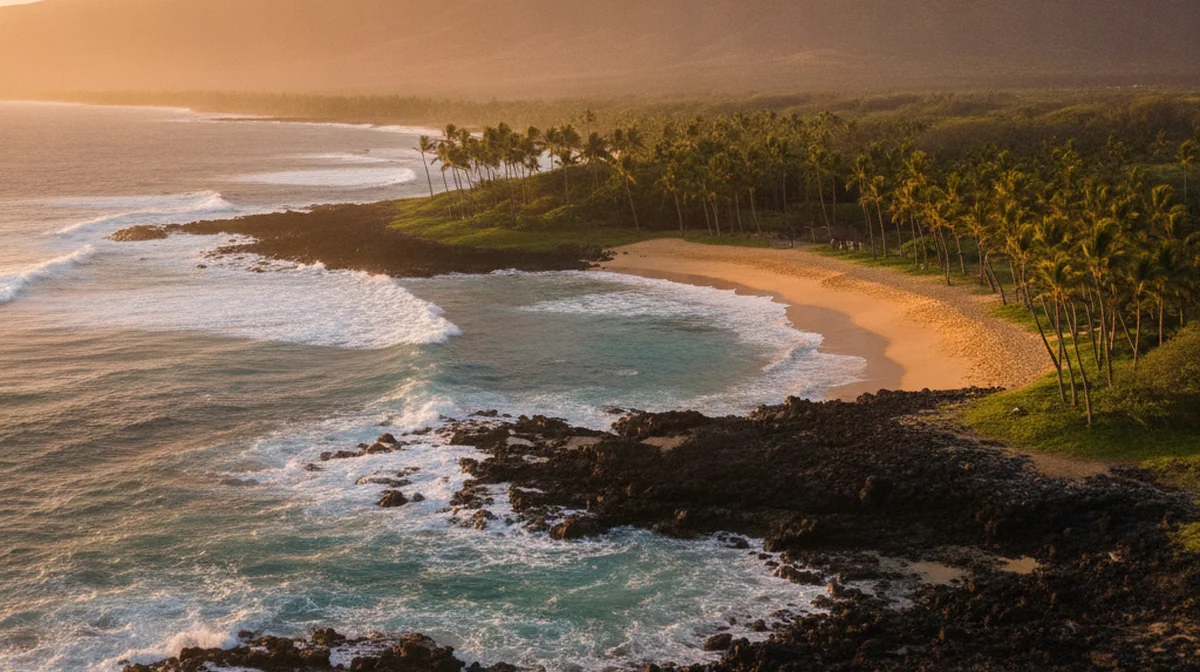
The Island of Hawaii — the Big Island — is larger than all the other Hawaiian islands combined, and it behaves like several destinations wearing one name. The Kona side is sun, coffee farms and manta rays; the Kohala Coast is the resort corridor, black lava fields opening onto some of the best beaches in the state; Hilo is rain, waterfalls and old sugar-town streets; and up the mountain, Hawaii Volcanoes National Park draws well over a million visitors a year to watch the planet build itself. For rental owners, that variety is the whole game. A Waikoloa resort condo, a coffee-country cottage above Holualoa and a rainforest house in Volcano Village serve three different guests — and the listing that knows exactly which one it's for is the listing that books.

Big Island demand runs steadier than most mainland leisure markets. Winter is the peak — December through March brings snowbirds, holiday families and humpback whales — and summer is a strong second season for families. Blended numbers land around $420 a night with occupancy in the low 60s, with the Kohala Coast resorts well above that and the Hilo side well below. The calendar has real spikes: the Ironman World Championship returns to Kona as a single-day race on October 10, 2026 — men and women racing together on the island for the first time since 2019, with close to 3,000 athletes plus their families and crews — and the Merrie Monarch Festival sells out the Hilo side every spring. The wildcard is regulation: as of July 1, 2026, every short-term rental on the island must be registered with Hawaii County, which is thinning the casual competition and rewarding owners who run things properly.

Top Attractions & Landmarks

  • Hawaii Volcanoes National Park
  • Mauna Kea
  • Hapuna Beach State Recreation Area
  • Kealakekua Bay
  • Punalu'u Black Sand Beach
  • Pu'uhonua o Honaunau National Historical Park
  • Akaka Falls State Park

Nearby Markets: Maui  |  Kauai  |  Honolulu

Airbnb marketing services in Big Island, Hawaii, USA
Postcards

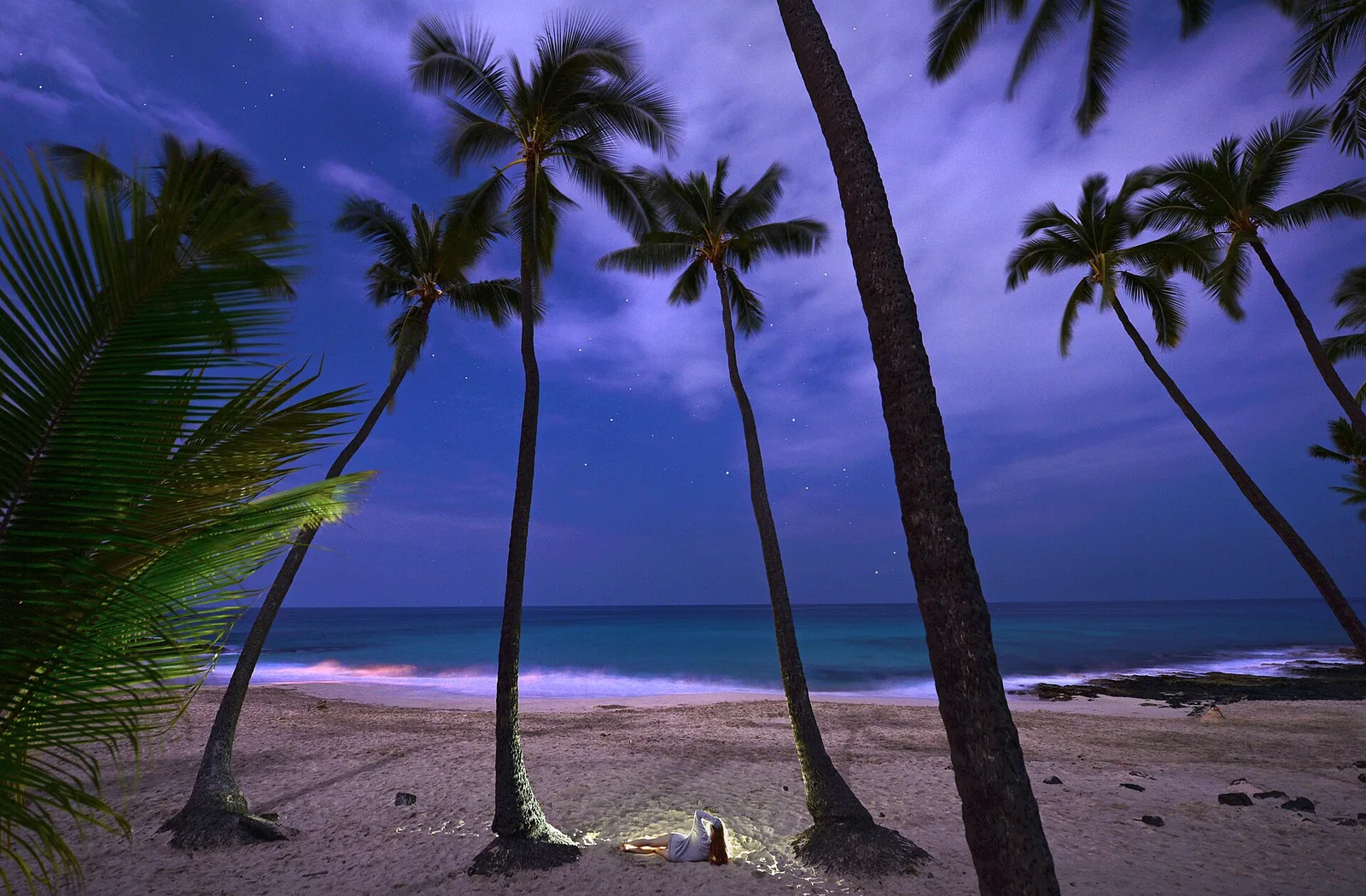
Big Island through the lens

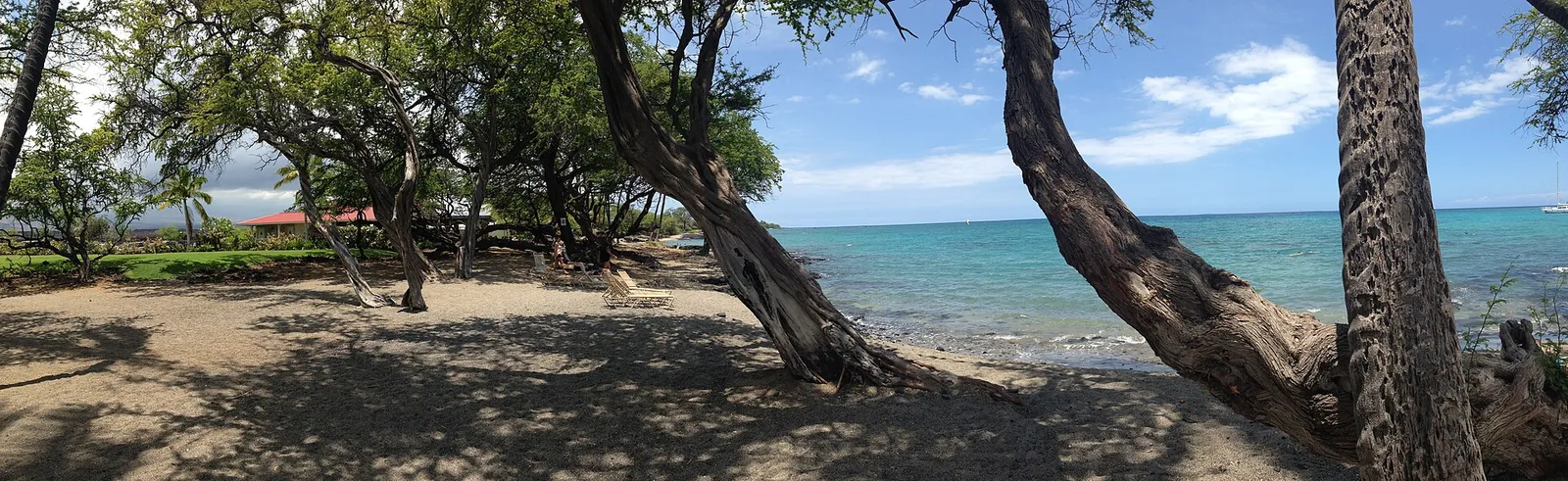
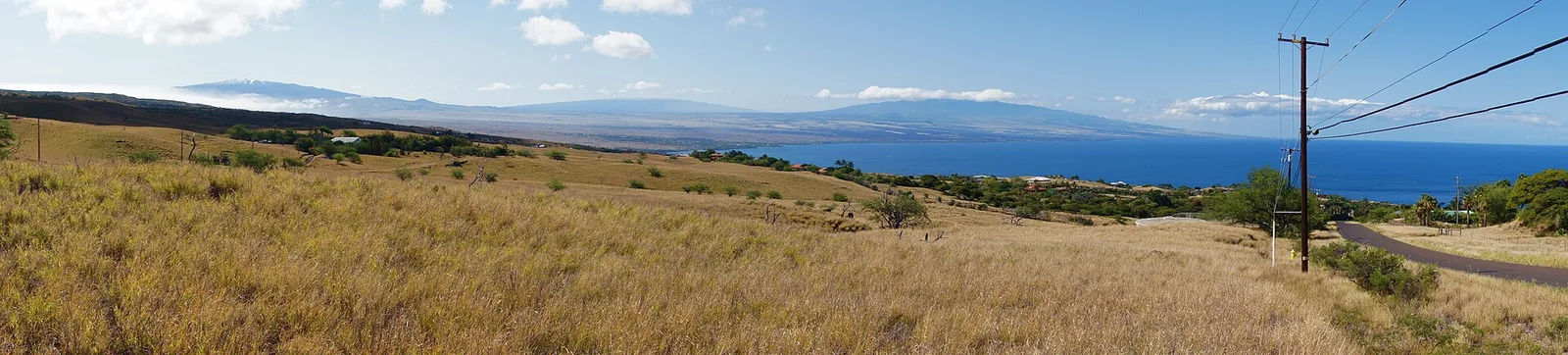
A few of the visual fingerprints we lean into when we shoot, brand and market a Big Island property — courtesy of the open Wikimedia Commons archive.

Anaeho'omalu Panorama — Big Island airbnb marketing
Local Color
Anaeho'omalu Panorama
Kohala Coast and Three Volcanoes — Big Island airbnb marketing
Local Color
Kohala Coast and Three Volcanoes
Magic Sands Hawaii Christmas — Big Island airbnb marketing
Local Color
Magic Sands Hawaii Christmas
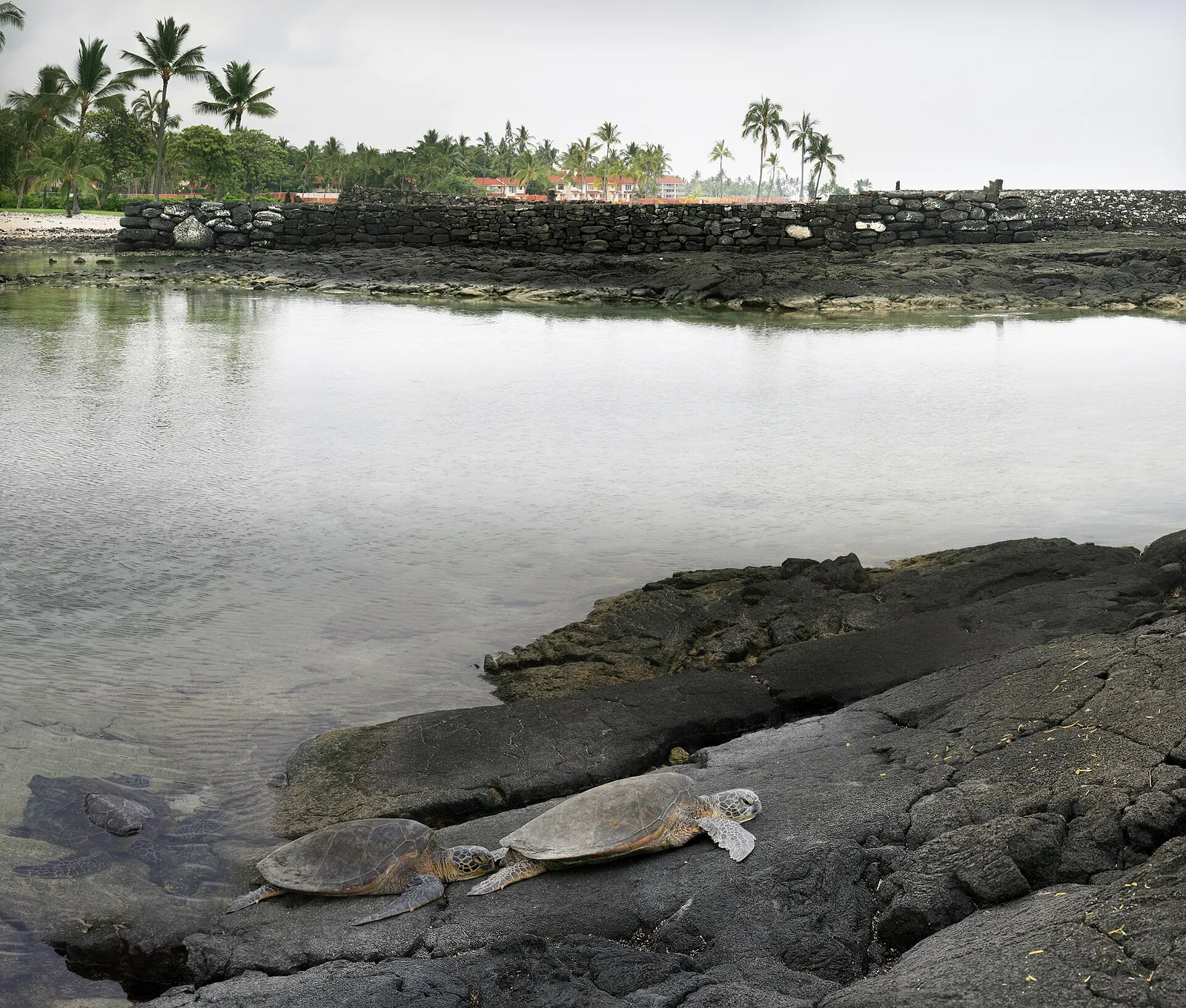
Green turtles at an old lava flow and Hawaiian temple at background — Big Island airbnb marketing
Local Color
Green turtles at an old
Why Cavmir

The Cavmir Advantage
in Big Island

Cavmir wins on the Big Island because most listings here sell a unit when the guest is buying an island. A Waikoloa condo listing that leads with the floor plan instead of the beach, a Volcano cottage that never mentions the crater glow ten minutes away — that's the standard we compete against. We shoot the lava coast and the golden-hour light properly, write listings that tell guests which side of the island they're choosing and why, and build direct-booking websites for owners, coffee-country inns and small hotels so returning winter guests stop costing you platform fees. We also keep your paperwork visible — in a newly registered market, a compliant listing reads as the safe choice. We help position and market your property. We never manage it or touch your keys.

State of the Industry · History

The Big Island STR Market — Past & Present

The Island of Hawaii is where the kingdom began. Kamehameha I was born in North Kohala and ruled from Kamakahonu on Kailua Bay after unifying the islands; the royal vacation residence at Hulihee Palace, built in 1838, still faces the seawall in Kailua-Kona, across the road from Mokuaikaua Church, whose congregation dates to the first missionaries of 1820. Coffee took root on the Kona slopes in the 1820s and never left — the Kona coffee belt above Holualoa and Captain Cook remains the most famous growing region in the country — while John Palmer Parker's ranch at Waimea, founded in 1847, grew into one of the largest cattle operations in the United States and gave the island its paniolo cowboy culture. Sugar ruled the Hilo and Hamakua coasts for a century before collapsing in the 1990s.

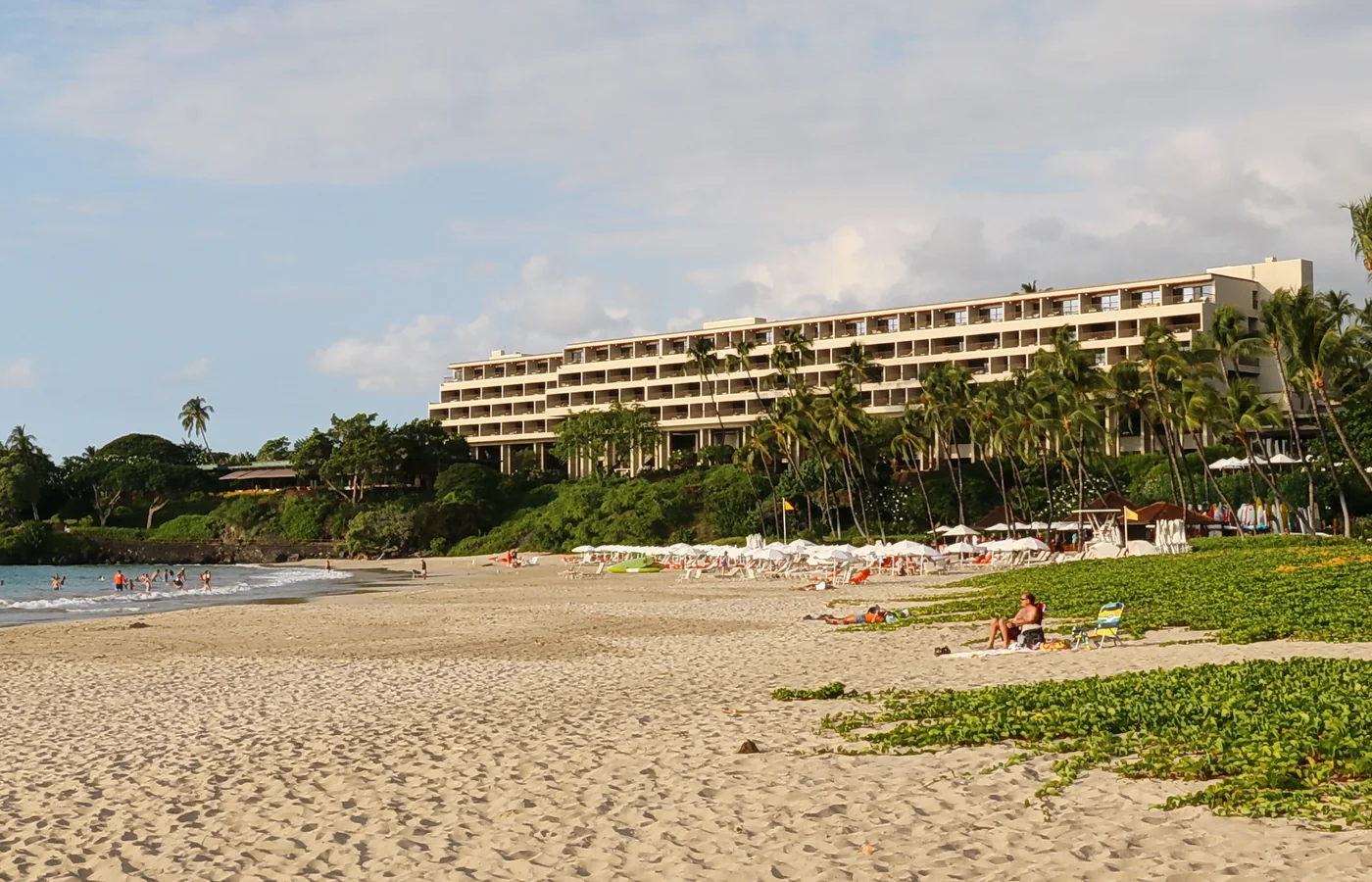
Modern tourism arrived when Laurance Rockefeller opened the Mauna Kea Beach Hotel on Kauanoa Bay in 1965, proving that the black lava desert of the Kohala Coast concealed the state's best beach weather. The resort corridor followed — Mauna Lani and Waikoloa Beach Resort in the 1980s — while Kailua-Kona grew into the visitor hub and the Ironman World Championship, first raced in Kona in 1981, made the town famous in triathlon households worldwide. The rental market grew up alongside: resort condos on the Kohala Coast, walkable Alii Drive units in Kona, coffee-country cottages, and rainforest houses in Volcano Village serving the national park. The county drew its first hard lines in 2018 with Bill 108, restricting unhosted vacation rentals to resort, commercial and certain multifamily districts, and finished the framework in 2026 with island-wide registration — the market's shift from frontier to system, completed this year.

Pricing Strategy & Seasonality

Pricing, Seasonality & When to Capture ROI

Pricing Strategy

The Kohala Coast is the ceiling — condos and villas inside Waikoloa Beach Resort, Mauna Lani and the Mauna Kea resort area trade on the best beaches and the driest weather in the state, with peak-winter rates far above the island blend. Kailua-Kona and Keauhou are the volume middle: oceanfront Alii Drive condos with seawall views and manta-ray access. Holualoa and the coffee belt sell lanai views a thousand feet over the coast at attractive entry prices; Volcano Village runs its own economy on national-park proximity, cool air and rainforest cabins; and the Hilo side is the value play — lower rates, steadier weekday demand, and the whole Merrie Monarch week to itself. Blended, the island lands near $420 a night, but the spread between a marketed Kohala condo and a neglected Hilo unit is the widest in Hawaii.

Seasonality & ROI Windows

Winter is the peak — mid-December through March brings holiday families, snowbird stays that run weeks, and humpback whales offshore. Summer is a strong second season for mainland families. The soft months are late spring and especially September through mid-October — except in Kona, where the Ironman World Championship detonates over everything in early October, and on the Hilo side each spring, when Merrie Monarch week sells out a year ahead. The smart calendar treats those two events as separate seasons of their own.

Regulation & Licensing · 2026

What the Law Requires in Big Island

The Big Island is now a fully regulated, registration-based market, and the framework has two layers. The zoning layer dates to Bill 108 (Ordinance 2018-114): unhosted short-term vacation rentals — a home rented for short stays without an owner or operator living on site — are permitted only in resort, hotel, certain commercial and certain multifamily districts. Outside those districts, unhosted rentals could only continue under a Nonconforming Use Certificate (NUC) obtained by operators who were already running before the ordinance; that application window closed years ago, so in most residential and agricultural zones there is no path to starting a new unhosted rental. Hosted rentals — where you live on the property — were left largely outside Bill 108's restrictions.

The registration layer is brand new: under Bill 47 (Ordinance 25-50), in force since July 1, 2026, every short-term rental on the island — hosted or unhosted, for stays of 180 days or fewer — must be registered with Hawaii County. Initial registration runs $250 for hosted and $500 for unhosted rentals, renewing annually at $100 and $250, and operating unregistered draws fines of $1,000 to $10,000 per violation, with continued violations exposing owners to daily penalties. Booking platforms must themselves register with the county and report their listings monthly, so unregistered properties will surface quickly. On top of the county rules sits the state's requirement to hold transient accommodations and general excise tax licenses, with your TAT number displayed in every advertisement. The county council has continued discussing further oversight through 2026, so treat this as a moving target — confirm your zoning, your registration category and your paperwork with the Hawaii County Planning Department and your attorney before you list.

Market-Specific Tips & Challenges

Local Tips & Unique Market Challenges

Tips That Actually Move Revenue in Big Island

The Big Island strategic tip: sell the side of the island, not just the unit. This island is bigger than Connecticut, and the most common guest mistake is booking the wrong coast for the trip they imagined — then saying so in the review. The listing that explains its geography honestly — Kona for sun and manta rays, Kohala for the beaches, Volcano for the park, Hilo for waterfalls and Merrie Monarch — books the right guest at a better rate and collects the five-star review the mismatched listing never will.

Tactically: first, get registered and put the numbers in the listing. As of July 2026 every legal rental on this island holds a county registration and a state TA number, and platforms are reporting monthly — visible compliance is now table stakes and a trust signal in one. Second, shoot golden hour on the lava coast. The late light on black rock, turquoise water and palms is the single most persuasive image in Hawaii, and most condo listings substitute a mid-morning phone shot of a lanai railing. Third, if you own in a resort complex, differentiate or drown: there may be forty near-identical units in your building on the same platforms, and photography, copy and a direct-booking page are the only levers that separate yours. Fourth, price the Ironman window like the event it is — the 2026 return of the single-day championship is the strongest October Kona has had in years, and flat October pricing is a donation. Fifth, build the direct channel for winter: snowbirds and returning families rebook the same weeks annually, and a simple direct-booking site with an email list converts that loyalty into commission-free revenue.

Unique Big Island Challenges

The honest headwinds: zoning forecloses new unhosted rentals across most residential and agricultural land, the new registration regime adds fees and paperwork with real teeth, and Hawaii's combined lodging taxes are now among the highest in the country. Costs run high — insurance, maintenance, and everything that arrives by barge — and resort-condo owners face HOA fees and dense same-building competition. September can go very quiet outside Kona.

A Curious Big Island Fact
The Big Island is the only place in the United States that is still getting bigger. Kilauea's 2018 eruption, even as it destroyed hundreds of homes in Puna, poured enough lava into the ocean to add roughly 875 acres of brand-new land to the island's coastline. And the island was already the record-holder for scale: measured from its base on the seafloor, Mauna Kea rises more than 30,000 feet — taller than Everest — with snow on its summit visible from beaches where guests are swimming in January.
Finance Essentials — Big Island
🛡️

Insurance

Hawaii property insurance is its own discipline: lava-zone ratings affect both availability and price — much of Puna and Kau sits in the highest-risk zones, where coverage is limited and specialized — and coastal properties carry hurricane and flood considerations on top. Standard homeowner policies don't contemplate paying guests, so plan on a short-term-rental or landlord policy with strong liability limits, and confirm your lava zone before you buy anything. Use a Hawaii broker who works vacation rentals on this specific island; mainland assumptions don't transfer.

🧾

Property & Income Tax

Hawaii taxes short stays like hotels, and 2026 raised the stakes: the state transient accommodations tax rose to 11% on January 1, 2026 — including the new 0.75% climate 'Green Fee' — and Hawaii County adds its own 3% county TAT. On top sits the general excise tax at roughly 4.5% on the island (commonly passed through at 4.712%), bringing the effective combined load to around 18.5% of the rental price. Platforms collect some of this; registration, filing and anything they miss remain yours. Treat these figures as 2026 approximations and confirm your exact obligations with your accountant.

🏦

Mortgages & Financing

Hawaii lending runs on second-home and investor products — expect larger down payments, and note that many Kohala and Kona resort condos sit in condotel or high-investor-ratio buildings that conventional lenders decline, pushing buyers toward portfolio or DSCR loans underwritten on rental income. Lava-zone ratings also affect financing, not just insurance. Leasehold properties still exist here and are a different purchase entirely — read what you're buying. Work with a lender who closes Big Island resort property regularly; this is not a market for a generic pre-approval.

Future Outlook · 2027 & Beyond

Where Big Island is Headed Next

The Big Island's setup into 2027 favors the compliant, well-marketed owner more clearly than almost any market we cover. Registration under Ordinance 25-50 is culling the gray-market inventory just as the island's demand calendar strengthens — the single-day Ironman World Championship is back in Kona as of October 2026 with a nine-figure economic footprint, Merrie Monarch keeps growing, and Maui's move to phase out thousands of apartment-zoned vacation rentals is likely to redirect some visitor demand across the channel. Supply, meanwhile, is capped by zoning: no new unhosted rentals outside the resort districts, and the NUC pool only shrinks. Taxes are high and rising, and the council keeps tinkering — but for the owner with legal zoning, a county registration and a real brand, scarcity plus demand is a durable combination. The work now is presentation and the direct channel, because the regulatory moat is already built.

From the Desk of Sofie Sinag

Why We Love Marketing in Big Island

The Big Island is the best raw material in American vacation rentals, and it's not close. Where else does one property market get black-sand beaches, snow-capped summits, an erupting national park, the best coffee in the country and manta rays on a night swim — all on the same electric bill? The island photographs like five different countries, and the listings mostly ignore all of it: resort condos shot like real-estate closings, Volcano cabins that never mention the crater glowing ten minutes up the road. The gap between what this island is and how its rentals present themselves is enormous, and closing gaps like that is the whole reason this agency exists.

We also love that this market just picked its winners. As of July 2026, every legal rental on the island holds a county registration, the platforms report monthly, and the casual operators are exiting. What's left is a smaller field of owners who did the paperwork — and for them, the marketing math has never been better: capped supply, a demand calendar that includes the Ironman's return and whale season, and a guest who books Hawaii with more intention (and more budget) than almost any other American destination. Helping a compliant Kona condo or a coffee-country inn out-present forty identical competitors is honest, satisfying work with a scoreboard. That's our kind of market.

Why It Matters

A great property in Big Island doesn't just want a listing — it wants a point of view, an audience, and a brand the city itself would recognise.

Cavmir's Big Island Cheat Sheet

The Picks We Recommend for Your Welcome Book

A few honest, insider picks for the Island of Hawaii — the kind of specifics that make a listing read like a local wrote it, because one did. Real places, no filler.

Morning

Kealakekua Bay before the wind

Get on the water early, when the bay is glass and the spinner dolphins are still around. The snorkeling near the Captain Cook Monument is the best in the state, and by 10 a.m. the tour boats own it. Guests who go at 7 remember the trip forever.

Golden Hour

Anaehoomalu Bay, Waikoloa

A-Bay at sunset is the Kohala Coast's signature image — palms silhouetted over the fishponds, lava rock going copper, sailboats offshore. It's a five-minute walk from the Waikoloa resort condos, and it's the closing photograph every one of those listings should end on.

Neighborhood Walk

Alii Drive, Kailua-Kona

The seawall stretch past Hulihee Palace and Mokuaikaua Church — royal history, surf breaking on the wall, coffee shops and the pier where the Ironman starts. 'Walk to Alii Drive' is worth more in a Kona listing than a paragraph of adjectives.

Dinner That Photographs

Lava Lava Beach Club, Waikoloa

Toes-in-the-sand tables on A-Bay as the sun drops behind the palms. It's the dinner photo guests send to the group chat that books next year's trip — exactly the aspiration a Kohala Coast listing should be selling.

Local Obsession

Kona coffee allegiances

Everyone up the mauka slopes swears by their farm — Greenwell Farms has been at it since 1850, and the tasting rooms of Holualoa each have partisans. Naming the farm tour ten minutes from your rental is the cheapest authenticity a listing can buy.

Shoulder Season Secret

Manta rays in September

September is the island's quietest month — and the manta ray night snorkel off Keauhou runs year-round in warm, calm water. Selling the mantas plus soft-season rates to couples is how smart Kona owners fill the one month everyone else writes off.

Weekend Escape

Volcano Village and the crater at night

Two hours from Kona: rainforest cabins at 3,700 feet, sweater weather, and Halemaumau's glow after dark in Hawaii Volcanoes National Park. Kona-side listings should pitch it as the overnight side trip; Volcano listings should sell nothing else first.

What Guests Ask For

The rental car and the two sides

Every guest asks the same two things: do we need a car (yes — the island is nearly the size of Connecticut) and Kona side or Hilo side (sun and beaches versus waterfalls and rain). Answer both plainly in the listing and your inquiries get shorter and your reviews get better.

Local Work · Composite Case Vignettes

What Cavmir Has Done for Big Island Properties

A few composite engagements drawn from how Cavmir typically works in this market. The details are illustrative and consistent with the Big Island, not pulled from a single named client.

Resort condo · Waikoloa Beach Resort
The Brief

A two-bedroom in a Kohala Coast resort complex competed against dozens of nearly identical units in the same buildings — same floor plans, same pool, same midday phone photos — and won bookings only by undercutting on price.

What We Did

Cavmir shot the unit and the resort at golden hour — A-Bay, the fishponds, the lava-and-palms light — rebuilt the listing around the Kohala Coast story instead of the floor plan, put the county registration and TA number front and center, and built event-aware pricing for whale season, the holidays and the 2026 Ironman window.

The Result

The unit stopped competing on price against its own building, winter weeks began booking earlier at stronger rates, and the owner entered the newly registered era positioned as the compliant, premium choice in the complex.

Rainforest cottage · Volcano Village
The Brief

A cedar cottage minutes from Hawaii Volcanoes National Park was marketed like a generic cabin — no mention of the crater glow, the 3,700-foot climate or the park at all — and sat empty on weekdays while over a million annual park visitors drove past.

What We Did

Cavmir repositioned the property entirely around the park: night-glow and rainforest photography, copy built for the park traveler's itinerary, listing placement tuned to national-park search behavior, and a shoulder-season push aimed at couples and photographers.

The Result

Weekday occupancy filled in behind the weekend base, the cottage attracted a better-matched guest who came for exactly what the property offered, and reviews began doing the marketing the old listing never had.

Coffee-country inn · Holualoa
The Brief

A small inn on the Kona coffee belt — lanai views a thousand feet over the coast, farm tours next door — ran almost entirely on OTA bookings, with a dated website that buried its best asset and paid commission on guests who would have booked direct.

What We Did

Cavmir rebuilt the brand and direct-booking website around the coffee-country story, reshot the lanai light and the harvest season, ran search marketing for Kona farm-stay and inn terms, and built an email program around returning winter guests and the November coffee festival.

The Result

Direct bookings grew into a meaningful share of revenue, the inn held stronger rates through winter than its OTA-dependent years, and the owner finally owned the guest relationships the platforms had been renting back to her.

Ready to Grow in Big Island?

Let's Put Your Big Island
Property on the Map

Talk to Cavmir today. We'll show you exactly what your Big Island property is leaving on the table — and how fast we can change that.

Book a Free Strategy Call