Neighbourhoods · Where to Buy
Salvador quarter by quarter, and the guest each one wins
Salvador's demand is pinned to particular streets — the Carnival circuits, the Iemanjá shoreline, the colonial centre — so the address decides your guest, your season and which rules bite hardest. Figures A Tarde gathered from agencies and platforms in January 2026 show the size of the prize. Packages covering every day of Carnival in Barra ran up to R$36,000 for flats facing the sea and the trios' route, R$12,000 to R$23,000 for mid-standard units or condos with facilities, and R$9,000 to R$18,000 for simple places on back streets. Packages ran 7 to 8 days, mostly in flats of 1 to 3 bedrooms sleeping 3 to 8 people. Treat that as one season's snapshot and confirm current asking prices with local agents. It's the street-by-street read Cavmir starts from when we market a home here, because the quarter sells the stay long before the photos do.
Barra and Ondina, the Carnival front row
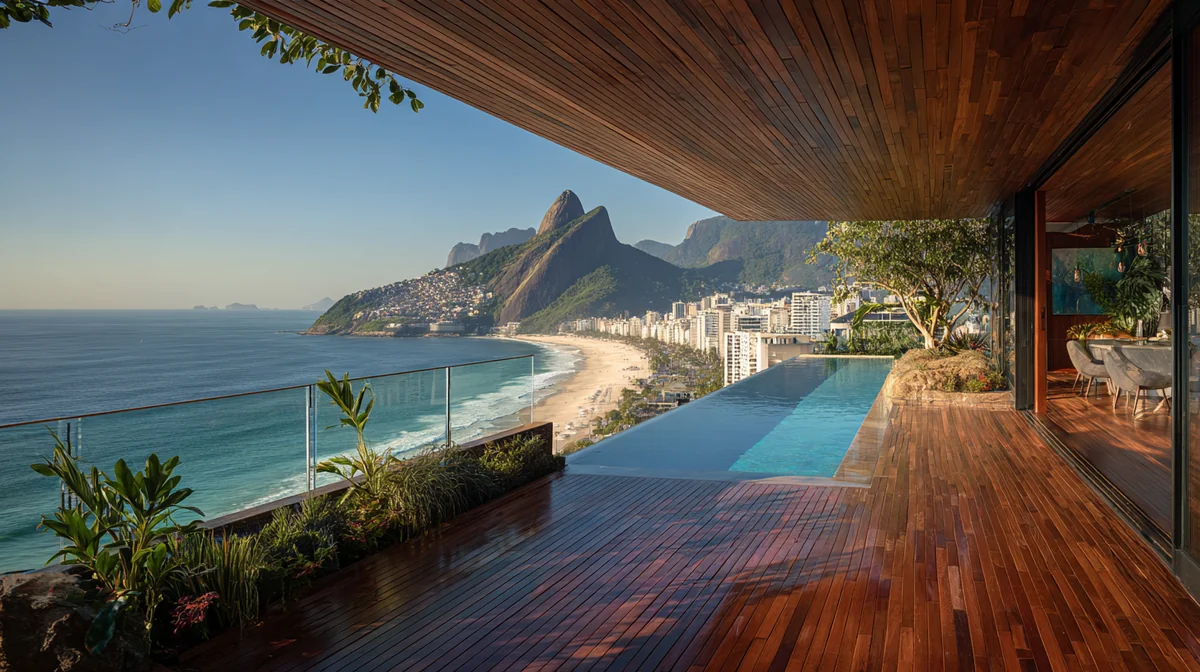
Barra is the postcard: the calm bay water of Porto da Barra, the lighthouse fort at Farol da Barra, and the Barra-Ondina Carnival circuit running along Avenida Oceânica. It wins Carnival groups, first-time international visitors and beach couples who want to walk everywhere. The product is a one- to three-bedroom flat in a residential tower, and the premium goes to a balcony that faces the sea or the circuit; A Tarde found one 50-square-metre flat on Rua Miguel Burnier listed at R$3,760 a night for the 2026 festival. Ondina, just east along the same avenue, adds more hotels and apartment-hotel towers on the route, and they set the price you compete with. Almost everything in both sits inside a condominium, so this is where the May 2026 ruling and the pending Tema 1.443 matter most. Before you buy, read the convention and the last two years of minutes, and ask how the building handles guest access during Carnival week.
Rio Vermelho, Pelourinho and Santo Antônio Além do Carmo
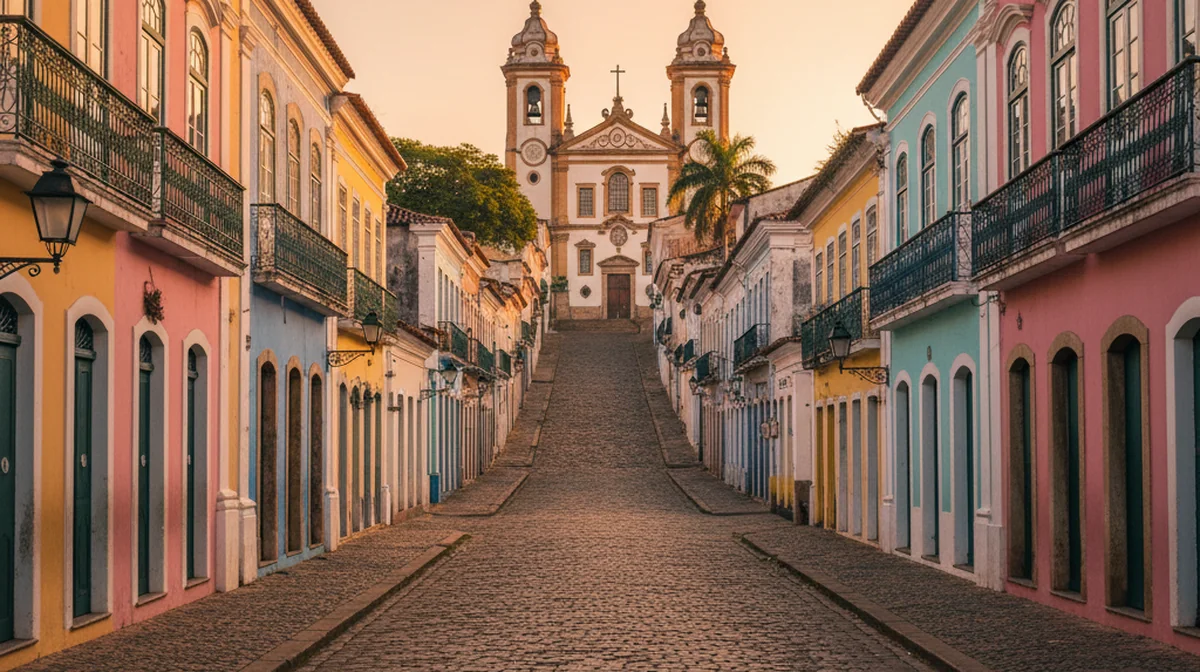
Rio Vermelho is the bohemian quarter: bars, live music, the acarajé stands of Largo de Santana and the Iemanjá festival on its shore each February. It wins younger domestic travellers, creatives and longer-staying international guests who'd rather eat and listen than lie on a beach, and it suits a two-bedroom flat or a small house with good windows and a clear note on weekend noise. Up the hill, Pelourinho and Santo Antônio Além do Carmo make up the protected historic centre, where any change to a façade or structure goes through IPHAN, the federal heritage institute. Pelourinho sells the culture traveller a restored colonial sobrado near the drumming and the churches; Santo Antônio, quieter, sells couples small pousadas, views over the bay and the restaurants of Rua Direita de Santo Antônio. A standalone house outside any condominium escapes the convention question entirely, though you should budget for heritage approvals and slow, specialist renovation.
Itapuã and Praia do Forte, the beach-and-family play
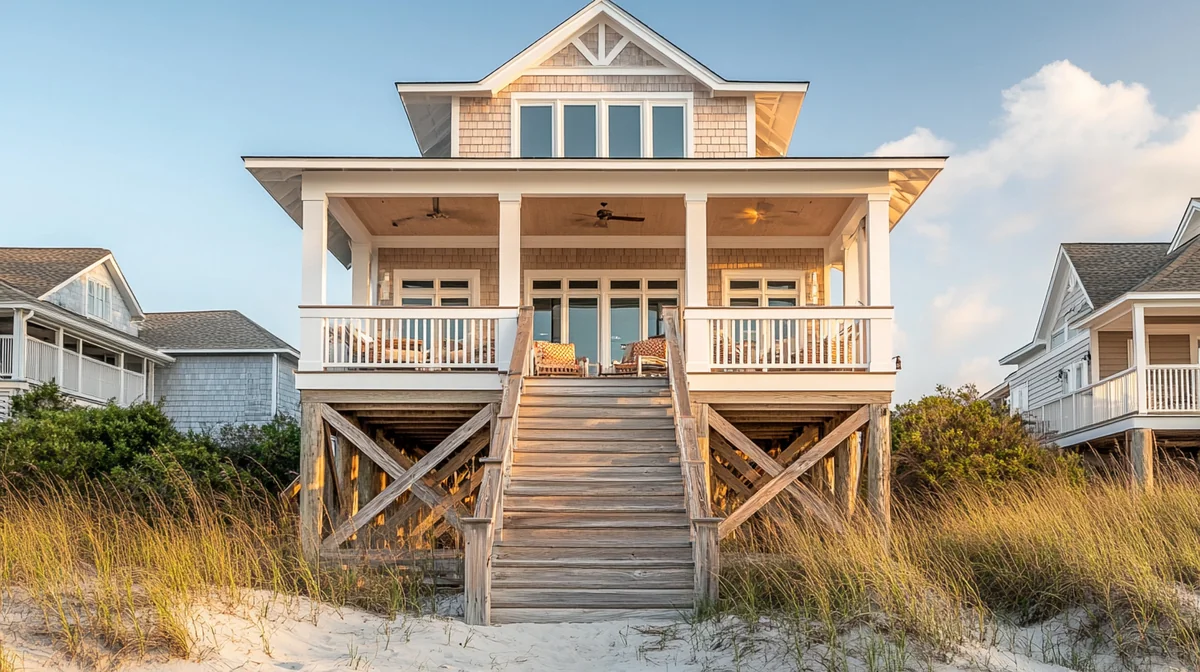
North along the Orla, Itapuã and neighbouring Stella Maris trade the culture walk for wide beaches, the Itapuã lighthouse, the dunes and dark water of Lagoa do Abaeté, and the shortest ride to the airport. They win domestic families, weekenders from the Bahian interior and guests on late flights, and the product is a house or a club-style condominium flat with a pool, parking and air-conditioning in every bedroom. Further up the coast, Praia do Forte belongs to another municipality, Mata de São João, so Salvador's ISS law doesn't reach it and that town's own rules apply. It's the resort-and-family market: the Projeto Tamar sea-turtle centre, the Garcia d'Ávila castle ruins, and gated estates of villas and village flats that sell week-long stays to families and international couples. Inside those estates the internal rules on rentals, guest registration and staff access can be stricter than any law, so get them in writing before you sign.