$455
Avg. Nightly Rate
48%
Avg. Occupancy Rate
$6,550
Avg. Monthly Revenue
4-7%
Est. Cash-on-Cash ROI
HIGH
Seasonality
HEAVY
Regulatory Burden

* Market averages. Cavmir-managed properties typically exceed these figures by 25–45%. Data sourced from AirDNA, STR market reports, and Cavmir internal analytics.

The Market

Why Napa Valley is One of the World's Premier STR Markets

Napa Valley is America's premier wine country, and the bookings follow the cork. You've got the City of Napa anchoring the south with the Oxbow Public Market and the Napa Valley Wine Train, then a 30-mile ribbon of vineyards up Highway 29 and the Silverado Trail through Yountville, Oakville, Rutherford and St. Helena, all the way to spa-town Calistoga with its Old Faithful Geyser and the medieval Castello di Amorosa. Travelers here aren't bargain-hunting. They're couples on anniversaries, foodies booking Yountville's French Laundry months out, and groups splitting a villa for a harvest weekend. They pay for proximity to the tasting rooms and a place that photographs as well as the wine does.

Demand runs on the calendar. Fall crush from September into October is the super-peak, when every winery throws a harvest party and the legal inventory sells out weeks ahead. Spring is strong, summer is hot and busy, and winter is quiet “cabernet season.” Whole-home rentals near downtown Napa, St. Helena and the up-valley tasting corridor command the real premiums because guests want to walk to dinner or be a short drive from Oakville. The traveler is high-intent and high-spend, which means a sharp listing with great photos and a direct-booking option earns more per night than the rate sheet suggests.

Top Attractions & Landmarks

  • Oxbow Public Market
  • Napa Valley Wine Train
  • Castello di Amorosa
  • Old Faithful Geyser of California
  • Silverado Trail
  • Yountville & The French Laundry
  • Downtown St. Helena

Nearby Markets: Lake Tahoe  |  Los Angeles  |  San Diego

Airbnb marketing services in Napa Valley, California, USA
Postcards

Napa Valley through the lens

A few of the visual fingerprints we lean into when we shoot, brand and market a Napa Valley property — courtesy of the open Wikimedia Commons archive.

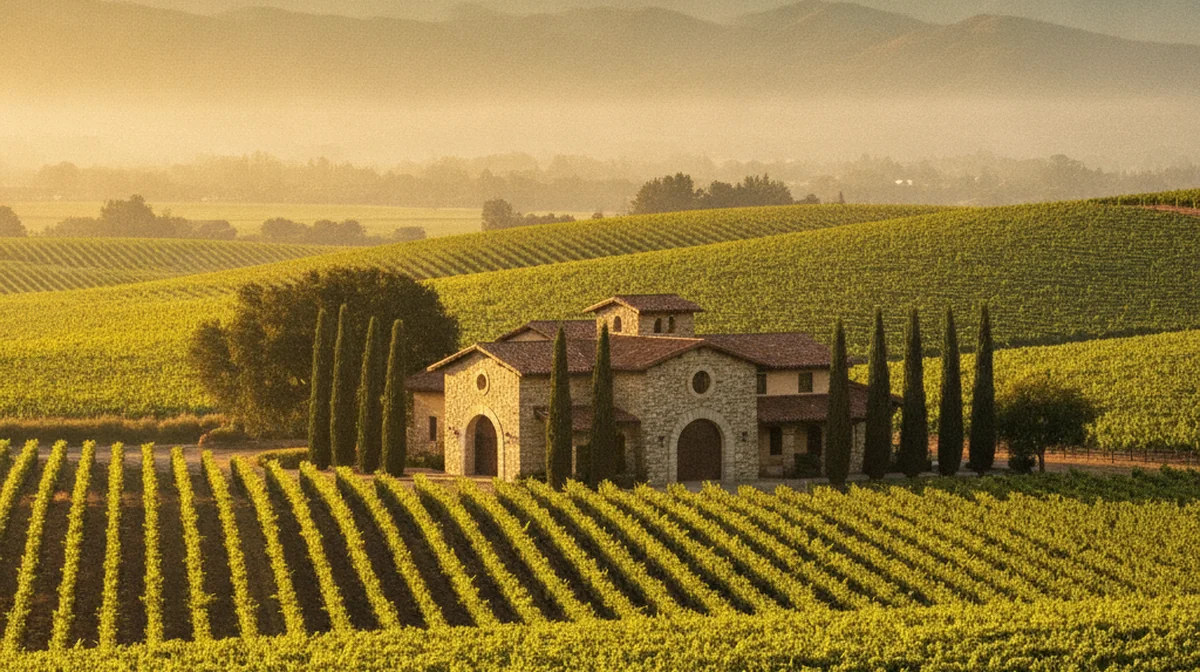
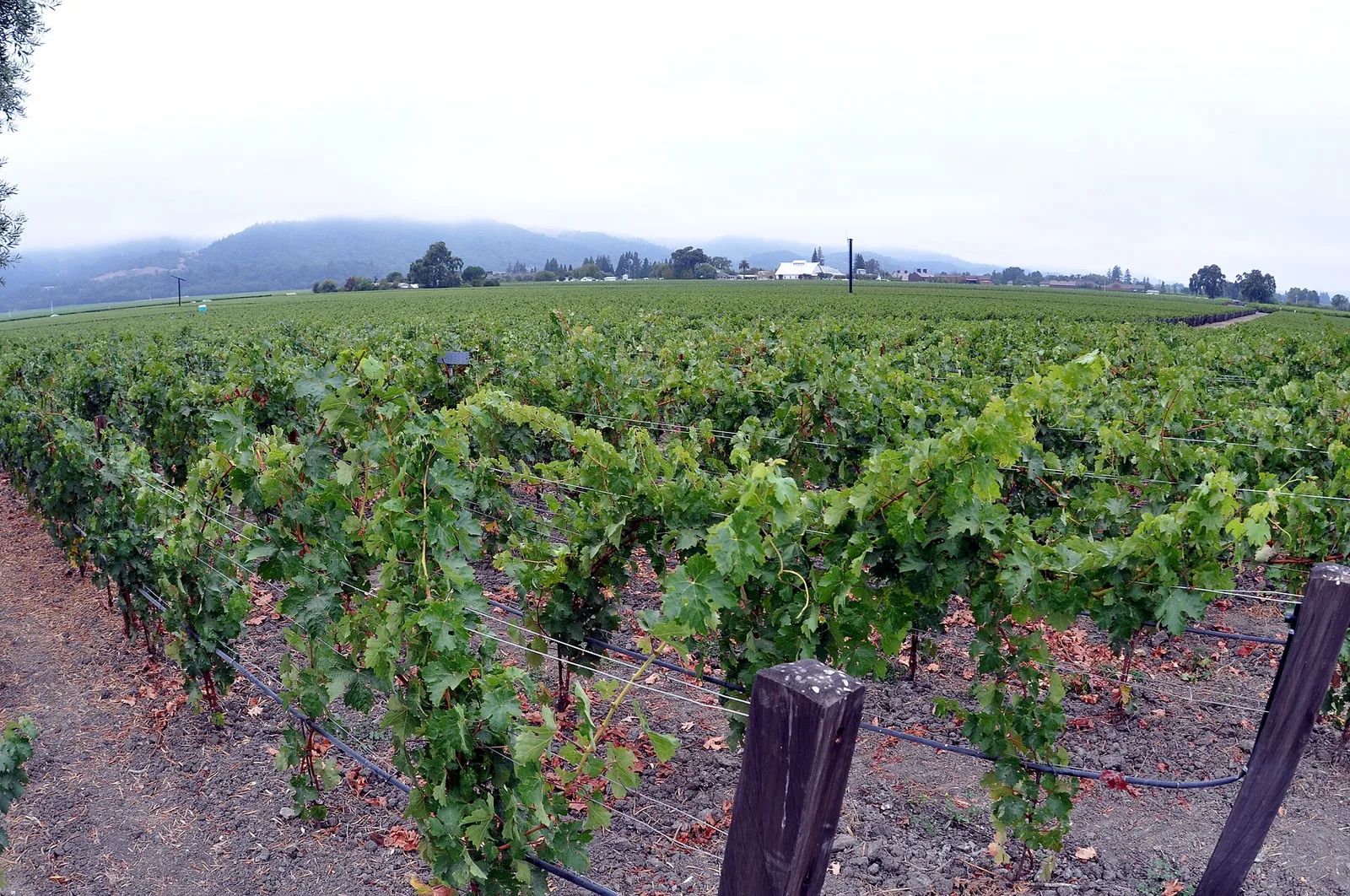
Vineyards of Napa Valley panorama — Napa Valley airbnb marketing
Local Color
Vineyards of Napa Valley panorama
Napa Valley OpusVines Photo Don Ramey Logan 01 — Napa Valley airbnb marketing
Local Color
Napa Valley OpusVines Photo Don
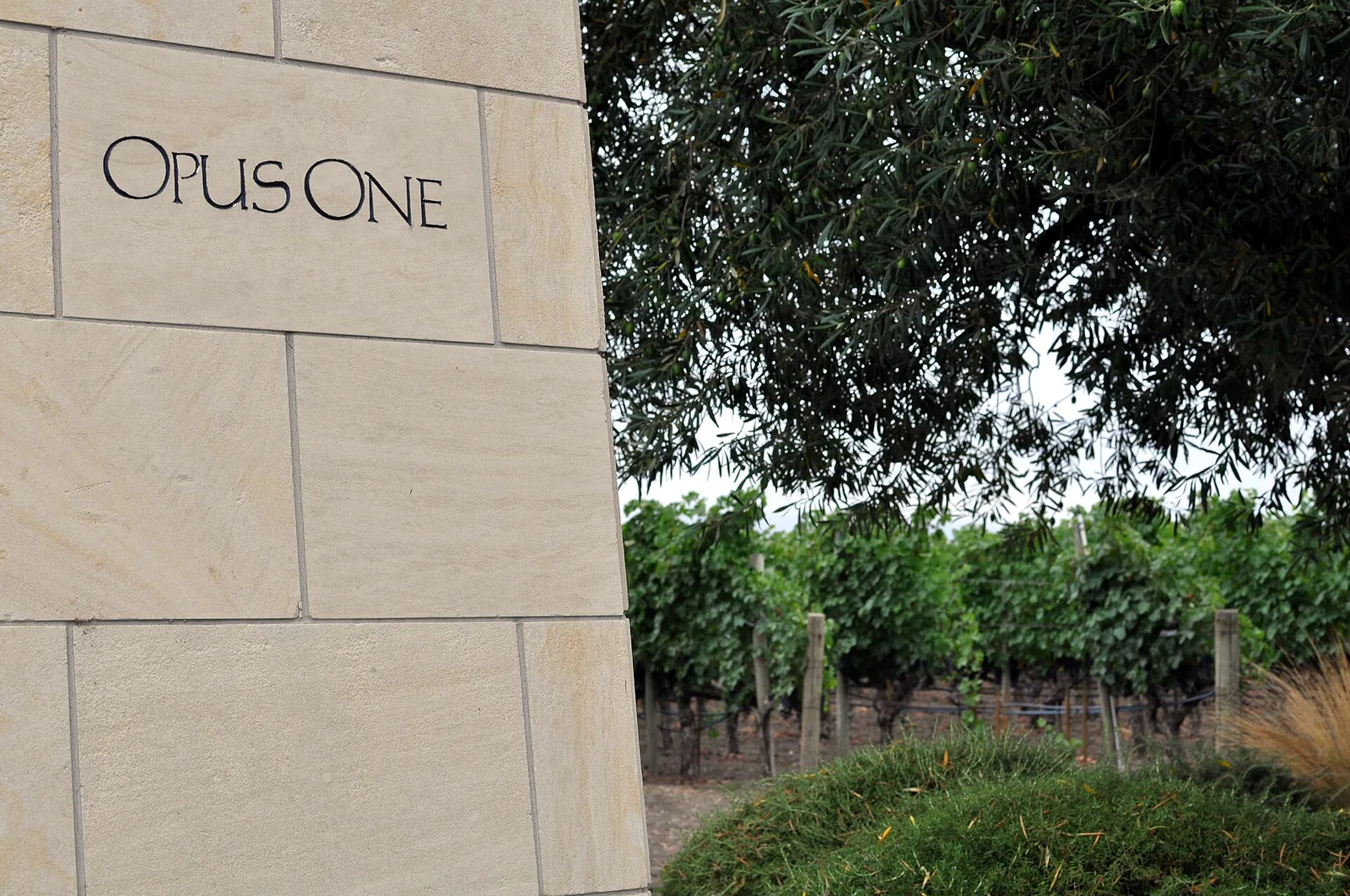
Napa Valley Opus One Photo Don Ramey Logan 01 — Napa Valley airbnb marketing
Local Color
Napa Valley Opus One Photo
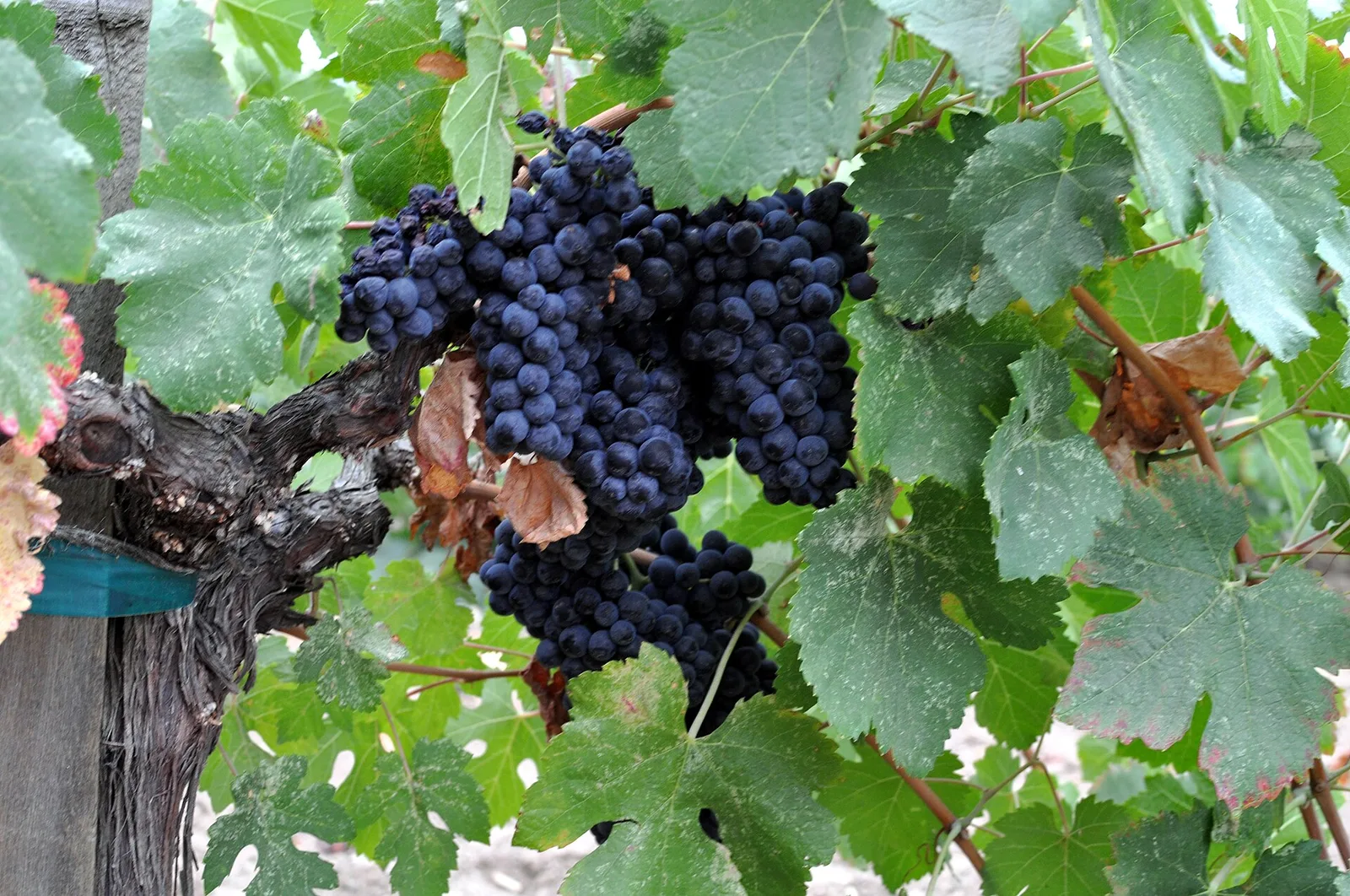
Napa Valley grapes Photo Don Ramey Logan 02 — Napa Valley airbnb marketing
Local Color
Napa Valley grapes Photo Don
Why Cavmir

The Cavmir Advantage
in Napa Valley

Napa's catch is that legal inventory is scarce and tightly capped, so the operators who hold a permit can't afford a sleepy listing. Cavmir helps your property look like the destination it sits in: cinematic photography that reads the light off the vines, a brand that says wine country instead of generic rental, and listing copy tuned to the harvest and shoulder-season searches. We position you across the channels, build a direct-booking site so you're not renting your guest list from a platform, and chase the cabernet-season nights most hosts leave empty.

State of the Industry · History

The Napa Valley STR Market — Past & Present

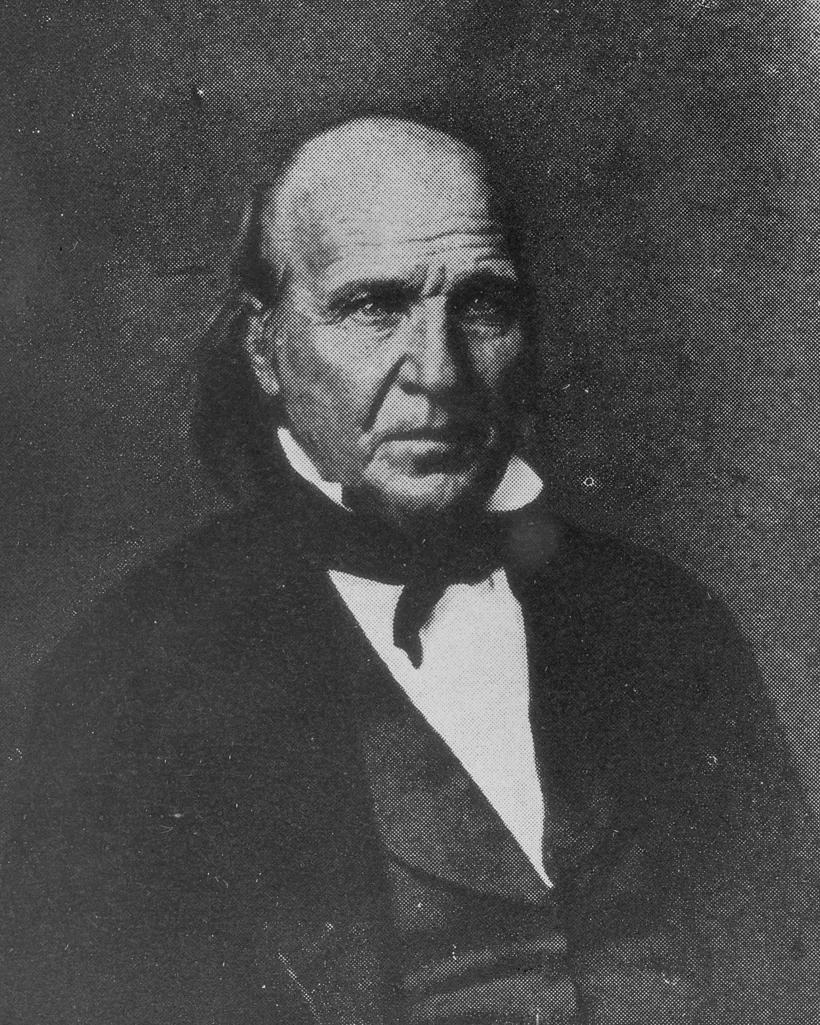
Napa Valley made wine before it made headlines. George Yount planted the valley's first grapes near present-day Yountville in the late 1830s, and by the 1880s Napa had hundreds of wineries and a reputation taking shape. Phylloxera, then Prohibition, nearly wiped it out — the count of bonded wineries collapsed and the vines came out for prunes and walnuts. The comeback is the famous part. In the 1960s Robert Mondavi opened the first major new winery since Repeal, and in 1976 the “Judgment of Paris” put a Napa cabernet and a Napa chardonnay above the French heavyweights in a blind tasting. That single afternoon turned a farm valley into a luxury brand, and the wineries, restaurants and inns that followed turned a day trip into a multi-night stay.

What followed was a tourism economy layered on top of agriculture, and it grew fast. Napa County protected its vineyards early with a 1968 agricultural preserve, which is exactly why the valley still looks like vineyards and not subdivisions — and exactly why lodging supply is so constrained. The hotels are mostly resorts and boutique inns; the towns are small and protective. Short-term-rental inventory today is genuinely limited by design. The City of Napa caps vacation-rental permits and the up-valley towns either cap them hard or ban them outright, so the legal rentable stock is a few hundred properties, not thousands. That scarcity is the whole story: it suppresses how many listings exist, props up nightly rates, and makes every legal permit a real asset worth marketing properly. The operators who do hold one are competing less on price and more on which listing looks most like the Napa in the guest's imagination.

Pricing Strategy & Seasonality

Pricing, Seasonality & When to Capture ROI

Pricing Strategy

Rates climb with proximity to the tasting corridor and with the size of the group. Downtown City of Napa hosted rooms and smaller whole-homes generally run in the $250-$450 range, with walkable-to-Oxbow listings at the top of it. St. Helena and the up-valley stretch toward Rutherford and Oakville push whole-homes into the $500-$900 zone, and larger estate-style rentals that sleep eight or more can clear $1,000-$2,000 a night in harvest season. Calistoga's licensed stock is thin because of the ban, which props up rates for the few legal options around the geyser and spas. Pools, real kitchens, and group capacity move the number more than anything here.

Seasonality & ROI Windows

Peak is fall crush, roughly September through October, when harvest parties run and legal inventory books out weeks ahead. Spring (April-June) is a strong second peak, summer stays hot and busy, and the low window is winter “cabernet season,” December through February. The revenue most hosts blow is exactly that winter stretch — they let the place sit dark instead of marketing the cozy-fireplace, empty-tasting-rooms, lower-rate trip that actually sells well to off-season couples.

Regulation & Licensing · 2026

What the Law Requires in Napa Valley

Napa Valley is one of the most restrictive short-term-rental markets in the country, and the rules change by jurisdiction — so the first question is always which one you're in. In unincorporated Napa County, new short-term rentals are effectively prohibited. The county has held a long-standing moratorium on new vacation-rental permits in residential and agricultural-watershed areas; as a rule of thumb, if a unit wasn't legally permitted before the county's 2018 cutoff, it generally can't get a new license. Enforcement is real — the county uses monitoring software, has flagged well over a hundred active violations, and reached a six-figure settlement against one unpermitted operator. The City of Napa is where most legal opportunity lives, under Napa Municipal Code 17.52.515, which allows two permit types: non-hosted (whole-home, capped at 41) and hosted (owner lives on-site, up to two bedrooms, capped at 60). As of 2026 all of those permits are issued and both wait lists are effectively closed — non-hosted permits are transferable, which is often the only practical way in. St. Helena caps permits at 25 (a proposal to raise it to 50 has been under discussion) with a wait list. Calistoga bans short-term rentals outright in residential zones — the city tightened its 2008 ban in late 2025 with tiered fines and rules barring platforms from listing illegal units. Because the landscape shifts, verify your exact address and current permit availability with the relevant city or the county before you market anything.

Market-Specific Tips & Challenges

Local Tips & Unique Market Challenges

Tips That Actually Move Revenue in Napa Valley

The Napa strategic tip: treat your permit like the rare asset it is and market the listing as a wine-country destination, not a house with beds. Legal inventory is capped to the low hundreds across the valley, so you're not fighting on price — you're fighting to be the listing that looks most like the trip a guest already pictures. Spend on that.

Tactically: first, shoot the property for the light and the season — vines at golden hour, a set table on the patio, the fireplace lit for cabernet season. Generic interior photos lose here. Second, build a direct-booking site and own your guest data; Napa guests are high-spend repeat visitors who come back every harvest, and renting that relationship from a platform leaves money and rebookings on the table. Third, price by the calendar, not a flat rate — push hard on crush, BottleRock and spring, then actively sell the winter “cabernet season” stay instead of going dark. Fourth, sell the logistics tasting rooms don't: a curated map of walkable Oxbow spots, reservations help for the French Laundry or the Wine Train, a designated-driver or car-service tip sheet. Fifth, lean into groups — the strongest Napa economics come from whole-homes that sleep six to eight splitting a harvest weekend, so a real kitchen, clear sleeping layout, and a long farm table photograph and convert better than another king suite. And throughout, stay on the right side of the rules — keep your permit current, collect and remit the lodging tax cleanly, and post your local-contact details, because in a market this heavily enforced, a compliant listing isn't just safer, it's a selling point you can lean on.

Unique Napa Valley Challenges

The headwinds are mostly regulatory and operational. Legal inventory is capped and waitlists are closed, so getting in usually means buying a transferable permit or an already-permitted property. Enforcement against illegal listings is aggressive and expensive. Seasonality is sharp — winter occupancy drops hard. And costs are high: Napa real estate, wine-country insurance, and the labor to keep a premium property turning all eat into the headline rate.

A Curious Napa Valley Fact
In 1976 a British wine merchant staged a blind tasting in Paris pitting California wines against France's best. A panel of French judges — tasting blind — ranked a Napa cabernet (Stag's Leap) and a Napa chardonnay (Chateau Montelena) above the French legends. The “Judgment of Paris” made global headlines, rewrote wine's pecking order overnight, and is a big reason the valley you market today is a luxury destination instead of a quiet farm region.
Finance Essentials — Napa Valley
🛡️

Insurance

Standard homeowner's policies generally won't cover commercial short-term-rental use, so expect to need a dedicated STR or commercial-lodging policy with strong liability limits — wine-country properties often involve pools, hot tubs, and guests who drink, which underwriters price in. Wildfire risk in the broader valley has also made California coverage harder and pricier in recent years. Budget realistically and confirm your exact coverage and any host-protection gaps with a licensed California broker before you list.

🧾

Property & Income Tax

Three layers to plan for, and your accountant should run all of them. On lodging, the City of Napa's combined charge is 15% of rent (12% TOT, 1% affordable-housing tax, and a 2% Tourism Improvement District assessment); unincorporated county TOT is 13% and St. Helena runs 15% with its own TID. You register and remit these monthly, and platforms may collect some of it for you — confirm which. On the property side, expect California property taxes plus high acquisition costs. And rental income is taxable; depreciation and operating deductions can help, so frame it with a CPA who knows California STR rules.

🏦

Mortgages & Financing

Financing here usually isn't a conventional primary-residence loan. Many buyers use a second-home mortgage (if they'll use it personally) or a DSCR loan underwritten on the property's projected rental income rather than personal pay stubs. Napa price points are high, so expect a meaningful down payment, and lenders increasingly scrutinize STR-permit status and wildfire-zone insurability. Line up financing that explicitly contemplates short-term-rental use, and confirm the permit transfers before you close.

Future Outlook · 2027 & Beyond

Where Napa Valley is Headed Next

The durable moat in Napa is scarcity, and it's getting tighter, not looser. The county's agricultural preserve keeps the valley in vineyards rather than subdivisions, and every jurisdiction is trending toward stricter STR control — Calistoga reinforced its outright ban in late 2025, the City of Napa's caps are full with closed waitlists, and St. Helena is debating its number rather than throwing the doors open. That means supply stays capped while demand keeps coming, because the underlying draw — a globally famous wine region with finite, protected land — isn't going anywhere. The 2027-and-beyond picture favors operators who already hold a legal permit and run a genuinely professional listing. Expect rates to hold up, expect enforcement against illegal units to stay aggressive, and expect the competitive edge to keep shifting from “do you have a place” to “is your place the one that markets best.” The valley will keep adding tasting-room experiences, festivals, and reasons to visit in the slower months, which widens the shoulder-season window for hosts willing to market into it. The winners won't be the cheapest listings. They'll be the best-positioned ones.

From the Desk of Sofie Sinag

Why We Love Marketing in Napa Valley

Napa is a marketer's dream and a marketer's discipline at the same time. The dream part is obvious — there may be no place in America where the product photographs itself. Golden hour over the vines, a table set under string lights, a glass catching the light off the Silverado Trail: the raw material is gorgeous, and a good shoot here doesn't have to invent a fantasy, it just has to capture the one that's already on the ground. Guests arrive pre-sold on the idea of Napa. Your job is to convince them yours is the version worth booking.

The discipline part is what we love even more, honestly. Because legal inventory is so capped, this isn't a market where you can win by being cheap or by flooding the channels with a mediocre listing. You win by being the most credible, most beautiful, most useful option in a small field — the listing that answers the questions tasting rooms won't, that prices the calendar like a pro, that turns a first-time harvest guest into a repeat cabernet-season regular. That's marketing in its purest form: a great property, a clear story, and the craft to put them in front of the right traveler at the right moment. Napa rewards that craft more cleanly than almost anywhere we work.

Why It Matters

A great property in Napa Valley doesn't just want a listing — it wants a point of view, an audience, and a brand the city itself would recognise.

Cavmir's Napa Valley Cheat Sheet

The Picks We Recommend for Your Welcome Book

A quick, real local cheat sheet — the kind of insider list you can hand your guests so their trip feels effortless and they come back next harvest. All real places, no filler.

Morning

Oxbow Public Market

Start downtown Napa here. Grab a coffee and a pastry, browse the local purveyors, and pick up cheese and bread for an afternoon vineyard picnic. It's walkable, it's all local, and it sets the tone for the day without committing you to a single tasting room yet.

Golden Hour

Silverado Trail

Skip Highway 29's traffic and take the Silverado Trail at the end of the day. The light coming off the vineyard rows on the valley's east side is the photo people fly here for. Pull over, breathe, and let your guests see why they paid wine-country rates.

Neighborhood Walk

Downtown St. Helena

Main Street St. Helena is the prettiest walkable up-valley stretch — historic storefronts, tasting rooms, and good shops in a few easy blocks. It's the antidote to a day of driving between wineries and a genuinely charming hour on foot.

Dinner That Photographs

Yountville

Yountville is the valley's food capital and home to the French Laundry, but the whole town eats well. Tell guests to book weeks ahead for the marquee rooms; the patios and the lit-up gardens at dusk make the kind of dinner photo that sells the whole trip.

Local Obsession

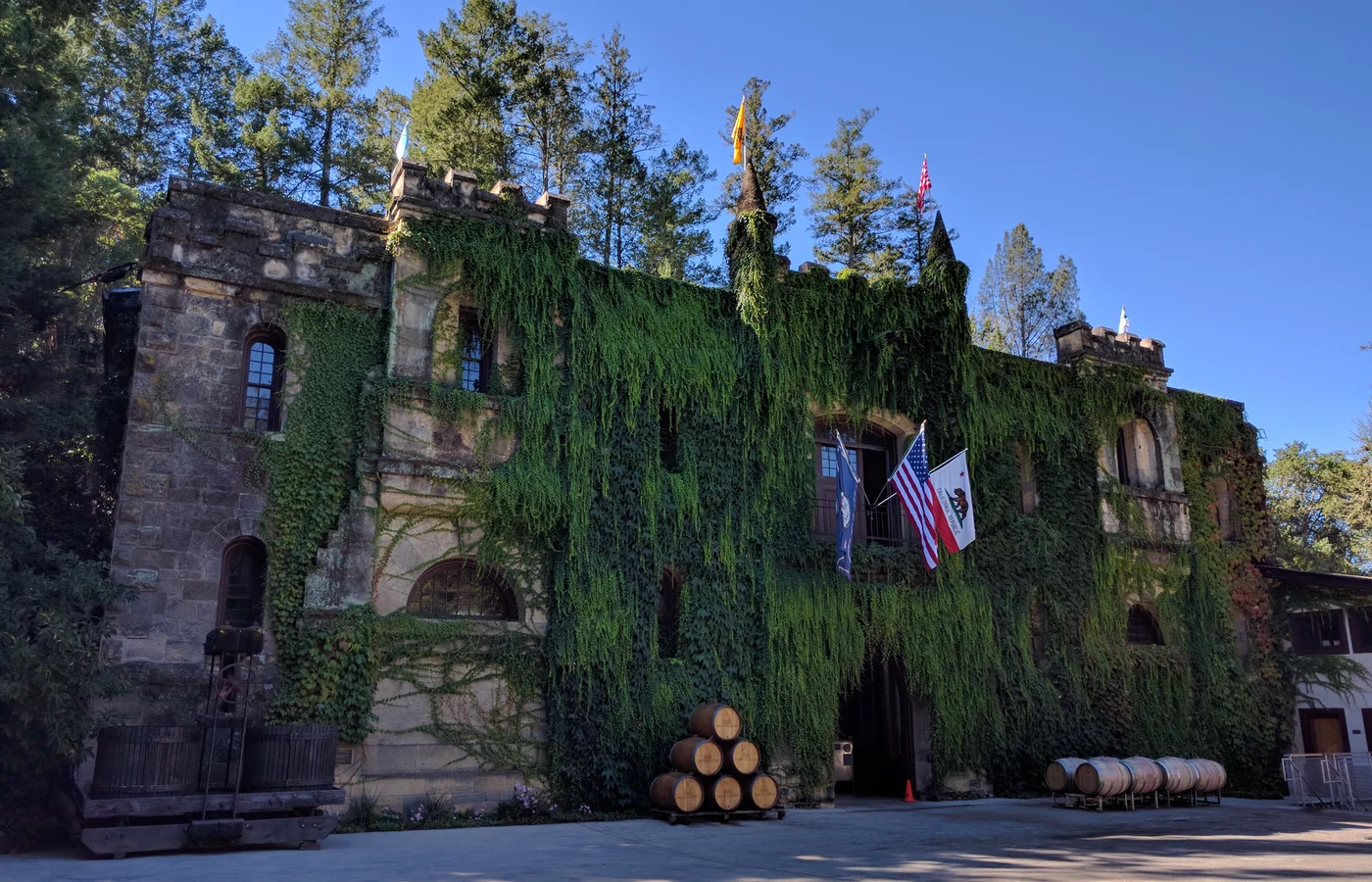
Castello di Amorosa

This hillside medieval Tuscan castle near Calistoga is worth it for the architecture as much as the wine — a genuine 13th-century-style fortress with a courtyard, towers, and valley views. It's the up-valley stop guests photograph the most.

Shoulder Season Secret

Calistoga & Old Faithful Geyser

In quieter months, send guests up to Calistoga for the mud-bath spas and the Old Faithful Geyser of California, which erupts every 15 to 30 minutes. Fewer crowds, lower rates, and a side of Napa that isn't only about the next pour.

Weekend Escape

Napa Valley Wine Train

The Wine Train runs a 36-mile round trip from downtown Napa up to St. Helena in restored early-1900s Pullman cars, with lunch or dinner aboard. It's the easy, no-designated-driver way to see the valley — a perfect anchor for a couple's weekend.

What Guests Ask For

Designated-driver & tasting logistics

The single most common Napa guest question is how to do the wineries without anyone having to drive. Have a car-service tip sheet, a short list of reservation-only tasting rooms worth booking, and a walkable downtown plan ready — it's the detail that earns the five-star review.

Local Work · Composite Case Vignettes

What Cavmir Has Done for Napa Valley Properties

A few composite engagements drawn from how Cavmir works with Napa Valley hosts. The numbers are illustrative and consistent with this market, not promises — every property and permit situation is different.

Whole-home (non-hosted) · Downtown Napa
The Brief

A legally permitted three-bedroom near Oxbow was renting fine in fall but going dark all winter, and its photos were dim phone shots that buried the walkable-downtown advantage. ADR lagged comparable listings by a wide margin.

What We Did

Cavmir reshot it with cinematic, light-led photography, rebuilt the listing around the harvest and cabernet-season searches, launched a direct-booking site, and set calendar-based pricing that actively sold the winter months instead of leaving them empty.

The Result

Composite outcome: meaningfully higher off-season occupancy, ADR pulled up toward the downtown-walkable comp set, and a growing share of repeat direct bookings from guests returning for the next crush.

Estate rental (group) · St. Helena / up-valley
The Brief

A large up-valley home that sleeps eight was priced like a generic vacation house and wasn't capturing the group-getaway market that drives the best Napa economics. The brand felt anonymous next to nearby estate listings.

What We Did

Cavmir built a distinct wine-country brand identity, shot the long farm table and pool at golden hour, positioned the listing squarely at harvest-weekend groups, and distributed it across multiple channels with a paid push timed to crush season.

The Result

Composite outcome: stronger peak-season ADR on group weekends, fuller shoulder months, and a higher direct-booking share as past groups rebooked the property year over year.

Hosted suite (owner-occupied) · City of Napa
The Brief

An owner with a hosted two-bedroom permit was undervaluing the on-site-host advantage and competing on price. The listing read like a spare room, not a curated wine-country base, and reviews mentioned confusion over winery logistics.

What We Did

Cavmir repositioned the listing around the local-host experience, added a guest logistics kit (designated-driver tips, reservation help, a walkable map), refreshed photography and copy, and tuned the channel mix toward couples and shoulder-season travelers.

The Result

Composite outcome: higher review scores, a lift in nightly rate as the listing stopped competing on price, and steadier year-round occupancy from couples booking quieter-month stays.

Ready to Grow in Napa Valley?

Let's Put Your Napa Valley
Property on the Map

Talk to Cavmir today. We'll show you exactly what your Napa Valley property is leaving on the table — and how fast we can change that.

Book a Free Strategy Call