Beacon on Ojai Avenue, then the arcade empty
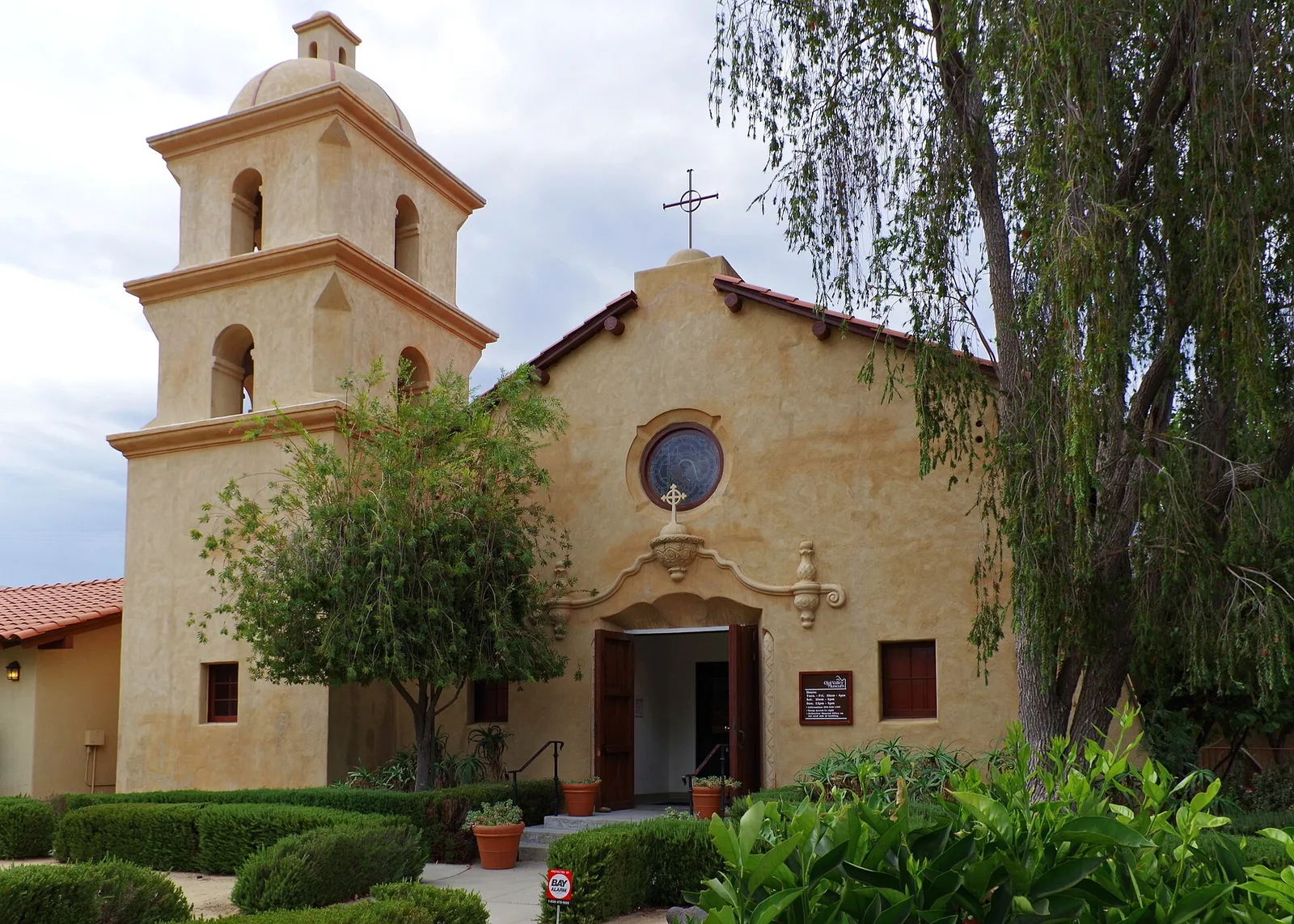
Coffee early on Ojai Avenue, then walk Libbey's arcade before the shops open — tower, pergola and empty colonnade in morning light. The town's whole architecture lesson takes ten unhurried minutes.
Expert short-term rental marketing to grow your bookings and nightly rate in Ojai, California, USA.
* Market averages. Properties marketed by Cavmir typically exceed these figures by 25–45%. Data sourced from AirDNA, STR market reports, and Cavmir internal analytics.
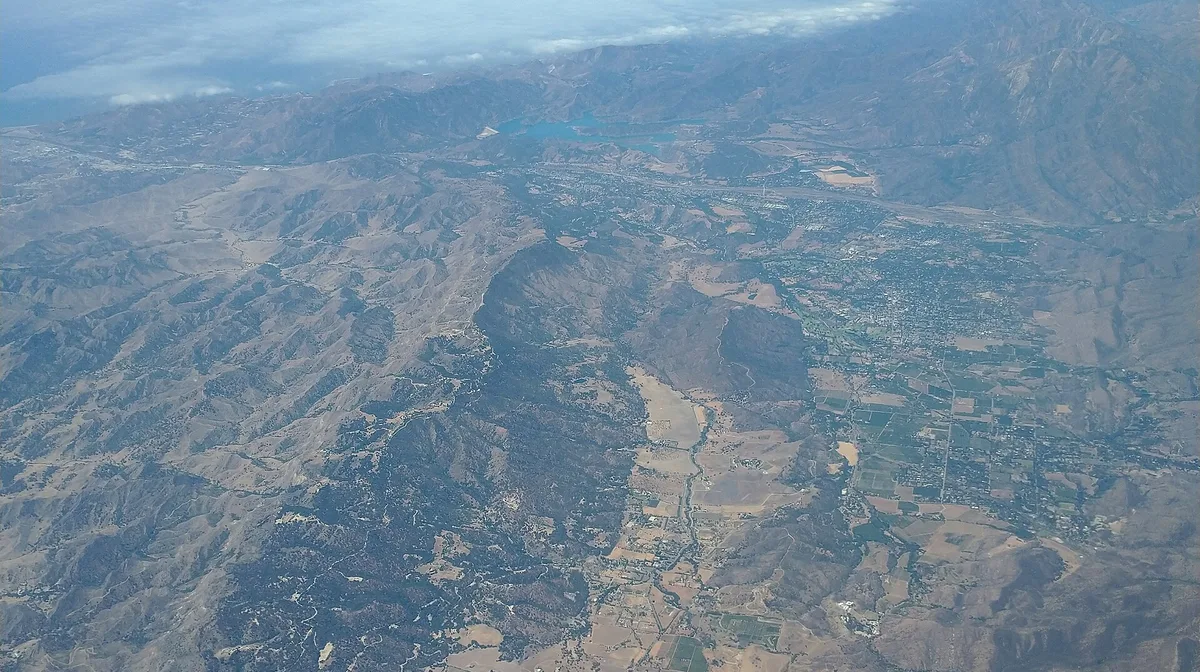
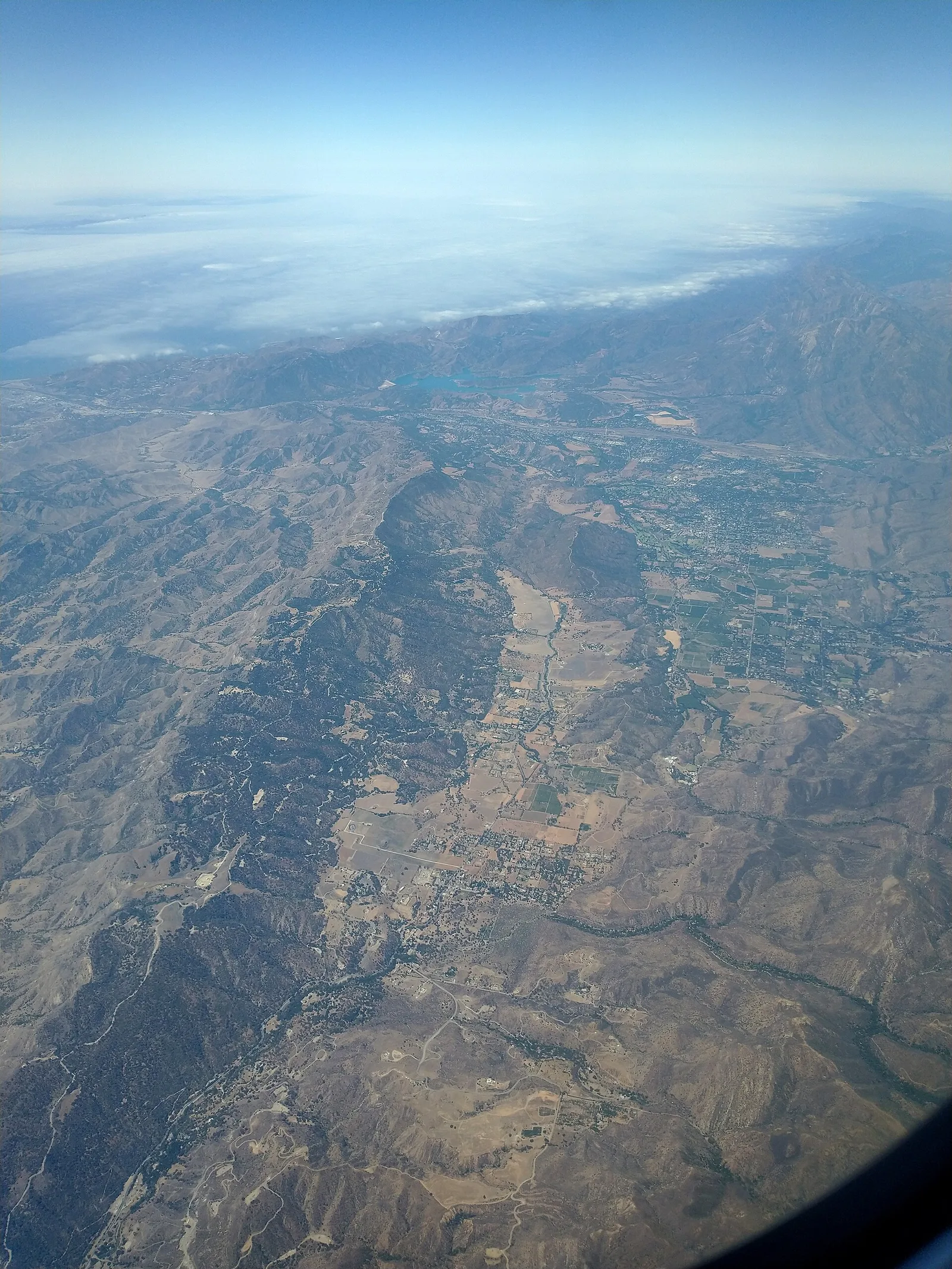
Ojai is Southern California's walled garden — a town of about 7,500 in an east-west valley under the Topatopa Bluffs, ninety minutes from Los Angeles and deliberately unlike it. The east-west orientation is rare in these ranges, and it produces the town's trademark: the pink moment, when sunset lights the bluffs rose and the whole valley stops to watch. The character is protected on purpose. Edward Libbey, the glass magnate, rebuilt downtown after a 1917 fire into the Mission Revival arcade, pergola and post-office tower that still define it; the town has banned chain stores from its core; and Ojai has courted seekers for a century — Krishnamurti settled and taught here, the Theosophists built Krotona, and Frank Capra used the valley as his stand-in for Shangri-La in Lost Horizon. Today that lineage reads as spas, galleries, Bart's Books selling paperbacks outdoors since 1964, lavender and Pixie tangerine season, olive oil tastings, and the 1923 Ojai Valley Inn anchoring the resort trade. The rental market is defined by the strictest rulebook in this wave: the City of Ojai prohibits non-hosted short-term rentals in its residential zones, which pushes the legal trade to hosted homeshares in town, permitted homes in the unincorporated Ojai Valley under Ventura County's rules, and the town's inns and boutique hotels. Scarcity, in other words, is enforced — and for the legal operator, that is the entire opportunity.
Ojai runs the flattest calendar in this wave — a genuine year-round market with spring as its crown. March through May is the valley at full power: Pixie tangerines on the trees, wildflowers in the Los Padres foothills, the tennis tournament in April, the Music Festival in June, and weekend demand from Los Angeles that books ahead and pays up. Fall is the second crest — harvest light, Ojai Day in October — while summer runs warmer but never empties: the valley heat sends guests to pools by day and patio dinners at night, and the town's wellness trade doesn't take a season off. Even winter holds a floor that mountain markets would envy, because the product here is restoration, not weather. Rates reflect the enforcement of scarcity: legal inventory is thin, so permitted valley homes with pools, views and privacy trade around $520 a night with occupancy in the mid-50s, hosted rooms in town run their own tier, and the inn layer commands city-hotel rates in a village setting. The guest is the most concentrated in the country: Los Angeles overwhelmingly, with Santa Barbara and the rest of Southern California filling in — couples first, wellness travelers, creative-industry escapes, small retreats. They book short stays, midweeks included, they return on rhythm, and they choose properties the way they choose restaurants: on design, privacy and the credibility of the details.
Nearby Markets: Santa Barbara | Palm Springs | Healdsburg

A few of the visual fingerprints we lean into when we shoot, brand and market a Ojai property — courtesy of the open Wikimedia Commons archive.
Cavmir wins in Ojai because this is a market where legitimacy and aesthetics decide everything, and most listings fumble both. We lead with the legal lane: whether a property is a permitted county home, a hosted homeshare or a licensed inn, we make its status visible and plain, because in a town that enforces its rules, demonstrable compliance is not paperwork — it is the trust that converts a cautious, high-spending guest. Then we market to the valley's actual language. We shoot the pink moment from your patio, the pool in the dry golden light, the outdoor bathtub, the orchard rows — photography that looks like the reason people drive up from Los Angeles, not like a real-estate flyer. We write copy that names the specifics this guest cares about: walkable to the arcade or private in the East End, Pixie season, which spa, where the morning hike starts. We price the real calendar — spring weekends and festival windows as premiums, summer midweeks as the volume play, winter as the retreat season — and we build the direct channel that a repeat market this loyal rewards: a fast site, a guest list, and a spring email that fills April before the platforms notice. For the inns that anchor the town's legal lodging, that direct machine is the whole margin. We help position and market your property. We never manage it or touch your keys.
Ojai has been selling transformation for a century, under different names. The Chumash lived the valley first — the name descends from their word for moon — and the modern town began as a Victorian farm village called Nordhoff until 1917, when a fire took the wooden downtown and Edward Drummond Libbey, the Toledo glass magnate wintering in the valley, paid to rebuild it as a unified Mission Revival vision: the arcade, the pergola, the campanile-style post office tower that still anchors every postcard. The renamed town attracted seekers immediately. Jiddu Krishnamurti settled in the East End in 1922 and taught under the oaks for six decades, drawing Aldous Huxley and generations of students; the Theosophical Society built its Krotona Institute on a hillside; and in 1937 Frank Capra pointed his cameras at the Ojai Valley and called it Shangri-La in Lost Horizon — a joke the town has been in on ever since. The Ojai Valley Inn opened its golf resort in 1923 and grew into the valley's grand hotel; the Music Festival began in 1947 and made the Libbey Bowl a June pilgrimage for the classical avant-garde; Bart's Books started selling paperbacks over an outdoor wall in 1964 and never stopped. Through it all the town legislated its own character — chain stores banned from the core, growth held to the valley floor's capacity, and in 2016 a short-term-rental ordinance that pushed whole-home renting out of the city's residential zones. The Thomas Fire ringed the valley in 2017 and spared the town; the pink moment kept its appointment every evening. What survives is the rarest product in Southern California: a real village, ninety minutes from Los Angeles, that decided what it was and kept it.
Ojai pricing is a premium-floor exercise: the demand is year-round, the legal supply is thin, and the guest is price-tolerant but fluency-sensitive. Set the base rate high enough to respect the scarcity — permitted valley homes and hosted stays here are not competing with a condo pool — and build the premiums on the real calendar: spring weekends from Pixie season through the June festivals at the year's top rates with two-night minimums, tennis-tournament and Music Festival windows priced like the institutions they are, October's Ojai Day weekend lifted. Summer strategy is midweek volume: the heat softens weekend urgency, so price Tuesday-through-Thursday attractively for the LA remote-work escape while holding weekend rates for the pool-centric booking. Winter holds a wellness floor most seasonal markets would kill for — price it steadily rather than desperately, and package two-night retreat stays. Hosted rooms should price against boutique-inn comps, not against whole homes. And everywhere, let the photography justify the rate: in a market where the product is atmosphere, the listing's images are the price list.
Spring is the crown — Pixie tangerines, wildflowers, the April tennis tournament and June's Music Festival stack March through June with the year's best demand. Fall runs second on harvest light and Ojai Day; summer trades weekend urgency for midweek volume as the valley warms; winter keeps a genuine wellness floor. There is no dead season — only quieter shades of booked.
Ojai's rulebook is the strictest in this wave, and it draws the market's map. Inside city limits, the City of Ojai prohibits non-hosted short-term rentals in residential zones — the ordinance dates to 2016 and the city enforces it, so the in-town lanes are hosted homeshares where permitted, and the licensed inn and hotel trade. The consequential geography is the unincorporated Ojai Valley — Meiners Oaks, the East End, Upper Ojai — where Ventura County's separate rules apply, including county short-term-rental permitting for eligible properties and the county's 8% transient occupancy tax; the county program has its own zones, caps and neighbor-notification mechanics, and they evolve, so verify current eligibility with the county planning department before any purchase or listing decision. Wherever you operate, the compliance stack is real: register for the applicable TOT (city rates inside city limits are set by City Hall — confirm the current rate at registration), keep the permit or homeshare authorization current, respect occupancy and parking conditions, and mind fire-country obligations — defensible space, evacuation information for guests, and insurance that acknowledges wildfire reality. The strategic read: this is not a market fighting its rules; it is a market whose rules created the scarcity that supports its rates. Operate visibly inside them and the enforcement regime becomes your moat.
Lead with legitimacy — a permit number or hosted status stated plainly in the listing converts this market's cautious, high-spending guest better than any adjective. Shoot the pink moment from your own property and make it the hero image; it is the one photograph every Ojai guest is buying. Name your geography precisely: walkable-to-the-arcade is one product, East End orchard privacy is another, Upper Ojai ridge quiet a third — the guest knows the difference and rewards the listing that does. Build packages around the town's rhythms: a spa-day pairing, a Pixie-season crate on the counter, a retreat-weekend framing in January. Respect the heat honestly — pool hours, shade, evening patio life — and the summer midweek trade will find you. For hosted stays, make the host's presence a feature: the garden tour, the trail advice, the dinner reservations you can actually get. And whatever the property, build the direct channel: this is a repeat market of LA couples on a rhythm, and a fast site with a spring email fills April a month before the platforms notice demand moving.
The rules are the market's floor and its ceiling: non-hosted whole homes are off the table inside city residential zones, county permits carry conditions, and operating outside the lanes risks the enforcement this town actually conducts. Wildfire is the structural risk — insurance costs and availability need early diligence, and evacuation-readiness is an operator's duty here. Summer heat softens weekend urgency. And the guest's taste level cuts both ways: the rates are premium because the standard is; a dated interior or flat photography gets priced down fast.
Fire writes the policy here. The base is a commercial short-term-rental policy with at least $1 million liability, but the Ojai file turns on wildfire: availability and pricing vary block by block in the wildland-urban interface, FAIR Plan pairings are a live consideration for some valley properties, and underwriters reward documented defensible space, ember-resistant venting and cleared assessments. Budget insurance diligence into any purchase decision, not after it. Beyond fire: pool and hot-tub liability (the amenity core of the market), outdoor bathtubs and fire features documented and maintained, and for hosted stays, clarity that the policy covers commercial guest activity in an owner-occupied home. Earthquake coverage is the standard California judgment call. An annual photographed inventory of systems and clearances keeps both the underwriter and any future adjuster on your side.
The map decides the tax file. Unincorporated Ojai Valley stays owe Ventura County's 8% transient occupancy tax; inside city limits, registration runs through City Hall at the city's current rate — confirm it when you register rather than trusting a listing site's guess. Platforms may collect some or all of it on their bookings depending on jurisdiction agreements — verify per channel, and remember the direct bookings a good website earns always file through your own registration. Layer in the standard California stack: a business license, income-tax treatment of rental revenue, and county property taxes that reflect the valley's premium values. The fourteen-day federal rules and depreciation strategy matter at this rate tier — an hour with a short-stay-literate accountant pays for itself.
Ojai financing is premium-market arithmetic with a regulatory overlay. Values in the valley price plenty of product into jumbo territory, second-home and investment paper both operate here, and DSCR lenders will read a permitted county property's documented year-round history fluently — the flat calendar is actually a lending asset, steadier than resort-town seasonality. The overlay is the rulebook: underwrite the legal lane before the loan — a residential-zone house inside city limits cannot be financed on non-hosted STR income it will never legally earn, while a county-permitted home's file should lead with the permit. Insurance is the second gate: wildfire-zone premiums and availability materially affect debt-service math, so price coverage before the offer, not after. The inn layer routes commercial or SBA with license history carrying the file. Finance the wellness floor; let festival season be upside.
Ojai's future is its past, enforced — and that is the investment thesis. The town has chosen its size, the chain-store ban and the STR rules guarantee the village stays a village, and the wellness economy that fills it compounds culturally with every burned-out decade Los Angeles produces. Expect the rulebook to keep evolving at the edges — county permit mechanics, city rates, fire-code obligations — without changing its direction: scarcity by design. Watch insurance markets as the live variable; watch the resort layer keep investing, because the Ojai Valley Inn's continued upmarket pull raises every boat's comps; and watch spring keep lengthening as Pixie season, the tournament and the festivals knit March through June into one long high season. The durable play through 2027: an unimpeachably legal property — county-permitted, hosted, or licensed inn — presented at the standard the town itself sets, priced to the flat premium calendar, with a direct channel working the most concentrated repeat audience in California.
Ojai is the market where marketing feels most like curation — the town has already decided what it is, protected it in ordinance and architecture, and our job is to present properties at the standard the valley itself sets. We love working inside that clarity. The pink moment gives every property a signature photograph that no other market in America can offer; the arcade, the orchards and the bluffs give the copy real nouns; and the guest — the Los Angeles couple on a restoration rhythm — reads listings with genuine literacy, which means craft is rewarded here the way it simply isn't in commodity markets. When the photography is right and the details are true, conversion follows like a law of physics.
We also love the strategic shape of the place. The rules that make Ojai demanding are the same rules that make it valuable: legal inventory is scarce by design, so a permitted valley home, a well-run homeshare or a licensed inn holds a moat that no capital can simply buy past. That turns compliance into positioning — we get to market legitimacy as the luxury it actually is here. And the repeat rhythm suits everything we build: the same couples return each spring, the retreat trade books the same quiet weeks, and a guest list with two well-timed emails a year compounds into the most valuable asset an Ojai operator owns. A town that chose meaning over volume, ninety minutes from the second-biggest city in the country — for a marketing shop, that's the best brief there is.
A great property in Ojai doesn't just want a listing — it wants a point of view, an audience, and a brand the city itself would recognise.
A few honest, insider picks for Ojai — the specifics that make a listing read like a local wrote it. Real places, no filler.
Coffee early on Ojai Avenue, then walk Libbey's arcade before the shops open — tower, pergola and empty colonnade in morning light. The town's whole architecture lesson takes ten unhurried minutes.
The resort's dining rooms and the farm-driven kitchens around town set the valley's table standard. Book the special-occasion dinner ahead — this is a small town with big-city reservations pressure on spring weekends.
At sunset the Topatopa Bluffs go rose for a few minutes and the whole valley pauses — patios, trailheads, parking lots, everyone facing east. A listing that names its pink-moment vantage owns the town's signature in one line.
The famous outdoor bookstore runs rain or shine — browse the covered stacks, pay on the honor shelf if no one's about, and let the drizzle do the atmosphere. Pair with a long lunch and the day is saved.
March through May the valley's Pixie tangerines come ripe — farm stands fill, menus turn orange, and the air on the East End actually smells of citrus. It's Ojai at its most itself, before summer heat and after winter quiet.
Twenty minutes up Highway 33 the valley falls away into the Sespe backcountry — pullouts, swimming holes in wet years, and silence Los Angeles wouldn't believe. The drive alone recalibrates a guest's weekend.
The gardens at the valley's east end frame the whole Ojai bowl under the bluffs — the classic pink-moment overlook, built for exactly that purpose. Check the open hours and send guests early; the light does the rest.
The booking questions run to form: is the pool heated, is the patio private, how far to the spa and can you actually get in. Answer all three with specifics and the LA couple books without a call.
A few composite engagements drawn from how Cavmir typically works in this market. The details are illustrative and consistent with Ojai, not pulled from a single named client.
A county-permitted home with orchard views ran generic getaway copy, noon photography and a flat rate — indistinguishable online from illegal listings it outranked in legitimacy but not in presentation.
Cavmir led the listing with the permit and the geography — East End privacy, pink-moment patio, orchard rows — reshot everything in the valley's late light, priced spring and festival windows as premiums, and built summer around midweek pool escapes for the LA remote crowd.
The home separated from the gray market entirely: spring weekends booked out at rates the old listing never asked, summer midweeks filled a calendar that used to sag, and guests began citing the permit in inquiries — legitimacy, presented properly, converting on its own.
A beautifully kept two-room homeshare near the arcade undersold itself as a spare room — apologetic copy, no mention of the host's garden or knowledge, and rates set against budget motels instead of the boutique tier it belonged in.
Cavmir repositioned the host as the amenity: garden-breakfast photography, copy built on walkability and insider guidance, boutique-inn comps for pricing, and a two-night retreat framing for the wellness trade the market runs on.
The homeshare moved up a full price tier and stopped attracting the wrong guest: stays lengthened, reviews began praising exactly what the listing now promised, and the calendar's quiet months filled with the retreat couples the old listing never reached.
A licensed inn with decades of returning guests ran a site that didn't work on phones, ranked below the platforms for its own name, and watched commissions take a growing bite of a clientele it had earned over generations.
Cavmir rebuilt the direct site fast and mobile-first with the town's name in the titles, photographed rooms and courtyard to the valley's standard, digitized the guest book into a proper list, and set the rhythm: a Pixie-season email in February, a fall-light email in September.
Direct became the majority channel within two seasons, the February email now fills April before the platforms notice, and the inn's own name searches land on the inn's own site — the commission line finally staying in the business that earned it.
Demand in Ojai peaks around April and runs quietest around January, July and August. Here is how the year actually books — and what to do about each stretch of the calendar.
Spring is the crown — Pixie tangerines on the trees, wildflowers in the front country, the tennis tournament in late April and the Music Festival in June — and weekends from March through June book ahead at the year's best rates. Hold two-night minimums, price the festival windows by name, and let the season's scent do the selling.
Fall is the second crest: harvest light, Ojai Day in October and warm patio evenings. Winter keeps a genuine wellness floor — retreat couples, spa weekends, year-end resets — that most seasonal markets would envy. Both reward steady pricing over discounting; the guest is buying restoration, not weather.
High summer is the honest test — valley heat softens weekend urgency — so the play is midweek volume: pool-forward listings, remote-work weeks and evening-patio photography. Use the odd August lull for maintenance and the reshoot; the calendar never truly empties here.
Festival windows book furthest ahead, spring weekends fill weeks out, and the wellness trade books steadily on short notice year-round. Summer midweeks are the flexible inventory.
Two nights is the rhythm, with festival windows stretching to three and the retreat-and-creative trade booking weeks. Midweeks matter more here than in any weekend-warrior market.
The winner is serenity engineered: a garden-private home with a pool, patio dining and a pink-moment vantage, or a hosted stay whose host is genuinely the amenity. Design calm and outdoor living beat bedroom count in this valley.
Market restoration: the pink moment from your patio, the garden's privacy, the walk to the arcade or the East End quiet. Price spring and the festival windows by name, run summer on midweek pool escapes, and keep the copy serene and specific. A direct-booking site with a spring email suits this valley's repeat rhythm perfectly. That whole layer — photography, copy, direct booking and local search — is what Cavmir builds for hosts here.
Spring — March through June — is the crown, carrying Pixie season, the tennis tournament and the Music Festival. Fall runs second on harvest light and Ojai Day, winter keeps a real wellness floor, and summer trades weekend urgency for midweek volume.
Festival windows book furthest ahead and spring weekends fill weeks out. The wellness trade books short-notice year-round, and summer midweeks are the flexible inventory that rewards attractive pricing.
Los Angeles overwhelmingly, with Santa Barbara, Ventura and the rest of Southern California behind it. The audience is the most concentrated in California and returns on a spring-and-fall rhythm.
A heated pool and true garden privacy are the twin closers, with patio dining the valley's daily rhythm. An outdoor bathtub photographs like the town feels, an EV charger suits this audience, and strong wifi carries the retreat-and-creative trade.
Run your Airbnb, Vrbo, or website through Cavmir's free grader. It checks the things that decide whether guests book in Ojai — photos, listing copy, page speed, local search — and shows you where bookings leak. Takes about a minute, and there's no sales call attached.
If the report says your booking engine is the weak link, that's fixable: a direct-booking website of your own means repeat guests stop paying platform fees to come back to you. That's the work Cavmir does — see Airbnb website design in Ojai.
Talk to Cavmir today. We'll show you exactly what your Ojai property is leaving on the table — and how fast we can change that.
Book a Free Strategy Call