

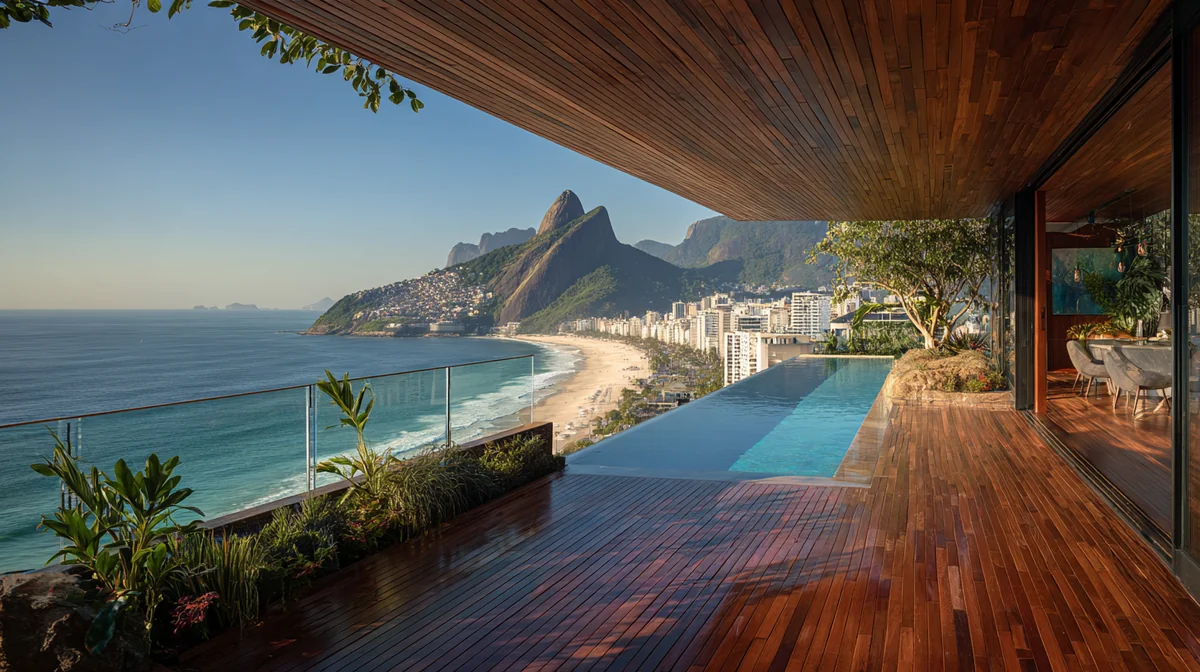



West side
Adelaida and Peachy Canyon
Steep, cool at night, small production and slow narrow roads. Sell the drive as part of the experience, and be honest that it takes time.

Expert short-term rental marketing to grow your bookings and nightly rate in Paso Robles, California, USA.
Sixteen services, one team. Everything below is built in-house and scoped to your property and market. Most owners start with the 12-Step System.
Every engagement is quoted to your portfolio. These are the ready-made scopes owners pick most — the AI Efficiency Discount is already applied. A clear proposal within 48 hours.
The work is public. Selected engagements and what changed — and reviews from the owners and managers behind them.
* Market averages. Properties marketed by Cavmir typically exceed these figures by 25–45%. Data sourced from AirDNA, STR market reports, and Cavmir internal analytics.
Paso Robles sits in the middle of California, halfway between Los Angeles and San Francisco on the 101, and it took a long time to be discovered on purpose. The name is short for El Paso de Robles, the Pass of the Oaks, and the oaks are still the thing you notice first: enormous valley oaks standing alone in gold grass on hills that roll for miles in every direction. The town grew up around sulphur hot springs and a grand hotel, then spent most of a century farming almonds and walnuts and running cattle. Grapes came late. The Paso Robles AVA was not established until 1983, and the eleven districts inside it were not approved until 2014. What that late start bought the town is a wine country that still feels like agriculture rather than a theme park. Tasting rooms sit at the end of dirt drives. The Adelaida hills west of town are steep, cool at night and genuinely hard to farm. Downtown is a real square with a park in it, not a pedestrian mall. For an owner, the appeal is obvious and so is the problem: the city decided years ago how many rentals it wanted, and it already has them.
Paso Robles runs two different short-term rental programmes and the difference between them is the entire investment question. Non-hosted permits, the kind where nobody lives on site, are capped at 325 citywide with a sub-cap of 75 inside the R-1 single-family district. That cap has been reached, and new applicants go onto a waitlist rather than into business. Homeshare permits, where the owner actually lives on the property, are not capped at all. You can still apply for one and get one. The other structural limits are worth knowing before you buy anything: no more than two homeshare permits per legal parcel in R-1, no more than two non-hosted permits per legal parcel, and multi-family buildings with four or more dwellings cannot be used as non-hosted rentals. Add the tax stack, which runs to roughly 14.5% once you combine the 11% transient occupancy tax, the 2% Paso Robles Tourism Improvement District assessment and the 1.5% San Luis Obispo County Tourism Marketing District charge, and you have a market where an existing permitted property is a genuinely scarce asset. Almost nobody markets it that way. Most listings here compete on hot tubs and vineyard views against unpermitted inventory in Templeton and the county, which is a fight nobody wins.
Nearby Markets: Cambria | Solvang | Monterey & Carmel
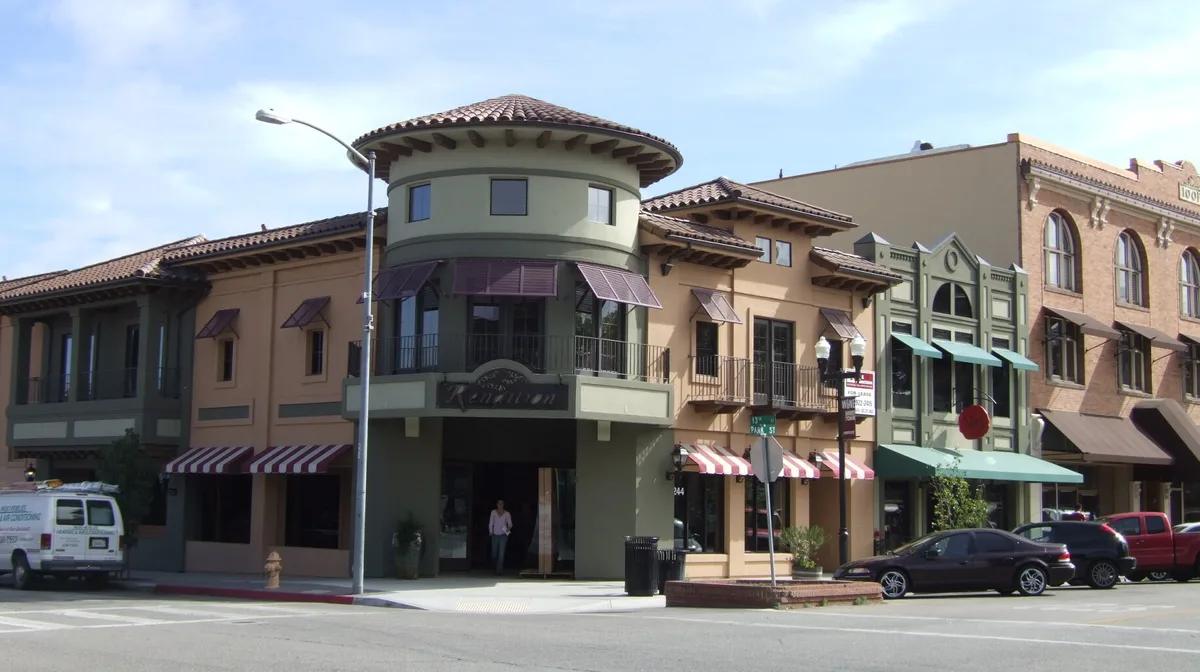
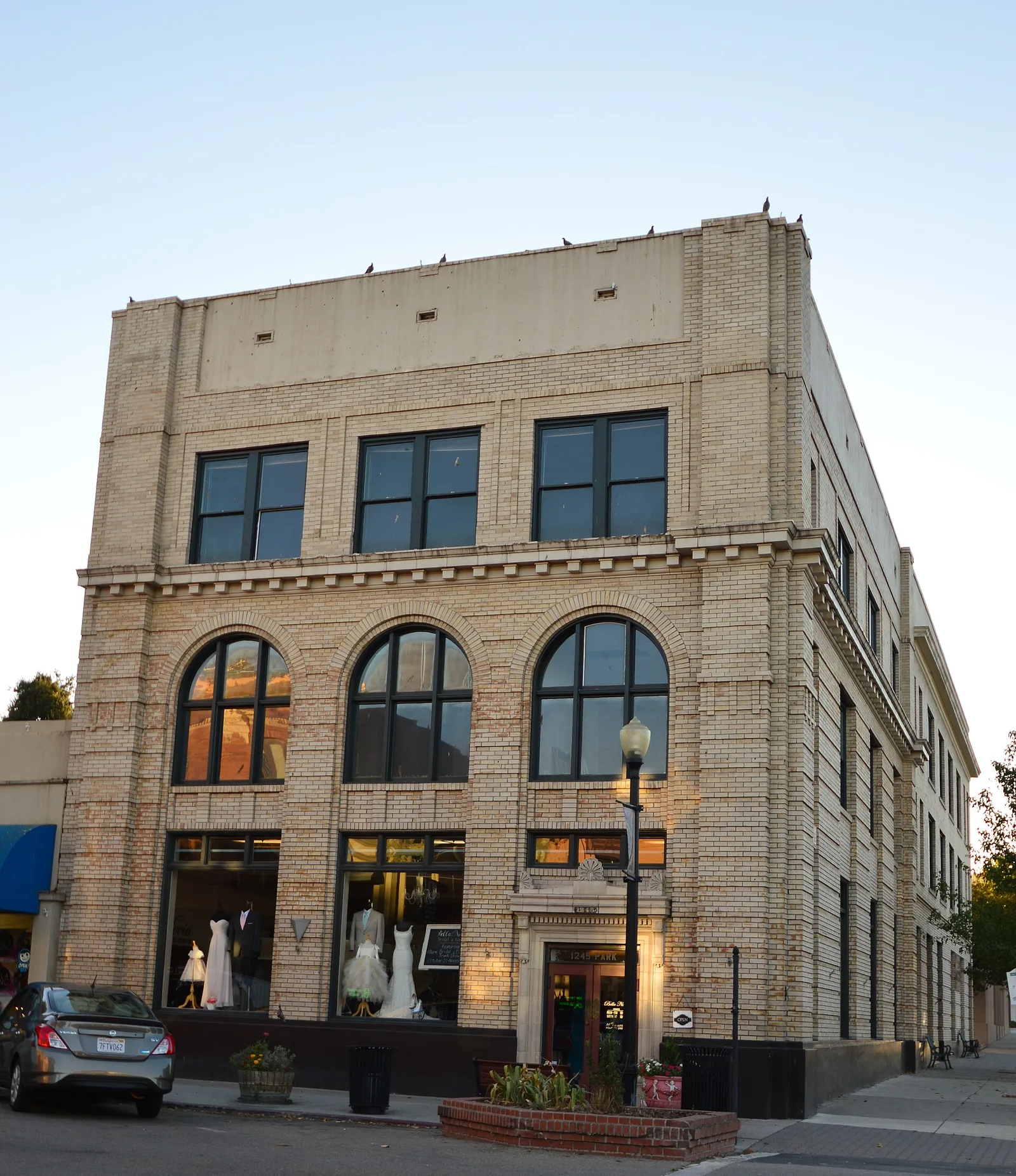
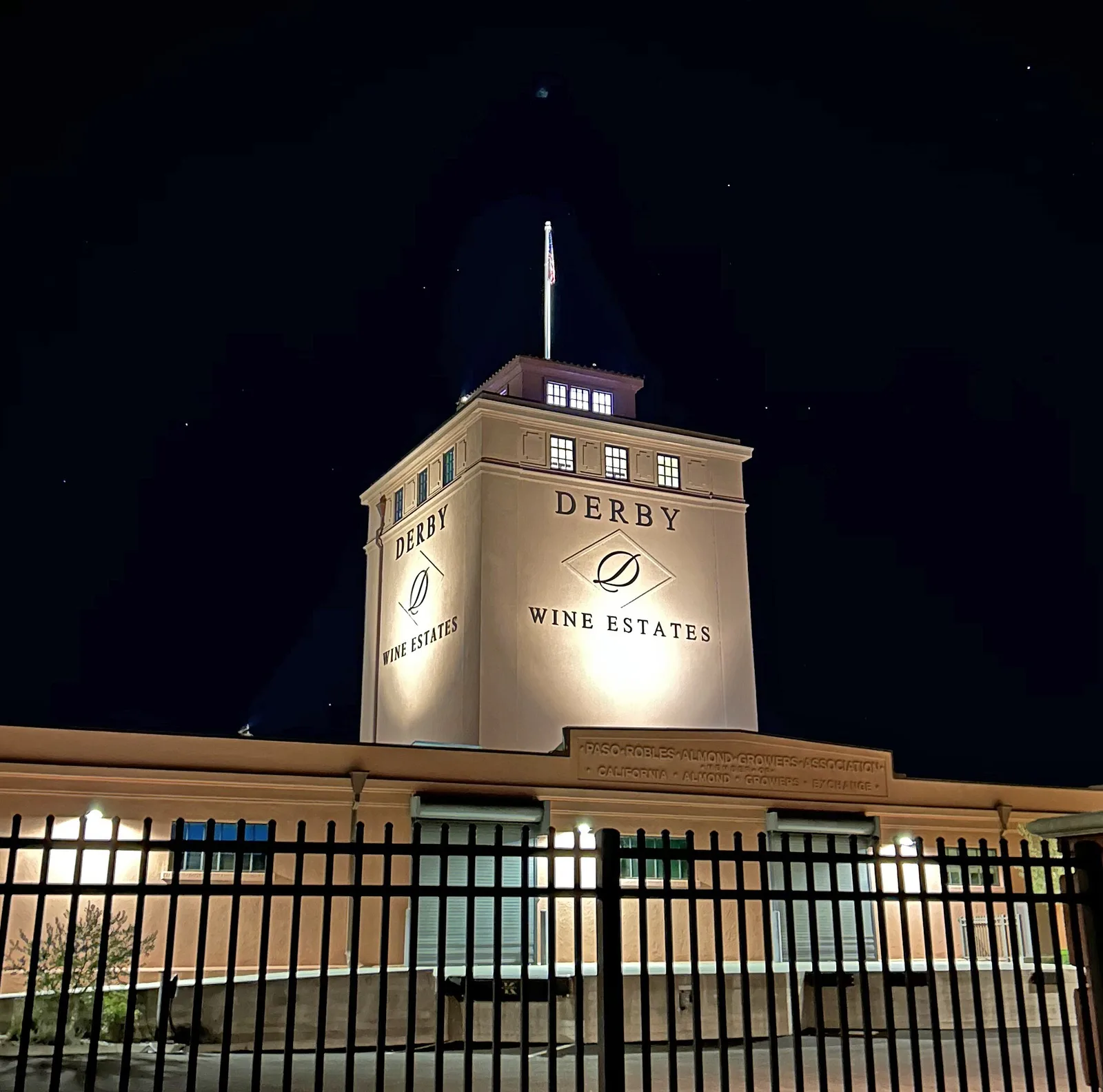
A few of the visual fingerprints we lean into when we shoot, brand and market a Paso Robles property — courtesy of the open Wikimedia Commons archive.
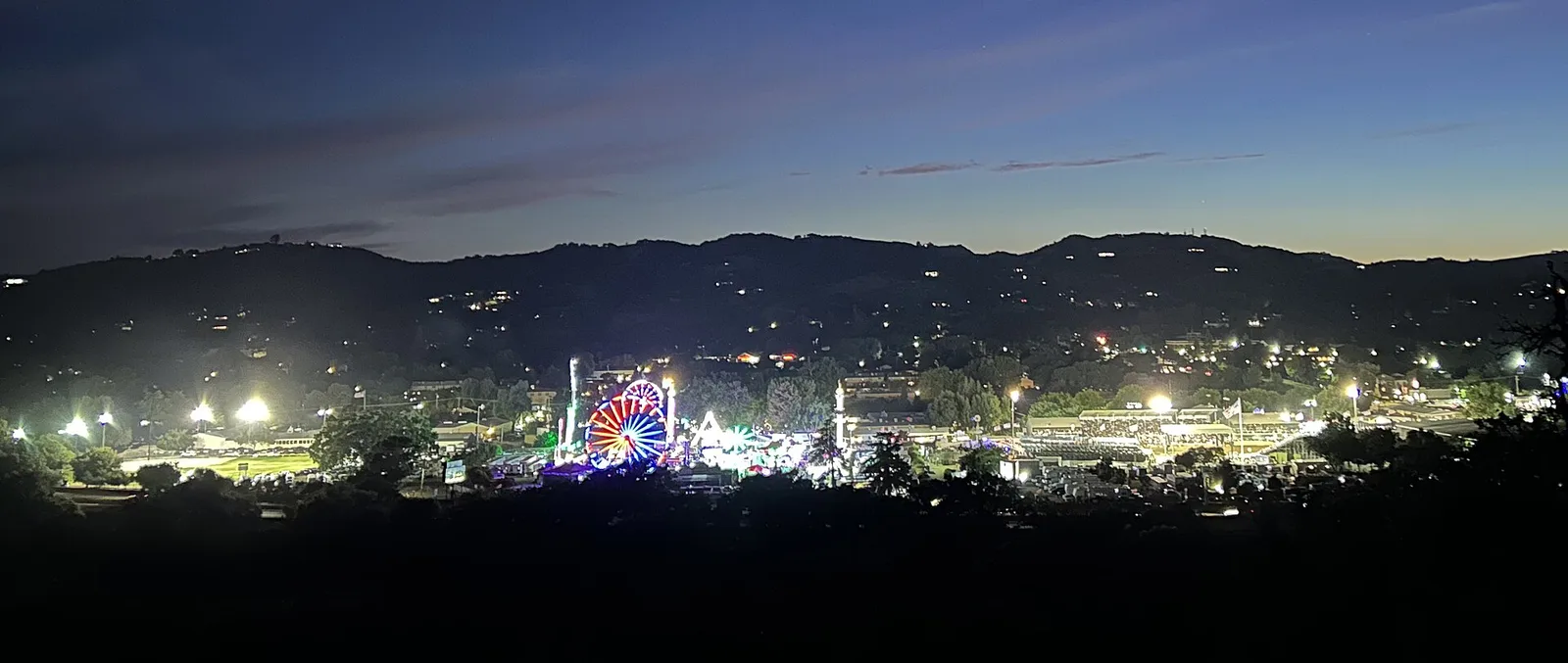
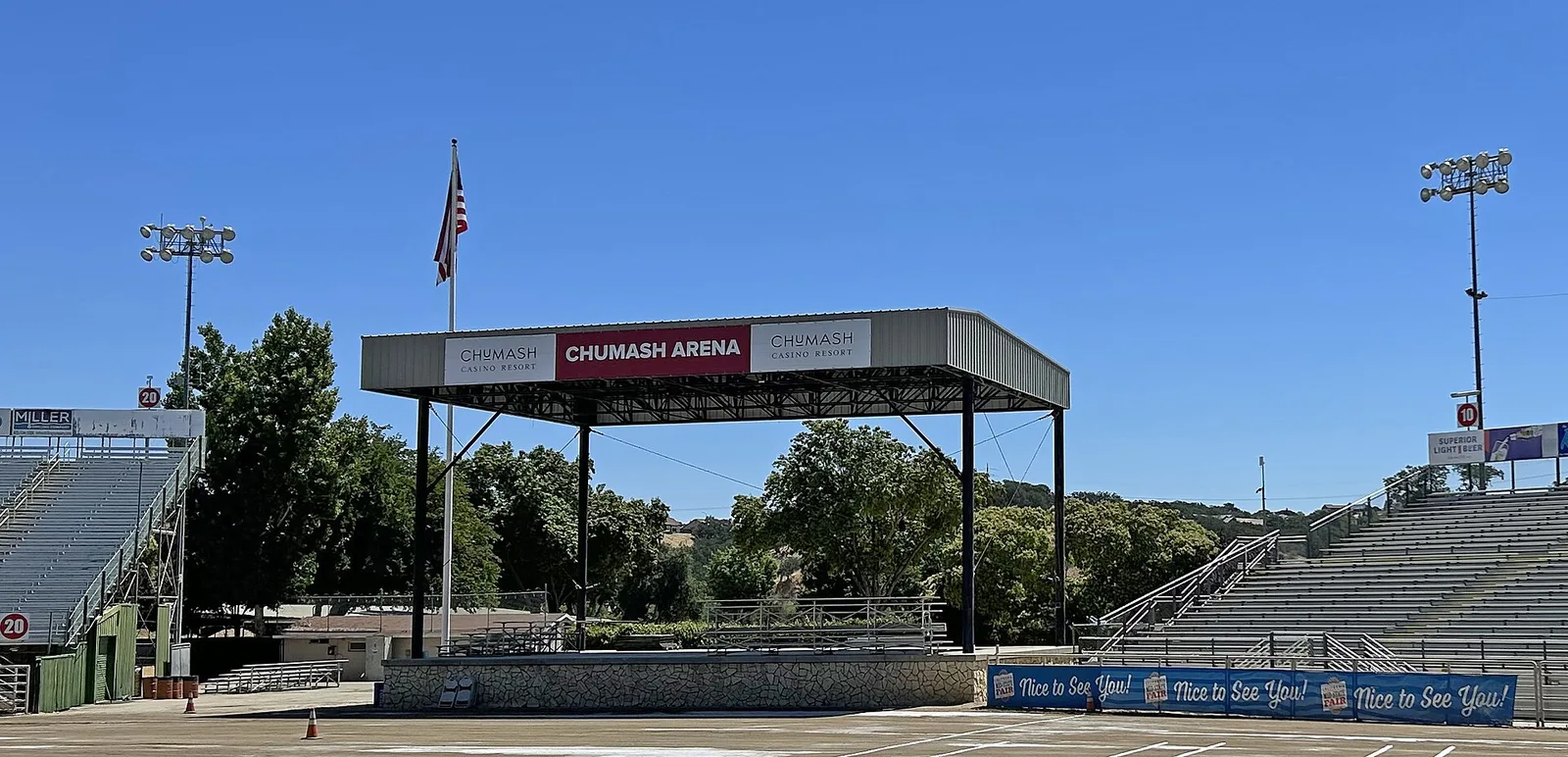
Cavmir markets Paso Robles properties on the thing that actually differentiates them, which is usually not the house. It is the district. A property in the Adelaida hills west of the 101 is a forty-minute drive from a property off Highway 46 East, and the two sell completely different weekends: one is small-production Rhone tasting on winding roads, the other is easy flat driving with the Event Center and the bigger names. Guests planning a wine weekend are building a route, and the listing that maps that route honestly gets the booking. We photograph the property in the light this valley actually has, which is the last two hours before sunset in the oaks, and we shoot it in a way that shows the drive and the setting rather than only the kitchen island. We write the listing so the tasting-room logistics, the designated-driver problem and the distances are answered before anyone has to ask. Then we build a direct booking site that carries your permit status plainly, run local SEO against the searches that convert in this valley, place ads against the Mid-State Fair and harvest calendars, and keep an email list of the people who already came, because wine-country guests repeat at a rate very few markets can match. We help position and market your property. We never manage it or touch your keys.
El Paso de Robles — the pass of the oaks — sold its hot springs to travelers for decades before it sold wine, and a world-famous pianist put the town on the map when he planted vineyards in the hills. Cavmir writes the modern chapter of that pitch.
Paso Robles began as a hot springs stop. The Salinan people used the sulphur springs long before Mission San Miguel Arcangel was founded up the road in 1797, and the mission fathers ran the springs as a bathhouse. The Rancho Paso de Robles land grant passed through several hands before Drury James, an uncle of Frank and Jesse James, and his partners bought it in 1857 and started building a resort around the water. The railroad arrived in 1886, the town was laid out around a central square, and a grand hotel went up beside it. That hotel burned in 1940 and was rebuilt as the Paso Robles Inn, which still sits on the same ground and still taps the same mineral water. For most of the twentieth century this was farm country and not much else. Almonds were the dominant crop. Walnuts and cattle filled in the rest. Grapes had been grown since the mission era and there were serious Zinfandel plantings by the late 1800s, but the modern industry is recent: the Paso Robles American Viticultural Area was only established in 1983, and the eleven districts within it were not approved until 2014. That late arrival is why the valley reads the way it does. There was no wine boom to preserve, so nothing had to be made to look historic. Barns are barns. The tasting rooms in Tin City sit in a light-industrial park off Marquita Avenue because that is where the rent was cheap. The oaks that give the town its name are still standing in the middle of working fields, and the west side is still hard, steep, dry-farmed country that resists being turned into anything neater than it is.
Before the platforms, the resort owners and the railroad did the marketing. The Blackburn brothers and Drury James opened the sulphur hot springs to travelers, and when the Southern Pacific reached town in 1886 it promoted Paso Robles as 'the great hot springs resort of America.' In 1914 the pianist Ignacy Jan Paderewski came for those same waters, bought a ranch in the hills, and planted the Zinfandel that pointed the town toward wine. The El Paso de Robles Hotel drew the health seekers; the vineyards drew the next century of visitors. The channel keeps changing and the pitch stays the same, which is the business Cavmir is in today.
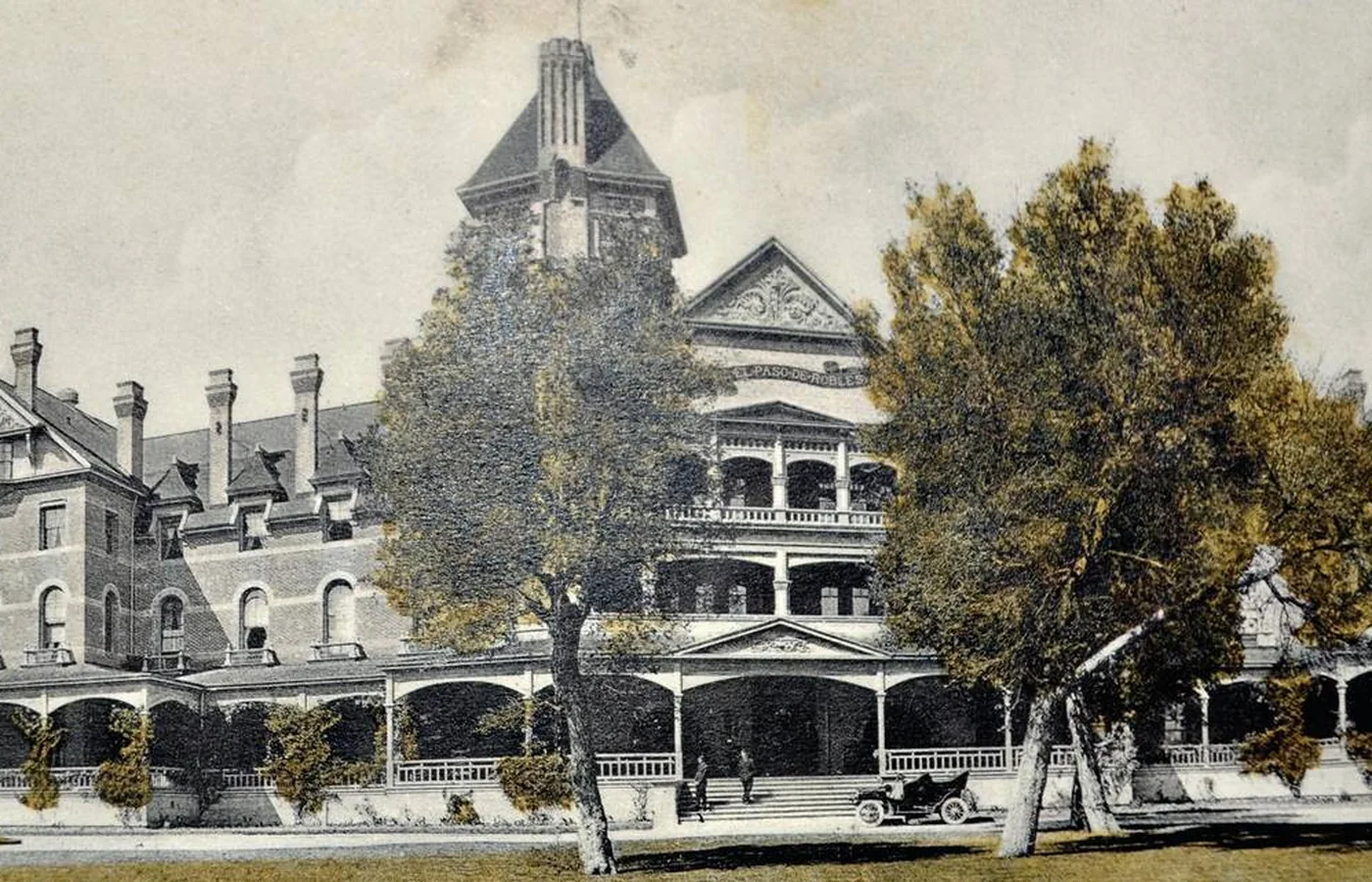
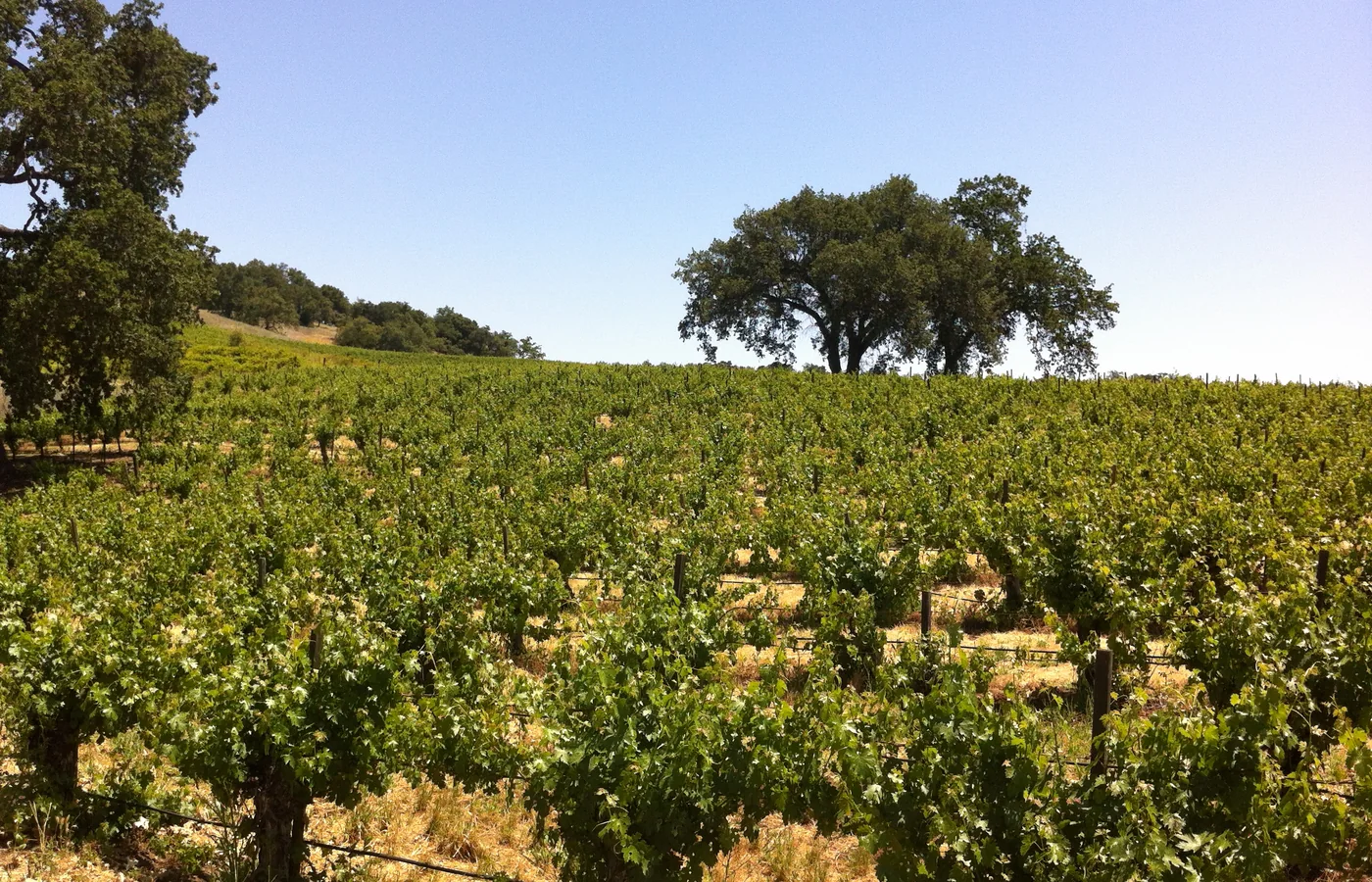
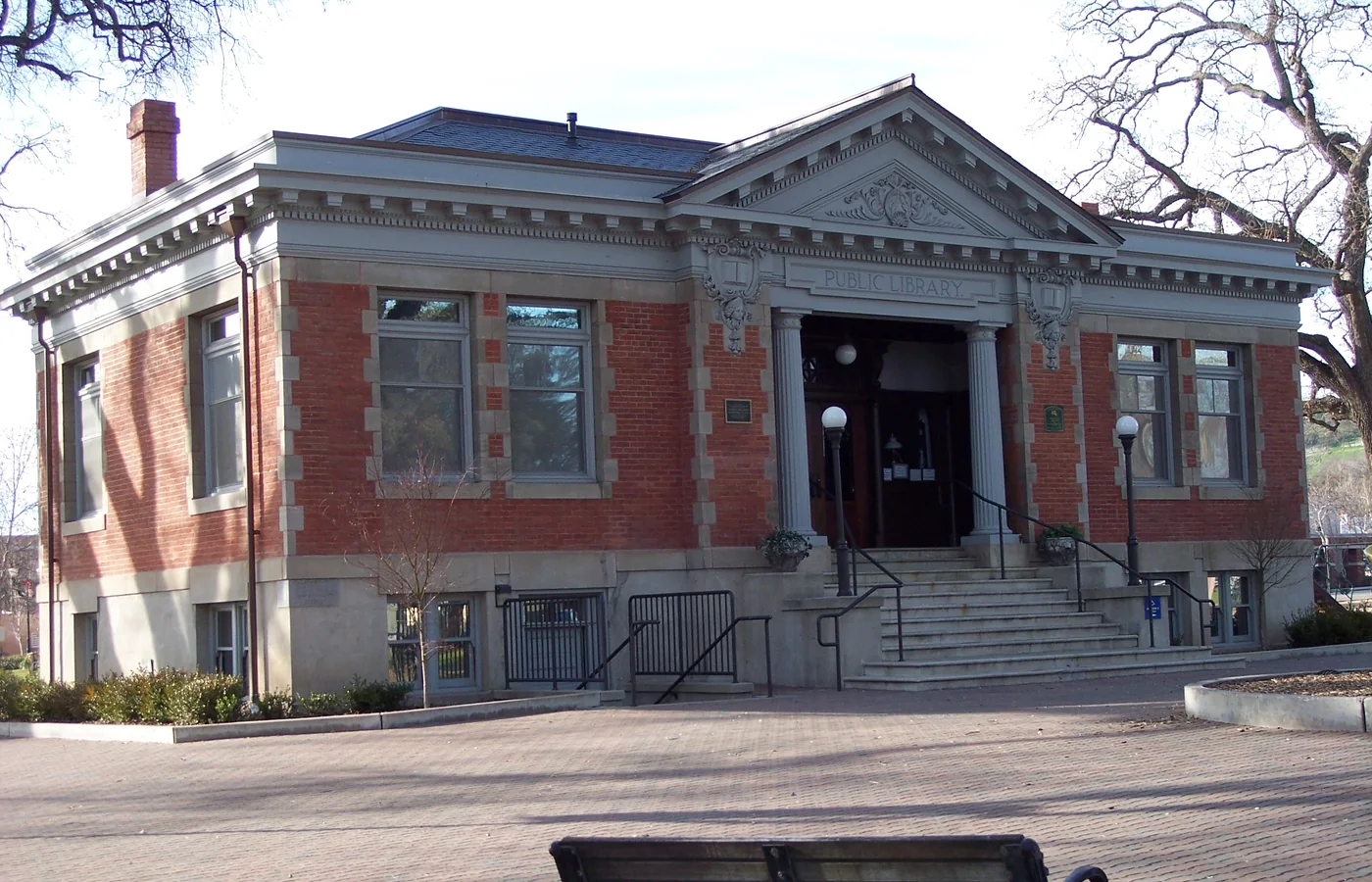
Historical images: public domain and Creative Commons via Wikimedia Commons — The vineyards (Agne27, CC BY-SA 3.0); others public domain.
Paso Robles prices on the weekend, not the season, and owners who price by month leave a lot on the table. Friday and Saturday nights carry the market almost year round because the core trip is a two-night wine weekend from Los Angeles or the Bay Area. Midweek is a different and much softer product, and it responds to length rather than rate: a three or four night midweek stay priced as a package moves better than the same nights discounted individually. Harvest, roughly late August through October, is the strongest continuous stretch and should be priced early and held. The California Mid-State Fair in late July pulls a completely different guest into town for twelve days and fills inventory that has nothing to do with wine, which is worth a separate rate and a separate minimum. The winter months from January into March are the honest quiet season, and the play there is not a discount, it is a reason: the west side is green then, the tasting rooms are unhurried, and that is a genuinely better experience to sell than a cheaper version of July. Group size matters more here than in most markets because the trip is social. A four-bedroom that sleeps eight comfortably and has outdoor space for a long table will outperform two separate two-bedrooms at the same total square footage, and it should be priced against the group's alternative, which is usually a hotel block, not another rental.
Late summer through October is the peak, driven by harvest and by the long warm evenings this valley is known for. July adds the Mid-State Fair, which is its own twelve-day demand event. Spring, roughly April through early June, is the second season and the prettiest one, with green hills and cool nights. Winter from January into March is quiet but not dead, and it holds a small, loyal audience that prefers the valley without the crowds. The daily temperature swing is a real part of the product and worth mentioning in copy: summer afternoons run hot and the same night can drop thirty or forty degrees, which is why the wine works and why an outdoor fire pit earns its keep.
Paso Robles runs two short-term rental permit tracks and you need to know which one you are in before you do anything else. Non-hosted permits, where no owner lives on site, are capped at 325 across the city, with a sub-cap of 75 inside the R-1 single-family residential district. That cap has been reached. New applicants go on a waitlist. Homeshare permits, where the owner lives on the property and rents part of it, are not capped, and remain available. There are per-parcel limits on both: no more than two homeshare permits per legal parcel in R-1, and no more than two non-hosted permits per legal parcel. Multi-family residential buildings with four or more dwelling units on a lot may not be used as non-hosted short-term rentals. The city has run a short-term rental task force and the Planning Commission has revisited the ordinance more than once, so the numbers above are a snapshot and should be confirmed with the city before you buy, apply or advertise. Two practical consequences follow. First, an existing non-hosted permit is not a formality attached to a house, it is a scarce and separately valuable thing, and it should be treated as such in how the property is positioned and how a sale is discussed. Second, if you live in Paso Robles or are willing to, the homeshare track is a legal, open door into a market that is otherwise closed, and it is genuinely under-used. Properties in unincorporated San Luis Obispo County outside the city limits fall under the county's rules instead, which are a separate ordinance with separate requirements. Do not assume the city's programme applies to a rural address with a Paso Robles postal address, because a great many rural addresses here have one.
Sell the district, not the town. Guests planning a Paso weekend are really planning a driving route, and the single most useful thing a listing can do is tell them which route the property serves. If you are up Adelaida or Peachy Canyon, say so, name the roads, and be honest that they are narrow and slow, because the guests who want that will choose you for it. If you are off 46 East, sell the ease: flat driving, short hops, more tasting rooms in less time, and the Event Center close by. Second, solve the driver problem in the listing. Everyone doing this trip has the same unspoken question about who drives after four tasting rooms, and a listing that names the local car services, mentions the bike option on the flats or points out which cluster is walkable answers it before it becomes a reason to book a hotel downtown instead. Third, shoot the golden hour. This valley photographs badly at noon and beautifully at seven, and a gallery shot in flat midday light makes a lovely property look ordinary. Fourth, build for the long table. The trip is social, groups arrive with wine they just bought, and outdoor seating for eight with shade and a fire pit does more for conversion than an upgraded bathroom. Fifth, treat the Mid-State Fair as a separate business. That guest is not your wine guest, they are here for twelve days of concerts and livestock, they book differently, and they will happily pay for parking and proximity rather than a view. Finally, get your permit status into the listing and onto your own site in plain language. In a capped market, being visibly legal is a selling point, and it is one that unpermitted competitors cannot copy.
The cap is the obvious one: if you do not already hold a non-hosted permit, you cannot simply buy your way into that side of this market, and the waitlist is not a schedule. Beyond that, the calendar is weekend-heavy and midweek is genuinely soft outside harvest, so annual returns depend on how well you use Sunday through Thursday. Summer heat is real and a property without proper shade and cooling will underperform its photos. Water is a live issue across the Paso Robles groundwater basin and has been for years, which affects landscaping choices and occasionally the tone of local politics. And the town's own success has brought competition from very well-run boutique hotels downtown, which is a good thing for the destination and a real thing to price against.
A short-term rental in Paso Robles is a commercial use of a residential building and a standard homeowner policy is written for the opposite. You want a policy that names short-term rental or transient occupancy explicitly, carries meaningful liability limits and covers loss of rental income after a covered event. Wildfire is the exposure that matters most in this part of California, and insurers price it by location with increasing precision; properties on the west side in the oak and brush country will be assessed differently from flat ground east of town, and defensible space work is worth documenting for your carrier. If the property has a pool or spa, confirm it is scheduled and that the fencing and cover comply. If you hold a homeshare permit and are living on site while renting, tell your insurer that plainly, because the arrangement is neither a normal owner-occupied home nor a normal rental and getting it categorised wrongly is how claims get denied. Talk to a broker who writes hospitality in San Luis Obispo County rather than a general agent.
The stack here runs to roughly 14.5% and it is three separate charges rather than one. The City of Paso Robles transient occupancy tax is 11%, raised from 10% by Measure F-22 with effect from 1 February 2023. On top of that sits the Paso Robles Tourism Improvement District assessment at 2% and the San Luis Obispo County Tourism Marketing District charge at 1.5%. Those last two are assessments rather than taxes in the strict sense, but the guest pays them and they appear at checkout, so treat them as part of your displayed price. Platforms may collect and remit some of these on your behalf and not others, and the split changes, so confirm with the city which portions you are personally responsible for filing rather than assuming a platform has it covered. Registration for transient occupancy tax is separate from your permit. Ask your accountant about how the income is treated for federal and California purposes, particularly if you are running a homeshare arrangement where part of the property is your own residence, because the apportionment question there is not trivial.
Financing in Paso Robles turns on which permit track the property is in. A non-hosted permitted rental is, in practice, an income property, and lenders will want to see the permit, the historical revenue and often a larger deposit than for a second home; the permit's scarcity can help the appraisal conversation but only if you can document it. A homeshare arrangement is different again, because the property is genuinely your residence and may qualify for ordinary owner-occupied terms, with the rental income treated as supplementary rather than as the basis of the loan. Rural properties west of town come with their own financing questions: acreage, well and septic, agricultural zoning and outbuildings can all push a file from a conventional product toward a portfolio or agricultural lender. If the parcel has producing vines, that changes the conversation again and you want a lender who has done it before. Whatever the structure, do not assume that a projected nightly rate will be accepted as income; talk to a mortgage broker who works this county and can tell you what documentation the underwriters here are actually asking for this year.
Paso Robles has already made its central decision, which is that it will not be a town where short-term rentals expand without limit. The 325-permit cap and its R-1 sub-cap have been reached, the waitlist exists, and the Planning Commission keeps the ordinance under review rather than treating it as settled. The most likely direction of travel is refinement rather than reversal: tighter enforcement against unpermitted operators, closer attention to how permits transfer, and continued protection of the homeshare track as the politically comfortable version of the business. For owners, that means two things. If you hold a non-hosted permit, its value relative to the housing stock around it should hold or improve, and it is worth being careful about anything that puts it at risk. If you do not, the honest paths in are the homeshare route inside the city or a property in unincorporated San Luis Obispo County under a different rulebook entirely. The wine industry itself is in a period of adjustment nationally, with consumption patterns shifting and smaller producers under pressure, and Paso's answer so far has been to lean harder into the things a big brand cannot replicate: small production, direct relationships, and a valley that still looks like farmland. That is a good position for a rental owner to be attached to, provided the marketing says so.
Paso Robles is the rare wine region that never got around to becoming precious about itself. The trucks on Spring Street are working trucks. The oaks in the middle of the fields are there because moving them would be more trouble than farming around them. Tin City, which is now one of the best afternoons in California wine, is a light-industrial park where small producers rented cheap units because that was what they could afford, and it still looks like one. Drive west up Adelaida or Peachy Canyon and the road narrows, the shoulders disappear and you start climbing through country that is genuinely difficult to farm, which is exactly why the wine from up there tastes the way it does. Drive east on 46 and the land flattens out into big open sky and long views toward the Cholame hills. Those are two different days out and the town holds both. What we like most, from a marketing point of view, is that the honest version of Paso sells better than a dressed-up one. Guests who come here are usually on their second or third California wine trip and are specifically looking for somewhere that has not been polished into a brochure. The temperature swing is real, forty degrees between a summer afternoon and the same night, and sitting outside as it drops is the whole evening. The Mid-State Fair in July is a proper agricultural fair with livestock barns and a concert stage, not a themed event. And the town square still has a park in the middle of it with people sitting on the grass. A property here does not need to invent a story. It needs someone to tell the true one properly.
A great property in Paso Robles doesn't just want a listing — it wants a point of view, an audience, and a brand the city itself would recognise.
Eight things worth knowing before you write a word of listing copy for a property in this valley, because the district a guest lands in decides the entire weekend.
Steep, cool at night, small production and slow narrow roads. Sell the drive as part of the experience, and be honest that it takes time.
Flat, fast and efficient. More tasting rooms in less driving, the Event Center close by, and the right pitch for a first-time group.
A real city park with tasting rooms, restaurants and hotels around it. Walkability is the product here and should lead the listing.
A light-industrial park turned into a cluster of small wineries, brewers and distillers. Walkable, unpretentious and the easiest recommendation to give a guest.
Twelve days in late July at the Paso Robles Event Center. A completely different guest from your wine visitor and worth its own rate and minimum stay.
Under an hour to the ocean and Hearst Castle. A rainy-day answer and a genuine itinerary extension worth naming in the copy.
Hot afternoons and cold nights. Outdoor seating, shade and a fire pit are not decoration here, they are the reason people stay outside after dinner.
Every group doing this trip has the same worry. Name the local car services or point out which cluster is walkable, and answer it before it costs you the booking.
The three examples below are composite and illustrative. They are drawn from patterns we see repeatedly across wine-country markets rather than from any single Paso Robles client, and no real business is described.
A beautiful property up a narrow canyon road was being marketed on its interior finishes and getting compared, unfavourably on price, with newer houses on the flat east of town. Guests who booked sometimes arrived frustrated by the drive.
We re-photographed the property in late-afternoon light with the approach road and the oaks included, rewrote the listing around a west-side tasting route with real drive times, and stated the road conditions plainly rather than hiding them.
The property stopped competing with east-side inventory and started attracting guests who specifically wanted the west side. Complaints about the drive disappeared, because nobody arrived surprised.
An owner living in Paso Robles held an uncapped homeshare permit and was treating it as a hobby, listing a guest suite with three phone photos and no story. It performed like a spare room because that is what it looked like.
We shot the suite properly, wrote the listing around the owner's own knowledge of the valley, and built a small direct booking page that made the arrangement clear: this is someone's home, they know where to send you, and that is the point.
Occupancy rose across the midweek nights that had previously sat empty, and a meaningful share of repeat guests began booking direct after their first stay.
A three-bedroom east of the 101 had good wine-season numbers and sat at ordinary rates through the twelve days of the California Mid-State Fair every year, competing with nobody because nobody else had noticed either.
We built a separate positioning and rate strategy for the Fair window, wrote copy aimed at concert-goers and exhibitors rather than wine visitors, and pushed the dates out to an email list months in advance.
The Fair period went from an ordinary stretch of July to one of the strongest blocks of the year, and the property now sells those dates before the wine calendar even opens.
Demand in Paso Robles peaks around July through October and runs quietest around January through February. Here is how the year actually books — and what to do about each stretch of the calendar.
Harvest carries this market. From late August through October the valley is at its best, the evenings are long and warm, and rates should be set early and held rather than trimmed as the dates approach. July adds the California Mid-State Fair, which is twelve days of demand from a completely different guest. Firm minimum stays on holiday weekends cost you nothing here.
Spring, roughly April into early June, is the prettiest time in the valley and the most consistently under-priced. The hills are green, the nights are cool and the tasting rooms are unhurried. Sell it as its own season rather than as a cheaper version of harvest, and reach past guests by email rather than by cutting the rate.
January through March is genuinely quiet. The honest play is longer stays and a different pitch aimed at people who want the west side without the traffic, plus midweek packages. Use the window for maintenance, a reshoot in green-hills light, and getting the listing dialled before spring.
Harvest weeks and holiday weekends book furthest out, often several months, because groups have to coordinate diaries. The Mid-State Fair sells as soon as the concert lineup is announced. General weekends fill a few weeks ahead, and the winter is close to last-minute, which is why a discount there rarely buys anything.
Two and three night stays dominate, weighted heavily to Friday and Saturday. Midweek is much softer and responds to length rather than to rate, so a three or four night midweek package outperforms the same nights discounted individually. Harvest and the Mid-State Fair both support longer bookings.
Whole houses with real outdoor space win here, particularly ones that seat eight or more around a table with shade and a fire pit. Location is less about prestige than about honesty: west-side properties should sell the drive and the setting, east-side ones should sell the ease and the range of tasting rooms within a short hop.
Start with photography that shows what a guest actually gets here, then write the listing around a real itinerary rather than a feature list. Build a direct-booking site so returning guests can come back without going through a platform, and keep an email list segmented by season so you can reach last year's visitors before the calendar opens. Local search matters more than people expect in a market this size, because guests search the destination and the attraction rather than the word rental. A marketing agency layer handles the photography, the listing copy, the direct-booking site and the local SEO as one system instead of four disconnected jobs.
Harvest, from late August into October, is the strongest stretch of the year, with long warm evenings and the highest rates. July brings the California Mid-State Fair and a completely different guest for twelve days. Spring is the second season and the most under-priced. January through March is genuinely quiet and no discount fixes it.
Harvest and holiday weekends book the furthest ahead because groups need to coordinate diaries, often several months out. Mid-State Fair dates move as soon as the concert lineup is published. Ordinary weekends fill a few weeks in advance, and winter is close to last-minute, which is exactly why cutting rates then buys very little.
Almost entirely a drive market from both ends of California, with Los Angeles and the Bay Area doing most of the work, plus Bakersfield, San Jose and Santa Barbara. A smaller fly market comes through the regional airports. Targeting the two big California corridors specifically works far better than statewide advertising.
Outdoor space does more here than interiors. A table that seats eight with shade over it, a fire pit for the evening temperature drop and a pool all convert. Air conditioning is not optional in summer. Fast wifi matters for the shoulder-season guest working a day or two, and a genuinely full kitchen matters because groups arrive carrying what they bought.
Run your Airbnb, Vrbo, or website through Cavmir's free grader. It checks the things that decide whether guests book in Paso Robles — photos, listing copy, page speed, local search — and shows you where bookings leak. Takes about a minute, and there's no sales call attached.
If the report says your booking engine is the weak link, that's fixable: a direct-booking website of your own means repeat guests stop paying platform fees to come back to you. That's the work Cavmir does — see Airbnb website design in Paso Robles.
Send us the listing and we'll tell you what we'd change. Not a pitch deck — a straight read on your photos, your title, your rates against the Paso Robles comp set, and whether a direct-booking site would pay for itself.
You'll hear back from a person, usually inside one business day. If we don't think we can move your numbers, we'll say so. Cavmir is a short-term rental marketing agency — we position and market properties, we don't manage them.
Talk to Cavmir today. We'll show you exactly what your Paso Robles property is leaving on the table — and how fast we can change that.
Book a Free Strategy CallPhotography via Wikimedia Commons (images resized and cropped): Paso Robles 1 (cropped) by Tom Ipri (CC BY-SA 2.0) · Bank of Italy Building, Paso Robles by MagWine (CC BY-SA 3.0) · PasoRoblesSkylineJuly2023 by AlmanacHobbyist (CC BY-SA 4.0) · PasoRoblesEventsCenter3 by AlmanacHobbyist (CC BY-SA 4.0) · Justin Vineyards in Paso Robles AVA by Agne27 (CC BY-SA 3.0).
