$330
Avg. Nightly Rate
45%
Avg. Occupancy Rate
$3,500
Avg. Monthly Revenue
3-5%
Est. Cash-on-Cash ROI
MEDIUM
Seasonality
HEAVY
Regulatory Burden

* Market averages. Cavmir-managed properties typically exceed these figures by 25–45%. Data sourced from AirDNA, STR market reports, and Cavmir internal analytics.

The Market

Why Monterey & Carmel is One of the World's Premier STR Markets

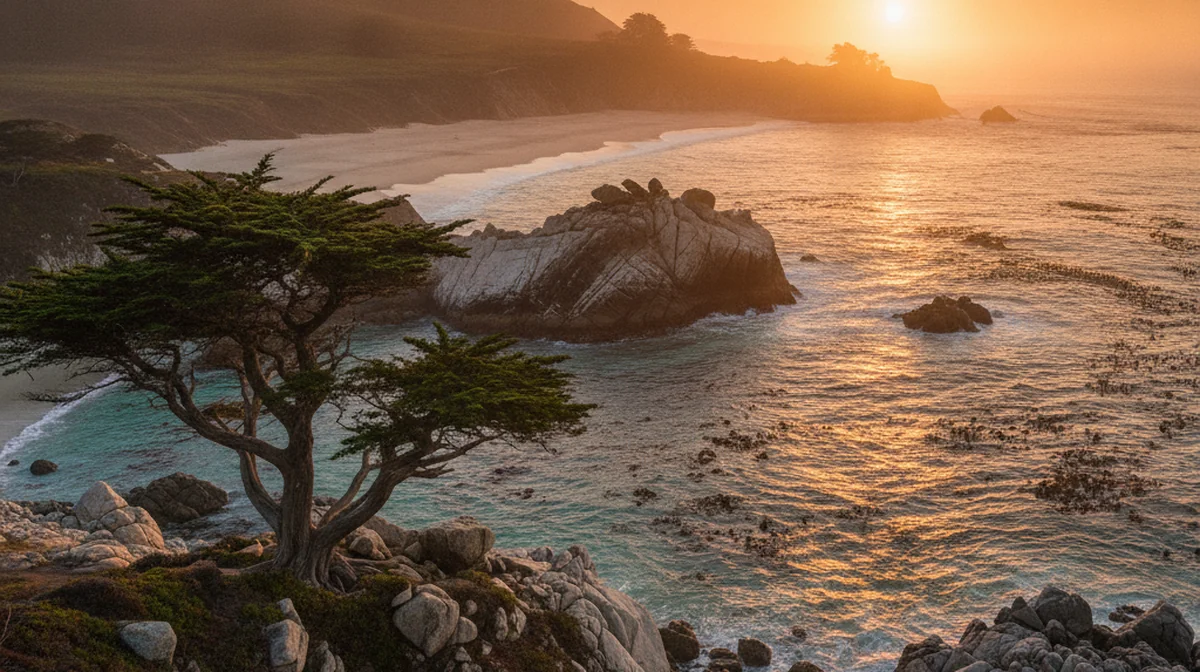
The Monterey Peninsula is where California keeps its postcard coast: Carmel Beach's white sand under wind-bent cypress, the 17-Mile Drive, Cannery Row, and an aquarium that anchors one of the great marine sanctuaries on Earth. It's also — and owners need to hear this plainly — one of the most restrictive short-term-rental regions in the country. Carmel-by-the-Sea has banned rentals under 30 days in its residential district for decades. The city of Monterey allows them only in areas zoned for visitor accommodation. Unincorporated Monterey County finalized ordinances in 2024 that prohibit commercial vacation rentals outright in Big Sur, Carmel Highlands and the residential zones of Carmel Valley. What's left is real, though: licensed rentals in Pacific Grove's coastal zone, homestays and limited rentals in the county, furnished 30-plus-day homes — and one of the deepest boutique-inn markets in America, because Carmel has been an inn village for a century. If you operate lodging here legally, the demand is not your problem.

Demand on the Peninsula runs deeper than its short season suggests. Summer is strong, but the calendar's real spikes are events: Monterey Car Week and the Pebble Beach Concours d'Elegance in August reprice the entire region for ten days, the AT&T Pebble Beach Pro-Am lands in February, the Monterey Jazz Festival — running since 1958 — fills September, and the Big Sur International Marathon and Sea Otter Classic carry April. Blended nightly rates run around $330 with occupancy in the mid-40s, but the spread is wide: Monterey listings average near $270 while Carmel Point sits among the highest-earning rental pockets in California. Layer in aquarium tourism, Pebble Beach golf pilgrims, and the wedding trade, and you have a market where the licensed few and the well-marketed inns take home outsized returns.

Top Attractions & Landmarks

  • Monterey Bay Aquarium
  • Cannery Row
  • 17-Mile Drive
  • Carmel Beach
  • Point Lobos State Natural Reserve
  • Carmel Mission
  • Lovers Point Park

Nearby Markets: San Francisco  |  Napa Valley  |  Lake Tahoe

Airbnb marketing services in Monterey & Carmel, California, USA
Postcards

Monterey & Carmel through the lens

A few of the visual fingerprints we lean into when we shoot, brand and market a Monterey & Carmel property — courtesy of the open Wikimedia Commons archive.

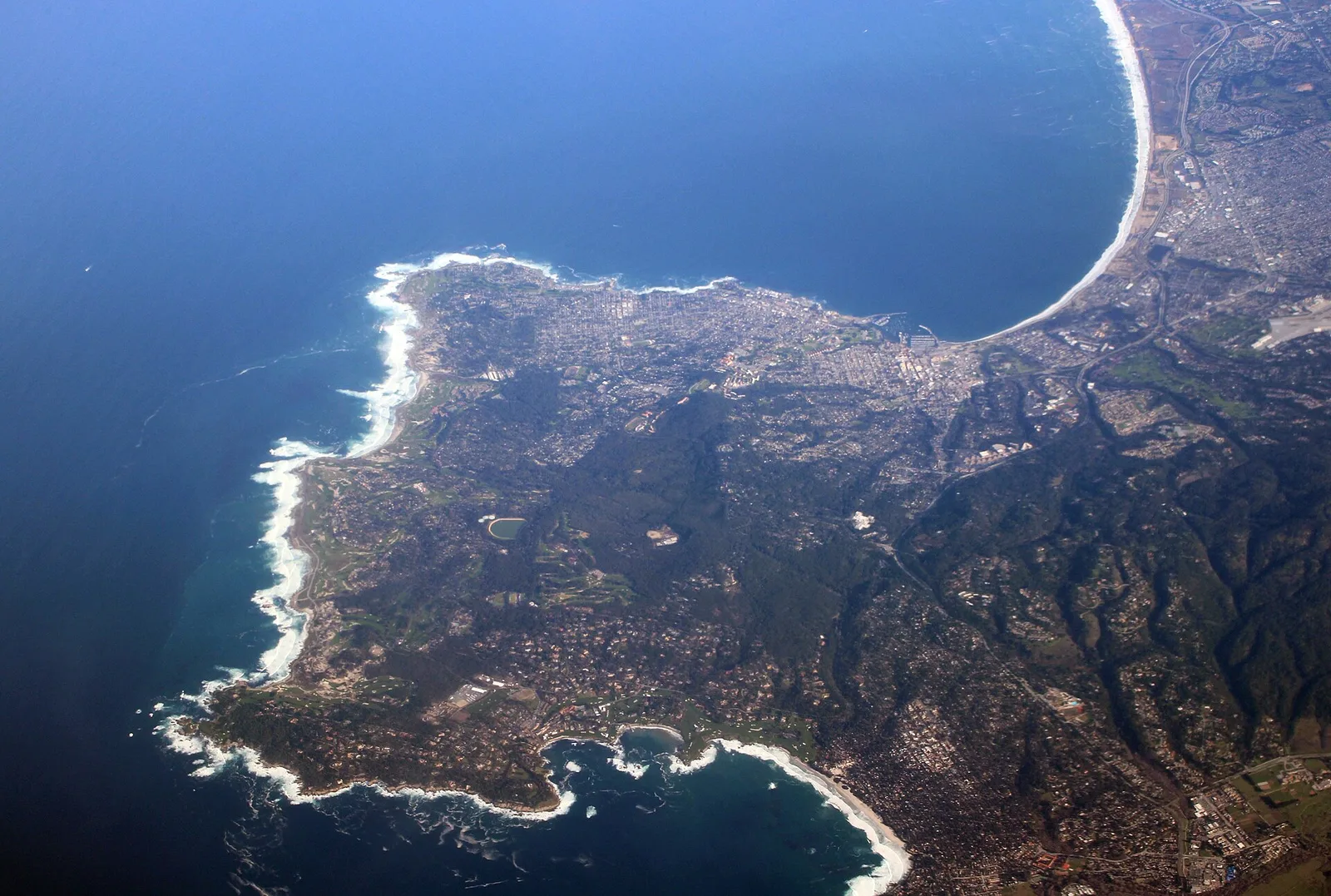
Aerial View of Monterey Peninsula — Monterey & Carmel airbnb marketing
Local Color
Aerial View of Monterey Peninsula
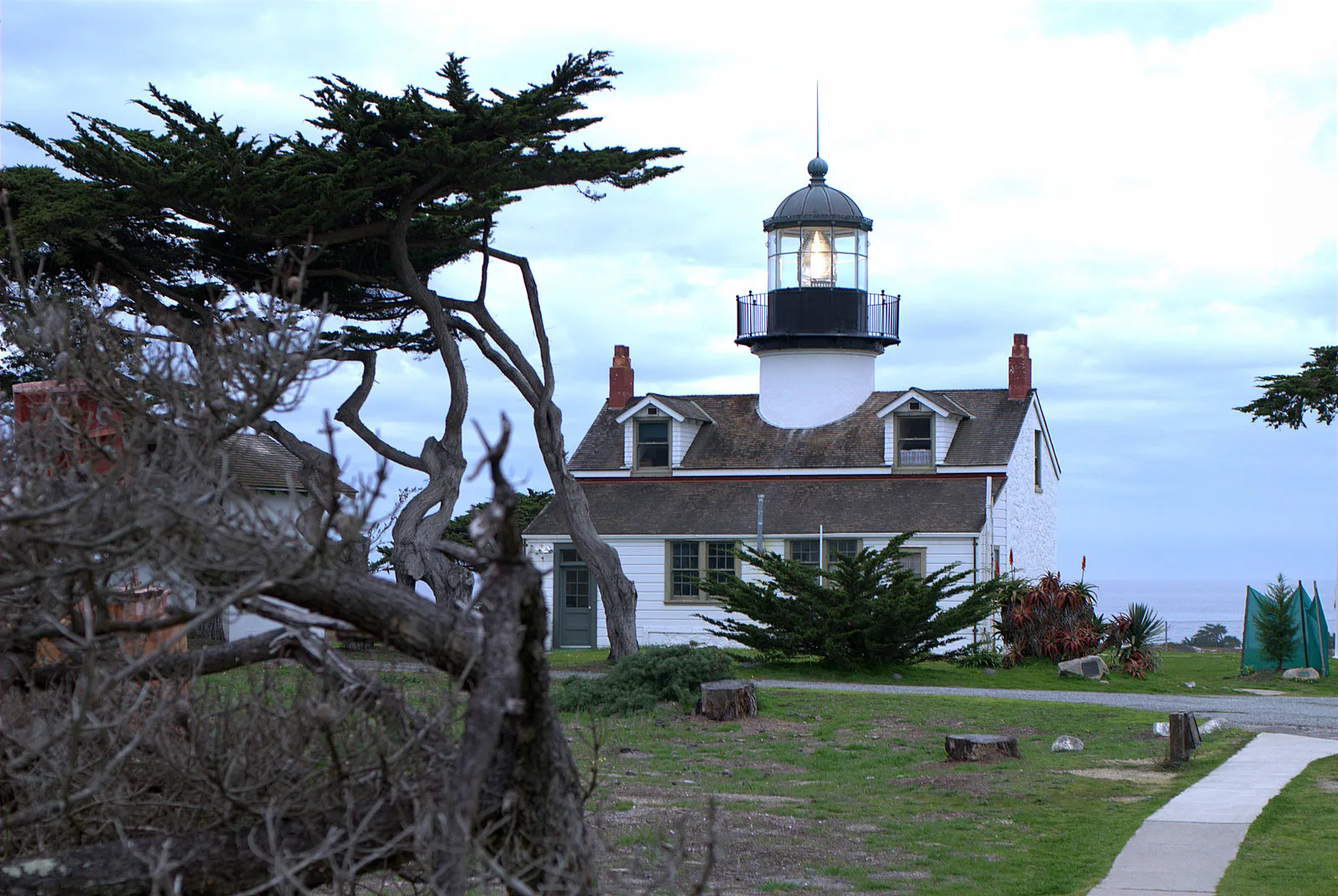
Point Pinos Lighthouse — Monterey & Carmel airbnb marketing
Local Color
Point Pinos Lighthouse
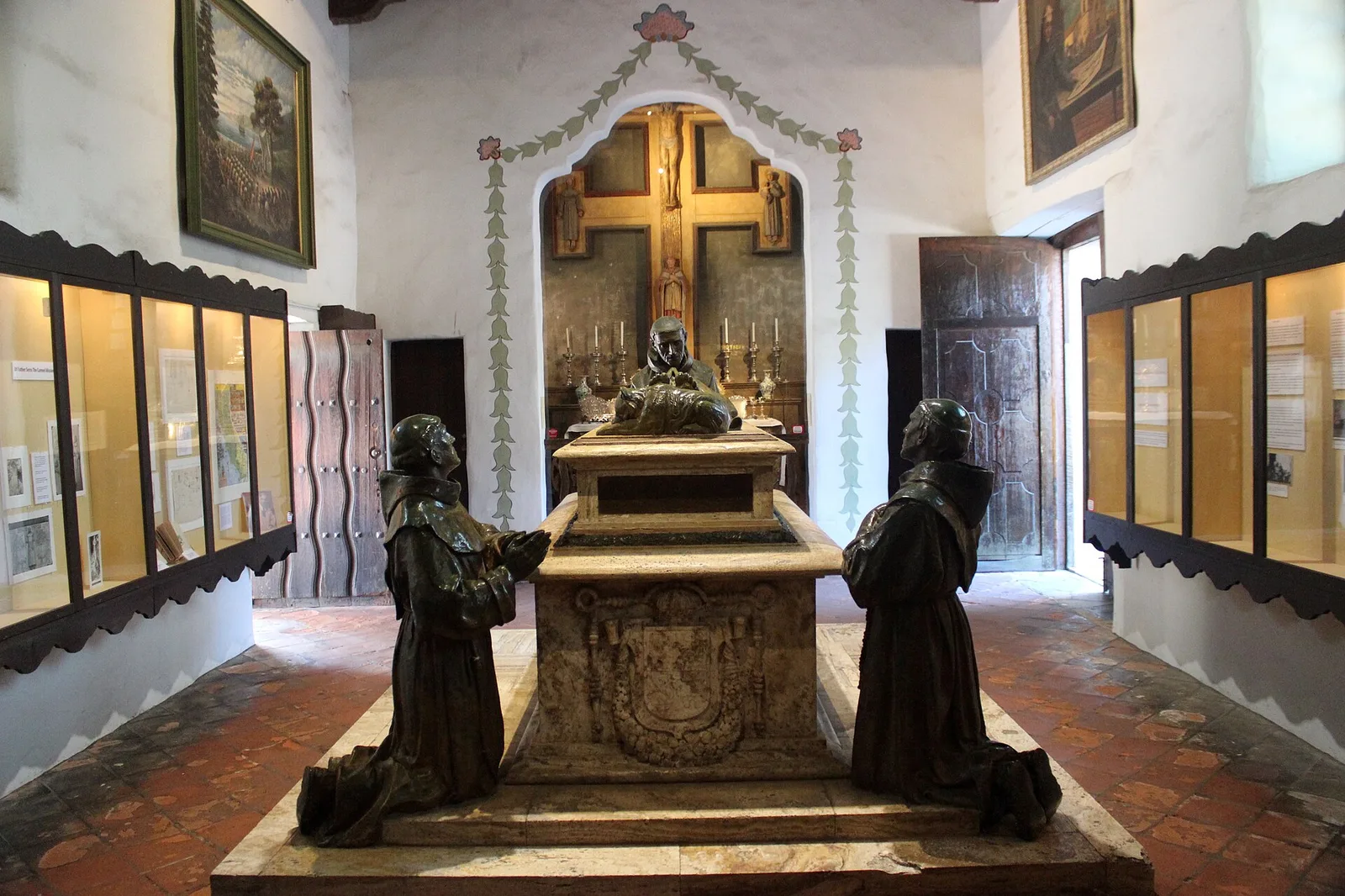
Cenotafio Serra 09 — Monterey & Carmel airbnb marketing
Local Color
Cenotafio Serra
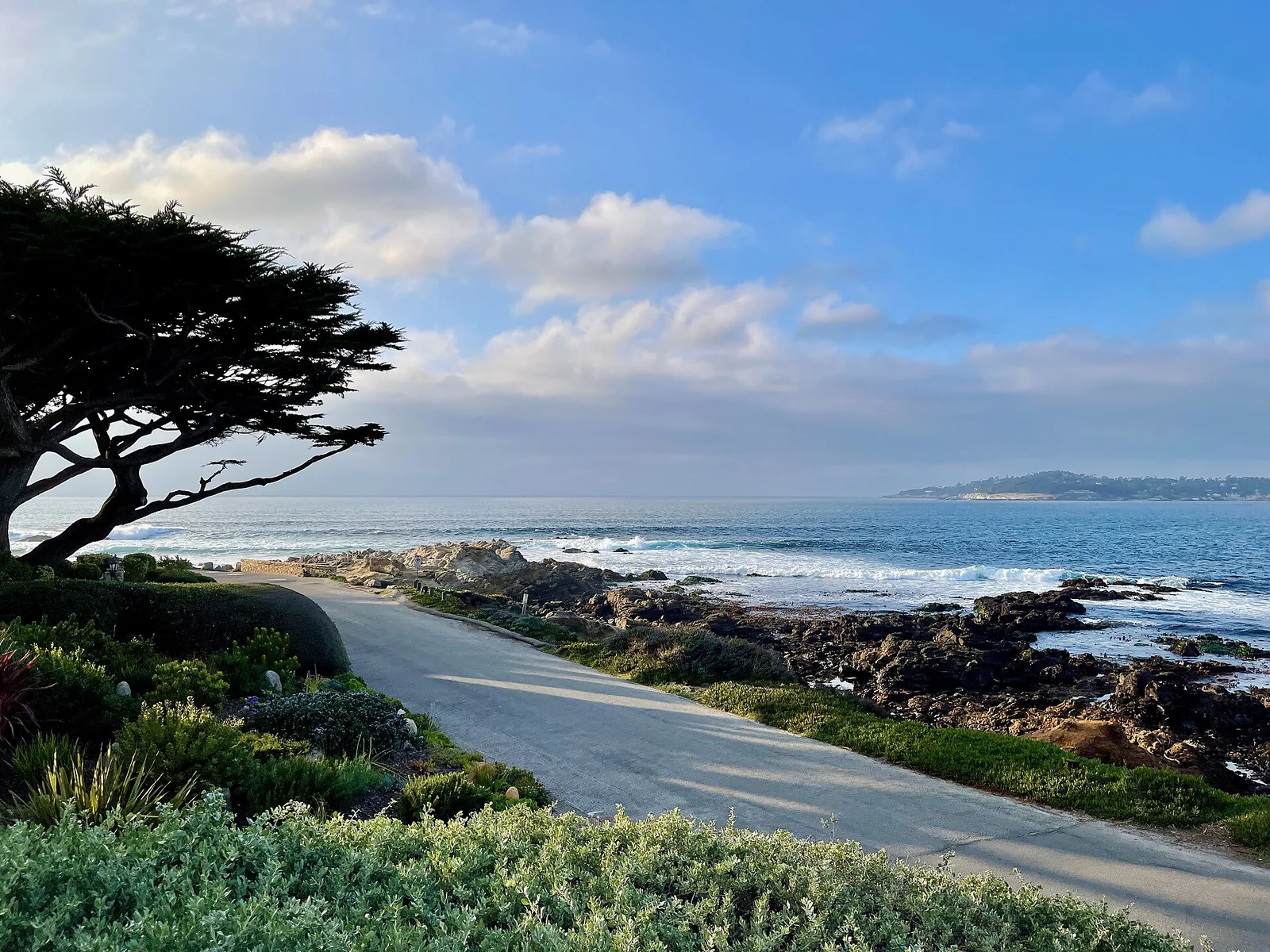
Carmel Point at Scenic Road — Monterey & Carmel airbnb marketing
Local Color
Carmel Point at Scenic Road
Why Cavmir

The Cavmir Advantage
in Monterey & Carmel

Cavmir wins on the Monterey Peninsula because the rules did the winnowing and most survivors still market like it's 2015. If you hold a Pacific Grove license, you're one of roughly eighty-some legal operators in one of America's most photographed towns — and almost none of your competition shoots the coastline properly or owns a direct channel. If you run an inn in Carmel or a small hotel in Monterey, you're sitting on exactly the kind of property travelers want to book direct — and probably paying OTAs for guests who searched your name. We build the brand, shoot the cypress-and-fog coast the way it deserves, write copy that names Scenic Road and Lovers Point instead of adjectives, and design direct-booking websites that turn Car Week and Jazz Festival guests into a list you own. We help position and market your property. We never manage it or touch your keys.

State of the Industry · History

The Monterey & Carmel STR Market — Past & Present

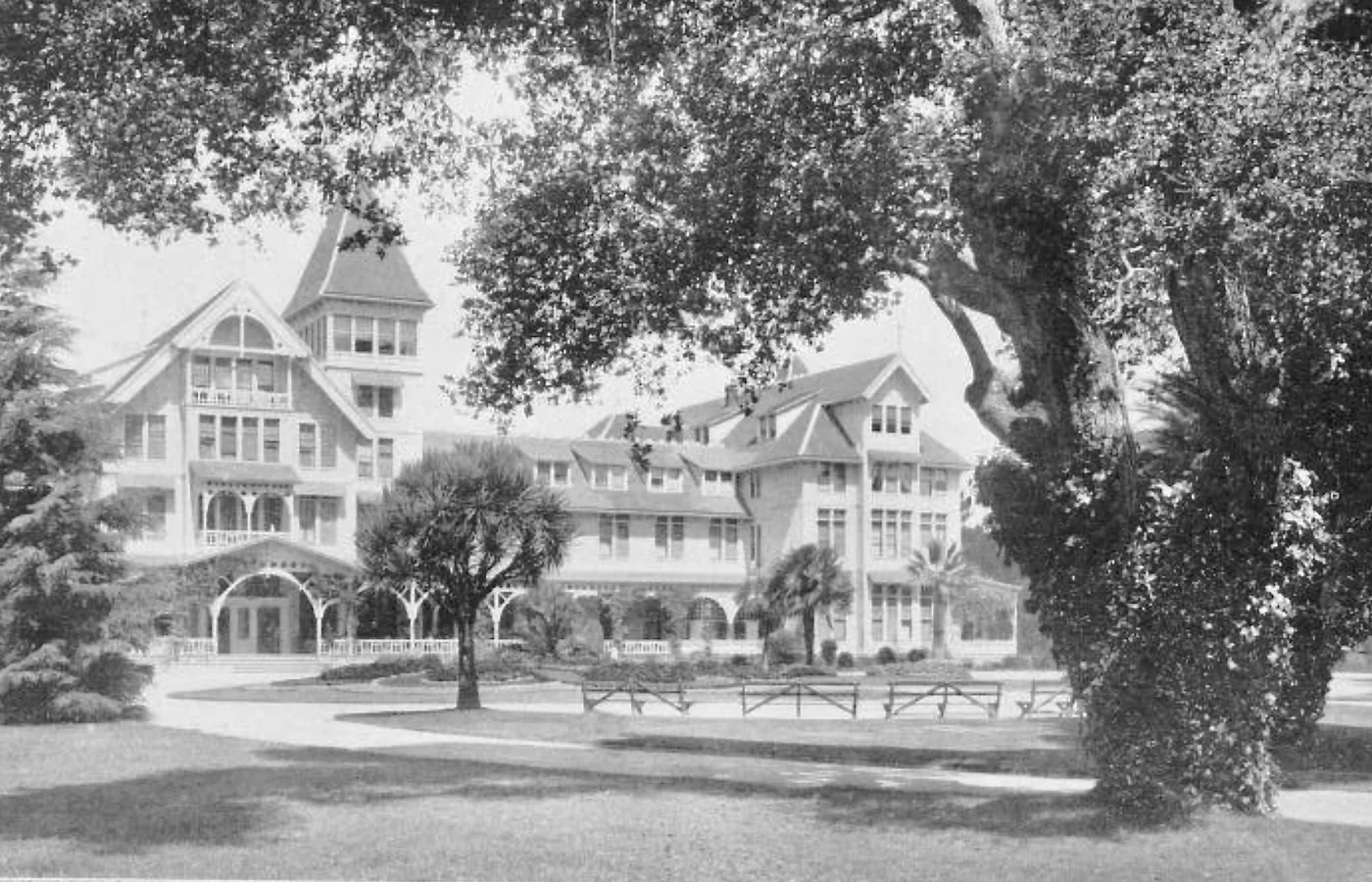
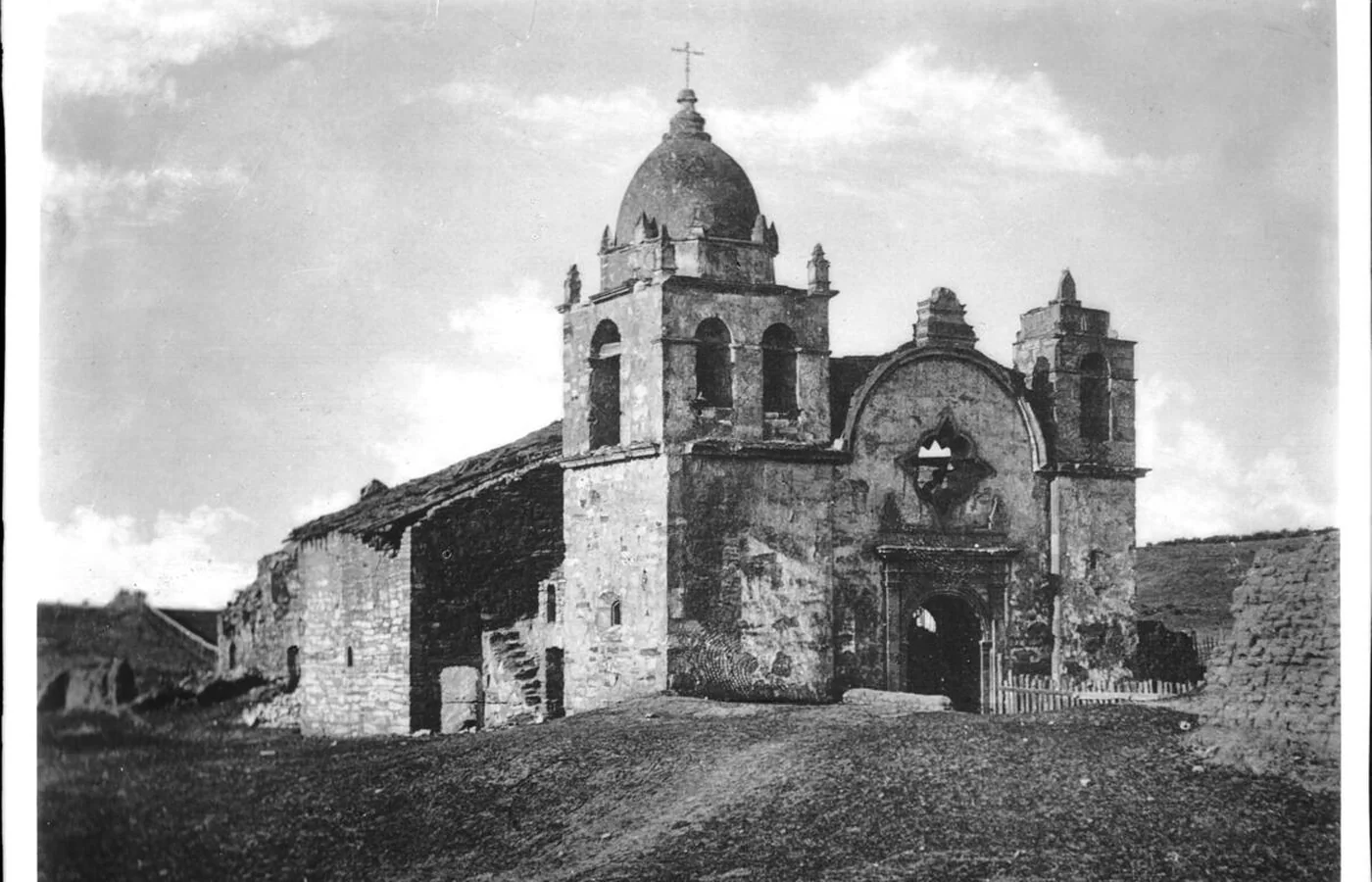
The Monterey Peninsula has been selling scenery longer than California has been a state. Monterey was the capital of Alta California under Spain and Mexico, and Colton Hall hosted the 1849 convention that wrote the state's first constitution. The resort era arrived in 1880 with the Hotel Del Monte, a vast Victorian pleasure palace that made Monterey a national destination and whose owners laid out the 17-Mile Drive as a carriage excursion for guests. Carmel-by-the-Sea grew differently — founded as an artists' colony in the early 1900s, it filled with writers and painters, banned street addresses and streetlights in its residential blocks, and elected to stay a village on purpose. Cannery Row boomed on sardines, collapsed with them in the 1950s, and was reborn when John Steinbeck's name and the Monterey Bay Aquarium — opened in 1984 in a converted cannery — turned the waterfront into one of California's great visitor draws.

That preservation instinct wrote the rental rules. Carmel banned rentals under 30 days in its residential district decades ago and has held the line since. The city of Monterey confines nightly rentals to areas zoned for visitor accommodation. Pacific Grove, the Victorian retreat town next door, fought its battle at the ballot box — Measure M in 2018 ended short-term rentals in most residential neighborhoods while preserving licenses in the coastal and commercial zones. And in 2024, Monterey County finalized ordinances for the unincorporated areas: homestays and a few limited rentals a year allowed broadly, commercial vacation rentals banned outright in Big Sur, Carmel Highlands and residential Carmel Valley, and capped at 4% of housing stock elsewhere inland. What survived is a market of legal scarcity: a few dozen licensed operators, a century-old inn culture, and a 30-plus-day trade serving Pebble Beach renovations, visiting Defense Language Institute families and Silicon Valley sabbaticals.

Pricing Strategy & Seasonality

Pricing, Seasonality & When to Capture ROI

Pricing Strategy

The spread across the Peninsula is as wide as any market we cover. Carmel Point and Carmel-by-the-Sea sit at the top — the rare legal rentals and the village's inns price against some of the most expensive residential real estate in America, and Carmel Point ranks among the highest-earning rental pockets in California. Pebble Beach estates trade on golf pilgrimage and Car Week. Pacific Grove's licensed coastal-zone rentals — Victorians a block from Lovers Point — are the Peninsula's most bookable legal nightly product. Monterey proper runs more modestly, near $270 a night around Cannery Row and the wharf, and Seaside and Marina are the value plays with aquarium access. Blended, the Peninsula lands around $330 a night with occupancy in the mid-40s — but averages mislead here; the licensed few and the well-marketed inns run far above them, especially in August.

Seasonality & ROI Windows

The Peninsula runs long and steady rather than spiky — except when it spikes. Summer is strong but fog-cooled; September and October are the local secret, the warmest and clearest months of the year. August's Car Week reprices everything for ten days. February brings the Pro-Am, April the Big Sur Marathon and Sea Otter Classic, September the Jazz Festival. Winter is mild, green and quiet — whale-migration season — and it's where the inns with real marketing separate from the ones waiting for June.

Regulation & Licensing · 2026

What the Law Requires in Monterey & Carmel

The Monterey Peninsula is heavily regulated, jurisdiction by jurisdiction — five minutes' drive can change everything, so map your parcel first. Carmel-by-the-Sea prohibits rentals of fewer than 30 consecutive days in its residential district, full stop as a practical matter; the village's lodging business belongs to its inns and hotels. The city of Monterey permits rentals under 30 days only in areas zoned for visitor accommodation — outside those, the nightly product is not legal. Pacific Grove is the licensed lane: Measure M (2018) ended short-term rentals in residential districts outside the coastal zone, but the city continues to license them in its coastal and commercial areas — around 84 active licenses as of recent counts — with a 12% transient occupancy tax and real enforcement.

Unincorporated Monterey County finalized its ordinances in 2024, with operators required to come into compliance by April 2025. Three categories exist: homestays (owner present) allowed broadly; limited vacation rentals (up to three rentals a year) allowed broadly; and commercial vacation rentals, permitted in some inland areas but capped at 4% of an area's housing stock — and banned outright in Big Sur, Carmel Highlands, and the residential zones of Carmel Valley and Moss Landing. The county's TOT is 10.5% in unincorporated areas; each city sets its own. These rules are recent, litigated and still settling — before you buy or list anything on the Peninsula, get your exact parcel's status in writing from the relevant planning department and have your attorney read it.

Market-Specific Tips & Challenges

Local Tips & Unique Market Challenges

Tips That Actually Move Revenue in Monterey & Carmel

The Peninsula strategic tip: if you can't get the nightly license, stop fighting the ordinance and take the inn's playbook instead. This region's most durable lodging businesses are its inns — Carmel has run on them for a century — and the same marketing that fills a 12-room inn fills a furnished 30-day home or a licensed Pacific Grove Victorian: brand, photography, a direct channel and a calendar strategy. The owners who lose here are the ones still hunting loopholes; the ones who win picked a legal product and out-presented everyone in it.

Tactically: first, shoot the fog honestly and the light ruthlessly. The Peninsula's look is cypress, mist and sudden gold — September and October light is the best of the year, and a golden-hour shoot at Lovers Point or Scenic Road outsells any midday gallery. Second, build the year around the published spikes: Car Week alone can carry a quarter of an annual number, and the Pro-Am, Jazz Festival, marathon and Sea Otter are all dated years ahead. Price them like the events they are. Third, own the repeat guest — aquarium families, golf groups and Car Week regulars return annually, and a direct-booking website with a real email list converts that loyalty into commission-free revenue. Fourth, if you're an innkeeper, compete on story: your building has one, the chains don't, and neighborhood SEO for 'Carmel inn' and 'Pacific Grove bed and breakfast' terms is cheap territory to hold. Fifth, keep the compliance visible — license numbers, TOT registration, the works — because on a peninsula this strict, being demonstrably legal is a booking argument.

Unique Monterey & Carmel Challenges

The constraints are structural: most of the Peninsula has no legal nightly lane, Pacific Grove's licenses are capped and coveted, and the county's 2024 rules banned commercial rentals in the most scenic unincorporated areas outright. Entry prices are severe, fog is real and needs honest marketing, and Highway 1 closures south of Carmel periodically cut off the Big Sur excursion trade. This is a market for owners who pick a legal product and run it seriously.

A Curious Monterey & Carmel Fact
Carmel-by-the-Sea has no street addresses in its residential blocks — houses go by names instead, residents collect their mail at the post office, and the village has famously required a (free) permit to wear high heels, an ordinance written decades ago to manage liability on sidewalks buckled by tree roots the town refused to remove. The same instinct that kept the addresses out kept the streetlights, parking meters and chain restaurants out too — and it's why a village of about 3,000 people supports one of the densest collections of inns, galleries and restaurants on the West Coast. The town that regulated hardest became the most valuable.
Finance Essentials — Monterey & Carmel
🛡️

Insurance

Standard homeowner's policies exclude paying guests, so licensed operators need proper short-term-rental or landlord coverage, and innkeepers carry commercial hospitality policies. The Peninsula's underwriting quirks: salt air and wind exposure on coastal Victorians, wildfire risk in Carmel Valley and the Highlands that has pushed some owners toward the California FAIR Plan, and older housing stock — much of Pacific Grove is over a century old — that raises questions about wiring and plumbing updates. Document renovations and use a broker who writes Monterey County coastal property routinely.

🧾

Property & Income Tax

Short stays owe transient occupancy tax to whichever jurisdiction you're in: 10.5% in unincorporated Monterey County, 12% in Pacific Grove, and each city's own rate elsewhere on the Peninsula — with some jurisdictions adding tourism-district assessments on top. Platforms collect some of this in some places; registration and remittance for the rest, especially direct bookings, is on you. Stays of 30 days or more generally fall outside TOT. Rental income is then taxable at federal and California rates. Treat these numbers as planning figures and confirm your exact obligations with your accountant.

🏦

Mortgages & Financing

Peninsula purchases are mostly jumbo, and the licensing map drives the underwriting: a lender will look at a Pacific Grove coastal-zone Victorian with a transferable license question, a Carmel cottage that can only rent 30-plus days, and a Monterey condo near the wharf very differently. DSCR products work where a legal nightly income story exists and documentation proves it; elsewhere expect second-home terms. Note that licenses and permits generally do not convey automatically with a sale — verify transferability before you write an offer, because it changes the property's income math entirely. A local broker who knows the jurisdictional map is essential here.

Future Outlook · 2027 & Beyond

Where Monterey & Carmel is Headed Next

The Peninsula's regulatory map is now largely drawn: the county's 2024 ordinances settled the unincorporated areas, Pacific Grove's coastal-zone licensing has survived challenge, and Carmel and Monterey show no appetite for loosening. That stability is the story — supply is capped by law in one of the most demanded coastal regions in America, and every year of enforcement makes the surviving legal inventory more valuable. Demand keeps compounding: the aquarium and Car Week are global draws, remote work lengthened the average stay, and the September–October shoulder keeps getting discovered. The durable play into 2027 and beyond is holding a clearly legal product — a licensed Pacific Grove rental, a county-permitted home, an inn with a brand and a direct channel — and marketing it like the scarce asset the ordinances made it. On this peninsula, the rules are the moat; presentation decides who collects the rent on it.

From the Desk of Sofie Sinag

Why We Love Marketing in Monterey & Carmel

The Monterey Peninsula is the most cinematic coastline in America that still under-markets itself. Point Lobos was allegedly Robert Louis Stevenson's model for Treasure Island; the cypress trees are so photographed they have names; Carmel Beach at golden hour looks color-graded straight out of the camera. And yet the average lodging listing here — including inns sitting on a century of story — leads with a bedspread. That gap is the job. When the raw material is this good, marketing isn't decoration; it's just telling the truth attractively, and almost nobody on the Peninsula is doing it.

We also love what the rules did to this market. The ordinances that frustrate investors created something rare: a lodging economy where the surviving legal operators — the licensed Pacific Grove Victorians, the county-permitted homes, the inns of Carmel — hold a position that literally cannot be built against. Marketing a capped asset is the best assignment in this business, because every improvement compounds instead of being diluted by next year's new supply. Add a calendar with Car Week, the Pro-Am and the Jazz Festival stamped on it years in advance, and you have a market where preparation beats luck every time. That's our kind of coast.

Why It Matters

A great property in Monterey & Carmel doesn't just want a listing — it wants a point of view, an audience, and a brand the city itself would recognise.

Cavmir's Monterey & Carmel Cheat Sheet

The Picks We Recommend for Your Welcome Book

A few honest, insider picks for the Monterey Peninsula — the kind of specifics that make a listing read like a local wrote it, because one did. Real places, no filler.

Morning

The Asilomar coast walk, Pacific Grove

The boardwalk and dunes trail from Asilomar State Beach toward Point Pinos, with harbor seals on the rocks and the fog just starting to think about lifting. It's the morning routine guests adopt immediately — and the reason PG listings should name their walk time to the water.

Golden Hour

Carmel Beach from Scenic Road

White sand going gold, cypress silhouettes, dogs off-leash living their best hour. The pullouts along Scenic Road frame the classic shot. If your property or inn is in the village, this is the closing image of every gallery.

Neighborhood Walk

Carmel-by-the-Sea's storybook blocks

Ocean Avenue to the beach, then the side streets — Hugh Comstock's fairytale cottages, passageways and courtyards, houses with names instead of numbers. Tell guests there are no street addresses and watch the walk become a treasure hunt.

Dinner That Photographs

Casanova, Carmel-by-the-Sea

Candlelit farmhouse rooms and a garden patio in a cottage that feels borrowed from Provence — the village's signature long dinner. Reservations matter in summer; tell guests to book when their dates are set.

Local Obsession

Sea otters, everywhere and always

The recovery of the southern sea otter is the bay's living success story — rafts of them off Cannery Row, mothers with pups in the kelp at Lovers Point. Guests plan whole mornings around otter-watching; a listing that says where to look earns the review.

Shoulder Season Secret

Whale season in the winter bay

Gray whales stream past from December through April, and the winter boats out of Monterey harbor run half-full at shoulder prices. The Peninsula's quiet season has world-class wildlife and green hills — sell it to the crowd that hates crowds.

Weekend Escape

Big Sur down Highway 1

Bixby Bridge, Pfeiffer's purple sand, McWay Falls dropping onto the beach — the greatest road trip mile-for-mile in America starts at your guest's doorstep. Flag the current road status honestly; Highway 1 closures are part of Big Sur's deal.

What Guests Ask For

The fog truth and the 17-Mile Drive logistics

Answer both before they ask: summer mornings are gray and it burns off (September and October are the clear months), and the 17-Mile Drive has a gate fee for cars while cyclists ride free. Honest microclimate copy prevents the only complaint this coast ever gets.

Local Work · Composite Case Vignettes

What Cavmir Has Done for Monterey & Carmel Properties

A few composite engagements drawn from how Cavmir typically works in this market. The details are illustrative and consistent with the Monterey Peninsula, not pulled from a single named client.

Licensed Victorian · Pacific Grove coastal zone
The Brief

One of Pacific Grove's few dozen licensed rentals — a gabled Victorian two blocks from Lovers Point — was presented like ordinary inventory: dim interiors, no streetscape, no mention of the license, and flat pricing through Car Week.

What We Did

Cavmir reshot the house and the PG coastline in the golden hours, led the listing with the licensed-and-legal story and the walk to the water, built Car Week, Pro-Am and Jazz Festival pricing a year ahead, and added a direct-booking page for the returning guests.

The Result

The listing began booking event windows months out at rates matching its true scarcity, cautious high-value guests converted on the visible compliance, and a growing share of each year's calendar filled direct from past guests before the platforms saw the dates.

Boutique inn · Carmel-by-the-Sea
The Brief

A courtyard inn in the village — the exact product Carmel's rules were written to favor — was invisible online, OTA-dependent, and photographed so poorly that storybook architecture read as dated instead of timeless.

What We Did

Cavmir rebuilt the brand and direct-booking website around the cottage story and the walk to Carmel Beach, reshot every room and the courtyard at golden hour, ran neighborhood SEO for Carmel inn searches, and built an email program keyed to the Peninsula's event calendar.

The Result

Direct bookings became a meaningful and growing share of revenue, Car Week and Jazz Festival windows sold out on the inn's own site at stronger rates, and repeat guests began reserving next year's dates before checking out.

Furnished monthly · Carmel Valley
The Brief

An owner in a county zone where the 2024 ordinances closed the commercial nightly lane assumed the property's income story was over, and had it sitting empty between casual long-term listings.

What We Did

Cavmir rebuilt it as a furnished 30-plus-day product aimed at the Peninsula's quiet monthly market — Pebble Beach renovation clients, visiting fellows, sabbatical couples — with photography styled around the valley sun, copy naming the wineries and trailheads, and a direct page for referrals.

The Result

The home moved to consecutive monthly stays with little vacancy, the guests were quieter and easier than the nightly trade had ever been, and the owner kept a legal, durable income stream in a zone where the nightly business no longer exists.

Ready to Grow in Monterey & Carmel?

Let's Put Your Monterey & Carmel
Property on the Map

Talk to Cavmir today. We'll show you exactly what your Monterey & Carmel property is leaving on the table — and how fast we can change that.

Book a Free Strategy Call