

Morning (Key West)
Cuban coffee at Cuban Coffee Queen
Stand-up window, con leche, the Key West morning ritual older than Duval Street's current form. Under-photographed, deeply authentic.

Expert short-term rental marketing to grow your bookings and nightly rate in Florida Keys, Florida, USA.
Sixteen services, one team. Everything below is built in-house and scoped to your property and market. Most owners start with the 12-Step System.
Every engagement is quoted to your portfolio. These are the ready-made scopes owners pick most — our Fall Special (55% off list or more) is already applied to the website, King Broker, Hotels and à la carte scopes. A clear proposal within 48 hours.
The work is public. Selected engagements and what changed — and reviews from the owners and managers behind them.
* Market averages from AirDNA and STR market reports. A single home's numbers depend on its size, its location and how it is marketed.
Cavmir is an Airbnb marketing agency. We build the brand, the direct-booking website and the marketing for short-term rentals in Florida Keys.
The Florida Keys are unlike anywhere else in the continental United States. A 113-mile string of islands connected by the Overseas Highway, the Keys offer world-class diving and snorkeling at the Florida Keys National Marine Sanctuary, legendary sport fishing in Islamorada, the bohemian charm of Key West's Duval Street, and the quiet beauty of Marathon's Seven Mile Bridge. The Keys attract a uniquely loyal repeat visitor base.
The Keys' STR market benefits from a year-round tropical climate, limited buildable land, and a traveler base willing to pay for waterfront access and island exclusivity. Key West commands the highest rates; Islamorada and Key Largo lead in fishing-centric demand. Winter (December–April) is peak season; summer sees strong family travel.
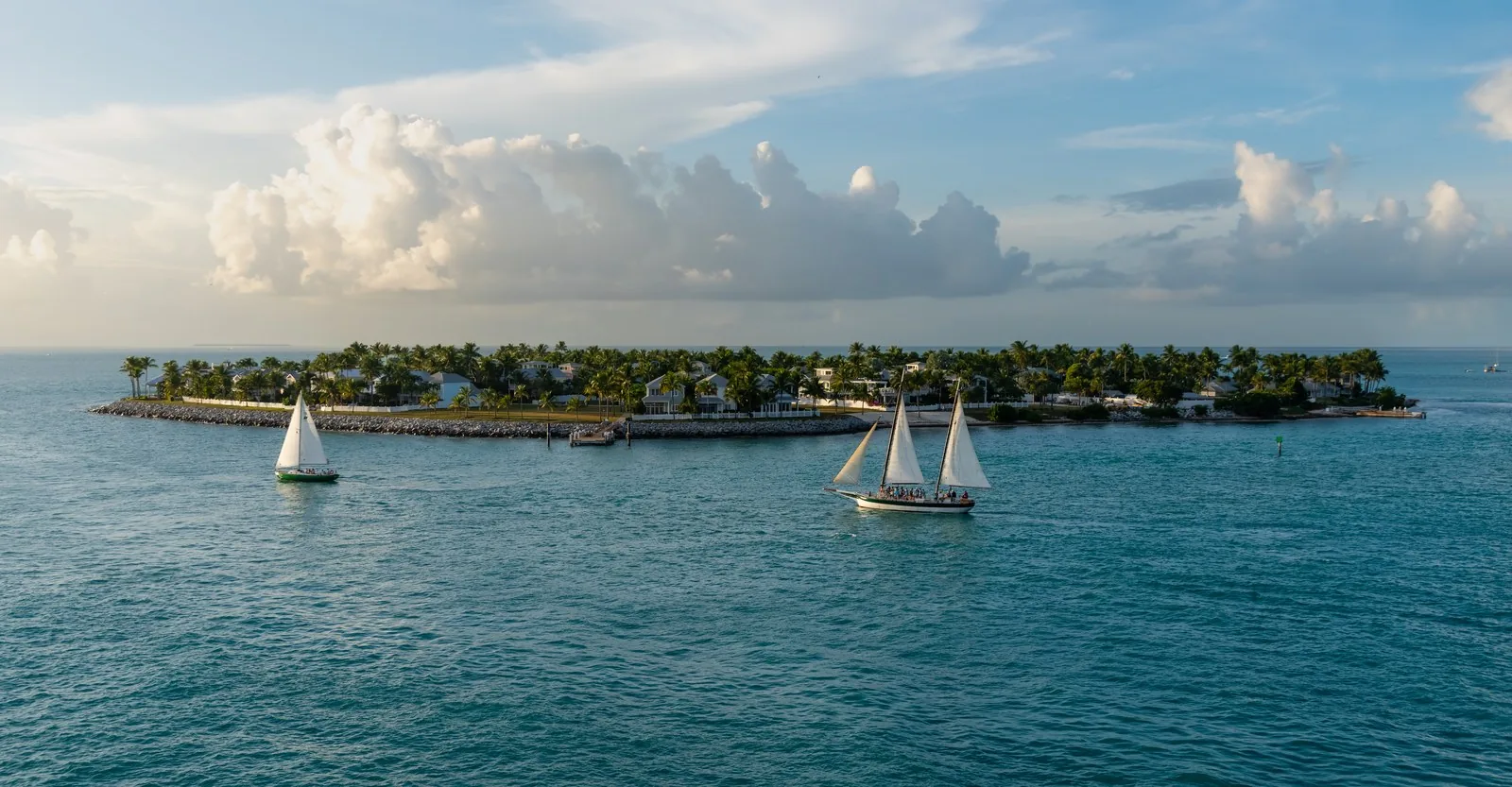
A few of the visual fingerprints we lean into when we shoot, brand and market a Florida Keys property — courtesy of the open Wikimedia Commons archive.
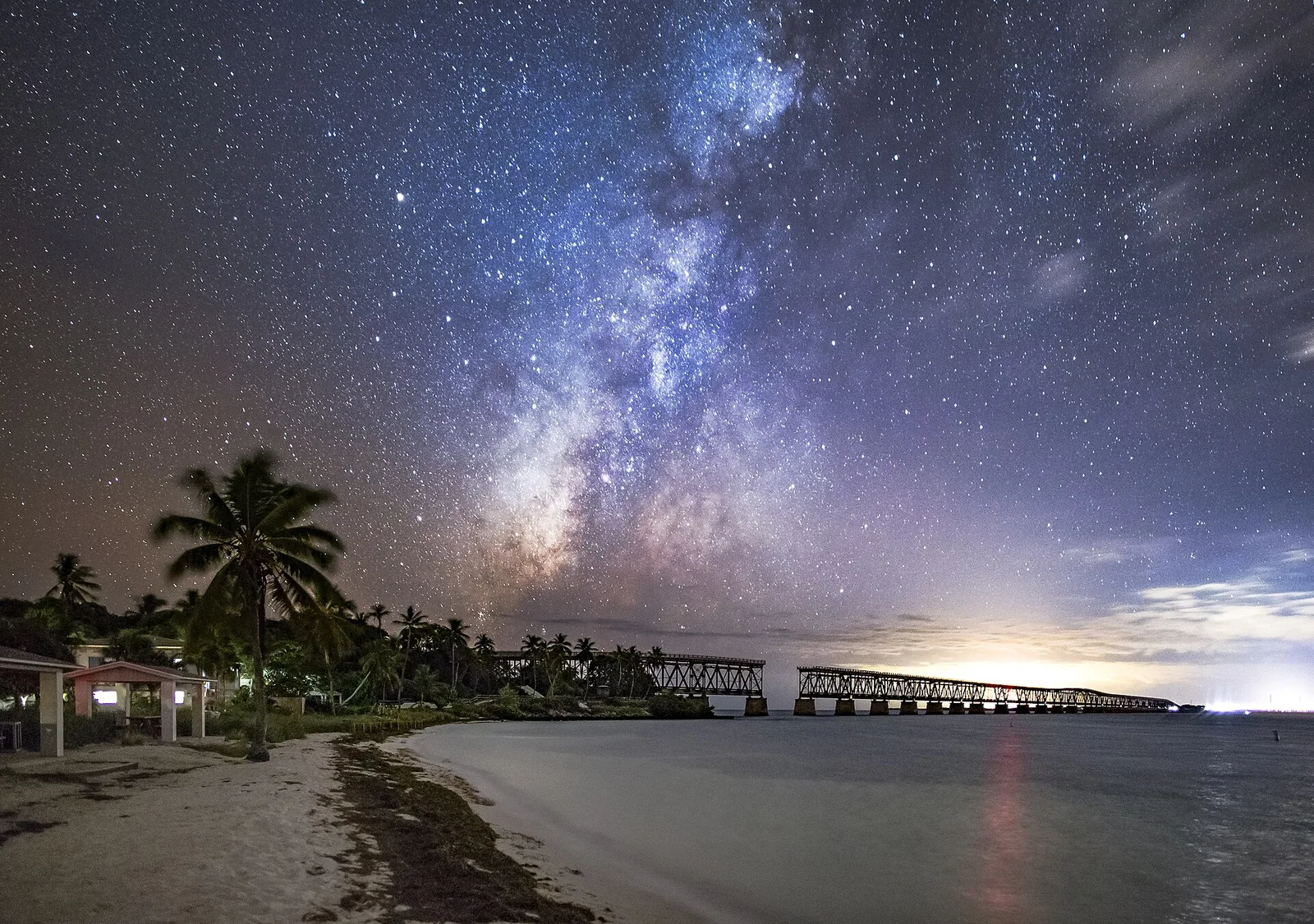
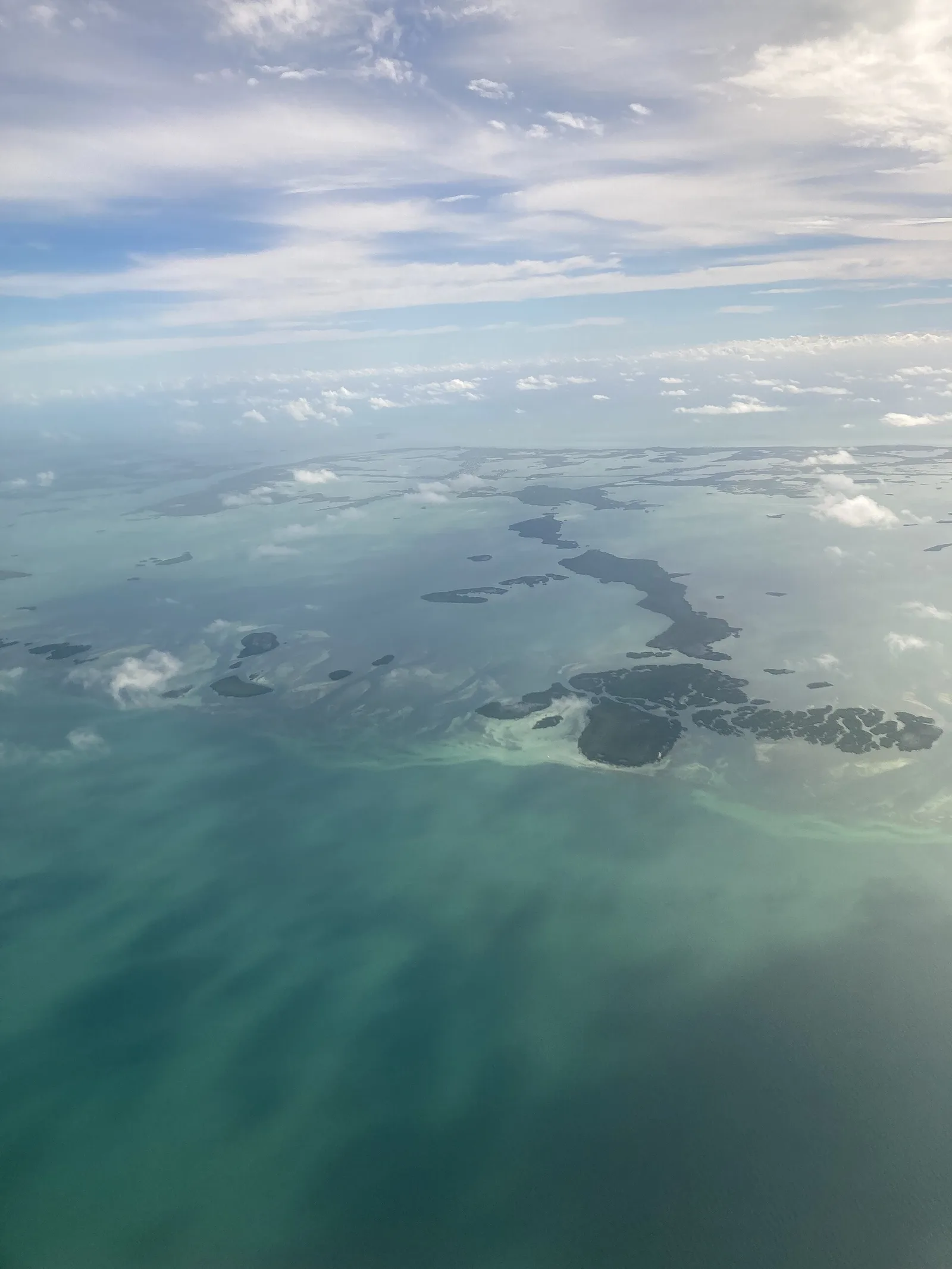
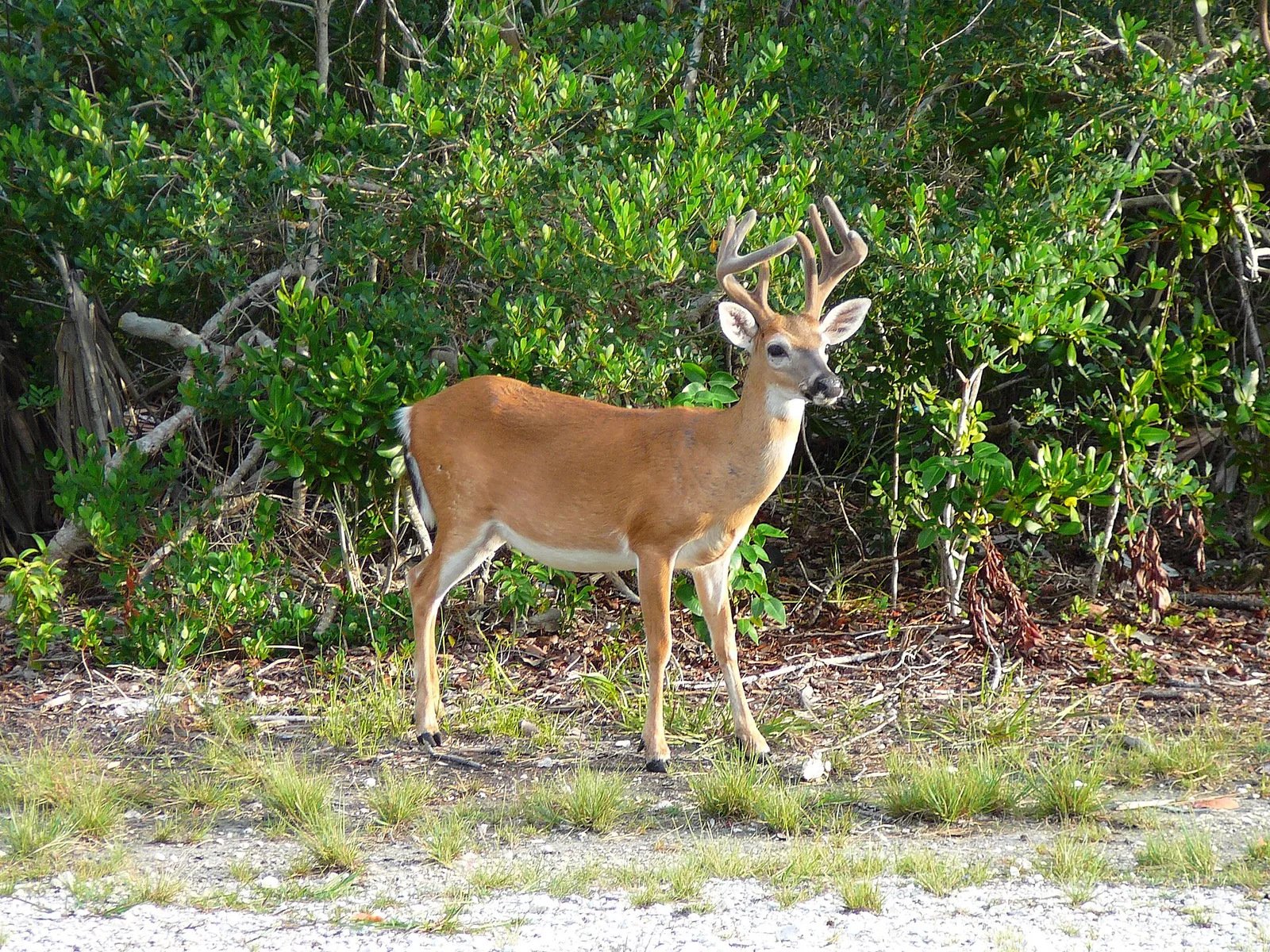
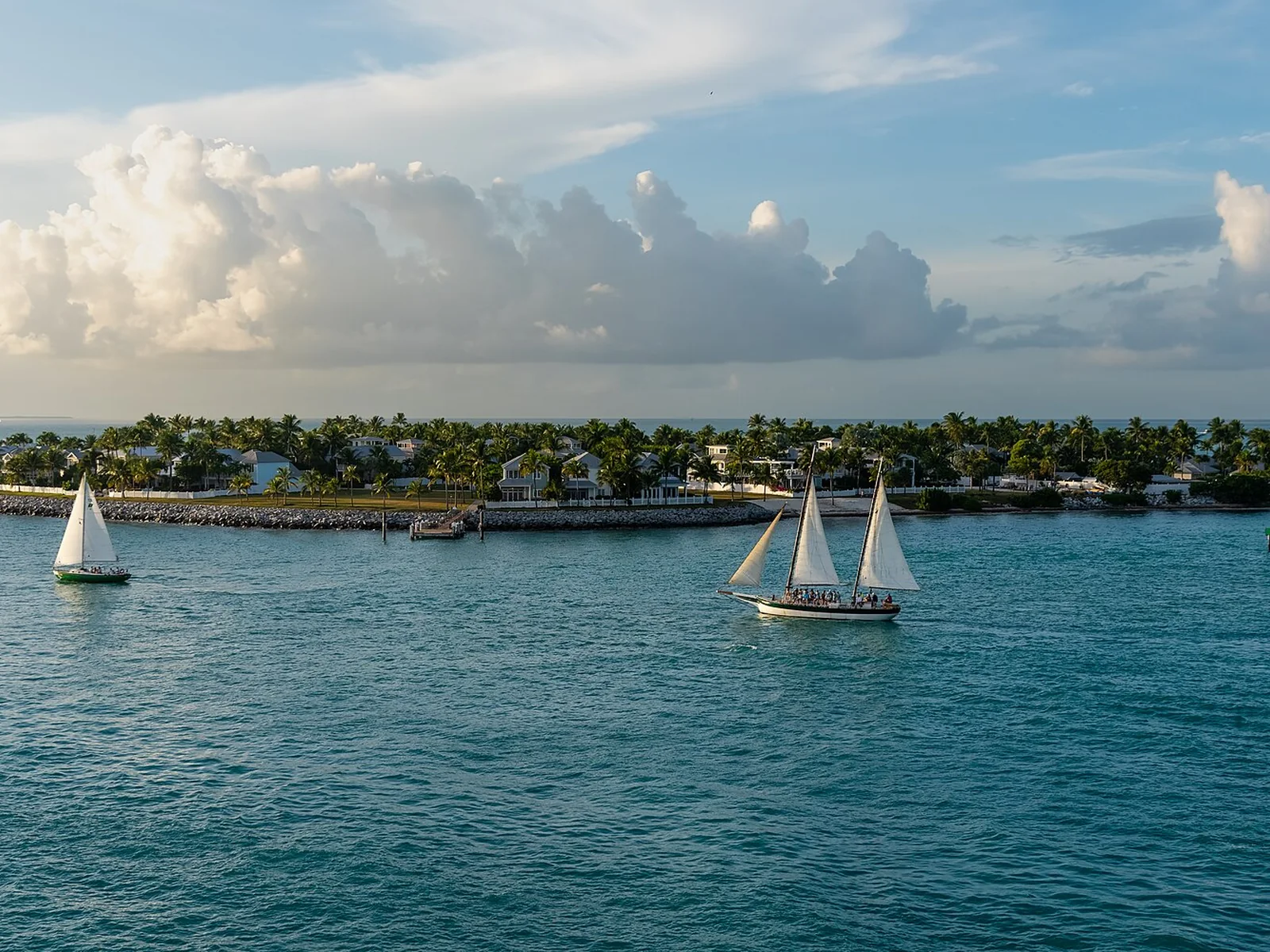
Cavmir understands the Keys' unique appeal — and positions your property to capture the guest who books for the lifestyle, not the price. Our drone photography over turquoise waters, combined with a distribution strategy across 60+ channels, ensures your property reaches its perfect guest wherever they're searching.
The Florida Keys are a hundred miles of islands strung on a railroad that shouldn't have been possible — and the road that replaced it is still the whole pitch. Cavmir simply writes the modern chapter.
The Florida Keys were connected to the mainland by Henry Flagler's Over-Sea Railroad in 1912 — a civil-engineering marvel that made Key West reachable by rail from New York. The 1935 Labor Day Hurricane destroyed the railroad, and the Overseas Highway (completed 1938) replaced it on the same piers. Visitor accommodation in the Keys has always been unusual: a string of small-scale resorts, fishing lodges, and private rentals rather than high-rise hotels. The Keys have, since the 1940s, been the preferred escape for literary figures (Hemingway's Key West years produced 'For Whom the Bell Tolls' and much of his later work), sport fishermen (Islamorada has been called the 'Sport Fishing Capital of the World' since the 1930s), and divers seeking North America's only living coral barrier reef.
The contemporary STR market reflects this history. Small-scale single-family homes and multi-family units dominate; there are no massive hotel towers (Monroe County's Rate of Growth Ordinance deliberately limits new construction). This regulatory-driven scarcity is central to the Keys' investment thesis: supply cannot scale with demand, which supports rates.
Before the platforms, a railroad built across open water — and the highway that replaced it — sold these islands to the country as the end of the road, the last land before Cuba. The channel changed; the work is identical: presentation, positioning, and a drive nobody forgets. It is the same business Cavmir is in today.
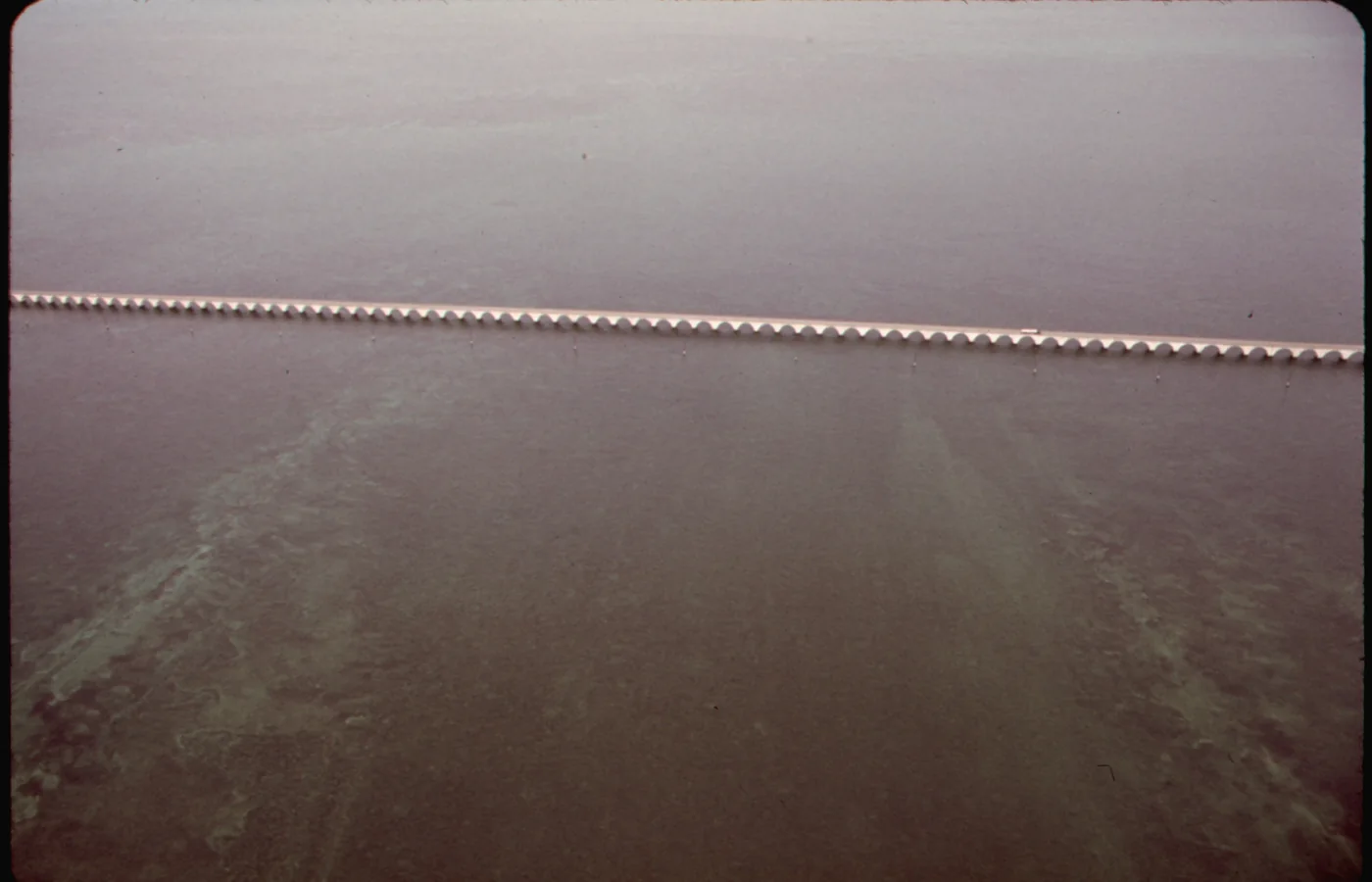
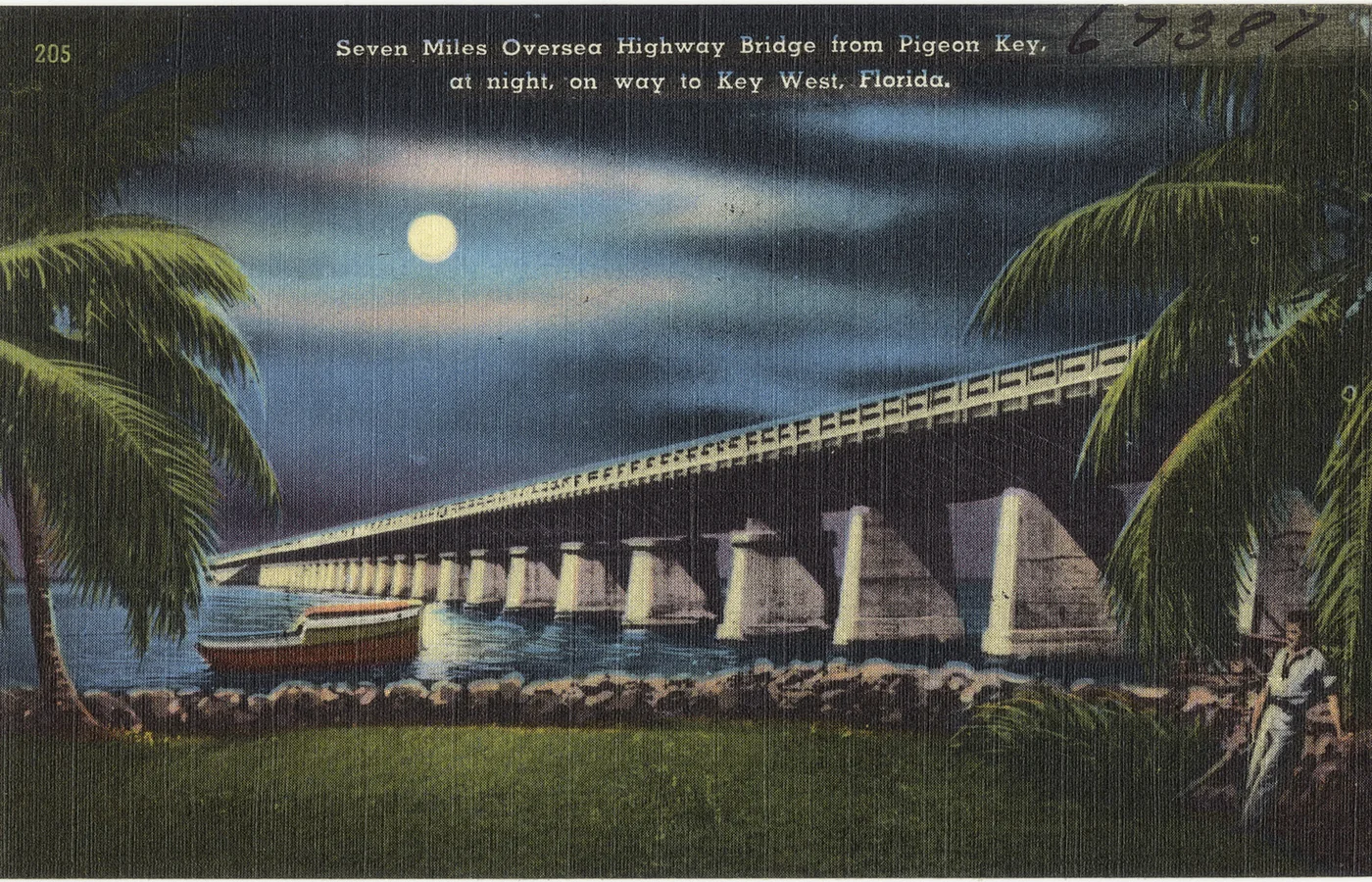
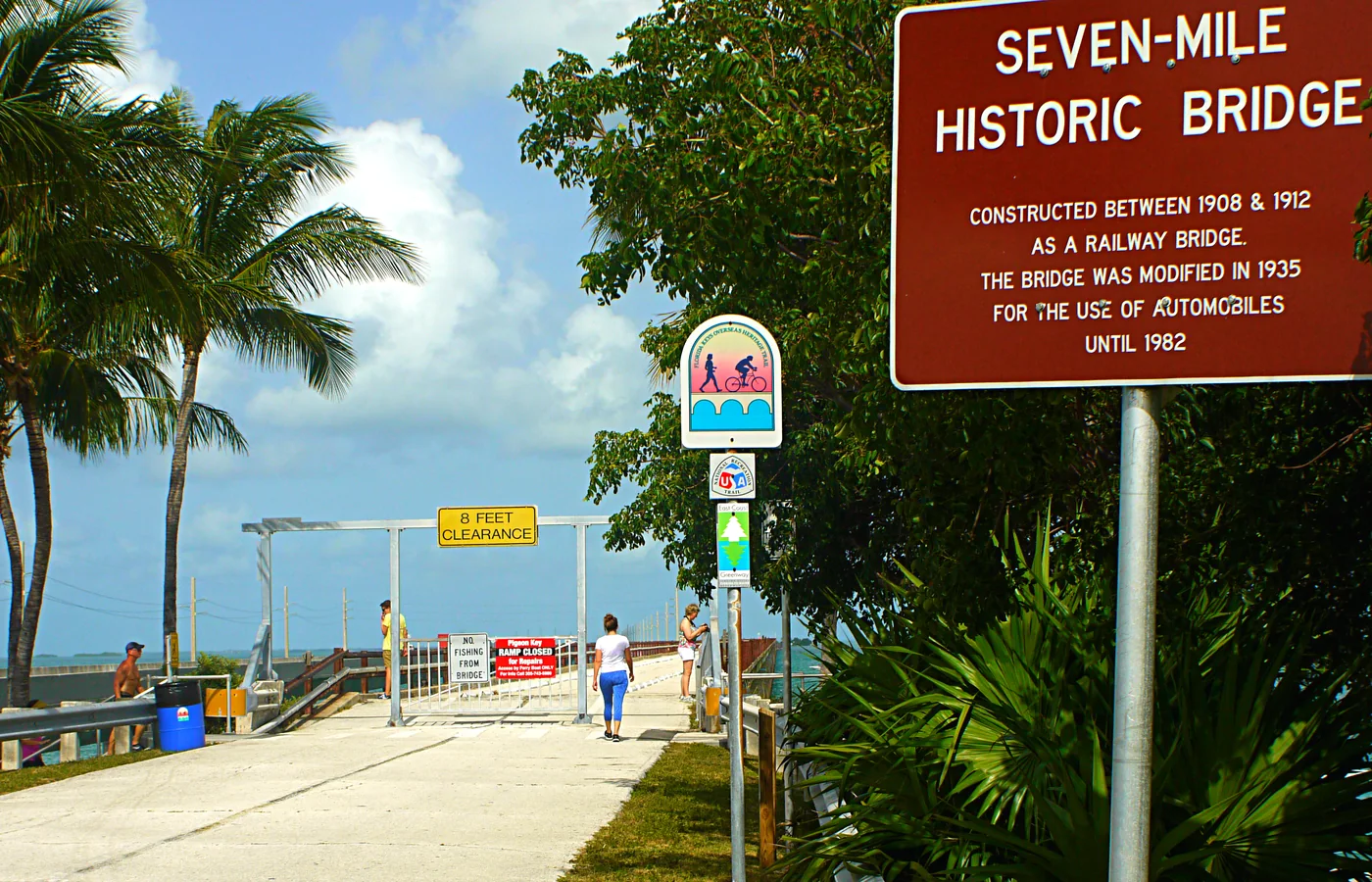
Historical images: public domain and Creative Commons via Wikimedia Commons — Flip Schulke / NARA, the Boston Public Library, and others.
Key West commands the market premium — Old Town historic homes with pools routinely clear $600–$2,000/night. Islamorada is the sport-fishing price anchor; Key Largo serves the diving-community market; Marathon is the family-value tier; the Lower Keys (Big Pine, Sugarloaf, Cudjoe) serve a quieter nature-oriented guest. Waterfront access is the single largest premium — canal-front with dock space can double nightly rates versus dry-lot equivalents. December through April is peak; summer sees family-travel occupancy with a hurricane-season discount on rates.
Medium seasonality. Peak: December 15 through April 30 (snowbird season, spring break, spring fishing). Strong summer family window. Weakest: September–October (hurricane season + post-holiday lull). Properties marketed specifically to diving enthusiasts (whose preferred conditions often align with September–October lull) can capture revenue when generic listings go dark.
The Keys operate under the Monroe County Vacation Rental Manager License framework, plus separate licensing in incorporated municipalities (Key West, Islamorada, Marathon, Key Colony Beach, Layton). Most jurisdictions require registration, TDT collection, inspection, and licensing. Key West's Transient Rental License is the most stringent — whole-home STRs are only allowed in specific zones, and the license has acquired significant transfer value as supply is effectively capped by grandfathering.
The big-picture regulatory story is the Rate of Growth Ordinance (ROGO) — Monroe County and the Keys municipalities limit new housing construction to a small number of building permit allocations per year. This deliberate supply constraint means the STR inventory cannot meaningfully expand. It also means existing licensed STRs have structural value protection unusual in the American market.
The Keys-specific tip: grandfathered licensing is an asset, not a permit. Key West whole-home STR licenses transfer with the property and trade at significant premiums. When purchasing, verify license status with the city, not just the seller. Second — waterfront is real value; verify dock rights, liveaboard-vessel restrictions, and canal navigability before assuming marketing claims.
Third — marketing to the specialty-enthusiast segment pays. Diving, sport fishing, boating, and LGBTQ+ tourism each drive specific micro-markets. Listings that deeply lean into one specialty (with guest guides, local-partner recommendations, and dedicated visual assets) outperform generic 'beach vacation' positioning. Fourth — hurricane-season content and policy matters. Guests fear it; transparent cancellation policies, evacuation procedures, and property-resilience documentation materially affect September–October conversion.
Hurricane exposure is real and ongoing — Hurricane Irma (2017) reshaped the Keys, and rebuilding costs and insurance availability remain permanent concerns. Flood and windstorm premiums are among the highest in the country. Sargassum seaweed, coral bleaching, and water-quality concerns occasionally affect specific zones. And ROGO means new construction is essentially impossible — which benefits existing supply but limits portfolio expansion.
Windstorm insurance is mandatory through Citizens Property Insurance or Surplus Lines carriers — standard homeowners policies are effectively unavailable. Flood insurance via NFIP required in all coastal zones (effectively all of the Keys). Budget $5,000–$20,000+ annually on a typical single-family home. Elevation certificate and pre-FIRM vs. post-FIRM status dramatically affect premium.
Florida no state income tax. Monroe County property tax ~0.9% effective, among Florida's lowest. Non-homestead assessments cap at 10% annual growth. 5% TDT + 6% state sales + 1% surtax = 12% total guest-collected lodging tax.
Florida Keys financing specializes — many mainland lenders underwrite conservatively due to hurricane/flood exposure. Local and regional lenders (TIB Bank, Centennial Bank Keys division) are frequently better routes. ROGO allocation verification critical for any new-construction or substantial-rebuild projects. 20–30% down typical; wind-exposed properties sometimes require insurance-escrow reserves.
Here's the thing that surprises most buyers: in unincorporated Monroe County, you can't rent a house for less than 28 days at all unless it sits in the right land-use district and holds a permit. The county's Land Development Code allows short vacation rentals only in a handful of districts — Suburban Residential, Mixed Use, Urban Residential, the Improved Subdivision–Vacation Rental overlay, and Offshore Islands — and flatly prohibits them in the plain Improved Subdivision, masonry, and mobile-home districts where a lot of Keys housing actually sits. If your address is in one of those, the shortest legal stay is 28 days to a single tenant, and your advertising has to say so. Verify the district before you count on a nightly calendar.
Where short rentals are allowed, the county wants an annual special vacation rental permit for each dwelling, plus a licensed vacation rental manager on file with Planning & Environmental Resources who answers for the property. That's the county. The incorporated towns run their own programs on top, and they don't match. Marathon licenses vacation rentals for stays of seven to twenty-eight nights and bans anything under seven. Islamorada holds most residential zones to a seven-day floor, with nightly stays only in tourist-commercial pockets. Key West is the strict one: new transient licenses are effectively frozen, only specific transient districts qualify, and the Truman Annex licenses tied to a 2005 settlement go inactive in December 2025. Confirm license status with the city itself, not the seller's listing.
The tax column is heavier here than almost anywhere in Florida, because the Keys are a state-designated Area of Critical State Concern and carry a tax nowhere else does. On a Keys stay you're generally collecting Florida's 6% state sales tax, the county discretionary surtax, Monroe County's 5% Tourist Development Tax, and a 1% Tourist Impact Tax that helps fund land conservation and affordable housing under that Critical State Concern designation. Added up, the guest-facing tax runs into the low-to-mid teens. Some of it the platforms collect for you and some you may have to remit yourself, so map each channel before your first booking. None of this is legal advice — confirm the current rates and who remits with the Monroe County Tax Collector and your accountant.
Guests don't book "the Keys." They book an island, and each one draws a different traveler with different expectations. Get the match right and your listing writes itself; get it wrong and you're discounting against houses built for a guest you'll never win. Key Largo, first off the mainland at the top of the chain, is the diving and snorkeling island — John Pennekamp Coral Reef State Park put it on the map, and its guests often drive down from Miami for a long weekend on the reef. Sell the water access, the dive-shop partners, and the quick road home. It's the Keys for people who want the reef without the three-hour haul to Key West, and your photography should lead with the water, not the kitchen.
Islamorada calls itself the Sport-Fishing Capital of the World and means it: backcountry flats, offshore charters, and anglers who scroll straight to your dock photos and slip depth before they read a word about the decor. If you've got dockage, lead with it. Marathon, in the middle of the chain, is the family island — Sombrero Beach, the Turtle Hospital, Crane Point, and the Seven Mile Bridge at its western edge, with the busiest boating and general-aviation base in the Keys. It's where a family with two kids and a rented boat wants to be, and it holds more licensed rentals than anywhere else in the chain, so presentation is how you stand out. Key Colony Beach and Layton, the two tiny incorporated towns near Marathon, run their own small programs worth checking if your house sits inside them.
The Lower Keys — Big Pine, Cudjoe, Sugarloaf, Summerland — stay deliberately quiet. Big Pine shares the island with the National Key Deer Refuge, Bahia Honda State Park has one of the best beaches in Florida, and the guest who books here wants water and stars, not nightlife. Then there's Key West at mile marker zero: Old Town, Duval Street, Mallory Square sunsets, a cruise port, its own airport, and the tightest rental supply in the chain thanks to the license freeze. A licensed Key West whole-home rental is defending something most neighbors legally can't copy, so the marketing job is different — you're not competing on price, you're protecting a scarce, permitted asset. Match your photography and your welcome book to the island you're actually on, not to the generic island-paradise pitch everyone else is selling.
Two facts shape every operating decision in the Keys: you almost certainly can't build your way out of a problem, and hurricane season is a permanent line item, not a rare event. New construction is throttled by the Rate of Growth Ordinance, the permit-rationing system that comes with the Critical State Concern designation, so inventory barely grows and a licensed, code-compliant house is genuinely scarce. That scarcity protects your rate, but it also means that when something breaks, contractors are booked out and materials come down one road. Plan maintenance ahead, keep a local handyman on retainer, and treat any grandfathered rental license as the asset it is — confirm its exact status with the city before you buy, because a lapsed license can be impossible to get back.
US-1 is the only road off the islands, and in a mandatory evacuation it fills fast, with the Lower Keys ordered out first. That single fact should drive your storm playbook. Write a plain-language evacuation and cancellation policy, keep guest phone numbers for the weeks between June and November, and know your own trigger for refunding or rebooking before a cone ever points your way. Guests aren't scared of hurricanes so much as of the unknown — a host who spells out exactly what happens if a storm threatens converts the hesitant September booking your neighbor loses. Document your shutters, your elevation, and your generator if you have one, and keep that information where guests can find it. Calm, specific detail is what sells the shoulder season.
The waterfront that sells the listing is also what your insurer studies. Wind and flood premiums in the Keys are among the highest in the country, many owners end up with Citizens for wind and a separate flood policy, and your FEMA flood zone and elevation certificate drive the number more than the listing photos ever will. Build that full cost into your nightly math — a rate that ignores insurance isn't a real rate. Verify dock rights, liveaboard rules, and canal navigability in writing rather than trusting a brochure. Cavmir markets Keys rentals and helps hosts position the scarce, licensed, storm-ready house at the top of search; the licensing, the insurance, and the tax filing stay with you and your local professionals. Confirm the specifics with your agent, your insurer, and the county.
The Keys through 2027 and beyond will be shaped by three forces: ROGO-driven supply constraint (bullish for existing-inventory rates), climate-adaptation costs (roads, sewer, hardening — increasing operational costs), and continued hurricane-season volatility. Expect further tightening of short-term rental rules in Key West particularly. Diving and eco-tourism demand should grow as the Florida Keys remain a world-class destination. Insurance affordability will be the defining operational constraint.
The Florida Keys are a hundred-mile chain of micro-markets, and the marketing mistake most listings make is treating the whole thing as "Key West and everywhere else." That erases the real story. Key Largo is diving and reef; Islamorada is sport-fishing and a specific 1960s vintage glamour; Marathon is family-scale, turtle hospital, Seven Mile Bridge; Big Pine is the quiet key-deer preserve; Key West is its own island-city entirely. Each island has different guest expectations, different lighting conditions for photography, and different booking windows. A listing that names its island and its mile-marker specifically is already marketing itself better than 80% of the competition.
What we love about marketing the Keys is the storytelling potential. Every property is within five minutes of water with genuine character — coral reef, mangrove creek, ocean-side sandbar, bayside sunset dock. The properties that win here are the ones whose marketing honors the specific island they sit on, shows the water with intention, and treats the guest as someone who knows what they're buying. Generic "Caribbean-feel" copy doesn't work. Specific "fifteen minutes to Alligator Reef" copy does.
The picks Cavmir recommends for Florida Keys welcome books — by island, because the Keys are not one place.
Stand-up window, con leche, the Key West morning ritual older than Duval Street's current form. Under-photographed, deeply authentic.
Mallory is the tourist sunset; Bahia Honda bridge is the local's sunset and the photograph that separates the listing.
The other Key West. Residential, historic, unhurried. Ten minutes from Duval, an entire century away.
Blue Heaven for the backyard-chickens Key West-of-the-1980s atmosphere; Pierre's for the colonial-plantation dining room that defines upscale Islamorada.
A pie that defines the region. Kermit's in Key West is the landmark; local hosts flag it with genuine opinion.
Post-season, pre-hurricane. Best weather window of the year for diving. Pricing is soft, occupancy rebuilds for hosts who market.
Most guests drive past the Everglades entrance on the way down. A half-day detour at Flamingo or Shark Valley is a legitimate trip addition that many visitors don't realise they can add.
Tides matter. Wind direction matters more. A one-page brief with tide-app recommendations and a basic wind-direction-to-activity logic map pays off in reviews.
Representative Cavmir engagements in the Florida Keys. Property identifiers redacted; numbers composited from internal campaign analytics and market benchmarks.
Private-dock sport-fishing-oriented home lost in a market where every listing claimed "fishing paradise." Occupancy stuck at 55%; ADR tracking $120 below the island median.
Built a sport-fishing-specific editorial brand. Photography with a fishing photographer who shot action-and-result imagery from the dock at dawn. Partnerships with three local charter captains created a booking-bundle product. Copy rewritten for the intermediate-and-advanced sport-fishing audience rather than the generic vacationer.
Occupancy climbed to 76%. ADR up 38%. The charter-bundle product converted at a materially higher rate than standalone nights, and began attracting repeat-guest annual bookings.
Beautiful 1890s conch-house with listing photography that flattened the architecture. Losing to newer rental-specific builds that had less character but better marketing.
Full architectural-heritage rebuild. Historic-photograph research into the home's provenance produced a welcome-book booklet. Photography at architectural-magazine quality. Listing pitched to a Florida lifestyle publication. Copy positioned the property against the new-build competition by naming what the newer homes lacked.
ADR climbed 44%. Peak-week booking lead time extended to 6+ months. Review text specifically cites the historic character as the trip's highlight — a repeatable marketing asset.
Large-family property marketed generically. Under-priced for its square footage and private-beach access. Missing the multigenerational-travel audience.
Repositioned for the multigenerational family traveller. Photography included the turtle-rescue-center walkability, the kid-height dock, the full-family dinner spaces. Built reunion-week and birthday-retreat product bundles. Direct distribution through three family-travel concierge networks.
ADR moved 47% higher. The property now books 12+ months ahead for specific family-reunion dates. Average stay length grew from 4.2 to 8.8 nights, transforming the unit's cleaning and turnover economics.
The Keys are addressed by mile marker, and the marker is the market. The Overseas Highway runs about 113 miles from Key Largo to Key West, and where a property sits on it decides who books it, what they pay, and what the photography should sell. Key Largo (roughly MM 90–107) is the dive market — John Pennekamp Coral Reef State Park made the upper Keys a diving destination decades ago, and it books guests who drove down from Miami in about an hour. Islamorada (roughly MM 72–90) calls itself the Sport-Fishing Capital of the World and rents to anglers who judge a listing by its dockage before its décor. Marathon (roughly MM 47–60) is the family middle of the chain — marina-heavy, boat-friendly, with the Seven Mile Bridge at its western end. The Lower Keys stay quiet on purpose: Big Pine Key sits inside the National Key Deer Refuge's orbit, density stays low, and the guest who books here wants the water without the crowd. And Key West (MM 0) is its own economy — historic Old Town, a cruise port, its own airport, and the chain's most constrained rental supply.
Our compiled Florida DBPR vacation rental file puts real numbers under that geography. Marathon holds 622 current licenses on file — nearly double Key West's 367, which reflects Key West's capped, grandfathered license regime more than any difference in demand. Key Largo shows 261, Islamorada 169, Key Colony Beach 152, and the small markets — Tavernier (69), Duck Key (30), Cudjoe Key (29) — each sit well under a hundred. The practical read for an owner: license-count competition concentrates mid-chain, while scarcity premiums concentrate at the ends. A Marathon listing wins on presentation in a crowded field; a licensed Key West property is defending an asset most neighbors cannot replicate. Each of the four big markets gets its own full breakdown on this site: Key Largo, Islamorada, Marathon and Key West.
Demand in Florida Keys peaks around February through March and runs quietest around September. Here is how the year actually books — and what to do about each stretch of the calendar.
Winter into spring is the money season. From late December through April the Keys fill with northern escapees, and February and March run hottest, with repeat guests rebooking the same weeks year after year. Rates hold firm without discounting if the listing looks ready, so have photography, reviews and pricing dialed by October. Minimum stays can run longer here than in most markets and high-season guests accept it.
May and June stay warmer than the booking pace suggests, and July gets its own bump from summer families, Hemingway Days and lobster mini-season. The play is to market early summer to couples and divers who know the water is at its calmest then, and to price late April and May around the events that punctuate them rather than letting whole months drift.
Late August through October is the core of hurricane season, and pretending otherwise costs you credibility. Demand gets thin and deal-driven, so shorten minimum stays, price for the spontaneous Miami and Fort Lauderdale weekender, and use the gaps for maintenance and a photo refresh. Fantasy Fest at the end of October snaps Key West back to life and is worth preparing for all season.
High-season weeks book far ahead, with February and March repeat guests often rebooking the moment they leave. Fantasy Fest fills earliest of all. Summer trips run a moderate fuse, and the hurricane-season months are genuinely last-minute, so a rigid calendar in September costs you the only demand there is.
Key West trips run three to five nights, Upper Keys fishing trips cluster around long weekends, and winter brings week-to-month stays throughout the islands. Road-trippers add a steady layer of one-and-two-night stops, so minimums are a real strategic decision by season and by key.
In Key West the winner is a conch cottage or compound in Old Town within walking distance of Duval Street, with a pool or plunge pool and shaded outdoor living. Up the islands it flips: canal-front homes in Islamorada, Marathon and Key Largo win on dockage, trailer parking and open-water sunsets. Either way the Keys guest is buying outdoor life, so the deck, dock and pool should lead the photography.
Lead with what guests are actually buying: water, outdoor living and, if you have it, dockage. Photography should be shot at the hours when the Keys look like the Keys, and the copy should answer the specific questions your guest type asks — walk time to Duval for Key West, boat logistics for Islamorada and Marathon. From there, event-aware pricing around Fantasy Fest and high season, a Google Business Profile, and a direct-booking site for the repeat winter guests who come back every year. That's the layer Cavmir builds on top of your listings, and in a repeat-guest market like the Keys it compounds fast.
Late December through April, with February and March the strongest stretch. July earns a genuine summer bump from families, Hemingway Days and lobster mini-season. Late August through October is the soft season, with Fantasy Fest at the end of October as the loud exception.
Winter and spring weeks fill months out, and the repeat guests who anchor high season often rebook a year ahead. Fantasy Fest books earliest of anything on the calendar. Summer runs a shorter window, and hurricane-season bookings are mostly spontaneous South Florida weekenders, so keep pricing and minimums flexible then.
South Florida is the ever-present drive market — Miami, Fort Lauderdale, West Palm Beach and Naples come down US-1 all year, and they're most of the demand in the soft months. High season adds fly-in guests from New York, Boston, Chicago, Philadelphia, Atlanta and Dallas. That split should drive your marketing calendar: northern metros in fall, South Florida in late summer.
Anything that serves the water: dockage or trailer parking, a fish cleaning station, an outdoor shower, kayaks or paddleboards. A pool matters most in Key West, where beach access is limited, and shaded outdoor living gets used more hours a day than any interior room. Fast wifi rounds it out for the long winter stays.
Run your Airbnb, Vrbo, or website through Cavmir's free grader. It checks the things that decide whether guests book in the Florida Keys — photos, listing copy, page speed, local search — and shows you where bookings leak. Takes about a minute, and there's no sales call attached.
If the report says your booking engine is the weak link, that's fixable: a direct-booking website of your own means repeat guests stop paying platform fees to come back to you. That's the work Cavmir does — see Airbnb website design in the Florida Keys.
Send us the listing and we'll tell you what we'd change. Not a pitch deck — a straight read on your photos, your title, your rates against the Florida Keys comp set, and whether a direct-booking site would pay for itself.
You'll hear back from a person, usually inside one business day. If we don't think we can move your numbers, we'll say so. Cavmir is a short-term rental marketing agency — we position and market properties, we don't manage them.
Counted from the Florida DBPR vacation rental license file, deduplicated by permit number — real registry data, not an estimate. See the full Florida permit data →
As of July 2026, the Florida DBPR vacation rental license file shows 1,699 current licenses on file across the Keys towns in the license file: Marathon (622), Key West (367), Key Largo (261), Islamorada (169), Key Colony Beach (152), Tavernier (69), Duck Key (30), Cudjoe Key (29). A license is not always one listing — some licenses cover multiple units — so treat this as a verified floor for the size of the legal market.
Together those towns hold about 3% of the 50,295 records we compiled for Florida. Every one of those operators shows up in the same searches your guests use — which is why presentation, photography, and a direct-booking path decide who gets seen.
The number above comes from the Florida DBPR vacation rental license file, an official public source, pulled and deduplicated in July 2026. Rules and requirements change — always confirm current licensing requirements with the program directly before you buy or list.
Talk to Cavmir today. We'll show you exactly what your Florida Keys property is leaving on the table — and how fast we can change that.
Book a Free Strategy CallPhotography via Wikimedia Commons (images resized and cropped): Bahia Honda State Park Milky Way by Viktorwills (CC BY-SA 4.0) · Key deer male by Averette (CC BY-SA 3.0) · Seven-mile Historic Bridge, Florida Keys by Raychristofer (CC BY-SA 4.0).
