$245
Avg. Nightly Rate
76%
Avg. Occupancy Rate
$5,400
Avg. Monthly Revenue
2-4%
Est. Cash-on-Cash ROI
MEDIUM
Seasonality
HEAVY
Regulatory Burden

* Market averages. Cavmir-managed properties typically exceed these figures by 25–45%. Data sourced from AirDNA, STR market reports, and Cavmir internal analytics.

The Market

Why New York City is One of the World's Premier STR Markets

New York City is the biggest lodging market in the country, and since Local Law 18 it's also the most misread. Classic nightly Airbnb is effectively gone for most apartments — unhosted stays under 30 days are off the table in the buildings where most people live. What's left is actually a better business for the right owner: furnished stays of 30 days or more, licensed bed-and-breakfasts, and boutique hotels that live or die on their marketing. The demand hasn't gone anywhere. Central Park, Broadway, the Met, the Brooklyn Bridge — the city pulls tens of millions of visitors a year, plus a constant churn of relocations, traveling professionals and film crews who need a real place to stay for a month or three.

New York runs on two demand engines. The first is visitors — roughly 60 million-plus a year — who fill the city's hotels at some of the highest occupancy rates in the country; a well-marketed boutique hotel with a real direct-booking website keeps a meaningful slice of that away from the OTAs. The second is the 30-plus-day crowd: corporate relocations, traveling nurses at the big hospital systems, production crews, academics on a semester, families between homes. Furnished one-bedrooms in the West Village or Brooklyn Heights rent for months at a time to people who'd never consider a hotel. Fall is the strongest season, December is its own event, and the summer of 2026 brought the FIFA World Cup — with the final played across the river — on top of everything else.

Top Attractions & Landmarks

  • Central Park
  • Brooklyn Bridge
  • The Metropolitan Museum of Art
  • The High Line
  • Times Square
  • Statue of Liberty
  • Grand Central Terminal

Nearby Markets: The Hamptons  |  The Catskills  |  Philadelphia

Airbnb marketing services in New York City, New York, USA
Postcards

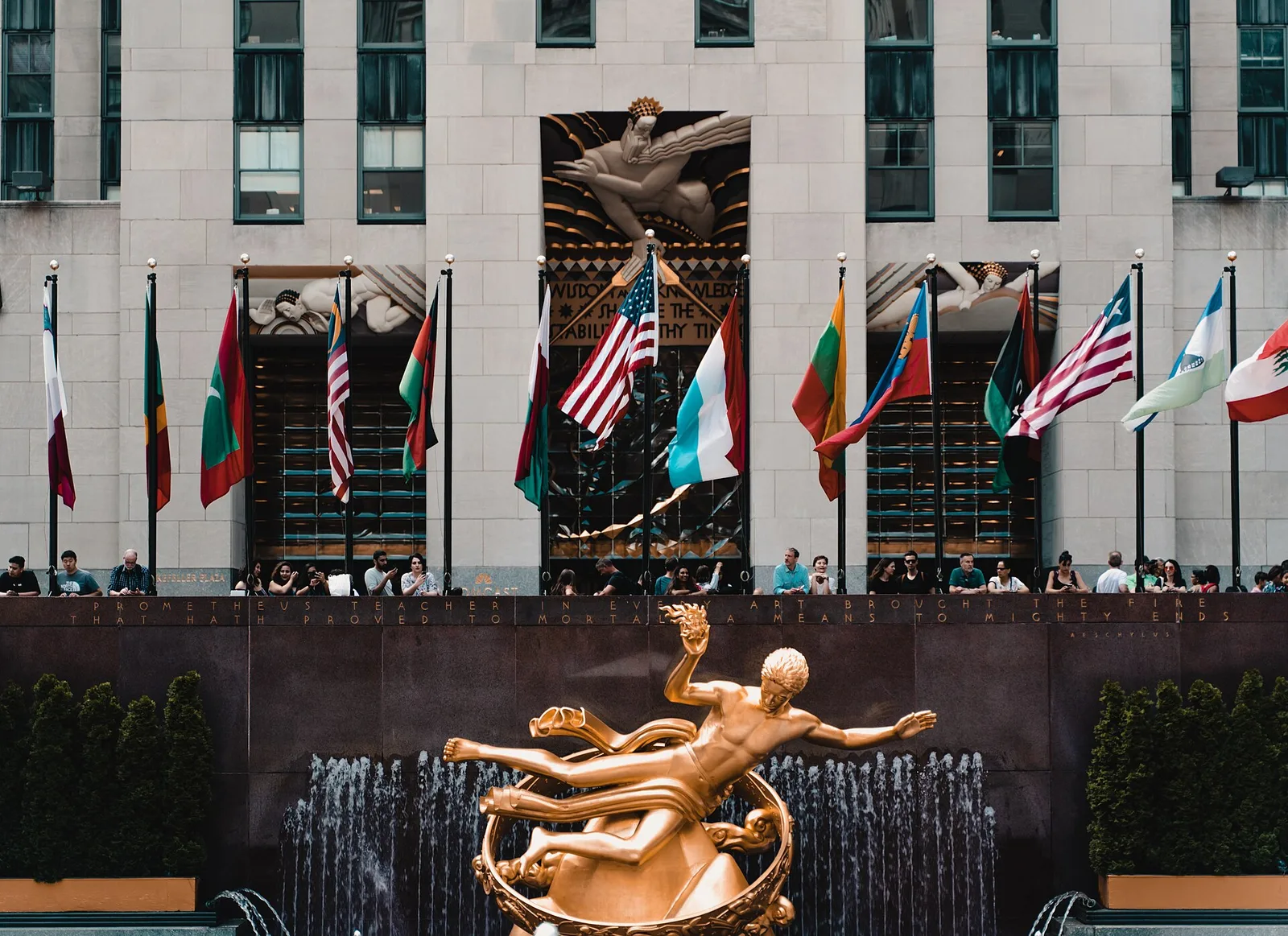
New York City through the lens

A few of the visual fingerprints we lean into when we shoot, brand and market a New York City property — courtesy of the open Wikimedia Commons archive.

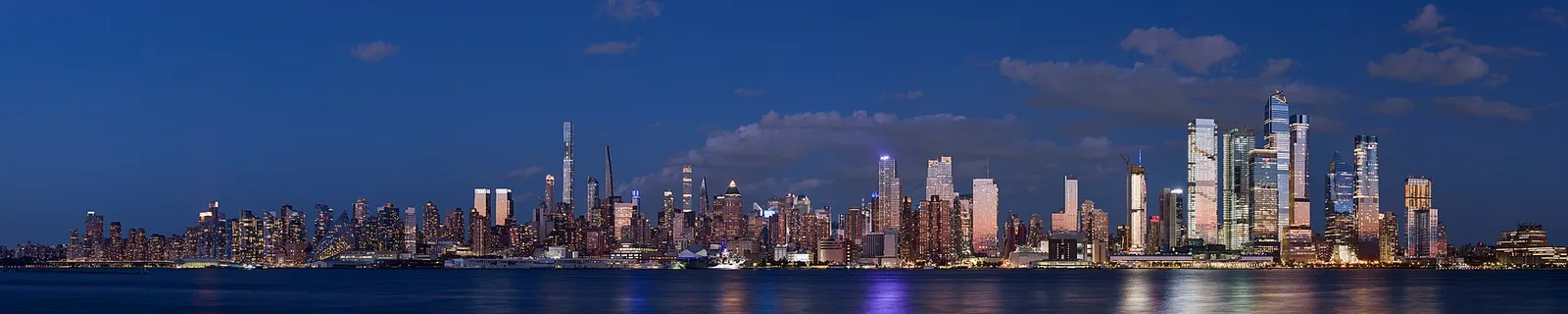
Midtown Manhattan from Weehawken September 2021 HDR panorama — New York City airbnb marketing
Local Color
Midtown Manhattan from Weehawken September
New York, — New York City airbnb marketing
Local Color
New York,
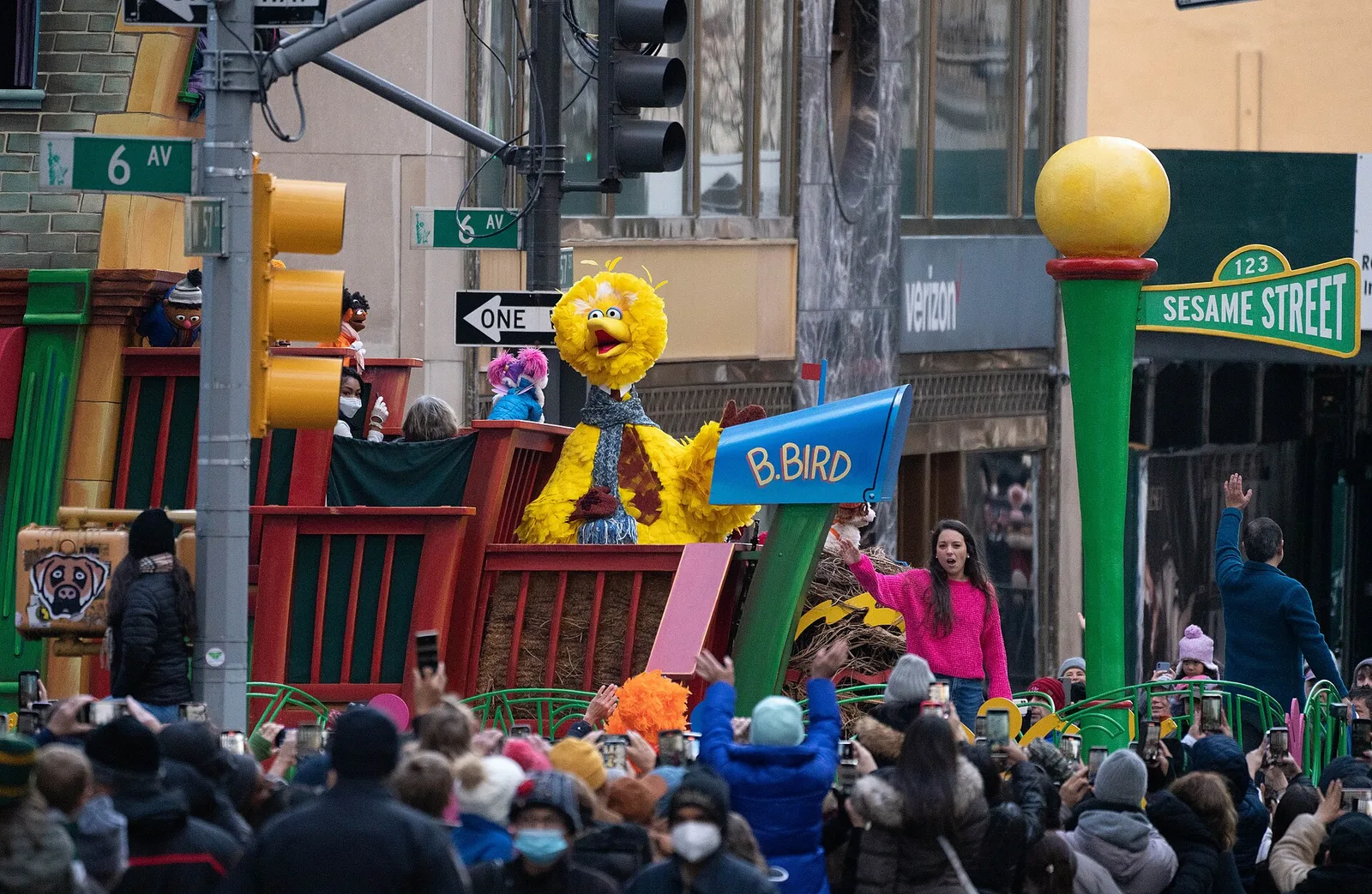
Macy's Thanksgiving Day Parade 2022 New York City — New York City airbnb marketing
Local Color
Macy's Thanksgiving Day Parade New
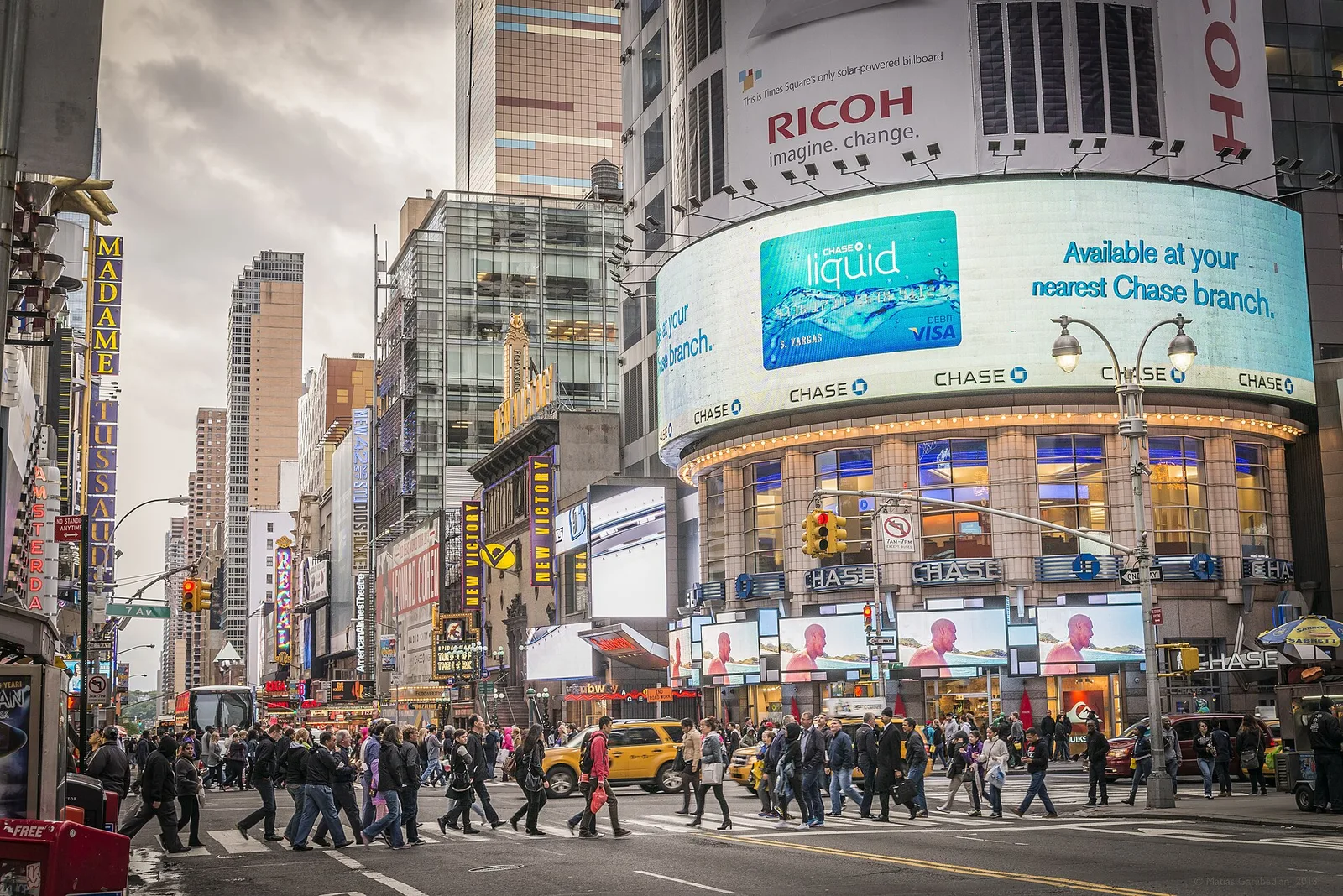
Broadway — New York City airbnb marketing
Local Color
New York City Local Landmark
Why Cavmir

The Cavmir Advantage
in New York City

Cavmir wins in New York because this market punishes owners who pretend the rules don't exist and rewards the ones who market the legal product well. We build the brand, shoot the photography, write listings that read like the neighborhood, and design direct-booking websites for furnished 30+ day apartments, licensed B&Bs and boutique hotels — so you stop paying platform fees on guests who would've booked you directly anyway. Most furnished-monthly listings in this city look like relocation paperwork; ours look like a reason to stay. We help position and market your property. We never manage it or touch your keys.

State of the Industry · History

The New York City STR Market — Past & Present

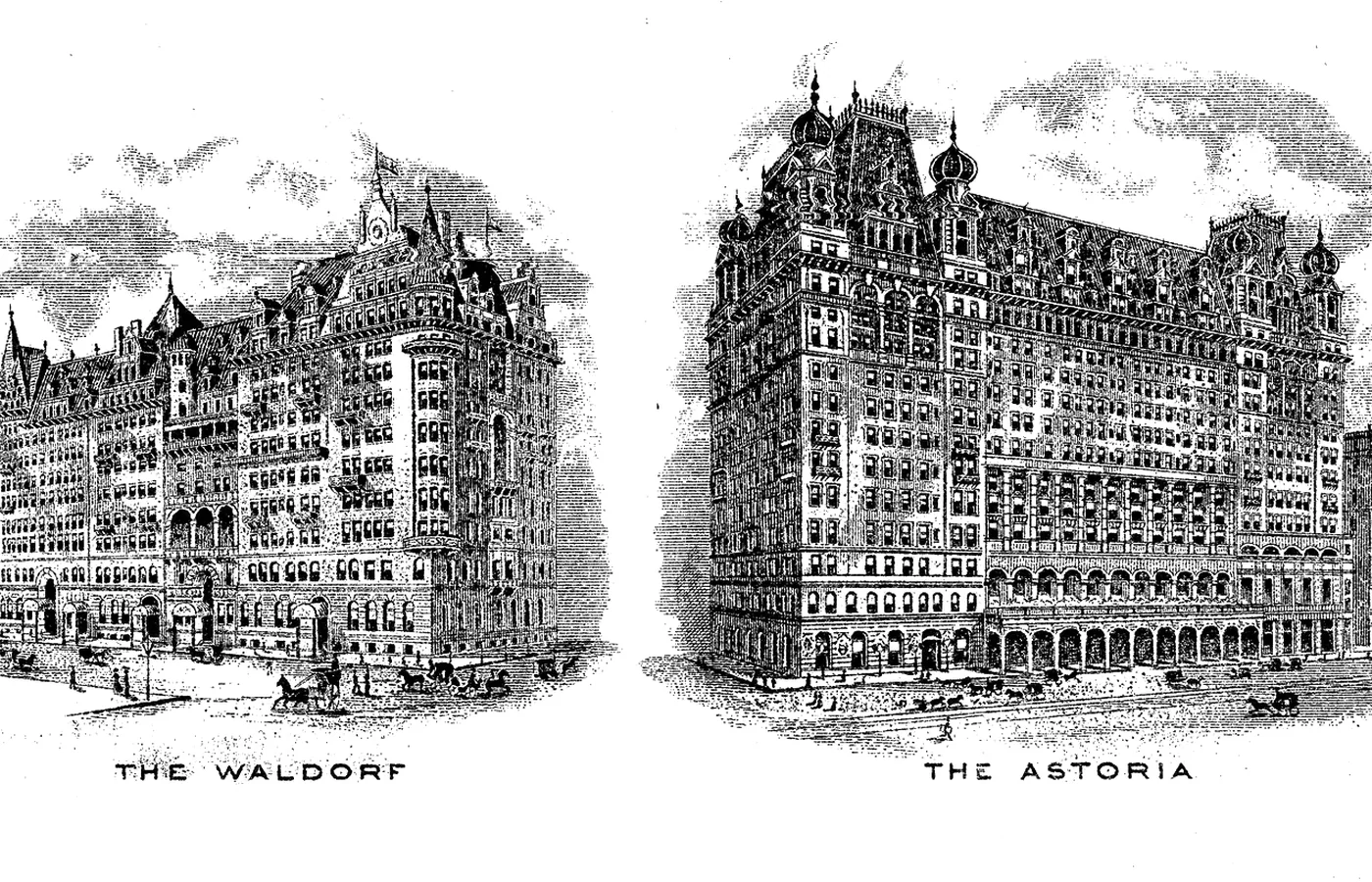
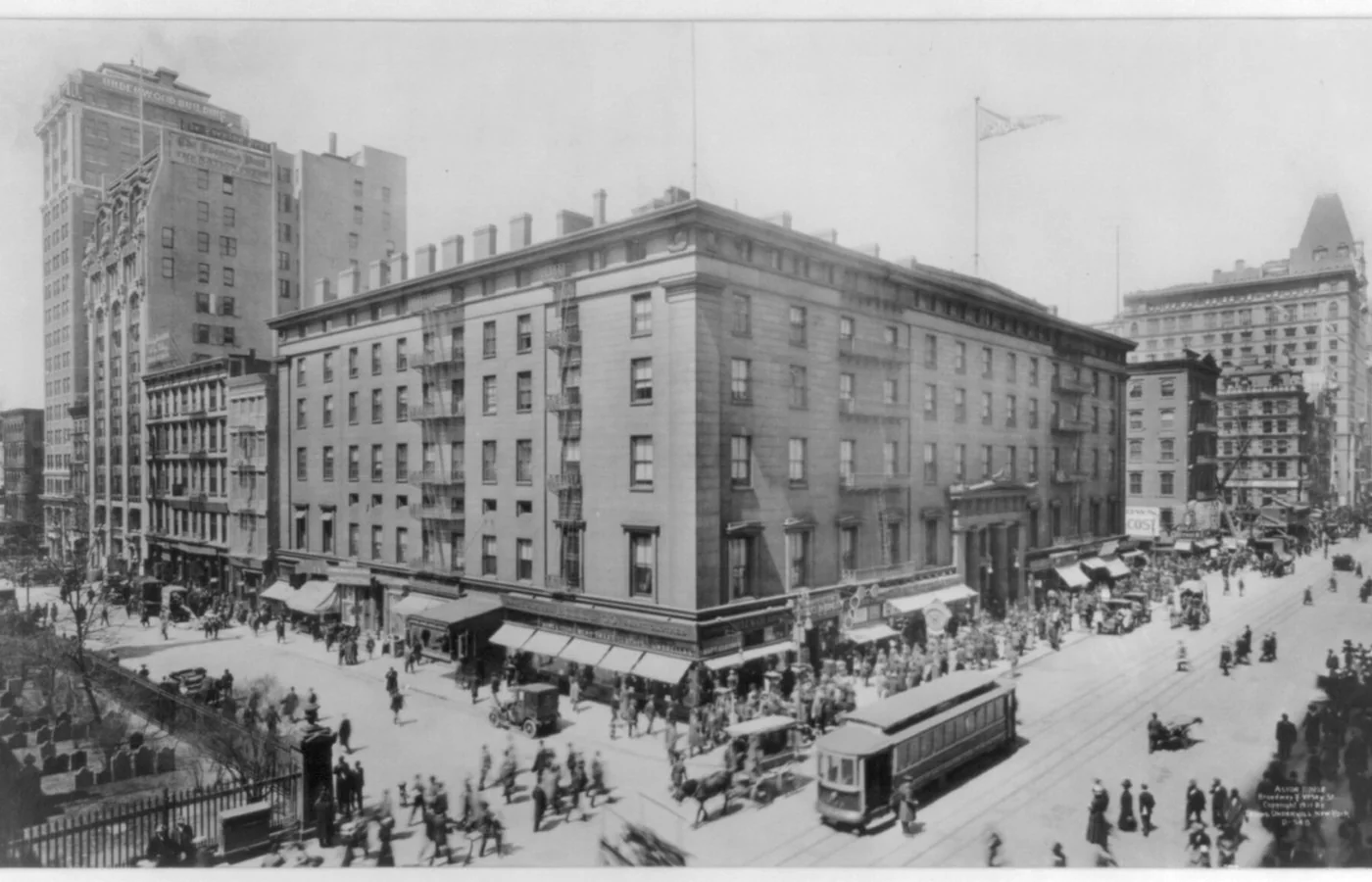
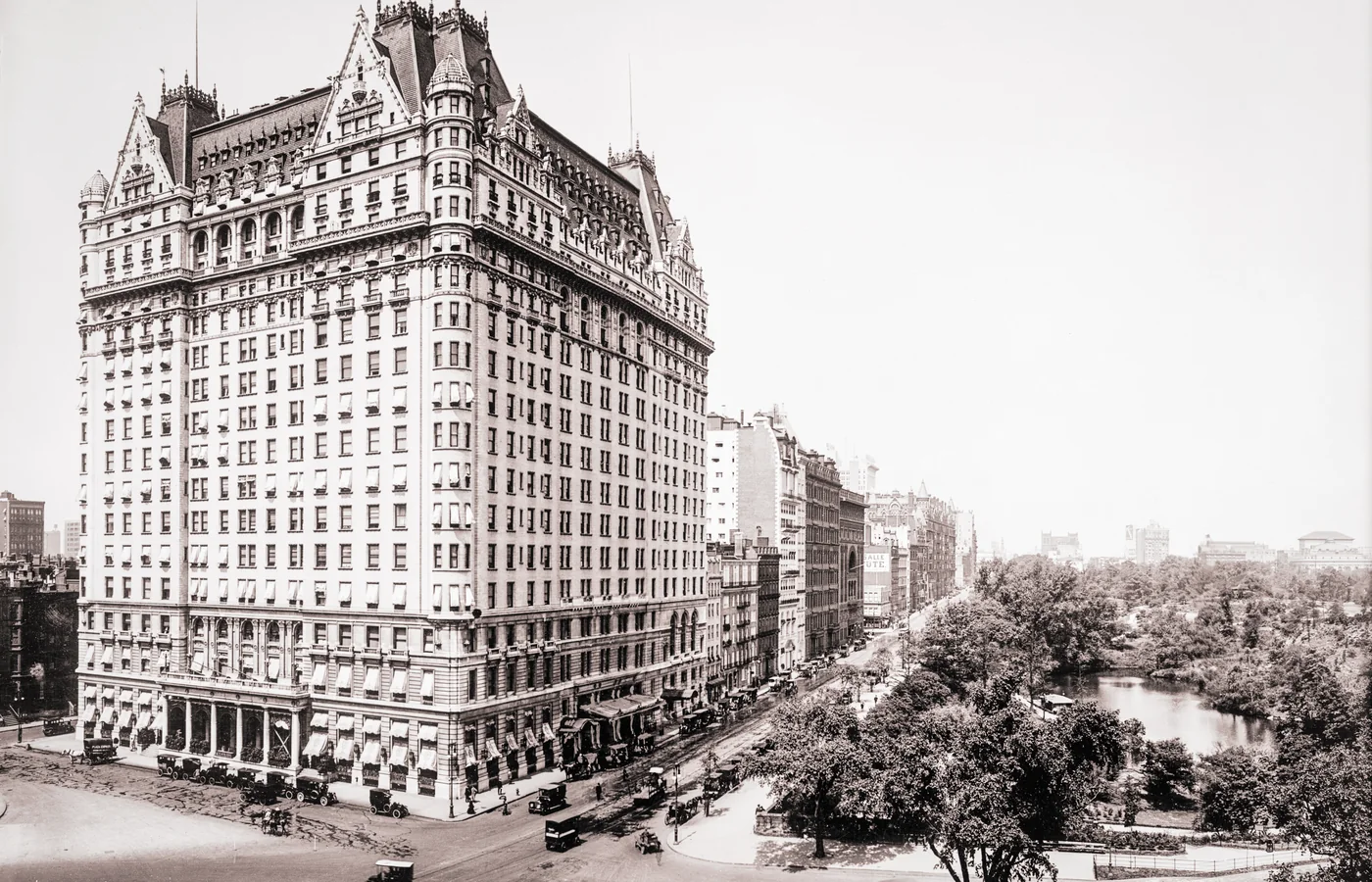
New York's lodging story is as old as the city's ambition. The Astor House, opened in 1836 on Broadway, was among the first American hotels to feel genuinely grand — running water on every floor was a marvel at the time. By the 1890s the feuding Astor cousins had built the original Waldorf and Astoria hotels side by side on Fifth Avenue, eventually joined into one sprawling property that defined luxury hospitality for a generation before it was demolished to make way for the Empire State Building. Through the twentieth century the city added the Plaza, the St. Regis, the Carlyle and more than a hundred thousand hotel rooms, while its brownstones and apartment houses filled with the other kind of guest: the newcomer staying a month, a season, a lifetime.

The short-term-rental era arrived hard and left harder. At its peak, New York carried tens of thousands of Airbnb listings, most of them technically illegal under the state's multiple dwelling law. Local Law 18, enforced from September 2023, ended the ambiguity: platforms now verify registration before taking any booking under 30 nights, and the classic unhosted nightly apartment rental collapsed almost overnight. What emerged is a cleaner market with three legitimate lanes — furnished stays of 30 days or more, small licensed bed-and-breakfasts and Class B buildings, and hotels themselves, from Midtown giants to boutique properties in Brooklyn and Long Island City. The owners doing well now aren't the ones who found a loophole. They're the ones marketing a legal product better than the building next door.

Pricing Strategy & Seasonality

Pricing, Seasonality & When to Capture ROI

Pricing Strategy

Furnished 30-plus-day rentals set their prices by neighborhood. A one-bedroom in the West Village, Chelsea or Brooklyn Heights can rent furnished for $5,500 to $9,000 a month; the Upper West Side and brownstone Brooklyn run somewhat less; Long Island City and Astoria are the value plays with a fast train into Midtown. Boutique hotel ADRs run roughly $300 to $500 in Manhattan and less across the river, spiking hard in the fall and December. On a blended nightly basis the market works out to around $245 — but in this city the useful number is the monthly one, and the useful skill is making a furnished apartment look worth a premium instead of pricing it like a relocation commodity.

Seasonality & ROI Windows

Fall is the peak — September through November brings conferences, the UN General Assembly, the marathon and the best weather of the year, rolling straight into the December holiday season, which is its own economy. Spring is the second season; summer is solid leisure; January and February are the trough, when the city is cheapest and the smart operators court longer stays to bridge the gap. The 2026 World Cup summer, with the final played at MetLife across the river, was the exception that outdrew everything.

Regulation & Licensing · 2026

What the Law Requires in New York City

New York City is the most heavily regulated short-term-rental market in the country, and the rules have teeth. Under Local Law 18, any rental of fewer than 30 consecutive days requires registration with the city's Office of Special Enforcement (OSE) — and booking platforms are legally required to verify a valid registration number before processing a reservation, so unregistered listings simply can't take bookings. Registration is only available for hosted stays: you must be a permanent occupant of the unit, be physically present during the stay, host no more than two guests, and give guests free access to the whole unit. Buildings can also place themselves on a prohibited-buildings list that blocks registration entirely, and many co-ops, condos and rental buildings have.

The practical consequence: the classic unhosted nightly Airbnb is not a legal product in most of New York's housing stock. State law reinforces this — in Class A multiple dwellings (most apartment buildings of three or more units), unhosted stays under 30 days have long been prohibited. The legal lanes that remain are stays of 30 consecutive days or more, which sit outside LL18 entirely; legal hotels, Class B buildings and certain small bed-and-breakfasts, which operate under their own licensing; and hosted registration for owners who genuinely live in the unit. One caution on the 30-day route: New York tenant protections attach to longer occupancies, so screen carefully and use a proper agreement drafted by a lawyer. Rules and enforcement practice keep evolving — confirm your specific situation with OSE and your attorney in writing before you list.

Market-Specific Tips & Challenges

Local Tips & Unique Market Challenges

Tips That Actually Move Revenue in New York City

The New York strategic tip: stop mourning the nightly market and build the furnished-monthly product properly. The 30-plus-day guest — the relocating executive, the traveling physician, the production designer on a four-month shoot — pays well, stays long and treats the apartment like a home. But they book on presentation: a furnished monthly that's photographed like a boutique hotel suite, with honest floor plans and a direct-booking page, wins against the corporate-housing gray mush every time.

Tactically: first, shoot the apartment and the block. In New York the neighborhood is half the product — the guest is buying the West Village corner or the Brooklyn Heights promenade as much as the sofa. Second, build a direct channel. Monthly guests renew, refer colleagues and come back next year; owning that relationship instead of paying a platform every time compounds quickly. Third, if you run a boutique hotel or licensed B&B, treat your website as the storefront it is — direct-booking website design, real SEO and a photography refresh routinely pay for themselves against OTA commissions. Fourth, plan the calendar around the spikes: fall conference season, December, marathon weekend and event windows like the 2026 World Cup summer all deserve their own pricing set months ahead. Fifth, keep compliance visible — a listing that plainly states its legal basis reads as trustworthy to exactly the kind of guest who's about to wire you three months of rent.

Unique New York City Challenges

The obstacles are blunt: LL18 closed the nightly market for most apartments, buildings and boards add their own prohibitions, and tenant-protection law makes sloppy 30-day screening expensive. Carrying costs — mortgage, common charges, taxes — are the highest in the country, and the furnished-monthly space has real corporate-housing competition. This is a market for owners who do things properly or not at all.

A Curious New York City Fact
The Empire State Building stands on the grave of a family feud. In the 1890s, quarreling Astor cousins built rival luxury hotels side by side on Fifth Avenue — the Waldorf and the Astoria — which were eventually joined into a single hyphenated giant, the original Waldorf-Astoria. It became the most famous hotel in America and is often credited with popularizing room service. In 1929 it was demolished, and the Empire State Building rose on the site while the hotel's name moved uptown to Park Avenue, where it still trades on the feud's afterglow.
Finance Essentials — New York City
🛡️

Insurance

For furnished 30-plus-day rentals, a standard homeowner's or co-op policy usually isn't built for continuous paying occupants — most owners need a landlord policy with strong liability limits, and buildings often require proof of coverage naming the building. Licensed B&Bs and boutique hotels carry commercial hospitality policies, which are their own specialty. New York brokers see every variation of this; use one who works with furnished rentals and small hotels specifically, and get the building's requirements in writing.

🧾

Property & Income Tax

Taxes here depend entirely on stay length. Short taxable stays are treated like hotel rooms — New York City hotel room occupancy tax plus state and city sales taxes stack to roughly 15% combined, and legal hotels and B&Bs handle these as a matter of course. Stays of 30 days or more by the same occupant generally fall outside the hotel-style taxes, which is one more quiet advantage of the furnished-monthly model — though the rent is still ordinary taxable income, and New York layers city and state income taxes on top. Treat all of this as a sketch, not advice, and have an accountant who knows New York lodging confirm your exact obligations.

🏦

Mortgages & Financing

Financing depends on the building before anything else. Co-op boards commonly prohibit or tightly restrict any rentals, so most rental strategies live in condos and small multifamily buildings. Investor loans and DSCR products — underwritten on the unit's rental income rather than your salary — are widely available for condos, and at Manhattan prices most of this is jumbo territory. Lenders will want a credible income story, which is where documented occupancy and a professional marketing presence genuinely help. Talk to a broker who closes New York condos regularly.

Future Outlook · 2027 & Beyond

Where New York City is Headed Next

New York isn't loosening. LL18 enforcement has settled in, platforms are fully compliant, and no serious observer expects the nightly apartment market to return. Meanwhile the legal lanes keep getting stronger: furnished-monthly demand grows with remote work and corporate relocation, and new hotel construction has been constrained since the city began requiring a special permit for new hotels in 2021 — which protects the pricing power of every existing hotel and licensed B&B. The 2026 World Cup summer showed what the region's event ceiling looks like, and the city's convention and tourism engine keeps compounding. The durable play into 2027 and beyond is a branded, well-photographed legal product — a furnished monthly with its own booking page, or a boutique hotel with a direct channel that actually converts — positioned in a market where the rules themselves now suppress your competition.

From the Desk of Sofie Sinag

Why We Love Marketing in New York City

New York is the market where marketing actually gets to be the whole job. There's no beach doing the selling, no mountain — there's a city, a block, a light. A furnished one-bedroom in the West Village is a commodity until someone photographs the way the afternoon comes through the front windows and writes two honest sentences about the corner it sits on; then it's the reason somebody takes the Brooklyn assignment. We love that the raw material here is neighborhoods, because neighborhoods reward specificity, and specificity is the whole craft.

We also love working the legal side of a market everyone else complains about. Local Law 18 didn't kill New York lodging — it sorted it. The owners still standing have a real product: a monthly stay, a licensed B&B, a boutique hotel with actual character. Marketing those well is honest work with a visible scoreboard: direct bookings up, OTA commissions down, a guest list that renews itself every fall. And the city keeps handing you material — the marathon, the General Assembly, December, a World Cup summer. You never run out of reasons to put something in front of a guest. In a business full of interchangeable beach listings, New York is the market that makes you better at the job.

Why It Matters

A great property in New York City doesn't just want a listing — it wants a point of view, an audience, and a brand the city itself would recognise.

Cavmir's New York City Cheat Sheet

The Picks We Recommend for Your Welcome Book

A few honest, insider picks for New York — the kind of specifics that make a listing read like a local wrote it, because one did. Real places, no filler.

Morning

Bethesda Terrace, Central Park

Get into the park before 8 a.m. and the terrace and its arcade are nearly empty — just runners, dog walkers and the best light of the day on the sandstone. It's the photograph that sells any listing within walking distance of the park.

Golden Hour

Brooklyn Heights Promenade

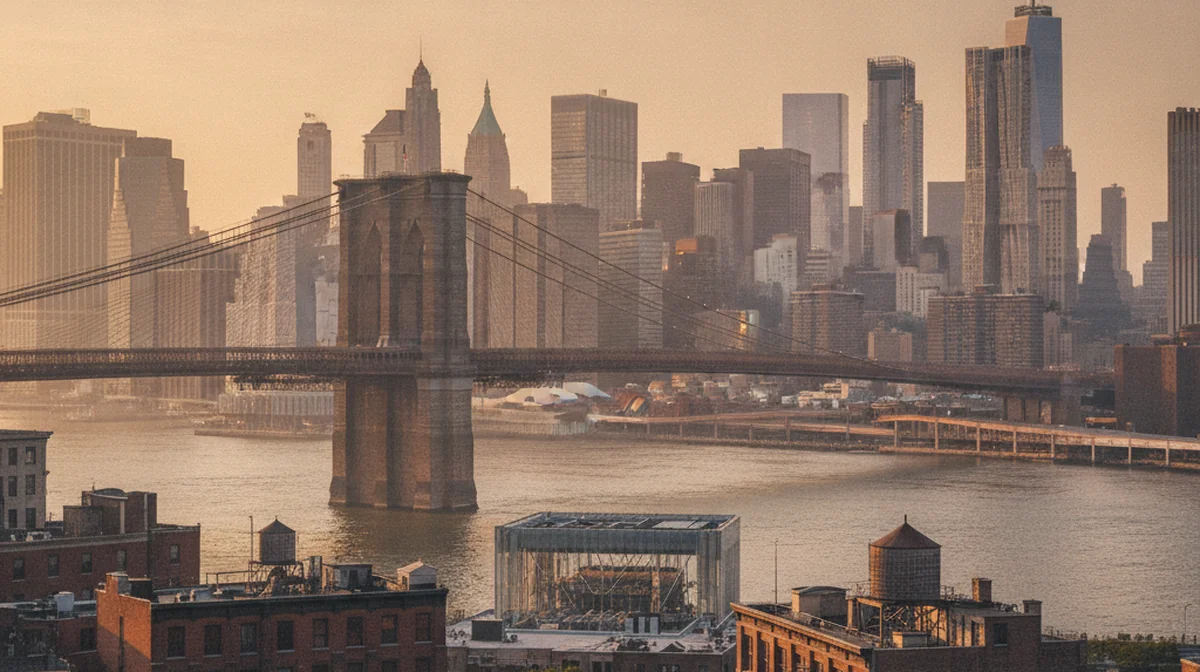
The lower Manhattan skyline across the East River as the sun drops behind it. Five minutes from the brownstone blocks of Brooklyn Heights, and the single most convincing argument for staying on that side of the river.

Neighborhood Walk

The West Village

Perry, Bank and Bleecker Streets — crooked lanes, brick townhouses, corner cafes. It's the most filmed neighborhood in America for a reason, and 'a block from Bleecker' is worth more in a listing than any adjective.

Dinner That Photographs

Via Carota, Grove Street

The West Village institution that never took reservations and never needed to. Candlelight, green beans people cross boroughs for, and the kind of room guests photograph before the food arrives. Send guests early or send them prepared to wait.

Local Obsession

The bagel allegiance

Every New Yorker holds a fierce, block-level loyalty — Russ & Daughters for the full appetizing experience, the corner shop for the everyday. Naming the good bagel walkable from your listing is the cheapest credibility a host can buy.

Shoulder Season Secret

The Met on a January weekday

Deep winter is New York's quiet season — hotel rates dip and the museums empty out. The Metropolitan Museum of Art on a Tuesday morning in January, practically private, is the experience to sell to the off-season guest.

Weekend Escape

Rockaway Beach by ferry

The NYC Ferry runs from Wall Street to a real ocean beach with a boardwalk taco scene for a few dollars. Summer guests never believe the city has surf until you tell them — put it in the listing.

What Guests Ask For

Airport logistics and laundry

Monthly guests ask two things: how to get in from JFK (AirTrain to the subway, or a flat-rate cab) and whether there's laundry in the unit or the building. Answer both in the listing and you'll feel the difference in inquiries.

Local Work · Composite Case Vignettes

What Cavmir Has Done for New York City Properties

A few composite engagements drawn from how Cavmir typically works in this market. The details are illustrative and consistent with New York, not pulled from a single named client.

Furnished monthly · West Village
The Brief

A one-bedroom that had been an illegal nightly listing before Local Law 18 sat dark for months. The owner assumed the business was over — the unit had no brand, corporate-housing-style photos, and no channel besides a delisted platform account.

What We Did

Cavmir rebuilt it as a furnished 30-plus-day product: cinematic photography of the apartment and the block, listing copy that sold the West Village specifically, placement on the furnished-monthly channels, and a simple direct-booking page for renewals and referrals.

The Result

The unit moved to consecutive monthly stays with minimal vacancy between guests, attracted relocating professionals who renewed, and the owner ended up with a waiting list — and no platform commission on the renewals.

Licensed B&B · Brooklyn brownstone
The Brief

A small, fully legal bed-and-breakfast in a brownstone neighborhood was invisible — no real website, weak photography, and OTA listings that made a characterful property look like a budget option next to Manhattan hotels.

What We Did

Cavmir built the brand and a direct-booking website, shot the rooms and the parlor floor properly, wrote the neighborhood into every page, and set up basic search marketing for the travelers specifically looking to stay in brownstone Brooklyn.

The Result

Direct bookings grew to a meaningful share of the calendar, the property stopped competing on price against chain hotels, and repeat leisure guests began booking the same rooms for their annual New York trips.

Boutique hotel · Long Island City
The Brief

A 40-room independent hotel with skyline views was running almost entirely on OTA traffic, paying commissions on nearly every booking and losing the direct-booking game to a dated website that buried its best asset — the view.

What We Did

Cavmir redesigned the website around the skyline and the one-stop ride to Midtown, rebuilt the photography, tightened the booking flow to work cleanly on phones, and layered in event-window campaigns for the marathon, the US Open and the 2026 World Cup summer.

The Result

The direct-booking share rose steadily, event windows sold out ahead of the OTA calendar at stronger rates, and the hotel's marketing cost per booked night fell as the direct channel compounded.

Ready to Grow in New York City?

Let's Put Your New York City
Property on the Map

Talk to Cavmir today. We'll show you exactly what your New York City property is leaving on the table — and how fast we can change that.

Book a Free Strategy Call