Start here Work with Cavmir in Philadelphia
Get a Proposal (786) 751-3426
$165
Avg. Nightly Rate
56%
Avg. Occupancy Rate
$2,700
Avg. Monthly Revenue
6-9%
Est. Cash-on-Cash ROI
MEDIUM
Seasonality
MEDIUM
Regulatory Burden

* Market averages. Properties marketed by Cavmir typically exceed these figures by 25–45%. Data sourced from AirDNA, STR market reports, and Cavmir internal analytics.

The Market

Why Philadelphia is One of the World's Premier STR Markets

Philadelphia is the best value play among the big East Coast cities. Property comes cheap by New York or Boston standards, the tourism story writes itself — Independence Hall, the Liberty Bell, the Rocky steps, Reading Terminal Market — and 2026 put the city at the center of the country's attention: America's 250th birthday celebrated where the Declaration was signed, World Cup matches at Lincoln Financial Field, and the MLB All-Star Game at Citizens Bank Park, all in one summer. The rules are workable — the city's limited-lodging system covers hosts renting their primary residence, and full-time operations run under a hotel-style license — and the rowhouse stock in Fishtown, Old City and Rittenhouse photographs beautifully when someone bothers to do it right.

Philadelphia's demand mixes history tourism with eds-and-meds. Leisure visitors cluster around Old City and the museums; Penn, Drexel, Temple and the hospital systems — CHOP, Jefferson, Penn Medicine — generate graduations, campus visits, traveling medical staff and visiting families all year. April brings the Penn Relays, May 2026 brought the PGA Championship to Aronimink, and the summer of 2026 stacked the 250th anniversary, six World Cup matches and All-Star week on top of normal season. Nightly rates average around $165 with mid-50s occupancy — modest numbers that hide a real spread, because entry prices are low enough that a well-bought, well-marketed rowhouse or a boutique hotel with a working direct-booking website clears returns the pricier cities can't touch.

Top Attractions & Landmarks

  • Independence Hall
  • Liberty Bell Center
  • Philadelphia Museum of Art
  • Reading Terminal Market
  • Rittenhouse Square
  • Elfreth's Alley
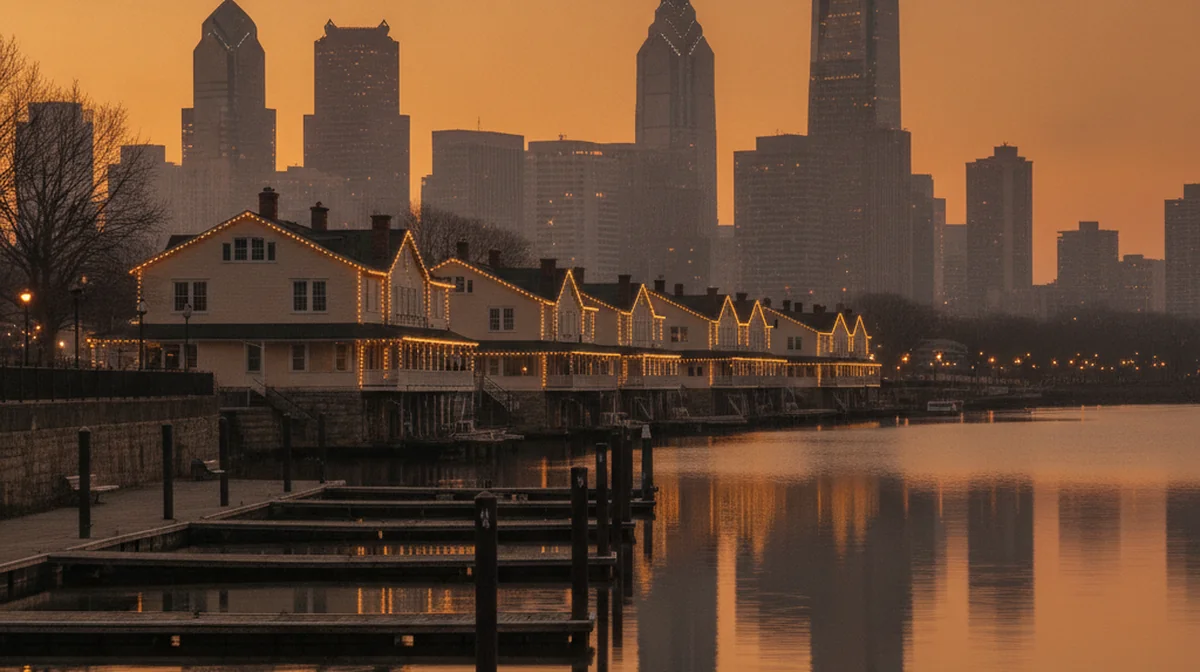
  • Boathouse Row

Nearby Markets: New York City  |  The Poconos  |  Washington, DC

Airbnb marketing services in Philadelphia, Pennsylvania, USA
Postcards

Philadelphia through the lens

A few of the visual fingerprints we lean into when we shoot, brand and market a Philadelphia property — courtesy of the open Wikimedia Commons archive.

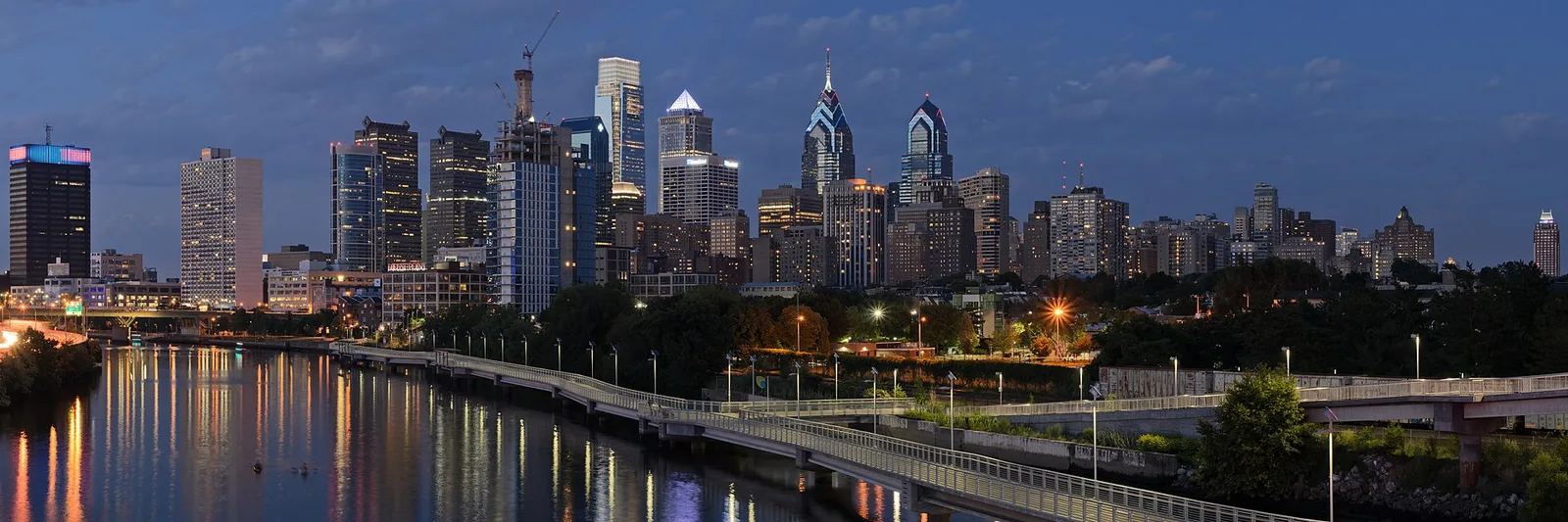
Philadelphia from South Street Bridge July 2016 panorama 3b — Philadelphia airbnb marketing
Local Color
Philadelphia from South Street Bridge
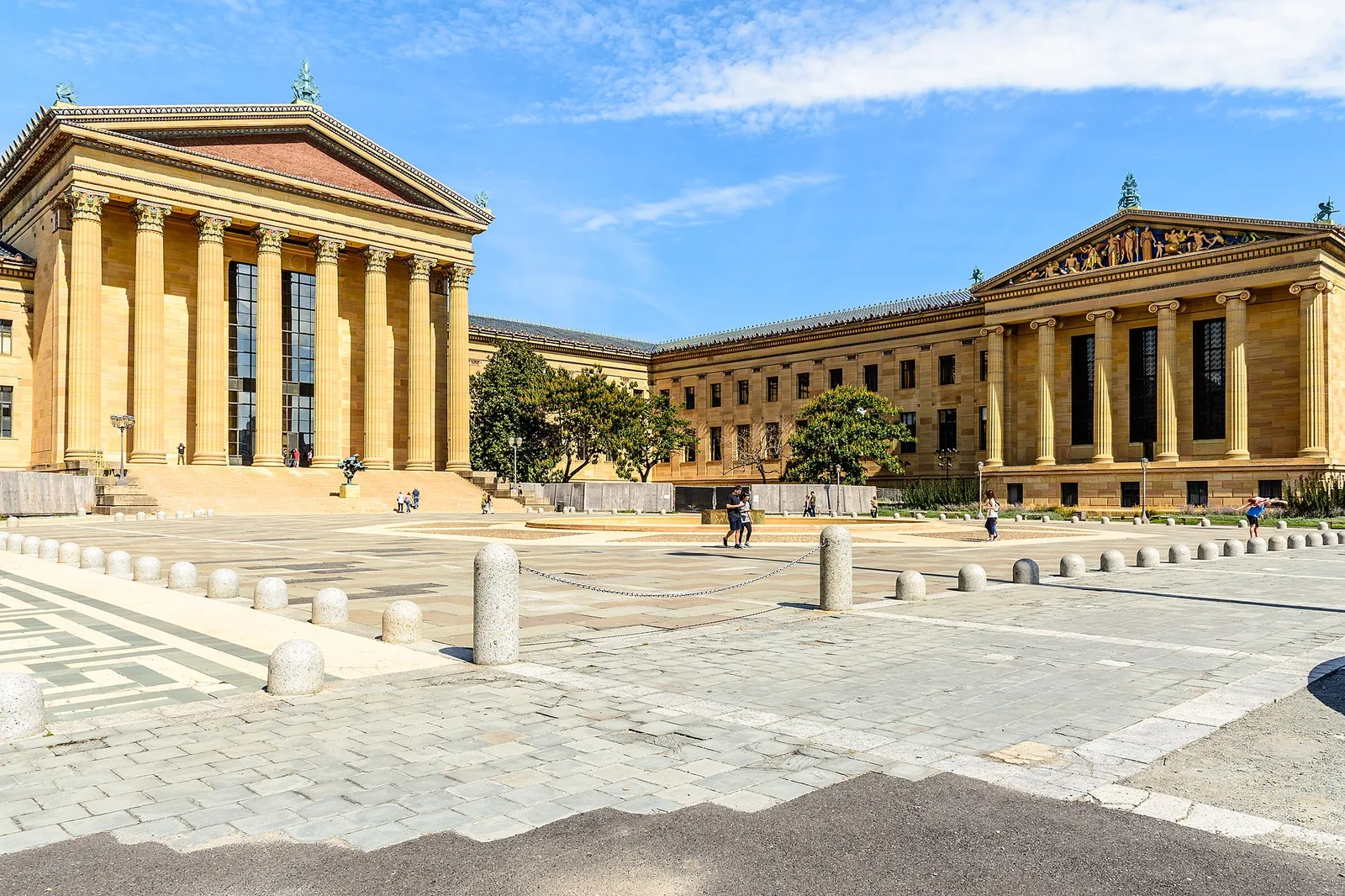
Philadelphia Museum of Art, Philadelphia, USA — Philadelphia airbnb marketing
Local Color
Philadelphia Museum of Art, Philadelphia,
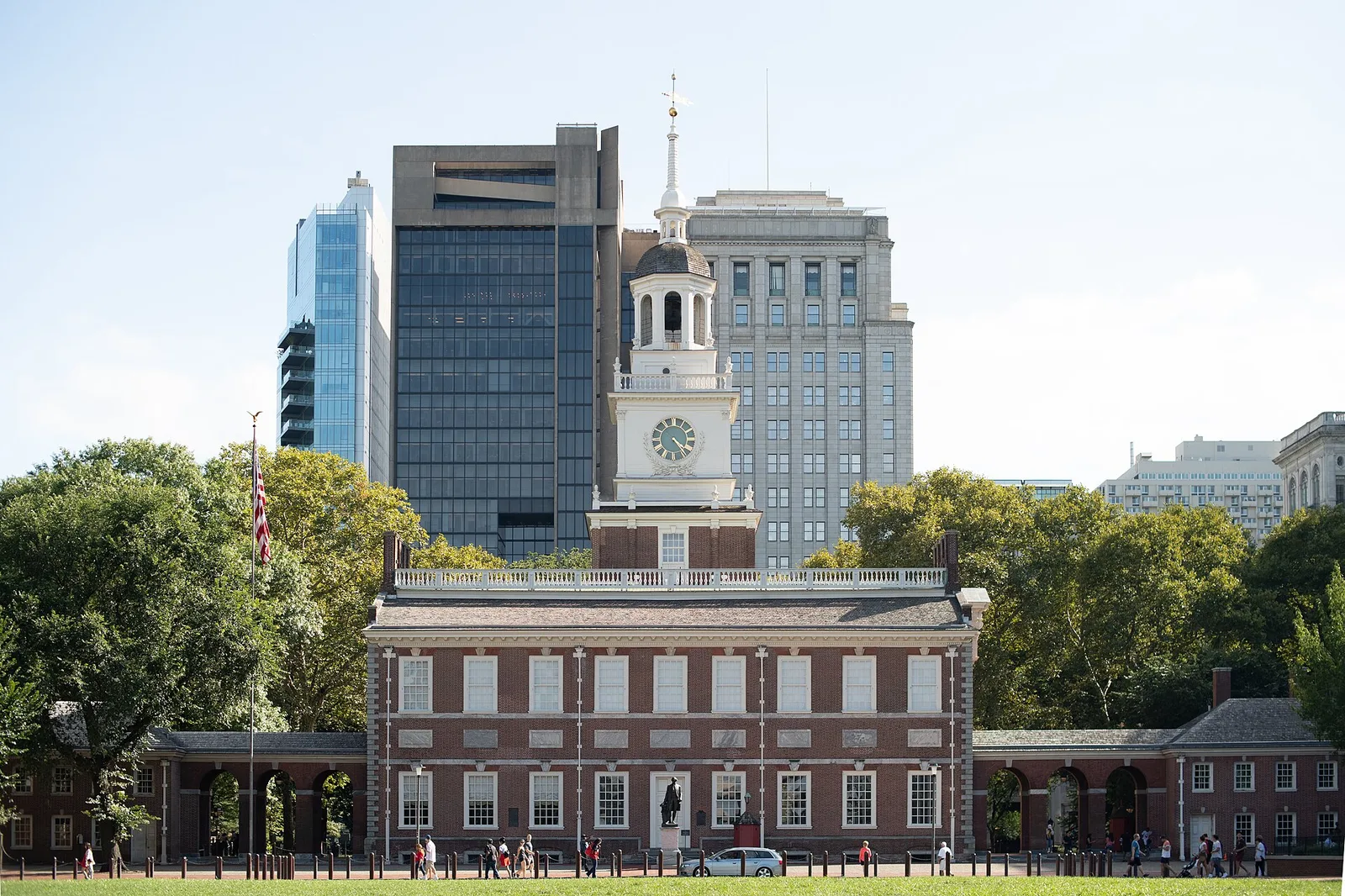
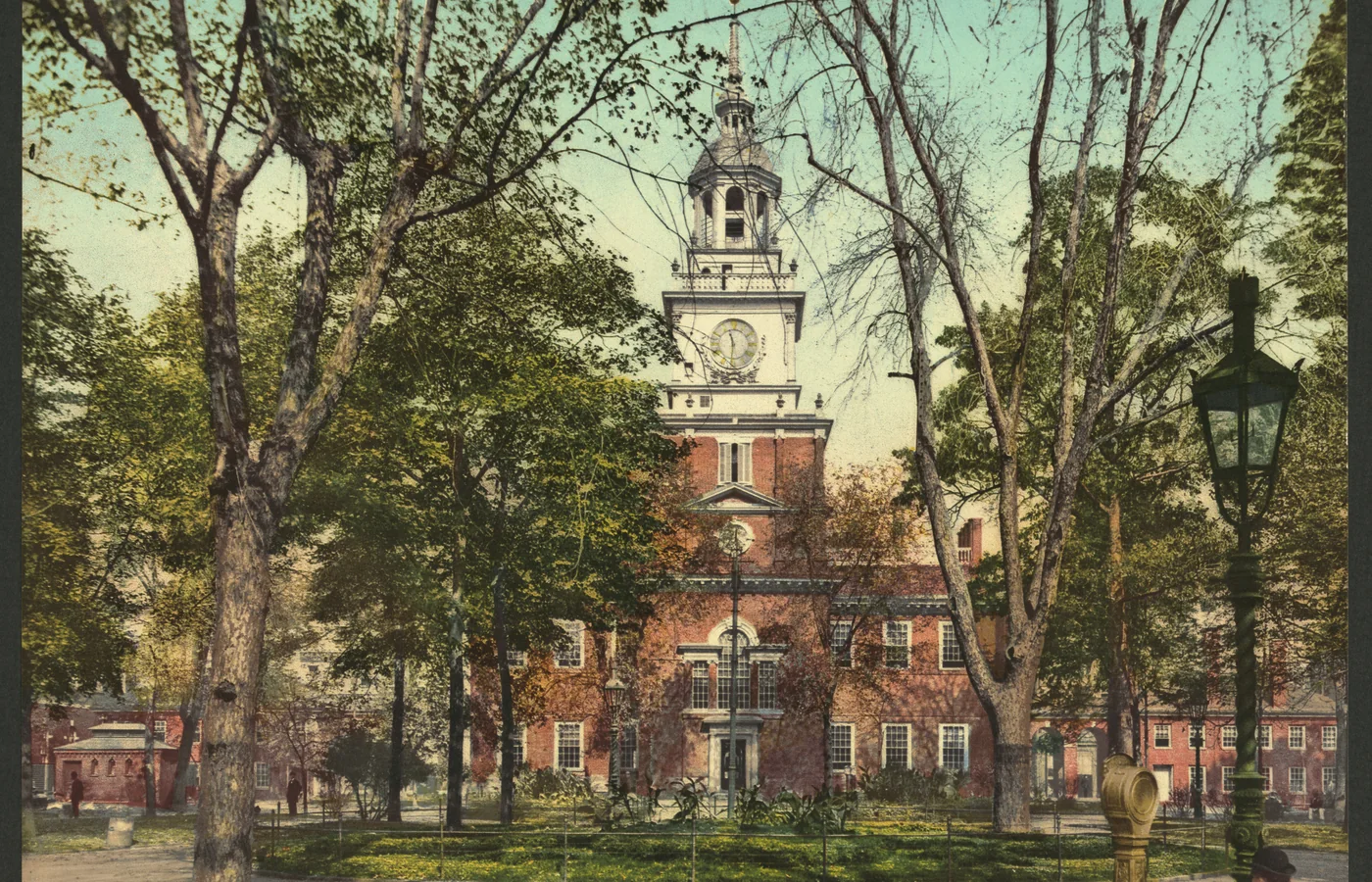
Exterior of the Independence Hall, Aug — Philadelphia airbnb marketing
Local Color
Exterior of the Independence Hall,
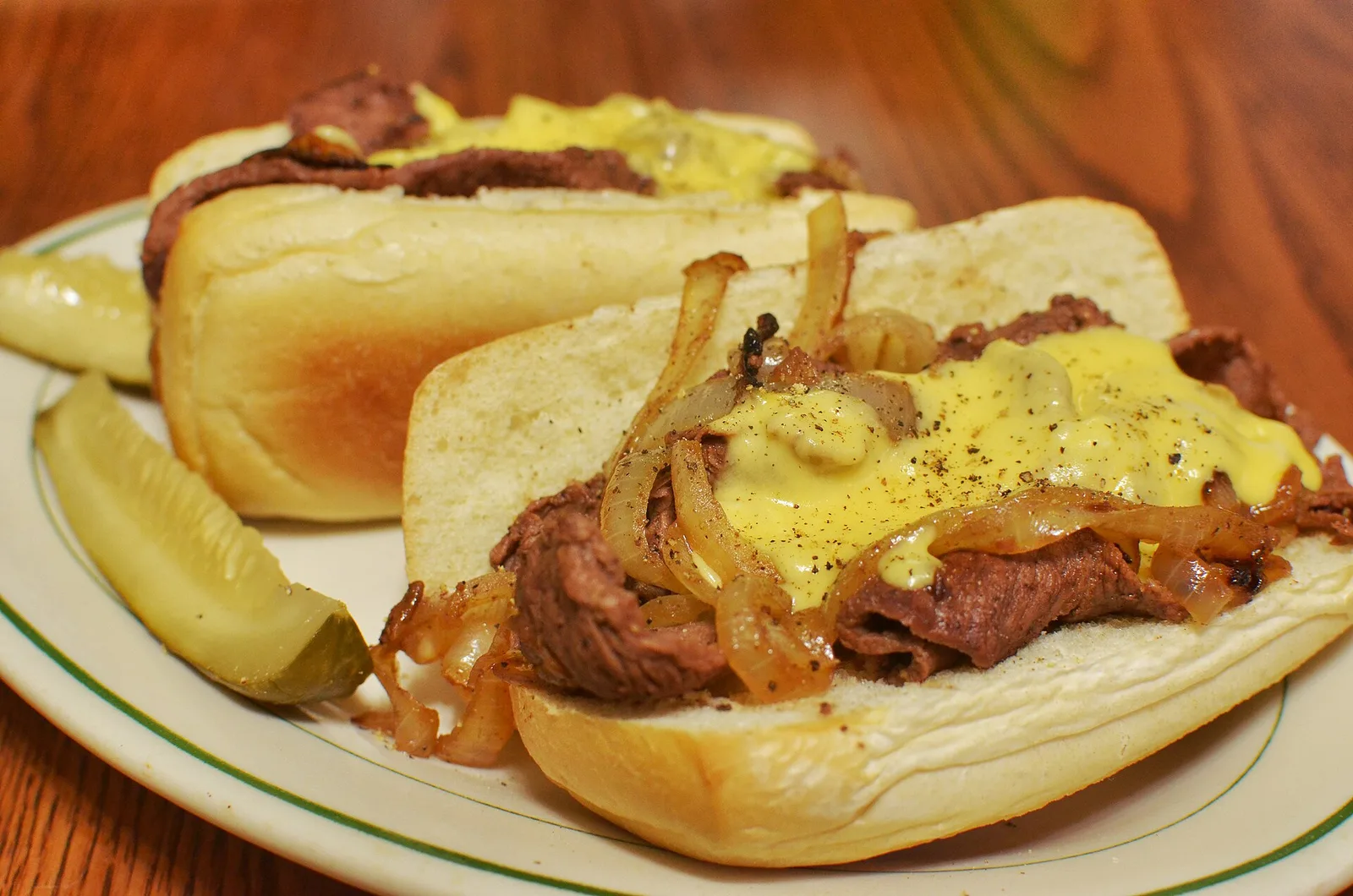
Cheesesteak sandwiches with pickles — Philadelphia airbnb marketing
Local Color
Cheesesteak sandwiches with pickles
Why Cavmir

The Cavmir Advantage
in Philadelphia

Cavmir wins in Philadelphia because most of the competition is under-presented. The average Philly listing is dim phone photos of a nice rowhouse; the average independent hotel here leans on OTAs for the bookings a decent website would capture free. We shoot the brick, the murals and the neighborhood properly, write listings that name real places instead of adjectives, and build direct-booking websites for hosts, B&Bs and boutique hotels so the 2026 attention converts into a repeat-guest list you own. Then we price and position the event calendar — the city hands you the demand spikes; the work is being ready for them. We help position and market your property. We never manage it or touch your keys.

State of the Industry · History

The Philadelphia STR Market — Past & Present

Philadelphia invented American hospitality in the most literal sense — the City Tavern, opened in 1773, hosted the men who wrote the founding documents, and for a stretch in the 1790s the city was the capital of the country, its inns full of congressmen. The Bellevue-Stratford, opened in 1904 on Broad Street, was for decades among the grandest hotels in America. Around the grand addresses, the city built the thing that defines it still: block after block of brick rowhouses, more of them than any other American city, from the colonial alleys of Old City to the Victorian streets of Fairmount and the workers' housing of Fishtown.

Those rowhouses became the short-term-rental story. When Airbnb arrived, Philadelphia's cheap, characterful housing stock made it one of the East Coast's natural host cities, and the market grew loosely regulated for years. The city tightened things meaningfully with rules that took hold in 2023: renting your primary residence became 'limited lodging' with its own licensing track, platforms began verifying license numbers, and running a non-primary-residence rental now requires a visitor-accommodations license and the right zoning — hotel territory, in effect. The 2026 spotlight — the Semiquincentennial celebrated in the city where independence was declared, World Cup matches at Lincoln Financial Field, the MLB All-Star Game — arrived on top of a market that had already professionalized. The hosts and small hoteliers who did the paperwork are the ones positioned for the attention.

Pricing Strategy & Seasonality

Pricing, Seasonality & When to Capture ROI

Pricing Strategy

The rate map runs on walkability to the story. Old City and Society Hill — cobblestones, Independence Hall, eighteenth-century brick — command the premium, with Rittenhouse Square and Center City close behind on business and leisure mix. Fishtown and Northern Liberties pull the design-led crowd with the city's best food-and-bar scene; University City books steadily off Penn, Drexel and the hospitals; South Philly rides the stadium calendar. Blended nightly rates average around $165 — low by coastal standards — but entry prices are lower still, which is why well-run Philadelphia rentals post some of the best percentage returns of any big East Coast city.

Seasonality & ROI Windows

Spring through fall is the working season: April brings the Penn Relays, May and June bring graduations, summer carries the history tourism, and September and October add conventions and campus weekends. Winter is the trough, softened by the eds-and-meds base that never fully stops. The year 2026 was its own climate — the 250th-anniversary Fourth of July, six World Cup matches and All-Star week compressed a decade of demand spikes into a single summer, and the city's lodging calendar will feel the echo in repeat visits for years.

Regulation & Licensing · 2026

What the Law Requires in Philadelphia

Philadelphia splits the market into two tracks, and which one you're on depends on whether the property is your primary residence. If it is, you're in 'limited lodging' territory: you need a free Commercial Activity License, a zoning permit for limited-lodging use, and — if you rent more than about 90 days a year — a Limited Lodging Operator License from Licenses & Inspections, which involves an inspection. Annual rental days are capped (around 180 days when you're not present), you must keep at least a year of records proving primary residence and rental dates, and 'good neighbor' rules cover noise, trash and a 24/7 contact. Booking platforms verify license numbers and drop listings that lack them.

If the property is not your primary residence, limited lodging doesn't apply — you need a visitor accommodations license, and the property must sit in a zoning district that allows hotel-style use, which most rowhouse blocks don't. Some operators pursue variances; that's a real process with real cost and no guarantee. Either way you'll register for the city's 8.5% hotel tax on top of Pennsylvania's hotel occupancy tax. The city has adjusted these rules more than once and enforcement has been tightening since platform verification began, so confirm your track, your zoning and your day-count limits with L&I in writing before you list.

Market-Specific Tips & Challenges

Local Tips & Unique Market Challenges

Tips That Actually Move Revenue in Philadelphia

The Philadelphia strategic tip: buy the block, not just the house. In this city the neighborhood does the selling — a modest rowhouse a block from a great Fishtown coffee shop and a mural outbooks a nicer house on a dead street. Your marketing should name the actual places: the bar on the corner, the El stop, the walk to Independence Hall in minutes. Guests booking Philadelphia are booking a neighborhood life for a weekend.

Tactically: first, get the licensing right before anything else — platform verification means an unlicensed listing isn't a risk, it's a dead listing. Second, shoot the property like it's worth more than the mortgage says: golden-hour brick, the rooftop view of the skyline, the interior styled honestly. Philadelphia's photography bar is so low that a professional shoot alone moves you into the top decile. Third, build a direct-booking website — the 2026 event summer handed every operator a guest list; the ones who own that relationship will be rebooking those guests for years without paying commissions. Fourth, price the calendar deliberately: Penn Relays, graduations, convention clusters and stadium weekends are published dates, and hosts who treat them like normal weekends are donating margin. Fifth, boutique hotels and B&Bs here should press the value angle hard against New York and DC — same colonial history, better food scene by some tellings, at two-thirds the nightly rate. That's a direct-booking website's homepage argument written for you.

Unique Philadelphia Challenges

The friction points: zoning determines everything for non-primary-residence operators, and most residential blocks don't allow hotel-style use; day-count caps and record-keeping requirements are real; and some blocks still carry rough edges that show up in reviews if you're not honest about location. Winter demand is thin, and the market's low rates punish sloppy cost control.

A Curious Philadelphia Fact
Elfreth's Alley, a one-block cobblestone lane in Old City, is often called the oldest continuously inhabited residential street in America — people have lived in its thirty-two brick houses since the early 1700s, when the alley served blacksmiths, shipwrights and tradesmen working the Delaware waterfront. It survived because Philadelphia's growth simply went around it. Today it's a National Historic Landmark where residents still collect their mail behind eighteenth-century doors, two blocks from hotels charging modern rates for a fraction of the history.
Finance Essentials — Philadelphia
🛡️

Insurance

Standard homeowner's policies generally exclude paying guests, so limited-lodging hosts need a short-term-rental endorsement or a proper landlord policy, and visitor-accommodations operators are into commercial hospitality coverage. Philadelphia's housing stock is old — party walls, aging roofs, knob-and-tube wiring in unrenovated houses — and underwriters price accordingly, so documentation of updates matters. Liability limits deserve real attention given stairs, stoops and rooftop decks. Use a Pennsylvania broker who writes rental properties in the city itself.

🧾

Property & Income Tax

Short-term stays in Philadelphia are taxed like hotel rooms: the city's hotel tax of 8.5% applies to stays under 30 days, on top of Pennsylvania's 6% hotel occupancy tax — call it roughly 14.5% combined. Platforms collect some of this automatically, but registration and remittance for anything they don't cover — direct bookings especially — is on you, with monthly filings due on the 15th. Rental income is then subject to federal, state and city income taxes, and Philadelphia's wage and business taxes have their own quirks. Have an accountant who knows the city's tax office walk you through your exact stack.

🏦

Mortgages & Financing

Philadelphia is one of the last big East Coast cities where the numbers still work on ordinary financing. Entry prices in strong rental neighborhoods sit well below coastal levels, so conventional investor loans and DSCR products both pencil, and the classic house-hack — an owner-occupied duplex or triplex on FHA terms, renting the other units — remains genuinely available here. Lenders will want the rental story documented, and appraisals vary block by block in a city this granular. A local lender who knows the neighborhoods is worth more than a national rate sheet.

Future Outlook · 2027 & Beyond

Where Philadelphia is Headed Next

Philadelphia's trajectory is the strongest of the big mid-Atlantic markets. The 2026 summer — the 250th, the World Cup, All-Star week — introduced the city to millions of visitors who'd never considered it, and repeat leisure travel follows exposure like that for years. The regulatory framework has settled into a workable shape: primary-residence hosts have a clear path, platform verification culled the gray market, and the city seems more interested in enforcement than new restrictions. Entry prices remain low enough for ordinary buyers, which won't last forever in the neighborhoods that photograph best. The durable play is securing the license, building the brand and the direct channel now, and letting the city's rising profile — plus an events calendar that keeps landing big — do the compounding.

From the Desk of Sofie Sinag

Why We Love Marketing in Philadelphia

Philadelphia is the market where good marketing changes the outcome most. In New York or Boston, a great listing earns you a premium on an already expensive asset. In Philly, a great listing takes a rowhouse that cost a fraction of coastal money and books it like it belongs to a different city — because the raw material genuinely is that good. Cobblestone alleys older than the country, murals on every third wall, a food scene that embarrasses bigger cities, and photography-ready brick everywhere you point a camera. The gap between what this city looks like and how its listings present it is the widest we've seen on the East Coast, and closing that gap is the fun part of the job.

We also love a market with a story arc, and Philadelphia's is obvious: the 250th, the World Cup summer, All-Star week — the country finally looked directly at this city, and a lot of what it saw surprised it. The visitors who came for an event and discovered Fishtown's restaurants or a quiet block in Society Hill are the repeat guests of the next decade. The operators who built their brand, their photography and their direct channel before that wave are the ones collecting on it now. That's the work we like: getting a property ready for attention we can see coming.

Why It Matters

A great property in Philadelphia doesn't just want a listing — it wants a point of view, an audience, and a brand the city itself would recognise.

Cavmir's Philadelphia Cheat Sheet

The Picks We Recommend for Your Welcome Book

A few honest, insider picks for Philadelphia — the kind of specifics that make a listing read like a local wrote it, because one did. Real places, no filler.

Morning

The Rocky Steps at the Museum of Art

Run them at 7 a.m. with the locals — the view back down the Benjamin Franklin Parkway toward City Hall is the best free panorama in the city, and every guest secretly wants the photo at the top. Tell them the statue is at the bottom right.

Golden Hour

Race Street Pier

Under the Benjamin Franklin Bridge as the light goes gold on the Delaware. The bridge overhead is one of the most dramatic frames in the city, five minutes' walk from Old City listings — say so in yours.

Neighborhood Walk

Elfreth's Alley and Old City

Start on the oldest continuously inhabited street in America, then wander the blocks around 2nd and 3rd — galleries, coffee, eighteenth-century brick. This walk is the reason people choose a rental over a convention hotel.

Dinner That Photographs

Zahav, Society Hill

The Israeli restaurant that changed the city's food reputation nationally — the pomegranate lamb shoulder is the dish guests plan trips around. Reservations are a project; tell guests to book the moment their dates are set.

Local Obsession

The cheesesteak argument

Pat's and Geno's face off in South Philly under neon, but locals will pull you aside about Dalessandro's or John's Roast Pork. Take a side in your listing — guests love being handed a controversy with an address.

Shoulder Season Secret

The Wissahickon in late October

Fifty miles of gorge trails inside city limits, fully ablaze in fall color, twenty minutes from Center City. Almost no visitor knows it exists, which makes it the perfect off-season card for a host to play.

Weekend Escape

Longwood Gardens, Brandywine Valley

An hour southwest: one of the great gardens of the world, with conservatories and fountain shows that carry even a winter visit. The classic add-a-day trip for guests who've done the historic mile.

What Guests Ask For

Parking and the walk between neighborhoods

Guests ask whether they need a car (usually no — Old City to Rittenhouse is a 30-minute walk through the best of the city) and where to put one if they bring it. A plain paragraph on parking saves twenty messages a month.

Local Work · Composite Case Vignettes

What Cavmir Has Done for Philadelphia Properties

A few composite engagements drawn from how Cavmir typically works in this market. The details are illustrative and consistent with Philadelphia, not pulled from a single named client.

Limited-lodging rowhouse · Fishtown
The Brief

A licensed host's trinity-style rowhouse near Frankford Avenue had the location every guest wants and photos that showed none of it — no streetscape, no neighborhood, flat pricing through the 2026 event summer.

What We Did

Cavmir shot the house and the block properly, rewrote the listing around the bars, bakeries and El stop guests actually come for, set event-aware pricing for the World Cup and All-Star windows, and added a direct-booking page for repeat guests.

The Result

The listing climbed its comp set within weeks, event weekends booked early at rates the host had never charged, and post-event guests began rebooking directly for regular-season visits.

Boutique hotel · Old City
The Brief

An independent 30-room hotel two blocks from Independence Hall was underpricing the biggest year in the city's modern history — OTA-dependent, with a website that didn't mention the 250th, the World Cup or the walkable history at its door.

What We Did

Cavmir rebuilt the website around the historic-mile location with direct booking front and center, reshot the property, ran search and social campaigns keyed to the 2026 event calendar, and built packages for the anniversary summer.

The Result

The hotel entered its peak windows with direct reservations layered ahead of OTA demand, held materially stronger rates through the summer, and came out with an email list of guests who'd stayed for the biggest events in town.

Furnished monthly · University City
The Brief

An owner near Penn's campus was churning through short weekend stays with heavy turnover costs, while ignoring the steadier demand next door — visiting faculty, medical families at CHOP, traveling clinicians on multi-month assignments.

What We Did

Cavmir repositioned the unit as a furnished monthly for the eds-and-meds corridor: photography styled for professionals, listing copy naming the hospitals and campus, placement on the furnished-stay channels, and a simple direct page for referrals.

The Result

The calendar shifted to fewer, longer, quieter stays with far lower turnover cost, effective monthly revenue held steady with less vacancy risk, and hospital-adjacent referrals began arriving without platform fees.

Market Intelligence · Seasonality

Airbnb seasonality in Philadelphia, month by month

Demand in Philadelphia peaks around May and runs quietest around January through February. Here is how the year actually books — and what to do about each stretch of the calendar.

Peak demandSteadyQuiet

Peak season

Philadelphia doesn't have one towering peak — it has a strong, repeatable spring and fall. May is the single best month, when Penn, Drexel, Temple and Jefferson graduations stack on top of the Broad Street Run and the first warm tourist weekends, and every family-sized listing near a campus fills. Have the listing dialed by March, price graduation weekends individually, and hold firm minimums through commencement season.

The shoulders

Summer runs steady rather than spectacular: history tourists, the long Wawa Welcome America build-up to July Fourth, and Jersey Shore traffic passing through keep weekends moving while locals leave town. September and October bring the second lift — conventions return, campuses fill, parents' weekends and fall sports stack demand. The play is precision pricing around the convention calendar and Eagles and Phillies home dates rather than blanket seasonal rates.

The quiet stretch

January and February are the honest lull once the holidays clear. Lean into what's actually booking: medical stays near the hospital systems, traveling professionals, university interview visits and families in town for reasons other than tourism. Keep midweek rates flexible, offer week-plus discounts, and use the window for maintenance, review replies and a photo refresh before the Flower Show opens the spring.

Dates that fill first

Philadelphia Flower Showlate February into early March
The Convention Center's biggest civilian draw lands in the softest part of the year and fills Center City for a week-plus run. Walkability or an easy transit line to the Convention Center is the selling point.
Penn Relayslate April
The country's oldest and largest track relay carnival packs University City for a long weekend, with teams, alumni and international fans. Group-friendly places near Franklin Field book first.
Broad Street Runearly May
Tens of thousands of runners and their families converge for the ten-mile run down Broad Street. Runners book early, want quiet the night before and a late Sunday checkout.
Wawa Welcome Americamid-June through July 4
A citywide festival of free concerts and fireworks running from Juneteenth to July Fourth in the city where the country started. Center City and Old City listings should price the whole run, not just the holiday.
Philadelphia Marathon weekendNovember
A reliable one-weekend spike in an otherwise slowing month, centered on the Parkway. Flag your distance to the start line and price Saturday and Sunday as a pair.
Market Intelligence · Guests

Who books Philadelphia Airbnbs — and how far ahead

History and culture tourists
Independence Hall, the museums and the food scene drive the classic two-to-three-night visit. They book on walkability to Old City and Center City and want honest guidance on getting around.
University families
Move-in, parents' weekends, interviews and graduations at Penn, Drexel, Temple and Jefferson create date-specific demand all year. Name the campus you're near and these bookings find you.
Medical and conference travelers
The hospital systems and the Convention Center keep a steady midweek base moving. Self check-in, fast wifi, a washer-dryer and a quiet bedroom decide these stays, which often run longer than tourist visits.
New York and DC weekenders
An easy train or drive makes Philadelphia the quick city break for both corridors. They decide fast, compare on neighborhood feel, and respond to food-first listing copy.
Sports fans and stadium groups
Eagles, Phillies and the South Philly stadium complex drive group stays booked around single dates. Beds, parking and transit to the stadiums are the whole comparison.

The booking window

Graduation weekends are the extreme: families book the moment commencement dates publish, often the better part of a year out. Marquee events and marathon weekend fill a few months ahead, while tourist and business stays commonly book inside a few weeks. So lock spring pricing early — May sells itself if you let it — and stay sharp on the near calendar the rest of the year.

Typical stays

The core booking is a two-to-three-night city stay, with graduation and event weekends running slightly longer and booked tightly around fixed dates. Medical and conference guests skew midweek and frequently stretch to a week or more, which rewards listings genuinely set up for longer stays.

Where guests drive from

New YorkWashingtonBaltimoreHarrisburgWilmingtonAllentown

Where guests fly from

AtlantaChicagoBostonOrlandoCharlotteDallas
Philadelphia sits in the middle of the Northeast Corridor, so New York and the DC-Baltimore metros supply the weekend base by train and car, while the airport feeds steady Southeast and Midwest traffic. That means geo-targeting New York with weekend-break copy is usually the efficient ad play.
Market Intelligence · What Wins

The Airbnb that wins in Philadelphia

The Philadelphia winner is a renovated rowhouse — a trinity included — in a walkable neighborhood with a clear identity: Old City or Queen Village for tourists, Fishtown for the food-and-nightlife crowd, Graduate Hospital and University City for campus and medical demand. Exposed brick, a roof deck or patio, and original details photograph the way visitors imagine the city. Whole-house listings with three-plus real bedrooms own graduation and family season; generic apartments compete on price.

Amenities that move bookings here

self check-infast wifidedicated workspacewasher and dryerclear parking guidance or a spotfamily-ready gearroof deck or patioquality blackout shades
The highest-leverage move here is anchor copy: name the university, hospital or landmark you're nearest and the walk or transit time to it in your first lines. Philadelphia demand is anchor-driven, and the listing that says exactly where it stands wins the date-specific bookings that pay the best.
Straight Answers

Philadelphia Airbnb marketing questions, answered

How do I market my Airbnb in Philadelphia?

Anchor the listing to what drives Philadelphia demand: name your neighborhood, the campus or hospital you're near, and the walk to Old City or the Convention Center, because most guests here are booking around a specific anchor. Back it with photography that shows rowhouse character — brick, roof deck, real bedrooms — and pricing that moves with graduations, conventions and game days instead of sitting flat. Then add the layers that compound: a Google Business Profile for map searches and a simple direct-booking site so repeat university families skip platform fees and rebook you directly. That stack — anchor-first copy, photography, local SEO, direct booking — is what a marketing agency layer like Cavmir builds for hosts in markets like this.

When is peak season for Philadelphia Airbnbs?

May is the strongest month, when graduation season at Penn, Drexel, Temple and Jefferson stacks on the Broad Street Run and the first warm tourist weekends. September and October bring the fall counterpart with conventions, campus events and playoff-hopeful sports dates, while summer stays solid on history tourism and the run-up to July Fourth. January and February are the quiet stretch.

How far in advance do guests book Philadelphia Airbnbs?

Graduation weekends book the earliest — families grab houses near campus as soon as commencement dates publish, sometimes close to a year out. Event weekends like the marathon and Flower Show fill a few months ahead, while ordinary tourist and midweek business stays book inside a few weeks. Price the date-specific spikes early and individually; the rest of the calendar rewards staying responsive.

Where do most Philadelphia Airbnb guests come from?

New York is the dominant feeder, an easy train ride away, followed by the Washington-Baltimore corridor and Pennsylvania's own Harrisburg and Allentown. Fly-in guests arrive from the Southeast and Midwest, with Atlanta, Chicago and Charlotte steady, plus Florida family traffic. Weekend-break advertising aimed at New York is usually the efficient spend.

What amenities matter most for a Philadelphia Airbnb?

Self check-in and fast wifi are table stakes for the midweek medical and business base, and a washer-dryer quietly wins the week-plus stays. Parking is the anxiety to solve — a spot or genuinely clear guidance beats vague reassurance — and real bedrooms with quality mattresses decide the graduation-family bookings that pay best. A roof deck or patio is the photo that stops the scroll in rowhouse country.

Free Tools · Websites That Book

See what your listing in Philadelphia is leaving on the table

Run your Airbnb, Vrbo, or website through Cavmir's free grader. It checks the things that decide whether guests book in Philadelphia — photos, listing copy, page speed, local search — and shows you where bookings leak. Takes about a minute, and there's no sales call attached.

If the report says your booking engine is the weak link, that's fixable: a direct-booking website of your own means repeat guests stop paying platform fees to come back to you. That's the work Cavmir does — see Airbnb website design in Philadelphia.

What the grader measures

  • Photos and the first-impression frame
  • Listing title and copy
  • Your direct-booking website (or the lack of one)
  • Page speed and mobile experience
  • Local search and Google visibility
Grade My Listing — Free
Free Property Review

What is your Philadelphia property actually worth per night?

Send us the listing and we'll tell you what we'd change. Not a pitch deck — a straight read on your photos, your title, your rates against the Philadelphia comp set, and whether a direct-booking site would pay for itself.

You'll hear back from a person, usually inside one business day. If we don't think we can move your numbers, we'll say so. Cavmir is a short-term rental marketing agency — we position and market properties, we don't manage them.

  • No obligation, and no automated call sequence
  • We market and position — we never manage your property or hold keys
  • Works whether you're on Airbnb, Vrbo, or direct

Ready to Grow in Philadelphia?

Let's Put Your Philadelphia
Property on the Map

Talk to Cavmir today. We'll show you exactly what your Philadelphia property is leaving on the table — and how fast we can change that.

Book a Free Strategy Call