$225
Avg. Nightly Rate
62%
Avg. Occupancy Rate
$3,900
Avg. Monthly Revenue
4-6%
Est. Cash-on-Cash ROI
MEDIUM
Seasonality
HEAVY
Regulatory Burden

* Market averages. Cavmir-managed properties typically exceed these figures by 25–45%. Data sourced from AirDNA, STR market reports, and Cavmir internal analytics.

The Market

Why Washington, DC is One of the World's Premier STR Markets

Washington runs on a demand engine no other American city has: the federal government, the associations and contractors around it, the Smithsonian museums, and a school-trip pipeline that refills every spring. The short-term-rental rules are strict — a license from the city, primary residence only, and a 90-night annual cap if you're not home during stays — which keeps supply thin and rewards the hosts who do it properly. Around that sits one of the country's great hotel markets: grand old properties, boutique hotels in rowhouse neighborhoods, inns on Capitol Hill. Whether you're a host with an English basement near Eastern Market or an innkeeper in Georgetown, the game here is the same — look better than the listing next door and get booked direct.

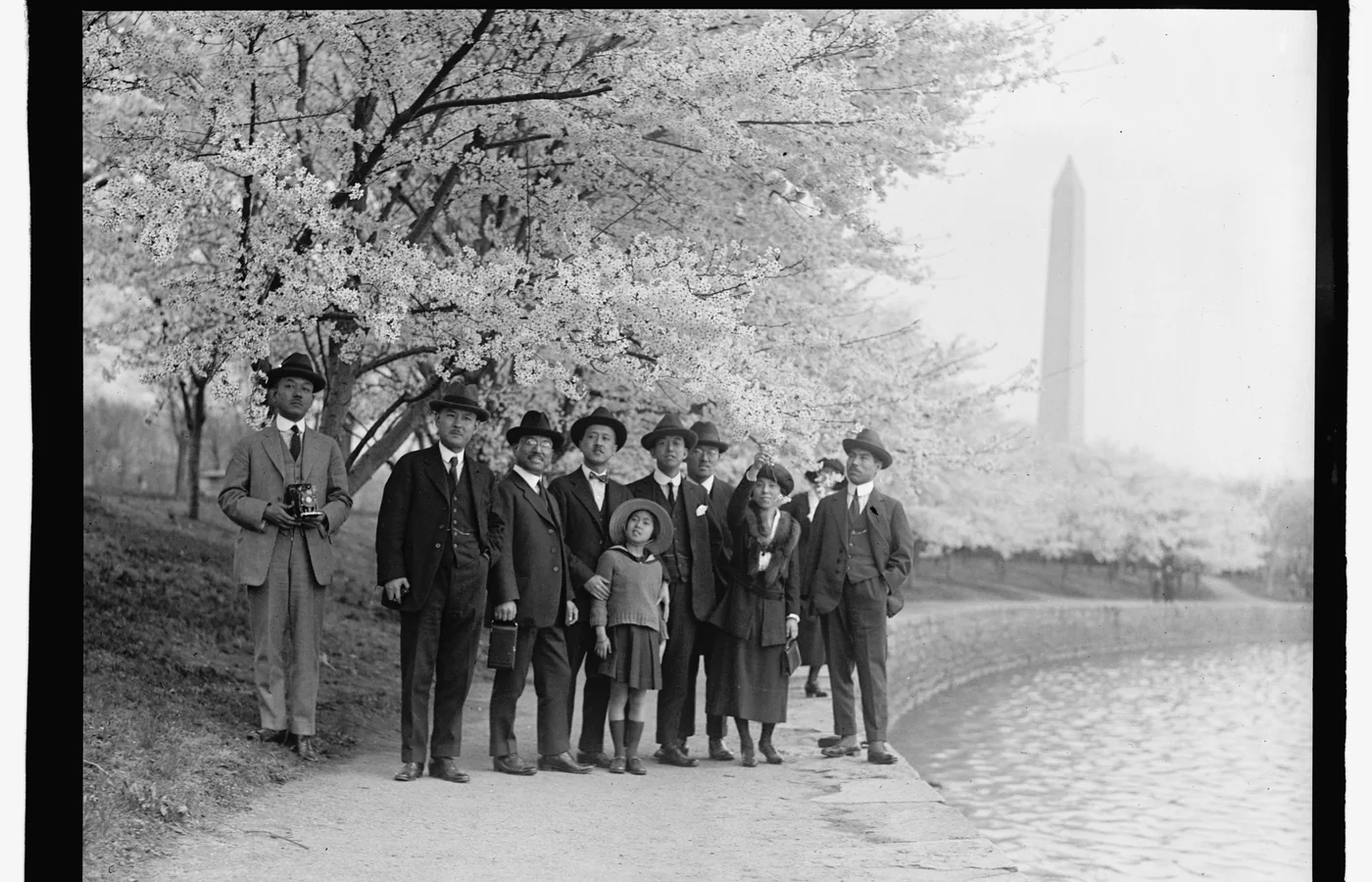
DC's demand is steadier than a leisure market because so much of it arrives on weekdays: government business, association conferences, contractors on assignment. Layered on top are the spikes — the National Cherry Blossom Festival in late March and April, the spring school-trip season that follows it, the Fourth of July (never bigger than in the 250th-anniversary year), and the fall conference run through September and October. The Marine Corps Marathon fills late October, and every fourth January an inauguration rewrites the rate card entirely. Nightly rates average around $225 with occupancy in the low 60s, and hosted rentals near a Metro station book with a consistency most cities would envy. For boutique hotels and inns, direct-booking share is the whole ballgame.

Top Attractions & Landmarks

  • The National Mall
  • Lincoln Memorial
  • Smithsonian National Air and Space Museum
  • United States Capitol
  • Georgetown
  • Tidal Basin
  • Eastern Market

Nearby Markets: Baltimore  |  Philadelphia  |  Williamsburg

Airbnb marketing services in Washington, DC, District of Columbia, USA
Postcards

Washington, DC through the lens

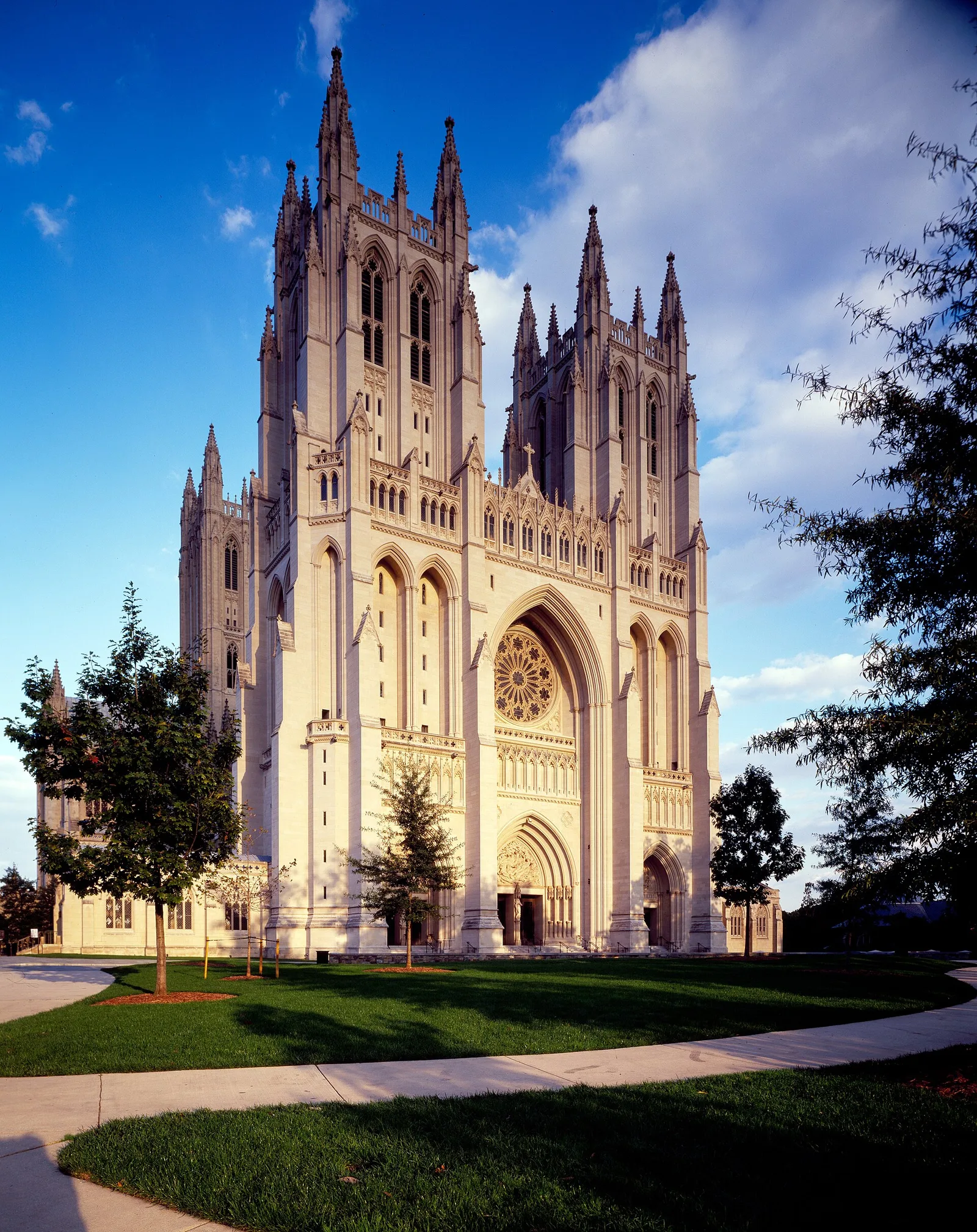
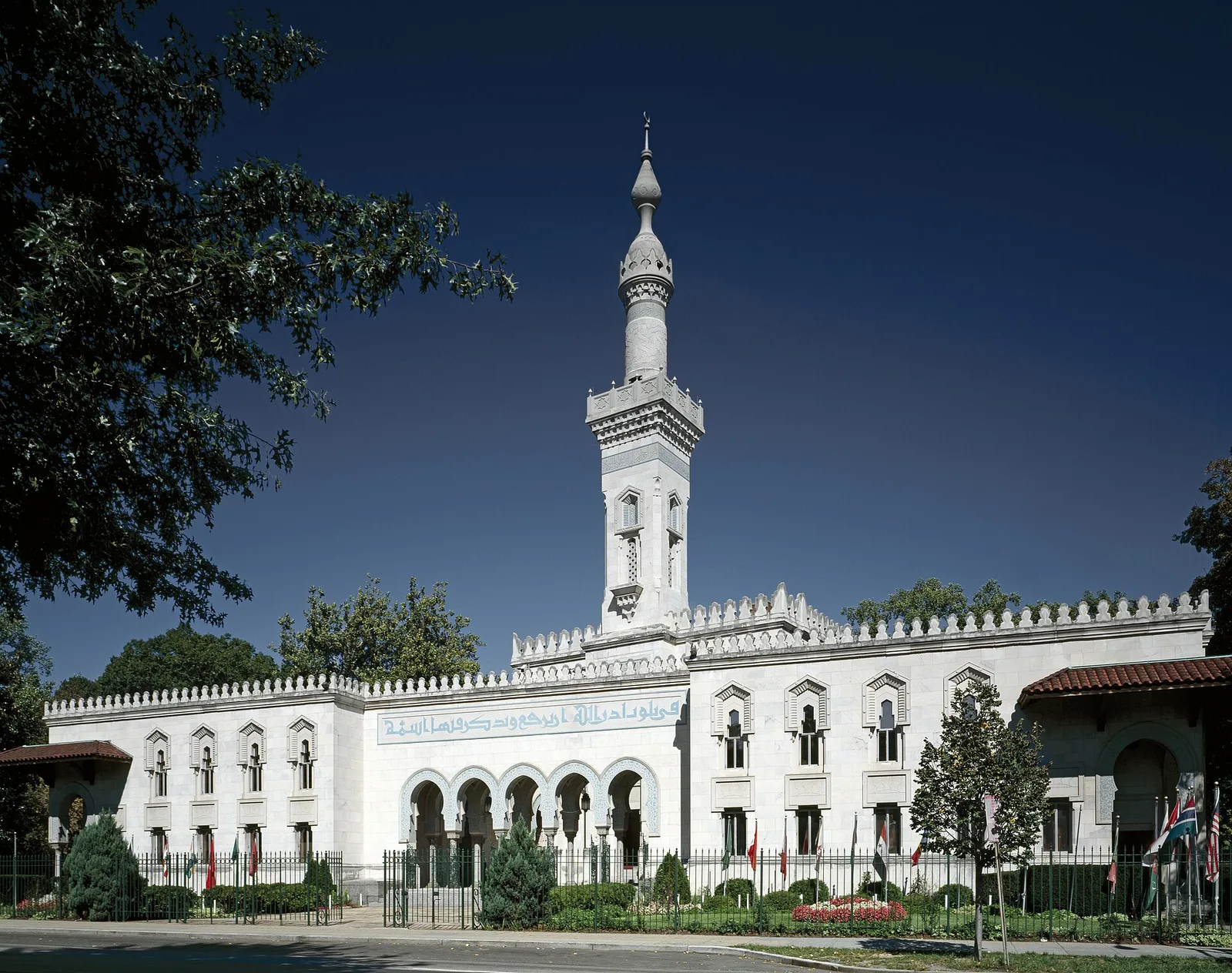
A few of the visual fingerprints we lean into when we shoot, brand and market a Washington, DC property — courtesy of the open Wikimedia Commons archive.

WashingtonNationalCathedralHighsmith15393v — Washington, DC airbnb marketing
Local Color
Washington, DC Local Landmark
Islamic Center, Washington, D.C LCCN2011630761 — Washington, DC airbnb marketing
Local Color
Islamic Center, Washington, D.C
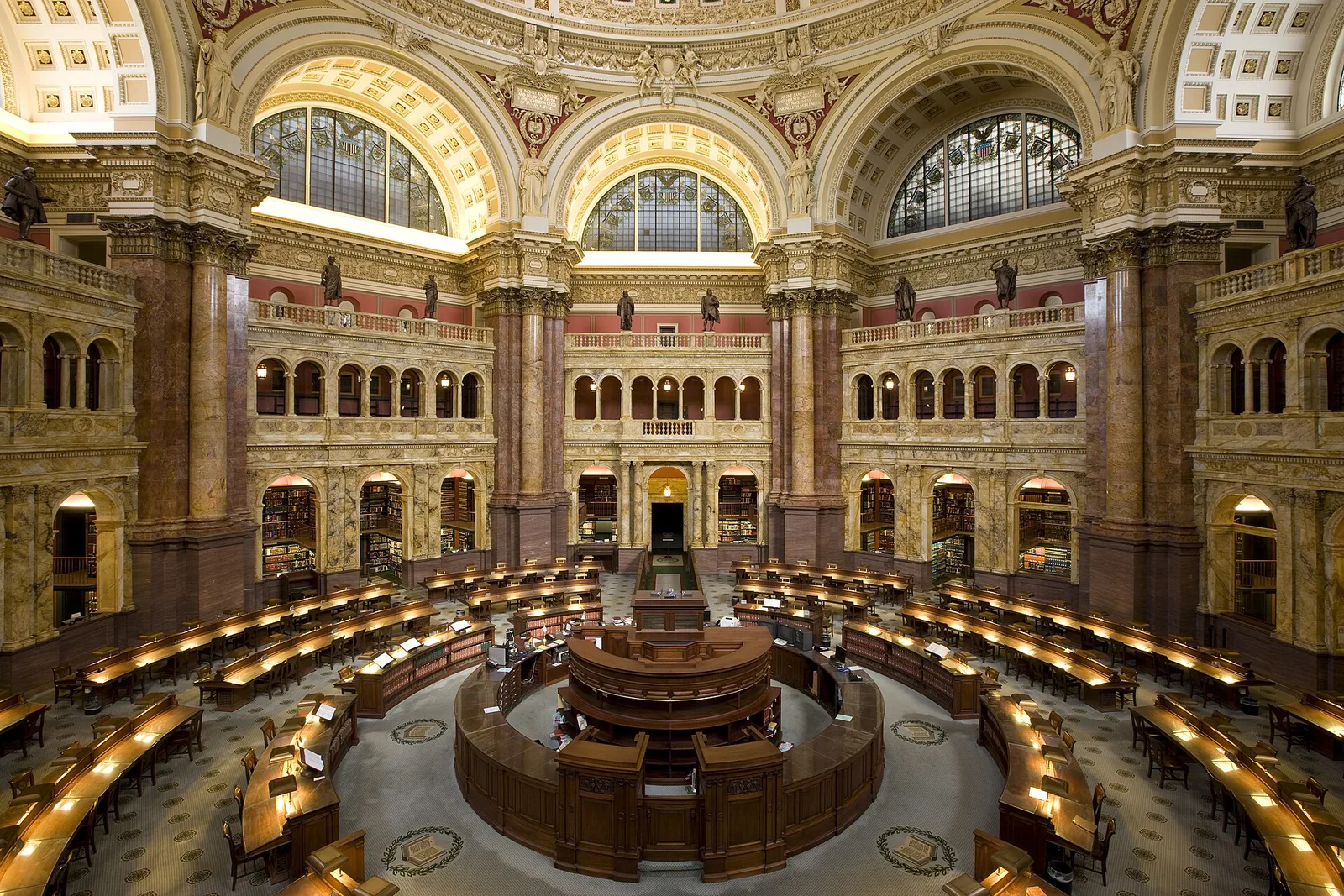
LOC Main Reading Room Highsmith — Washington, DC airbnb marketing
Local Color
LOC Main Reading Room Highsmith
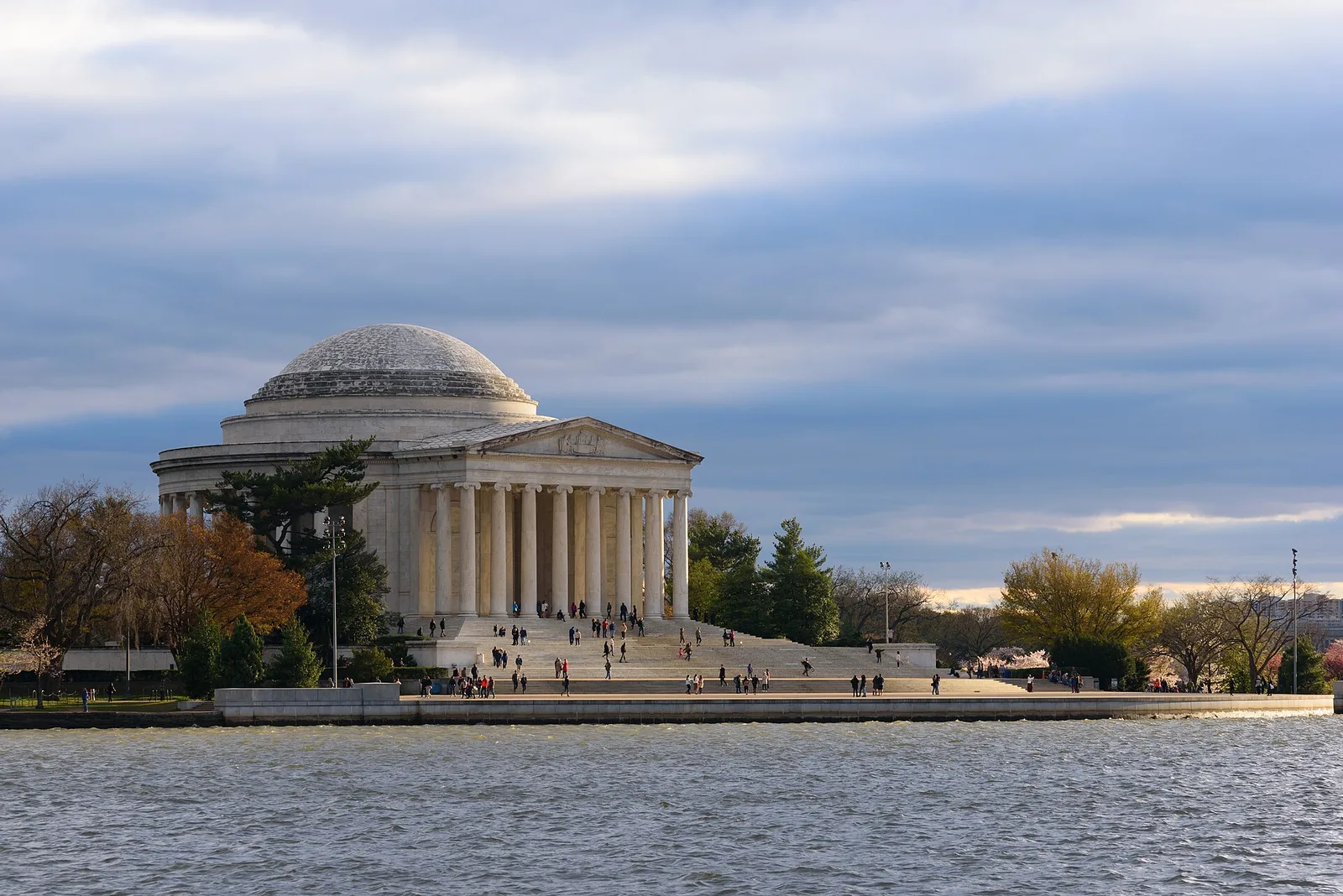
Jefferson Memorial Washington April 2017 002 — Washington, DC airbnb marketing
Local Color
Jefferson Memorial Washington April
Why Cavmir

The Cavmir Advantage
in Washington, DC

Cavmir wins in DC because compliant supply is scarce and mostly under-marketed. If you hold a license, you're competing against a short list — and almost none of them have real photography, a listing that names the neighborhood honestly, or a direct channel for the guests who return every cherry blossom season. We build that: cinematic photos, copy that sells Capitol Hill or Georgetown specifically, and direct-booking website design for hosts, inns and boutique hotels that peels your repeat guests away from the OTAs. If you're capped at 90 nights, we make sure they're the right 90 nights. We help position and market your property. We never manage it or touch your keys.

State of the Industry · History

The Washington, DC STR Market — Past & Present

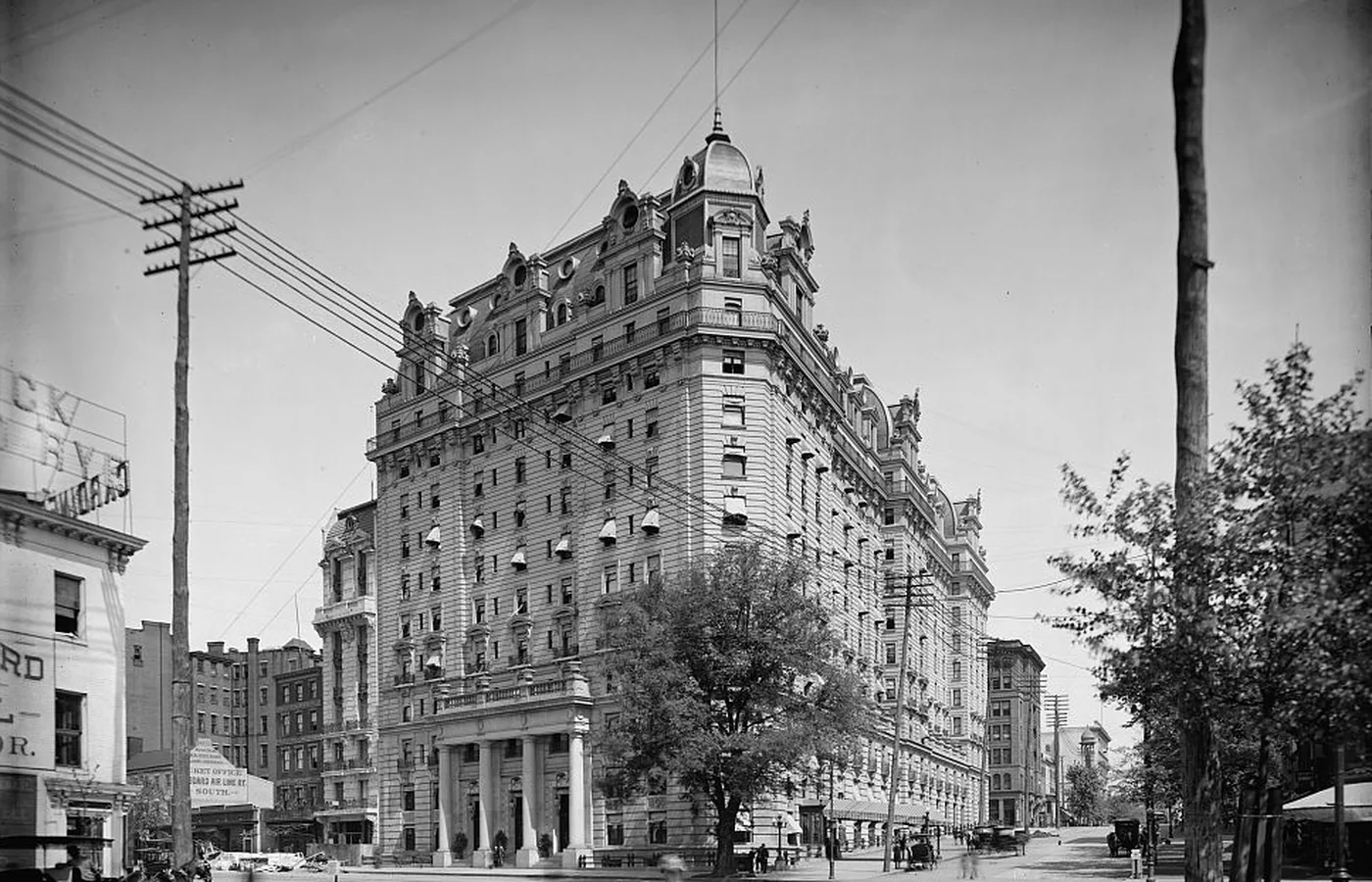
Washington was designed as a capital before it was a city, and its lodging grew up around the business of government. The Willard Hotel, two blocks from the White House, has hosted nearly every president since Franklin Pierce; Lincoln lived there before his first inauguration, and Julia Ward Howe wrote 'The Battle Hymn of the Republic' in one of its rooms. Through the twentieth century the city added the grand political hotels — the Mayflower, the Hay-Adams — while its rowhouse neighborhoods on Capitol Hill, in Georgetown and around Dupont Circle filled with the boarding houses and guest rooms that housed the capital's permanent churn of arrivals.

That churn is still the market. Short-term rentals boomed here in the 2010s on the strength of demand no other city can match — government business, association conferences, school trips, museum tourism — and the District answered in 2022 with a licensing regime built around one principle: hosts must live in what they rent. A license from the Department of Licensing and Consumer Protection became mandatory, unhosted 'vacation rentals' were capped at 90 nights a year, and platforms began verifying license numbers. Supply tightened; the compliant hosts who remained inherited a steadier market. In 2026 the mayor introduced legislation to widen the field — letting renters host and creating paths for second properties — a reminder that this framework is still evolving. Around the licensed hosts, DC's boutique hotels and inns keep doing what Washington lodging has always done: putting up the republic's visitors, at a rate.

Pricing Strategy & Seasonality

Pricing, Seasonality & When to Capture ROI

Pricing Strategy

Location pricing here is about Metro stops and the Mall. Capitol Hill and its English basements book steadily off government and association travel; Georgetown commands the leisure premium with its waterfront and rowhouse charm, despite having no Metro station of its own; Dupont Circle, Logan Circle and the 14th Street corridor pull the restaurant-and-museum crowd; Navy Yard rides the stadium and a newer hotel scene. Blended nightly rates run around $225, with larger family-sized places near the Mall commanding far more during cherry blossom season and the spring school-trip months. For unhosted operators, the 90-night cap turns pricing into a selection problem: the game is making sure your 90 nights are the year's best 90.

Seasonality & ROI Windows

Spring is the crown: cherry blossoms in late March and April, then a school-trip season that runs into June, all layered on the steady weekday base. Fall is the second peak — conference season through September and October, the Marine Corps Marathon at the end of it. Summer stays busy with family tourism even as Congress leaves town; winter is the trough except every fourth January, when an inauguration briefly makes DC the most expensive lodging market in America. The weekday government-and-business base under all of it is what makes this market steadier than any leisure town.

Regulation & Licensing · 2026

What the Law Requires in Washington, DC

The District requires a short-term rental license from the Department of Licensing and Consumer Protection (DLCP) before you host, and the current framework is built on primary residence: you can only license a property you actually live in. There are two endorsement types. A standard short-term rental endorsement covers hosted stays — you're present — with no annual night cap. A vacation rental endorsement covers unhosted stays and is capped at 90 nights per calendar year, with no single booking longer than 30 continuous nights. Licenses run on a two-year cycle, you'll self-certify safety basics like smoke and CO alarms, condo and co-op hosts need their association's sign-off, and your license number must appear in every listing — platforms verify and block unlicensed bookings.

The framework is actively evolving: in 2026 the mayor introduced the Short-Term Rental Regulation Amendment Act, which would let tenants host at their primary residence, create a special-event license for high-demand windows, and open a 90-night path for second properties owned in the District. As of mid-2026 that's proposed legislation, not law — don't plan a business on it until it passes and DLCP publishes the rules. Fines for unlicensed operation are substantial, and enforcement is real. Confirm your endorsement type, your building's permissions and the current state of the law with DLCP in writing before you list.

Market-Specific Tips & Challenges

Local Tips & Unique Market Challenges

Tips That Actually Move Revenue in Washington, DC

The DC strategic tip: treat the 90-night cap as a curation tool, not a ceiling. If you're running an unhosted vacation rental, your product is the year's best nights — cherry blossom weeks, the Fourth, marathon weekend, inauguration if you're lucky — and everything about your pricing and calendar should be built backward from those windows. A capped listing that books its 90 nights at peak beats an uncapped listing coasting at average rates.

Tactically: first, sell the neighborhood specifically. A Capitol Hill English basement two blocks from Eastern Market and a Georgetown rowhouse are different products for different guests — generic 'DC apartment' copy wastes both. Second, court the repeat institutional guest: association staff return every year for the same conference, families return every blossom season, and a direct-booking website plus a simple guest list converts them from platform bookings into margin. Third, shoot spring properly once — blossom-season photography carries a DC listing for years. Fourth, inns and boutique hotels should market against the big-box convention hotels on character and walkability; direct-booking website design and neighborhood SEO are the levers, because DC's visitors search by neighborhood and monument. Fifth, keep your license visible and your building paperwork tight — in a market where platforms block the unlicensed, compliance is a competitive feature you should advertise.

Unique Washington, DC Challenges

The constraints are the licensing wall — primary residence only under current law, with real fines for operating without a license — and the 90-night cap on unhosted stays, which puts a hard ceiling on the classic investor model. Association politics can block condo hosts entirely. August is soft when Congress leaves, winter is slow, and the 2026 reform bill may reshuffle the field again once it resolves.

A Curious Washington, DC Fact
Washington has no skyscrapers, and the reason isn't the one everybody tells you. The Height of Buildings Act of 1910 doesn't cap buildings at the Capitol's height — it ties maximum height to the width of the street out front, plus twenty feet. The result is a city that grew sideways instead of up: hotels and offices spread low and wide, rooftop bars all sit at roughly the same altitude with clear views of the monuments, and a 1910 law about street proportions still quietly dictates the skyline — and the economics of every lodging property in the District.
Finance Essentials — Washington, DC
🛡️

Insurance

DC's licensing process has hosts attest to basic safety, but the insurance question runs deeper than the checklist. Standard homeowner's policies generally exclude paying guests, so licensed hosts want a short-term-rental endorsement or landlord policy with strong liability limits — English basements with their separate entrances and older rowhouse systems get underwriters' attention. Condo hosts should check how the master policy and their own coverage interact. Inns and boutique hotels carry commercial hospitality policies. Use a broker who writes DC rowhouse and small-lodging risks specifically.

🧾

Property & Income Tax

Short stays in the District are taxed like hotel rooms: the transient accommodations tax runs at roughly 15% (the base 14.95% plus a temporary surcharge in recent years — the exact figure moves, so check the current rate). Booking platforms are required to collect and remit on marketplace bookings, which covers most hosts most of the time, but direct bookings put collection and remittance on you — a real consideration once you build the direct channel this market rewards. Rental income is then subject to federal and DC income taxes. Confirm your exact obligations with an accountant who handles District lodging.

🏦

Mortgages & Financing

Under current law the licensed short-term rental must be your primary residence, so financing here usually looks like owner-occupied lending — a conventional or jumbo purchase of the rowhouse or condo you live in, with the rental income from a basement unit or your 90 vacation-rental nights as a bonus the lender may partially credit. The classic DC play is the rowhouse with the English basement: owner-occupied financing, separate rentable unit downstairs. Condo buyers should read the association documents for rental restrictions before anything else. If the 2026 reforms open second-property licensing, investor products like DSCR loans become relevant — until then, talk to a DC lender about what the current framework supports.

Future Outlook · 2027 & Beyond

Where Washington, DC is Headed Next

Washington's demand base is about as durable as demand gets — the federal government, the associations around it and the Smithsonian's free museums don't have off years, and America's 250th put the city at the center of a multi-year commemorative cycle. The regulatory story is the one to watch: the 2026 amendment act would widen who can host (renters, second-property owners, special-event licensing), which could expand supply but also legitimize and grow the whole market. Either way, the structural advantages hold — capped or scarce supply, weekday-heavy demand, and a visitor base that returns on a schedule. The durable play is a licensed, beautifully presented property with a direct channel aimed at the guests who come back every year, and for inns and boutique hotels, a website and brand strong enough to win the direct booking before the OTAs take their cut.

From the Desk of Sofie Sinag

Why We Love Marketing in Washington, DC

Washington is the market where the demand does something no leisure town can: it shows up on weekdays, in a suit, on a schedule. Marketing lodging here means working with a calendar that repeats like clockwork — blossoms in spring, conferences in fall, the Fourth every summer, an inauguration every fourth winter — layered over a weekday base of government and association travel that never really stops. We love that rhythm because it rewards preparation over luck, and preparation is a service you can actually sell. The host who knows exactly which 90 nights to chase, and the inn that owns its returning conference guests, are running better businesses than markets twice this size.

We also love the raw material. DC's lodging isn't glass boxes — it's English basements on Capitol Hill, Federal-style rowhouses in Georgetown, inns with libraries and gardens, boutique hotels in buildings with stories. The height limit kept the city low and walkable, which means the neighborhood sell works here the way it works in Europe: you're not renting a room near Washington, you're staying on a street in it. Making that difference visible — in photography, in copy, in a direct-booking website that feels like the neighborhood — is exactly the kind of work that moves numbers in this market.

Why It Matters

A great property in Washington, DC doesn't just want a listing — it wants a point of view, an audience, and a brand the city itself would recognise.

Cavmir's Washington, DC Cheat Sheet

The Picks We Recommend for Your Welcome Book

A few honest, insider picks for Washington — the kind of specifics that make a listing read like a local wrote it, because one did. Real places, no filler.

Morning

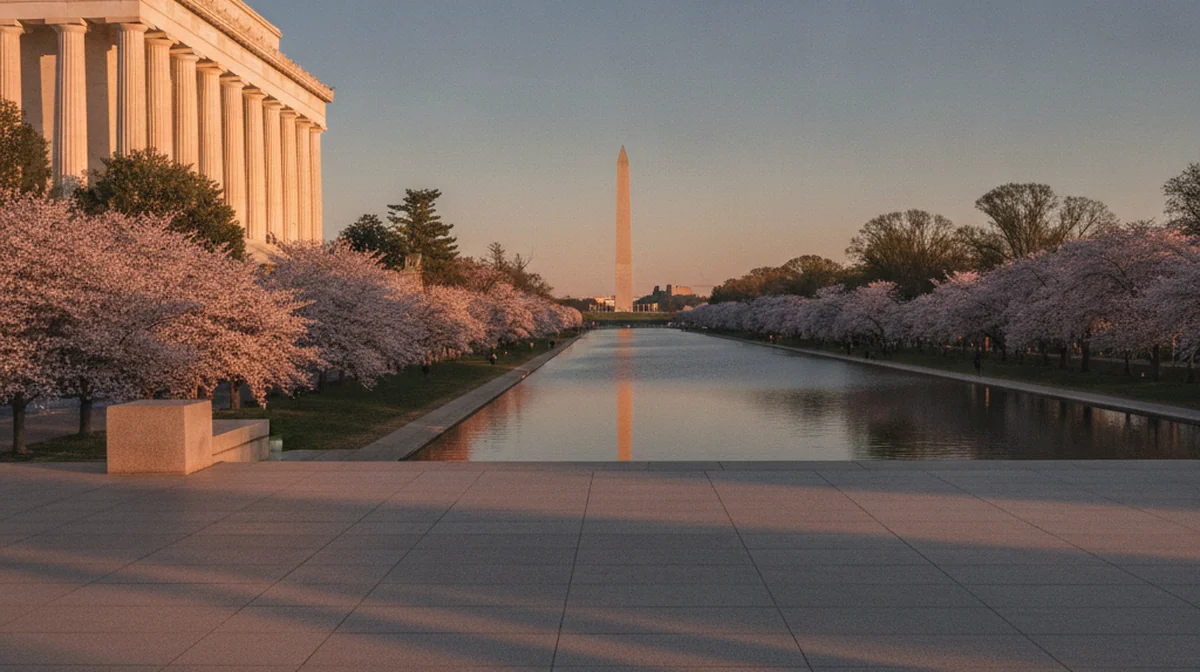
The Lincoln Memorial at sunrise

Before the buses arrive, the memorial is nearly empty and the light comes up the Mall straight at it. It's the single best hour of any DC visit, and telling guests exactly that — with the sunrise time — is the kind of detail that earns five-star reviews.

Golden Hour

The Georgetown waterfront

Kayaks on the Potomac, the Key Bridge arches going amber, rowers under the willows. Washington Harbour's terraces catch it all. If your property is west of Rock Creek, this is your closing image.

Neighborhood Walk

Capitol Hill to Eastern Market

Federal rowhouses, brick sidewalks, the dome floating at the end of the streets — then Eastern Market's weekend stalls for blueberry pancakes at the lunch counter. This walk is why guests choose the Hill over a downtown hotel.

Dinner That Photographs

Le Diplomate, 14th Street

The brasserie that anchors the 14th Street corridor — zinc bar, red awnings, steak frites that shows up in every visitor's camera roll. Walkable from Logan Circle listings, and worth naming in yours.

Local Obsession

The half-smoke at Ben's Chili Bowl

The U Street institution that fed the neighborhood through everything since 1958. A half-smoke with chili at the counter is the city's one mandatory food ritual, and guests love that the wall of photos tells the whole story.

Shoulder Season Secret

The Smithsonian in November

The museums are free every day of the year, and in late fall the lines vanish — Air and Space, the National Gallery, the American History museum, all essentially private on a weekday. Sell November to families who hate crowds.

Weekend Escape

Great Falls Park

Twenty minutes from Georgetown, the Potomac crashes through a boulder gorge that looks like it belongs in Montana. The overlooks on the Virginia side are a genuine surprise to every first-timer — the perfect add-on day.

What Guests Ask For

The nearest Metro stop, always

Every DC inquiry starts the same way: which line, which stop, how many minutes' walk. Put it in the first three lines of the listing with the walk time to the Mall, and watch the question disappear from your inbox.

Local Work · Composite Case Vignettes

What Cavmir Has Done for Washington, DC Properties

A few composite engagements drawn from how Cavmir typically works in this market. The details are illustrative and consistent with Washington, not pulled from a single named client.

English basement · Capitol Hill
The Brief

A licensed host's basement unit near Eastern Market booked adequately but anonymously — generic photos, no mention of the Metro or the Market, and rates that never moved for blossom season or the fall conference run.

What We Did

Cavmir reshot the unit and the rowhouse block, rewrote the listing around the two-block Market walk and the Capitol South commute, built the recurring DC calendar into pricing, and added a direct-booking page for the returning-guest crowd.

The Result

The unit began capturing conference travelers who returned on the same weeks each year, blossom-season rates rose to what the market actually pays, and a growing share of bookings arrived direct without platform fees.

Vacation-rental license · Georgetown rowhouse
The Brief

An owner with an unhosted vacation-rental endorsement was spending the 90-night cap carelessly — scattered low-rate weekends year-round instead of concentrating the allowance on the calendar's premium windows.

What We Did

Cavmir rebuilt the strategy backward from the cap: photography and copy aimed at blossom season, the Fourth and marathon weekend, premium pricing for those windows, and a calendar plan that reserved nights for the year's highest-value demand.

The Result

The same 90 nights produced substantially more revenue with fewer turnovers, peak windows booked out months ahead, and the owner finally treated the cap as a curation tool instead of a constraint.

Boutique inn · Dupont Circle
The Brief

A rowhouse inn with real character was invisible online — a website that hadn't changed in a decade, OTA dependence, and no relationship with the association and conference guests who returned to the neighborhood every fall regardless.

What We Did

Cavmir rebuilt the brand and direct-booking website around the inn's garden and library, reshot the rooms, ran neighborhood SEO for Dupont and downtown-adjacent searches, and built a returning-guest email program keyed to the conference calendar.

The Result

Direct bookings grew into a durable share of revenue, fall weekday occupancy firmed at better rates, and repeat conference guests began booking next year's stay before they checked out.

Ready to Grow in Washington, DC?

Let's Put Your Washington, DC
Property on the Map

Talk to Cavmir today. We'll show you exactly what your Washington, DC property is leaving on the table — and how fast we can change that.

Book a Free Strategy Call