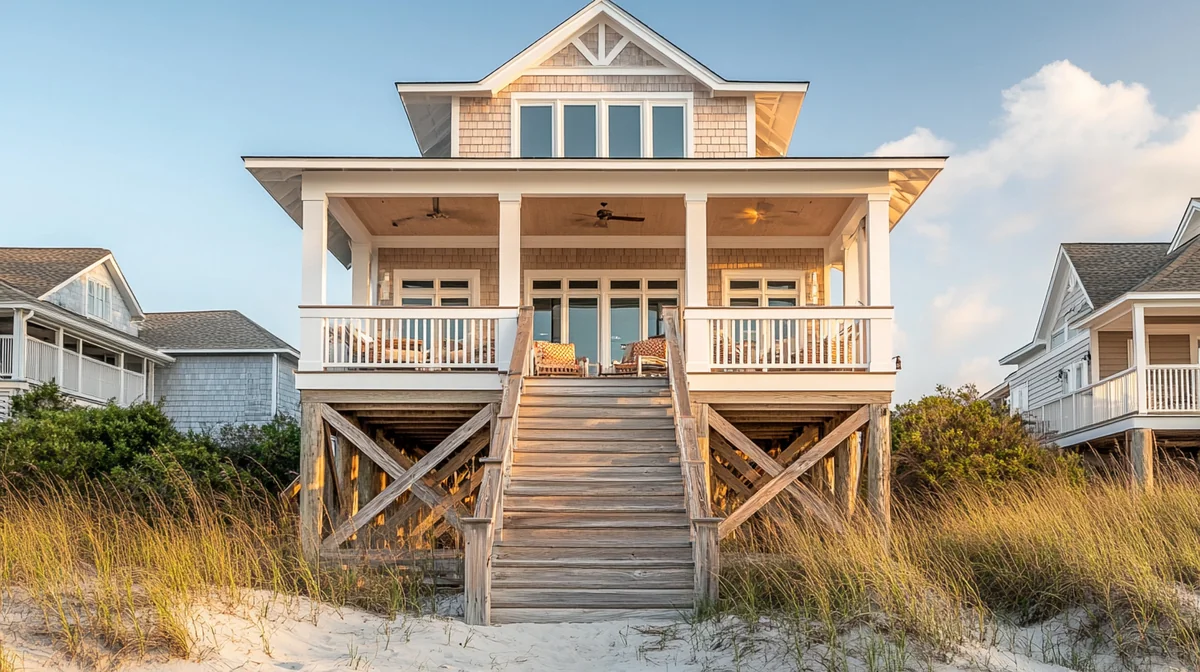

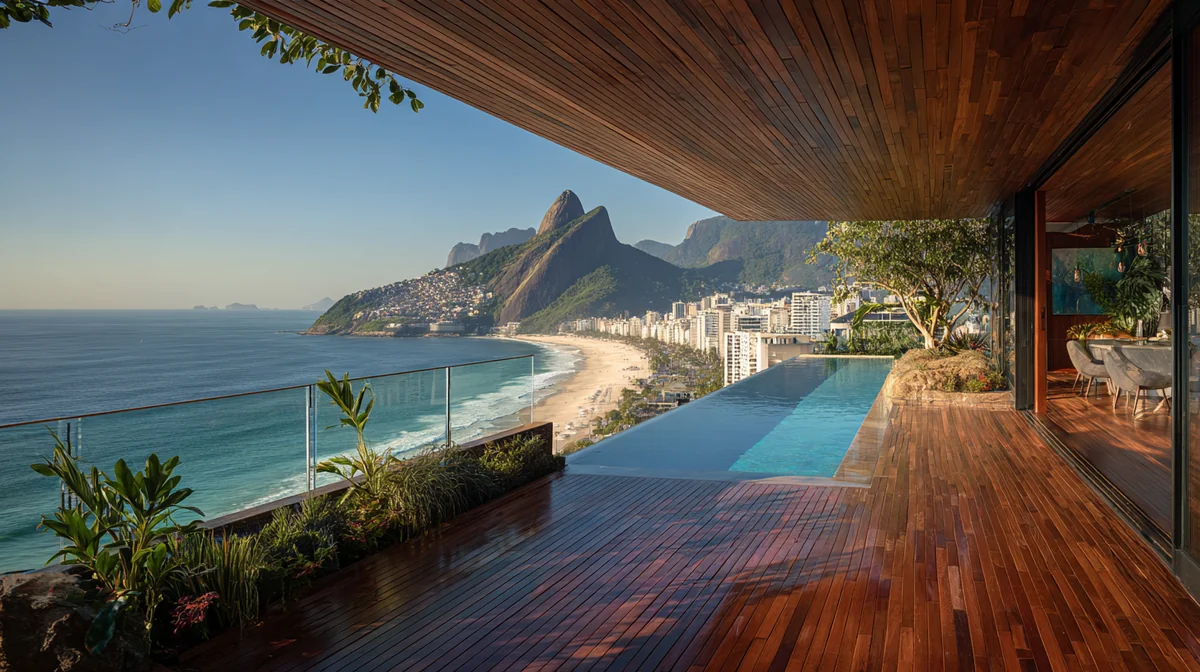

Morning
Breakfast at Shore Club or Lemon2Go pastries
Shore Club's beachside breakfast for the full-experience guests; Lemon2Go for the walkable pastry-and-coffee alternative. A host who recommends both looks like a resident.

Expert short-term rental marketing to grow your bookings and nightly rate in Turks & Caicos, Turks and Caicos Islands, Caribbean.
Sixteen services, one team. Everything below is built in-house and scoped to your property and market. Most owners start with the 12-Step System.
Every engagement is quoted to your portfolio. These are the ready-made scopes owners pick most — our Fall Special (55% off list or more) is already applied to the website, King Broker, Hotels and à la carte scopes. A clear proposal within 48 hours.
The work is public. Selected engagements and what changed — and reviews from the owners and managers behind them.
* Market averages from AirDNA and STR market reports. A single home's numbers depend on its size, its location and how it is marketed.
Cavmir is an Airbnb marketing agency. We build the brand, the direct-booking website and the marketing for short-term rentals in Turks & Caicos.
The Turks and Caicos Islands are home to Grace Bay Beach — consistently ranked the world's best beach by TripAdvisor and Condé Nast Traveler. The extraordinary clarity of the Caribbean water, the abundance of marine life, and the islands' commitment to low-impact luxury tourism have created a destination that attracts some of the world's most discerning travelers. Providenciales (Provo) anchors the luxury accommodation market; the outer islands of North and South Caicos offer even greater privacy.
Turks and Caicos commands some of the highest vacation rental rates in the Caribbean — driven by world-class snorkeling and diving at the Barrier Reef, deep-sea sport fishing, and a luxury villa culture that attracts ultra-high-net-worth families. The market peaks December through April; summer represents a significant opportunity for well-positioned properties marketed to value-seeking luxury travelers.
Nearby Markets: Dominican Republic | Bahamas
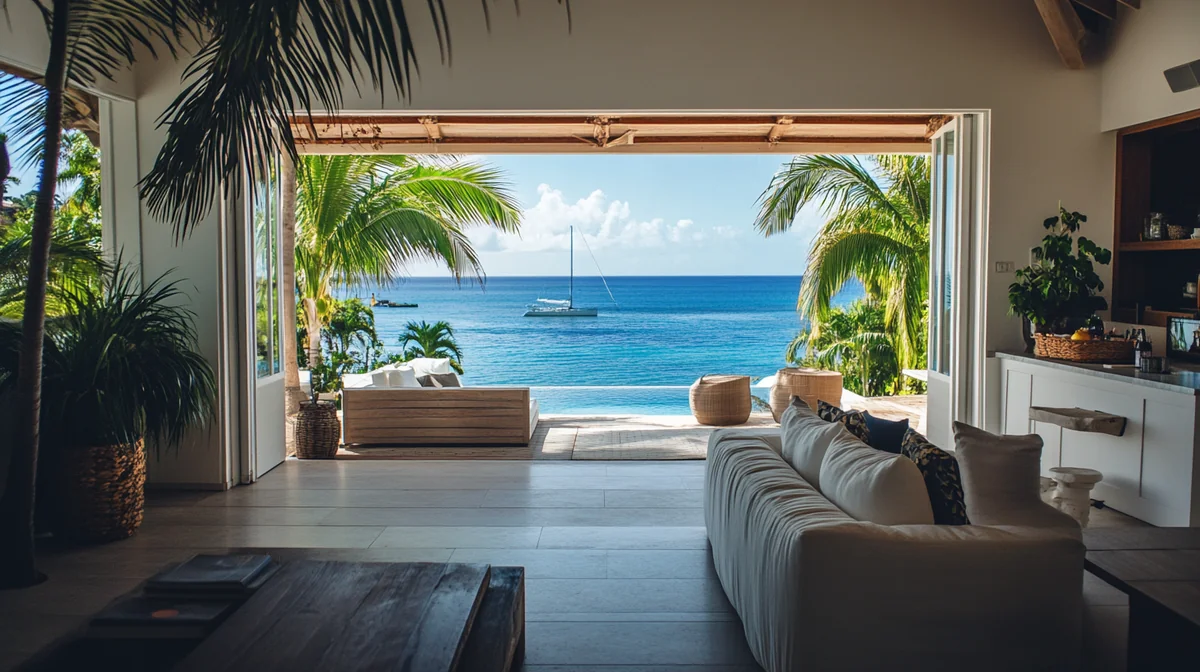
Cavmir's luxury brand positioning and global distribution capabilities make us the ideal partner for Turks and Caicos property owners. We place your villa in front of the global luxury traveler wherever they search — from Virtuoso travel agents to Instagram's design community to the high-end Airbnb Luxe platform.
The Turks and Caicos Islands — 40 islands and cays in the Atlantic, southeast of the Bahamas — were home to the Lucayan Taíno people until European contact in the late 15th century. The islands changed hands (Spanish, French, British) repeatedly before becoming a British Overseas Territory, which they remain today. Salt raking was the economic base from the 1600s through the early 20th century — you can still see salt pans on Grand Turk and Salt Cay. The modern tourism economy began in the 1980s with Club Med's Providenciales resort (opened 1984), followed by Parrot Cay's development in the 1990s and the Grace Bay hotel corridor (Beaches, Grace Bay Club, Seven Stars, The Palms) through the 2000s.
Turks and Caicos deliberately positioned itself as a low-density luxury alternative to the higher-volume Caribbean destinations. Building-height restrictions (generally 3 stories), a commitment to preserving the 650+ square miles of Turks and Caicos Islands marine protected areas, and no casinos or cruise-ship mega-volume tourism have shaped a distinctive visitor market. The STR market — concentrated in Providenciales (Provo), specifically Grace Bay, Leeward, and Long Bay — serves an ultra-high-net-worth family segment.
Grace Bay and Leeward anchor the market's luxury tier — oceanfront villas with private pools clear USD $1,500–$6,000/night in peak weeks. Long Bay (kiteboarding central) attracts a specific windsports segment. North Caicos and the outer islands offer greater privacy at rates that can match or exceed Provo for isolation-premium properties. Grace Bay Beach (consistently ranked world's best beach) commands access-based premium — footsteps-to-sand properties outperform walking-distance. Christmas/New Year is the super-peak; February–April sustained premium; May–June shoulder; summer (July–October) hurricane-season and rate discount period.
Medium-to-high seasonality. Peak: December 15–April 15. Super-peak: Christmas/New Year and February school-break weeks. Shoulder: late April, May, early December. Low: mid-August through October (hurricane-season discount). Missed revenue: late November — weather is essentially peak-quality, international demand is building, but most operators haven't fully engaged winter pricing yet.
Turks and Caicos has relatively light STR-specific regulation. Since November 27, 2023 the Department of Tourism Regulations has required an accommodation licence for every short-term rental, and a Business License is required as well. Work permit rules apply to on-island personnel. Foreign ownership is allowed without restriction in most cases — TCI's foreign-investor-friendly regime is structural. Accommodation tax (hotel tax) is 12% collected from guests. No income tax, no capital gains tax, no property tax — a significant structural advantage.
Building-level rules (strata titles in condominium developments, owner-association rules in resort developments) are the primary practical restriction. Many Grace Bay resort complexes have management-company exclusivity agreements — owner-operated Airbnb may violate the resort's management framework. Verify before acquisition. Enforcement letters began in July 2025, and licensed rentals rose from 50% to 90% of about 1,300 properties that year; operating unlicensed risks a fine of up to $50,000.
The Turks and Caicos strategic tip: evaluate resort management agreements carefully before acquiring. Many desirable Grace Bay complexes (Grace Bay Club, Seven Stars, The Palms, Regent Palms) have owner-participation programs that restrict independent rental operation. Buying a unit in these complexes assuming Airbnb flexibility often leads to conflict. Resort-program participation has benefits (professional management, brand positioning) and costs (revenue sharing, management control); independent villa operation in other developments offers more flexibility.
Second — the concierge-service layer is essential at luxury-villa rates. Private chef arrangement, excursion booking, grocery provisioning, yacht charter — properties without these partnerships earn significantly less than those with established vendor relationships. Third — cultivate the Virtuoso-travel-agent channel. Luxury travel advisors drive material booking volume for TCI villas, and trade relationships are worth the effort to develop. Fourth — market specifically during hurricane season. Shoulder-season marketing that addresses hurricane concerns transparently (cancellation flexibility, generators, water storage) captures value-seeking travelers the peak-season-only operators miss.
TCI's challenges: hurricane exposure (catastrophic events — Hurricane Ike 2008, Maria 2017 — periodically reshape specific markets), limited commercial airline connectivity (reliance on American Airlines MIA hub, JetBlue, Delta, limited alternatives), high construction and operating costs (everything must be imported), workforce-visa complexity, and concentration risk (Grace Bay Providenciales carries most of the market's inventory).
Caribbean hurricane insurance is specialty and expensive. Wind-pool, flood, and named-storm coverage required. International carriers (Lloyd's of London specialty, AIG Caribbean) plus Caribbean regional carriers. Budget USD $8,000–$30,000+ annually for luxury villas. Adequate limits often USD $3–5 million building plus liability. Deductibles per-event can be substantial.
No income tax, no capital gains tax, no annual property tax in Turks and Caicos — one of the world's most favorable tax environments for real estate. One-time Stamp Duty on acquisition (6–10% of property value depending on price). Accommodation Tax 12% guest-collected. US owners remain subject to US tax on foreign rental income; qualified foreign-tax-credit planning matters.
TCI mortgages for foreign buyers available through local banks (Scotiabank TCI, CIBC FirstCaribbean, RBC Royal Bank TCI). Typical 60–70% LTV for non-residents. Rates premium to US equivalents. Many buyers use US or international financing given the flexibility of cross-border lending. Cash purchases common at luxury tier.
A villa website on Providenciales now does two jobs at once. It sells the stay, and it shows the guest that the rental is legal. In March 2026 the Department of Tourism Regulations said AirDNA data had turned up about 1,300 rental properties across the islands, that over 1,200 are now in its licensing system, and that compliance jumped from 50% to 90% in 2025 once enforcement letters started going out in July 2025. On a direct booking there's also no middleman for the money: the 12% Hotel and Tourism Tax is yours to charge, show and file. A direct-booking website built for this market puts the licence, the tax and the beach in the one place a guest makes up their mind.
About 81% of visitors to the islands come from the United States and about 7% from Canada, with London the long-haul gateway behind them. That's an English-speaking audience, so translation can wait while currency and getting-here detail come first. If you court Quebec families, publish French as its own hreflang page, never a translate widget. The official currency is the US dollar, so quote and charge in US$ and write the symbol that way, because a Canadian reading a bare $ assumes their own dollar. A converter labelled as an estimate helps the Toronto and Ottawa crowd, which grows this winter when Porter Airlines starts seasonal nonstops from Toronto on Nov. 6, 2026 and from Ottawa on Dec. 17, 2026. American guests also bring a habit with them. Since May 12, 2025, the FTC's fee rule has made the total price, mandatory fees included, the headline figure on US vacation rentals, with government taxes allowed to follow before payment. Copy that layout: rate plus cleaning and any service fee as one number, then the 12% tax as its own line above the pay button.
The Tourism Regulation and Licensing Ordinance 2023, in force since November 27, 2023, covers vacation rental units let by their owners and sorts them into classes such as villa, condominium and self-catering apartment. Operating accommodation without a licence can bring a fine of up to $50,000 on conviction. We found no rule that the licence number must appear in adverts, but printing it on the booking page and in the footer costs nothing and answers the first thing a careful travel advisor checks. Tax registration comes 30 days before your first guest, and the return and payment are due by the 21st for the month before; miss it and the Revenue Department adds a 20% penalty plus 1.5% interest a month. Airbnb doesn't list the islands among the places where it collects and remits tax, so the 12% sits with you. The business licence renews each spring (this year's expired March 31, with renewals due April 30), and rental providers file the accommodation licence and their FSC registration alongside it. As of February 2025 the islands had no comprehensive data protection law, so design the cookie banner to the strictest rules your guests know: UK GDPR and PECR, which the ICO enforces for British visitors, mean no analytics or ad cookies until the guest says yes. Confirm the licence and tax points with the Department of Tourism Regulations, the Revenue Department or a TCI attorney before you launch.
Guests search the islands by beach and by cay, so give each its own page: Grace Bay on the north shore, Leeward at the eastern tip, Long Bay on the windy southeast side, Chalk Sound, Taylor Bay and Sapodilla Bay in the southwest, Turtle Cove and The Bight for the snorkel-from-shore crowd, then North Caicos, Middle Caicos, South Caicos, Grand Turk and Salt Cay for day trips and slower stays. A getting-here page starts at Providenciales International, gives the drive to your door in minutes, and explains the ferry from Leeward to North Caicos and the domestic hop to Grand Turk. Then answer what people filter on here: whether the sand is steps away or across a road, how deep the water is off your beach at low tide, whether Bight Reef or Smith's Reef is in walking range, what the trade wind on Long Bay means for kiteboarders and for parents of toddlers, and air conditioning in every bedroom. Photograph the path from the door to the water, the pool at the hour guests will swim in it, and the kayak launch on Chalk Sound if you have one. Those pictures answer questions a gallery of interiors never will, and they give your GEO pages something concrete to describe.
GEO (generative engine optimization) is the work of getting an AI assistant to name your rental when a traveler asks it where to stay. For this market the habit to plan around is American. Deloitte's 2025 Holiday Travel Survey of 3,896 Americans expected 24% of holiday travelers to use generative AI for trip planning, up from 16% in 2024 and 8% in 2023, and with roughly four in five TCI visitors coming from the US, those are the people asking ChatGPT, Gemini and Google's AI Mode about Provo. The technical floor is pages a crawler can read as plain text plus schema that labels the home as a vacation rental with its address, beds and price. Everything after that is about writing the islands' facts in a form an answer engine can repeat.
Travelers rarely type “Turks and Caicos villa” into an assistant. They ask it to choose for them. Grace Bay or Leeward for a family with a toddler and a grandmother who can't manage stairs? Which Provo beach can the kids snorkel from without a boat? Is Long Bay too windy for swimming in March? Is the ferry to North Caicos worth a day, and do we need a car on the other side? Where should we stay to walk to Maskanoo on 26 December? What does the 12% tax add to a week in a villa? Canadians will ask about the new Porter flights from Toronto and Ottawa and whether a house close to the airport saves the first evening. Every one of those prompts names a beach, a date or a piece of logistics, and an assistant can only answer it from pages that state those things clearly and the same way everywhere.
Write one fact block and repeat it word for word on the site, on Airbnb, on Vrbo, on Booking.com and on any sheet you send travel advisors. It holds the property's name and island, the area (Grace Bay, Leeward, Chalk Sound), its licence status with the Department of Tourism Regulations, bedrooms, beds and how many it sleeps, the walk to the sand in minutes and whether a road sits between, the drive from Providenciales International in minutes, the nearest reef you can reach from shore, the 12% Hotel and Tourism Tax and how it's added, the cancellation rule in one sentence including what happens when a named storm is forecast, and the backup power and water. A villa that says “steps from the beach” on one site and “a five-minute walk” on another hands an assistant two answers and a reason to quote neither. Keep those numbers in text, never inside an image. In Cavmir's July 2026 study of 550 Google AI answers across 15 U.S. markets, independent and regional operators took 82% of citations and Airbnb or Vrbo appeared in 17% of answers. The study didn't cover the islands, but it shows citations going to operators who publish their own facts.
Assistants lean on sources they already trust about a place, so earn mentions in the ones that cover these islands. Start with Experience Turks and Caicos, the official tourism body, and keep your licence current, since the Department of Tourism Regulations keeps a register of classified premises and a licensed villa can say so. On-island, the Turks and Caicos Weekly News, The Sun, Magnetic Media and Newsline TCI report openings and events, while Times of the Islands and Where When How are the visitor magazines, and visittci.com is an independent visitor guide. Off-island, Caribbean Journal and TravelPulse reach American readers and advisors, and TravelPress covers the Canadian trade that's been writing up the Porter routes. Pitch each one something only an owner can give: a family comparison of villa and resort stays as the Andaz Turks & Caicos opens 184 rooms at Grace Bay later in 2026, a first-week guide for the Ottawa flight, a storm-prep page with your generator specs. Keep the name, address and phone identical on Airbnb, Booking.com, Vrbo and the site, so every mention points at one place.
Content marketing for a TCI rental means writing the guides people and assistants consult before they pick a beach, timed to the islands' own calendar. January to June 2026 brought 384,590 stayover visitors on preliminary counts, up 6% on 2025, and the winter weeks book months ahead, so a guide that goes up in October has a whole season to collect links and citations. Each page below ties to a dated reason to come, answers one question clearly in its opening lines, and links to the booking page.
First, the getting-here guide: Providenciales International, the drive to your door, the Porter nonstops from Toronto starting Nov. 6, 2026 and from Ottawa starting Dec. 17, 2026, United's first nonstop from Denver, and the domestic hop onward to Grand Turk. Second, a Grace Bay, Leeward and Long Bay comparison that says who each beach suits, with walking minutes you timed yourself. Third, a holiday-week guide built around Maskanoo on 26 December on Grace Bay Road and the New Year's Eve fireworks over Grace Bay, covering where to watch, where to park and which dinners to book early. Fourth, a clear page on the bill: rate, fees, the 12% tax and when each is charged. That last page is the one an assistant can quote when someone asks what a villa week costs once tax is added.
Then follow the calendar. The Caribbean Food & Wine Festival in early November and the Conch Festival in Blue Hills on a late-November Saturday make a food-weekend guide that sells the shoulder. A February page on the Valentine's Day Cup, the model sailboat race on Bambarra Beach in Middle Caicos, doubles as your day-trip guide to Mudjin Harbour and the Conch Bar Caves. The South Caicos Regatta on its late-May long weekend and the Race for the Conch Eco-SeaSwim at Grace Bay in late June give the softer months a reason to book. A first-night page can send guests to the Thursday Island Fish Fry at The Bight. And publish a hurricane-season page before June: what your cancellation rule does when a named storm is forecast, what the generator runs and how the cistern is kept full. Summer and fall bookers worry about exactly that, and a page that answers it gives an assistant something specific to pass on.
Open every guide with a two-sentence answer to the question in its title, then the detail. Use the real names people and assistants match on: Princess Alexandra National Park, Smith's Reef, Sapodilla Bay, Wheeland, Cockburn Harbour. Put the year next to every date and a “checked on” line at the top, because guests planning a year out need to know the date applies to their trip. Give distances in minutes and say how you measured them. Close with three or four questions past guests have asked you, answered in your own words, and one link to the booking page with the total price in view. Publish a guide every two to three weeks, in the order of the list beside this section, and refresh the event pages each autumn once organisers announce dates; the regatta, the festivals and the Valentine's Day Cup only have expected dates for 2027 so far.
Turks and Caicos through 2027 and beyond: tax structure stability is politically durable. Controlled-growth development philosophy protects supply scarcity. Ongoing air-service expansion (new routes, Salt Cay airport upgrades) supports demand growth. Hurricane-climate risk remains the defining operational variable. Tourism-quality regulation will continue tightening around service and safety standards. High-end villa inventory expected to grow modestly; Grace Bay density is near limits. The market's ultra-luxury positioning is durable.
Turks & Caicos is the quiet-money Caribbean. The marketing opportunity most listings miss is precisely how un-Bahamas, un-Punta-Cana, un-Jamaica the islands actually feel — the specific turquoise of Grace Bay is lighter than any other Caribbean water, the beach quiet is real rather than resort-manufactured, the guest profile skews older, wealthier, more discerning. A listing that leans into the specific Turks-and-Caicos quiet — the lack of large cruise-ship impact, the wildlife-conservation culture, the specific Providenciales neighborhoods and the quieter out-islands — outperforms generic-Caribbean competitors at materially higher rates.
What we love about marketing Turks & Caicos is how loyal the guest is and how well the market rewards editorial care. Once a family discovers the right property here, they return for a decade. The cost of acquiring a repeat family is a fraction of the cost of acquiring a new guest, and the lifetime-value economics of professional marketing in this market are exceptional. The properties that win are the ones that treat themselves as small hospitality brands — with specific point-of-view, authentic local storytelling, and welcome-book knowledge that separates resident hosts from absentee owners.
The picks Cavmir recommends for Turks & Caicos welcome books — the details that make a stay feel like resident-knowledge rather than concierge-script.
Shore Club's beachside breakfast for the full-experience guests; Lemon2Go for the walkable pastry-and-coffee alternative. A host who recommends both looks like a resident.
Grace Bay for the classic shallow-water sunset photograph; Sapodilla Bay for the quieter alternative most guests don't discover without host guidance.
The original fishing village before tourism arrived. Restaurants, local music, the island's real culture. A proper morning walk most tourist-facing guides underplay.
Kitchen 218 for the modern-Caribbean high-end; The Stone House for the legacy-Providenciales fine-dining experience with the colonial-stone-house aesthetic.
The Caribbean-wide conch argument has a Turks-and-Caicos answer. Da Conch Shack in Blue Hills is the real-food-cooked-in-front-of-you version. Host-confidence signals actual knowledge.
Post-high-season-pre-hurricane-peak and post-hurricane-peak. Water's warmest, skies are exceptional, prices have softened. The windows that reward patient marketers.
The quieter out-islands by short ferry. Mudjin Harbour's photographable cliffs. Flamingo Pond. A proper day of wilderness-Caribbean most guests don't know exists.
Grace Bay is walkable to most activities; a rental car matters for the out-island day-trips and the quieter beaches. A host who explains the logic specifically prevents unnecessary expense.
Representative Cavmir engagements in Turks & Caicos. Property identifiers redacted; figures composited from internal analytics and market benchmarks.
Premium property whose marketing was fifteen years behind the competitive curve. Direct-broker-only distribution, generic photography, no brand narrative.
Built a luxury-editorial brand. Cinematic property film, architectural photography across two seasons, direct-booking site with travel-advisor partnership program. Welcome-book PDF positioning the property as a multi-generational family destination.
Peak-season (December–April) ADR up 42%. Advisor-channel bookings grew to 37% of annual revenue. Year-ahead repeat-family bookings now fund operational cashflow in a way that changes the property's economics.
Mid-market condo in a building competing against 25+ similar units. Pure price competition.
Differentiated through specific welcome-book value — a full first-week-itinerary PDF, pre-arranged grocery stocking, pre-booked boat-charter relationships. Photography rebuilt to emphasise the specific unit's advantages within the building (view orientation, balcony size).
Occupancy climbed from 64% to 84%. ADR up 26%. Review-score lift drove platform-ranking improvements that compounded the gains.
Remote ultra-luxury estate missing the private-event, wedding, and production-location revenue streams that peer properties were capturing.
Three distinct product brands. Destination-wedding tear sheet distributed through Caribbean wedding planners. Private-retreat product for family-office clients. Production-location rental for the occasional editorial shoot.
Wedding and event bookings now represent a substantial share of annual revenue. A single three-day wedding event cleared $94K. Leisure-rental ADR also climbed on the elevated brand.
Yes. Cavmir works with short-term rental owners and boutique hotels in Turks & Caicos — property branding, listing optimization, photography direction, direct-booking websites, SEO, and paid campaigns. Properties near Grace Bay Beach, Princess Alexandra Marine Park and Chalk Sound National Park are exactly the kind of stays we market.
The market snapshot on this page shows average nightly rates around $485 with occupancy near 71% for Turks & Caicos. Treat those as directional market averages, not guarantees — the spread between a well-marketed property and a poorly marketed one in the same market is wide.
Turks & Caicos sees moderate seasonality — clear peaks, but respectable demand through the rest of the year. That shoulder-season demand is exactly where marketing earns its keep, because travelers have more choices and pick the property that looks the part.
Turks & Caicos is comparatively light on short-term rental regulation today, but rules change quickly in this industry. Confirm current requirements with local authorities before you list. Cavmir handles the marketing side; we don't provide legal or permitting advice.
Give guests a way to book you without a platform in the middle: a fast direct-booking website, a complete Google Business Profile, and follow-up that brings past guests back. Cavmir builds that stack — see vacation rental SEO — so your repeat Turks & Caicos guests stop paying platform fees to find you.
It depends on scope. Current plans and one-time project pricing are on the pricing page — most owners start with a listing overhaul or the 12-step system. A conversation about your property costs nothing: contact Cavmir.
Send us the listing and we'll tell you what we'd change. Not a pitch deck — a straight read on your photos, your title, your rates against the Turks & Caicos comp set, and whether a direct-booking site would pay for itself.
You'll hear back from a person, usually inside one business day. If we don't think we can move your numbers, we'll say so. Cavmir is a short-term rental marketing agency — we position and market properties, we don't manage them.
Demand in Turks and Caicos peaks around January, February and March and runs quietest around September. Here is how the year actually books — and what to do about each stretch of the calendar.
Across the islands, the dry winter run from mid-December through April is the premium season, driven by Grace Bay on Providenciales but reaching the quieter cays too. The holidays, Presidents week and the February-Easter window pack the beaches, and December closes strong. This is an affluent, resort-anchored market, so price the peak weeks confidently, set them well ahead, and hold week-friendly minimum stays.
May and June are warm, calmer shoulders with superb water and thinner crowds, good for couples, divers and the go-slow cays like Grand Turk and North Caicos. It's the window for mid-week and longer stays before summer heat and storm risk build. Keep the listing sharp and pricing honest through the transition.
September is the floor, the peak of hurricane season, with August and October soft around it. Use the stretch for maintenance, fresh photography and a fair long-stay rate that can catch remote workers or returning homeowners. The busier islands never fully go dark thanks to the Provo airport and resort base.
The winter weeks, holidays and Easter book the furthest out, often months ahead, as the affluent repeat crowd claims the same dates yearly. Honeymoons and group celebrations fill early too. Shoulder and summer stays, and much of the quiet-cay demand, move on shorter notice, so lock the peak firm and keep the rest flexible.
The islands run on week-long stays from fly-in guests, with honeymooners and families skewing to a full week and a premium standard, and the quiet cays drawing slower, longer stays. Diver and celebration bookings add multi-night blocks. It's a longer-stay, higher-value market than a drive-to beach town, which rewards weekly pricing and a listing built for a full week.
On Provo, a villa or condo on or a short walk from Grace Bay with a pool and a view owns the couples and family market that carries the islands. On the quiet cays, an authentic, well-kept place near a beach or heritage site wins guests who came for the slower pace. Everywhere, turquoise water in the first photo and an honest, short beach walk is what closes the booking, and a pool is close to expected at the top of the Provo market.
Build the listing around your island and area, whether that's Grace Bay on Providenciales or a quieter spot on Grand Turk or North Caicos, with photography that leads on turquoise water and an honest beach walk. Price the winter dry season, the holidays and Easter deliberately, since the affluent repeat crowd claims those weeks a long way out. Add a Google Business Profile so you surface in map searches and a direct-booking site for the couples, families and divers who return each winter. That repeat, high-value pattern is exactly what a marketing layer like Cavmir is built to compound.
The dry winter run from mid-December through April is peak, with the holidays, Presidents week and the February-Easter window strongest and December closing the year on holiday demand. May and June are warm, quieter shoulders. September, at the height of hurricane season, is the quietest month across the islands.
The winter weeks, holidays and Easter book the furthest out, often months ahead, because the repeat crowd claims the same dates yearly. Honeymoons and group celebrations fill early too. Shoulder and summer stays, and much of the quiet-cay demand, move on shorter notice, so lock the peak firm and keep the rest flexible.
This is a fly-in market anchored by Providenciales International, with nonstops from the Northeast, Florida, Atlanta, Charlotte, Toronto and London and domestic hops onward to Grand Turk and the family islands. New York, Miami, Boston, Atlanta and Charlotte lead. On-island, guests search by island and area, so tailor your listing accordingly.
A short beach walk and a pool lead here, followed by an ocean or water view and strong air conditioning. Fast wifi matters for the remote-work and long-stay layer, outdoor dining and a grill suit the week-long stays, and keyless check-in smooths the many fly-in arrivals across the islands.
Talk to Cavmir today. We'll show you exactly what your Turks & Caicos property is leaving on the table — and how fast we can change that.
Book a Free Strategy Call