The Market
Why Omaha is One of the World's Premier STR Markets
Cavmir is an Airbnb marketing agency. We build the brand, the direct-booking website and the marketing for short-term rentals in Omaha.
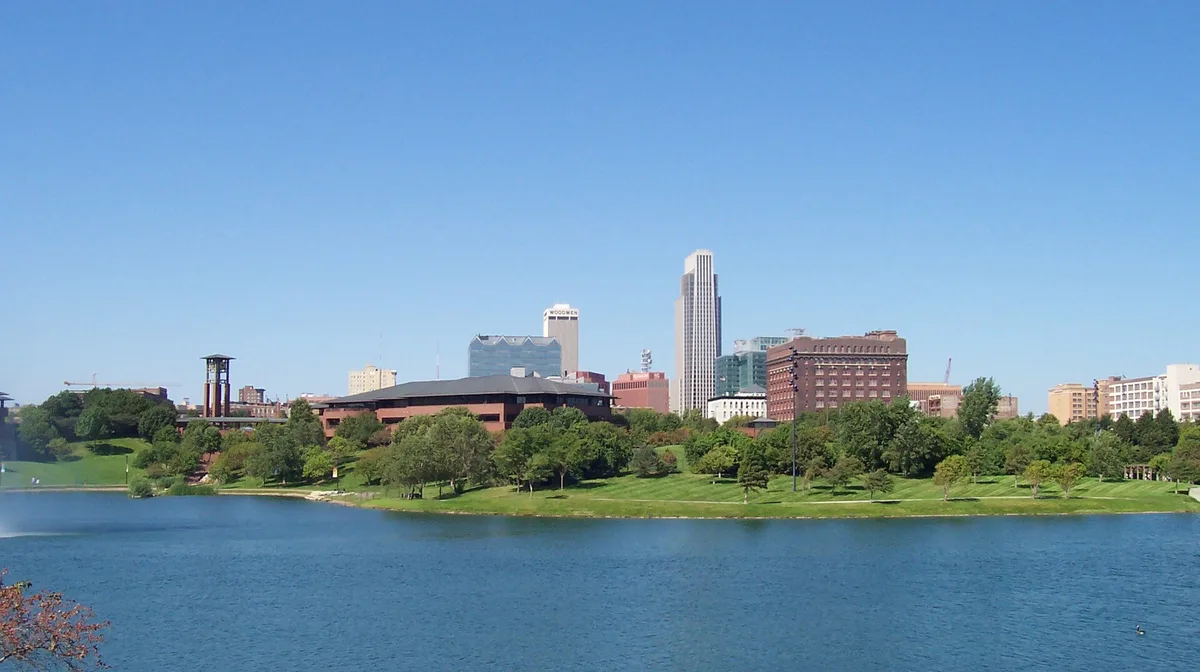
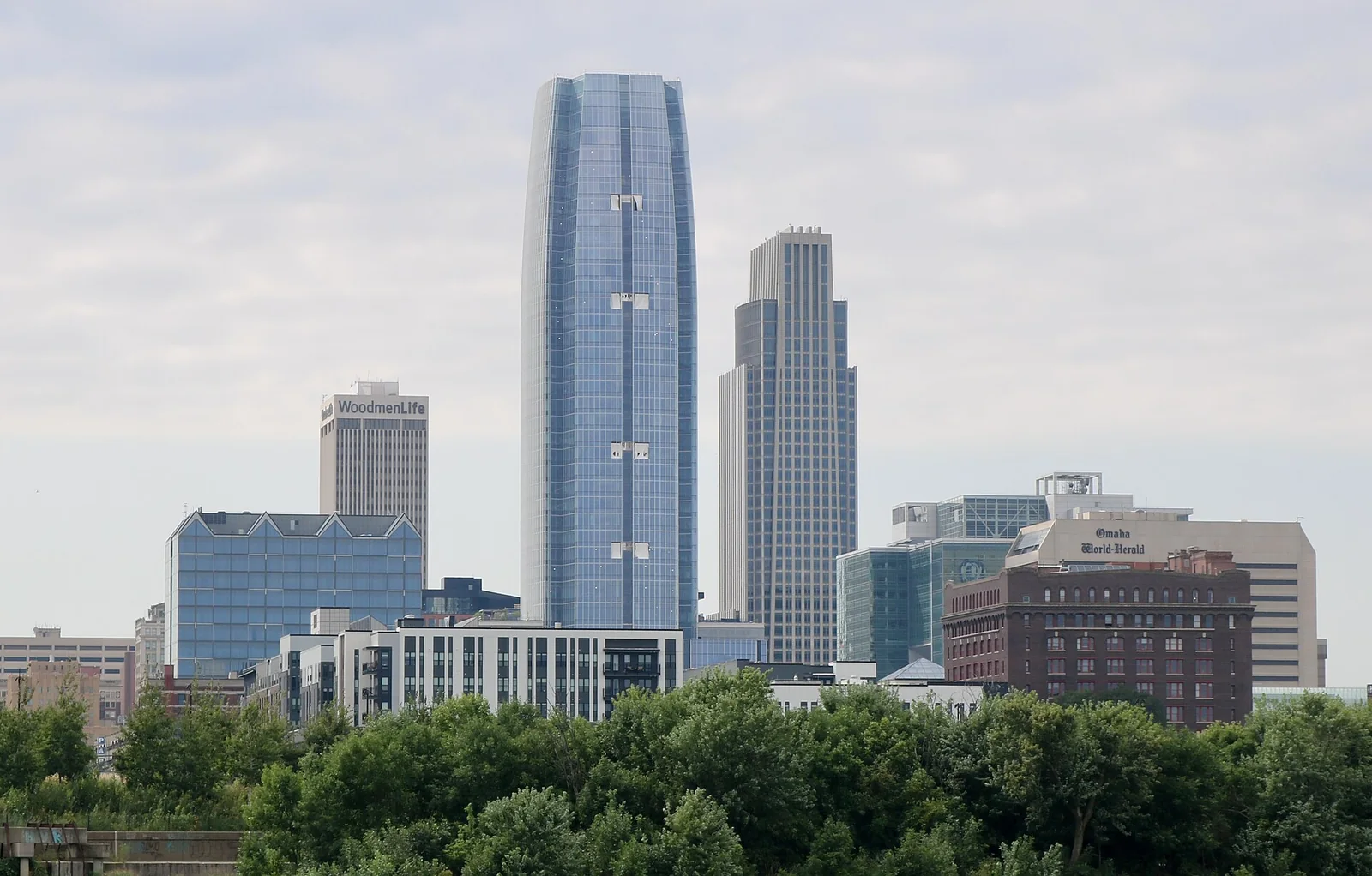
Omaha is the quietest good market in America. The city that outfitted the transcontinental railroad — Union Pacific broke ground here in 1863 and is headquartered here still — grew into a place of unreasonable substance for its size: a stockyards economy that once led the world, a downtown warehouse district whose brick streets survived into a genuine dining quarter, one of the planet's most respected zoos, and a resident investor whose annual shareholder meeting fills every bed in the metro each May. The demand calendar peaks in a way no other city's does: for eleven days each June, the Men's College World Series brings the entire college-baseball universe to Charles Schwab Field — Omaha has hosted since 1950, and the 2026 edition ran June 12-22 — while Berkshire Hathaway's meeting turns the first weekend of May into the best-priced weekend of the year. The rules are as plain as the town: Omaha has no dedicated short-term-rental ordinance as of 2026 — no city permit, no cap — and the obligations are tax-side, a stack of about 12% across state and city sales taxes and the state and county lodging taxes. Entry prices are among the lowest of any major-metro market we cover, and the yield math follows.
Omaha runs on a steady city floor with two datable spikes and a long, warm season of family demand. The College World Series is the singular event — eleven June days when eight fan bases, scouts and national media need beds at once, and downtown walk-to-stadium properties earn their year — while Berkshire weekend in early May books the metro solid with shareholders who return annually like alumni. The floor between spikes is genuinely diverse: the zoo pulls family traffic all summer, the University of Nebraska Medical Center generates year-round relocation and treatment stays, Creighton and UNO bring campus weekends, concerts fill the arena calendar, and Husker football Saturdays in Lincoln spill demand up the interstate every fall. Nightly rates average around $150 with occupancy in the mid-50s — modest numbers with unusually low volatility, because this market's demand is employment, medicine, family and baseball rather than weather. The investment story is the entry price: solid brick houses in Dundee, Benson and Midtown trade at figures that make the cash-on-cash arithmetic work without heroic assumptions, which is why Omaha keeps appearing on best-yield lists compiled by people who have never visited.
Top Attractions & Landmarks
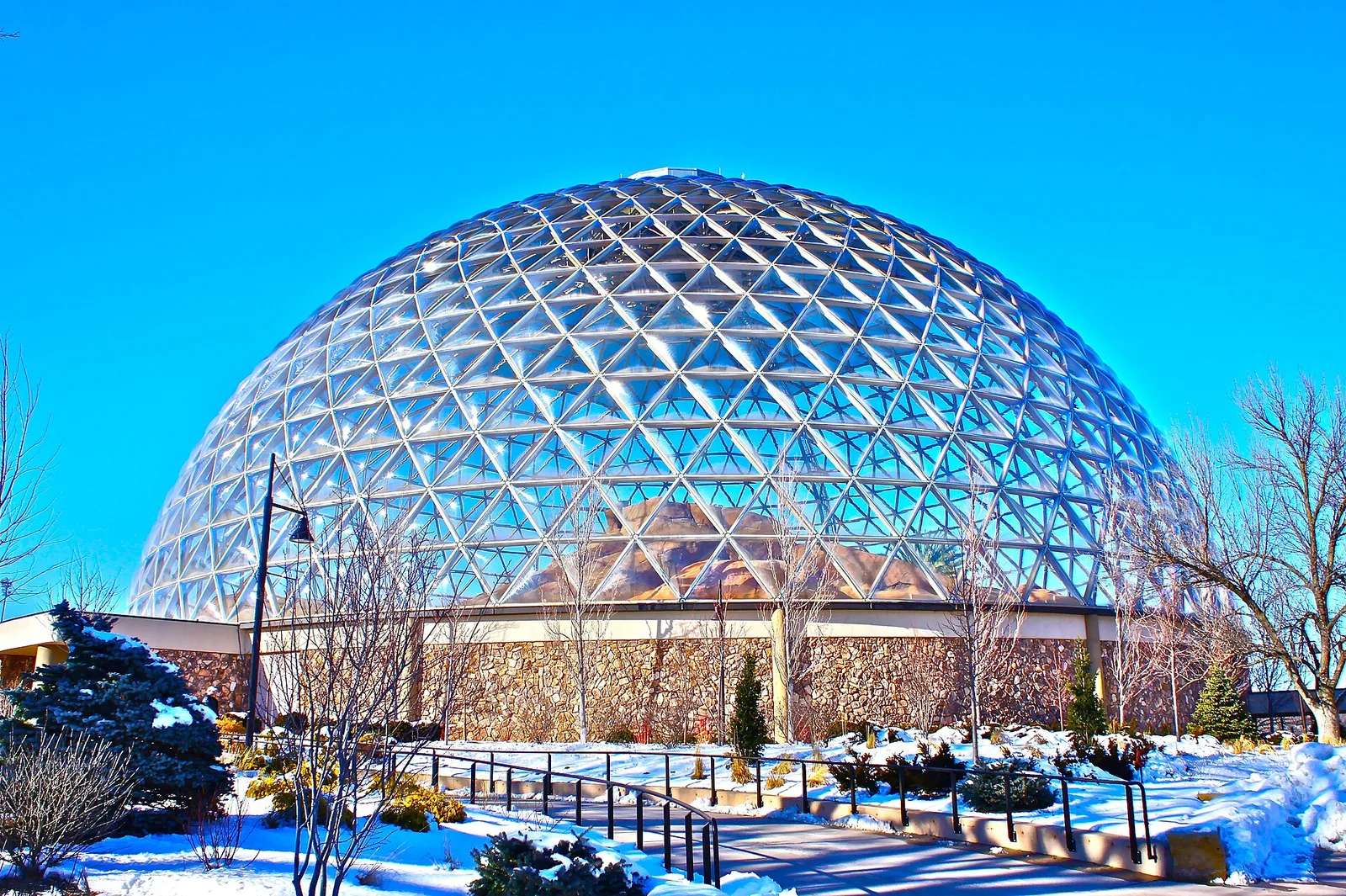
- Henry Doorly Zoo and Aquarium
- The Old Market
- The Durham Museum
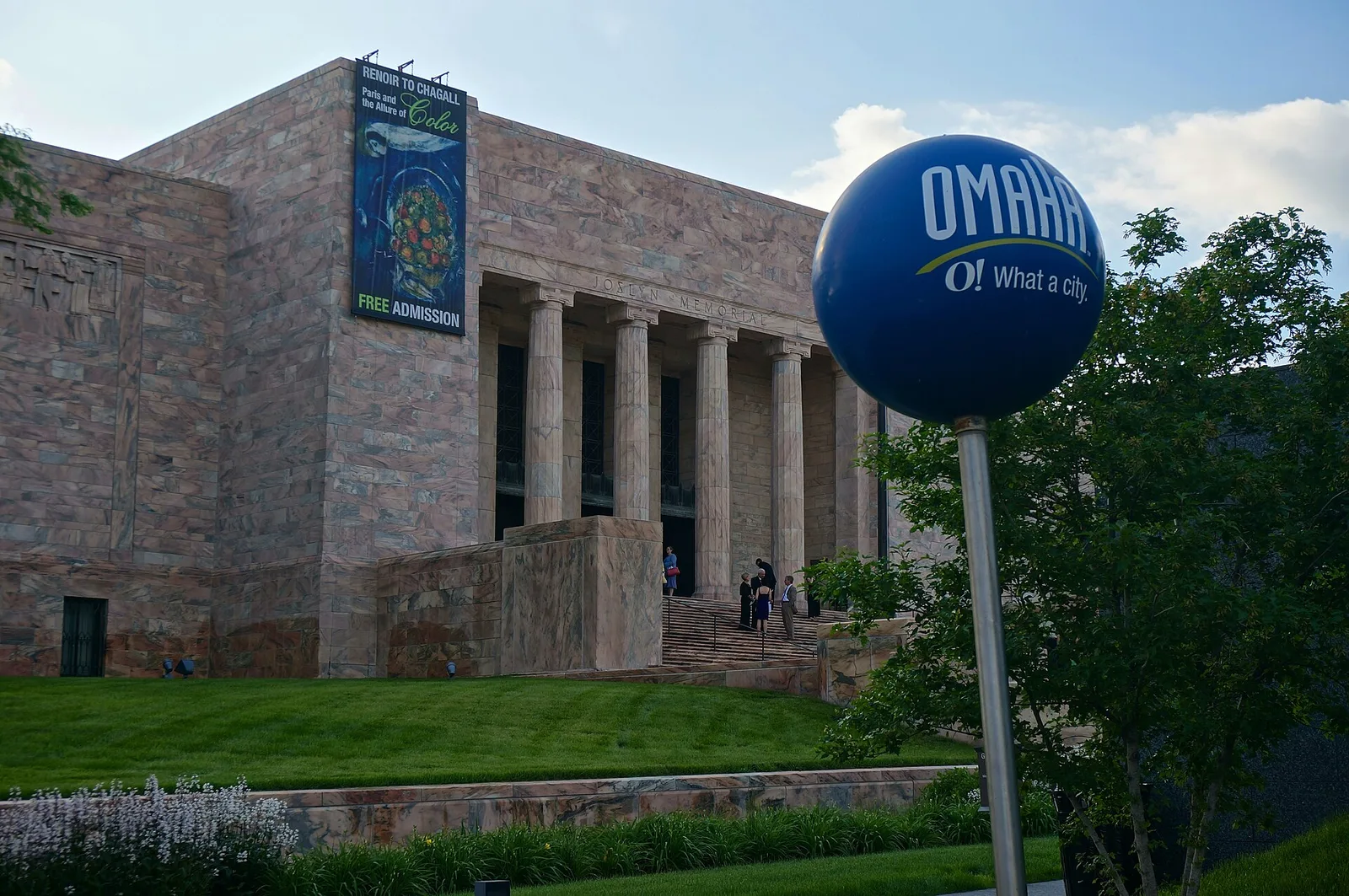
- Joslyn Art Museum
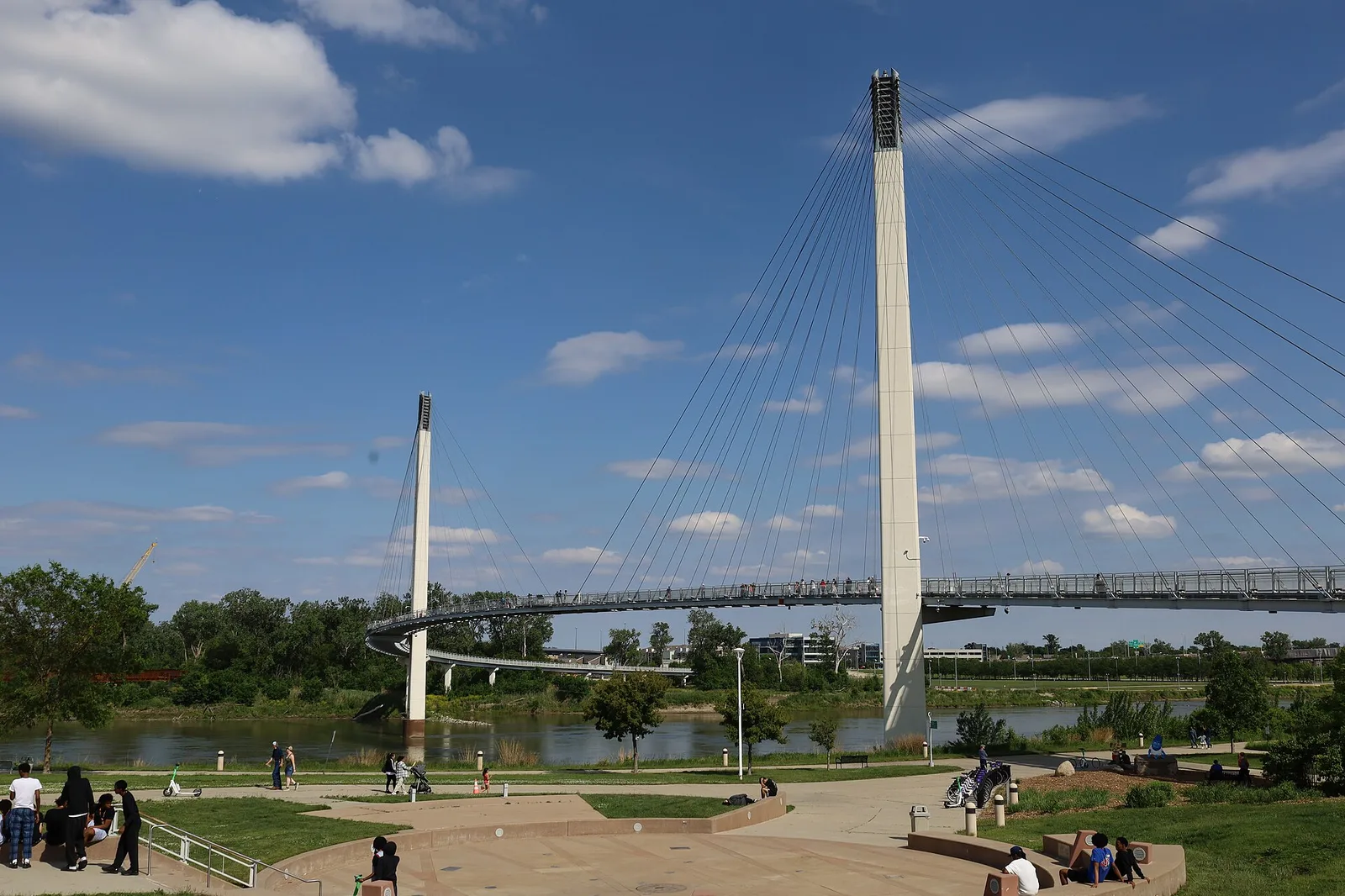
- Bob Kerrey Pedestrian Bridge
- Lauritzen Gardens
- Charles Schwab Field Omaha
Nearby Markets: Okoboji | Branson | The Black Hills