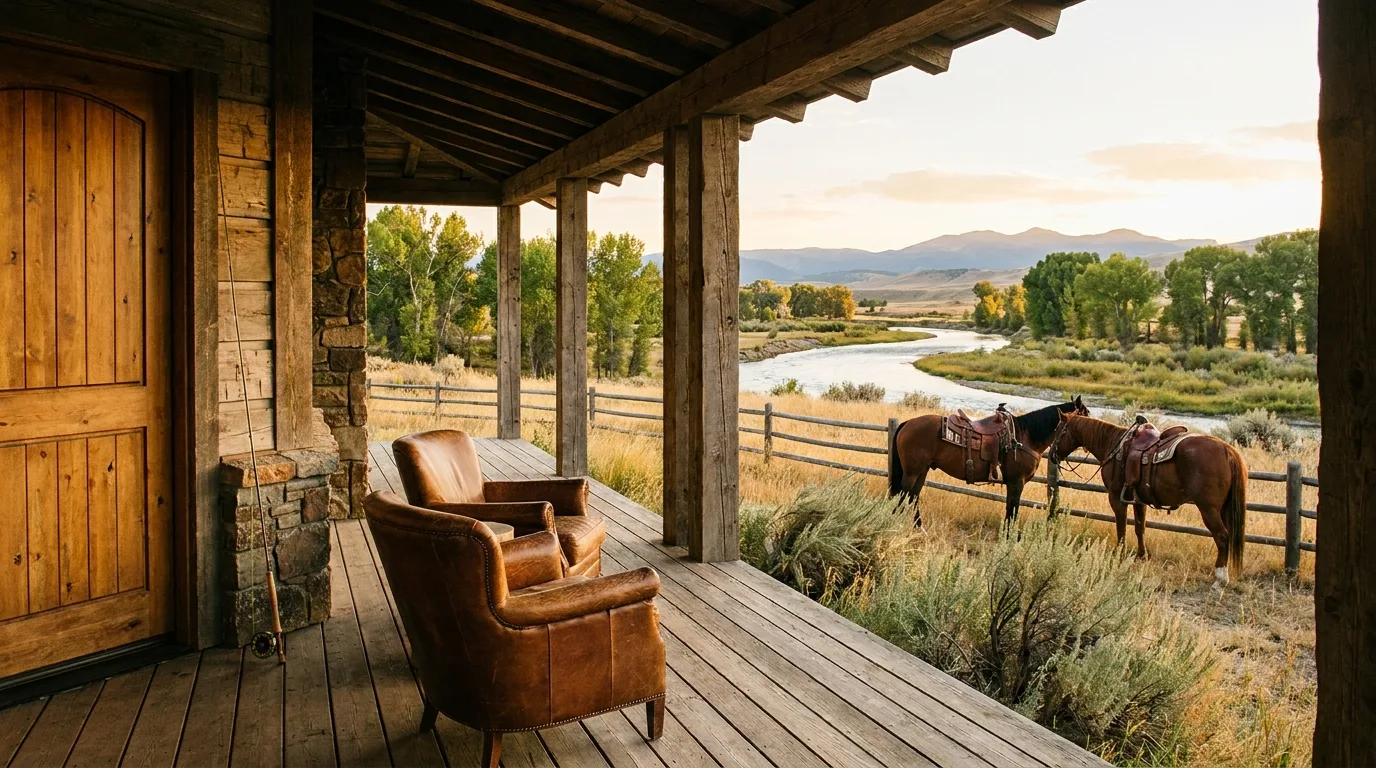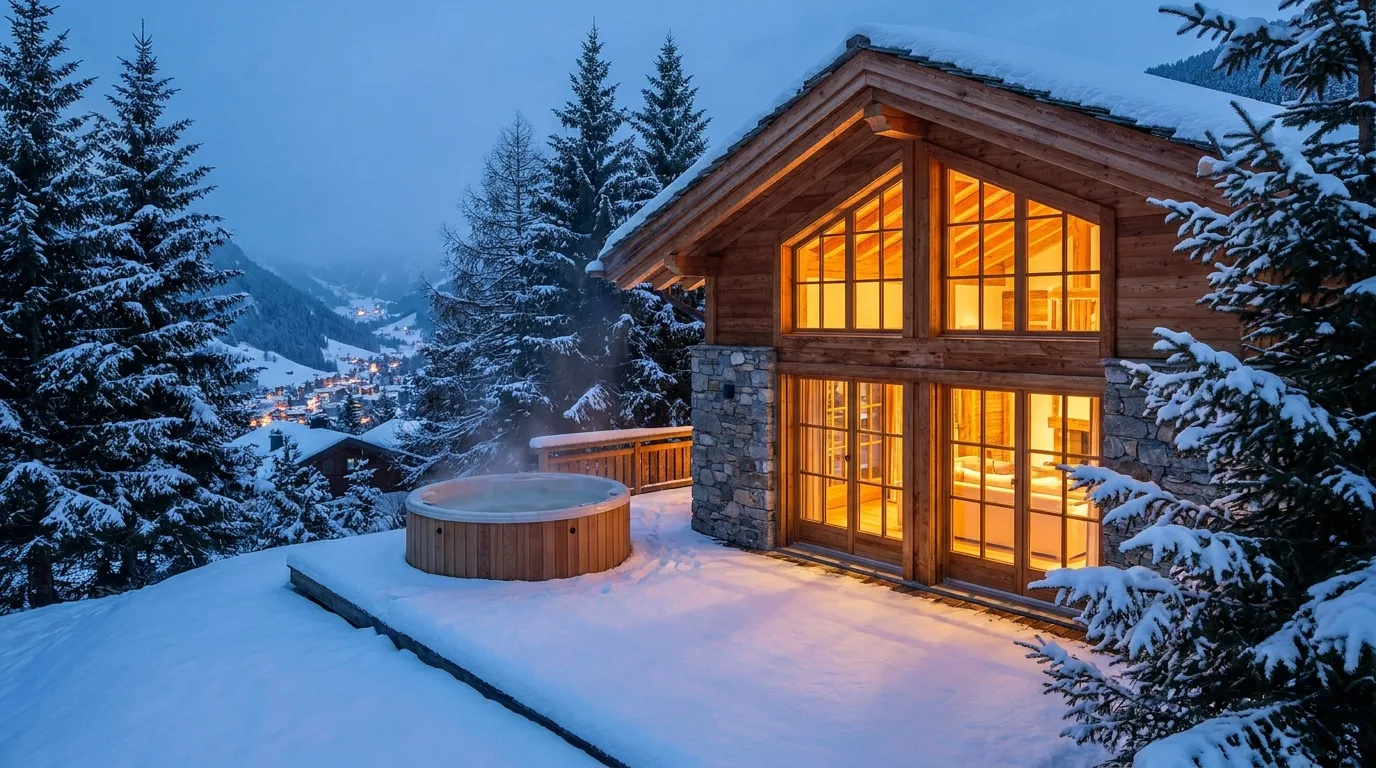

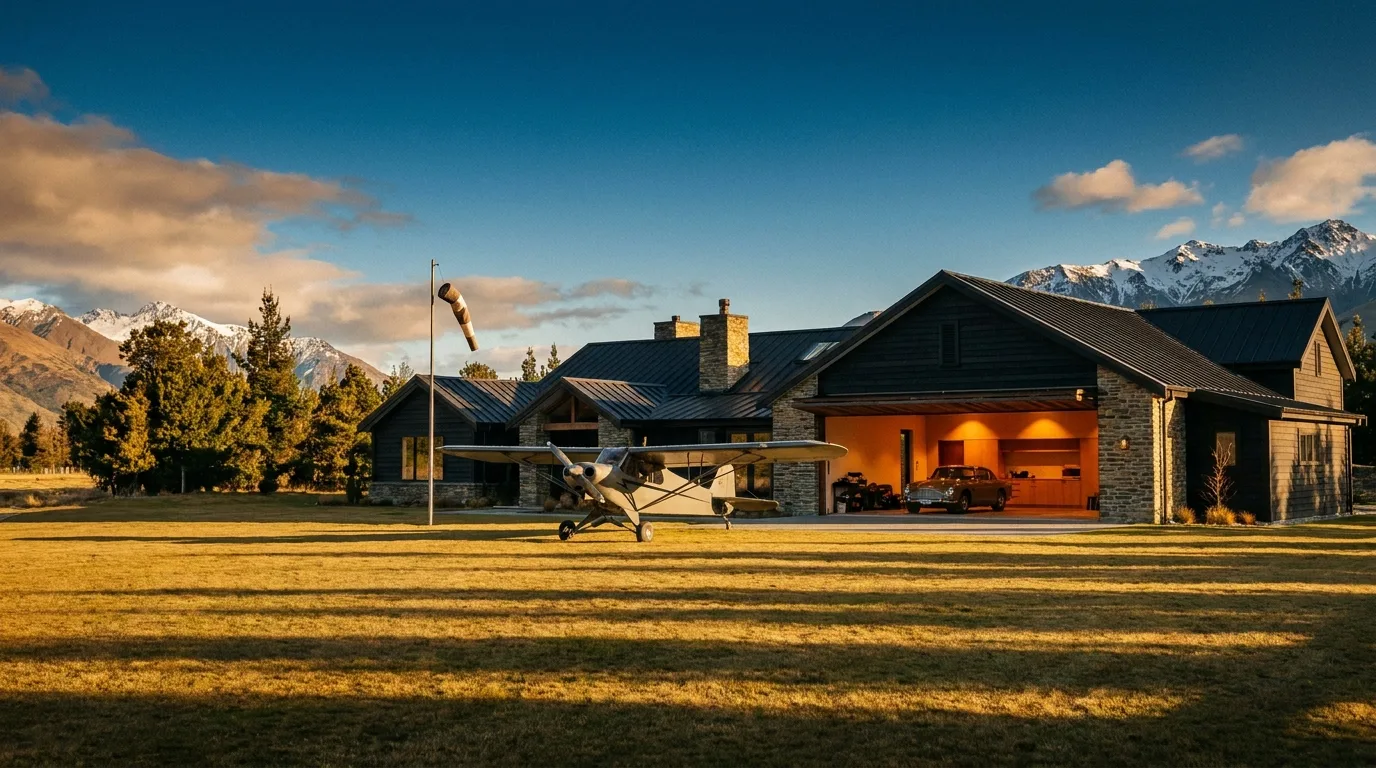


There is a whole category of property whose first amenity is the way you get there. Residential airparks like Spruce Creek in Florida, the largest in the world with about 1,500 homes and 700 hangars around a 4,000 foot runway. Ranches and lodges in Texas, Montana and Alaska with their own strips, from an 1,100 foot grass strip at a cabin outside Wasilla to the 7,500 foot paved runway at Lajitas in Big Bend. Villas on Ibiza, in St Tropez and above Courchevel with a helipad, where the transfer from the airport takes 25 to 40 minutes instead of an hour and a half on the road.
Cavmir markets these properties to the people who fly: owner-pilots planning a trip around the strip, families and companies arriving by helicopter or jet, and the advisors and operators who arrange it. The marketing has to answer the aviation questions first, because a pilot who can't find the runway length and surface on the listing moves on.
How fly-in and helipad property marketing is different
The first audience is pilots, and pilots read like pilots. They want the runway length, width and surface, the orientation, the elevation, the lighting, the identifier if the strip has one, fuel on the field or nearby, hangar space and tie-downs, the approach and any obstacles, and the weather pattern. A listing that says "private airstrip" and stops is not a listing to a pilot. The property that publishes the strip diagram and the numbers gets the booking, and it gets shared in the pilot communities and the owner-pilot associations where these trips are planned.
The second audience arrives by helicopter or jet and never touches the controls. For them the product is time and privacy: the transfer from the airport to the helipad, the arrival without a road, the discretion of a house nobody drives past. Their questions go through an advisor, an operator or an assistant: which helicopters can land, the permissions, the transfer time, the ground handling, and where the aircraft waits.
Both audiences want the same thing after the arrival: a house or a lodge that stands on its own. A runway does not rescue a mediocre property. The rest of the marketing is the marketing of an estate, a ranch or a chalet, with the aviation layer on top.
Where marketing money goes furthest for a fly-in property
The aviation page. A single, complete page on the website with the strip's numbers, a diagram, approach notes, the hangar, fuel, the nearest airports with instrument approaches and the helipad's specifications and permissions. It costs little to produce and it is the page pilots and operators forward to each other. Nothing else in the marketing works without it.
The arrival film. Landing on the strip or the helipad, taxiing to the hangar, walking into the house: sixty seconds that show the product no other property has. Shoot it from the aircraft and from the ground, at the time of day the strip looks best, and cut it for the site, the listing and the pilot communities.
Distribution to the people who fly. Owner-pilot associations, airpark communities and the pilot forums where fly-in destinations are traded; helicopter operators and the advisors who book by air; and the resort-with-runway roundups that pilots search for. A property known in those places books from referral, which is the cheapest booking there is.
Who books fly-in and helipad properties
Owner-pilots. People who own an aircraft and plan trips around places they can land. They book direct, they travel with friends who also fly, and they return to strips they trust. They are found in the pilot associations and the airpark communities, and they read the aviation page before anything else.
Families and groups arriving by charter. A chartered jet to the nearest airport and a helicopter to the estate, arranged by an advisor or an operator. They care about the transfer, the privacy and the house, and they book through the people who arrange the flying.
Sporting and outdoor groups. Hunting, fishing, heli-skiing and backcountry parties who fly in because the property is remote. Their season is the sport's season, and their questions are about the lodge, the guides and the weather windows.
Corporate retreats. Companies that fly a leadership team to a ranch or a lodge with a runway for a few days of work away from everything. Booked by an assistant, with a checklist that includes the strip, the internet and the meeting space.
Fly-in property seasonality
The season follows the sport and the weather. Alaska lodges run the summer fishing months; Texas and the Southwest run autumn and winter for hunting and mild weather; Montana and Idaho backcountry strips run from late spring to early autumn; Florida airparks are busiest in winter. Helipad villas on Ibiza and the Riviera follow the summer, and alpine helipads follow the ski season, with the Christmas and February weeks the most valuable.
Weather is the constraint no other property type has. A grass strip after a week of rain, a mountain strip in low cloud, a coastal helipad in wind: the property has to publish its weather pattern and its alternates, and the marketing for the shoulder months has to be honest about the days a pilot may not get in.
Off-season demand comes from corporate retreats, productions and events that treat the runway as a feature rather than a necessity, and from owner-pilots who fly year-round in good-weather regions.
The economics of a runway and a helipad
A strip and a hangar are a capital cost and a maintenance line: mowing or paving, lighting, a windsock, fuel if it is sold, insurance that covers aircraft operations, and the liability the owner takes on for every landing. A helipad needs its permissions, its markings and its lighting, and the owner's insurance has to cover it. These costs run whether or not anyone flies in.
The return is a booking the property could not otherwise take: the owner-pilot who would not have driven six hours, the family who would not have spent a day on the road, the corporate group that flew in for three days of work. Fly-in properties are priced as the estate, the ranch or the lodge they are, with the aviation as the reason the guest chose them over the alternative down the road.
Cavmir doesn't set your rates or advise on aviation law. The work is to present the strip, the hangar and the helipad accurately, and to put the property in front of the people who fly.
Top markets for fly-in and helipad properties
Fly-in demand concentrates around the airpark communities, the big ranch states and the remote sporting regions; helipad demand follows the summer coasts and the alpine resorts.
- Florida airparks (Spruce Creek and the Daytona area)
- Texas Hill Country and Big Bend
- Montana, Idaho and Wyoming backcountry
- Alaska fly-in lodges
- Ibiza, Mallorca and St Tropez (helipad villas)
- Courchevel and the French Alps (helicopter access)
- Mustique, Barbuda and the Caribbean airstrip islands
- Colorado and Utah mountain estates
How Cavmir works with fly-in and helipad properties
Cavmir markets the property and its arrival. We build the aviation page with your pilot or operator, direct the arrival film and the full photography of the house, build the direct-booking website, write the listings for the platforms and the pilot communities, and run the distribution to owner-pilot associations, helicopter operators, advisors and press.
The numbers on the aviation page come from you, your airport manager or your operator, and we publish them as given. The rest is the marketing of the estate, the ranch or the lodge the property is.
What it takes to earn 5-star reviews from guests who fly in
Pilots and operators are exacting reviewers, and they talk to each other. What earns the review:
- A strip that matches the page. The length, surface and condition as published, the windsock in place, the lights working, the obstacles as described. A pilot who finds a surprise on short final tells every pilot they know.
- Ground handling that is ready. Hangar space or tie-downs as promised, fuel if it was offered, a vehicle at the hangar, and someone who meets the aircraft.
- Weather honesty. A same-day call about conditions, and a clear alternate plan when the strip is not usable.
- The house at the level of the arrival. A guest who landed on a private strip expects the rest of the stay to be as good as the first minute.
- Privacy. No posting of tail numbers, no photographs of guests' aircraft, and staff who understand why.
The shot list for a fly-in property
The arrival is the product, so it leads the shoot.
- The strip from the air, on the approach, showing its orientation, its surroundings and the house.
- The landing and the taxi to the hangar, filmed from the aircraft and from the ground.
- The hangar: doors open, an aircraft inside, the tie-downs, the fuel.
- The helipad with a helicopter at rest, the lighting and the walk to the house.
- The house or the lodge, every bedroom and bathroom, the living spaces and the view from the porch.
- The land: the river, the range, the trails, the game.
- The strip at dusk, lights on, the house lit behind.
The photography direction service plans the shoot around the light on the strip and the aircraft that can be there.
Writing the listing for a fly-in property
Lead with the strip, because it is the reason the guest is reading: "Ranch on 400 acres with a 3,200 foot lighted grass strip and hangar, sleeps 12." Owner-pilots search the region and the word airstrip, and the length and surface decide whether they read on.
Then the aviation numbers in the listing body: length, width, surface, orientation, elevation, lighting, identifier, fuel, hangar and tie-downs, the nearest airports with approaches, and the weather pattern. Then the house in order, the land and the activities, the staff and the inclusions, and the road route for the guests who drive.
For helipad villas, write the transfer: the airport, the operator, the flight time, what helicopters can land, the permissions and where the aircraft waits. Then the villa. Our listing optimization service writes both the pilot version and the platform version.
Where a direct-booking site earns its keep for a fly-in property
Pilots book direct. They find the property in a community or a roundup, read the aviation page, and email or call. A direct-booking site with the strip diagram, the house, the rates and an enquiry form is the whole funnel, and every booking through it keeps the platform fee. Guests arriving by charter book through the people who arrange the flying, and those people want a site they can forward to a client.
The pages that matter: the aviation page; the house and every bedroom; the land and the activities; the staff and the inclusions; getting there by air and by road; seasons and weather; rates; and a page for retreats and productions. A Google Business Profile puts the property on the map under its own name, and search work around the region and the words airstrip, fly-in and helipad reaches the pilot who is planning next season's trip.
Beyond the direct site, a fly-in property belongs in the owner-pilot communities and the resort-with-runway directories, on the estate and ranch collections, and on Airbnb and Vrbo for the guests who drive. Press and creator stays work when the arrival is the story, and we run them through the influencer marketing service with the owner's privacy rules in hand.
Frequently Asked Questions
What owners, estate managers, advisors and family offices ask us about fly-in estates, airpark homes and helipad properties.
What does a pilot need to see on the listing?
The runway length, width and surface, the orientation, the elevation, the lighting, the identifier if the strip has one, fuel, hangar space and tie-downs, the approach and any obstacles, the nearest airports with instrument approaches, and the weather pattern. Publish a strip diagram. A pilot who can't find the numbers moves on.
How long does a runway need to be?
It depends on the aircraft. Published fly-in properties range from an 1,100 foot grass strip at a cabin in Alaska to the 7,500 foot paved runway at Lajitas in Texas. Publish your strip's numbers and let the pilot decide; never describe the strip as suitable for aircraft you have not confirmed.
What is a residential airpark?
A community built around a runway where homes have hangars and taxiway access. Spruce Creek in Florida is the largest, with about 1,500 homes and 700 hangars around a 4,000 foot runway. Airpark homes that rent draw owner-pilots who want to fly in with their own aircraft.
How does a helipad villa market the transfer?
By publishing it: the airport, the operator, the flight time, which helicopters can land, the permissions and where the aircraft waits. On Ibiza, operators quote 25 to 40 minutes from the airport to villa helipads. The transfer is the product, so the site sells it plainly.
Who books fly-in properties?
Owner-pilots who plan trips around places they can land, families and companies arriving by charter through an advisor or an operator, sporting groups flying into remote lodges, and corporate retreats. Owner-pilots book direct and refer each other.
Where do owner-pilots find fly-in destinations?
In the owner-pilot associations, the airpark communities, the pilot forums and the resort-with-runway roundups. A property known in those places books from referral, which is the cheapest booking there is.
What about weather?
Be honest about it. Publish the strip's weather pattern, offer a same-day conditions call, and have an alternate plan for the days a pilot cannot get in. Pilots respect a property that tells the truth about the strip.
Does a runway raise the nightly rate?
A fly-in property is priced as the estate, ranch or lodge it is. The runway is the reason a guest chooses it over the alternative down the road, and the reason it takes bookings a road-only property never sees.
What does the owner have to think about legally?
Aircraft-operations insurance, the liability for every landing, the permits for a helipad and its lighting, and any notifications the strip requires. Ask your aviation lawyer and your insurer; Cavmir publishes the numbers you give us and markets the property.
Which platforms list fly-in properties?
The owner-pilot communities and the resort-with-runway directories, the estate and ranch collections, and Airbnb and Vrbo for guests who drive. Each wants a different version of the listing, and we write each one.
Does Cavmir manage the property or the flying?
No. Cavmir is a marketing agency. We build the aviation page, the arrival film, the website and the listings, and run the distribution to pilots, operators, advisors and press. The property, the strip and the calendar stay yours.
What photographs does a fly-in property need?
The strip from the air on the approach, the landing and the taxi to the hangar, the hangar with an aircraft inside, the helipad with a helicopter at rest, the house room by room, the land, and the strip at dusk with the lights on and the house lit behind.