

First Morning
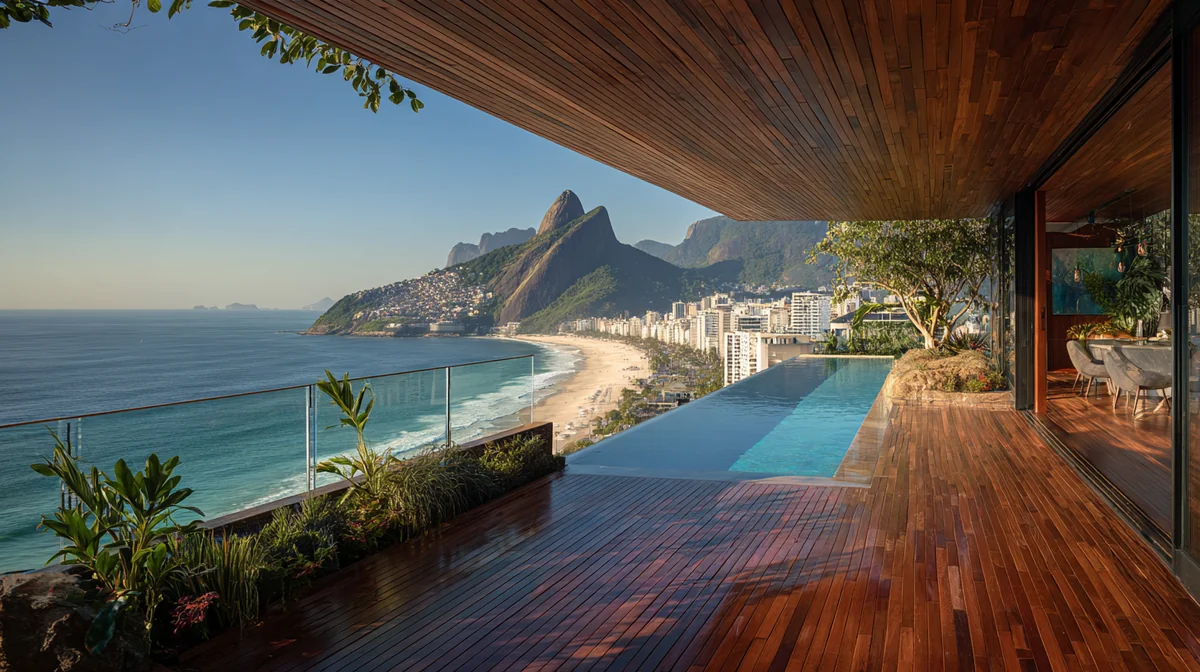
Tumon Bay at sunrise
The bay is calm, shallow and protected by the reef, and the sunrise is the first in America. Send guests down before breakfast with a note on the nearest public access and Ypao Beach Park.

Expert short-term rental marketing to grow your bookings and nightly rate on Guam — from Tumon Bay condos and Tamuning apartments to village beach houses in the south and furnished homes near the bases.
Sixteen services, one team. Everything below is built in-house and scoped to your property and market. Most owners start with the 12-Step System.
Every engagement is quoted to your portfolio. These are the ready-made scopes owners pick most — our Fall Special (55% off list or more) is already applied to the website, King Broker, Hotels and à la carte scopes. A clear proposal within 48 hours.
The work is public. Selected engagements and what changed — and reviews from the owners and managers behind them.
* Market averages from AirDNA and STR market reports. A single home's numbers depend on its size, its location and how it is marketed.
Cavmir is an Airbnb marketing agency. We build the brand, the direct-booking website and the marketing for short-term rentals in Guam.
Guam is a United States territory in the Western Pacific, about three and a half hours by air from Tokyo and four from Seoul, and it is the only place in the country where a vacation-rental owner's guest is more likely to arrive from Korea or Japan than from anywhere in America. The island runs on the US dollar, US federal law and US-style property ownership, and Cavmir lists it under the United States for exactly that reason, but its tourism economy faces west: Korea supplied more than half of Guam's visitors in the most recent fiscal year and Japan close to a third, on nonstop flights into Antonio B. Won Pat International from Seoul, Tokyo, Osaka, Nagoya and Manila, with United's Guam hub also connecting the island to Honolulu.
The rental market clusters where the visitors do. Tumon Bay is the hotel strip, a curve of white sand and high-rise resorts on the island's west coast, and its condominiums and hotel-condo units carry the leisure market, sold on the walk to the beach, the view and the shops. Tamuning next door holds the apartments and townhouses that serve both tourists and the island's own professionals; Hagåtña, the capital, adds a small, cheaper market near the government offices and the Wednesday night market at Chamorro Village. Beyond the strip, the northern villages of Dededo and Yigo sit near Andersen Air Force Base and the new Marine Corps base at Camp Blaz, where furnished homes serve military families, contractors and rotations, and the southern villages offer beach houses on a coastline most tourists never see.
The guest is not one guest. A Korean couple on a four-night package, a Japanese family on a school-holiday week, a Marine family on temporary lodging allowance while they wait for base housing, a defence contractor on a ninety-day rotation, a mainland family visiting a service member, a diver from the Philippines: each books differently, on different platforms, in different languages and for different lengths of stay. The market's reward goes to the owner who decides which of those guests a unit is for and markets to them precisely, in the channels they actually use, instead of posting a condo and hoping.
What makes Guam unlike any other US market is the combination of American rules and Asian demand. There is no visa to arrange for most of the island's visitors, who arrive under the Guam-CNMI visa waiver for stays of up to 45 days; there is no currency to convert; there is a state-of-the-art hotel strip and a rental market that is still small and unprofessional by mainland standards. Tourism is recovering rather than recovered, at roughly half of its record 2019 volume, which means the owners who build a brand, a direct channel and a bilingual presentation now are positioning for a market that is still growing back.

Cavmir markets Guam rentals for the guest each unit is actually for, the Korean couple on a Tumon package, the Japanese family on a holiday week, the military family that needs a furnished home for sixty days, rather than as inventory in an island feed. We put your property in front of the traveler who books Guam: the Seoul planner comparing condos to hotels, the family in Tokyo booking Golden Week in February, and the service member searching from Okinawa, wherever they search, from Google and Instagram to the channels Korean and Japanese travelers use that mainland owners never touch.
Guam has been a crossroads for centuries: the home of the CHamoru people for more than three thousand years, a Spanish colony from the seventeenth century, a United States territory since 1898, occupied by Japan from December 1941 until the American liberation in July 1944, and granted US citizenship and civilian government by the Organic Act of 1950. The War in the Pacific National Historical Park preserves the battle sites at seven locations around the island, and Liberation Day on July 21 remains the biggest day on the calendar. The military built the modern island, Andersen Air Force Base in the north and Naval Base Guam in the south, and tourism built the rest.
Tourism arrived with the jet age and Japan's boom. Tumon Bay's hotel strip went up from the 1970s onward for Japanese honeymooners and package tourists, Korea's outbound travel surge in the 2000s and 2010s made it the island's second and then first market, and arrivals reached a record of more than 1.6 million in 2019. Short-term rentals grew in the shadow of the hotels: condominiums in Tumon and Tamuning rented to tourists on the platforms, apartments filled with contractors and military families, and Guam's legislature passed a framework for short-term vacation rentals in 2016 that, by the legislature's own account three years later, had gone largely unenforced.
The pandemic emptied the island's tourism almost completely, and Typhoon Mawar, which passed over the northern tip as a Category 4 storm in May 2023, knocked out power to nearly the whole island and damaged the Tumon resorts just as visitors were returning. Recovery since has been steady rather than fast: Guam received about 783,000 visitors in 2025, up nearly 6 percent on 2024 but still under half of 2019, with Korea now more than half the mix and Japan about a third. Exit surveys show more than nine in ten Korean and Japanese visitors would return, and arrivals in the opening months of the 2026 fiscal year ran more than 20 percent ahead of the year before.
Today the rental market is small, fragmented and unusually diverse in its demand. Short-term rentals in Hagåtña average nightly rates near $110 at roughly half occupancy, Tumon beachfront condos run considerably higher, and the furnished-home market near the bases behaves like a mid-term corporate market with government-set allowances behind it. The Department of Revenue and Taxation has begun inspecting lodging facilities and citing unlicensed operators, which is pushing the market toward professionalisation. What has not caught up is the marketing: most Guam listings are written in English only, for a mainland guest who is a minority of the demand, with photos that ignore the beach the guest came for.
Guam pricing is tiered by the strip first and by guest type second. Tumon Bay condominiums with a beach walk and an ocean view anchor the leisure market and price against the hotels on the same sand, which means they win on space and a kitchen and lose on breakfast and a pool unless the listing says otherwise. Tamuning and Hagåtña apartments carry the value tier for tourists and the workhorse tier for island professionals and visiting families. Furnished homes and apartments near Andersen and Camp Blaz price as thirty- to ninety-day products, against the per-diem and lodging allowances that govern what a military family or a contractor can spend.
The calendar is shaped by other countries' holidays. Japan's Golden Week at the turn of April and May, the Obon holidays in August and the New Year; Korea's Lunar New Year, summer holidays and Chuseok in the autumn; the US military's summer moving season; and the mainland's Christmas all produce peaks, and they do not line up with each other, which is why Guam's occupancy is flatter across the year than a mainland beach's. Typhoon season, which runs from summer into early winter, is the soft window, and a storm can close the airport and empty the strip for days.
The mistake most owners make is pricing one product for every guest. A Korean couple booking four nights on a package, a Japanese family booking a week for Golden Week, a Marine family booking sixty nights on allowance and a mainland family visiting a sailor for Christmas are four guests with four price curves and four sets of expectations, and each needs its own copy, photography and rate. Owners who sell those products explicitly fill the nights the strip's hotels and the other condos never see.
Moderate seasonality, driven by Korean and Japanese holiday calendars, the military's summer moving season and the mainland's winter. Guam is warm all year; the soft window is typhoon season from roughly July into December, when storms can disrupt flights, and the strongest weeks follow the Korean and Japanese school holidays. Stays are short for tourists and long for the military and contractor market, and a unit can serve both if the calendar is managed deliberately.
The revenue most owners miss is the mid-term market. Military families waiting for base housing, contractors on rotation and visiting relatives of service members need furnished homes for thirty to ninety days and are underserved by the strip's hotels; a unit that offers a plain monthly product, with the paperwork those guests need, fills the months the tourist calendar leaves empty.
Guam regulates short-term rentals as lodging facilities under territorial law. The framework passed in 2016 as Public Law 33-165 requires short-term vacation rentals and bed-and-breakfasts to be licensed with the Department of Revenue and Taxation as lodging facilities, with a business licence and the occupancy and safety permits the licence requires. For several years the law was barely enforced; the Department has since run compliance operations, inspecting lodging facilities and citing unlicensed and improperly licensed operators, so the paperwork is no longer optional.
The taxes are the part that surprises mainland owners. Guam levies an 11 percent hotel occupancy tax on the room charge of hotels and lodging houses, which funds the Tourist Attraction Fund, and a registered bed-and-breakfast pays a lower rate; the platforms do not collect it for you. On top of that sits the business privilege tax, a gross-receipts tax on rental income that rose to 5 percent in 2018, fell to 4.5 percent on October 1, 2025 and is set by law to reach 4 percent on October 1, 2026, plus Guam's own income tax, which mirrors the federal code and is paid to the territory rather than to the IRS. Property taxes are low by mainland standards, but there is an additional levy on improvements valued at a million dollars or more.
None of this is prohibition, and Guam's rental market is less restricted than most mainland resort towns, but it is a territorial system with its own agency, its own forms and its own enforcement mood. Treat this section as orientation rather than legal advice: confirm current licensing, occupancy and tax requirements with the Department of Revenue and Taxation, your condominium association and a Guam accountant before you list. Cavmir handles the marketing side; licensing and tax compliance sit with you and your local professionals.
First, market in the guest's language and channels. More than eight in ten of Guam's visitors come from Korea and Japan, and they plan on platforms, in apps and through travel agencies that a mainland owner has never heard of. A listing with Korean and Japanese translations, photographs that show the beach walk and the kitchen, and clear guidance on the visa waiver, the power sockets and the airport transfer converts a guest that English-only competitors never reach.
Second, decide who the unit is for. A Tumon condo can chase the package tourist against the hotels, or it can serve the mid-term market of military families and contractors on allowances, and the calendar, the furnishing and the paperwork are different for each. The furnished-home market near Andersen and Camp Blaz is growing with the base and is underserved; a plain monthly product with the documentation those guests need fills months the tourist calendar cannot.
Third, sell the island beyond the strip. Two Lovers Point, the beach and latte stones at Ritidian, the war sites, the Wednesday night market at Chamorro Village, the southern villages and the reef are the reasons a repeat visitor comes back instead of choosing Okinawa or Cebu. A welcome book that maps them, with drive times and a note on renting a car, turns a four-night package into a week and a first stay into a second.
Fourth, treat operations as marketing. Typhoon preparation stated plainly, a generator or a clear power-outage plan, a check-in that works for a guest arriving at midnight from Seoul, air conditioning that actually holds, and a listing whose photos match the unit exactly are what the reviews praise in this market. A wall of recent five-star reviews in three languages moves search rank and defends the rate, and it is slow for a neighbour to copy.
Typhoons are the structural risk. Mawar in May 2023 knocked out power to almost the whole island and damaged the Tumon strip, and every summer brings the possibility of a closed airport and an empty calendar. Owners need storm-rated shutters, a power plan, insurance that names the risk, and a cancellation posture that converts a nervous Seoul or Tokyo planner into a booking instead of a bounce.
The market is still recovering and the flights are the constraint. Arrivals in 2025 sat under half of the 2019 record, the tourism bureau has said openly that the island needs more airline seats, and a single carrier's schedule change can move a season's demand. Owners who depend on one guest nationality or one platform feel every swing; owners who serve tourists, military families and contractors from the same unit ride through them.
There is also a professionalism gap. Most of the island's short-term rentals are run casually, in English, with the photography and the response times of a spare room rather than a hospitality business, and the enforcement mood at the Department of Revenue and Taxation is tightening. That is the opportunity: a licensed, bilingual, well-presented unit with a direct channel stands out on Guam in a way it never could on Waikiki.
Guam sits in typhoon country and insurers price it that way: expect windstorm cover with named-storm deductibles, careful underwriting of concrete versus wood construction, and separate flood cover for low-lying coastal units. Short-term-rental use must be disclosed, and condominium master policies in Tumon carry deductibles that land on unit owners. Shop the policy through a Guam broker who knows the buildings.
Guam is a separate tax jurisdiction with a mirror of the federal income tax code administered by the Department of Revenue and Taxation, an 11 percent hotel occupancy tax on room charges, and a business privilege tax on gross rental receipts (4.5 percent from October 1, 2025, and set by law at 4 percent from October 1, 2026). Property taxes are low, with an added levy on improvements over a million dollars. None of the transient taxes are collected by the platforms; the operator remits them. Coordinate with a Guam accountant.
Financing is US-style but local: Guam banks and credit unions dominate, appraisals in Tumon and Tamuning are thin outside the condo towers, and lenders want a realistic revenue model that separates tourist nights from mid-term military and contractor stays. Model the full carry, including the occupancy and gross-receipts taxes, before you count on the strip.
Guam has no city or county ordinance to read. One territorial government writes every rule a rental owner touches, and three parties decide if you can operate legally: the Department of Revenue and Taxation, which issues the business licence and collects the taxes; the Department of Land Management and the Guam Land Use Commission, which rule on zoning; and your condominium board, which can stop the plan on its own. The Guam Visitors Bureau doesn't license rentals, but it still shapes the rules you operate under, because its marketing budget comes out of the Tourist Attraction Fund that the occupancy tax fills. When a 2018 bill set out to make the Department collect the 11 percent excise from short-term rentals, which it hadn't yet applied to them, the bureau backed it as a way to level the field for every kind of lodging. That's the stance to expect from the people who sell the island: rentals on the same footing as the hotels, paying the same tax.
Start with the zone, because it decides what comes after it. A single-family house in the villages is the hard case: Guam Land Use Commission agendas have carried conditional-use applications to run a short-term rental out of an existing house, including one in Agat's R-1 zone and one in Talofofo, which means a public hearing, a decision and conditions before the first guest arrives. Ask the Department of Land Management for the lot's zone in writing before you make an offer. The business licence comes next, through the Business License and Permit Center in Tamuning, where a new file is routed to other agencies for inspections and clearances, so plan on a fire-safety check before anything issues. Get occupancy, parking and quiet-hour limits in writing from each party that can set them: the commission's conditions, the building's house rules and the inspector's report. In the Tumon and Tamuning towers, the condo documents come first. Read the declaration and house rules for transient bans and minimum lease terms, then ask the board how it enforces them, because a board that fines nightly rentals ends the plan faster than any regulator.
Guam has no general sales tax, so the guest-facing tax is the hotel occupancy tax: 11 percent of the room charge for hotels and other lodging, while the 2016 law set a 4 percent excise for licensed bed-and-breakfasts. The second layer is the business privilege tax on your gross receipts, and it's the one that moved. It went to 5 percent in 2018 as a temporary measure, fell to 4.5 percent on October 1, 2025 and is set by law to reach 4 percent on October 1, 2026, after senators voted 11-4 on September 29, 2025 to override the governor's veto of the budget that carried the cut. Her office put the cost at $40 million in fiscal 2026 and $80 million in fiscal 2027, and the rollback was argued over again in this year's budget sessions, so check the rate on the Department's current return and confirm the current figures with the Department of Revenue and Taxation before your first filing. Returns are monthly and electronic, due by the 20th of the following month on Form GRT-1, and the occupancy tax is remitted monthly as well. Add Guam's own income tax on the profit, and that's the full stack.
Don't count on a platform to file any of this for you. Airbnb's own list of the places where it collects and remits occupancy tax names Puerto Rico and the U.S. Virgin Islands among the territories, and Guam isn't on it, so you charge the occupancy tax and remit it on every stay booked through Airbnb, Vrbo or your own website. Check each platform's tax page before you assume otherwise. On your direct-booking site, show the tax as its own line, so the guest from Seoul sees the same total at checkout that your return will report. The licence and both tax accounts are registered to you as the operator, so a buyer applies in their own name after closing, and a conditional-use approval comes with conditions to read before you sign. Guam's rules sat on the books for years before anyone enforced them: in 2019 the government estimated around 100 bed-and-breakfasts operating while it still wasn't collecting their tax. That era is over, and a licensed unit with clean monthly returns is the one that survives the next inspection sweep. None of this is legal or tax advice, so have a Guam attorney and an accountant who files GRT-1 returns sign off on your setup before the first booking.
Guam is a small island that still splits into markets that barely overlap. The west-coast strip from Tumon into Tamuning sells the beach to Korean and Japanese visitors on short stays. The northern villages around Andersen Air Force Base and Camp Blaz sell furnished homes to military families and contractors by the month. Hagåtña, its neighbors and the southern villages sell everything else: government and hospital visitors, divers, repeat guests and mainland relatives who want the island beyond the hotels. Pick the guest before the address, because the rules shift with it: on the strip the building's house rules govern you, and in the villages zoning is the question. It's the read Cavmir starts from when we market a home here.
Tumon is the leisure market: the hotels along Pale San Vitores Road, the reef-sheltered bay, Ypao Beach Park and the shops, with the airport a short drive away. Its guest is the Korean couple on a short package or the Japanese family on a school-holiday week, and the unit that wins is an ocean-view condo with a kitchen, a washer and a walk to the sand, priced against the hotel next door. The building is the whole question here. Many towers restrict transient use, so read the declaration and the board's minutes before you fall for a view, and ask about the master policy's typhoon deductible, the generator and the elevator plan after a storm. Tamuning wraps around Tumon and plays a different role. Harmon, Upper Tumon and the streets toward Guam Premium Outlets and Guam Memorial Hospital hold apartments and townhouses that suit value tourists, medical and business travelers, and island professionals between leases. It's the most flexible ground on Guam: a unit there can sell short stays through the Korean and Japanese holidays and monthly terms in the soft months, provided the building allows both.
North of the strip, demand comes through the base gates. Andersen Air Force Base sits in Yigo and the new Marine Corps base, Camp Blaz, in Dededo, with Micronesia Mall and Guam Regional Medical City close by. The guest is a family on temporary lodging allowance waiting for housing, a contractor on rotation or parents visiting a service member, and the property that fits is a furnished house with a yard, off-street parking, a washer and dryer, a written power plan and a monthly price. These are single-family neighborhoods, so the zoning question from the section above applies in full, and the length of stay matters too: a monthly furnished lease and a nightly rental can fall under different rules and taxes, so have the Department of Revenue and Taxation or a Guam attorney tell you where your lease lands. Check the drive to the gate at rush hour, the house's power and water record after the last typhoon, and whether the base housing office will list it. The same product works in the south, in Santa Rita and Agat beside Naval Base Guam, and in Agana Heights, home of the naval hospital.
Hagåtña is the capital, quiet after office hours, with the Chamorro Village night market and the government offices that bring a steady flow of official visitors. Apartments there and in neighboring Sinajana and Mongmong-Toto-Maite suit budget travelers and short business trips at prices the strip can't match. The south is the Guam most visitors never see: Agat, Umatac, Merizo, Inarajan and Talofofo, with Cocos Island off Merizo, the natural pools at Inarajan and the falls at Talofofo. It wins divers, repeat visitors who've done Tumon and mainland families who want room, and the property is a beach house or a family home with a view and a driveway. Treat the drive back to Tumon and the airport as part of the product and state it in the listing. Before you buy, confirm the zone and whether a conditional use is needed with the Department of Land Management, then check the water and power record, the cell signal, the road's flood history and how exposed the coast is to typhoon surf, and budget for heavier storm prep.
Guam's outlook is growth from a low base. Arrivals are climbing double digits year on year from under half of the 2019 record, Korea and Japan are both expanding, United and the Asian carriers are adding capacity, and the Marine Corps relocation from Okinawa, an $8.9 billion base at Camp Blaz built to host roughly 4,000 Marines with more than 2,400 new military housing units planned through 2032, is creating a demand for furnished housing that will outlast any tourism cycle.
The pressures to watch are enforcement and storms. The Department of Revenue and Taxation's inspections will keep pushing casual operators out or into compliance, which thins the competition for licensed owners; typhoons will keep insurance rising and calendars fragile. Owners who license properly, insure fully and serve more than one guest market from the same unit will compound; owners who post a condo and wait for the platforms to fill it will not.
The other shift is in how guests find the island. Korean and Japanese travelers already plan through apps, assistants and search rather than platform scrolls, and properties that publish clear, structured, useful information in their languages, the beach walk, the visa waiver, the airport transfer, the typhoon policy, a fast site an assistant can read, surface in those answers. Positioning for that now, while most of Guam's rentals are still English-only listings on one platform, is the most durable advantage an owner can build.
Guam is the rare American market where the guest is not American, and the whole game is understanding what that guest actually wants: a beach walk from the door, a kitchen, a clean, quiet, safe apartment with Wi-Fi that works, and a host who explains the island in their language. When a listing delivers that plainly instead of copying Waikiki's vocabulary, it attracts the traveler who is actually shopping for Guam, and that traveler rebooks, recommends the unit to a whole office in Seoul and complains less.
What I love about marketing here is the second market hiding behind the first. The tourists fill the holidays; the military families, contractors and visiting relatives fill the months between, and almost nobody markets to them properly. One well-presented unit serving both outperforms a tourist-only competitor on revenue and on stress, and the cost of building that second channel is a fraction of chasing package guests every week.
And the raw material is remarkable. The photographs take themselves when Tumon Bay goes turquoise at seven in the morning; the stories write themselves when the sun rises here before anywhere else in America. Our job is rarely to invent an angle. It is to notice the true one the owner has stopped seeing, frame it plainly, in the guest's language, and put it in front of the family in Seoul or Tokyo already looking for exactly that.
The picks Cavmir puts in a Guam welcome book: the details that make a stay feel like resident knowledge instead of a printed concierge script, and that quietly earn the five-star reviews.
The bay is calm, shallow and protected by the reef, and the sunrise is the first in America. Send guests down before breakfast with a note on the nearest public access and Ypao Beach Park.
The lookout above Tumon Bay, a National Natural Landmark named for a CHamoru legend of two lovers who leapt from the cliff rather than be parted. Ten minutes from the strip; go late in the afternoon.
The Guam National Wildlife Refuge at the island's northern tip: a white-sand beach, jungle trails, limestone cliffs and the remains of an ancient CHamoru village with a preserved latte stone. Check the refuge's opening days before sending guests.
Seven sites around the island tell the story of the 1941 invasion, the occupation and the 1944 liberation. The visitor centre at Asan is the place to start; Liberation Day on July 21 is the island's biggest celebration.
Open daily, but Wednesday evening is the one: cultural shows, barbecue, local food stalls and crafts made on Guam. Tell guests to arrive hungry and early.
Chef Peter Duenas's restaurant at the Grand Plaza Hotel in Tumon, the island's first CHamoru fusion kitchen: coconut seafood pasta, fried parrotfish, octopus tinaktak and the fiesta platter. Reserving ahead makes a host look heroic.
The southern villages are the Guam most tourists never see: quiet bays, church squares and a coast road worth a full day with a rental car. A route and a lunch stop turn a package stay into a week.
Answer both before they are asked: most Korean, Japanese and Taiwanese visitors arrive under the Guam-CNMI visa waiver for up to 45 days with an electronic I-736; the airport is fifteen minutes from Tumon. A plain paragraph in the guest's language prevents the only common complaint.
Explain what happens if a typhoon watch is issued: the shutters, the power, the water, the refund. Trusting guests with the truth converts the nervous planner in Seoul that your neighbours never reach.
If the unit sits near Andersen or Camp Blaz, say plainly that it suits families on temporary lodging allowance and contractors on rotation, with the paperwork they need. It fills the months between the holidays.
The big grocery stores are off the strip; the Tumon shops are for souvenirs. One good provisioning note saves a family a taxi and reads as care.
Representative Cavmir engagements in Guam. Property identifiers redacted; figures composited from internal analytics and market benchmarks.
A beachfront condominium competing directly with the hotels on the same sand, listed in English only with a photo of the sofa first, at a rate that undercut the hotels without saying why anyone should choose it.
Rebuilt the listing around the unit's specific advantages, the four-minute walk to the water, the kitchen, the space for a family of five, with Korean and Japanese translations, new photography, a proper brand name and a direct-booking page with a visa-waiver and airport-transfer guide.
Occupancy climbed from the low-40s to the low-60s across the year, Korean and Japanese guests went from a minority to the majority of bookings, and direct and repeat bookings now anchor the weeks between the holiday peaks.
A house near Andersen Air Force Base earning a handful of tourist nights a month, positioned as a vacation rental in a village tourists never visit.
Repositioned it explicitly as the furnished home for military families on lodging allowance and contractors on rotation, thirty- to ninety-day stays, with the documentation those guests need, plain monthly pricing and outreach through the channels those families actually use.
The house went from mostly empty to consistently occupied on monthly stays, revenue rose by roughly a third on lower turnover costs, and the owner added a second unit.
A well-kept apartment near the strip renting on price to whoever turned up, with no language beyond English and no channel beyond one platform.
Positioned it as the value base for the Korean couple on a package, five minutes from Tumon and the airport, a kitchen and a washer, with Korean-language copy, accurate photography and search-optimized content for the queries Korean travelers use.
Direct traffic on Korean-language queries tripled, occupancy stabilized near 70 percent through the Korean summer and Chuseok waves, and the owner raised rates twice in a year.
Yes. Cavmir works with condominium, apartment and home owners across the island, Tumon Bay and Tamuning, Hagåtña, the northern villages near Andersen and Camp Blaz and the southern coast, on branding, listing optimization, photography direction, direct-booking websites, SEO and paid campaigns, including Korean- and Japanese-language presentation for the guests who actually book Guam.
The snapshot on this page shows average nightly rates near $120 with occupancy near 48 percent, drawn from AirDNA's data for the Hagåtña market and island-wide indications; Tumon beachfront condos run considerably higher and furnished homes near the bases earn on monthly terms. Treat these as directional averages, not guarantees; Guam's market is small and the gap between a well-marketed and a poorly-marketed unit is wide.
Korea supplies more than half of Guam's visitors and Japan about a third, with the rest from the US mainland, Taiwan, the Philippines and the military community. Peaks follow Japan's Golden Week and Obon, Korea's summer holidays and Chuseok, the military's summer moving season and the mainland's Christmas. Typhoon season, from summer into early winter, is the soft window.
Yes. Guam's 2016 short-term vacation rental law requires a lodging facility licence from the Department of Revenue and Taxation and a business licence, and the operator remits the 11 percent hotel occupancy tax and the business privilege tax on rental income, which the platforms do not collect. Enforcement has tightened after years of neglect. Confirm current requirements with the Department, your building and a Guam accountant. Cavmir handles the marketing side; we don't provide legal or permitting advice.
Most do not. Citizens of Japan, South Korea, Taiwan, Australia, the United Kingdom and several other countries can visit Guam for up to 45 days under the Guam-CNMI visa waiver program with an electronic I-736 travel authorization. A listing that explains this in the guest's language, along with the airport transfer and the power sockets, converts travelers that English-only competitors never reach.
Give your repeat guests a way to book you without a platform in the middle: a fast direct-booking website in the languages your guests read, a complete Google Business Profile, and a past-guest list that hears from you before Golden Week and Chuseok. Korean and Japanese guests are loyal and recommend widely, see vacation rental SEO, and most owners still leave that entirely to the platforms.
Yes, and it is one of the island's best-kept opportunities. The Marine Corps relocation to Camp Blaz and the existing Air Force and Navy communities create steady demand for thirty- to ninety-day furnished stays on lodging allowances, and almost nobody markets to it properly. We position those homes plainly for the families and contractors who need them and build the channels they actually use.
It depends on scope. Current plans and one-time project pricing are on the pricing page; most owners start with a listing overhaul or the 12-step system. A conversation about your property costs nothing: contact Cavmir.
Send us the listing and we'll tell you what we'd change. Not a pitch deck — a straight read on your photos, your title, your rates against the Guam comp set, and whether a direct-booking site would pay for itself.
You'll hear back from a person, usually inside one business day. If we don't think we can move your numbers, we'll say so. Cavmir is a short-term rental marketing agency — we position and market properties, we don't manage them.
Talk to Cavmir today. We'll show you exactly what your Guam property is leaving on the table — and how fast we can change that.
Book a Free Strategy Call