Start here Work with Cavmir in Indianapolis
Get a Proposal (786) 751-3426
$200
Avg. Nightly Rate
52%
Avg. Occupancy Rate
$1,950
Avg. Monthly Revenue
6-8%
Est. Cash-on-Cash ROI
MEDIUM
Seasonality
LIGHT
Regulatory Burden

* Market averages. Properties marketed by Cavmir typically exceed these figures by 25–45%. Data sourced from AirDNA, STR market reports, and Cavmir internal analytics.

The Market

Why Indianapolis is One of the World's Premier STR Markets

Indianapolis is the biggest events machine in the Midwest wearing the costume of an ordinary state capital. The city was drawn as a capital on purpose — platted in 1821 by Alexander Ralston, who had apprenticed on the plan of Washington, D.C. — and when its river proved too shallow for steamboats, it built its economy on being the place everything crosses instead: the world's first union railway station in 1853, more interstate highway converging than almost anywhere in America, and, since 1909, a two-and-a-half-mile rectangle of racetrack that throws the largest single-day sporting event on Earth every Memorial Day weekend. The modern demand calendar is a stack of institutions: the Indianapolis 500 in May, Gen Con turning downtown into the world's largest tabletop-gaming gathering at the turn of August, the NCAA — headquartered here — routing March Madness and Final Fours through Lucas Oil Stadium, and a convention machine that runs all year. The rules are as friendly as the calendar: Indiana's state short-term-rental law, IC 36-1-24, protects owner-occupied rentals as a permitted residential use statewide, and Indianapolis asks for a simple registration with a one-time $150 fee. The tax stack is real — about 17% — but the market underneath it is one of the most affordable big-city entries in the country.

Indianapolis demand runs on a published events calendar layered over a steady convention-city floor. May is the market's singular month — race fans, teams and media fill the metro for the 500 and the weeks of practice and qualifying before it — and the year's other spikes are just as datable: Gen Con's four days pull tens of thousands of gamers downtown (July 30 to August 2 in 2026), the Brickyard weekend brings NASCAR back to the Speedway in July, the FFA's national convention lands tens of thousands of blue jackets each fall, the Big Ten football championship fills a December Saturday, and NCAA basketball returns constantly to the city that runs it — including the 2026 Men's Final Four, the ninth Indianapolis has hosted. Between spikes, the floor holds: conventions, Colts and Pacers home games, children's-museum families and hospital-adjacent stays. Nightly rates average around $200 with occupancy near the low 50s across a large and growing listing pool, and the entry math is the quiet story — solid houses in walkable neighborhoods trade at prices coastal investors read twice, which keeps cash-on-cash returns among the friendliest of any major market we cover.

Top Attractions & Landmarks

  • Indianapolis Motor Speedway
  • The Children's Museum of Indianapolis
  • Monument Circle
  • The Indianapolis Cultural Trail
  • White River State Park and the Canal Walk
  • Newfields
  • Mass Ave Arts District

Nearby Markets: Chicago  |  Louisville  |  Hocking Hills

Airbnb marketing services in Indianapolis, Indiana, USA
Postcards

Indianapolis through the lens

A few of the visual fingerprints we lean into when we shoot, brand and market a Indianapolis property — courtesy of the open Wikimedia Commons archive.

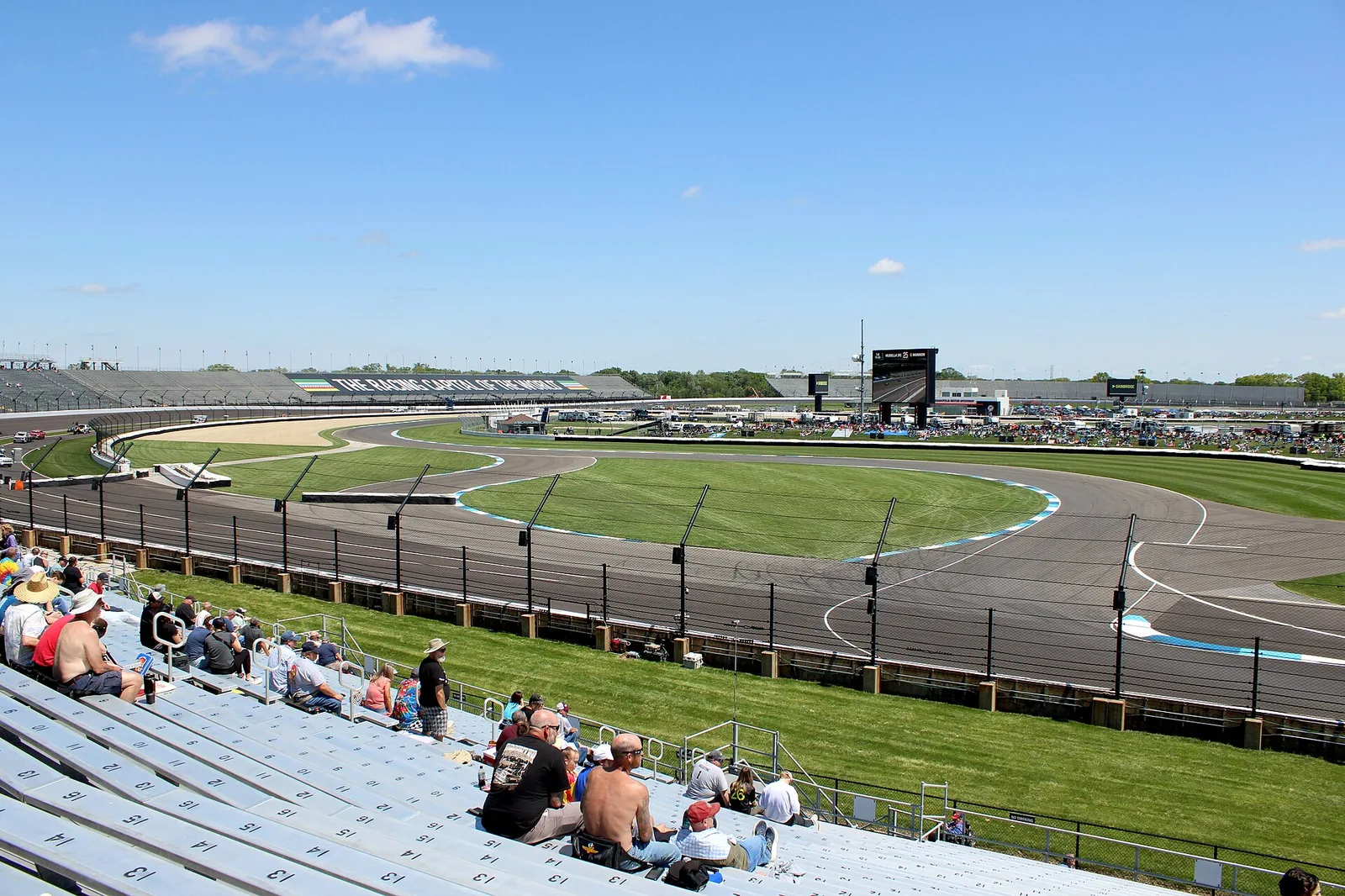
Indianapolis Motor Speedway May 2026 8 — Indianapolis airbnb marketing
Local Color
Indianapolis Motor Speedway
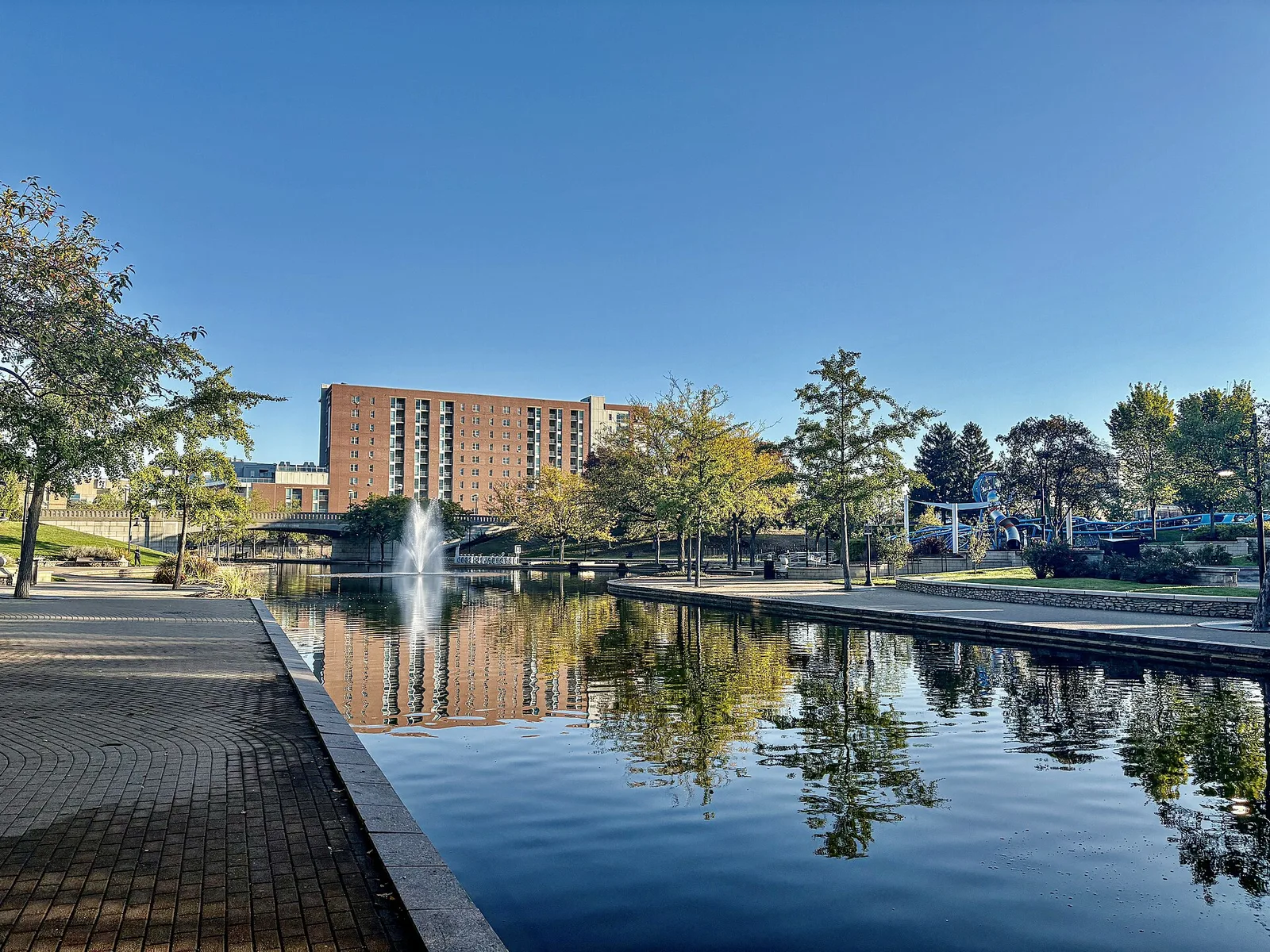
Indianapolis Canal Walk 2025 10 14 — Indianapolis airbnb marketing
Local Color
Indianapolis Canal Walk
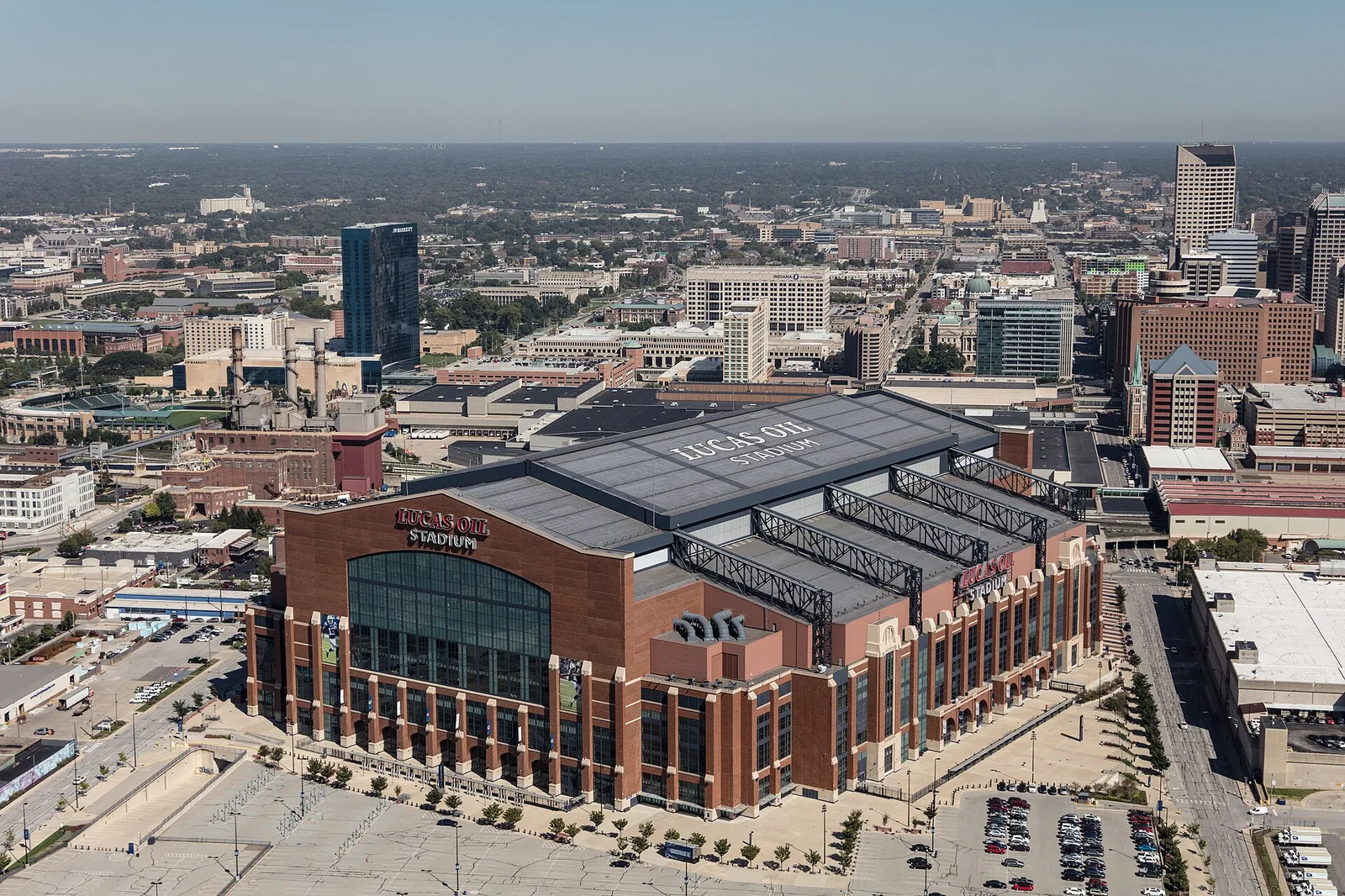
Aerial view of Indianapolis, Indiana, with a focus on Lucas Oil Stadium, highsm.40934 — Indianapolis airbnb marketing
Local Color
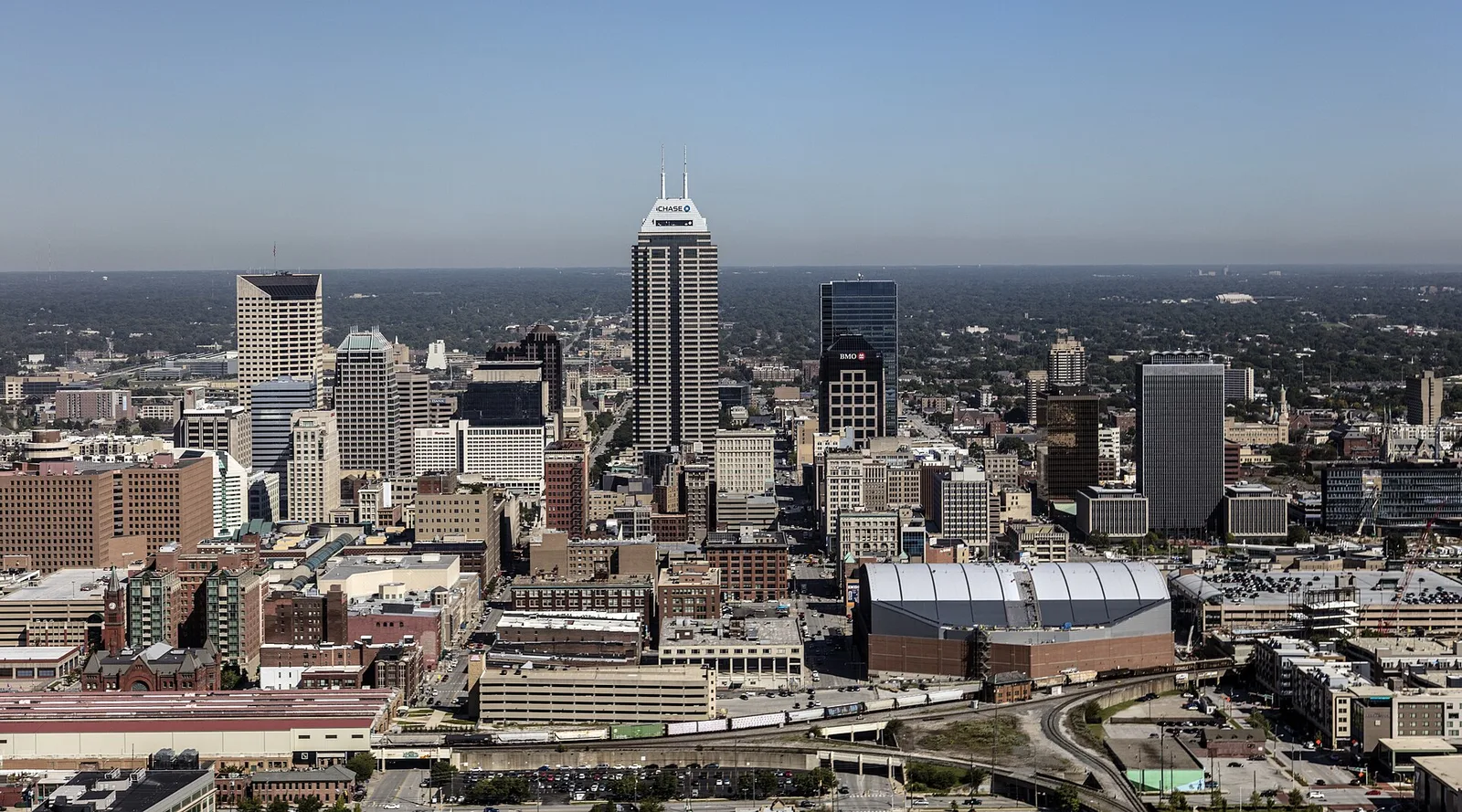
Aerial view of Indianapolis, Indiana,
Indianapolis 1872529 — Indianapolis airbnb marketing
Local Color
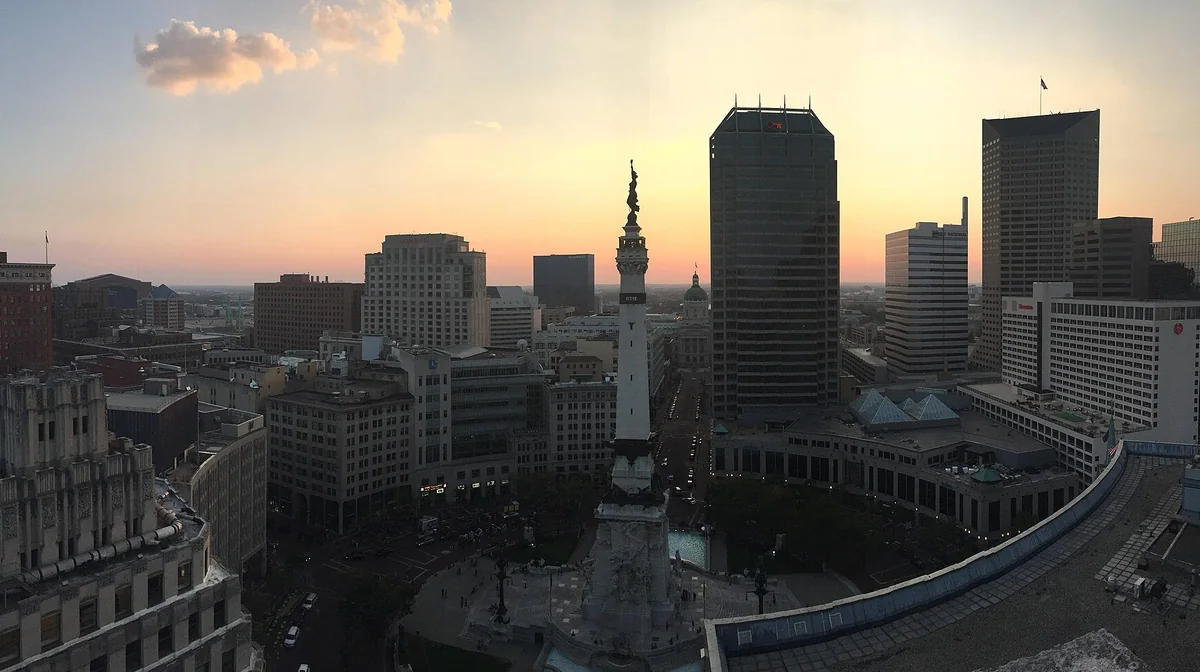
Indianapolis Local Landmark
Why Cavmir

The Cavmir Advantage
in Indianapolis

Cavmir wins in Indianapolis because this market hands owners a demand schedule and most listings ignore it. The 500 is the same weekend every year; Gen Con, the Brickyard, the FFA convention and the Big Ten championship are dated far ahead; and the spread between a flat-priced calendar and an event-priced one here is a multiple, not a margin. We build the rate card around the published year, write copy that speaks each tribe's language — race fans need Speedway logistics, Gen Con attendees need the walk time to the convention center, families need the Children's Museum plan — and shoot the city the way it actually looks: Monument Circle at dusk, the canal at first light, a porch with a checkered flag in May. For the registered rental, we make compliance a selling point; for the small inns and guesthouses working the convention floor, we build direct-booking websites so the group that returns every year stops paying a commission to come back. We help position and market your property. We never manage it or touch your keys.

State of the Industry · History

The Indianapolis STR Market — Past & Present

Indianapolis was invented on paper before it existed on the ground. Indiana wanted a capital at its geographic center, so in 1821 surveyor Alexander Ralston — who had worked under Pierre L'Enfant on the plan of Washington — laid out a Mile Square of diagonal avenues radiating from a central circle, in a forest by a river that turned out to be too shallow for steamboats. Cut off from the water age, the city bet everything on the connection age instead: the world's first union railway station opened here in 1853, the National Road came through, and Indianapolis branded itself the Crossroads of America with the straight face of a place that had earned it. Then, in 1909, a group of automobile men led by Carl Fisher paved a two-and-a-half-mile testing oval northwest of downtown in brick, and in 1911 ran the first 500-mile race on it. The Indianapolis 500 has been run every year since — wars excepted — and Memorial Day weekend in this city remains the largest single-day sporting event in the world, a civic holiday with porch parties, checkered bunting and 300,000 people inside one racetrack.

The city's second act was deliberate. In the 1970s and '80s, Indianapolis decided to become the amateur-sports capital of America — building venues, courting governing bodies, and eventually landing the NCAA's national headquarters, which moved to White River State Park in 1999. The bet compounded: Lucas Oil Stadium and one of the country's most connected convention districts rose downtown, the Cultural Trail stitched the neighborhoods together, and the events kept arriving — Final Fours (2026's was the city's ninth), Big Ten championships, and Gen Con, the tabletop-gaming convention that moved here in 2003 and now fills downtown each summer with tens of thousands of attendees. The short-term-rental era arrived to find Indiana writing owner-friendly law: IC 36-1-24, passed in 2018, declared owner-occupied rentals a permitted residential use statewide, and Indianapolis's registration ordinance — Chapter 852, effective at the start of 2025 — asks a one-time $150 fee and basic compliance. The city that planned itself as a crossroads now rents itself as one, weekend by published weekend.

Pricing Strategy & Seasonality

Pricing, Seasonality & When to Capture ROI

Pricing Strategy

The rate map runs on walkability to the venues. Downtown and the Mile Square — anything a guest can walk to Lucas Oil Stadium, the convention center or Gainbridge Fieldhouse — is the premium pocket, condos and rowhouses that earn their year across the event calendar. Speedway and the west side are their own economy: an ordinary bungalow near the track can command extraordinary rates for the Month of May, and race regulars rebook the same houses annually. Fountain Square, Fletcher Place and Bates-Hendricks ride the Cultural Trail's restaurant energy at strong nightly rates; Broad Ripple and SoBro serve the leisure-and-visiting-parents trade; and the IU Health and hospital corridors run a quieter, monthly-stay business that smooths the winter. Blended nightly rates run around $200 with occupancy in the low 50s — and the averages conceal the market's real shape, which is the spread: event weekends price at multiples, and the entry cost of a solid brick house here remains among the lowest of any major American market.

Seasonality & ROI Windows

Indianapolis runs a spiky calendar over a convention-city floor. May is the peak — the 500 and its weeks of practice and qualifying reprice the whole metro — and the warm half of the year stacks Gen Con, the Brickyard weekend and stadium concerts onto steady summer leisure. Fall brings the FFA convention, Colts Sundays and campus weekends; December has the Big Ten championship and the Circle of Lights; and January through March is the honest trough, softened by conventions and the NCAA tournament in the years it lands here. The floor never drops far — this is a city that fills beds on weekdays — but the spikes are where the year is made.

Regulation & Licensing · 2026

What the Law Requires in Indianapolis

Indiana wrote one of the country's friendliest short-term-rental frameworks, and Indianapolis operates inside it — but read this as a map and confirm the current details with the city and your attorney, because registration programs evolve. The state baseline is IC 36-1-24, the 2018 short-term-rental law: an owner-occupied short-term rental is a permitted residential use that no Indiana zoning ordinance may disallow, while rentals of property that is not the owner's primary residence can be made subject to a special exception or similar zoning process in residential districts (IC 36-1-24-9). The same chapter caps what local government can charge: permit fees may not exceed $150 (IC 36-1-24-13), and permits can only be denied or revoked for cause. Indianapolis formalized its side in 2024: Chapter 852 of the city code, the short-term-rental permit program, took effect at the beginning of 2025 and requires every short-term rental in Marion County's consolidated city to register — a one-time $150 fee, annual renewal at no charge so long as the permit hasn't been revoked, proof of ownership, and basic life-safety compliance. Applications are processed in about ten business days, and operating unregistered is a code-enforcement matter.

The tax stack is the serious number here: Indiana's 7% state sales tax plus the Marion County innkeeper's tax of 10% — a combined 17% on stays under 30 days, applied to the full charge including cleaning and other fees. Platforms collect much of it on their bookings; the registered retail merchant certificate, the innkeeper's tax account and anything uncollected — especially direct bookings — remain the owner's responsibility through the Indiana Department of Revenue. Surrounding counties levy their own innkeeper's taxes at different rates, so the stack changes at the county line. Two practical notes: HOA covenants and condo declarations restrict more Indianapolis properties than any ordinance does, so read them before you buy; and the town of Speedway, an enclave with its own government, runs its own requirements — verify locally before listing a race-week house. As of 2026 the framework is stable and permissive by national standards; treat the registration as table stakes and the 17% as arithmetic to price in, not around.

Market-Specific Tips & Challenges

Local Tips & Unique Market Challenges

Tips That Actually Move Revenue in Indianapolis

The Indianapolis strategic tip: price the published year in January, because this city's demand arrives on a schedule. The 500 is Memorial Day weekend; Gen Con, the Brickyard, the FFA convention and the Big Ten championship are dated far in advance; and the NCAA's rotation is announced years out. An owner who sets event rates and minimum stays across those windows before the season opens captures what flat pricing donates — and in this market the difference is a multiple, not a percentage.

Tactically: first, know your tribe and write for it — race fans need Speedway logistics and cooler space, Gen Con attendees need the exact walk time to the convention center and a table that seats six for games, FFA families need van parking — specificity converts where adjectives don't. Second, shoot the city at its hours: Monument Circle lit at dusk, the canal at first light, the porch with checkered bunting in May; most Indianapolis listings show a beige living room and call it done, which is the competitive opening. Third, build the Month of May as a product — practice weeks, qualifying weekends and race week priced separately, because the Speedway calendar runs most of the month and each window books differently. Fourth, work the monthly lane deliberately: the hospital corridors, visiting professors and relocating families keep winter calendars alive at 30-plus days, outside the innkeeper's tax and steadier than any December weekend. Fifth, build the direct channel around annual returners — the same race families and convention crews come back every year like clockwork, and a direct-booking page with a returning-guest rate converts one commission into a decade of Mays.

Unique Indianapolis Challenges

The honest frictions: the 17% tax stack is real and must be priced in, not absorbed; the winter floor is modest outside event weekends; and the event spikes bring event wear — race week and convention crowds demand sturdy furnishing and firm house rules. Neighborhood selection matters more than in resort markets, because the demand is walkability-driven and a mile off the Cultural Trail is a different business. And the permit program, while light, is enforced — unregistered listings are the easy code-enforcement case.

A Curious Indianapolis Fact
Indianapolis is the largest American city not built on navigable water — the White River proved too shallow for steamboats almost immediately, a founding miscalculation that should have doomed the place. Instead the city compensated so hard it changed transportation history: it opened the world's first union railway station in 1853, letting competing railroads share one depot for the first time anywhere, and today more interstate highway routes converge on Indianapolis than on almost any other city in the country. The town that couldn't float a boat became the Crossroads of America — and then, for good measure, built the world's largest single-day sporting event on a rectangle of paved farmland. The 3.2 million bricks that gave the Speedway its nickname are still there, under the asphalt; a yard of them stays exposed at the start-finish line, and winners kneel to kiss it.
Finance Essentials — Indianapolis
🛡️

Insurance

Indianapolis underwriting is blessedly ordinary by this portfolio's standards: no coastal wind, no wildfire zone, no flood map drama outside specific White River and creek corridors worth checking parcel by parcel. The work is operational — short-term-rental operations need proper STR or landlord coverage rather than homeowner's policies, with liability limits sized for event-weekend occupancy, and the older housing stock in the walkable neighborhoods raises the standard questions about roofs, wiring and basements. Hail and severe-storm exposure is the region's one repricing force, so roof age moves premiums. Document the permit, use a licensed Indiana agent who writes investor properties routinely, and this is one market where insurance is a line item rather than a strategy.

🧾

Property & Income Tax

Short stays of under 30 days owe Indiana's 7% state sales tax plus the Marion County innkeeper's tax of 10% — a combined 17%, applied to the full charge including cleaning fees, pet fees and similar add-ons. Platforms collect most of it on their bookings; the registered retail merchant certificate, the innkeeper's tax filings and any uncollected remittance — especially on direct bookings — run through the Indiana Department of Revenue and remain yours. Surrounding counties levy innkeeper's taxes at their own rates, so the stack changes outside Marion County. Stays of 30 days or more fall outside the transient taxes, which is the monthly lane's quiet advantage. Indiana's flat state income tax then applies to the rental income. Treat these as planning figures and confirm the current rates and filings with your accountant.

🏦

Mortgages & Financing

Indianapolis is one of the most financeable markets in the country, which is precisely why out-of-state investors keep arriving: entry prices sit comfortably inside conforming limits, conventional investment loans and DSCR products both work routinely, and DSCR underwriting benefits from the documented event-season income the registration regime makes legible. The frictions are ordinary — appraisal variance across fast-changing neighborhoods, older-stock inspection findings, and the usual scrutiny of condo buildings downtown. The strategic note is discipline rather than access: this market's yield story works because entry is cheap, and overpaying for a beige house a mile from the demand is the one reliable way to break it. A local lender who knows which blocks the Cultural Trail actually reaches is worth more than a quarter point.

Future Outlook · 2027 & Beyond

Where Indianapolis is Headed Next

Indianapolis's future is more of what it deliberately built: the convention district keeps expanding, the NCAA rotation keeps returning, Gen Con is contracted here for years ahead, and the FFA convention has committed long-term — a city whose demand calendar is substantially under contract is a rare thing to own rental property in. The regulatory trajectory is stable and statutorily protected: IC 36-1-24 caps what local government can impose, and the city's registration program is the model of the light-touch regime. Watch the tax stack — innkeeper's taxes fund the venue machine and have historically moved upward — and watch supply, because low entry prices mean the listing pool grows every year and unmarketed properties feel it first. The durable play into 2027 and beyond is a registered property in a walkable event corridor, priced to the published calendar, photographed like the city deserves, with a direct channel full of returning May and August guests. In the city that made itself the crossroads, the owners who plan the calendar own the traffic.

From the Desk of Sofie Sinag

Why We Love Marketing in Indianapolis

Indianapolis is the market where the demand schedule is a public document, and we love markets that publish their own answers. The 500 has run on Memorial Day weekend since before anyone alive can remember otherwise; Gen Con's dates are contracted years out; the FFA convention, the Brickyard and the Big Ten championship land on the calendar like federal holidays. Marketing here isn't guesswork — it's logistics executed beautifully, and the gap between the owner who plans the year in January and the owner who wakes up in May is the most fixable gap in the Midwest. There's deep satisfaction in work where the plan is the product.

We also love the city's complete lack of pretension about what it is. Indianapolis doesn't audition for anyone — it's a plainspoken, well-run crossroads that happens to throw the world's largest single-day sporting event, host the world's largest tabletop-gaming convention, and headquarter the NCAA, all within a walkable downtown that visitors consistently find better than they expected. The listings that win here share that character: specific, honest, fluent in logistics — walk times, parking answers, cooler space for race week, a gaming table for August. That's our native voice, and in this market it converts like a cheat code that's really just telling the truth.

Why It Matters

A great property in Indianapolis doesn't just want a listing — it wants a point of view, an audience, and a brand the city itself would recognise.

Cavmir's Indianapolis Cheat Sheet

The Picks We Recommend for Your Welcome Book

A few honest, insider picks for Indianapolis — the kind of specifics that make a listing read like a local wrote it, because one did. Real places, no filler.

Morning

The Canal Walk at first light

The downtown canal's three miles of towpath are empty at dawn — rowers, runners and the light coming up over the museums. It's the prettiest hour downtown owns, and a listing that tells guests to take coffee to the canal before the day starts reads like it lives there.

Golden Hour

Monument Circle

The Soldiers' and Sailors' Monument catches the last light at the exact center of the city Ralston drew, with the brick circle glowing around it. Climb it or just circle it — this is the photograph that says Indianapolis in one frame, two blocks from most downtown rentals.

Neighborhood Walk

Mass Ave and Lockerbie Square

Five diagonal blocks of galleries, theaters and patios, then a turn into Lockerbie's cobblestones and painted Victorians — the city's oldest neighborhood hiding behind its liveliest street. It's the after-dinner walk that surprises every first-time guest.

Dinner That Photographs

St. Elmo Steak House

Downtown's 1902 institution, all dark wood and white tablecloths, famous for a shrimp cocktail whose horseradish is a rite of passage. It's the celebration dinner of race week and the reservation to tell guests to book the day their dates are set.

Local Obsession

The Month of May

Indianapolis doesn't have a race day; it has a month — practice weeks, qualifying weekends, Carb Day, checkered bunting on porches miles from the track. Guests who understand they're arriving inside a civic season, not attending an event, book longer and come back. Write the listing accordingly.

Shoulder Season Secret

December downtown

The Circle of Lights turns the monument into what locals call the world's largest Christmas tree, the Big Ten championship fills a Saturday, and hotel-priced visitors discover rentals. December here out-earns its reputation — market it instead of writing it off.

Weekend Escape

Brown County and Nashville, Indiana

An hour south: wooded hills that break the flatland stereotype, a state park with the best fall color in the state, and the little arts town of Nashville between. It's the add-a-day trip for October guests and the answer to what's beyond the city.

What Guests Ask For

Event logistics, answered plainly

The recurring questions run on logistics: how race-day traffic actually works and where the car goes, the walk time to the convention center for Gen Con, whether the group can cook. Answer all three in the listing's first screen and the inquiries turn into bookings.

Local Work · Composite Case Vignettes

What Cavmir Has Done for Indianapolis Properties

A few composite engagements drawn from how Cavmir typically works in this market. The details are illustrative and consistent with Indianapolis, not pulled from a single named client.

Race-week bungalow · Speedway
The Brief

A tidy bungalow ten minutes' walk from the Speedway's gates ran one nightly rate all year — including the Month of May, which sold out at everyday prices to the same returning race families who would happily have paid the market.

What We Did

Cavmir rebuilt the calendar around the Speedway's published schedule — practice, qualifying, race week and the Brickyard priced as separate products with minimum stays — reshot the house with its porch dressed for May, wrote race-fluent copy about parking, coolers and the walk to the gates, and added a direct page for returners.

The Result

May began carrying the share of the year the market always intended, the race families moved onto the direct channel and rebooked before leaving town, and the owner stopped subsidizing the world's largest single-day sporting event with everyday pricing.

Downtown condo · convention district
The Brief

A registered two-bedroom walkable to the convention center and Lucas Oil marketed itself with interior photos and no calendar strategy, missing Gen Con, the FFA convention and the Big Ten weekend entirely — the exact demand its location existed for.

What We Did

Cavmir priced the published convention calendar with event minimums, rewrote the listing around walk times to the convention center, stadium and Mass Ave, staged photography for the group-travel guest — a real dining table, workspace, luggage room — and made the city registration visible for the cautious planner.

The Result

The condo booked its event windows months ahead at rates the building hadn't seen, weekday convention stays filled the gaps between spikes, and the listing became the reference point its comp set repriced against.

Victorian near Fountain Square · monthly hybrid
The Brief

A renovated Victorian off the Cultural Trail earned well in summer and sat dark from January to March, while its owner watched hospital-corridor demand book elsewhere for lack of a monthly product.

What We Did

Cavmir built a two-mode strategy: nightly through the event season with trail-fluent copy and golden-hour photography, then a furnished-monthly product for the winter — desk, fast wifi, garage access — marketed to the hospital and university corridors with its own direct page.

The Result

Winter went from vacancy to steady monthly income outside the innkeeper's tax, the summer trade returned to a better-photographed listing, and the house ran a twelve-month business in a market most owners run for eight.

Market Intelligence · Seasonality

Airbnb seasonality in Indianapolis, month by month

Demand in Indianapolis peaks around May and runs quietest around January, February and November. Here is how the year actually books — and what to do about each stretch of the calendar.

Peak demandSteadyQuiet

Peak season

May is the whole ballgame in Indianapolis. The Month of May at the Speedway builds from practice and qualifying weekends to a race day that fills nearly every bed in the metro, and well-run listings set race-week pricing and minimum stays months in advance. Have photography, pricing rules and house rules locked by March, because race guests book early and compare hard. Late July into August brings a second wave, with the Brickyard, Gen Con and the State Fair stacked within a few weeks of each other.

The shoulders

Spring and fall run on conventions, campus visits and sports weekends. The convention calendar keeps downtown midweek dates moving, Colts home Sundays and Big Ten weekends firm up specific fall dates, and youth sports tournaments quietly fill family-sized places across the metro almost year-round. The play is event-aware pricing: price each date on its own rather than by season.

The quiet stretch

January and February are the honest lull, with November not far behind. Lean on longer stays for traveling professionals and hospital-adjacent guests, keep midweek rates flexible, and use the downtime to refresh photos and listing copy before race season ramps. A listing that looks sharp by early March catches the first wave of May bookings.

Dates that fill first

Indianapolis 500May
Race day fills the metro, and the whole Month of May builds toward it — practice, qualifying and Carb Day each move calendars, so price the full stretch, not just race weekend.
Gen Conlate July into August
Tens of thousands of tabletop gamers take over downtown for four days, and group-friendly places within walking distance of the convention center go first.
Brickyard 400 weekendJuly
NASCAR's summer weekend at the Speedway is a reliable spike on the west side — flag parking and your distance to the track plainly in the listing.
Indiana State FairAugust
More than two weeks of steady family traffic near the fairgrounds, better for consistent midweek occupancy than for premium weekend rates.
Big Ten Football Championshipearly December
Two fan bases descend on Lucas Oil Stadium for one winter weekend that books like a summer one — a bright spot worth pricing for in an otherwise quiet month.
Market Intelligence · Guests

Who books Indianapolis Airbnbs — and how far ahead

Race-weekend groups
May and July bring groups who book far ahead and care about parking, beds and distance to the Speedway more than designer finishes. A clear group-friendly layout wins them.
Convention and Gen Con attendees
Downtown walkability decides these bookings. Groups of friends split larger places near the convention center and compare on beds and total cost.
Youth and amateur sports families
Indianapolis runs on tournaments nearly year-round, from Grand Park weekends to NCAA events downtown. Families want full kitchens, laundry and space to decompress.
Business and medical travelers
A steady midweek base from the pharma, tech and hospital presence. Fast wifi, a real desk and self check-in decide it.
Stadium-weekend visitors
Colts and Pacers dates plus Big Ten events create predictable date-specific demand. Spell out stadium proximity and parking logistics plainly.

The booking window

Race fans book the earliest — Indy 500 regulars lock in close to a year out, and Gen Con attendees move as soon as badges go on sale in winter. Convention and sports-weekend stays fill one to three months ahead, while business travel moves inside a few weeks. Practically, your May and late-July calendars should be priced and polished before winter ends.

Typical stays

The core booking is a two-to-three-night weekend built around an event, with race weeks and Gen Con stretching to four or five nights. Midweek business stays run shorter, and tournament families often settle in for most of a week in summer.

Where guests drive from

ChicagoCincinnatiLouisvilleColumbusSt. Louis

Where guests fly from

New YorkDallasDenverAtlantaLos Angeles
Indianapolis sits within about a three-hour drive of several major metros, which is why event weekends fill so fast — Chicago, Cincinnati, Louisville and Columbus all pour in by car. Race and convention crowds fly in from every major hub, so geo-targeted ads toward Chicago and the rest of the drive ring are usually the efficient play.
Market Intelligence · What Wins

The Airbnb that wins in Indianapolis

The Indianapolis winner is a three-or-four-bedroom house with parking in a walkable near-downtown neighborhood like Fountain Square, Bates-Hendricks, Broad Ripple or Irvington. Group capacity is this market's currency: events here travel in packs, and the listing that sleeps eight comfortably with two real bathrooms beats the stylish one-bedroom most weekends. Near the Speedway, even modest homes earn their keep on race weeks.

Amenities that move bookings here

off-street parkingfast wifisleeps six or moreself check-indedicated workspacefull kitchenwasher and dryerpet friendly
The single highest-leverage move is presenting your place as group headquarters: lead with a photo of the dining table set for eight and spell out the bed-by-room layout in your first lines of copy.
Straight Answers

Indianapolis Airbnb marketing questions, answered

How do I market my Airbnb in Indianapolis?

Start with photography that sells the group experience — the dining table, the beds, the parking — because Indianapolis guests mostly travel in packs for races, conventions and tournaments. Write your listing copy around the events and neighborhoods guests actually search, and keep pricing tied to the event calendar instead of flat seasons. A Google Business Profile puts you in the map searches visitors run, and a simple direct-booking site gives race-week regulars and returning tournament families a way to rebook you directly. That's the marketing stack Cavmir builds for Indianapolis hosts, and each piece feeds the others.

When is peak season for Indianapolis Airbnbs?

May stands alone — the Month of May at the Speedway builds to a race day that fills the metro, and it's the stretch that funds your year. Late July into August is the second peak, with the Brickyard, Gen Con and the Indiana State Fair landing within weeks of each other. The Big Ten Football Championship in early December is the best cold-weather weekend on the calendar.

How far in advance do guests book Indianapolis Airbnbs?

Indy 500 regulars book close to a year ahead, and Gen Con attendees move as soon as badges go on sale in winter. Ordinary event weekends fill one to three months out, and midweek business stays often land inside two weeks. Have your spring and summer calendar priced before the new year turns.

Where do most Indianapolis Airbnb guests come from?

The drive market dominates: Chicago, Cincinnati, Louisville and Columbus are all within about three hours, and race and convention weekends pull heavily from all of them. Fly-in guests arrive from every major hub for the 500, Gen Con and downtown conventions. If you run ads, the Midwest drive ring is usually the efficient target.

What amenities matter most for an Indianapolis Airbnb?

Parking and group capacity lead everything — off-street parking removes real anxiety on race and stadium weekends, and a clear sleeping layout for six or more wins the packs this market travels in. After that, fast wifi and a workspace hold the midweek business base, and a full kitchen with laundry keeps tournament families comfortable for the whole stay.

Free Tools · Websites That Book

See what your listing in Indianapolis is leaving on the table

Run your Airbnb, Vrbo, or website through Cavmir's free grader. It checks the things that decide whether guests book in Indianapolis — photos, listing copy, page speed, local search — and shows you where bookings leak. Takes about a minute, and there's no sales call attached.

If the report says your booking engine is the weak link, that's fixable: a direct-booking website of your own means repeat guests stop paying platform fees to come back to you. That's the work Cavmir does — see Airbnb website design in Indianapolis.

What the grader measures

  • Photos and the first-impression frame
  • Listing title and copy
  • Your direct-booking website (or the lack of one)
  • Page speed and mobile experience
  • Local search and Google visibility
Grade My Listing — Free
Free Property Review

What is your Indianapolis property actually worth per night?

Send us the listing and we'll tell you what we'd change. Not a pitch deck — a straight read on your photos, your title, your rates against the Indianapolis comp set, and whether a direct-booking site would pay for itself.

You'll hear back from a person, usually inside one business day. If we don't think we can move your numbers, we'll say so. Cavmir is a short-term rental marketing agency — we position and market properties, we don't manage them.

  • No obligation, and no automated call sequence
  • We market and position — we never manage your property or hold keys
  • Works whether you're on Airbnb, Vrbo, or direct

Ready to Grow in Indianapolis?

Let's Put Your Indianapolis
Property on the Map

Talk to Cavmir today. We'll show you exactly what your Indianapolis property is leaving on the table — and how fast we can change that.

Book a Free Strategy Call

Photography via Wikimedia Commons (images resized and cropped): Monument Circle, Indianapolis, Indiana, USA by alexeatswhales (CC BY 2.0) · Indianapolis Motor Speedway May 2026 8 by Michael Barera (CC BY-SA 4.0).