$330
Avg. Nightly Rate
48%
Avg. Occupancy Rate
$4,700
Avg. Monthly Revenue
8-11%
Est. Cash-on-Cash ROI
MEDIUM
Seasonality
MEDIUM
Regulatory Burden

* Market averages. Cavmir-managed properties typically exceed these figures by 25–45%. Data sourced from AirDNA, STR market reports, and Cavmir internal analytics.

The Market

Why Hocking Hills is One of the World's Premier STR Markets

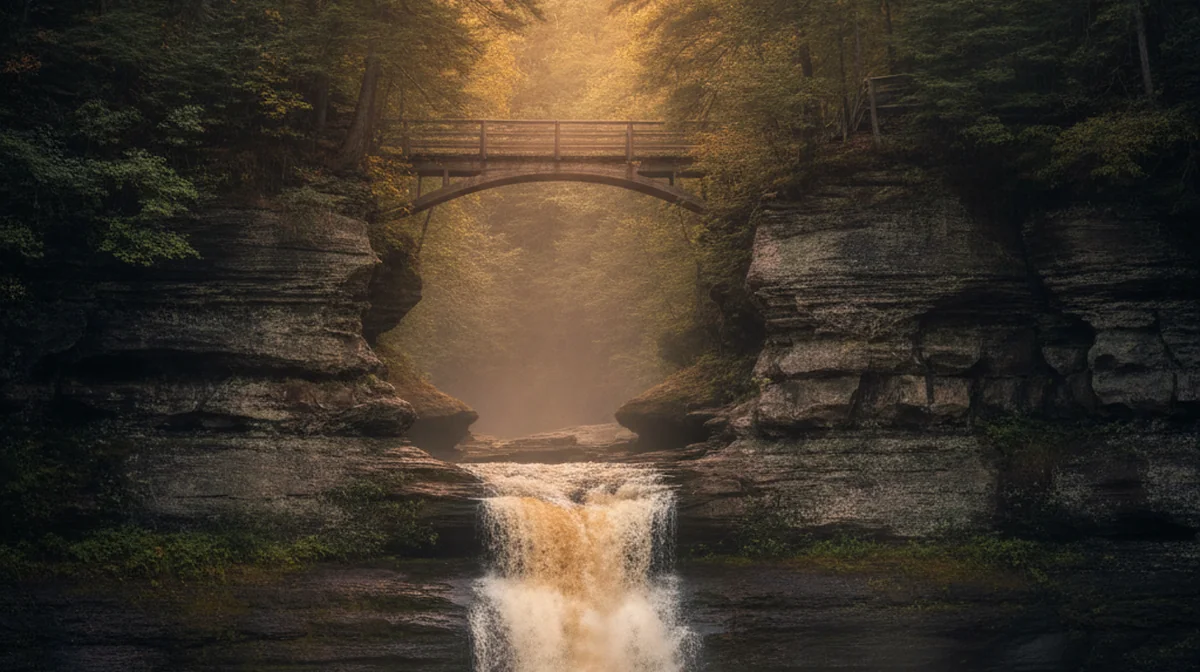
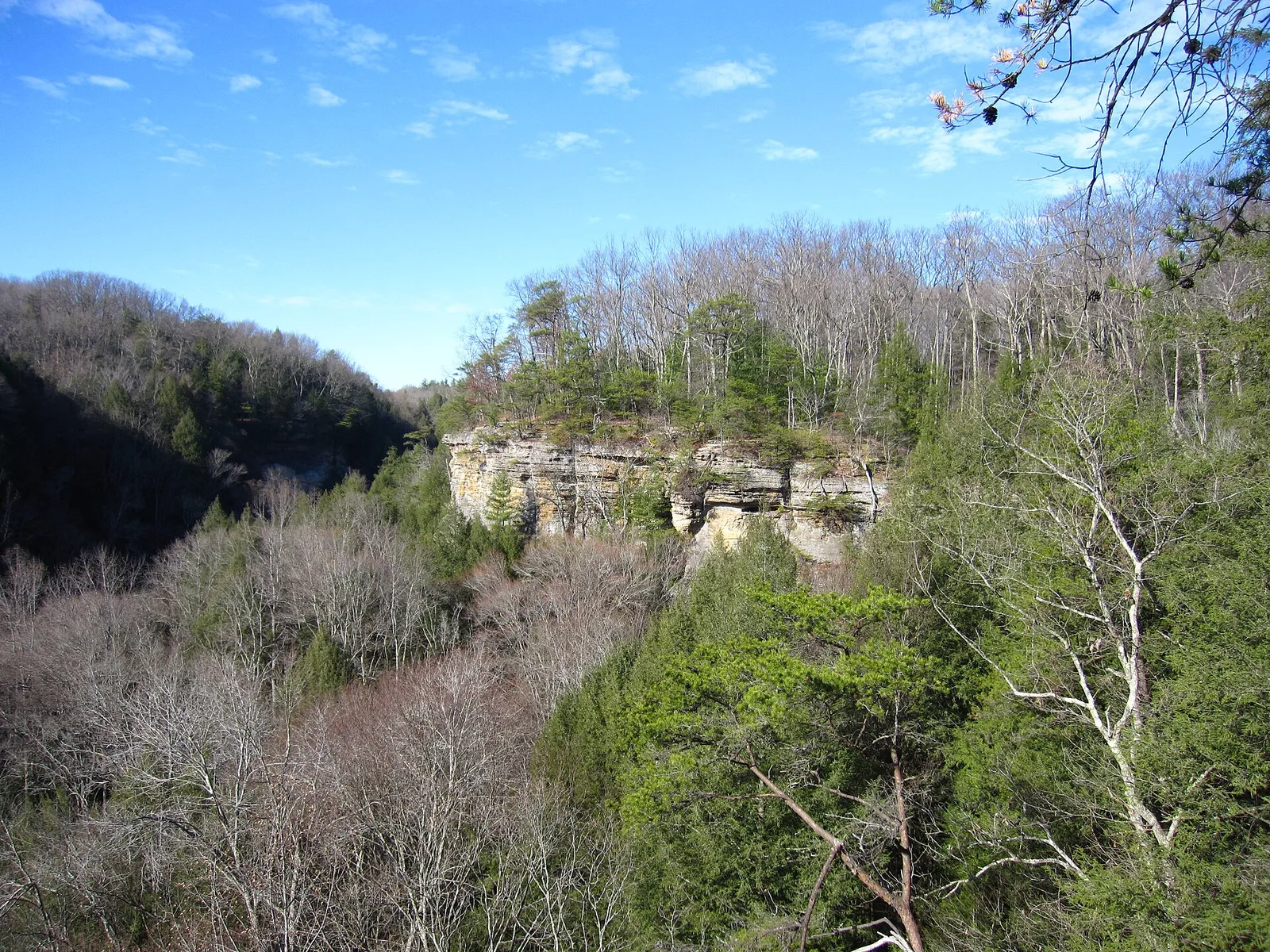
Hocking Hills is Ohio's cabin country — a region of sandstone gorges, waterfalls and hemlock forest about an hour southeast of Columbus, centered on Logan and Hocking Hills State Park. Old Man's Cave, Ash Cave, Cedar Falls and Conkles Hollow pull millions of visitors a year, and the hills around them hold well over a thousand rental cabins, from honeymoon A-frames with hot tubs to big family lodges. The market's superpower is its drive radius: Columbus, Cincinnati, Cleveland, Dayton, Pittsburgh and Indianapolis are all within about three hours, which gives owners something most cabin markets don't have — demand in every season, including winter, when the waterfalls freeze.

Hocking Hills runs around $330 a night at occupancy in the high 40s, and the revenue curve is unusually flat for a cabin market — roughly $3,000 a month in February to about $8,000 in July, with no single make-or-break season. Summer hiking, October leaf color, spring wildflowers and winter frozen-waterfall weekends all pull their weight, and the annual Winter Hike at Old Man's Cave draws thousands in January. The core guest is a Columbus or Cincinnati couple booking a hot-tub cabin for two, plus family groups in the lodges. The hot tub isn't optional here — it's the search filter that decides whether you exist.

Top Attractions & Landmarks

  • Old Man's Cave
  • Ash Cave
  • Cedar Falls
  • Conkles Hollow State Nature Preserve
  • Rock House
  • Cantwell Cliffs
  • John Glenn Astronomy Park

Nearby Markets: Gatlinburg  |  The Poconos  |  Mackinac Island

Airbnb marketing services in Hocking Hills, Ohio, USA
Postcards

Hocking Hills through the lens

A few of the visual fingerprints we lean into when we shoot, brand and market a Hocking Hills property — courtesy of the open Wikimedia Commons archive.

Conkle's Hollow — Hocking Hills airbnb marketing
Local Color
Conkle's Hollow
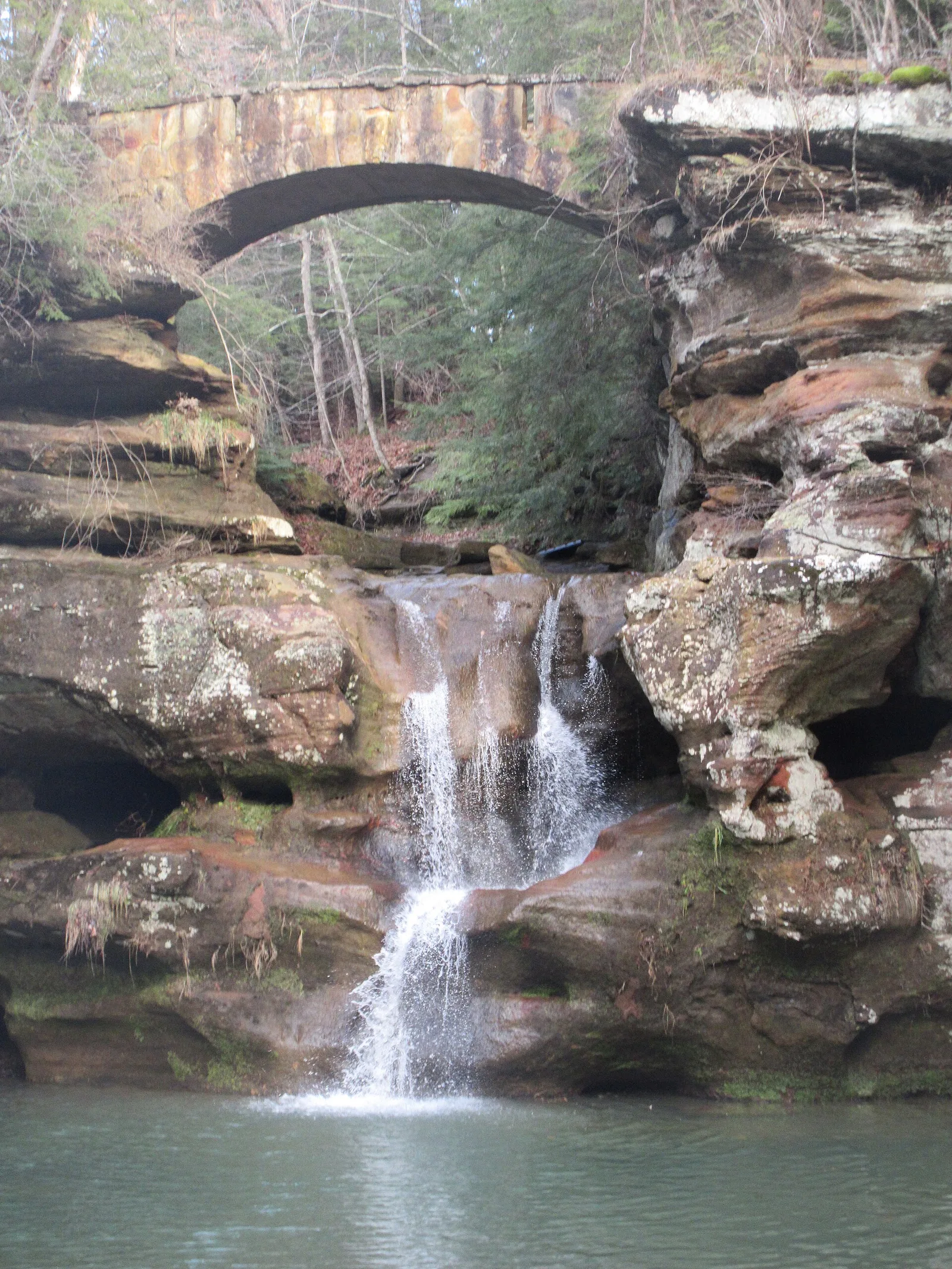
HockingHillsUpperFalls — Hocking Hills airbnb marketing
Local Color
Hocking Hills Local Landmark
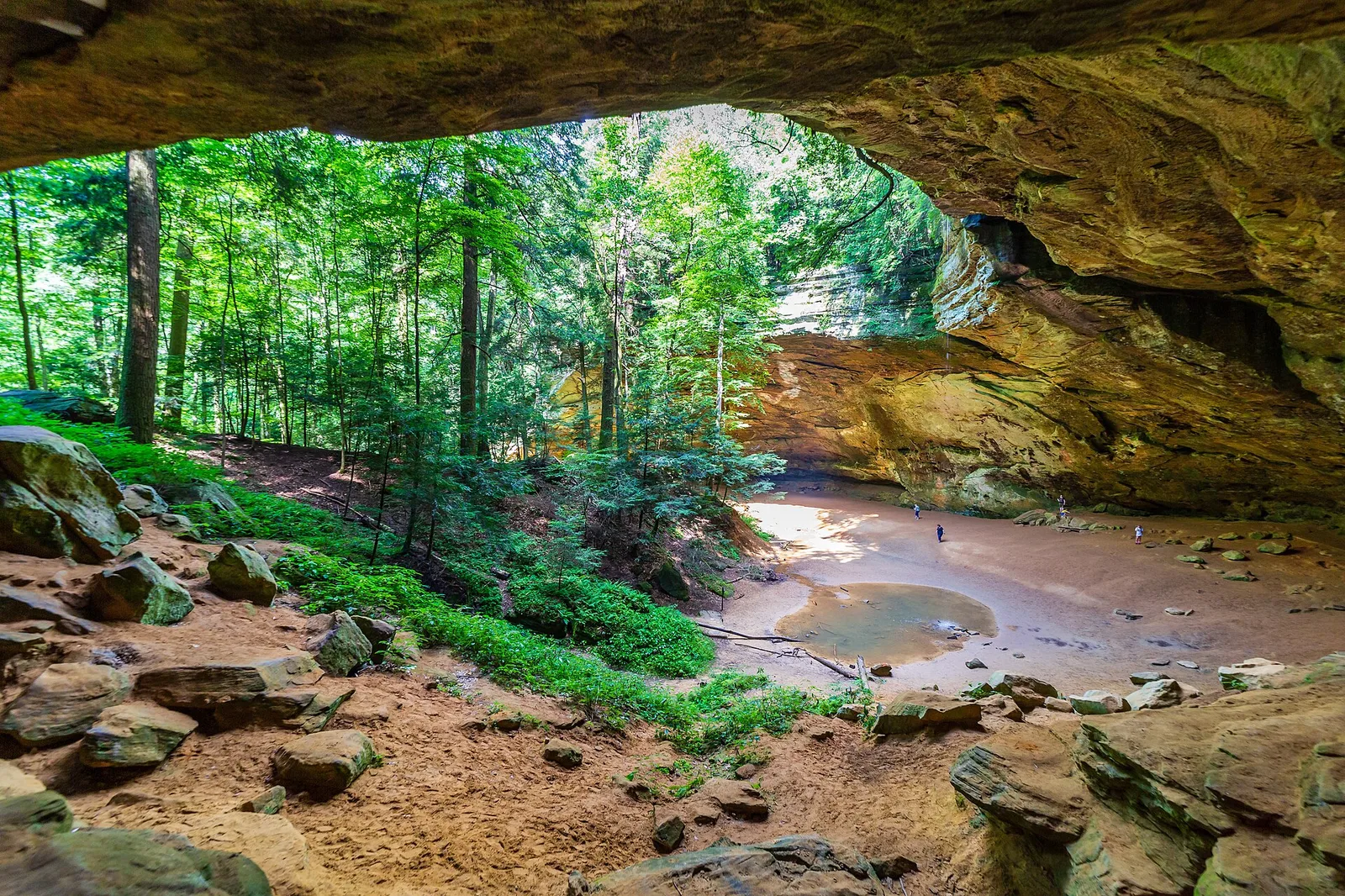
Ash Cave Hocking Hills State Park — Hocking Hills airbnb marketing
Local Color
Ash Cave Hocking Hills State
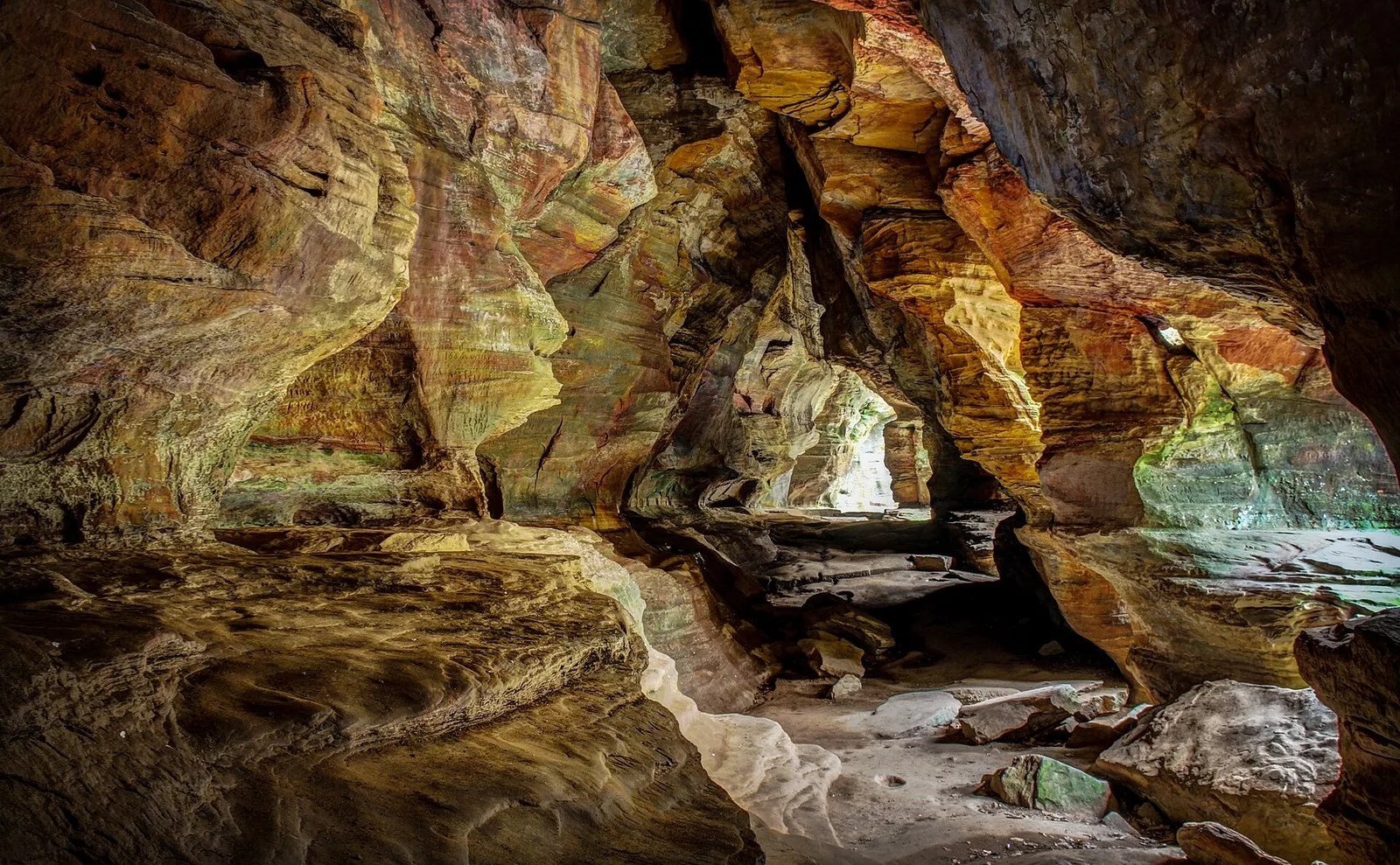
Rock house, Hocking Hills, Ohio — Hocking Hills airbnb marketing
Local Color
Rock house, Hocking Hills, Ohio
Why Cavmir

The Cavmir Advantage
in Hocking Hills

Cavmir wins in Hocking Hills because this market books on mood, and most listings don't sell one. A gorge in the fog, a hot tub under snow, a fire glowing against hemlocks — that's what a Columbus couple is actually buying, and it takes real photography and real copy to deliver it. We shoot for the seasons that other owners write off, especially winter, and we build direct-booking websites so your repeat guests — and this is one of the most repeat-heavy drive-to markets in the country — come back to you, not to a platform. We help position and market your property. We never manage it or touch your keys.

State of the Industry · History

The Hocking Hills STR Market — Past & Present

The gorges came first: over millions of years, water cut through Blackhand sandstone to carve Old Man's Cave, Ash Cave and Cedar Falls, leaving cool, deep hollows where hemlocks and yellow birch — species from a colder age — still grow far south of their range. The Wyandot, Shawnee and Delaware peoples knew these shelters long before settlement; Ash Cave's enormous recess is named for the ash beds their fires left. Old Man's Cave takes its name from Richard Rowe, a hermit who lived in the big recess cave in the early 1800s and is said to be buried nearby. The state began protecting the gorges in 1924 with a first land purchase around Old Man's Cave, and Civilian Conservation Corps crews built the trails, tunnels and stone stairways that guests still hike today.

For most of the twentieth century, Hocking County was quiet farm and timber country with a state park attached. The cabin economy emerged in the 1980s and 90s as Columbus grew and a few local families started renting log cabins to hikers — and it compounded from there into one of the Midwest's densest vacation-rental regions, with well over a thousand cabins around Logan, South Bloomingville and the park. The pandemic years supercharged it: drive-to, nature-based and private, Hocking Hills was exactly what 2020 wanted, and investment followed. Growth brought friction, and in 2025-26 Hocking County moved toward its first real short-term-rental ordinance — a permit system that had owners packing public meetings. Today's inventory runs from honeymoon A-frames to twenty-person lodges, owned by a mix of longtime local operators and newer Columbus investors, serving a metro region of several million people within a ninety-minute drive.

Pricing Strategy & Seasonality

Pricing, Seasonality & When to Capture ROI

Pricing Strategy

Hocking Hills blends to roughly $330 a night at occupancy in the high 40s — strong numbers for the Midwest, driven by the market's hot-tub-cabin premium. Couples' cabins and A-frames with hot tubs are the volume product and hold rate remarkably well; large family lodges sleeping twelve to twenty are scarcer and command $900+ a night in peak windows; anything minutes from the Old Man's Cave trailheads carries a location premium. Studios run under $200 while the big lodges top the market, and annual revenues for well-run properties commonly land in the $50,000s. The flat seasonal curve means pricing discipline midweek matters as much as peak-weekend rates.

Seasonality & ROI Windows

The revenue curve here is unusually flat for a cabin market — about $3,000 a month in February up to roughly $8,000 in July, with four genuine seasons in between: summer hiking, October's leaf color, spring wildflowers and waterfalls at full flow, and a real winter season built on frozen waterfalls, snow-dusted hemlocks and hot tubs. The annual Winter Hike at Old Man's Cave pulls thousands of people into the gorges every January. The practical takeaway: there's no month you're excused from marketing, and no month you should write off.

Regulation & Licensing · 2026

What the Law Requires in Hocking Hills

Hocking Hills is a market in regulatory transition, and that's the most important thing to understand before buying in. Historically the requirements were simple: register with the Hocking County Lodging Tax Office and collect the county's 6% lodging tax (3% to the county, 3% to the local township), filed monthly — with an online filing portal launching in 2026. Townships and the City of Logan have their own zoning, but there was no county STR permit.

That's changing. Through 2025 and 2026, Hocking County developed its first short-term-rental ordinance, and in February 2026 the county zoning commission voted to recommend a draft to the Board of Commissioners. As drafted, it establishes an annual STR permit — with a basic fee around $50 — plus requirements including proof of at least $1 million in liability coverage, a designated local contact, registration with the Lodging Tax Administrator, and standing with the County Auditor. The process drew crowded public meetings and real pushback from owners, and the final adopted version may differ from the drafts.

The honest read: the direction of travel is toward a permit regime, but the details aren't settled. Before you buy or list, confirm the ordinance's current status and your property's exact requirements with Hocking County in writing — and get your lodging-tax registration and filings spotless now, because a clean tax record is the best position to hold when a permit system arrives.

Market-Specific Tips & Challenges

Local Tips & Unique Market Challenges

Tips That Actually Move Revenue in Hocking Hills

The Hocking Hills strategic tip: sell the season everyone else ignores. This market's rare gift is a flat demand curve — winter here genuinely books — but most listings are photographed once, in summer, and then market a snow-season product with green-leaf photos. The owner with a real winter shoot (frozen falls nearby, steam off the hot tub, snow on the hemlocks) and a real winter story takes January and February demand almost uncontested.

Tactically: first, treat the hot tub as the product it is. It's the search filter that decides whether a Columbus couple ever sees your cabin; photograph it lit, steaming and in every season, not as an afterthought on a deck. Second, shoot all four seasons over your first year and rotate the listing's lead photos with the calendar — a small habit that beats most of the market by itself. Third, build a direct-booking website and collect every guest's email: this is a ninety-minute-drive habit market where couples return two and three times a year, and repeat capture is worth more here than almost anywhere. Fourth, name the specifics — minutes to the Old Man's Cave trailhead, which gorge you're closest to, stargazing at John Glenn Astronomy Park — because 'nestled in nature' describes a thousand cabins and converts nobody. Fifth, get ahead of the county's permit system: register, file the lodging tax cleanly, carry the liability coverage now. The transition will be easiest on the operators who were already running it properly, and 'fully permitted' is about to become a marketing line here.

Unique Hocking Hills Challenges

The clear-eyed list: the county's first permit ordinance is arriving and its final shape isn't settled — regulatory uncertainty is the market's live issue. Supply has grown hard since 2020 and midweek occupancy shows it. The guest is overwhelmingly regional, so you're exposed to Ohio's economy and Ohio's weather in the same asset. And the gorges' popularity cuts both ways: peak-weekend crowding at Old Man's Cave is real, and guests increasingly ask for the quiet alternatives.

A Curious Hocking Hills Fact
The gateway to the gorges is guarded by pencil sharpeners. The Hocking Hills Regional Welcome Center in Logan houses the Paul A. Johnson Pencil Sharpener Museum — the collection of a local minister who spent decades gathering more than 3,400 antique pencil sharpeners, displayed in the small shed he kept them in. Guests come for waterfalls carved over millions of years and end up photographing a wall of tiny novelty sharpeners. It's exactly the kind of oddball detail that makes a listing's local guide read like a local actually wrote it.
Finance Essentials — Hocking Hills
🛡️

Insurance

Plan on a dedicated short-term-rental policy — the county's drafted ordinance expects at least $1 million in liability coverage, and a homeowner's policy won't cover commercial hosting anyway. Ask your agent specifically about hot tub liability (the region's defining amenity is also its defining risk), wood stoves and firepits, tree-fall on forested lots, and loss-of-income coverage for October weekends. Cabins near creeks in the gorges should ask about flood exposure separately. An Ohio agent who already writes Hocking County cabins will know the local expectations cold.

🧾

Property & Income Tax

Expect the Hocking County lodging tax of 6% — 3% to the county and 3% to your township — filed monthly with the county Lodging Tax Office (online filing from 2026), alongside applicable Ohio state and local sales taxes on short-term stays. Platforms collect parts of this stack; you remain responsible for the rest and for everything on direct bookings. Rental income then flows to your federal and Ohio returns. The permit ordinance may add fees on top. Confirm the current rates, filings and platform-collection split with your accountant.

🏦

Mortgages & Financing

Hocking Hills' price of entry is friendly by cabin-market standards, and financing follows the usual paths: second-home loans for owners who'll use the cabin, investment mortgages and DSCR loans for pure rentals — with DSCR increasingly workable as the market's revenue data deepens. Rural underwriting realities apply: wells, septic systems, gravel access and acreage all show up in appraisals, and some cabins sit on land types that need a lender comfortable with them. Documented booking history strengthens any application. Use a lender who has closed Hocking County cabins before, and talk to them about the incoming permit regime so nothing surprises underwriting.

Future Outlook · 2027 & Beyond

Where Hocking Hills is Headed Next

The demand side of Hocking Hills is about as durable as Midwest tourism gets: protected state park land that can't be developed, several million people within ninety minutes, and a four-season product that doesn't depend on one hot month. The near-term story is the permit ordinance — expect it to land in some form, add modest cost and process, and quietly favor established, compliant operators over casual ones. Supply growth should slow as the easy land and the easy money both get scarcer, which would let occupancy firm back up. The five-year play is to become the obvious choice in your niche — the winter A-frame, the trailhead lodge, the stargazing cabin — with four-season photography, a clean permit file and a direct-booking channel full of returning Columbus couples. Markets in regulatory transition reward the owners who were already doing it right.

From the Desk of Sofie Sinag

Why We Love Marketing in Hocking Hills

Hocking Hills sells a feeling, and feelings are the best thing to market. Nobody books a cabin here for square footage — they book fog in a sandstone gorge, a waterfall half-frozen into glass, steam rising off a hot tub into snow, a fire against black hemlocks. That's mood, and mood is exactly what photography and writing were invented to deliver. Most listings here settle for a summer phone shot and the word 'nestled'; the gap between what this region looks like and how it's presented is the widest we know of in the Midwest, and closing that gap is deeply satisfying work.

We also love that this market rewards the patient owner. It's a repeat-habit region — Columbus couples come back two or three times a year — with a flat seasonal curve that gives you twelve sellable months and a winter product almost nobody else in cabin country can match. And with the county's first permit ordinance arriving, the operators who run it properly are about to look even better next to the ones who don't. Four seasons to shoot, a guest base built for direct booking, and a professionalizing market that favors the diligent — that's our kind of assignment.

Why It Matters

A great property in Hocking Hills doesn't just want a listing — it wants a point of view, an audience, and a brand the city itself would recognise.

Cavmir's Hocking Hills Cheat Sheet

The Picks We Recommend for Your Welcome Book

Honest picks from the Hocking Hills — the specifics that make a listing and a guest guide read like a local wrote them. Real places, no filler.

Morning

Ash Cave

The largest recess cave in Ohio, reached by a flat quarter-mile walk that anyone can do — go at opening when the light angles into the amphitheater and you'll likely have it to yourself. The easiest wow in the region; open your guest guide with it.

Golden Hour

Conkles Hollow rim trail

The rim loop above the gorge catches the last light on the sandstone cliffs while the hollow below goes deep green-black. It's the region's best evening hike and the kind of specific recommendation that makes a guide feel local.

Neighborhood Walk

Downtown Logan

The county seat's brick main street has coffee, antiques, a winery tasting room and the shortest supply run between hikes. Guests always ask what's 'in town' — this is the honest answer, and it's better than they expect.

Dinner That Photographs

Millstone BBQ, Logan

Smoked meat and a timber-lodge dining room that fits the cabin-country mood — the after-hike dinner guests actually want. Name it in your guide with the tip to beat the Saturday rush.

Local Obsession

The Pencil Sharpener Museum

More than 3,400 antique pencil sharpeners collected by a local minister, displayed at the regional welcome center in Logan. Utterly absurd, completely charming, and the detail guests text their friends about. Every guide should include one thing like this.

Shoulder Season Secret

The frozen waterfalls (January–February)

Hard cold turns Cedar Falls and the gorge cascades into columns of ice, and the annual Winter Hike draws thousands to Old Man's Cave in the dead of January. Winter is this market's quiet superpower — shoot it and sell it.

Weekend Escape

John Glenn Astronomy Park

A public observatory in one of the darkest night skies left in Ohio, with regular stargazing programs. It gives a cabin weekend a second act after dinner — and 'dark sky' is a search term worth owning in your listing.

What Guests Ask For

Old Man's Cave

The region's signature gorge — the tunnels, stone bridges and the Devil's Bathtub — and the first question in every guest inbox. Your guide should answer like a local: go early or go on a weekday, and take the Grandma Gatewood Trail to Cedar Falls if you have the legs.

Local Work · Composite Case Vignettes

What Cavmir Has Done for Hocking Hills Properties

A few composite engagements drawn from how Cavmir typically works in the Hocking Hills. The situations are illustrative and consistent with this market, not pulled from a single named client.

Hot-tub A-frame · near South Bloomingville
The Brief

A couples' A-frame with the region's signature amenity was marketing a four-season product with one set of July photos — green leaves in every frame — and going quiet from November through March while winter demand went to better-shot competitors.

What We Did

Cavmir shot the cabin across the seasons — steam off the hot tub in falling snow, the fire against the hemlocks, October color on the gorge road — rotated the listing's lead images with the calendar, and built winter copy around the frozen falls and the January Winter Hike.

The Result

Winter weekends that had gone empty began booking steadily, February became a genuine season anchored on Valentine's demand, and the listing's click-through rose every time the lead photo matched what guests were actually searching for.

Family lodge · near Old Man's Cave
The Brief

A twelve-sleeper lodge minutes from the trailheads never said so — the listing led with interior shots and buried its location advantage under generic copy, while farther-out lodges with better photography took the family reunions it should have owned.

What We Did

Cavmir rebuilt the listing around proximity — opening with the gorge and the drive time — reshot the spaces that decide group bookings (the long table, the bunk room, the firepit circle), and set peak pricing for October and summer weekends months in advance.

The Result

The lodge started winning the reunion and group bookings its location deserved, October weekends sold out earlier each year, and inquiries shifted from price haggling to date-availability questions — the sign of a listing selling its real advantage.

Cabin pair · outside Logan
The Brief

An owner with two cabins depended entirely on platforms in a market full of repeat guests, paying full fees on the same Columbus couples' third and fourth visits, with no email list and no way to reach past guests when the calendar had gaps.

What We Did

Cavmir built a small brand across the pair with a shared direct-booking website, set up email capture on every stay, timed campaigns to past guests ahead of the October and Valentine's windows, and made the owner's clean lodging-tax and permit standing a visible trust signal on the site.

The Result

Repeat guests moved to the direct channel within the first year, gap nights started filling from the email list instead of waiting on the algorithm, and the owner entered the county's new permit era with compliance already built into the brand.

Ready to Grow in Hocking Hills?

Let's Put Your Hocking Hills
Property on the Map

Talk to Cavmir today. We'll show you exactly what your Hocking Hills property is leaving on the table — and how fast we can change that.

Book a Free Strategy Call