$455
Avg. Nightly Rate
49%
Avg. Occupancy Rate
$5,700
Avg. Monthly Revenue
2-4%
Est. Cash-on-Cash ROI
MEDIUM
Seasonality
HEAVY
Regulatory Burden

* Market averages. Cavmir-managed properties typically exceed these figures by 25–45%. Data sourced from AirDNA, STR market reports, and Cavmir internal analytics.

The Market

Why Santa Barbara is One of the World's Premier STR Markets

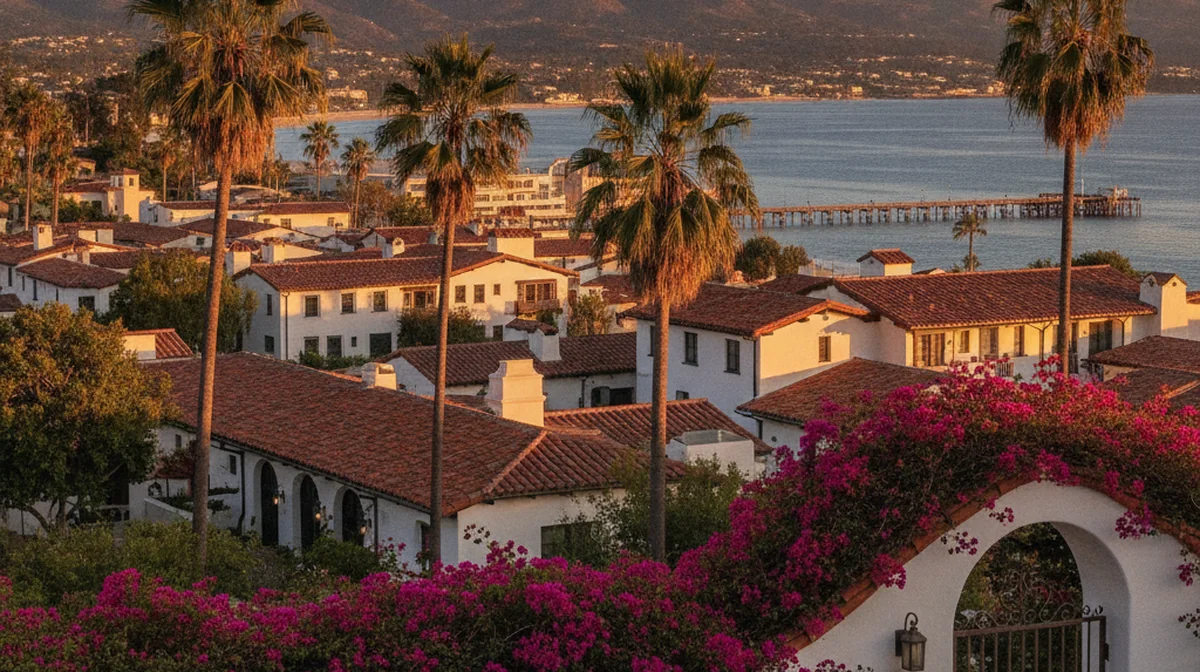
Santa Barbara earned the nickname the American Riviera honestly: red-tile roofs stacked between the Santa Ynez Mountains and the Pacific, a Spanish Colonial downtown rebuilt to a single vision after the 1925 earthquake, and a stretch of coastline that faces south instead of west, which is why the light here does things it doesn't do anywhere else in California. It's also one of the most legally complicated short-term-rental markets in the state. The city treats vacation rentals as hotels, allowed only where hotels are allowed — which rules out most residential neighborhoods — while a 2021 court ruling left the coastal zone in a different posture entirely. The demand never wavered: Los Angeles is ninety minutes south, the wine country is over the pass, and visitors pay some of the highest nightly rates on the West Coast. The owners doing well here are the ones who understand exactly which lane they're in and market it properly.

Santa Barbara's demand is drive-market wealth with a long calendar. Los Angeles supplies weekenders year-round, summer brings the national and international crowd, and the events do the rest — Old Spanish Days Fiesta fills the first week of August, the Summer Solstice Celebration packs June, and the Santa Barbara International Film Festival pulls industry money into what should be the February trough. Blended nightly rates run around $455 with occupancy near 49%, and the top tier of the market clears $850-plus a night. The other side of the business is the 30-plus-day guest — film-industry people on location, sabbatical academics, families between houses in Montecito — and a deep bench of boutique hotels and inns, from State Street to the waterfront, competing for direct bookings against the big flags. Both sides reward presentation more than almost any market in California.

Top Attractions & Landmarks

  • Stearns Wharf
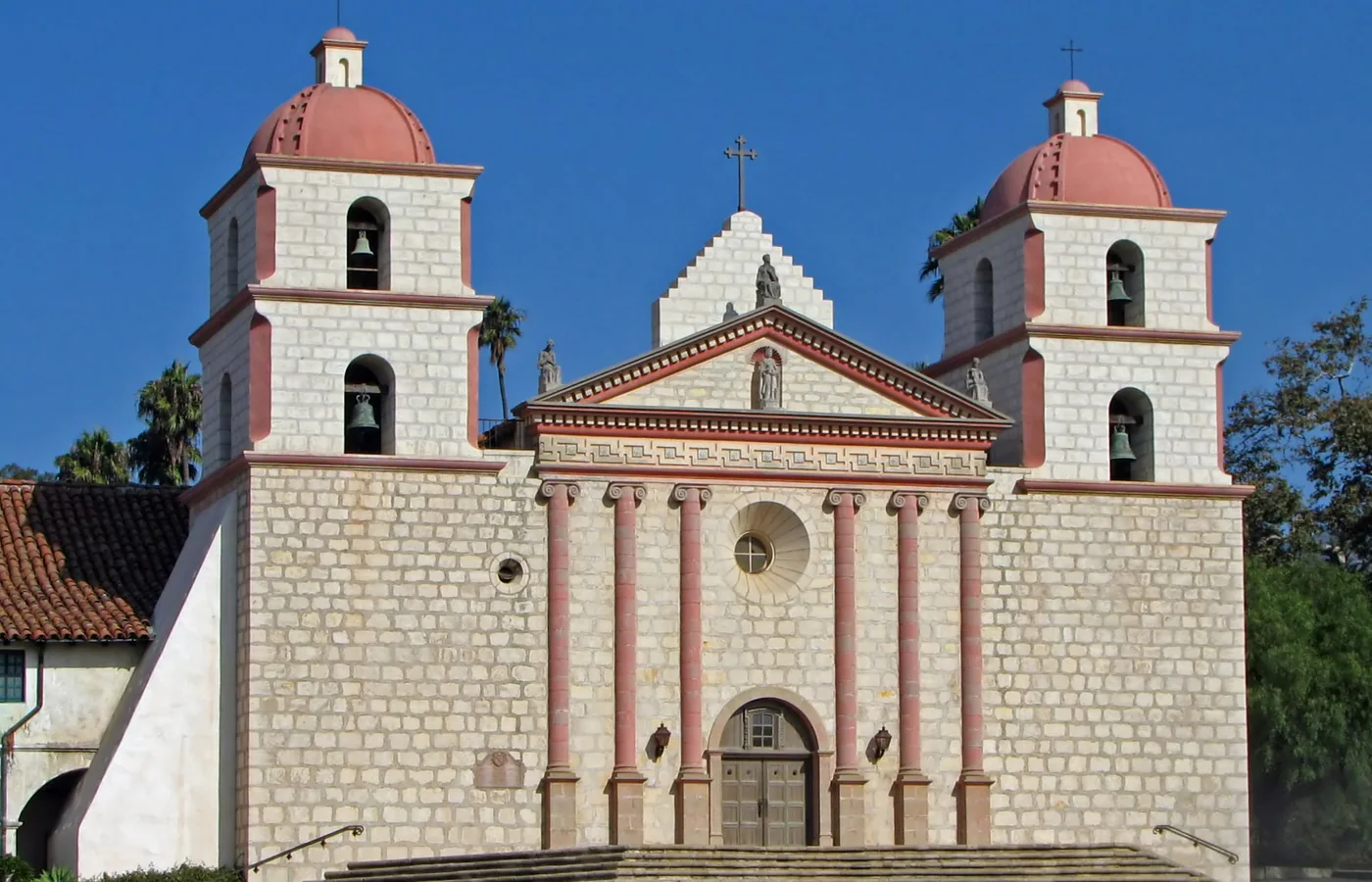
  • Old Mission Santa Barbara
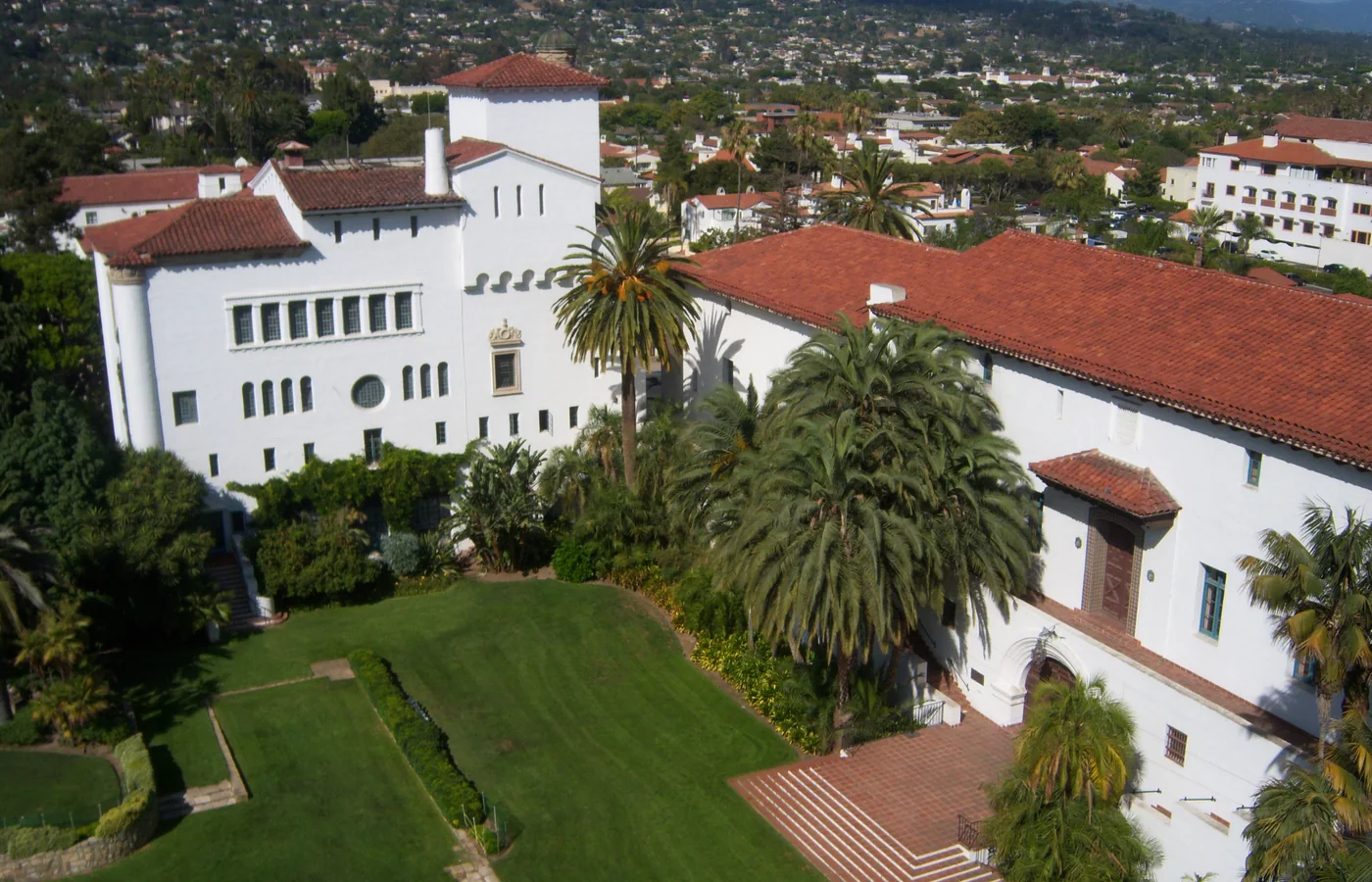
  • Santa Barbara County Courthouse
  • State Street
  • East Beach
  • The Funk Zone
  • Butterfly Beach

Nearby Markets: Malibu  |  Los Angeles  |  Palm Springs

Airbnb marketing services in Santa Barbara, California, USA
Postcards

Santa Barbara through the lens

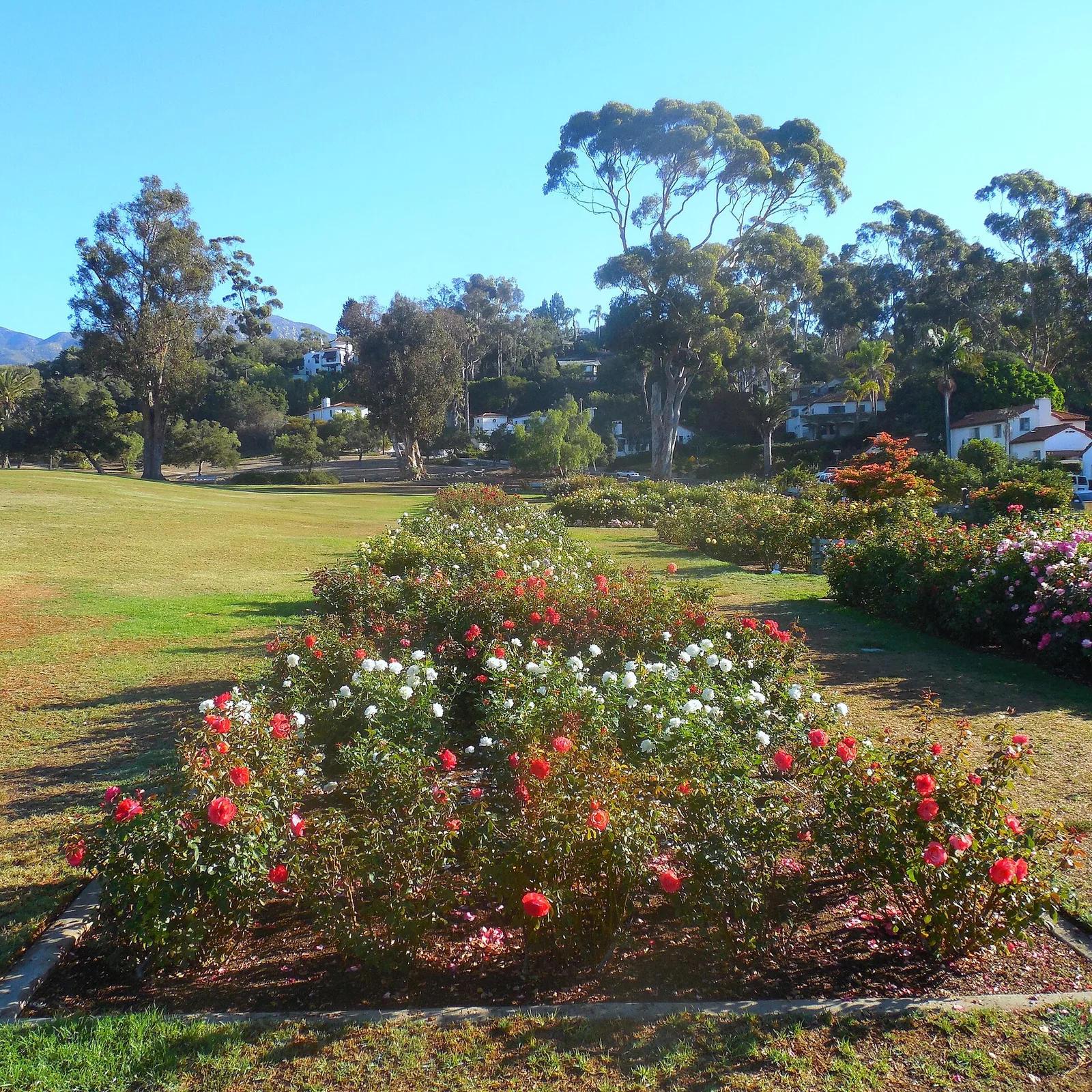
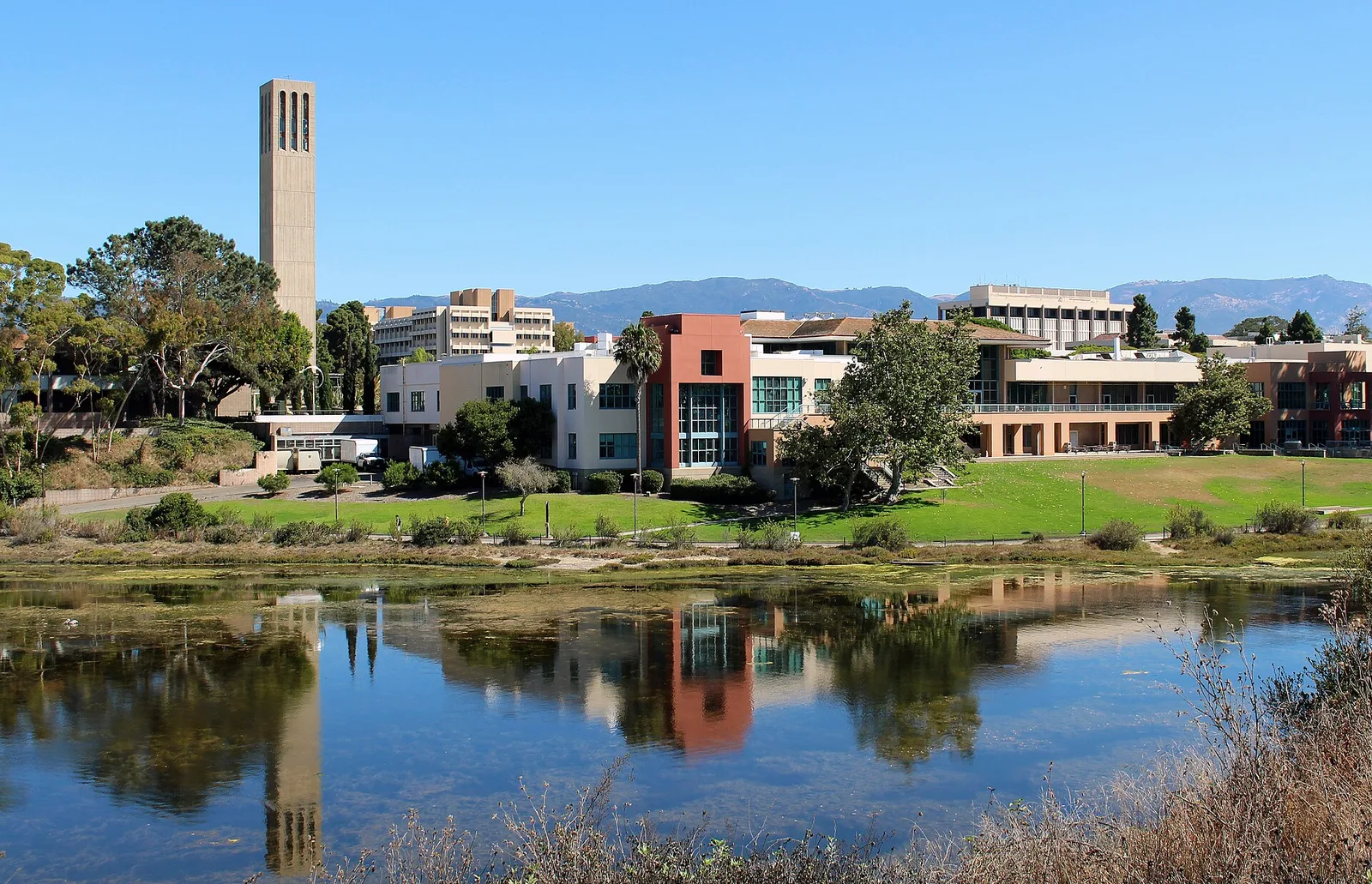
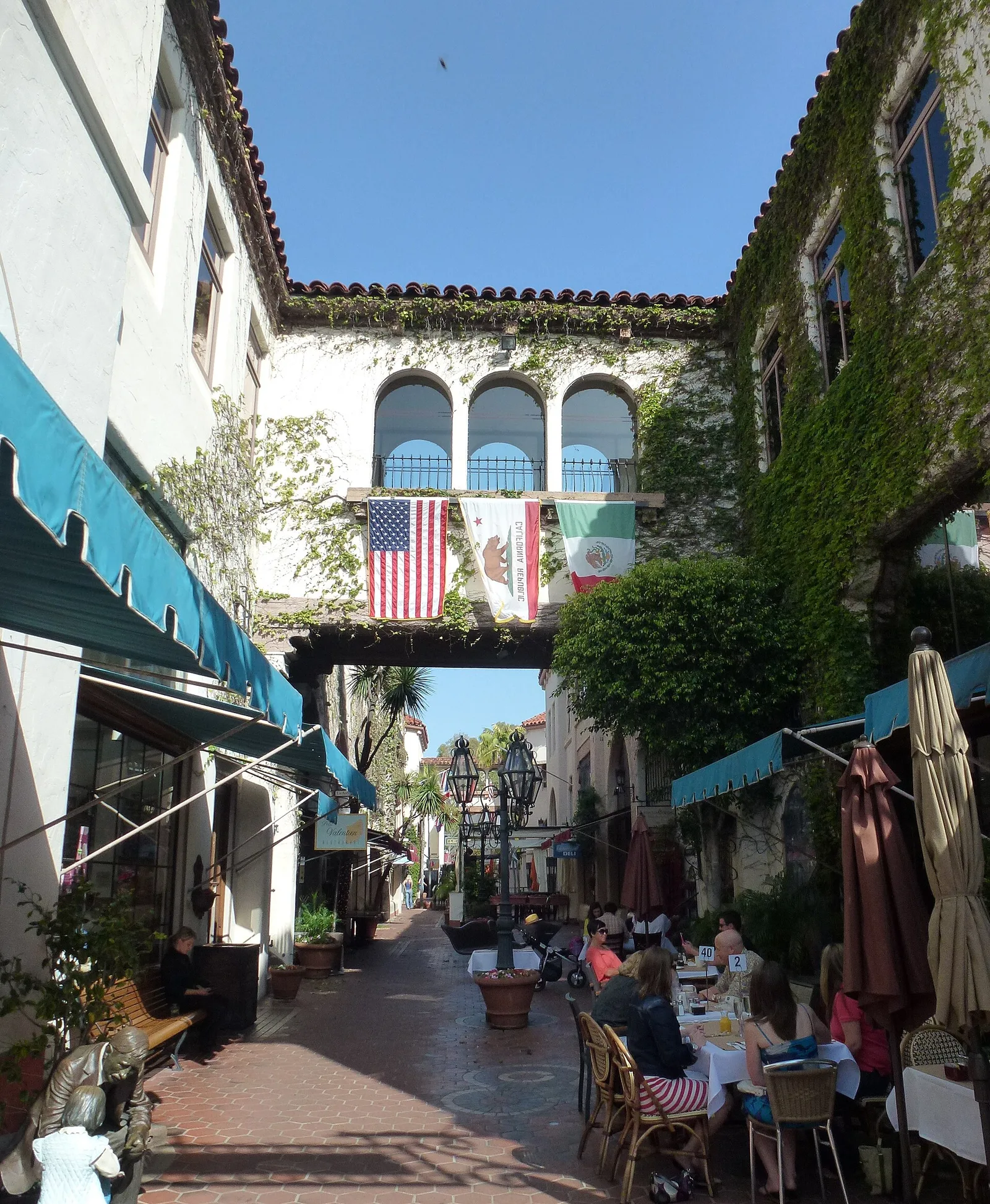
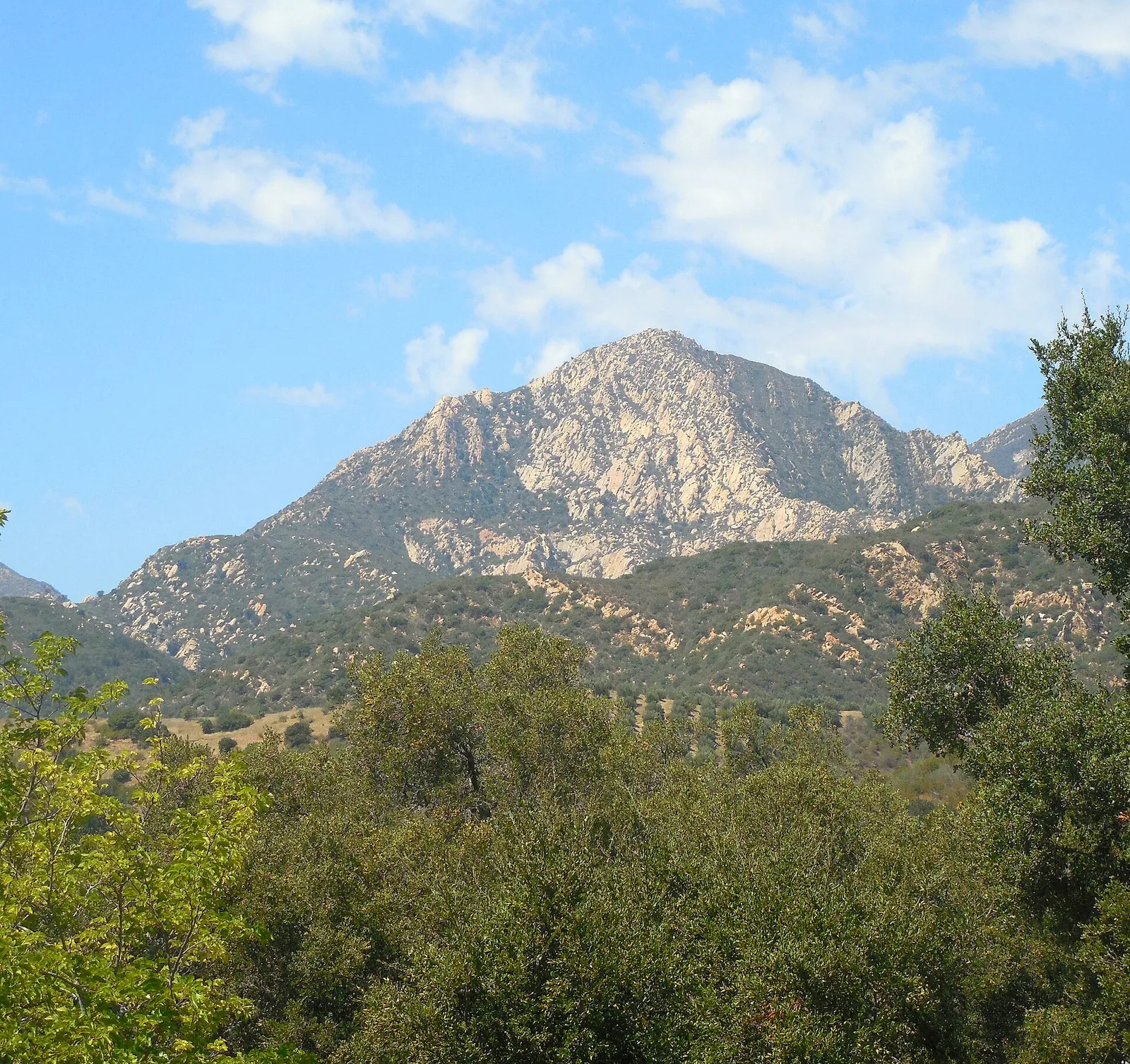
A few of the visual fingerprints we lean into when we shoot, brand and market a Santa Barbara property — courtesy of the open Wikimedia Commons archive.

SB MissionParkACPostelRoseGarden3 — Santa Barbara airbnb marketing
Local Color
SB MissionParkACPostelRoseGarden3
UCSB University Center and Storke Tower — Santa Barbara airbnb marketing
Local Color
UCSB University Center and Storke
Santa Barbara Downtown — Santa Barbara airbnb marketing
Local Color
Santa Barbara Downtown
SantaBarbaraCA ArlingtonPeakFromSkofield — Santa Barbara airbnb marketing
Local Color
SantaBarbaraCA ArlingtonPeakFromSkofield
Why Cavmir

The Cavmir Advantage
in Santa Barbara

Cavmir wins in Santa Barbara because this market punishes guesswork twice — once legally, once commercially. We help owners market whichever legal product they actually have: a coastal-zone rental operating with its business tax certificate and TOT in order, a furnished 30-plus-day home aimed at the relocation and film crowd, or an inn or boutique hotel that should be capturing far more of its bookings direct. The photography matters more here than almost anywhere — the light, the tile, the mountains behind the palms — and most listings waste all three. We shoot it properly, write copy that names real streets and real beaches, and build direct-booking websites so your repeat guests stop costing you commission. We help position and market your property. We never manage it or touch your keys.

State of the Industry · History

The Santa Barbara STR Market — Past & Present

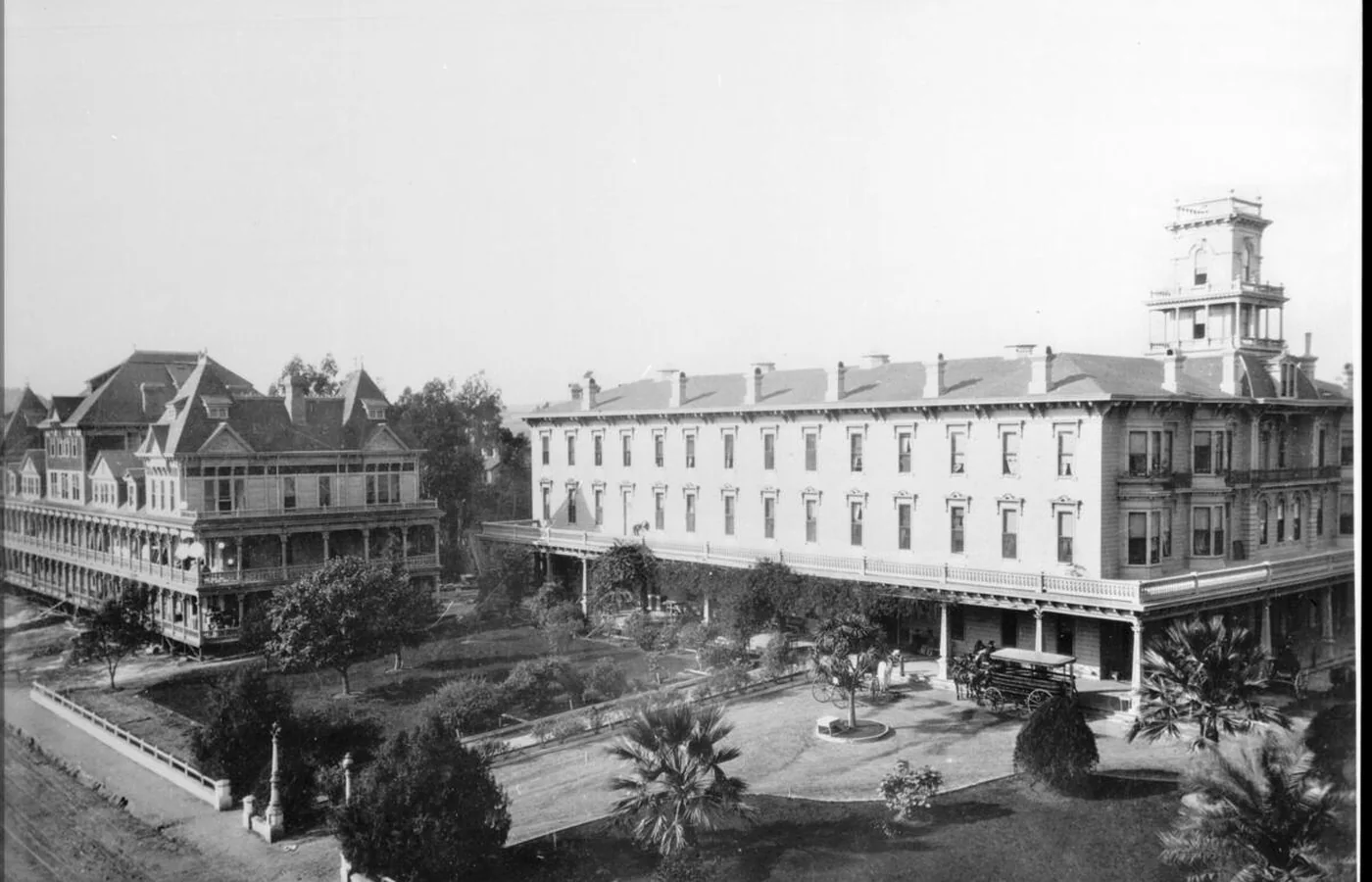
Santa Barbara's hospitality story starts with the Mission, founded in 1786 and still standing at the top of its lawn — the reason the town existed at all. The transformation into a resort came early: by the 1870s, health-seekers were arriving by steamship for the climate, Stearns Wharf went out into the channel in 1872, and grand hotels like the Arlington and later the Potter made the town a Gilded Age winter destination. Then came the morning of June 29, 1925, when an earthquake leveled much of downtown — and the city made the most consequential aesthetic decision in American town planning: it rebuilt to a single Spanish Colonial Revival vision, white walls and red tile enforced by an architectural review board. The Santa Barbara you photograph today was designed, not inherited.

The lodging market grew in that mold — the Biltmore opened in Montecito in 1927, and generations of inns and small hotels filled the blocks between State Street and the sand. The short-term-rental era hit hard in the 2010s, and in 2015 the city drew its line: vacation rentals were declared hotels, permitted only in zones where hotels are allowed, which excluded most residential neighborhoods. A host named Theo Kracke fought the coastal-zone enforcement and won — a 2021 appellate ruling found the city needed Coastal Commission approval to enforce its ban in the coastal zone, and the city has not proactively enforced there since, limiting itself to complaint-driven nuisance cases and tax collection. As of 2026 the city is drafting a new licensing ordinance to settle the question, and it remains genuinely unsettled. The owners thriving here are the ones treating compliance as strategy, not paperwork — coastal-zone operators with their taxes immaculate, furnished-monthly homes serving the film and academic trade, and boutique hotels that never stopped being the town's core product.

Pricing Strategy & Seasonality

Pricing, Seasonality & When to Capture ROI

Pricing Strategy

The premium map follows the coast and the tile. Montecito — technically unincorporated county — is the ceiling, with estate rentals commanding whatever the market will bear, which is a lot. In the city, the East Beach and West Beach blocks near the waterfront and the Funk Zone pull the strongest nightly rates; the Upper East and Mission Canyon sell historic charm and mountain views; the Mesa trades ocean proximity for a neighborhood feel; and Goleta and the university corridor run cheaper with steady 30-plus-day demand from UCSB. Blended nightly rates land around $455 — among the highest in California — with the top decile above $865, and a typical listing grossing in the neighborhood of $68,000 a year. The furnished-monthly market prices off Montecito relocation and film-production demand, and it is quietly one of the best in the state.

Seasonality & ROI Windows

Summer is the peak — June through August, with Fiesta week in early August the single strongest stretch — but this is a genuine year-round market. The south-facing coast keeps winter mild, the Film Festival props up February, and spring and fall shoulder seasons book well on wine-country and event traffic. The trough is short and shallow by California standards: late fall and the January gap, when the smart operators pivot to the 30-plus-day trade and midweek wine travelers instead of discounting weekends.

Regulation & Licensing · 2026

What the Law Requires in Santa Barbara

Santa Barbara is heavily regulated, and the rules are genuinely in motion — read this section as a map, then confirm everything with the city and your attorney. The baseline: the city classifies short-term rentals (under 30 days) as hotels, permitted only in zones where hotels are allowed. That excludes the A, E, R-1 and R-2 residential zones, which is most of the city's housing. Every operator, whatever the zone, must hold a business tax certificate and collect and remit the city's 12% transient occupancy tax. The wrinkle is the coastal zone: in 2021, a California appellate court ruled in the Kracke case that the city could not enforce its ban there without Coastal Commission approval, because vacation rentals are a form of coastal visitor access. Since then the city has not proactively enforced against coastal-zone rentals — enforcement there is complaint-driven — while an enforcement program launched in August 2023 pursues unlawful rentals inland.

As of 2026, the city is writing the next chapter: the Planning Commission voted 4–2 in March 2026 to advance a new ordinance that would create a licensing system for short-term rentals and hosted homeshares, while largely prohibiting whole-home rentals in much of the coastal zone — and the City Council delayed action in April 2026 after heavy public debate. Whatever passes must survive the Coastal Commission and likely litigation, so the practical rules could shift again. The stable lanes meanwhile: furnished stays of 30 days or more, which sit outside the hotel definition entirely; inns and hotels in the zones built for them; and coastal-zone operation with taxes and licensing kept immaculate. Unincorporated Santa Barbara County — Montecito, Summerland — runs its own separate rules. Get your specific parcel's status in writing before you list.

Market-Specific Tips & Challenges

Local Tips & Unique Market Challenges

Tips That Actually Move Revenue in Santa Barbara

The Santa Barbara strategic tip: know exactly which legal lane you occupy, then market it like you chose it. Owners here waste years operating in a gray zone with listing photos that scream impermanence. The coastal-zone operator with immaculate taxes, the furnished-monthly home aimed at film crews and Montecito renovations, and the inn with a real direct channel are three different businesses — each one works, but only when the marketing matches the product.

Tactically: first, shoot the light. Santa Barbara faces south, which means golden hour runs along the coast instead of into it — the courthouse tower view, the palms on Cabrillo Boulevard, the tile roofs against the mountains are the images that justify a $500 night, and phone photography throws them away. Second, build the direct channel now, whatever your lane: this is a repeat-visit market where the same LA families return for the same August weeks, and every rebooking through your own site is commission you keep. Third, if you're in the 30-plus-day business, market it like hospitality instead of real estate — the sabbatical professor and the location manager are booking a life for two months, and the listing that shows the farmers market and the morning walk to Butterfly Beach wins. Fourth, price the calendar deliberately: Fiesta, Solstice, the Film Festival and UCSB commencement are published dates that most owners treat like ordinary weekends. Fifth, watch the 2026 ordinance closely and keep every certificate current — in a market this legally contested, being the demonstrably compliant option is itself a competitive position.

Unique Santa Barbara Challenges

The headwinds are real: the rules are unsettled and could tighten with the 2026 ordinance, most residential zones have no legal nightly lane, and entry prices are among the highest in the country — which compresses yield even at $455 a night. Wildfire and, in Montecito's canyons, debris-flow risk complicate insurance. This market pays owners who do it properly and punishes everyone else.

A Curious Santa Barbara Fact
Santa Barbara's postcard look is the product of a disaster and a committee. On June 29, 1925, an earthquake destroyed much of downtown — and instead of rebuilding piecemeal, the city seized the moment to impose a single Spanish Colonial Revival vision, enforced by one of the first architectural review boards in the United States. The white plaster, red tile and deep arcades that read as centuries-old Old California are largely a 1920s design decision, executed so completely that the city has been protecting the illusion by ordinance ever since. The American Riviera is, in the best sense, a planned masterpiece.
Finance Essentials — Santa Barbara
🛡️

Insurance

Standard homeowner's policies generally exclude paying guests, so plan on a proper short-term-rental or landlord policy with strong liability limits. Santa Barbara adds California's hardest underwriting questions on top: wildfire exposure in the foothills and Mission Canyon has pushed many owners toward the California FAIR Plan plus wrap coverage, and the Montecito debris flows of 2018 put flood and mudflow riders on the map for canyon-adjacent properties. Coastal parcels carry their own wind and bluff questions. Use a broker who writes Santa Barbara specifically — this is not a market for a generic policy.

🧾

Property & Income Tax

Stays under 30 days owe the city's transient occupancy tax of 12% — 10% to the general fund and 2% to the creeks and clean-water program — plus the business tax certificate obligations that come with operating at all. Platforms may collect some of this; you remain responsible for the rest and for direct bookings. Stays of 30 days or more generally fall outside TOT, one more advantage of the furnished-monthly lane. Unincorporated county areas remit to the county instead. Rental income is then taxable at federal and California rates. Treat these figures as close-enough-for-planning and confirm your exact stack with your accountant.

🏦

Mortgages & Financing

Santa Barbara entry prices put most purchases in jumbo territory, and lenders will treat a rental-intent purchase here as a second-home or investment loan with the larger down payments and reserves that implies. DSCR loans underwritten on rental income exist, but the unsettled regulatory picture makes lenders conservative about projected nightly income — which quietly favors buyers who can show a credible 30-plus-day or coastal-zone income story with documentation. Montecito and the estate tier run on private banking. A local broker who understands which lane your property legally occupies is worth the call before you write offers.

Future Outlook · 2027 & Beyond

Where Santa Barbara is Headed Next

Santa Barbara's future is a negotiation between the city, the Coastal Commission and the courts — and it will land somewhere that keeps supply scarce. The 2026 ordinance, whenever it settles, is likely to formalize licensing, protect some coastal-zone access under Coastal Act pressure, and keep whole-home rentals out of the inland residential zones; every version under discussion preserves scarcity, which protects the value of whatever legal capacity survives. Demand needs no defense — the drive market is the wealthiest in the country, the town's aesthetic moat is ordinance-deep, and the events calendar compounds. The durable play into 2027 and beyond is owning a clearly legal product — a licensed or coastal rental, a furnished-monthly home, an inn with a brand — and marketing it with the seriousness the entry price already demanded. When the rules finish moving, the owners with clean paperwork and a real direct channel will be the ones the settlement rewards.

From the Desk of Sofie Sinag

Why We Love Marketing in Santa Barbara

Santa Barbara is the market where the raw material embarrasses the marketing most. The town was literally designed to be photographed — a whole downtown rebuilt to one Spanish Colonial vision, red tile against green mountains against blue water, palms in rows the city planted on purpose — and the average listing shows a beige bedroom and a parking spot. Give us the courthouse tower view, the golden hour on Butterfly Beach, the walk from a Funk Zone tasting room to the sand, and the property stops competing on price entirely. The guest booking Santa Barbara is buying the American Riviera for a weekend; the listing that actually shows it wins before the search results finish loading.

We also love working a market where strategy genuinely matters. The rules here are a maze — hotel zoning, a coastal-zone court ruling, an ordinance rewriting itself in real time — and that maze is exactly why good positioning pays. The coastal operator with immaculate compliance, the furnished-monthly home built for a film crew's three-month shoot, the boutique hotel finally taking its direct bookings seriously: each one is a different story to tell, and telling the right story to the right guest is the whole craft. Santa Barbara punishes owners who wing it. We like markets that reward doing the homework, and nowhere rewards it like this stretch of coast.

Why It Matters

A great property in Santa Barbara doesn't just want a listing — it wants a point of view, an audience, and a brand the city itself would recognise.

Cavmir's Santa Barbara Cheat Sheet

The Picks We Recommend for Your Welcome Book

A few honest, insider picks for Santa Barbara — the kind of specifics that make a listing read like a local wrote it, because one did. Real places, no filler.

Morning

Butterfly Beach, Montecito

The south-facing coast means the sun comes up over the water here — one of the few places in California it does. Locals walk it at low tide before the day starts. If your property is within ten minutes of this beach, your listing should say so in the first paragraph.

Golden Hour

The Santa Barbara County Courthouse tower

Take the elevator up El Mirador for the full sweep — red-tile roofs to the mountains, palms to the harbor. It's free, it's open late enough for golden hour most of the year, and it's the single image that explains why people pay Santa Barbara rates.

Neighborhood Walk

The Funk Zone

Old industrial blocks between the tracks and the beach, now the Urban Wine Trail's tasting rooms, murals and seafood counters. It's the walkable afternoon that sells the town to first-timers — and 'three blocks from the Funk Zone' is a booking argument all by itself.

Dinner That Photographs

The Boathouse at Hendry's Beach

Tables on the sand at Arroyo Burro Beach as the sun drops behind the bluffs — the plate barely matters at that point, though the local fish holds its own. This is the dinner guests screenshot, and the reservation to tell them to book on arrival day.

Local Obsession

La Super-Rica Taqueria on Milpas

A turquoise taco stand with a permanent line, made nationally famous as Julia Child's favorite. Locals argue about the best order the way other towns argue about sports. Send guests with cash and patience — it's the realest food experience in town.

Shoulder Season Secret

The Urban Wine Trail midweek in winter

January and February on the American Riviera mean 65-degree afternoons, empty tasting rooms and hotel rates at their honest floor. Sell the secret plainly: this is the same town as August with a third of the people in it.

Weekend Escape

The Santa Ynez Valley over San Marcos Pass

Forty minutes over the mountains: Los Olivos tasting rooms, Solvang's Danish bakeries, oak-studded ranch country. It's the classic add-a-day for guests who've done the beach, and mentioning the pass drive earns points with the road-trip crowd.

What Guests Ask For

The Pacific Surfliner and the car question

Amtrak's coastal line arrives downtown, blocks from the beach — LA guests increasingly come carless, and they need to know it's possible. Answer the two questions plainly in the listing: how they arrive without driving, and where the car goes if they bring one.

Local Work · Composite Case Vignettes

What Cavmir Has Done for Santa Barbara Properties

A few composite engagements drawn from how Cavmir typically works in this market. The details are illustrative and consistent with Santa Barbara, not pulled from a single named client.

Coastal-zone rental · West Beach
The Brief

A legally operating coastal-zone rental with its taxes in order looked no different online from the gray-market listings around it — phone photos, generic copy, no mention of compliance, and pricing that ignored Fiesta week entirely.

What We Did

Cavmir reshot the property in the south-coast light, rewrote the listing around the walk to Stearns Wharf and the harbor, made the operation's licensing and tax standing quietly visible, built event pricing for Fiesta and Solstice, and added a direct-booking page.

The Result

The listing separated from its comp set within a season, Fiesta week booked out early at rates the owner had never asked for, and repeat summer guests began rebooking direct — with the compliance story itself converting the cautious, high-value bookers.

Furnished monthly · Upper East
The Brief

A handsome Upper East house near the Mission sat between long-term tenants while the owner debated risky nightly options — unaware the property was ideally positioned for the film-production and sabbatical market that books 30-plus days legally.

What We Did

Cavmir positioned it as a furnished monthly: photography styled like a boutique hotel suite, copy naming the Mission, the courthouse and the farmers market, placement on the furnished-stay channels, and a one-page direct site for renewals and referrals.

The Result

The house moved to consecutive monthly stays with minimal vacancy, attracted production and academic guests who renewed and referred colleagues, and the owner ended up with steadier income than the nightly gray zone could ever have delivered — with none of the legal exposure.

Boutique hotel · near State Street
The Brief

A Spanish Revival hotel with a tiled courtyard was paying OTA commissions on nearly every booking, with a dated website that buried the architecture and no campaigns around the Film Festival, Fiesta or the wine-country fall.

What We Did

Cavmir rebuilt the brand and direct-booking website around the courtyard and the American Riviera story, reshot the property at golden hour, ran search marketing for Santa Barbara boutique-stay terms, and built packages keyed to the festival calendar.

The Result

Direct bookings grew into a durable share of revenue, festival windows sold out ahead of the OTA calendar at stronger rates, and the hotel's returning guests — the ones who come every Fiesta — finally booked through a channel the property owned.

Ready to Grow in Santa Barbara?

Let's Put Your Santa Barbara
Property on the Map

Talk to Cavmir today. We'll show you exactly what your Santa Barbara property is leaving on the table — and how fast we can change that.

Book a Free Strategy Call