Solvang, Los Olivos, Santa Ynez, Ballard
Four distinct places within fifteen minutes, each with its own character. Los Olivos has the densest concentration of tasting rooms; Solvang has the walkable centre. Give guests the map.
Expert short-term rental marketing to grow your bookings and nightly rate in Solvang, California, USA.
* Market averages. Properties marketed by Cavmir typically exceed these figures by 25–45%. Data sourced from AirDNA, STR market reports, and Cavmir internal analytics.
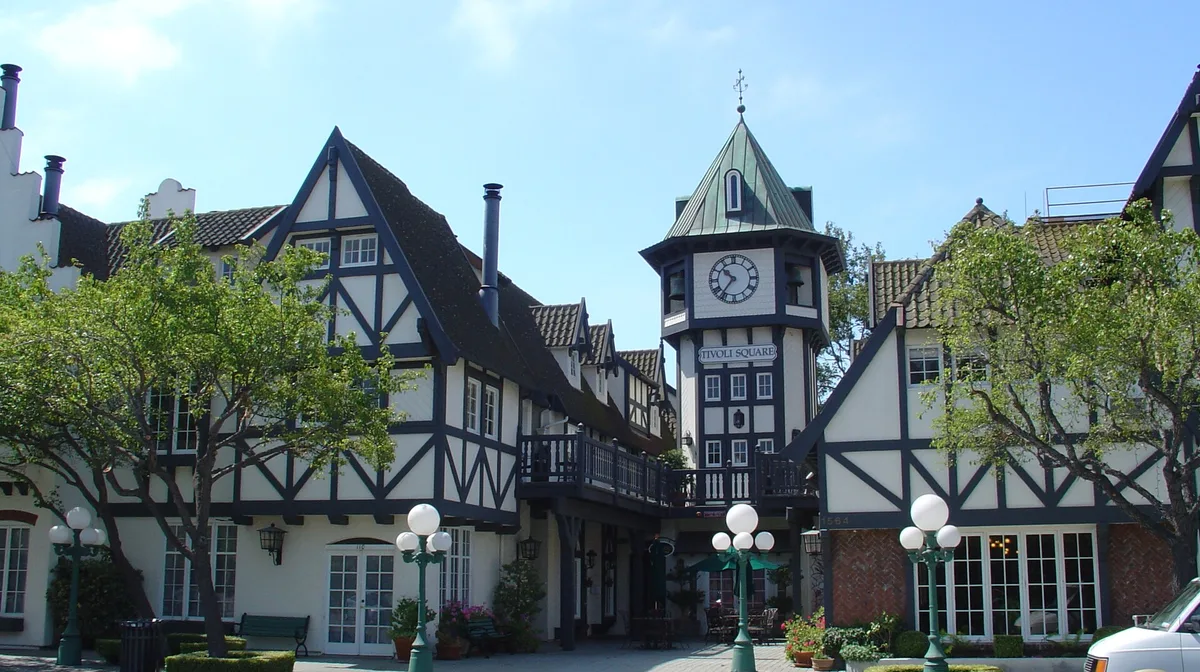
Solvang was founded in 1911 by Danish-American educators who bought land in the Santa Ynez Valley to establish a folk school and a Danish-speaking community. The half-timbered buildings, the windmills and the storks on the rooflines came later, mostly from a deliberate architectural turn in the mid-twentieth century, but the community underneath them is genuine — the bakeries have been making the same pastries for generations and the town still marks Danish Days every September. What surrounds it is the more commercially significant fact. Solvang sits in the middle of the Santa Ynez Valley, which is one of the better wine regions in California and which most of the country met through a single film in 2004. Los Olivos is six miles north, Santa Ynez and Ballard are minutes away, Buellton is down the road, and Santa Barbara is forty-five minutes over the San Marcos Pass. It is a year-round market with no ski season and no beach, which makes it unusually stable — and the town has just decided to cap how many properties can do what yours does.
Solvang has been rewriting its short-term rental rules and the direction is decisively restrictive. The City Council approved the first reading of an amended ordinance five to nothing on 23 February 2026 and subsequently adopted it, modernising rules that had not been substantially revised since 2016. The framework caps citywide short-term rental permits at forty. The city has had roughly twenty-five active permits, a number expected to fall as a couple of operations are reclassified as hotels, so there is headroom — but a finite and now-defined amount of it. New permits are restricted primarily to the Village Mixed-Use zone along Mission Drive. Short-term rentals are banned in accessory dwelling units and in homes created under California's Senate Bill 9. Life-safety inspections are required for all new permits with follow-ups on a periodic basis, and occupancy limits, parking requirements and a local contact for complaints are all mandatory. The provision that matters most to a buyer is this: existing short-term rentals in R-3 residential zones may continue operating until the property is sold, and the permit is not transferable. As in Bozeman and Medora, every sale retires a rental permanently.
Nearby Markets: Santa Barbara | Ojai | Cambria

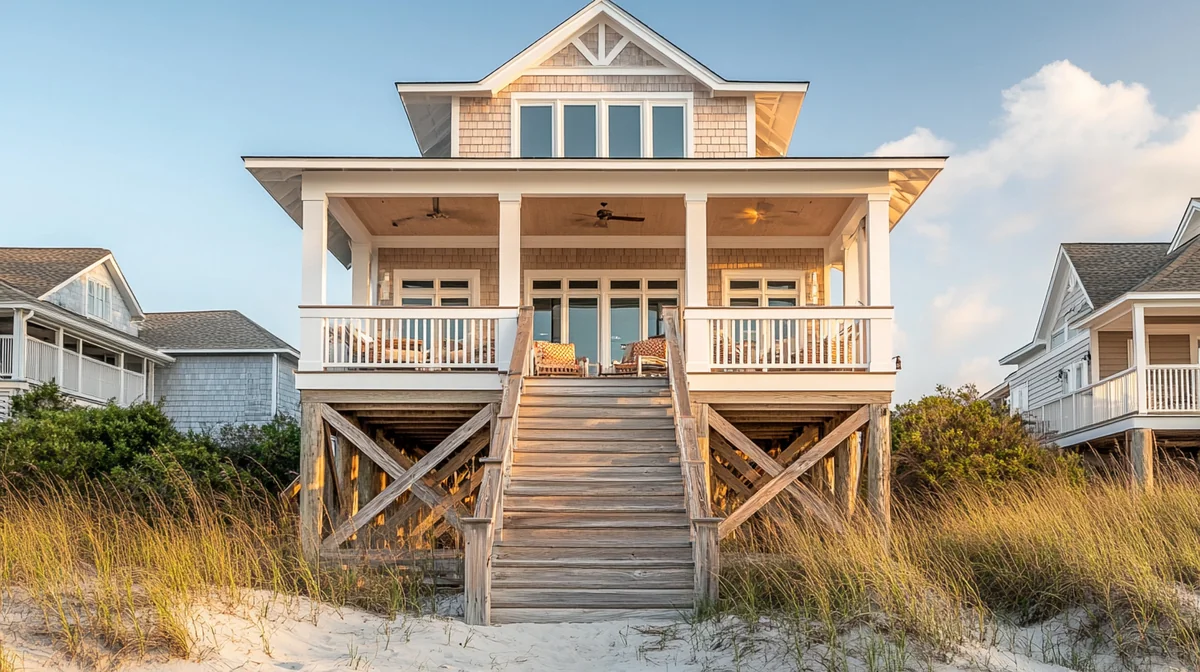
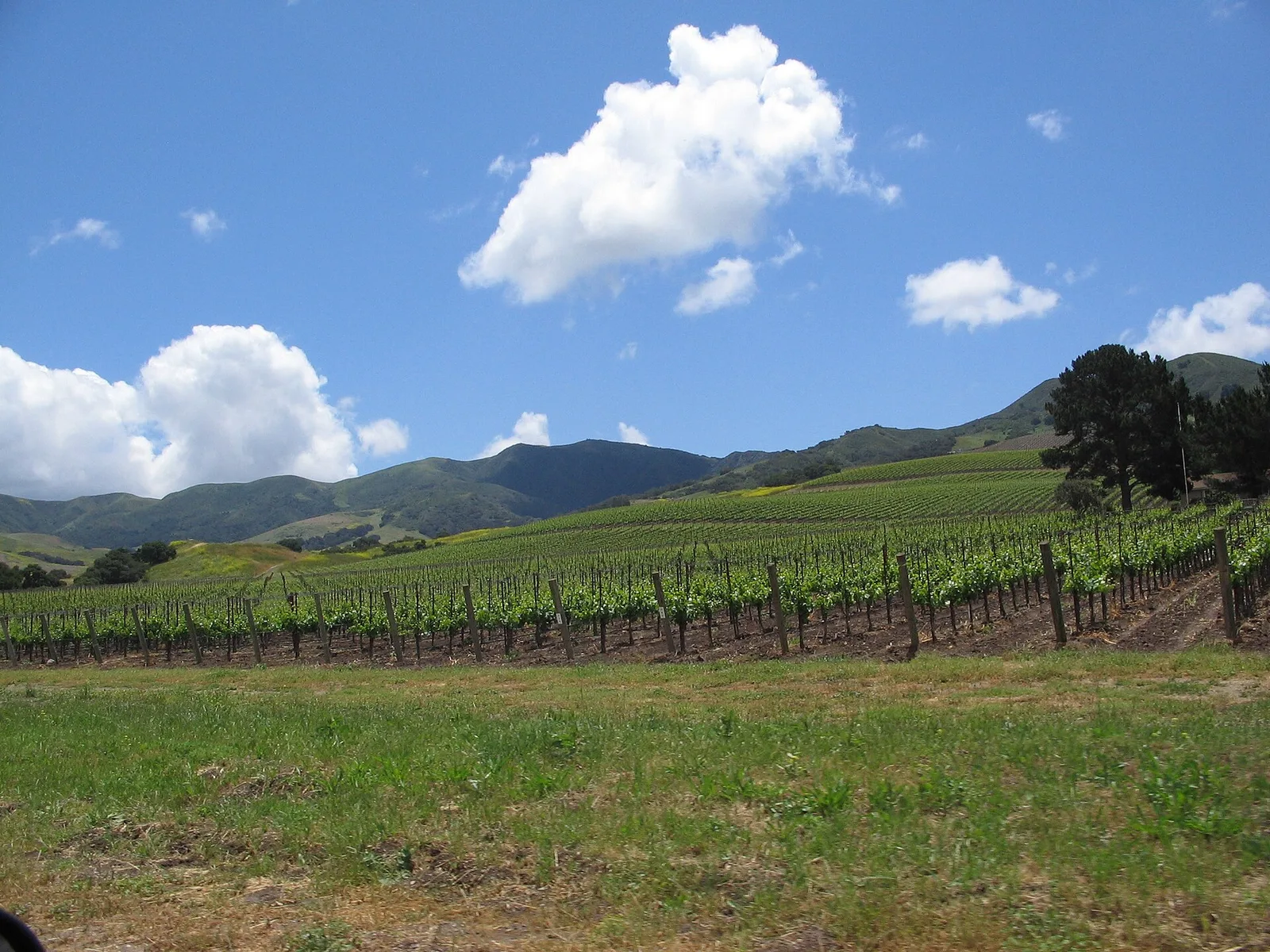
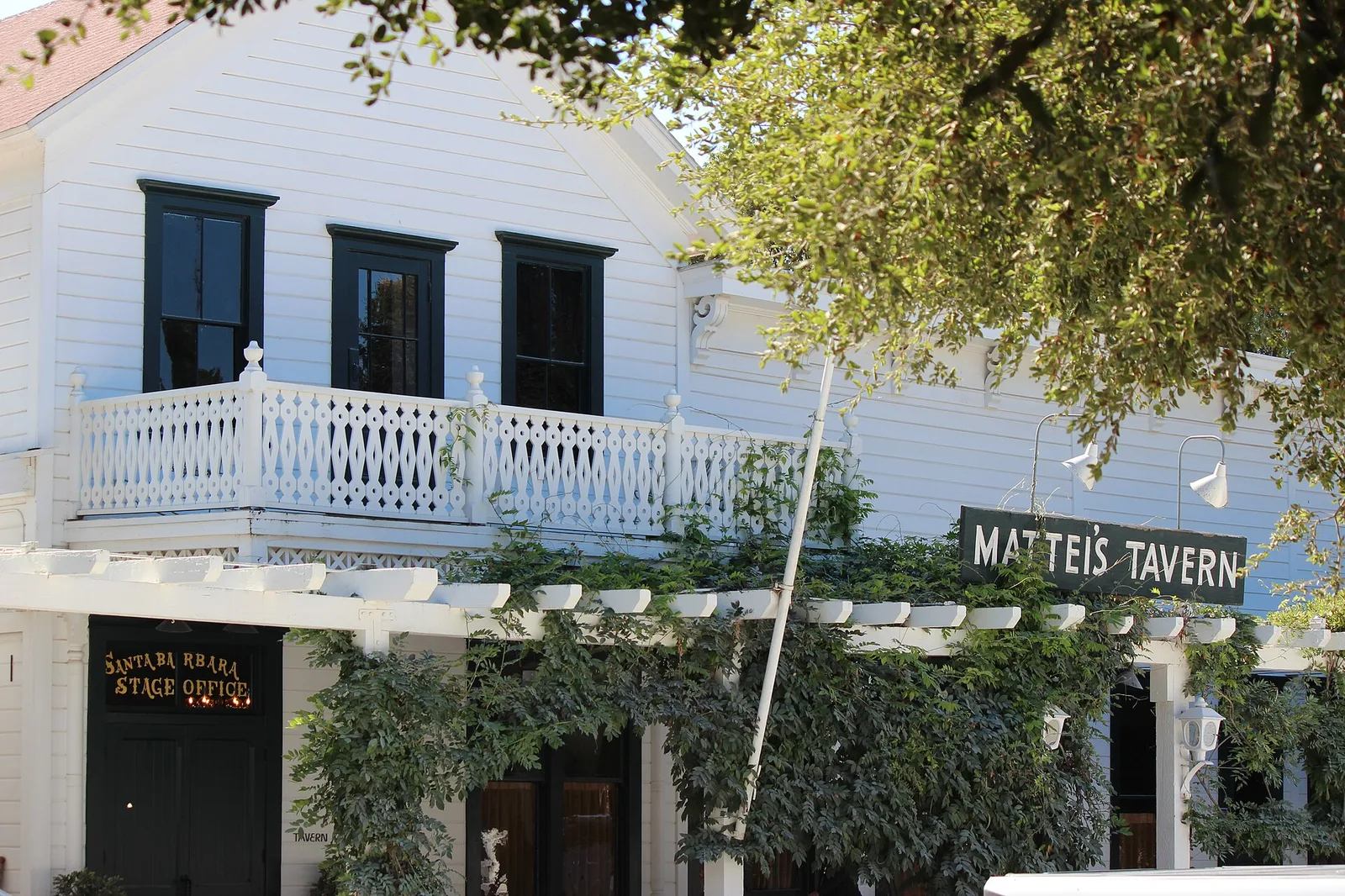
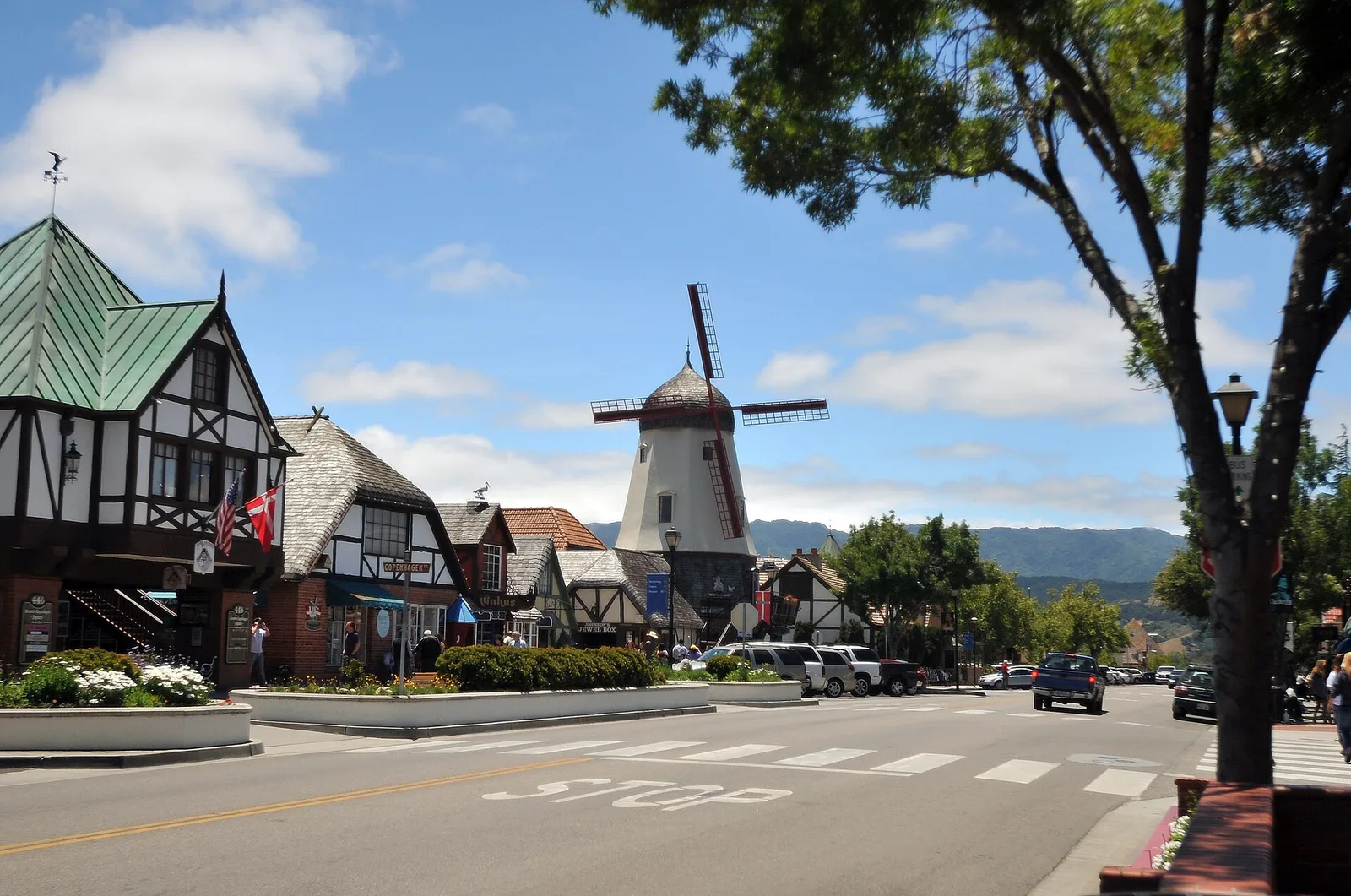
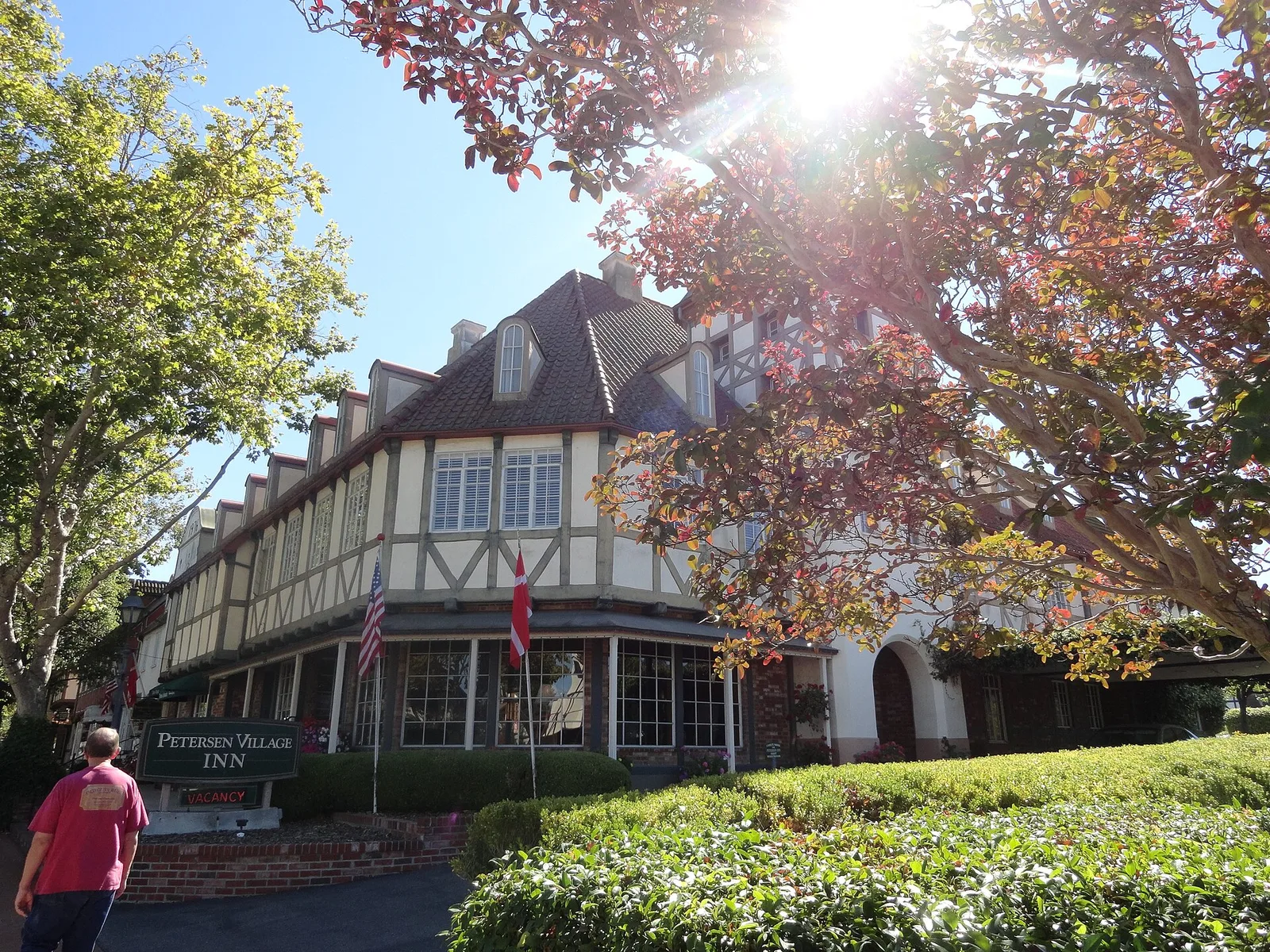
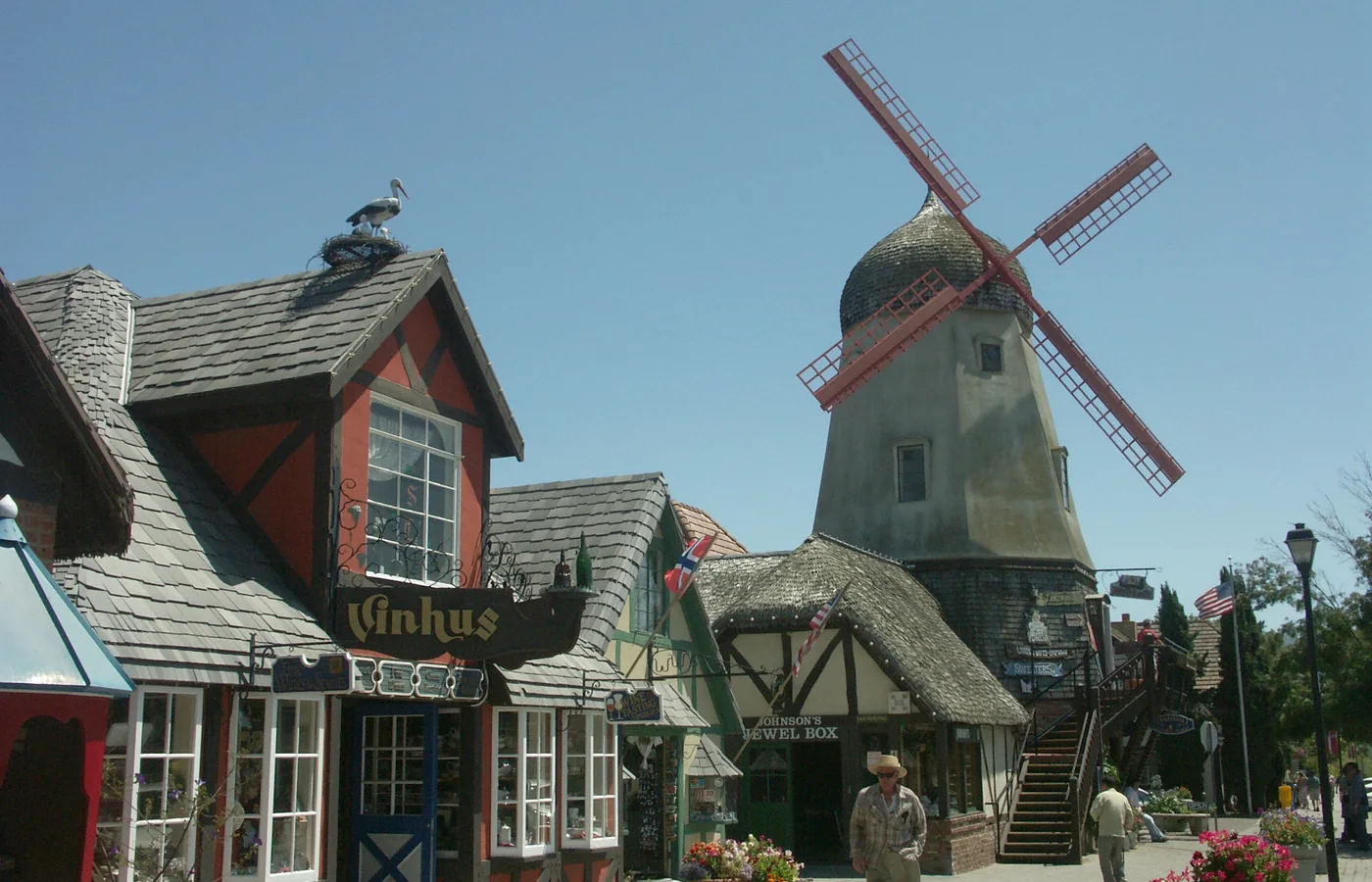
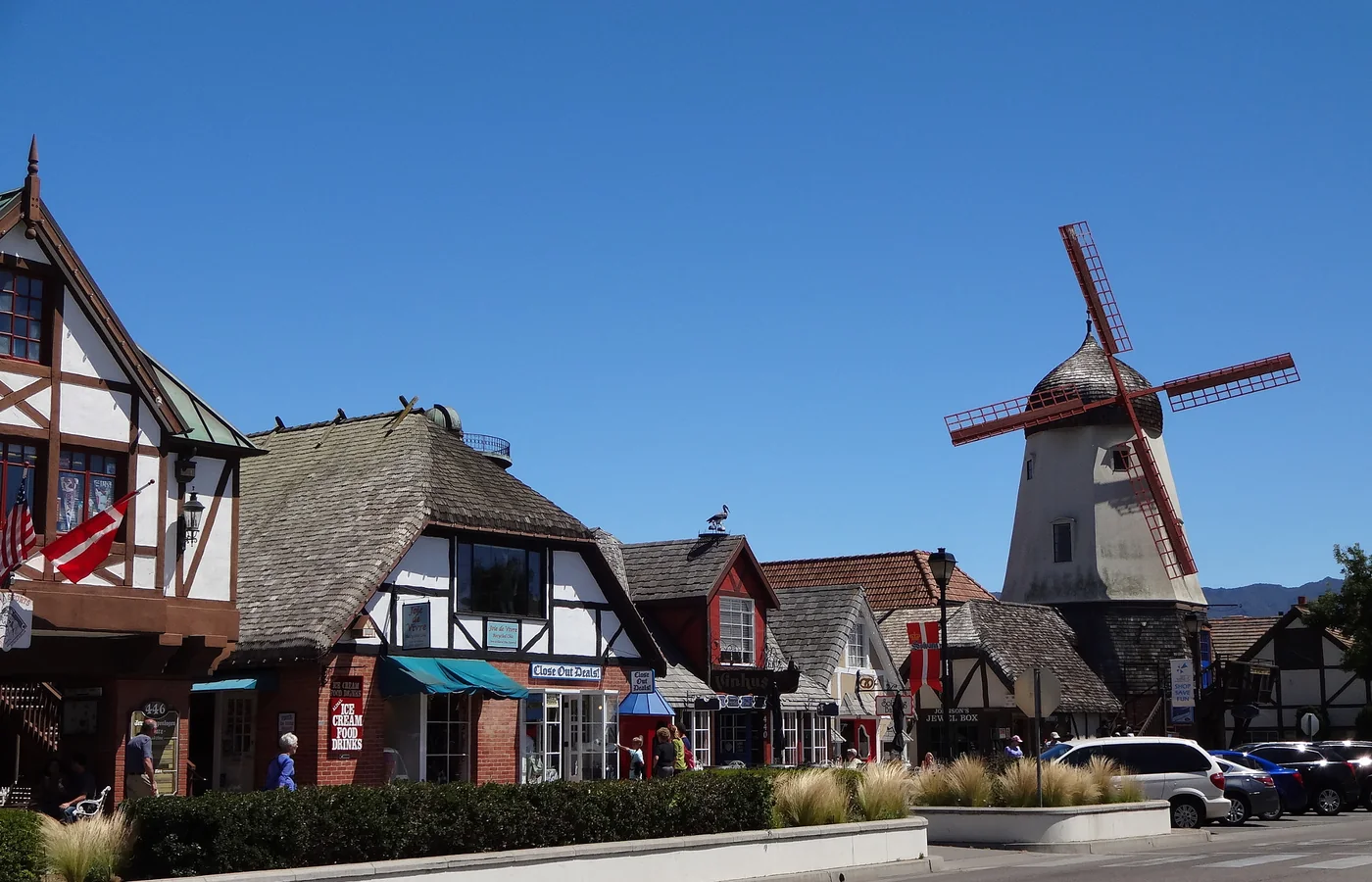
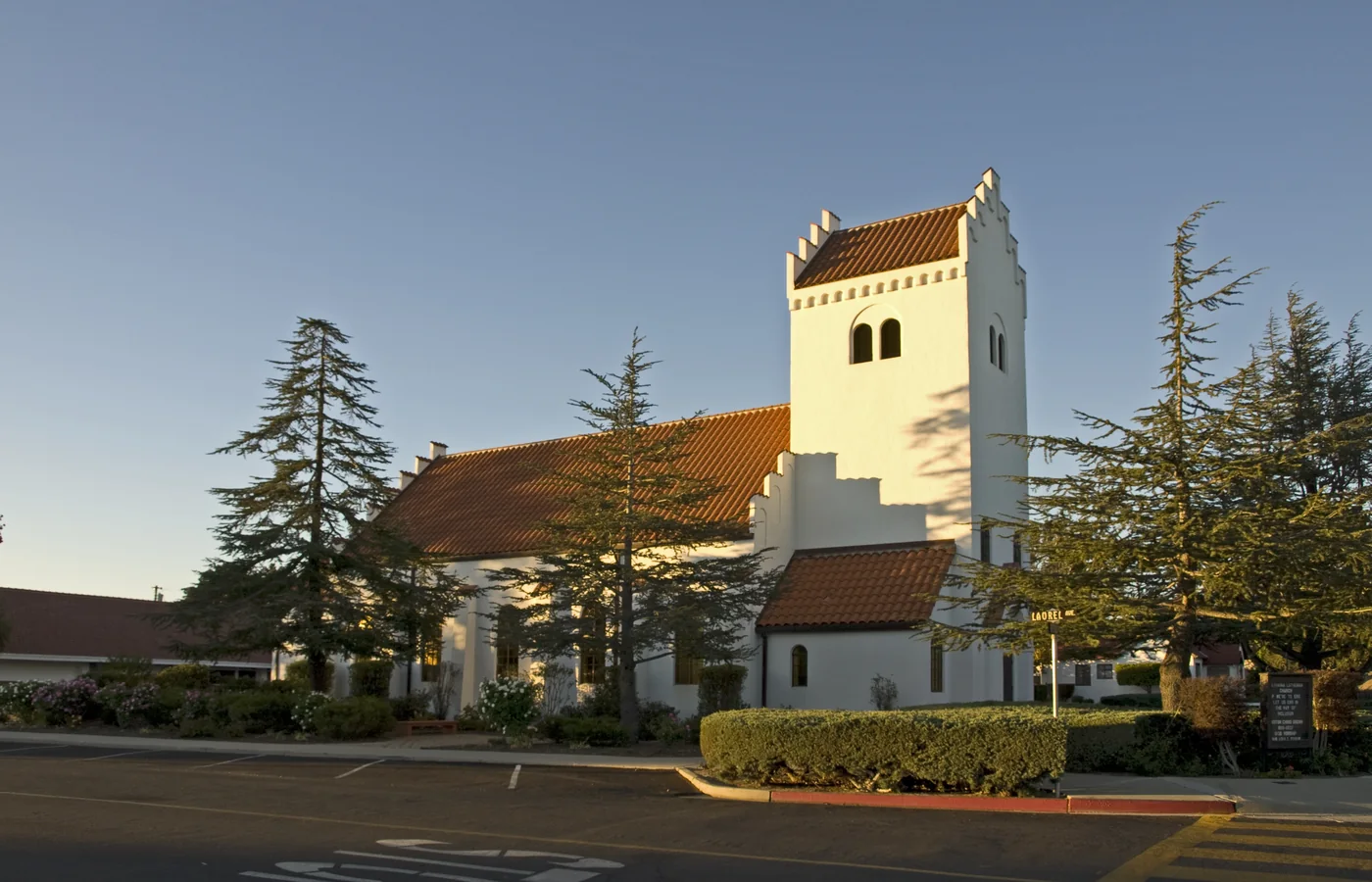
A few of the visual fingerprints we lean into when we shoot, brand and market a Solvang property — courtesy of the open Wikimedia Commons archive.
Cavmir markets Solvang properties on the valley rather than on the windmills, because the guest who books a three-night midweek stay here is usually coming for wine and for a drive, not for a Danish theme. We write the valley properly — Los Olivos, Ballard Canyon, Santa Rita Hills, the difference between a tasting room on Grand Avenue and a winery down a dirt road — because that is the language the guests who spend money in this market actually use. We photograph the property in the light this valley gets in the late afternoon, which is genuinely good, and we shoot the outdoor space, because somewhere to sit outside with a bottle at six o'clock is the single most valuable feature a Santa Ynez rental can have. Where a property holds one of a capped number of permits, we say so, because that scarcity is real and almost nobody uses it. We build a direct booking site that takes reservations without an intermediary, run local search across the valley towns rather than Solvang alone, and keep an email list of the couples who come back every autumn. We help position and market your property. We never manage it or touch your keys.
Solvang was founded in 1911 by a group of Danish-Americans from the Midwest who wanted to establish a Danish folk school and a community where the language and culture would survive. They bought land in the Santa Ynez Valley, named the place Solvang — sunny field — and built Atterdag College. The community was genuinely Danish-speaking for decades, and the churches, the bakeries and the cemetery all reflect it.
The architecture came later and more deliberately than most visitors assume. Solvang looked like an ordinary California farm town into the 1940s. A conscious turn toward half-timbered Danish provincial styling gathered pace after a 1947 article in the Saturday Evening Post brought national attention, and the windmills, storks and stepped gables were largely built through the 1950s, 1960s and after. That makes the town an interesting hybrid: a real ethnic community that later decided to look like one.
Mission Santa Inés, founded in 1804, sits on the edge of town and predates everything else here by more than a century. It was the nineteenth mission in the Alta California chain.
The wine industry transformed the valley from the 1970s onward. The Santa Ynez Valley appellation was established in 1983, and the region's east-west transverse valleys — unusual on the Pacific coast — channel marine air inland and produce growing conditions that suit Pinot Noir, Chardonnay, Syrah and Rhône varieties in different sub-districts.
Then came the film. Sideways, released in 2004, was set and shot in this valley and had a measurable and well-documented effect on tourism and on what people drank. Two decades later the valley's visitor economy is substantially built on wine, and Solvang functions as the lodging centre for it — which is precisely why the town has spent the last several years arguing about short-term rentals.
Solvang is one of the flattest-demand markets in this wave, which is a genuine commercial advantage and one that owners routinely fail to exploit.
There is no ski season and no beach season. What there is instead is a year-round wine-tourism calendar with a weekend bias, an autumn peak around harvest, and a set of specific events. Spring through autumn is generally strong. Harvest, from late August into October, is the best stretch of the year — the weather is excellent, the valley is working, and the guests who come then spend the most. Danish Days in September is a genuine event with real demand attached. Winter is quieter but not empty, and the town does a substantial Christmas season with lights and a Julefest programme that fills weekends in December.
The dominant guest is a couple or two couples on a two-to-four-night trip built around tasting rooms, and that shapes everything. They book with moderate lead times, they are not tied to school calendars, they travel midweek if given a reason, and they choose on outdoor space and on whether they can walk somewhere for dinner. Midweek discounting aimed at that guest works here in a way it does not in family markets.
The single most underpriced asset in this market is a good outdoor space. A patio with a table, shade and evening light is worth more to a Santa Ynez guest than an extra bedroom, and most rate cards do not reflect it.
With the permit cap now defined at forty citywide, licensed properties should stop pricing as though supply is unlimited.
Spring through autumn is broadly strong, with the harvest stretch from late August into October the best of the year for both weather and spend. Danish Days in September and the Julefest Christmas programme in December are real demand events. Summer is busy but the valley gets genuinely hot inland, and some guests prefer the shoulders. Winter outside the Christmas weeks is the quietest period, though never dead. Weekends carry a heavy share of demand year-round given the drive from Los Angeles and the Bay Area. This is a market with no dead season and no violent peak — unusual, and easier to run than most.
Solvang has just tightened its short-term rental rules substantially, and anyone evaluating this market needs the current framework rather than what applied a year ago.
The city's rules had not been significantly revised since 2016. Following concerns raised about noise, parking, housing availability and the effect on local hotels, the City Council approved the first reading of an amended ordinance by five votes to nothing on 23 February 2026, and subsequently adopted it.
The key provisions: a citywide cap of forty short-term rental permits. New permits restricted primarily to the Village Mixed-Use zone along Mission Drive. Short-term rentals banned in accessory dwelling units and in homes created under California's Senate Bill 9 — which closes off the two routes by which new small units were most likely to be added. Life-safety inspections required for all new permits, with mandatory follow-up inspections on a periodic basis. Occupancy limits, parking requirements and a designated local contact for complaints all mandatory.
The provision with the sharpest effect on value is the treatment of existing rentals in R-3 residential zones. Those may continue operating until the property is sold, and the permit is not transferable. As in Bozeman and in Billings County, that means each sale permanently removes a rental from the city's supply, and the count only moves in one direction.
The city has had roughly twenty-five active permits against the forty cap, with that number expected to fall as a couple of operations are reclassified as hotels. So there is headroom today. There is not unlimited headroom.
Unincorporated parts of the Santa Ynez Valley fall under Santa Barbara County's separate short-term rental ordinance, which is a different framework entirely — do not assume Solvang's rules apply outside the city, or the county's inside it. Confirm the current position and permit availability with the City of Solvang before acting.
Sell the valley, not the windmills. The Danish architecture gets people to look at Solvang; the wine gets them to book three nights. Write Los Olivos, Ballard Canyon, the Santa Rita Hills and Santa Ynez by name, with drive times, because the guests who spend money here plan around specific tasting rooms.
Photograph the outdoor space and photograph it in the evening. A patio with a table and good six o'clock light is the most valuable feature a rental in this valley can have, and it is the one most listings represent with a single flat midday snap.
Where you hold one of a capped number of permits, say so. Forty citywide is a small number and it is now a defined ceiling. That is a genuine differentiator that reassures guests and matters materially to a future buyer.
Write the walk. Solvang is compact and walkable, and being able to leave the car parked and walk to dinner and a tasting room is worth real money to a guest who is drinking wine. State the minutes.
Address the midweek couple deliberately. This is not a school-calendar market. The dominant guest can travel Tuesday to Thursday if given a reason, and a modest midweek incentive plus copy aimed at a quieter valley experience fills nights that family markets simply lose.
Do the Christmas season properly. Solvang's Julefest is a real programme and December weekends have genuine demand attached. Most owners treat winter as one undifferentiated slow period and miss it.
Be honest about summer heat. The valley gets hot inland in July and August, and a guest expecting coastal Santa Barbara weather forty-five minutes away will be surprised. Say what the property has by way of shade and cooling.
The cap and the transfer rule are the structural challenges. A permit that ends when the property sells means a buyer cannot assume the seller's rental history transfers to them, and any purchase model needs the permit position confirmed with the city in writing before closing.
The zone restriction is the second. With new permits limited primarily to the Village Mixed-Use area along Mission Drive, the residential inventory that has historically been let is a closing category rather than an expanding one.
The third is competition from hotels, which is unusual for this list. Solvang has a substantial hotel and inn sector that lobbied on this issue, and short-term rentals here compete directly with it rather than serving a segment hotels cannot reach.
The fourth is that yields are modest. California acquisition costs against a market with no violent peak produce steady rather than spectacular returns, and buyers coming from higher-yield markets should expect that.
Wildfire is the dominant California underwriting question and the Santa Ynez Valley is not exempt from it. Availability as well as price is a live issue in parts of the state, and properties closer to the hills and the wildland interface face harder questions than those in the town centre. Establish what cover is actually available for a specific property before you buy, and expect questions about defensible space, roof material, vegetation clearance and access.
Earthquake cover is a separate policy in California and is worth a specific decision rather than an omission.
Short-term rental use must be disclosed. A standard homeowner form will not respond properly to commercial letting, and in a city that now requires life-safety inspection and a designated local contact, an undisclosed use is a compliance exposure as well as an insurance one.
Liability should reflect the actual guest profile here, which is frequently adults drinking wine. Pools, hot tubs, steps and outdoor spaces used in the evening all deserve appropriate limits.
Older buildings are common in and around the town centre, and underwriters will ask about wiring, plumbing and roofs.
Work with a broker who writes short-term rental policies in Santa Barbara County specifically.
California has no statewide lodging tax, so the charge on a Solvang stay is local, and the City of Solvang levies a transient occupancy tax on short-term stays. Confirm the current rate with the city rather than relying on a published figure, because California transient occupancy tax rates are set by ordinance and change.
Santa Barbara County levies its own transient occupancy tax in the unincorporated areas, including the parts of the Santa Ynez Valley outside city limits, and that rate is separate from Solvang's. If you are comparing properties inside and outside the city, you are comparing two different tax positions as well as two different regulatory regimes.
California also permits tourism business improvement district assessments on lodging in some jurisdictions, which can add a further component. Check whether one applies.
Booking platforms collect and remit transient occupancy tax in many California jurisdictions under specific agreements, but coverage varies by city and by platform, and direct bookings are generally your responsibility in full. Since building a direct channel is the sensible strategy in a capped market, set the collection mechanics up properly from the first direct reservation.
Confirm the current rate and your registration and filing obligations with the City of Solvang, and speak to your accountant about how the rental income is treated on your return.
The financing question in Solvang begins and ends with the permit.
Under the amended ordinance, an existing short-term rental in an R-3 residential zone may operate until the property is sold, and the permit is not transferable. That means a seller's rental income history is not something a buyer inherits. If your model relies on short-term rental revenue, and the property sits in a zone where new permits are no longer issued, the model does not survive the transaction. This is the single most important piece of diligence in this market and it must be done with the city, in writing, before closing.
Where a property does sit in the Village Mixed-Use zone and a permit is genuinely available within the forty-permit cap, the picture is different — but the cap means availability is finite and should be confirmed rather than assumed.
Insurability is the second gate. California wildfire underwriting affects both cost and availability, and a lender requires cover in place at closing.
Beyond that, California norms apply: jumbo lending is common at valley price points, second-home and investment-property loans differ in rate and down payment, and appraisal comparables in a small market can be thin.
This is general information rather than financial advice — confirm the specifics with your mortgage broker, your insurance broker, your accountant and the City of Solvang.
Solvang has just chosen a direction and it is worth reading clearly. A defined cap of forty permits, new permits confined largely to one commercial zone, accessory dwelling units and SB 9 homes excluded, and existing residential permits extinguished on sale. Taken together, that is a framework designed to hold short-term rental supply roughly where it is and to shift it out of residential neighbourhoods over time. Barring a reversal, the number of these properties in Solvang will drift downward rather than up.
For an owner who holds a permit, that is a scarcity position that strengthens with time and should inform pricing and marketing rather than being ignored. For a buyer, it is a reason to do the permit diligence first and everything else second.
The valley's demand fundamentals are strong and unusually stable. Wine tourism here does not depend on snowfall, water temperature or a single event, and the region has been building its reputation for fifty years. The absence of a violent peak makes it one of the easier markets in this wave to run.
The competitive dynamic to watch is the hotel sector, which was part of the political impetus for the new rules and which competes directly for the same guest. As short-term rental supply is constrained, the properties that hold their rates will be the ones offering what a hotel cannot — space, a kitchen, a private outdoor table at six o'clock — and saying so clearly.
The joke about Solvang is the windmills, and if you stop at the joke you miss the valley. Six miles up the road, Los Olivos is a handful of blocks with more good tasting rooms than most wine regions manage in total. Ballard Canyon grows Syrah that people take seriously. The Santa Rita Hills, out toward Lompoc, produce Pinot Noir that competes with anywhere in California. All of it is within twenty minutes of a town with Danish bakeries in it.
We like the light in this valley. Because the Santa Ynez runs east to west rather than north to south — genuinely unusual on this coast — the marine air comes inland and the evenings do something particular. An hour before sunset on a patio here is as good as outdoor living gets in California, and it is the single most valuable and least photographed asset in the market.
Mission Santa Inés has been on the edge of town since 1804, which puts the 1911 Danish founders and the 1950s architecture into some perspective.
And we like that this is a year-round market with no dominant season. No snow to wait for, no water to warm up, no school calendar dictating the year. Just a valley that is pleasant to be in most of the time, a wine industry that keeps getting better, and a couple on a three-night trip who will choose the property that told them where to go. That is a market where good marketing actually shows up in the numbers, and there is now a hard cap on how many properties get to compete in it.
A great property in Solvang doesn't just want a listing — it wants a point of view, an audience, and a brand the city itself would recognise.
Eight things worth telling a Santa Ynez Valley guest — which towns, which wines, the drive over the pass, and the evening on the patio.
Four distinct places within fifteen minutes, each with its own character. Los Olivos has the densest concentration of tasting rooms; Solvang has the walkable centre. Give guests the map.
Ballard Canyon for Syrah, the Santa Rita Hills for Pinot Noir and Chardonnay, the warmer eastern end for Rhône and Bordeaux varieties. Guests who know this plan better days.
Solvang's centre is genuinely walkable and that matters when guests are drinking. Say how many minutes to the tasting rooms and to dinner, and they will leave the car.
Founded in 1804, on the edge of town, and older than everything else here by a century. A short visit and it reframes the whole valley for a guest.
Highway 154 to Santa Barbara is about forty-five minutes and one of the better drives in the state, with Cachuma Lake on the way. Good for a day at the coast.
A genuine community event rather than a tourist production, running since the 1930s. If your guests are here for it, tell them; if they are not expecting crowds, warn them.
Solvang does a substantial Christmas programme and December weekends have real demand. It is the one winter period most owners overlook entirely.
The light in this valley in the last hour before sunset is the best thing about being here. If your property has outdoor space, tell guests to be on it with a bottle at six.
The following are composite, illustrative examples based on patterns common in wine-country markets with capped permits. They are not descriptions of specific clients or properties.
A property marketed almost entirely on Solvang's Danish architecture, attracting one-night visitors passing through rather than the three-night wine guest who spends materially more.
Rewrote the listing around the valley — named districts, named towns, drive times to specific tasting-room clusters — and reshot the outdoor space in evening light.
Average length of stay increased as the property began attracting wine-trip guests rather than architecture day-trippers, at a higher nightly rate.
A permitted short-term rental competing on price against unincorporated county inventory and offering no indication that the city had defined a ceiling of forty permits.
Rebuilt positioning around the licence and the walkable location, made the permit status plain, and launched a direct booking site to hold the full valley story.
The property moved out of a price comparison with a differently regulated market and reduced its shoulder-season discounting.
A property whose best feature was a shaded courtyard with a long table, represented in the photo set by one flat overhead image taken at noon.
Commissioned an evening shoot of the courtyard set for dinner, moved those images to the front of the gallery, and wrote the six o'clock ritual into the listing copy.
Enquiries began referencing the outdoor space specifically, and the property was able to hold a rate premium over comparable interiors without one.
Demand in Solvang peaks around August through October and runs quietest around January, February and November. Here is how the year actually books — and what to do about each stretch of the calendar.
Harvest, from late August into October, is the best stretch of the year for weather, atmosphere and guest spend. Spring release weekends across the valley are the other genuine peak. Both are date-specific and should be priced against known demand rather than absorbed into a general season.
This is one of the flattest-demand markets anywhere, so there is less a shoulder than a series of good weeks. Spring and early summer hold up well. Weekends carry a heavy share year-round given the drive from Los Angeles and the Bay Area, which makes midweek the real opportunity.
Winter outside the Christmas weeks is the quietest period and is still never empty. Solvang runs a substantial Julefest programme that fills December weekends, and most owners miss it entirely by treating winter as one undifferentiated slow stretch.
Moderate and fairly even, which reflects the flat demand curve. Harvest and event weekends book earlier. Midweek and winter dates are short notice, which is exactly why being visible and flexible for them pays.
Two to four nights is typical, with weekends dominant. Because the guest is rarely tied to a school calendar, midweek incentives work here in a way they do not in family markets, and a modest midweek play fills nights that would otherwise be lost.
Houses with genuine outdoor space and a kitchen worth cooking in, within walking distance of the town centre where possible. A patio with a table, shade and good evening light is worth more here than an additional bedroom.
Start with photography that shows what a guest actually gets here, then write the listing around a real itinerary rather than a feature list. Build a direct-booking site so returning guests can come back without going through a platform, and keep an email list segmented by season so you can reach last year's visitors before the calendar opens. Local search matters more than people expect in a market this size, because guests search the destination and the attraction rather than the word rental. A marketing agency layer handles the photography, the listing copy, the direct-booking site and the local SEO as one system instead of four disconnected jobs.
Harvest from late August into October is the best stretch for weather, atmosphere and guest spend, and spring release weekends are the other genuine peak. Danish Days in September and the Julefest programme in December both create real demand. This is one of the flattest-demand markets anywhere, with no dead season at all.
Moderate and fairly even, reflecting the flat demand curve. Harvest and event weekends book earlier than the rest. Midweek and winter dates are short notice, which is precisely why being visible and flexible for them pays here.
Predominantly a Southern California drive market with Los Angeles dominant and Santa Barbara forty-five minutes over the San Marcos Pass. Targeting the LA basin specifically converts better than a statewide campaign.
A private patio with a proper outdoor dining table is worth more here than an extra bedroom, because the evening light in this valley is the best thing about being in it. A kitchen worth cooking in, wine storage and walking distance to tasting rooms all convert strongly.
Run your Airbnb, Vrbo, or website through Cavmir's free grader. It checks the things that decide whether guests book in Solvang — photos, listing copy, page speed, local search — and shows you where bookings leak. Takes about a minute, and there's no sales call attached.
If the report says your booking engine is the weak link, that's fixable: a direct-booking website of your own means repeat guests stop paying platform fees to come back to you. That's the work Cavmir does — see Airbnb website design in Solvang.
Talk to Cavmir today. We'll show you exactly what your Solvang property is leaving on the table — and how fast we can change that.
Book a Free Strategy Call