
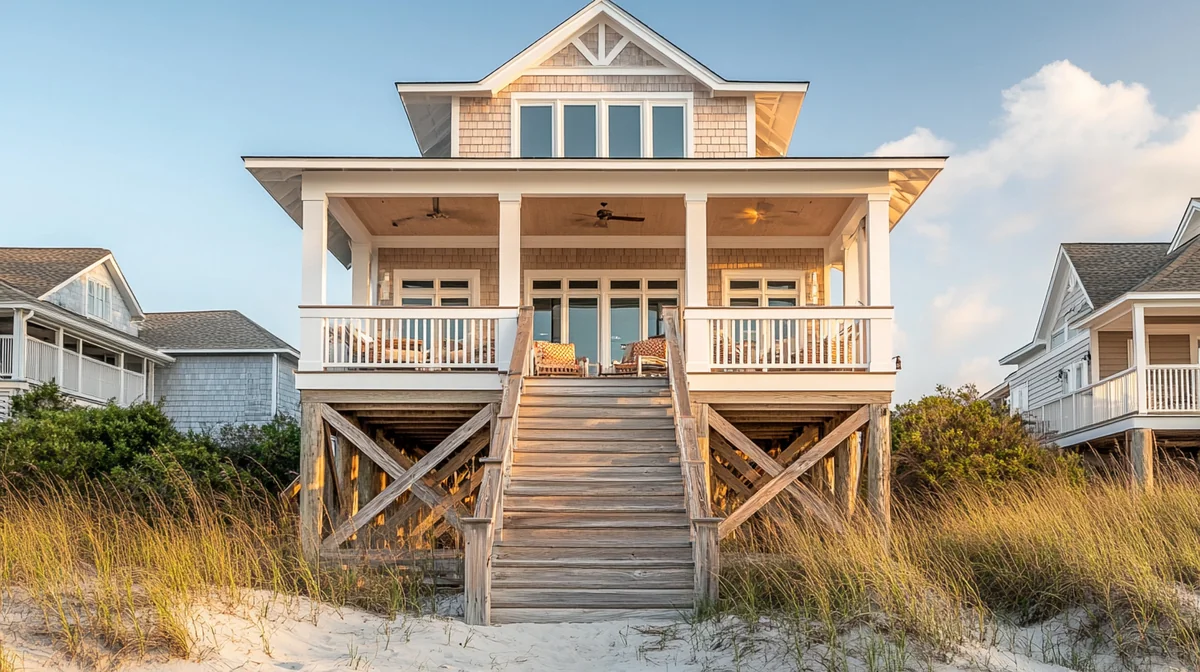




Short-term rental permit and license records, compiled from 21 official state, city, and county registries across 14 states. Deduplicated, attributed, free to use with a link — and if you need a cut we have not published, ask and we will run it.
The license map of American vacation towns. Florida alone has 50,295 current vacation rental licenses on the state DBPR file — and they cluster hard: the Kissimmee–Davenport corridor outside Disney is the most licensed short-term rental territory in the country. Every state page on this site names the top licensed communities, with counts.
The permit pipeline, not just the permit count. In New Orleans, 1,754 records carry an active status while 24,275 sit in the application and renewal pipeline — a concrete, local way to show how a city's enforcement regime actually moves.
What cities publish — and what they hide. We dropped 83,678 raw rows that could not be verified against an official source. The gap between states that publish clean license files and states that publish nothing is itself a transparency story, and we are happy to walk you through which is which.
Your county's number, on deadline. If the cut you need is not on a page — one county, one city, one registry, a comparison — email us what you are chasing. Custom aggregate cuts usually go back same day, always within 24 hours, always free.
Two ready-made CSVs, aggregate counts only — the same numbers behind every page of this hub. No signup, no watermark. Credit Cavmir with a link and they are yours.
State summary CSV Top cities CSV
One column worth knowing:
active_status_records is populated only where a registry publishes a live status flag
(New Orleans and Denver do, for example). A zero there means the registry does not distinguish
active from inactive — not that zero rentals are active.
Methodology in one paragraph. Every record comes from an official government source — state license files such as the Florida DBPR and Wisconsin DATCP, and city or county registries such as Seattle, New Orleans, and Metro Nashville open-data portals. Records are deduplicated by permit number within each registry. Third-party mirrors and unverifiable sources are excluded. A license is not a listing, and jurisdictions that publish nothing are absent — so every number is a floor, not a census. The long version lives in the State of STR Permits 2026 report.
These numbers are free to use in articles, research, and reports — no permission needed. We ask for one thing: credit Cavmir and link to this page so readers can check the source.
Cavmir, “U.S. Short-Term Rental Permit Data,” compiled from official state, city, and county registries, July 2026. https://cavmir.com/data/Email [email protected] with the outlet, the angle, and the deadline. We can provide custom aggregate cuts by state, county, or city, a written methodology walk-through, and background on how licensing shapes short-term rental markets. Cavmir is a marketing agency for short-term rentals and boutique hotels — we read these registries for a living, and we are straightforward about what the data can and cannot say.
Caps, permit requirements, moratoriums, new registries — one plain-English email when your state actually changes something. If nothing changes, you hear nothing.