$235
Avg. Nightly Rate
76%
Avg. Occupancy Rate
$5,420
Avg. Monthly Revenue
5–8%
Est. Cash-on-Cash ROI
HIGH
Seasonality
STRICT
Regulatory Burden

* Market averages. Cavmir-managed properties typically exceed these figures by 25–45%. Data sourced from AirDNA, STR market reports, and Cavmir internal analytics.

The Market

Why Dublin is One of the World's Premier STR Markets

Dublin is Ireland's capital, primary corporate hub, and most regulatorily sensitive short-term rental market — a city of just under 600,000 in the urban core (1.5 million Greater Dublin) that punches structurally above its weight in international demand because of three overlapping economic engines: the European-headquarters cluster (Google, Meta, LinkedIn, Stripe, TikTok, Salesforce, Pfizer, all operating their EU bases out of the Docklands and Sandyford), the higher-education and medical-research base (Trinity College, UCD, the National Maternity Hospital corridor), and the structural Irish-diaspora and pan-European tourism flow. Ballsbridge, Ranelagh, and Donnybrook hold the embassy-corridor and premium-residential STR inventory; Temple Bar, Portobello, and the South William Street corridor anchor the Georgian-and-music-quarter visitor product; the IFSC and North Docklands feed corporate-relocation demand; Howth and Dalkey hold the coastal-village luxury alternative.

Dublin's STR regime is among the strictest in Europe. The Residential Tenancies (Amendment) Act and Rent Pressure Zone (RPZ) framework — Dublin city is wholly RPZ-designated — restricts second-home and investment short-term letting through a 90-day annual cap on principal-residence STRs and a planning-permission requirement for non-principal-residence STRs that has been extremely difficult to obtain. The Fáilte Ireland Short-Term Letting Register (rolling out 2024-2026) layers operator registration on top. Compliance is non-optional and material, but operators who hold properly consented inventory enjoy structural pricing protection. ADRs run €180-€450 per night for premium one-and-two-bed apartments; family townhouse and Georgian-conversion inventory in Ballsbridge and Ranelagh clears €450-€900.

Top Attractions & Landmarks

  • Trinity College & Book of Kells
  • Guinness Storehouse
  • Temple Bar
  • Dublin Castle
  • St Stephen's Green
  • Phoenix Park
  • Howth Cliff Walk
  • Kilmainham Gaol

Nearby Markets: Killarney  |  Edinburgh  |  London

Airbnb marketing services in Dublin, Leinster, Ireland, Europe
Why Cavmir

The Cavmir Advantage
in Dublin

Cavmir markets Dublin properties around the four real demand layers — the corporate-relocation guest staying 30-90 days during onboarding, the Six Nations rugby weekend, the U2-and-music-history pilgrimage traveller, the Irish-diaspora long-weekend visitor — each with its own distribution channel and visual language. We build compliance-aware brand infrastructure (because every Dublin listing now carries regulatory weight), partner with corporate-relocation procurement teams directly, and architect direct-booking sites that protect margin in a market where platform fees compound on already-restricted supply.

State of the Industry · History

The Dublin STR Market — Past & Present

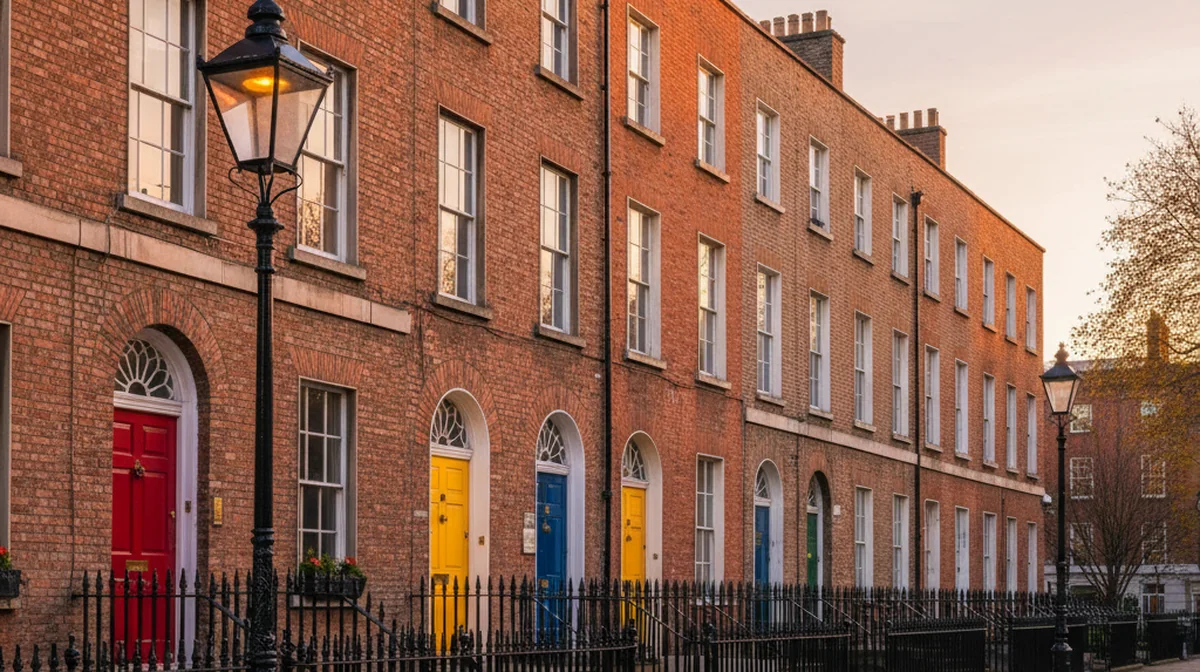
Dublin (Dubh Linn — 'black pool' in Old Irish, after the dark tidal pool where the Poddle joins the Liffey) was founded as a Viking trading post in roughly 841 AD, became the centre of the medieval Anglo-Norman 'Pale' from the 12th century, and was rebuilt as one of the great Georgian capitals of Europe in the 18th century — the squared-window brick terraces and fanlight doorways of Merrion Square, Fitzwilliam Square, Mountjoy Square, and Henrietta Street are the architectural inheritance the modern STR market trades on. Trinity College (founded 1592), the Custom House, the Four Courts, and the General Post Office each anchor specific historical layers of the Dublin story.

Modern Dublin runs on three overlapping economic engines that shape every layer of the STR market. First, the European-headquarters tech-and-pharma cluster: Google, Meta, LinkedIn, Stripe, Salesforce, TikTok, Pfizer, and the broader IFSC financial-services base operate their EU bases out of the Docklands and Sandyford — driving the 30-90-day corporate-relocation stay that anchors year-round occupancy in Ballsbridge, Ranelagh, and the Docklands itself. Second, higher education and medical research: Trinity, UCD, the Royal College of Surgeons, the National Maternity Hospital, and the Crumlin and Tallaght hospital corridors generate visiting-academic and patient-family stays. Third, the Irish-diaspora and pan-European tourism flow: Six Nations rugby weekends, U2-and-music-heritage visitors, the Guinness Storehouse, the Trinity Book of Kells, and the structural Boston-Philadelphia-New-York heritage-traveller pipeline. The rentable inventory is concentrated in Ballsbridge and Donnybrook (embassy-corridor townhouse), Ranelagh and Rathmines (Victorian tenement and townhouse), Portobello (canal-quarter conversion), Temple Bar and Dublin 2 (Georgian conversion), the IFSC and North Docklands (corporate-stay apartments), and Howth and Dalkey (coastal-village luxury).

Pricing Strategy & Seasonality

Pricing, Seasonality & When to Capture ROI

Pricing Strategy

Premium central-Dublin one-and-two-bed apartments (Ballsbridge, Ranelagh, Portobello): €180-€450 per night standard, €350-€700 in peak weeks. Family-scale Georgian conversion and townhouse (Ballsbridge, Donnybrook): €450-€900 per night. Howth and Dalkey coastal-village luxury: €350-€700 per night standard. Six Nations rugby weekends, the St Patrick's Festival weekend (mid-March), Bloomsday week (16 June), and major-concert weekends at the Aviva and Croke Park drive the rate ceilings. Corporate-relocation 30-90-day stays clear €4,000-€9,000 per month for premium inventory.

Seasonality & ROI Windows

High seasonality with a long productive shoulder. Peak: June through September. Compressed peaks: St Patrick's Festival weekend, every Six Nations rugby weekend at the Aviva, Bloomsday week, Christmas Markets period, Halloween (Bram Stoker Festival). Strong shoulder: April-May, October-November. Low: January, early February, late November. Missed revenue: corporate-relocation 30-90-day demand is structurally underserved by operators marketing only nightly STR — the procurement teams at the major tech employers run on different distribution channels and reward direct relationships.

Regulation & Licensing · 2026

What the Law Requires in Dublin

Dublin's STR regime is among Europe's strictest. Three regulatory layers stack. First: the Residential Tenancies Acts and the Rent Pressure Zone (RPZ) framework — Dublin city is wholly RPZ-designated, restricting rent increases on long-term residential tenancies and creating the policy context for the second layer. Second: planning law (since the 2019 short-term-letting reforms) treats short-term letting of a non-principal-residence property in an RPZ as a 'change of use' requiring planning permission — and Dublin City Council and Dún Laoghaire-Rathdown have refused most applications on housing-supply grounds. Operators of principal-residence STRs are capped at 90 days per year and must register annually. Third: the Fáilte Ireland Short-Term Letting Register (rolling out 2024-2026) layers operator registration with a registration number that must be displayed on every platform listing. Compliance is non-optional, enforcement is active, and the policy direction is toward further tightening. Operators with properly consented inventory enjoy structural pricing protection.

Market-Specific Tips & Challenges

Local Tips & Unique Market Challenges

Tips That Actually Move Revenue in Dublin

The Dublin strategic tip: compliance is the moat. The RPZ planning regime has materially reduced the consented-STR pool and operators with full planning permission and Fáilte Ireland registration occupy a protected supply tier that platform algorithms increasingly favour. Lead with the registration number and consented status in every channel — it converts at higher rates and unlocks corporate-procurement pipelines that informal inventory cannot access.

Tactically: first, the corporate-relocation 30-90-day stay is the underexploited segment of the Dublin market. Build direct relationships with the relocation-procurement teams at Google, Meta, Stripe, LinkedIn, Pfizer, and the Big-Four consulting firms — they reward consistency, compliance, and consolidated invoicing. Second, build the Six Nations rugby and Bloomsday products specifically — these are calendar-anchored demand pulses that operators can pre-sell 12 months out at premium rates. Third, lean into the heritage-traveller market — the US Boston-Philadelphia-New-York Irish-diaspora guest planning a Dublin-as-gateway-to-Kerry circuit is a structurally loyal segment most general Dublin marketing underinvests in. Fourth, the Christmas Markets and St Patrick's Festival are demand surges that reward 12-month advance editorial — distribute through Irish-American specialist travel advisors, not generic OTAs.

Unique Dublin Challenges

Dublin challenges: the planning bottleneck is severe and successful applications are professional-services-intensive. The RPZ political environment is hostile to investor-owned STR and operators must be prepared for further tightening. Dublin's hotel supply has expanded materially since 2022 (particularly in the Docklands and along the IFSC corridor), compressing nightly STR rates outside the compressed peak windows. Dublin Airport (DUB) capacity constraints continue to bottleneck arrival logistics in peak weeks.

A Curious Dublin Fact
Dublin's Georgian doorways are architecturally identical by design — the Wide Streets Commission's 18th-century planning code mandated terrace uniformity — but the doors themselves are individually painted in vivid colours (reds, blues, yellows, greens, lavenders). The folk explanation that the colours let drunk husbands find the right house is charming but probably apocryphal; the more sober historical reading is that the Georgian-era ban on individualising architectural details displaced household self-expression onto the door colour itself, and the tradition was preserved through the 19th and 20th centuries as a mark of Dublin Georgian pride.
Finance Essentials — Dublin
🛡️

Insurance

Irish STR insurance through Allianz, Aviva Ireland, AIG, and Lloyd's-syndicate-backed specialist underwriters. Buildings, contents, public liability (€2-5 million typical), accidental-damage, loss-of-rent. Listed-Georgian-building riders for Mountjoy/Henrietta/Fitzwilliam Square inventory. Budget €800-€2,500 annually for premium one-to-three-bed inventory; townhouse and converted-Georgian premiums €2,000-€4,500.

🧾

Property & Income Tax

Irish rental income taxed under Case V (rental) or Case I (furnished-holiday trading) depending on operating model; progressive tax bands 20% / 40% plus USC and PRSI for residents, 20% withholding for non-residents via tenant or agent and self-assessment through Revenue-appointed agent. Annual Local Property Tax (LPT) modest. SDLT (Stamp Duty) 1% on first €1m, 2% thereafter for residential. VAT on short-term lettings above €40,000 turnover (23% standard or 9% reduced tourism rate where applicable). Non-Dom regime remains attractive for certain foreign-income strategies; consult Irish counsel.

🏦

Mortgages & Financing

Irish mortgages through Bank of Ireland, AIB, Permanent TSB, and Investec Ireland for non-residents at 60-70% LTVs; rates track ECB plus meaningful spread. RPZ-designated investment-property purchases face additional underwriting scrutiny given the policy uncertainty around STR consent. Cash purchases common at the €1m+ Ballsbridge / Donnybrook townhouse tier.

Future Outlook · 2027 & Beyond

Where Dublin is Headed Next

Dublin through 2027 and beyond: the European-tech and pharma-headquarters cluster is structurally durable and the 30-90-day corporate-stay segment will continue to anchor year-round occupancy. The RPZ planning regime is unlikely to loosen and may tighten further — operators with consented inventory will see compounding pricing protection. The 2027 Ryder Cup at Adare Manor (just over an hour from Dublin) will pull material overflow demand into the capital. Direct-flight access from the US east coast continues to expand and the Ireland-EU Schengen-adjacent value proposition for Atlantic-crossing travellers remains structurally strong.

From the Desk of Sofie Sinag

Why We Love Marketing in Dublin

Dublin rewards hosts who understand that the city has four guests in the same building. The 60-day Stripe corporate-relocation engineer needs reliable wifi and a workspace; the Six Nations rugby weekend group needs the Aviva walking distance briefed and the right pub for the post-match; the US heritage traveller booking the Dublin-as-gateway-to-Kerry circuit needs the genealogy resources and the Howth-and-Glasnevin orientation; the Bloomsday literary tourist needs the Sandycove-Martello-Tower and Davy Byrnes briefing. These are genuinely different welcome books and the operators who build them out earn the kind of repeat loyalty that makes Dublin's regulated market genuinely defensible.

What we love about marketing Dublin is how much editorial room the corporate-stay segment leaves on the table. Most Dublin listings default to the tourist-week framing and the Temple Bar shot, and they leave the 30-90-day Google-Meta-Stripe-LinkedIn relocation segment economically idle. The operators who build direct procurement-team relationships, consolidated invoicing, and corporate-stay-specific welcome infrastructure (named gym membership, named coffee shop, Aviva pre-booked seat for the home rugby weekend) unlock the year-round occupancy floor that Dublin's regulated supply pool genuinely deserves.

Cavmir's Dublin Cheat Sheet

The Picks We Recommend for Your Welcome Book

The picks Cavmir recommends for Dublin welcome books — the details that separate resident-hosts from the 'craic and Guinness' script.

Morning

St Stephen's Green to the Iveagh Gardens before 9 a.m.

The 25-minute walk from St Stephen's Green through the Iveagh Gardens (the city's least-known formal garden, tucked behind Harcourt Street) to the Grand Canal. The Dublin that exists before the tourist day starts.

Golden Hour

Howth Cliff Walk to the Summit

The 25-minute DART ride to Howth and the 90-minute cliff walk from the harbour to the summit and back, particularly cinematic 90 minutes before Irish sunset (which runs 9:45 p.m. in June). Supper at Aqua or The Bloody Stream on return.

Neighborhood Walk

Portobello to Rathmines along the canal

The 30-minute walk along the Grand Canal from Portobello Bridge to Rathmines, past the residential Victorian and Edwardian terraces and the small wine bars, restaurants, and bookshops that supply the city's actual residential rhythm. The Dublin that locals walk on a Saturday morning.

Dinner That Photographs

Etto, Variety Jones, or Forest Avenue

Etto on Merrion Row for the wine-bar tasting evening; Variety Jones on Thomas Street for the contemporary Irish tasting menu; Forest Avenue in Donnybrook for the neighbourhood-bistro evening Dublin residents drive for. Reservations 4-6 weeks out.

Local Obsession

The Cobblestone or The Bonnington for trad music

The Cobblestone in Smithfield for the genuine traditional-music session — the oldest Dublin trad-pub institution where the country's best musicians actually play. Sessions run multiple nights weekly; the Wednesday-night session is the one to brief.

Shoulder Season Secret

Mid-September into October

Pre-Christmas pricing, autumn-light Liffey-and-Trinity compositions, the All-Ireland hurling and football finals (early September) drive a specific demand pulse, and the weather is reliably better than reputation suggests.

Weekend Escape

Glendalough and the Wicklow Mountains

The 60-minute drive south through the Wicklow Gap to Glendalough's medieval monastic settlement and the Upper Lake walk. Lunch at Avoca Mount Usher Gardens on the return. The day trip that explains why Dublin is the only EU capital you can walk out of into a national park.

What Guests Ask For

Six Nations rugby vs concert-weekend Aviva briefing

The Aviva runs both Six Nations matches and major concert weekends — the operational differences (security, alcohol policy, exit timing, post-match pub strategy) are real and a host who briefs the specifics for the right weekend prevents the most common 'Dublin disappointment' review.

Local Work · Composite Case Vignettes

What Cavmir Has Done for Dublin Properties

Representative Cavmir engagements in Dublin and the wider Greater Dublin corridor. Property identifiers redacted; figures composited from internal analytics and market benchmarks.

2BR Apartment · Ballsbridge
The Brief

Premium two-bed Ballsbridge apartment, planning-consented for STR, underexploiting the corporate-relocation 30-90-day segment. Nightly STR ADR flat at €245; year-round occupancy soft.

What We Did

Rebuilt distribution around the corporate-relocation procurement teams at Google, Stripe, Meta, and Pfizer. Consolidated invoicing infrastructure. Welcome book with named gym membership, named neighbourhood coffee shop, named DART-and-Luas commute briefings for each major tech employer's Dublin office. Aviva-walking-distance product for the rugby-weekend overlay.

The Result

30-90-day corporate stays now supply 65% of annual occupancy. Effective ADR equivalent climbed to €310. Year-round occupancy reached 84%.

4BR Georgian Conversion · Mountjoy Square
The Brief

Restored Georgian conversion four-bed, planning-consented for STR, commoditised in search against peer Georgian inventory. Heritage credentials underused in marketing.

What We Did

Rebuilt the brand around the heritage-and-architecture guest. Cinematic property film framed for the US Boston-Philadelphia-New-York Irish-diaspora segment. Welcome book with Mountjoy-Square genealogy resources, named relationships with Dublin-based family-history researchers. Distribution through Boston, New York, and Chicago specialist Irish-heritage advisors.

The Result

Peak-week ADR climbed to €620. US direct-booking share reached 48%. A multi-generational repeat-family book emerged filling 5 weeks annually.

Coastal-Village Townhouse · Howth
The Brief

Howth coastal-village townhouse with Dublin Bay view, missing the international-tourist and destination-wedding revenue streams peer Howth-and-Dalkey inventory was capturing.

What We Did

Three-product brand build. Coastal-walking-and-seafood-product for the international leisure guest. Wedding product for the smaller bespoke-ceremony segment (Howth's restaurant venues, Deer Park Hotel, the Howth Castle gardens). Corporate-retreat product for tech-leadership offsites within 30 minutes of Dublin Airport.

The Result

Peak ADR climbed to €580. Wedding buyouts and corporate retreats now contribute material annual revenue. A single 4-day US tech offsite cleared €38,000.

Ready to Grow in Dublin?

Let's Put Your Dublin
Property on the Map

Talk to Cavmir today. We'll show you exactly what your Dublin property is leaving on the table — and how fast we can change that.

Book a Free Strategy Call