Direct Booking · Website Design
Building a direct-booking site for a Malta short let
Malta's rental rules changed twice in the summer of 2026, and both changes reach your website. The Tourism Accommodation Regulations, 2026, published as Legal Notice 92 of 2026 (S.L. 409.24), took effect on 15 June 2026 and renamed the old Holiday Furnished Premises licence as Short-Let Rented Accommodation. Then, on 1 July 2026, the eco-contribution went to €1.50 per adult per night. A direct-booking website for a Sliema flat or a Gozo farmhouse now has to carry a registration number, a sleeps figure the MTA will accept and a separate levy line, and it still has to win a British, Italian or Polish guest who could book the same dates on a platform. Built right, the same pages carry your SEO and the facts that AI search repeats.
Languages and currencies for Malta's top markets
The Malta Tourism Observatory counted 3,160,974 inbound tourists from January to August 2026, 17.9% more than a year earlier, and ranked the United Kingdom, Italy and Poland as the three biggest markets, ahead of France, Germany and Spain. Treat that ranking as your language plan. English leads, written for the British guest, who'll want to read that the sockets take the same three-pin plugs as at home and that cars keep left. Italian comes second, with a parking line for guests from Sicily who bring their car over on the Pozzallo catamaran. Polish deserves a full version of its own, since Poland now ranks third, and French, German and Spanish follow, each on its own URL and linked with hreflang tags instead of a translate button. Charge in euros and put a sterling and złoty estimate beside the total, because two of the three biggest markets pay in something else.
What a Maltese rental site must show since June 2026
Under Regulation (EU) 2024/1028 the MTA now gives every operator a registration number that differs from the licence number, and its circular on the 2026 rules says that number must appear on all advertisements, listings and promotional material, and on a sign outside the property. Your website is promotional material, so the number belongs in every footer, on the booking page and in each confirmation; the MTA's STR Licence Validator retrieves it from your existing licence details. A companion legal notice on platform data sharing was still in draft when the circular went out, so watch for it. The sleeps figure has limits too: two guests per bedroom, no sofa beds in other rooms, no more than 10 beds in an apartment and no basement bedrooms, and existing homes have two years to fit air conditioning. A site that advertises more guests than that contradicts your licence. The eco-contribution of €1.50 per guest aged 18 or over per night, capped at €22.50 per person per visit, is charged apart from the rate, listed on its own line of the invoice or fiscal receipt and carries no VAT. Show it before payment with every other compulsory charge, as the consumer rules the MCCAA enforces expect, and publish your cancellation terms before checkout, since EU law gives no cooling-off period on accommodation booked for set dates. The cookie banner answers to the GDPR and Malta's Data Protection Act, overseen by the Information and Data Protection Commissioner. Operating without a licence now bars you and the property from a new one for three years, so ask a Maltese lawyer to review the site before launch.
Pages and photos that sell a Malta stay
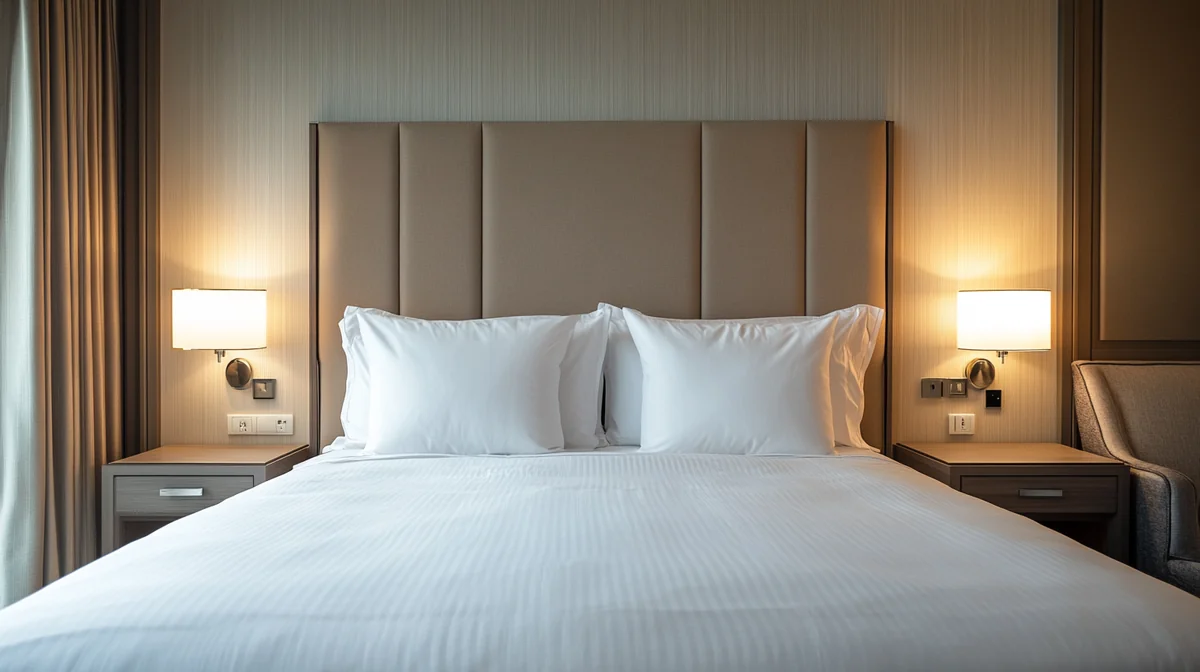
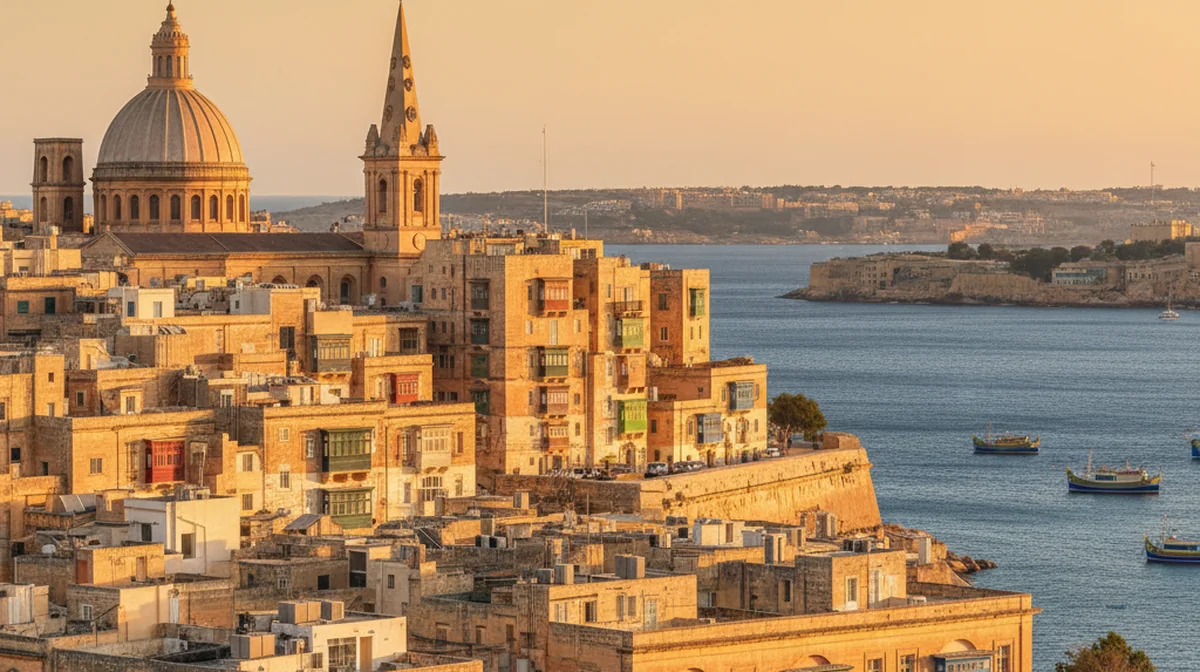
Guests search Malta by locality, so give each one within reach its own page: Valletta, the Sliema and Gżira waterfront, St Julian's and Spinola Bay, the Three Cities of Birgu, Isla and Bormla, Mdina with Rabat, Mellieħa and its bays, Marsaxlokk, and on Gozo, Xagħra, Għarb, Xlendi and Marsalforn. Each page gives walking minutes to the ferry landing, the nearest bus stop and the sights guests name. The getting-here page starts at Malta International Airport in Luqa, then times the Ċirkewwa to Mġarr car ferry, the fast ferry from Valletta to Mġarr and the Pozzallo crossing to your door. Then photograph what guests here check before they book: the air-conditioning unit in each bedroom, now a licensing point as well as a comfort one; the roof terrace and its view; the stairs, since plenty of Valletta townhouses have no lift; a garage or parking space in Sliema, where kerbside spaces are hard to find; the pool fence on a Gozo farmhouse; and the bed count, matching the licence. A Gozo page should also give the drive to Mġarr, because the ferry timetable shapes every day out.