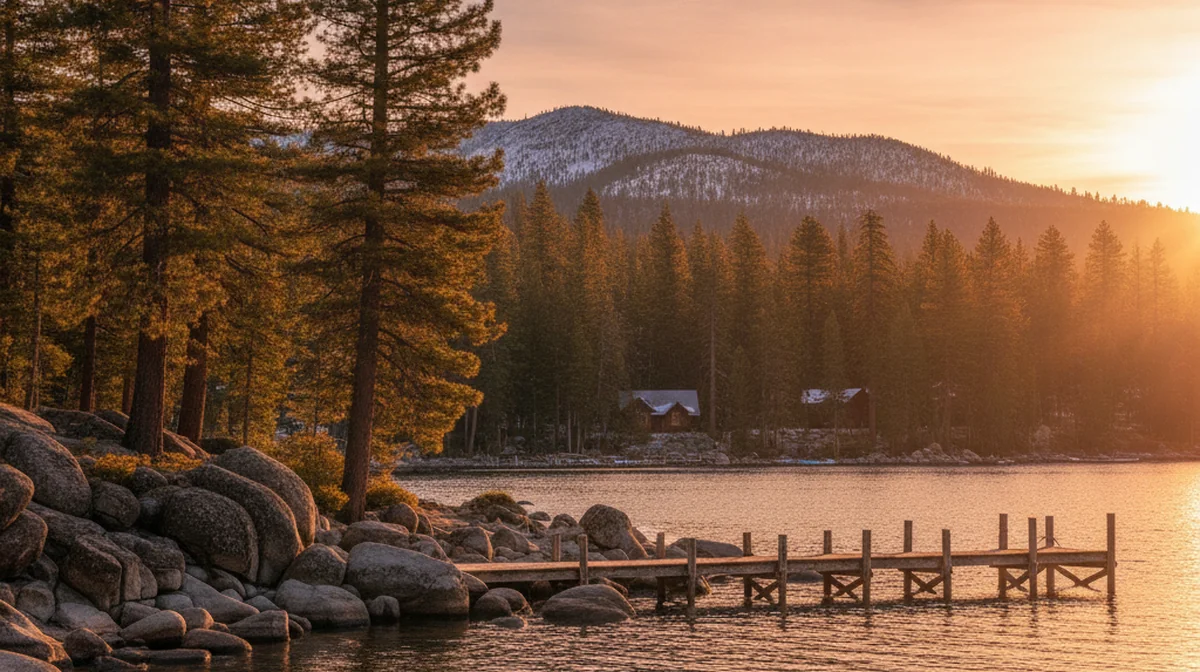
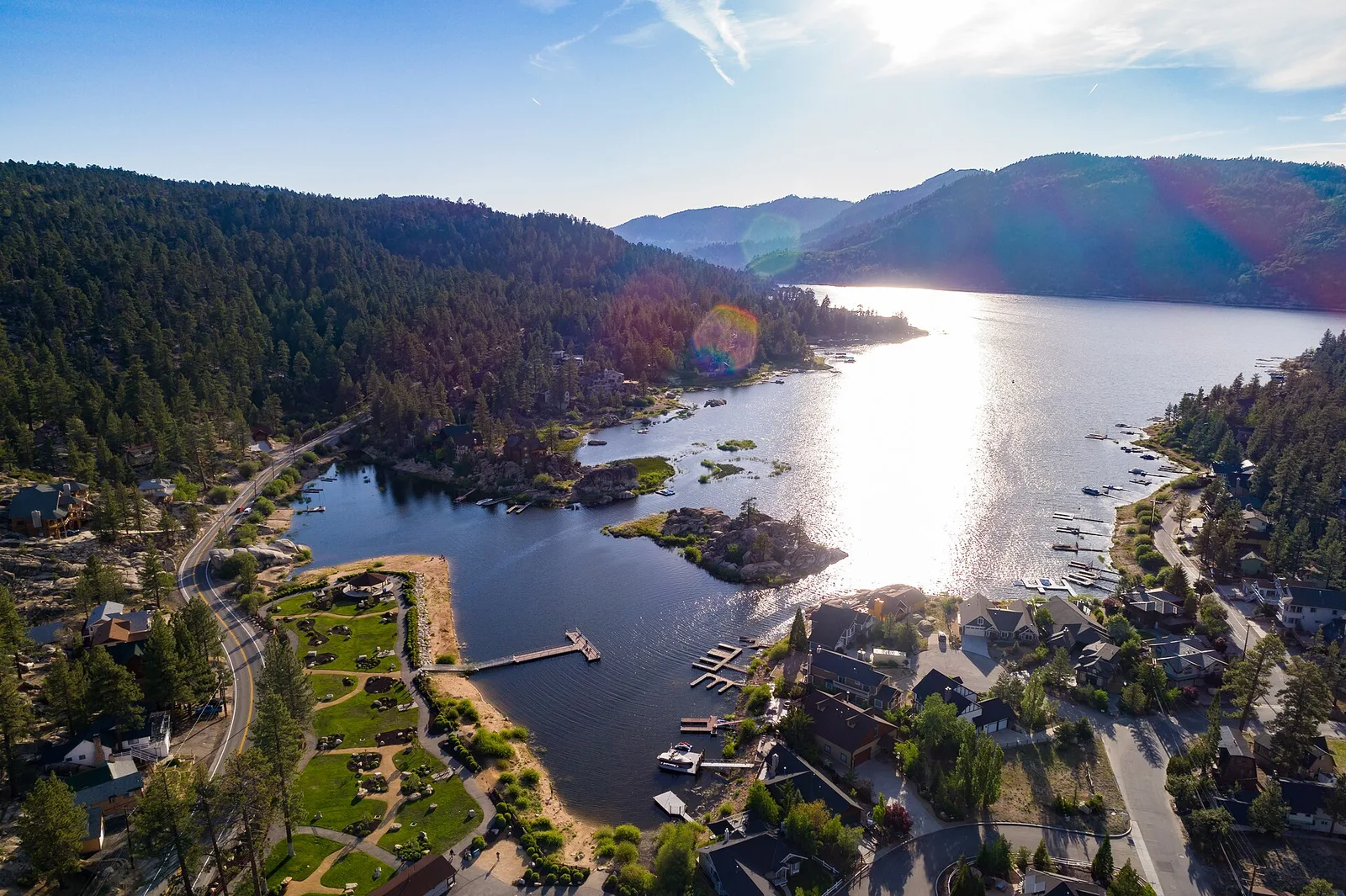
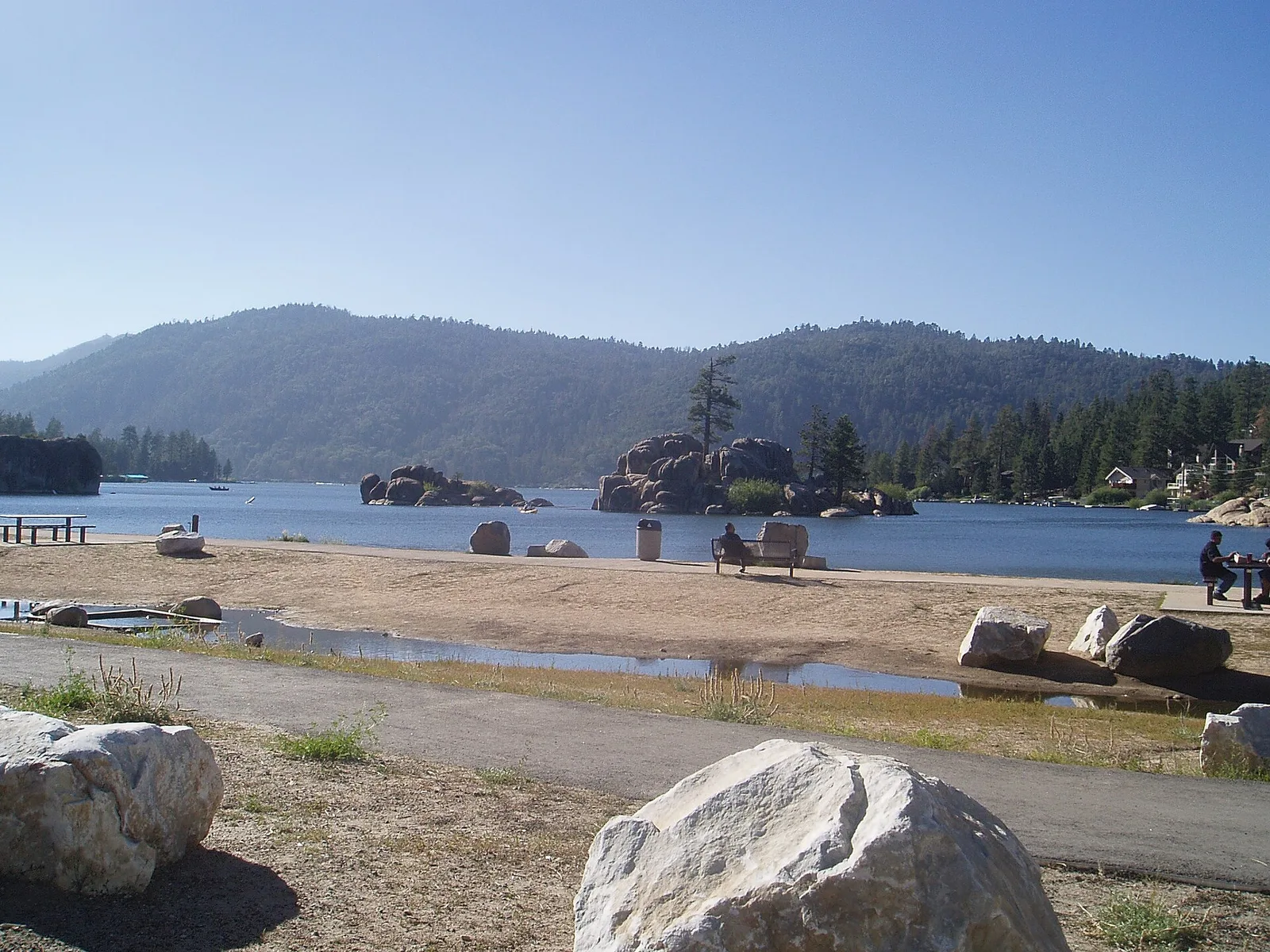
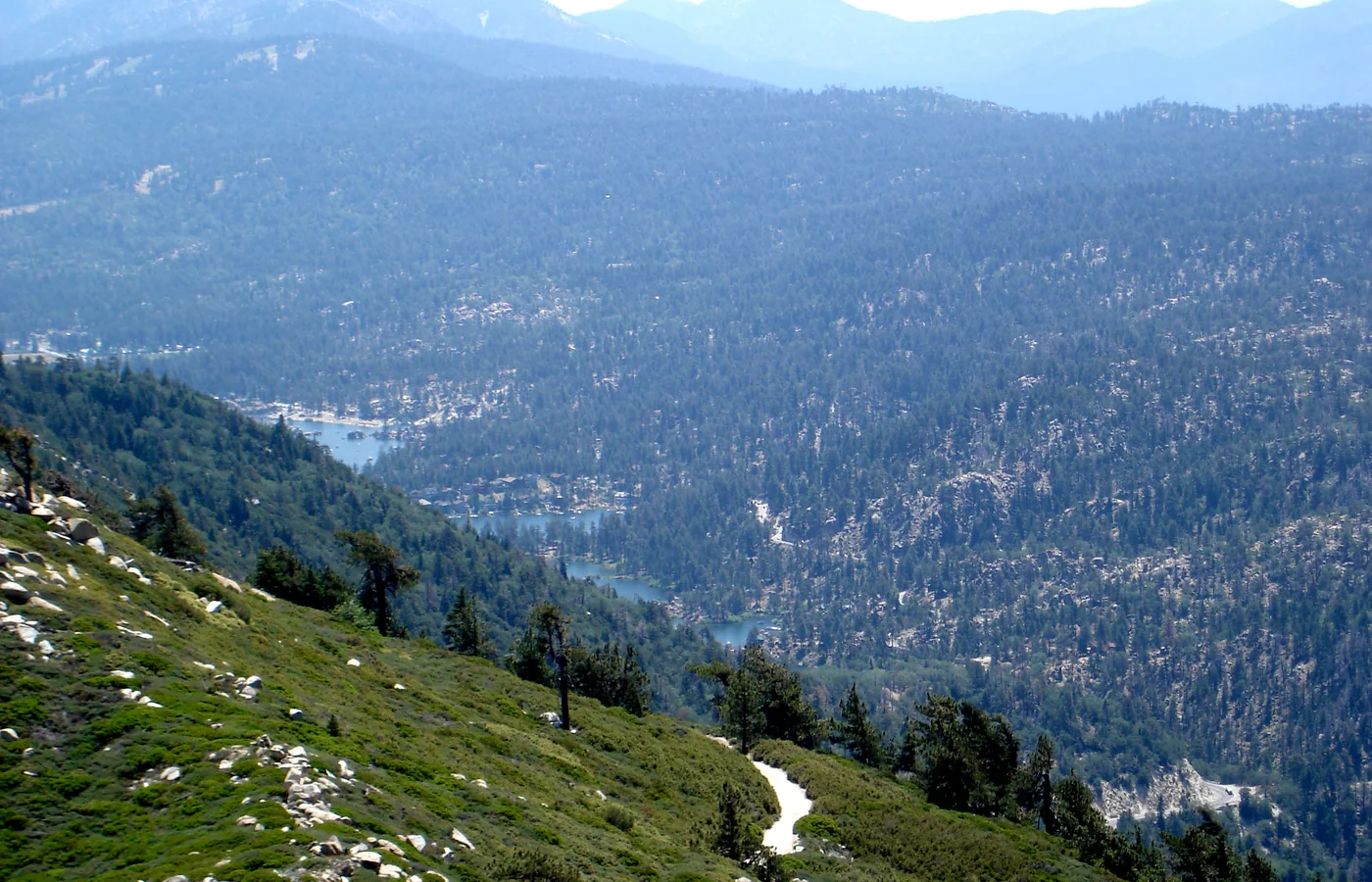
Boulder Bay Park at first light
The lake's prettiest cove, glassy at dawn with granite boulders breaking the surface and the odd kayaker out early. It's a five-minute detour that gives guests their best photo of the trip before coffee.
Expert short-term rental marketing to grow your bookings and nightly rate in Big Bear Lake, California, USA.
* Market averages. Cavmir-managed properties typically exceed these figures by 25–45%. Data sourced from AirDNA, STR market reports, and Cavmir internal analytics.
Big Bear Lake is Southern California's mountain escape — a real alpine lake at 6,750 feet, two ski resorts, and pine-shaded cabin streets two hours from more than twenty million people. That drive-market math is the whole story: when it snows, when a holiday weekend lands, or when Los Angeles just needs out, demand surges up Highway 18 and rates on a good cabin triple. Guests come for Snow Summit and Bear Mountain in winter, the lake and the Village in summer, and a hot tub under the pines all year. The market is crowded with look-alike cabins, though — which is exactly why the ones with real photography and a real brand take a disproportionate share of the bookings.
This is a weekend-and-holiday market with two peaks. Winter is the money season: Christmas through New Year's, MLK and Presidents Day weekends book out months ahead at the year's highest rates, and any big snow dump fills the calendar on 48 hours' notice. Summer is the second peak — lake season, the Fourth of July and family trips — and fall brings Oktoberfest weekends. Blended numbers land near $400 a night, but occupancy averages around 35% because midweek in the off-season goes quiet; the spread between a marketed cabin and an unmarketed one is wider here than almost anywhere we work. Guests are overwhelmingly Southern California drive-up travelers, which makes them repeat-booking gold if you own the relationship instead of renting it from a platform.
Nearby Markets: Palm Springs | Joshua Tree | Los Angeles

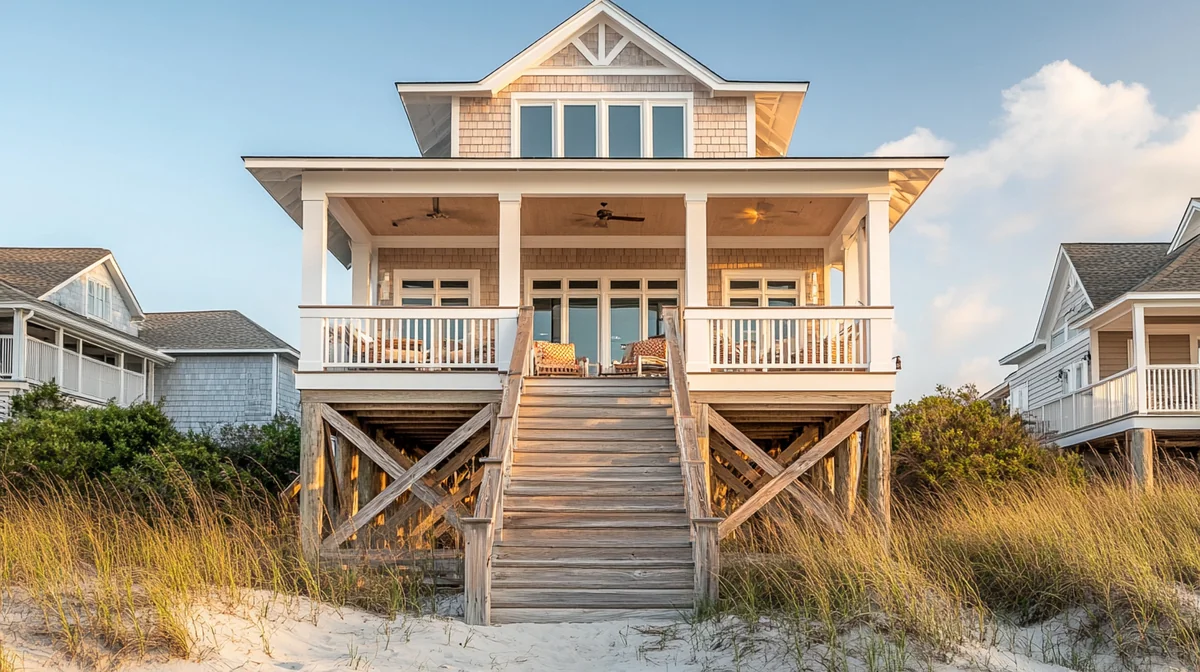
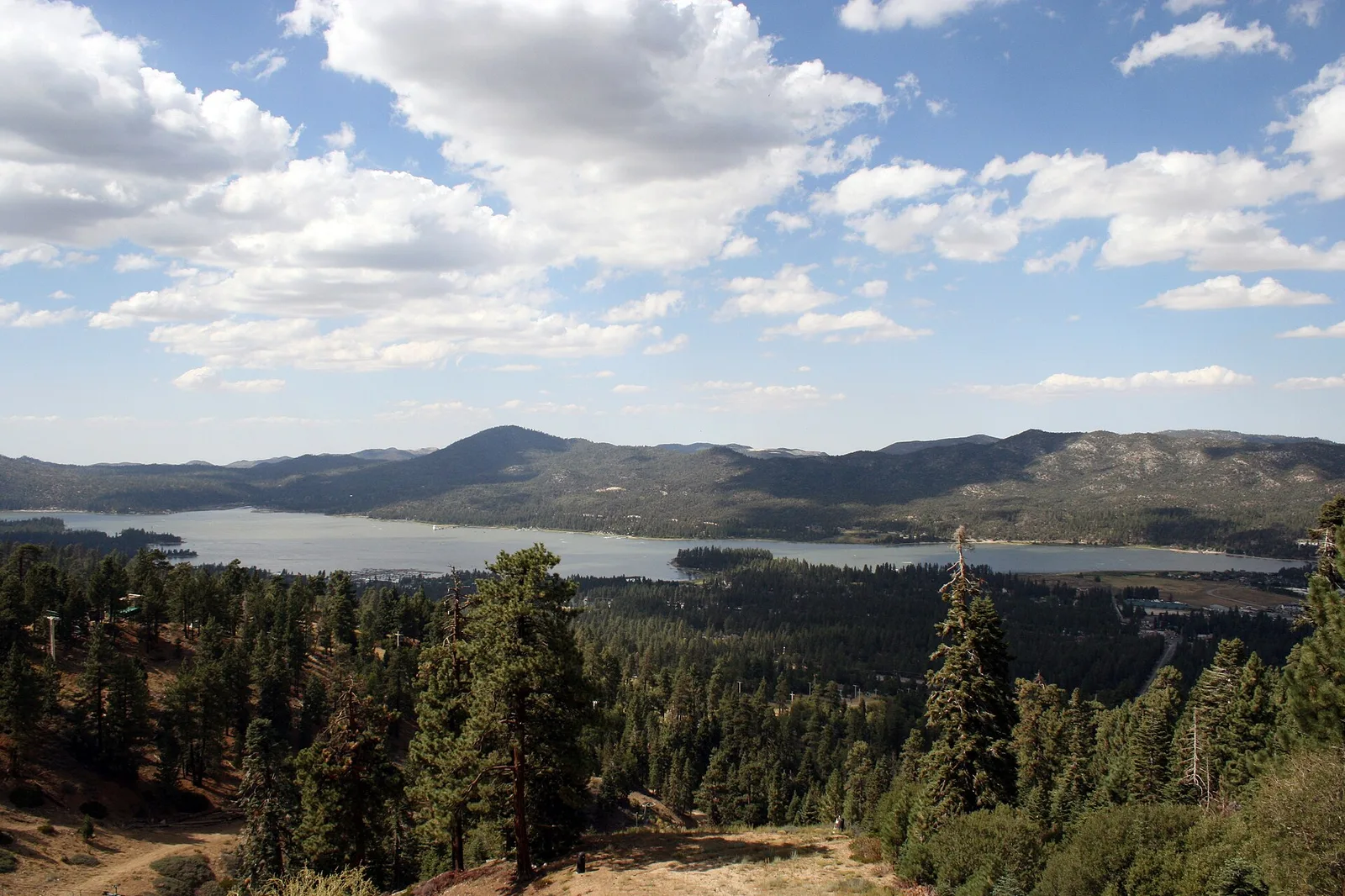
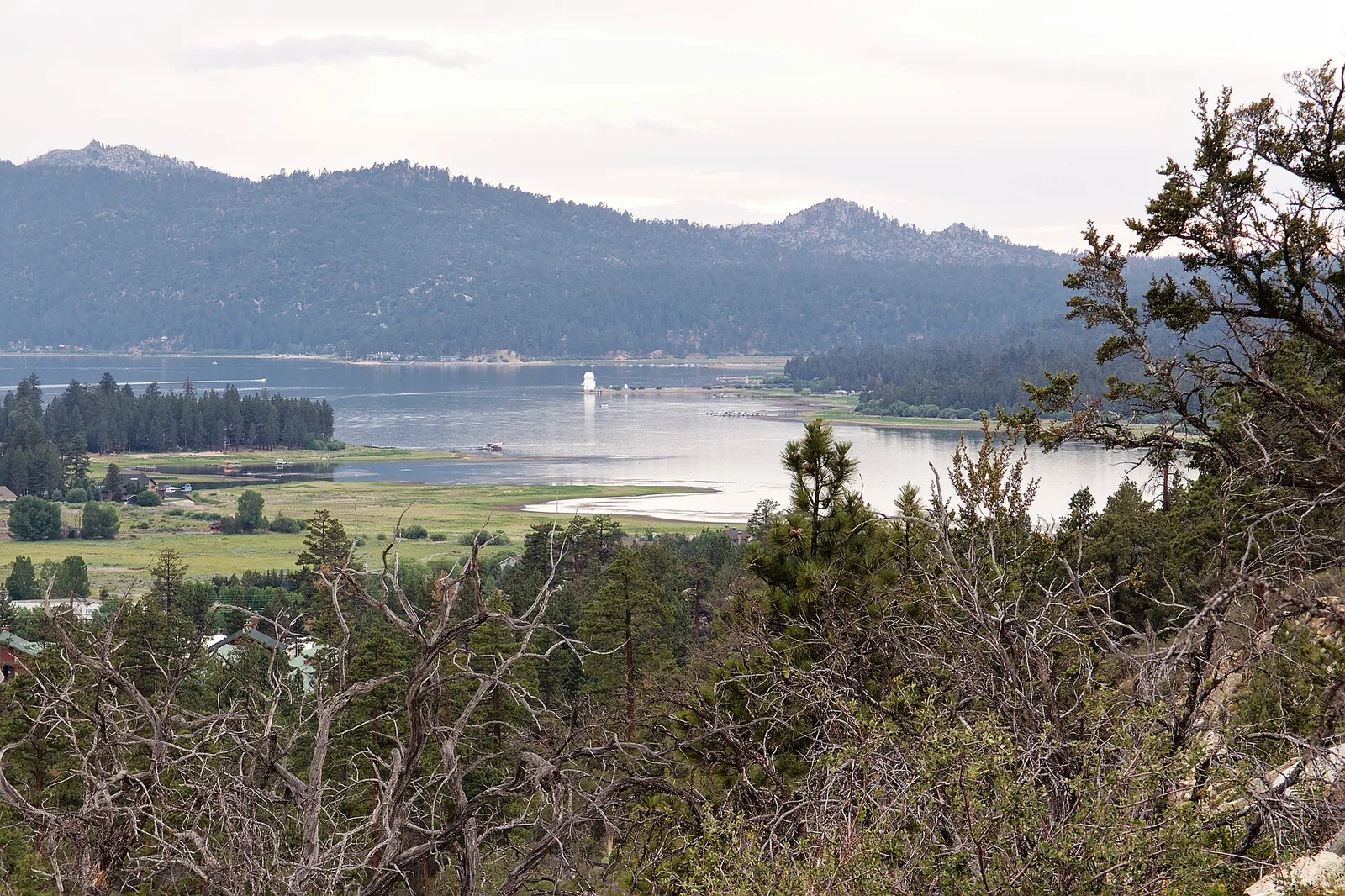
A few of the visual fingerprints we lean into when we shoot, brand and market a Big Bear Lake property — courtesy of the open Wikimedia Commons archive.
Cavmir's job in Big Bear is to make your cabin the one people remember from the scroll. We shoot it like the postcard it should be — hot tub steam at dusk, the lake at golden hour, snow on the deck rails — write listings that sell the specific trip (ski weekend, lake week, fall hike-and-Oktoberfest), and build direct-booking website design so LA families rebook you directly every season. Then we attack the market's real weakness: midweek and shoulder-season nights nobody else bothers to sell. We help position and market your property. We never manage it or touch your keys.
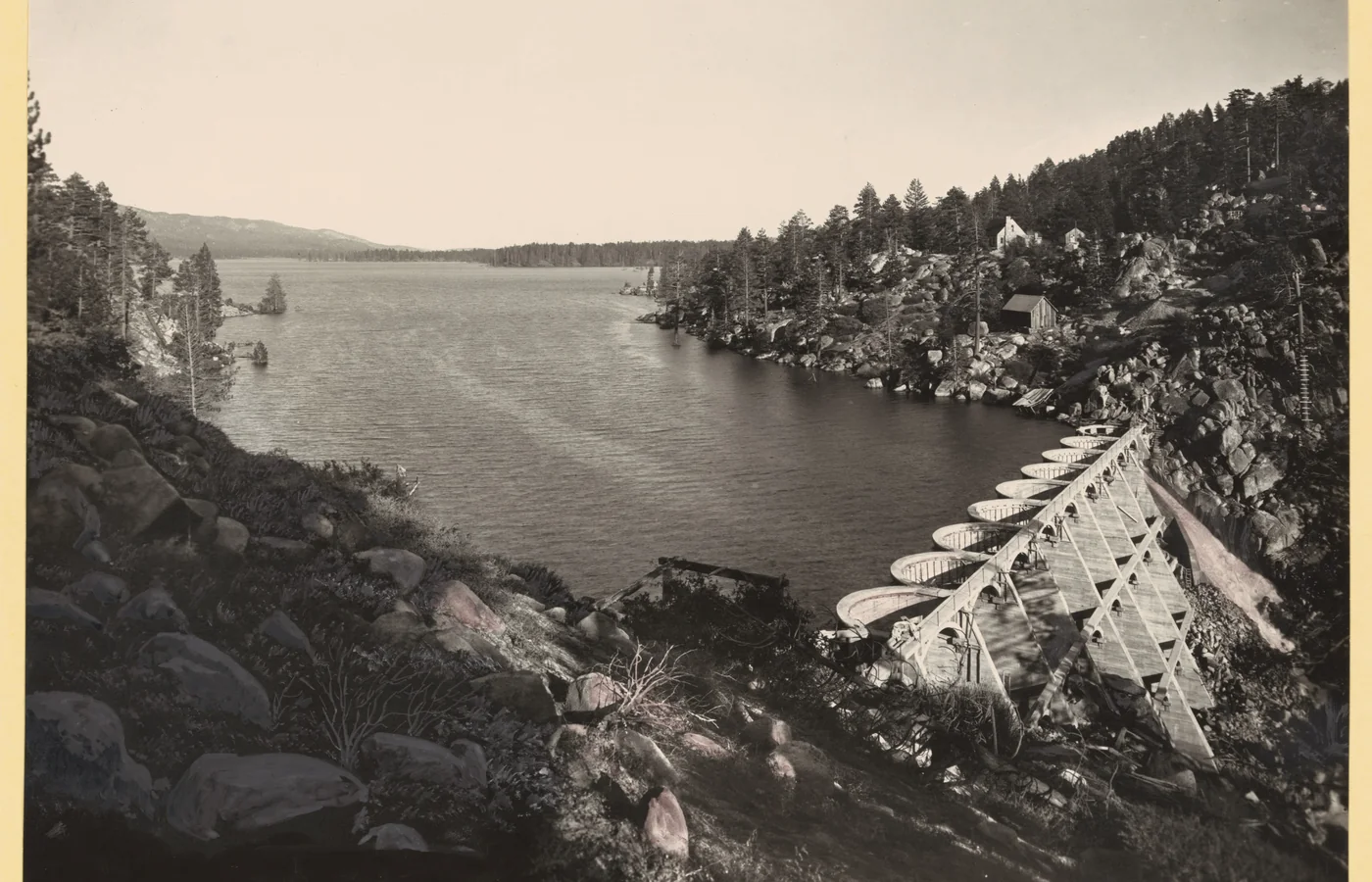
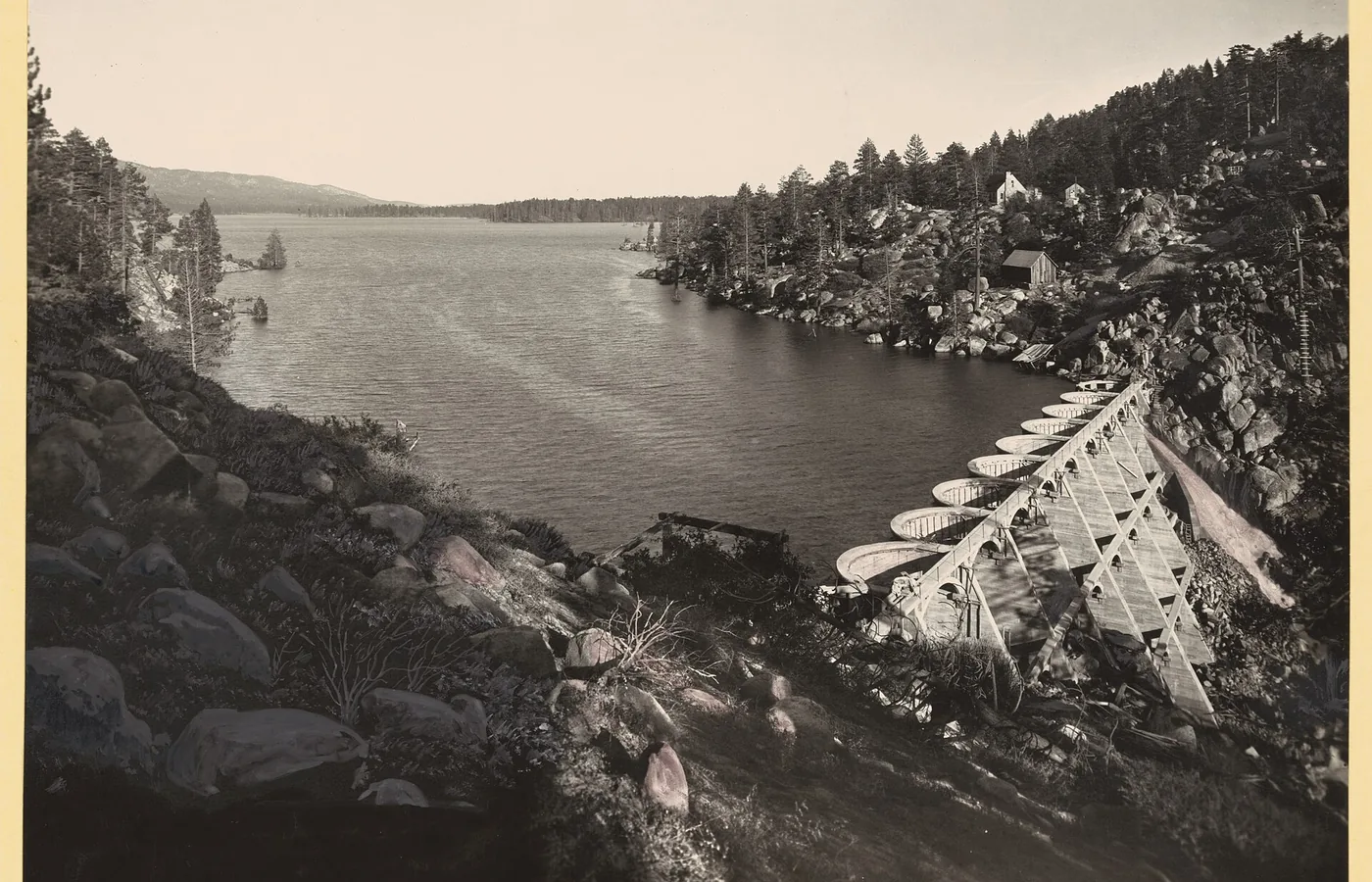
Big Bear's story starts with the Serrano people, who summered in the valley for centuries before Benjamin Wilson's 1845 expedition found it full of grizzlies and named it Bear Valley. Gold came next: William Holcomb's 1860 strike in Holcomb Valley, just over the ridge, set off Southern California's biggest gold rush and briefly made the mining camp of Belleville one of the largest settlements in the county. The lake itself is engineered — in 1884 Frank Brown built the Bear Valley Dam to irrigate citrus in Redlands, creating what boosters of the day called the largest man-made lake in the world.
Hollywood found the valley early, shooting hundreds of silent-era and studio productions against its pines and shorelines, and the resort era followed: the road up from the valley, lodges and cabin camps, then Snow Summit's chairlifts in 1952 and Bear Mountain after it, turning Big Bear into Southern California's home mountain. Boxers made it a training-camp legend — the altitude does the work. Today the economy is squarely built on the weekend cycle: skiers and snow-players in winter, boaters and hikers in summer, Oktoberfest crowds in fall, and a cabin-rental inventory that ranges from 1940s knotty-pine originals to new-build lodges. The city regulates rentals through a real permit system with inspections and occupancy rules — a response to the boom years — and the operators who treat compliance and presentation seriously have quietly separated from the pack.
Lakefront is the ceiling — dock access and sunset water views command the market's top rates year-round. Ski-adjacent streets near Snow Summit and Bear Mountain book hardest in winter, when walk-to-lift cabins price like resort property. The Village area trades on walkability to restaurants and Oktoberfest, and the pine-shaded interior streets of Fox Farm and Moonridge carry the volume: classic cabins where presentation makes the difference between $250 and $450 nights. Blended estimates land near $400 a night at roughly 35% occupancy — a peaky market where holiday weekends do heavy lifting and the marketed cabin fills weeks the average one never sees.
Winter is the flagship: Christmas through New Year's books out months ahead, MLK and Presidents Day weekends follow, and any real snowfall triggers a surge of last-minute bookings from the valley below. Summer is the steadier second season — lake weather from June through August, with the Fourth of July the single biggest week. Fall brings Oktoberfest weekends and quiet gold-lit midweeks; spring is the honest trough between snow and lake. The defining pattern is weekend concentration: Fridays and Saturdays carry the year, which makes every midweek night you can win with marketing nearly pure upside.
Big Bear Lake runs a real permit system, and the first thing to know is jurisdiction: the City of Big Bear Lake rules apply within city limits (zip 92315), while cabins in Big Bear City, Sugarloaf and the surrounding unincorporated areas fall under San Bernardino County's separate short-term-rental ordinance. The two regimes differ; know which one your cabin is in before anything else.
Inside the city, every vacation rental needs a city-issued vacation rental license before it can be advertised — the application runs around $605 and includes a mandatory home inspection — and licenses renew annually on a fixed cycle. Owners and their agents must be certified by the city, currently via an exam on the rules, unless a full-service management company handles everything. Occupancy is capped by formula: generally two adults per bedroom plus two, with total occupancy limited by square footage or sixteen people, whichever is less. All guest parking must fit on the property — street parking for guests isn't allowed — and noise, trash and good-neighbor standards carry real fines.
It's more paperwork than most mountain towns, but the system is established and navigable, and enforcement mostly targets the operators who ignore it. Fees, caps and inspection requirements change; confirm the current rules with the City of Big Bear Lake — or the county, if you're outside city limits — in writing before you list.
The Big Bear strategic tip: win the midweek and you win the market. Weekends here mostly sell themselves; the spread between an average cabin and a great year is Tuesday through Thursday. That means marketing to the guests who can come midweek — remote workers, retirees, off-shift couples — with pricing and copy built for them, not weekend rates quietly hoping.
Tactically: first, shoot the cabin like the fantasy it's competing on — hot tub steam at dusk, snow on the deck, the lake at golden hour, a fire going. Big Bear guests are buying a mood, and the listing that delivers it in the first three photos takes the booking. Second, set up genuinely dynamic pricing with a snow trigger: fresh snowfall moves this market on 48 hours' notice, and static rates hand that surge to your neighbors. Third, build a direct-booking site and collect every guest email — your guests live two hours away and come back yearly; owning that rebooking relationship instead of re-renting it from a platform compounds fast. Fourth, sell the specific trip in your copy: walk-to-Snow-Summit, boat-slip-included, Oktoberfest-weekend-base each beat 'cozy cabin in the pines.' Fifth, keep the license, inspection and occupancy rules airtight — in a town where enforcement is real, a clean compliance record protects the asset, and guests wiring money to a licensed cabin can tell the difference.
Occupancy math is unforgiving: roughly 35% average means the peaks must carry real weight, and a badly priced holiday season dents the whole year. Compliance takes ongoing attention — annual renewals, inspections, occupancy and parking rules with teeth. Wildfire risk shadows insurance pricing across the San Bernardino Mountains, winter access can mean chain controls on the mountain roads, and the sheer volume of look-alike cabin listings buries anyone marketing on autopilot.
Two conversations matter here more than anywhere: fire and snow. Wildfire exposure across the San Bernardino Mountains has tightened availability and raised premiums, and some owners end up layering the California FAIR Plan with a wrap-around policy — an agent who works the mountain communities will know the current landscape. Beyond that, standard homeowner's policies generally don't cover short-term renting, so you'll want a proper STR or landlord policy with strong liability limits, plus attention to snow-load, burst-pipe and hot-tub coverage. Get a mountain-specific broker; generic quotes mislead up here.
Within the City of Big Bear Lake, short-term rental operators remit a combined lodging levy of around 13% of gross receipts monthly — the city's transient occupancy tax plus a tourism-district assessment. Platforms may collect portions of this depending on the channel, but registration and remittance responsibility stays with the operator, and the city audits. Cabins outside city limits remit under San Bernardino County's separate rates instead. Add California income tax on the earnings, and confirm the current rates and filing calendar with your accountant — these numbers move.
Most Big Bear cabins are financed as second homes or investment properties, and DSCR loans built on rental income are common — with the caveat that lenders read this market's peaky occupancy carefully, so documented rental history and a credible marketing story genuinely move underwriting. Insurance is the other gating item: get a real fire-coverage quote before you're locked in, because it can reshape the monthly math. Local lenders who work the mountain understand both; use one.
Big Bear's fundamental — twenty-plus million people within a half-day drive of Southern California's only true four-season mountain lake town — isn't going anywhere. The visible trends: continued investment in the ski resorts, steady replacement of tired cabin stock with renovated and new-build inventory, and a regulatory regime that has settled into enforcement mode rather than expansion mode. Expect the licensed, well-run cabins to keep pulling away from the unlicensed and unloved ones, and expect fall and midweek demand to keep growing as remote work spreads the calendar. Insurance costs are the honest wild card. The durable play is straightforward: hold a licensed cabin, keep it compliant and photographed like it deserves, price the snow surges properly, and build a direct rebooking base out of guests who live two hours away and come back every year. In a drive market, the repeat guest is the business.
Big Bear is the most honest fantasy in Southern California: two hours from the freeway grind, and the air smells like pine and woodsmoke, snow squeaks underfoot in January, and the lake goes molten at sunset in July. The marketing material writes itself — hot tub steam against dark pines, a cabin window glowing through falling snow — and yet the average listing here is a flash-lit living room and a paragraph of filler. In a market of thousands of look-alike cabins, presentation isn't decoration; it's the entire difference between the cabin that books Tuesday nights in October and the one that doesn't.
What we love most is the drive-market math. Your guests live two hours away, they come back — some of them a dozen weekends a year across a lifetime — and they book on impulse when the snow report turns. That makes this a repeat-business market wearing a resort costume: the owner who captures the guest relationship directly, prices the snowfall surges properly and sells the specific trip — ski weekend, lake week, Oktoberfest base camp — builds something the platform-dependent cabin next door can't touch. Add fall weekends nobody prices correctly and midweeks that are pure upside for whoever bothers to market them, and Big Bear becomes what we like best: a crowded market where doing the work actually shows.
A great property in Big Bear Lake doesn't just want a listing — it wants a point of view, an audience, and a brand the city itself would recognise.
A few honest, insider picks for Big Bear — the kind of specifics that make a listing read like a local wrote it, because one did. Real places, no filler.
The lake's prettiest cove, glassy at dawn with granite boulders breaking the surface and the odd kayaker out early. It's a five-minute detour that gives guests their best photo of the trip before coffee.
A short, steep climb to granite outcrops with the whole lake spread below going gold. It's the sunset locals actually hike to, and the image that should anchor any cabin listing on the south shore.
Big Bear's walkable core — restaurants, shops, the marina at the bottom of the street and Oktoberfest crowds in the fall. Walk-to-Village is a genuine booking filter; cabins that qualify should say so in the first line.
Dinner on the water as the sun drops behind the ridge — the plates photograph fine, but the lake at dusk is the picture guests actually post. Tell them to book the patio and time it to sunset.
Big Bear's nesting bald eagles are a genuine phenomenon — their live nest cam draws millions of viewers every season and local updates run like sports news. One line about them in a guest guide lands better than any brochure fact.
October in Big Bear is gold aspens, empty trails and cold, clear nights — plus Oktoberfest filling the weekends. The midweeks in between are the cheapest beautiful nights in Southern California, and almost nobody markets them.
A dirt-road loop over the ridge through the site of Southern California's biggest gold rush — Belleville's cabin remains, the hangman's tree, pines and meadow. History, a picnic and no crowds, twenty minutes from the Village.
Winter guests ask about chain requirements and parking before anything else; summer guests ask about boat launches and the hot tub year-round. A listing that answers the drive-up logistics plainly converts the anxious first-timer.
A few composite engagements drawn from how Cavmir typically works in this market. The details are illustrative and consistent with Big Bear, not pulled from a single named client.
A classic three-bedroom near Bear Mountain booked holiday weekends on autopilot and almost nothing else — flash-lit photos, no winter-versus-summer positioning, and flat rates that ignored snowfall surges entirely.
Cavmir reshot the cabin in both seasons — hot tub steam and snow in winter, deck and pines in summer — rebuilt the listing around walk-to-lift access, and set a dynamic pricing structure with event and snowfall triggers.
Powder weekends began capturing the last-minute surge at proper rates, midweek ski-season nights started filling for the first time, and the cabin's calendar stopped living and dying on six holiday weekends a year.
A five-bedroom with a private dock was earning like an ordinary cabin — the listing buried the waterfront in photo eleven, said nothing about boats, and priced summer identically to March despite July demand several times higher.
Cavmir led everything with the water — dock at sunset, morning paddle, boat logistics spelled out — repositioned the home for multi-family lake weeks, built a direct-booking site, and priced the summer peak like the scarce lakefront it is.
July and August began booking out well ahead at rates the old listing never asked for, multi-family groups became the core guest, and repeat lake-week families started rebooking direct for the following summer.
A photogenic two-bedroom A-frame had the location and the look but drowned among hundreds of similar listings — generic title, no brand, and zero presence in the fall shoulder despite sitting ten minutes from Oktoberfest.
Cavmir built the cabin a small brand of its own, shot it as the postcard it is, wrote seasonal positioning around Village walkability and Oktoberfest weekends, and layered in a midweek offer aimed at remote workers and off-peak couples.
The A-frame became visibly distinct in search results, fall weekends filled through the festival season, and midweek occupancy — once effectively zero outside holidays — turned into a steady, low-effort revenue layer.
Talk to Cavmir today. We'll show you exactly what your Big Bear Lake property is leaving on the table — and how fast we can change that.
Book a Free Strategy Call