
AlUla
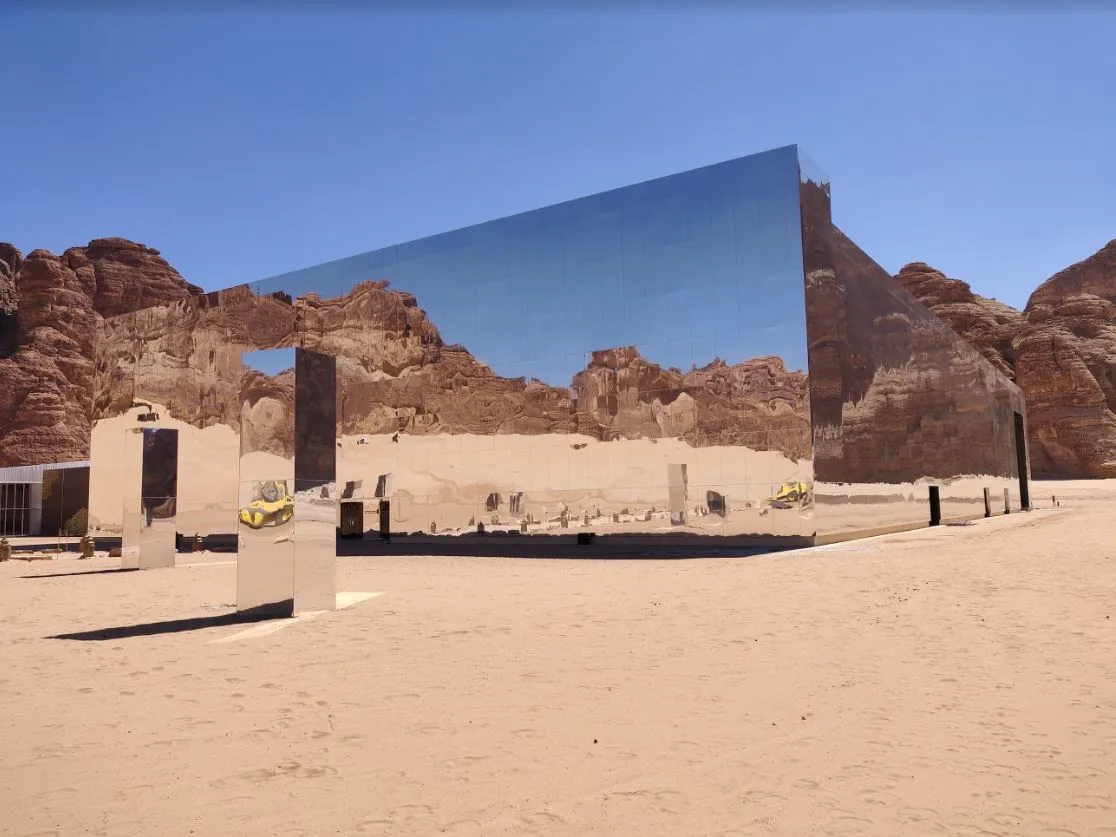
Maraya — the mirrored monolith
The world’s largest mirrored building, disappearing into the AlUla canyon. The single most shared image in Saudi tourism, and the template for the design-led stay.

Expert short-term rental marketing to grow your bookings and nightly rate in Riyadh, Saudi Arabia — built for Vision 2030, Riyadh Season and the Gathern era.
Sixteen services, one team. Everything below is built in-house and scoped to your property and market. Most owners start with the 12-Step System.
Every engagement is quoted to your portfolio. These are the ready-made scopes owners pick most — our Fall Special (55% off list) is already applied. A clear proposal within 48 hours.
The work is public. Selected engagements and what changed — and reviews from the owners and managers behind them.
* Market averages (AirDNA, mid-2026: ~21,800 active Riyadh listings, $91 ADR, 38% occupancy, ~$6.2K annual revenue, revenue +54.6% year over year, AirDNA Market Score 76/100). Directional figures, not guarantees. Properties marketed by Cavmir typically exceed market averages by 25–45%.
Riyadh is the capital of the most talked-about transformation on earth. Under Saudi Vision 2030 — the national plan to move the economy beyond oil — a once closed, business-only city is being rebuilt into a global destination for tourism, culture, sport and entertainment. The Kingdom Centre with its famous sky-bridge and the pyramid-topped Al Faisaliah Tower light the Olaya skyline; the King Abdullah Financial District (KAFD) has risen into a district of its own; and on the city’s northwestern edge the mud-brick birthplace of the Saudi state at Diriyah has become a world-class heritage quarter.
The numbers tell the story. Saudi Arabia welcomed roughly 123 million visitors in 2025, blowing past its original Vision 2030 target years early, and Riyadh sits at the center of that surge as the seat of government, the country’s corporate capital, and the home of Riyadh Season. For short-term rental owners the opportunity is unusually raw: demand is climbing fast — Riyadh STR revenue rose about 55% year over year into 2026 — while the marketing sophistication of the average listing is still years behind Dubai. That gap is exactly where a property that is branded, photographed and distributed properly pulls away from the field. Cavmir is a marketing agency; we help Riyadh owners win that gap. We do not manage properties.
Riyadh rewards operators who market to three audiences at once — corporate and government travelers midweek, Gulf and domestic families on the weekend, and a fast-growing international leisure visitor. Cavmir builds the brand, the bilingual listing, the direct-booking site and the distribution across Airbnb, Booking.com and Gathern so your property is found by all three.
Riyadh’s name comes from the Arabic for gardens or meadows, a reminder that this was once a cluster of oasis settlements in the Wadi Hanifah. The modern story starts a short drive northwest of downtown, at Diriyah, the mud-brick town where the first Saudi state was founded in 1727. After the recapture of the Masmak Fortress in 1902, Riyadh became the capital of the emerging Kingdom, and the twentieth-century oil boom turned a walled desert town of a few thousand people into a metropolis of roughly seven million. For most of that history, visitors came for one reason: business with the government or the companies clustered around it. Leisure tourism, in the Western sense, simply did not exist as a category, and neither did a real short-term rental market.
That changed with startling speed. In 2019 Saudi Arabia opened to international leisure tourists for the first time with a new e-visa, and Vision 2030 named tourism a pillar of the post-oil economy. The Ministry of Tourism was created, Riyadh Season launched as a months-long entertainment festival, and domestic Saudi travel — long a huge, mostly invisible market of families renting chalets and farms through word of mouth and, increasingly, through the homegrown app Gathern — was formalized and encouraged. Short-term rental went from a gray, informal activity to a licensed, government-backed part of the visitor economy in the space of a few years.
Today Riyadh carries more than twenty thousand active short-term rental listings, and the market is defined by three facts that every owner should understand. First, it is growing fast off a young base: revenue up more than half year over year, occupancy climbing, and a flood of new supply that keeps average nightly rates in check even as the pie grows. Second, it is heavily business- and event-led rather than beach-and-holiday led, which shapes everything from the ideal location to the amenities that matter. Third, it is regulated: a Ministry of Tourism licence is required to host tourists legally, and enforcement is real. The winners in this market are not the owners with the flashiest interiors — they are the ones who are licensed, distributed across the right platforms including Gathern, and marketed to the specific, business-heavy Riyadh guest. That is the layer Cavmir builds.
Riyadh pricing concentrates around proximity to the business and event districts rather than a coastline. Well-located apartments in Olaya, near KAFD, or around the Diplomatic Quarter command the corporate premium; family villas with a majlis and private space capture the weekend Gulf market at a different rate ceiling. Average nightly rates sit around $91 across the market, but that figure hides a wide spread: a licensed, well-marketed unit priced to events clears far more than a generic listing competing on price alone. Because new supply is arriving quickly, discipline matters — the answer to a soft week is rarely a race to the bottom on rate, it is better photography, a sharper title, and distribution on Gathern where domestic demand actually is.
Riyadh’s calendar is inverted and driven by climate and events. Peak runs the cool months, roughly October through March, when the weather is pleasant and Riyadh Season fills the city with concerts, exhibitions and dining. Business demand adds a steady weekday floor across the cool season, punctuated by major conferences. Summer — June through August, when temperatures pass 45°C — is the genuine low, when leisure demand thins and rates soften. The most commonly missed window is the shoulder around September and early October, when the weather breaks but many hosts have not yet switched to peak pricing.
Saudi Arabia requires a licence to host tourists, and the framework is managed by the Ministry of Tourism. For a private home rented on a daily basis, the relevant permit is the Private Tourism Hospitality Facility licence. As of 2026 the individual daily-home permit costs roughly SAR 1,100 and is issued against an electronic title deed or lease that proves the applicant’s right to the property. The individual private-home permit is currently issued to Saudi nationals; commercial tourist-accommodation licences and licensed operators cover other structures and larger portfolios. Applicants submit full photos of every room and the exterior, and the property must carry basic safety equipment — a smoke detector, fire extinguisher, fire blanket and first-aid kit.
The practical takeaway for owners is simple: in 2026, a short-term rental in Riyadh is legal only when the unit is licensed, which makes compliance more important than clever interior design. Listing an unlicensed unit risks removal and penalties, and the major platforms increasingly ask for a licence number. Because the rules are new and still evolving — and because the ownership and operator pathways differ — confirm the current requirements directly with the Ministry of Tourism or a local specialist before you list. Cavmir handles the marketing side of your property; we do not provide legal or permitting advice, but we will build your listing to display a licence number cleanly and market only a compliant, ready-to-host property.
If you market a Riyadh property to Western tourists only, you are competing for a slice of the demand and ignoring the largest one. The single biggest guest bloc in Saudi Arabia is domestic — Saudi and Gulf families traveling within the Kingdom — and a great many of them do not start on Airbnb. They start on Gathern (جاذر إن), the homegrown Saudi vacation-rental marketplace founded in 2016 and licensed by the Ministry of Tourism as a private vacation-rentals platform. Gathern lists tens of thousands of properties — chalets, apartments, villas, farms, resorts, camps and even caravans — across more than 200 Saudi cities including Riyadh, Jeddah, Dammam, Abha, Taif, AlUla and Umluj.
For most Riyadh hosts, the right move is not Airbnb or Gathern — it is Airbnb and Booking.com and Gathern, each set up to convert its own audience. Airbnb and Booking bring the international and business traveler; Gathern brings the domestic Saudi and Gulf family that fills weekends, holidays and the long summer with staycation demand. The catch is that a listing that wins on one platform does not automatically win on another: the photography emphasis, the copy register, the amenities highlighted and even the review-earning motions differ. Cavmir builds and tunes your presence across all three, so the same property earns from every audience instead of leaking the biggest one.
This is a distribution and marketing decision, not a management one. Cavmir positions and markets the property and sets up the channels; you or your operator handle the hosting. That division is the whole point — you keep control and ownership of your listings, and you get a marketing team making sure the right guest finds them.
Vision 2030 did something no marketing budget could: it made Saudi Arabia photogenic to the world. A wave of design-led resorts and heritage stays — a mirrored concert hall in a desert canyon, dune villas cut like Nabataean rock, a UNESCO mud-brick town relit at night — now travels around Instagram, TikTok and travel press. For a Riyadh owner, these are not just competitors; they are the reference points guests carry in their heads. When your listing borrows their visual language — the light, the framing, the sense of place — it reads as part of the new Saudi story rather than a generic apartment. These are the stays setting that bar.
The world’s largest mirrored building, disappearing into the AlUla canyon. The single most shared image in Saudi tourism, and the template for the design-led stay.
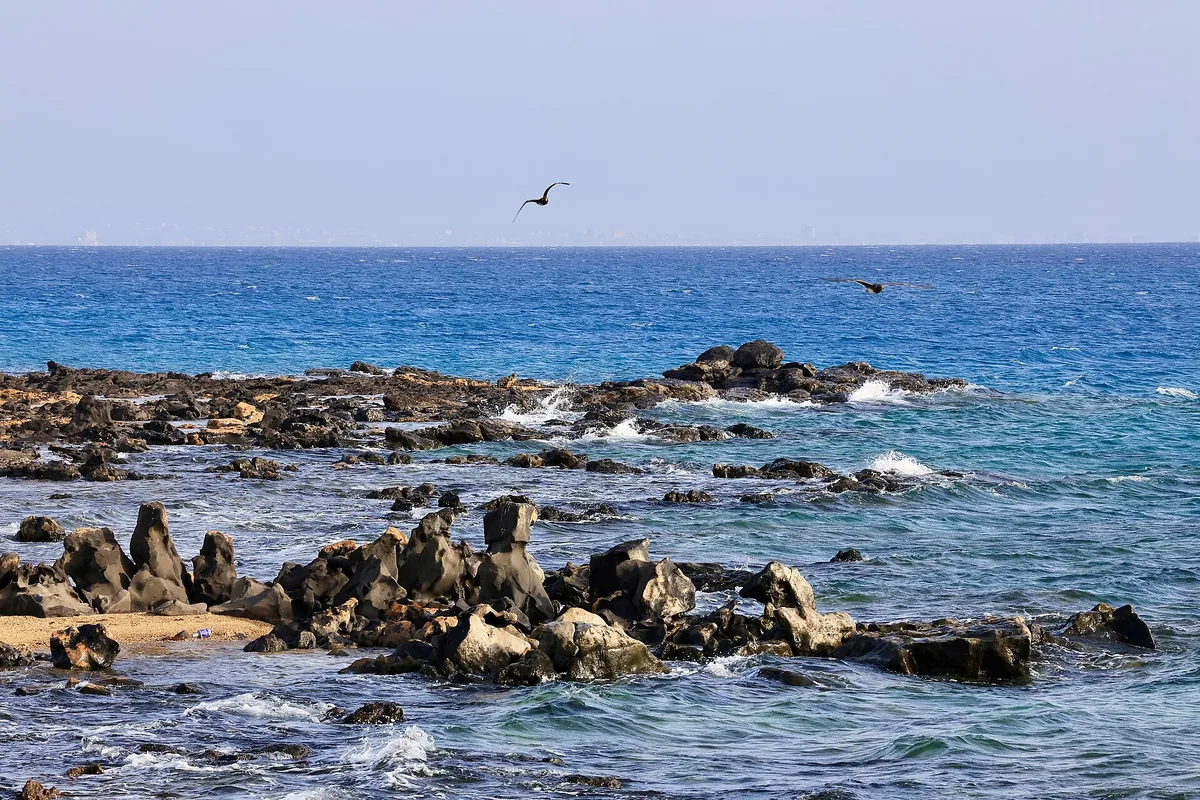
Turquoise water and island reefs on the northwest coast, anchor of the ultra-luxury Red Sea resorts like Six Senses Southern Dunes and the St. Regis.
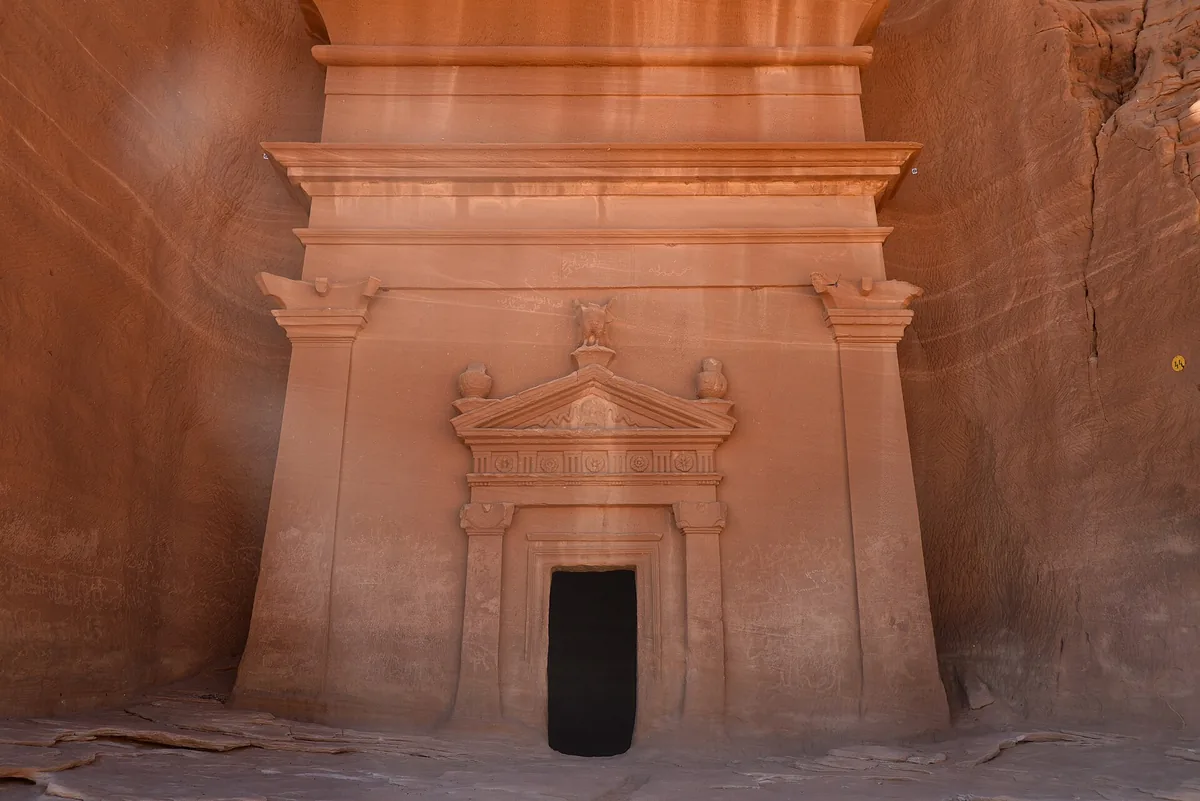
Two-thousand-year-old Nabataean tombs, sister city to Petra. The desert-heritage backdrop that luxury camps and villas are built to frame.
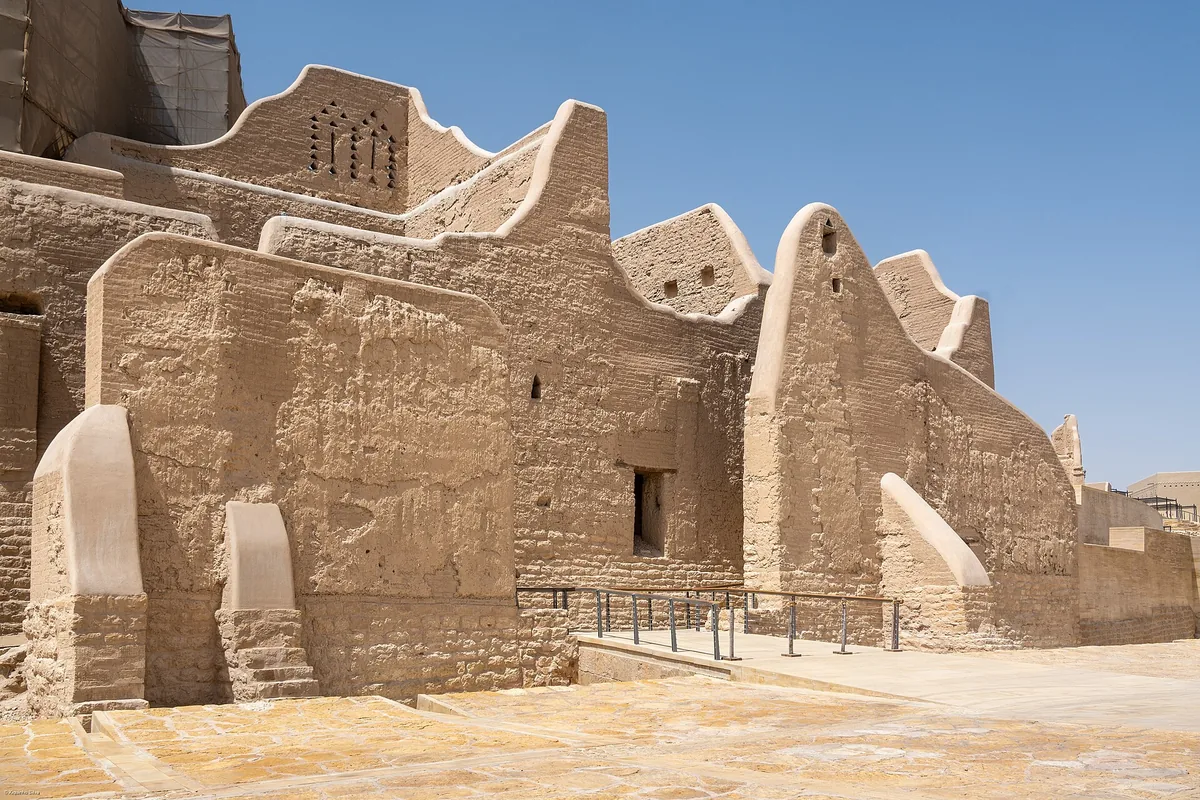
The mud-brick cradle of the Saudi state, now a UNESCO heritage quarter of restaurants, galleries and boutique stays on Riyadh’s doorstep.
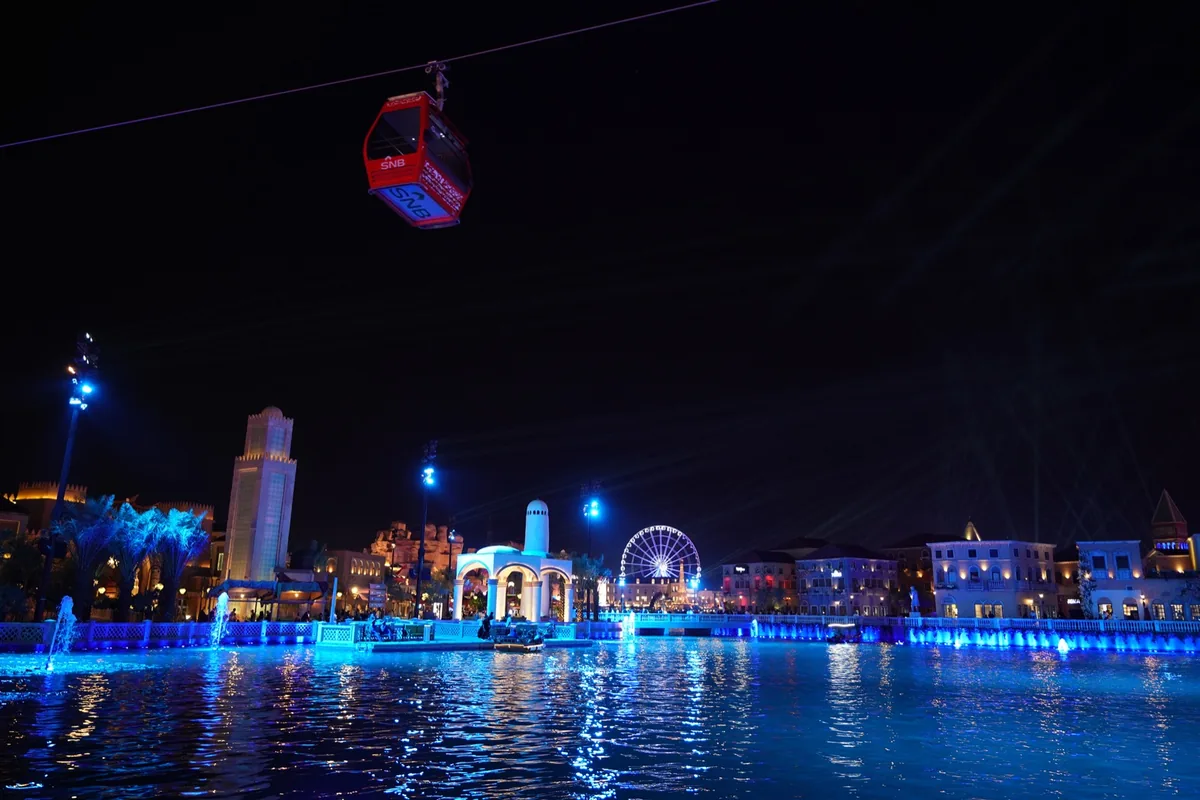
The months-long festival that turns the cool season into peak demand — concerts, dining and crowds that fill nearby rentals night after night.
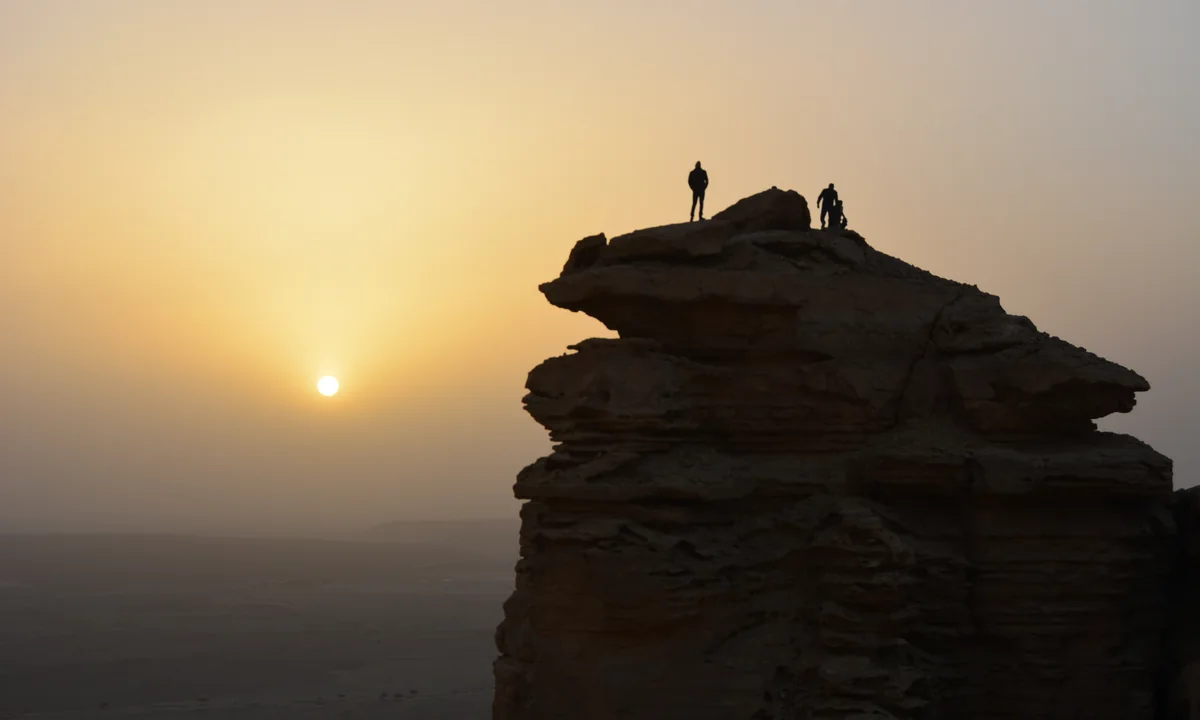
The Tuwaiq escarpment dropping to an ancient seabed, a 90-minute drive from the capital and the day trip every Riyadh guest asks about.
Photography via Wikimedia Commons, used under their respective licences: Riyadh skyline © B.alotaby (CC BY-SA 4.0); Maraya © Nesma & Partners (CC BY-SA 4.0); Umluj © Saudi Press Agency (CC BY-SA 4.0); Hegra © Following Hadrian (CC BY-SA 2.0); At-Turaif © Xiquinho Silva (CC BY 2.0); Riyadh Boulevard (CC0); Edge of the World © Wario2 (CC BY 4.0); Jeddah Corniche © Tahir mq (CC BY-SA 4.0).
First, get licensed and lead with it. A displayed Ministry of Tourism licence number is a trust signal to Saudi guests and a requirement platforms increasingly enforce; unlicensed listings have no upside and real downside. Second, market to the business week and the family weekend as two products. Midweek, sell proximity to Olaya, KAFD and the exhibition venues, a proper desk and fast wifi, and self check-in for late corporate arrivals. On the weekend, sell space, a majlis, family privacy and easy parking. Third, be on Gathern — the domestic demand that fills your quiet stretches largely books there. Fourth, price the event calendar deliberately: Riyadh Season, LEAP, National Day and Eid are predictable spikes that reward hosts who set them early and hold.
Supply is arriving fast, which caps average rates even as demand grows — differentiation, not discounting, is the answer. The individual home permit is currently gated to Saudi nationals, so foreign investors typically enter through commercial licences or licensed operators; confirm your route before you buy. Summer heat drives a genuine low season that no amount of marketing fully cures — plan for longer stays and business travel instead. And cultural fit matters: content and house rules that respect local norms convert far better with the Gulf family audience than a generic Western listing.
Saudi property and contents insurance with a short-let endorsement. Major Gulf carriers offer products; budget accordingly for fire, theft and liability. Some compounds and buildings require building-level cover alongside owner cover. Confirm short-term letting is not excluded.
Saudi Arabia has no personal income tax. VAT (15%) applies to many services and to registered operators; a Real Estate Transaction Tax applies on acquisition. There is no annual property tax on residential homes, though a White Land Tax targets undeveloped plots. Confirm your VAT position with an accountant.
Saudi mortgages are available to residents through local banks, often Shariah-compliant (Murabaha or Ijara structures). Non-resident foreign financing is more limited; many investors buy cash or via developer plans. Premium off-plan projects tied to Vision 2030 districts increasingly offer structured payment schedules.
No major city on earth has a denser pipeline of demand drivers than Riyadh over the next decade, and almost all of it flows from Vision 2030. In the capital itself, New Murabba is rising around the Mukaab — a cube-shaped landmark large enough to hold dozens of skyscrapers inside it — as a new downtown. King Salman Park is being built as one of the largest urban parks in the world, Qiddiya is taking shape on the southwestern edge as a giga-scale entertainment, sports and theme-park city, and Diriyah continues its build-out into a heritage and hospitality destination with luxury keys opening through 2027. The new national carrier, Riyadh Air, is launching to make the capital a global connecting hub in its own right, not just a spoke off Dubai and Doha.
Then come the events that put fixed dates on the calendar. Riyadh will host Expo 2030, a world’s fair expected to draw tens of millions of visitors, and Saudi Arabia will host the FIFA World Cup in 2034, with Riyadh at its center. Riyadh Season grows year on year, LEAP has become one of the world’s largest tech events, and the Kingdom’s wider tourism target — well over 100 million annual visits, already met ahead of schedule — keeps being revised upward. For a short-term rental owner, the implication is unusually clear: this is a market where demand is scheduled to rise for a decade, where the challenge is standing out amid fast-growing supply, and where getting the marketing right now — brand, photography, bilingual listing, direct booking, and distribution across Airbnb, Booking.com and Gathern — compounds every year the pipeline delivers. That is the bet Cavmir helps Riyadh owners make.
I’ll be honest about why Riyadh is one of my favorite markets to work: the gap between what the city is becoming and how the average listing presents it is enormous, and that gap is pure opportunity. Most Riyadh rentals still market like it’s 2015 — a few dim phone photos, a generic title, one platform, no story. Meanwhile the city around them is throwing off some of the most cinematic imagery on the planet and pulling in a guest who is sophisticated, well-traveled and ready to book the property that looks the part. When you give a Riyadh listing real branding and real photography, it doesn’t just improve — it leaps past the field, because the field hasn’t shown up yet.
What I love most is that Riyadh forces you to be precise about the guest. This isn’t a beach town where everyone wants the same thing. Midweek you’re writing for a government contractor who needs to be near KAFD and wants self check-in at midnight; on Thursday you’re writing for a family from Dammam who wants space, a majlis and parking for two cars. Same property, two completely different pitches, and the hosts who understand that quietly outperform everyone selling “a nice apartment.” Add Gathern to the mix so the domestic families can actually find you, price the Riyadh Season and event weeks like the assets they are, and lean into the Vision 2030 story in your copy — guests want to feel like they’re staying inside the transformation, not just visiting a city. Do that, and Riyadh pays.
The picks Cavmir recommends for a Riyadh welcome book — calibrated to the real mix of business and family guests, and candid about the city’s heat, distances and rhythms.
The DQ’s quiet cafes and walking paths for a calm start; or one of Riyadh’s serious third-wave coffee roasters, a scene locals are genuinely proud of.
The mud-brick birthplace of the Saudi state, restored into a UNESCO quarter with Bujairi Terrace dining alongside. The single most rewarding morning in the city.
The observation deck spanning the tower’s famous arch. The best skyline photo Riyadh offers — time it for 45 minutes before sunset.
From October, the entertainment districts run concerts, dining and shows nightly. If your guests are in town during Season, this is why.
The slow-cooked rice-and-lamb dishes at the heart of Saudi hospitality. A host who names a genuinely local spot, not a mall chain, signals real city knowledge.
The Tuwaiq cliffs about 90 minutes out, dropping to an ancient seabed. A 4x4 and an early start are the move; every guest asks about it.
The heat breaks before Season fully starts and rates haven’t all jumped. A knowledgeable window most hosts price too low.
Uber and Careem run citywide; the Riyadh Metro is opening up the map. Note that the Saudi weekend is Friday–Saturday, and a short prayer-time and dress-code briefing prevents awkwardness.
Representative Cavmir engagements of the kind we build in a market like Riyadh. Illustrative composites; figures reflect the ranges and mechanics we work with, not a specific client’s books.
One of hundreds of near-identical business-district apartments, single-platform, competing on price and losing weekday nights.
Rebuild it as two products: a corporate-stay pitch (desk, fast wifi, self check-in, KAFD proximity) for midweek, and a family pitch for weekends. Bilingual Arabic/English listing, licence number displayed, and distribution added on Booking.com and Gathern.
Lift weekday occupancy from the corporate audience, capture weekend families off Gathern, and move ADR up on event weeks instead of chasing the price floor.
A spacious villa marketed like a generic apartment, missing the weekend Gulf-family and small-event audience that was its real ceiling.
Reposition around space, the majlis, privacy and parking; commission photography that sells the gathering areas; and build a direct-booking site for repeat family guests plus a Gathern presence for domestic discovery.
Open a higher-rate weekend and holiday channel, grow repeat direct bookings, and reduce dependence on any single platform’s fees.
A well-located unit relying entirely on Riyadh Season proximity, dark for much of the rest of the year.
Event-calibrated pricing that holds firm through Season and LEAP, a shoulder-season long-stay product for the summer, and SEO plus a Google Business Profile so the unit is found year-round, not just in October.
Turn a seasonal spike into a fuller calendar, with premium event pricing and a summer floor from longer business stays.
Riyadh is the capital and the corporate engine, but it is one market in a country the size of Western Europe, and the smartest owners think in terms of the whole Kingdom. Vision 2030 did not build a single destination — it built a portfolio, from a mirrored concert hall in a northern canyon to an ultra-luxury archipelago on the Red Sea, from the mountain-cool of the southwest to the industrial-and-beach corridor of the Eastern Province. Each has its own guest, its own season and its own economics, and the same platforms — Airbnb, Booking.com and Gathern — reach across all of them from one account. What follows is a market-by-market read of where Saudi short-term rental demand is heading outside the capital, and how a marketing agency thinks about each. It doubles as a briefing for any Riyadh owner weighing a second property elsewhere in the Kingdom.
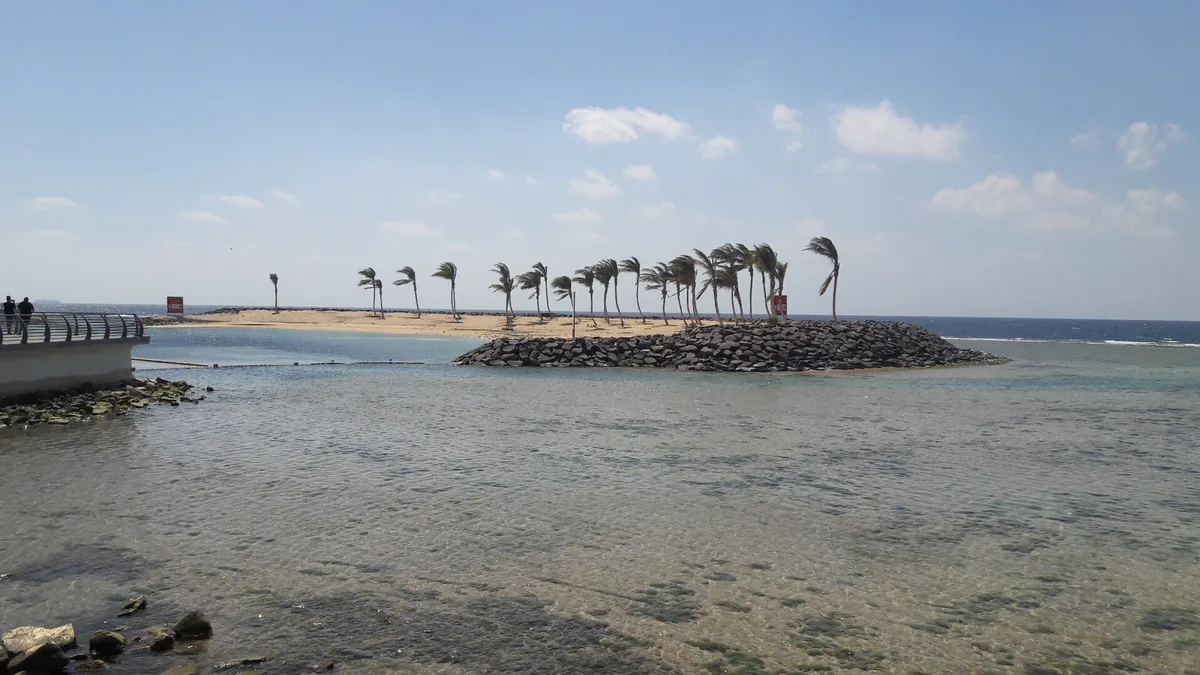
Jeddah is Saudi Arabia’s Red Sea gateway and its most relaxed major city — the historic port through which pilgrims have passed toward Mecca for centuries, and the country’s cultural and commercial counterweight to Riyadh. Its coral-stone old town, Al-Balad, is a UNESCO World Heritage Site; its Corniche is a miles-long waterfront of parks, art and cafes; and its calendar leans on the Red Sea Film Festival, Jeddah Season and, above all, its role as the arrival city for the roughly two million pilgrims who perform Hajj and the many more who come for Umrah year-round. That religious-tourism base gives Jeddah a demand floor few cities on earth can match, and it makes short-term rentals near the Haramain high-speed rail link to Mecca and Medina a distinct, resilient category.
For STR owners, Jeddah offers a milder, more leisure-and-pilgrimage-driven market than business-heavy Riyadh, with a longer comfortable season on the coast and strong domestic and Gulf family demand that Gathern serves well. And it is about to gain the single most famous building in the country.
After a multi-year pause, construction of the Jeddah Tower (the Jeddah Economic Company Tower, once known as Kingdom Tower) resumed in early 2025 and is climbing again on the northern edge of the city, anchoring the new Jeddah Economic City district.
Beyond the tower, Jeddah’s event and culture calendar is filling out fast. The Red Sea International Film Festival draws a global film crowd to Al-Balad each winter; the city has hosted a Formula 1 Grand Prix on the Corniche circuit and major boxing and football events; and Jeddah Season mirrors the capital’s festival model on the coast. An hour north, King Abdullah Economic City (KAEC) adds a purpose-built resort-and-business town with its own beaches and the Haramain rail stop. For a short-term rental owner, all of it points the same way: Jeddah rewards a listing that can flex between the pilgrimage guest, the events crowd and the leisure traveler discovering Al-Balad’s restored coral houses, and that is on both the international platforms and Gathern, where the Saudi and Gulf families who make up the bulk of coastal demand actually book.
If one place made the world reconsider Saudi Arabia, it is AlUla. This ancient oasis in the northwest holds Hegra (Mada’in Salih), the Kingdom’s first UNESCO World Heritage Site — a Nabataean city of tombs carved into sandstone, the sister site to Petra. Around it has grown one of the most deliberate luxury-tourism destinations on the planet: Maraya, the world’s largest mirrored building, hosting concerts in a desert canyon; design-led resorts and camps like Banyan Tree AlUla, Habitas AlUla and Our Habitas Caravan; and a masterplan that treats the whole valley as a living museum with a hard cap on crowding.
AlUla’s STR economics are the inverse of Riyadh’s: fewer, higher-value stays; a cool-season peak from roughly October to March when the desert is comfortable; and a guest — international, design-literate, willing to pay for a story — who rewards beautiful photography and a strong sense of place above all else. Nightly rates at the top end run well into four figures. For a marketer it is the most straightforward brief in the country: match the visual language of the destination, tell the heritage story straight, and distribute to an international audience. Gathern and the local operators handle the domestic layer; the international layer is where a listing lives or dies on its imagery.
The destination keeps deepening, too. Sharaan, a Ritz-Carlton Reserve designed by Jean Nouvel is being carved directly into the AlUla sandstone; Wadi AlFann (the “Valley of the Arts”) is installing monumental land-art by world-name artists; and the winter festival season — concerts at Maraya, hot-air balloons over the tombs, the heritage programming once branded Winter at Tantora — concentrates demand into a handful of unforgettable weeks. A dedicated AlUla airport and a hard visitor cap mean supply stays deliberately scarce, which protects rates. For an owner, that scarcity is the strategy: AlUla is not a volume play, it is a story-and-scarcity play, and the marketing that works is the marketing that treats the listing as a small piece of a world-heritage experience rather than a room for the night.
Along the northwest coast, The Red Sea is Saudi Arabia’s answer to the Maldives and the Seychelles — an archipelago of more than ninety islands being developed into a regenerative, ultra-luxury destination with its own international airport. The anchor resorts are already open and already viral: Six Senses Southern Dunes, its rock-cut architecture set among the Khuff dunes near Umluj; the overwater and beach villas of St. Regis Red Sea and Nujuma, a Ritz-Carlton Reserve; and more arriving each season. Nearby Umluj — the fishing town whose turquoise shallows earned it the “Saudi Maldives” nickname — gives the coast a more accessible, domestic-friendly face.
This is the top of the Saudi market: entry nightly rates around $900 and up, a guest who expects flawless service and photography, and a season that runs the cooler two-thirds of the year on the water. Pure short-term rental supply is limited by design here — the destination is resort-led and crowd-capped — but the halo effect is enormous. Umluj and the wider Tabuk-province coast are seeing a wave of chalets, beach houses and boutique stays aimed at the domestic and Gulf traveler who wants the Red Sea without the resort price, and those book heavily on Gathern. A marketer’s job on this coast is to sell water, light and calm, and to price the scarcity honestly.
The wider northwest coast is scaling in parallel. Amaala, the wellness-focused sister destination further north, and Shura Island, the Red Sea’s dolphin-shaped hospitality hub, are adding dozens of resorts between them, all served by the new Red Sea International Airport and, in a first for the region, a fleet of seaplanes and yachts moving guests between islands. The whole coast is being built to a regenerative standard — solar-powered, with a stated cap on annual visitors to protect the reefs — which keeps the top tier genuinely exclusive. That ceiling is precisely why the accessible layer around Umluj and the Tabuk coast matters so much to everyday owners: it is where the domestic and Gulf traveler who wants the Red Sea, but not the four-figure nightly rate, actually stays, and that traveler lives on Gathern.
Two giga-projects sit close enough to Riyadh to shape the capital’s own STR market. Diriyah — the mud-brick birthplace of the Saudi state, a short drive northwest — is being built out into “The City of Earth,” a heritage, cultural and hospitality destination anchored by the UNESCO At-Turaif quarter and the Bujairi Terrace dining district, with luxury hotel keys from names like Ritz-Carlton opening through 2027. It has already made the western edge of Riyadh a genuine leisure and dining draw, lifting demand for nearby stays. Qiddiya, rising on the southwestern edge near the Tuwaiq cliffs, is the entertainment counterpart — a giga-scale city of theme parks, a Six Flags, motorsport, a stadium and cultural venues designed to give Riyadh residents and visitors a reason to stay the weekend.
For owners, Diriyah and Qiddiya are best understood as demand engines for the Riyadh market rather than separate STR markets of their own — at least for now. As each opens more attractions and hotels, it pulls weekend and event demand toward the properties within easy reach, which is exactly why location relative to these districts is becoming a real pricing factor in the capital.
Far to the northwest, NEOM is the most ambitious and most debated of the giga-projects: a new region the size of a small country, whose components have entered a phase of re-scoping and disciplined, staged delivery. The Line — the linear car-free city — is the headline concept; Sindalah, a luxury island destination, has opened as an early asset; and Trojena, an alpine resort in mountains that see winter snow, is targeting completion around 2026 and will host the 2029 Asian Winter Games. Whatever the final shape and timeline, NEOM has already reset global expectations of what Saudi tourism can be, and it will eventually create accommodation demand on a scale that spills into the surrounding Tabuk province and the Red Sea coast.
For today’s STR owner, NEOM is a long-horizon story rather than a place to list next month — but it is the reason the whole northwest, from AlUla to Umluj to Tabuk city, is worth watching. The infrastructure being built for it — airports, roads, power — benefits every nearby market that already takes guests. Oxagon, the floating industrial port, and the yacht-club island of Sindalah are the pieces most relevant to hospitality so far; the sober read is that timelines have stretched and scope has been trimmed, so an owner should treat NEOM as a decade-long tailwind for the whole northwest rather than a listing decision for this year.
Two things will reshape demand across every market above, and both run through the capital. The first is Qiddiya City, taking shape 40 minutes from Riyadh against the Tuwaiq cliffs as a giga-scale entertainment capital — a Six Flags theme park and the Aquarabia water park among the first attractions to open, alongside a planned Formula 1–grade motorsport circuit, the Prince Mohammed bin Salman Stadium, an esports and gaming district, and cultural and performance venues. As Qiddiya switches on, it turns Riyadh from a business city you fly in and out of into a weekend destination families plan trips around, and that lifts every well-marketed rental within reach of the capital. The second is Riyadh Air, the new national carrier launching to make Riyadh a global connecting hub in its own right, backed by a vastly expanded King Salman International Airport designed to be one of the largest in the world. More direct international seats into Riyadh means more international leisure guests for owners who have already built listings that speak to them — strong photography, English-and-Arabic copy, and a clear sense of the new Saudi story.
For an owner weighing a second property somewhere in the Kingdom, the connectivity map is the tell. AlUla, the Red Sea and NEOM now have or are getting their own international airports; the Haramain high-speed line stitches Jeddah, Mecca, Medina and KAEC together; and Riyadh Air will feed the lot. The markets that get easier to reach are the markets whose short-term rental demand compounds fastest, and matching your listing to the specific guest each airport delivers — the pilgrim, the design tourist, the luxury seeker, the business traveler — is exactly the work a marketing agency does.
Abha & the Asir highlands. In the country’s cool, green southwest, Abha and the wider Asir mountains run the opposite season to the rest of Saudi Arabia: their peak is the summer, when Gulf families flee the coastal heat for mountain air, fog-wrapped villages, cable cars and terraced farms. Soudah Peaks, a mountain giga-project, is set to add luxury capacity above the clouds. For STR owners this is one of the most attractive domestic markets in the Kingdom precisely because it fills exactly when Riyadh and the coast empty out — a genuine counter-seasonal play. Chalets, farm stays and mountain cabins here book heavily on Gathern with domestic and Gulf families, and the marketing brief is all about cool air, views and family space.
Taif. The highland city above Mecca, famous for its roses and its mild summers, is the Hejaz’s traditional summer retreat — another counter-seasonal, family-and-domestic market with a strong Gathern presence and a growing farm-stay and chalet scene.
Dammam, Khobar & the Eastern Province. On the Arabian Gulf coast, the Dammam–Khobar–Dhahran metroplex is the heart of the Saudi oil economy and, increasingly, a weekend destination in its own right — corniche waterfronts, the causeway to Bahrain, and a business-travel base built around Aramco and the energy sector. Its STR market mirrors Riyadh’s in shape: business-led on weekdays, family-led on weekends, with a cooler-season leisure peak and a hot, humid summer. The proximity to Bahrain adds a distinct cross-border weekend flow. For owners, it is a steadier, less hyped market than the giga-project coast, but a real and resilient one.
The southern coast & Al Baha. Further south, Jazan is the gateway to the Farasan Islands, a protected Red Sea archipelago of coral, mangroves and migrating birds that is quietly becoming a domestic ecotourism draw. The green highlands of Al Baha, with their juniper forests and stone villages, round out the southwest’s counter-seasonal summer belt. These are small, mostly domestic markets today, but they share Abha’s great advantage — they fill in the exact months the rest of the Kingdom empties — and they are almost entirely a Gathern-and-domestic story, which makes local-language marketing and truthful, place-specific photography the whole game.
Mecca & Medina. The two holy cities are their own universe — the largest religious-tourism market on earth, with year-round Umrah demand and the Hajj peak, and accommodation clustered tightly around the Haramain. They operate under specific rules and a specialized hospitality ecosystem, but for context they are the demand bedrock that makes the whole western corridor, Jeddah included, so resilient.
If you are choosing where to put a short-term rental in Saudi Arabia, the practical shortcut is to match the market to your appetite. Want the steadiest, most business-led demand with the deepest year-round base? That is Riyadh, and increasingly Jeddah and the Dammam–Khobar corridor, where corporate travel and domestic families carry the calendar and a licensed, well-marketed apartment performs like clockwork. Want a counter-seasonal play that fills when the cities empty in summer? Look to the cool highlands of Abha, Taif and Al Baha, where Gulf families chase mountain air and almost all the demand runs through Gathern. Want the top of the market and a listing that markets itself on imagery alone? That is AlUla and the Red Sea, high-value and scarcity-protected, where the brief is story, light and restraint. And want to ride the biggest long-term tailwind on earth? Buy within reach of the giga-projects — a Riyadh flat near Qiddiya and Diriyah, a Jeddah unit near the tower, a Tabuk-coast chalet in NEOM’s slipstream — and let a decade of scheduled demand do the compounding. There is no single right answer; there is the market that fits your capital, your season tolerance and the guest you actually want to host.
The thread running through every one of these markets is that Saudi Arabia is not one guest — it is a business traveler in Riyadh, a pilgrim in Jeddah, a design tourist in AlUla, a luxury seeker on the Red Sea, and a Gulf family chasing cool air in Abha, often booking the same weekend on three different platforms. A property wins when its brand, photography, bilingual copy and distribution are built for the specific guest of its specific place, and when it appears everywhere that guest looks — Airbnb and Booking.com for the international and business layer, Gathern for the domestic and Gulf family layer, and a direct-booking website to bring the best guests back without paying platform fees twice. That is the whole of what Cavmir does: we position and market short-term rentals across Riyadh and the wider Kingdom. We are a marketing agency, not a property manager — you keep ownership and control of your listings, and we make sure the right guest finds them.
Yes. Cavmir works with short-term rental owners and boutique hotels in Riyadh and across Saudi Arabia — property branding, listing optimization, photography direction, direct-booking websites, SEO and paid campaigns, plus setup across Airbnb, Booking.com and Gathern. We are a marketing agency; we position and market properties, we do not manage them.
Market data (AirDNA, 2026) puts the Riyadh average around a $91 nightly rate and 38% occupancy, with revenue up more than 50% year over year. Treat those as directional averages, not guarantees — the gap between a well-marketed, licensed listing and a generic one in the same building is wide.
The cool season, roughly October through March, is peak, driven by pleasant weather, Riyadh Season and major conferences. Summer is the low. That shoulder and event-driven pattern is exactly where marketing earns its keep.
Yes — Saudi Arabia requires a Ministry of Tourism licence to host tourists, and in 2026 a Riyadh short-term rental is legal only when the unit is licensed. Rules change often, so confirm current requirements with the Ministry of Tourism. Cavmir handles the marketing side; we don’t provide legal or permitting advice.
For most hosts, yes. Gathern is the first licensed Saudi peer-to-peer rental platform and is where a large share of domestic Saudi and Gulf family demand actually books. Cavmir sets your property up to convert across Airbnb, Booking.com and Gathern rather than relying on one.
It depends on scope. Current plans and project pricing are on the pricing page — most owners start with a listing overhaul or the 12-step system. A conversation about your property costs nothing: contact Cavmir.
Send us the listing and we'll tell you what we'd change. Not a pitch deck — a straight read on your photos, your title, your rates against the Riyadh comp set, whether you should be on Gathern, and whether a direct-booking site would pay for itself.
You'll hear back from a person, usually inside one business day. If we don't think we can move your numbers, we'll say so. Cavmir is a short-term rental marketing agency — we position and market properties, we don't manage them.
Demand in Riyadh peaks across the cool season — roughly November through February and again through Riyadh Season — and runs quietest in the deep summer around June through August. Here is how the year actually books, and what to do about each stretch.
The cool months, roughly October through March, are Riyadh's high season, when the weather turns pleasant and Riyadh Season fills the city with concerts, exhibitions and dining. Business demand adds a steady weekday floor and major conferences like LEAP spike it. Hold firm cool-season pricing, set the event and Riyadh Season weeks early, and have the listing dialed before October.
April and September into early October are the transitions — still workable but warming or cooling at the edges of the peak. Demand is solid rather than frantic, which makes these good months for value travelers, longer stays and business trips. A well-presented listing and steady corporate demand carry the shoulder.
June, July and August are the genuine low, when 45C-plus heat pushes life indoors and leisure demand thins. Rates soften, so this is the window for longer stays, business travelers and monthly bookings. Use the lull for maintenance and a photography refresh before the cool-season rush returns.
Riyadh Season and the marquee conference weeks fill the furthest out. Business and government demand moves much closer in, often inside a week or two, and summer books late on softer rates. Set the cool-season and event dates early and firm, then keep the rest of the calendar responsive.
Riyadh mixes short business trips and event weekends with a steady long-stay relocation layer. Weekdays skew corporate, weekends skew family, and summer leans on monthly bookings. The mix rewards hosts who market to business, family and long-stay guests rather than one alone.
A licensed, comfortable unit close to the business and event districts, or a spacious family villa with a majlis and privacy, wins here. Location relative to Olaya, KAFD, the Diplomatic Quarter and the entertainment districts drives the corporate and event crowds, while space and family amenities capture the domestic and Gulf market. Reliable air conditioning is not an extra in this climate — it is the product — so lead with it, along with fast wifi and a work desk, self check-in, parking and a displayed licence number.
Lead with a licensed, comfortable unit close to the business districts, reliable air conditioning, family space and a majlis, fast wifi and a desk, parking and self check-in. List in Arabic and English, distribute across Airbnb, Booking.com and Gathern, price the cool season and Riyadh Season deliberately, and add a Google Business Profile and a direct-booking site for repeat guests. That is the marketing layer Cavmir builds for Riyadh hosts.
The cool months from roughly October through March are peak, sharpened by Riyadh Season and major conferences. June through August is the true low, when 45C-plus heat pushes life indoors and rates soften.
Riyadh Season and the marquee conference weeks fill the furthest out. Business and government demand moves closer in, often inside a week or two, and summer books late on softer rates. Lock the cool-season and event dates early, then stay responsive for the rest.
The base is business- and domestic-led: government and corporate travelers, event visitors, and Saudi and Gulf families, with international leisure rising fast on the new tourist visa. Domestic Saudi travelers are the single largest bloc and heavy Gathern users.
Reliable air conditioning leads in this climate, followed by fast wifi and a desk for the business layer, family space and a majlis for the weekend crowd, self check-in, covered parking, and a displayed Ministry of Tourism licence number.
Talk to Cavmir today. We’ll show you exactly what your Riyadh property is leaving on the table — and how fast we can change that.
Book a Free Strategy CallPhotography via Wikimedia Commons (images resized and cropped): At-Turaif District by xiquinhosilva (CC BY 2.0) · Maraya Concert Hall 20260130 9 by Z thomas (CC BY 4.0) · Red Sea’s Northern Harrat Beach in Umluj, Saudi Arabia (2025) by Saudi Press Agency (SPA) (CC BY-SA 4.0) · Qasr al-Farid, a 1st-century AD Nabatean unfinished tomb carved into a giant boulder in Hegra (Mada'in Salih), the kingdom's second Nabatean capital after Petra, Saudi Arabia - 53534952258 by Following Hadrian (CC BY-SA 2.0) · Half Million Riyadh Boulevard City by Half Million (CC BY-SA 4.0) · Edge of the World by S0lL0 TRAVELER (CC BY-SA 4.0) · Jeddah sea front by Radosław Botev (CC BY 3.0).
