$295
Avg. Nightly Rate
47%
Avg. Occupancy Rate
$4,200
Avg. Monthly Revenue
7-10%
Est. Cash-on-Cash ROI
MEDIUM
Seasonality
MEDIUM
Regulatory Burden

* Market averages. Properties marketed by Cavmir typically exceed these figures by 25–45%. Data sourced from AirDNA, STR market reports, and Cavmir internal analytics.

The Market

Why Brown County is One of the World's Premier STR Markets

Brown County is the hill country Indiana keeps for itself — a county of wooded ridges and deep hollows an hour south of Indianapolis and twenty minutes from Bloomington, famous for a century as an art colony and famous every October as the state's leaf-season capital. The village of Nashville is the center of gravity: galleries, studios and shops descended from the painters who followed T.C. Steele here after he built his House of the Singing Winds on a ridgetop in 1907. Next door sits Brown County State Park, the largest in Indiana at nearly 16,000 acres — locals call these hills the Little Smokies — with the 1932 Abe Martin Lodge at its heart and ridge-road vistas that fill with color every fall. The county's newer institutions have stretched the calendar: the 2,000-seat Brown County Music Center opened on the edge of the village in 2019 and books national acts year-round, and Hard Truth Distilling pours and plays music on a 325-acre wooded campus a short walk from downtown. Five miles north in Bean Blossom, Bill Monroe's Music Park hosts the world's longest-running bluegrass festival every June. The rental stock is exactly what the scenery orders — log cabins in the hollows, A-frames on the ridges, hot tubs under the trees — and the county regulates it deliberately, through a permit process that rewards the owners who do it right.

Brown County demand is a leaf-season market with a longer tail than most owners work. October is the summit — the color weeks book out furthest ahead, price highest and fill midweek as well as weekends, because the state park's ridge roads are the most famous fall drive in Indiana. The rest of the calendar is steadier than the market's reputation: summer weekends run on hikers, park families and the village's gallery-and-fudge economy; Music Center show nights put couples in cabins twelve months a year; June and September bring the bluegrass pilgrimages to Bean Blossom; and Indiana University's home football Saturdays spill visitors over the county line all fall. Blended numbers run around $295 a night with occupancy in the mid-40s, and the stock divides cleanly — village-walkable cottages, park-edge cabins along the State Road 46 corridor through Gnaw Bone, and deep-hollow hideaways where the premium is silence. Winter is the honest trough, softened by hot tubs and the village's Christmas-shopping trade. The guest base is a drive market to its bones: Indianapolis first, then Bloomington, Louisville, Cincinnati and Chicago, most of them repeat visitors who have been coming since childhood. Supply is the structural story — the county's special-exception process and spacing standards cap how many rentals can exist, which keeps the approved ones scarce, and makes a professionally marketed, fully permitted cabin a genuinely defensible asset.

Top Attractions & Landmarks

  • Brown County State Park
  • The village of Nashville's galleries and shops
  • T.C. Steele State Historic Site
  • Brown County Music Center
  • Hard Truth Distilling Co.
  • Bill Monroe's Music Park, Bean Blossom
  • Abe Martin Lodge

Nearby Markets: Indianapolis  |  Louisville  |  Hocking Hills

Airbnb marketing services in Brown County, Indiana, USA
Postcards

Brown County through the lens

A few of the visual fingerprints we lean into when we shoot, brand and market a Brown County property — courtesy of the open Wikimedia Commons archive.

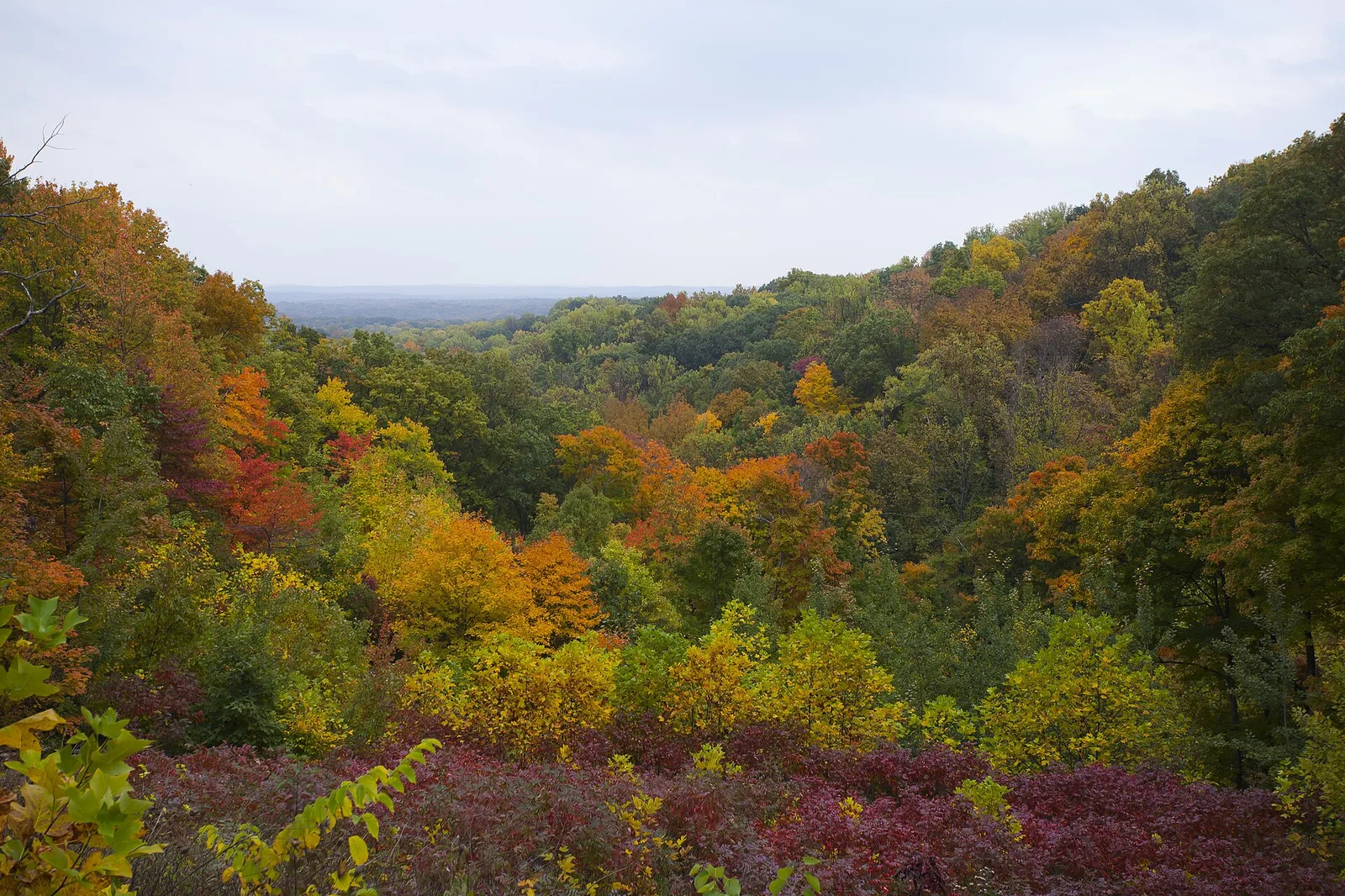
Parque Estatal Brown County, Indiana, Estados Unidos, 2012 10 14, DD 10 — Brown County airbnb marketing
Local Color
Parque Estatal Brown County, Indiana,
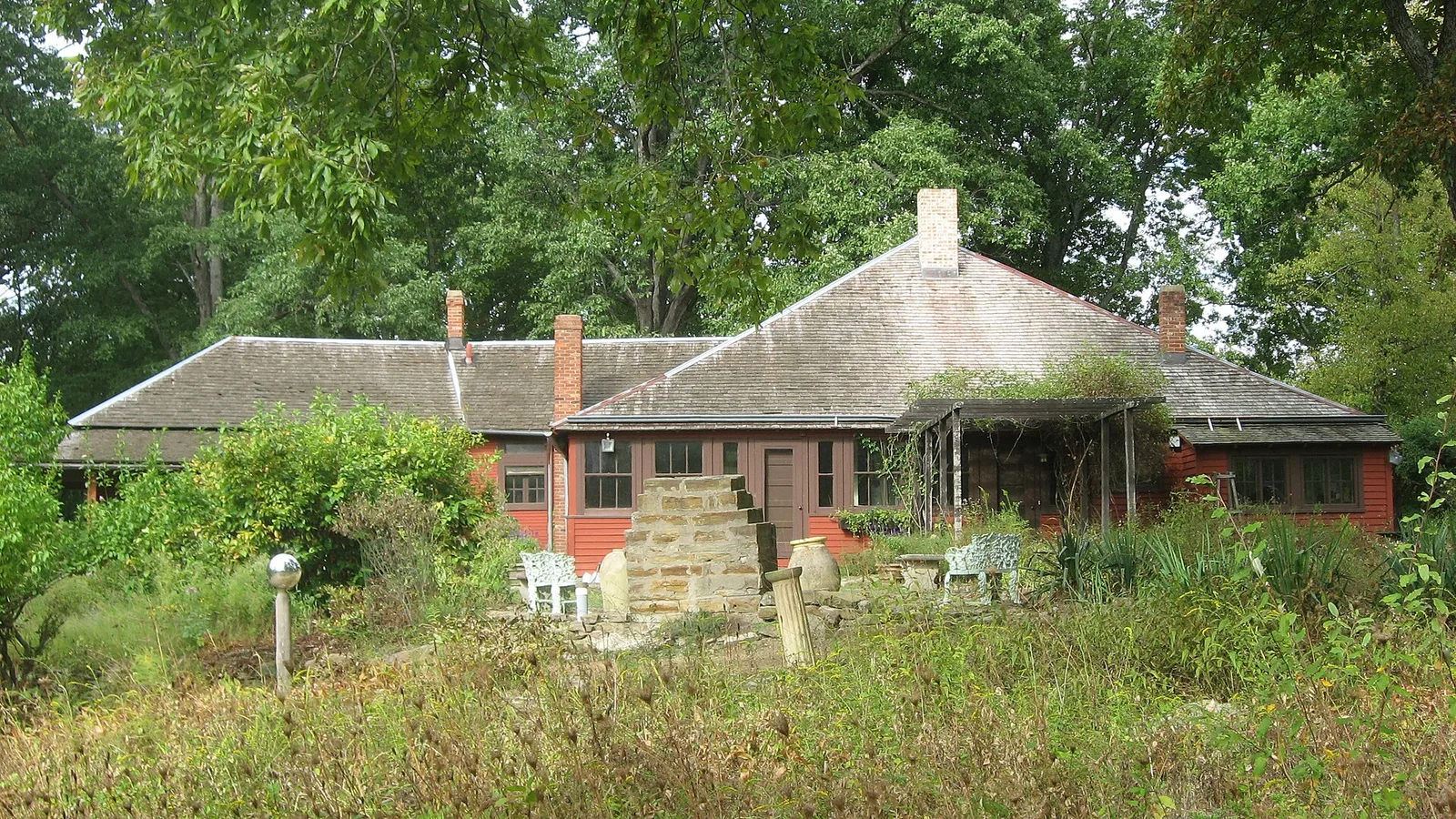
T.C. Steele House — Brown County airbnb marketing
Local Color
T.C. Steele House
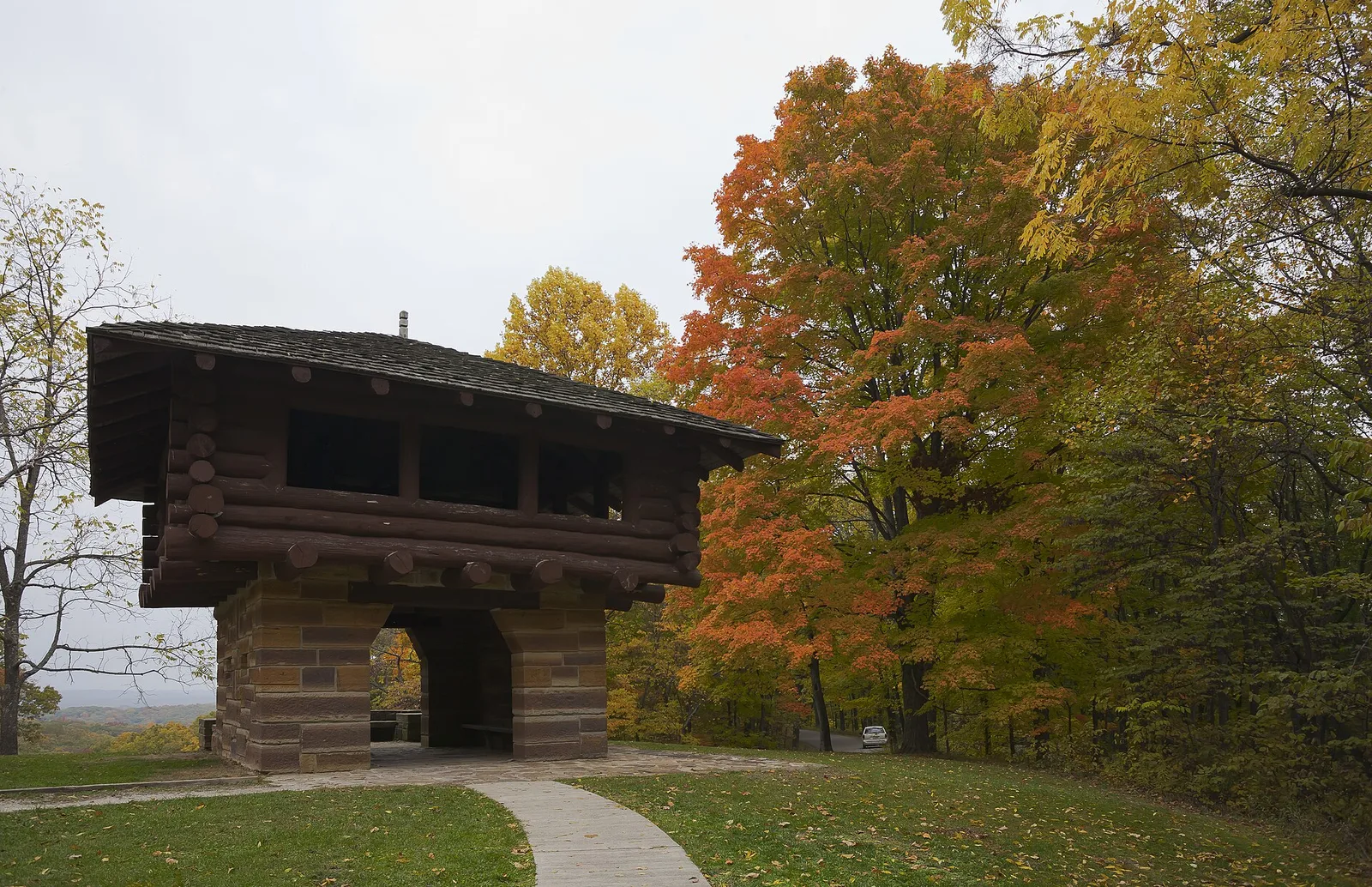
Torre de observación, Parque Estatal Brown County, Indiana, Estados Unidos, 2012 10 14, DD 02 — Brown County airbnb marketing
Local Color
Torre de observación, Parque Estatal
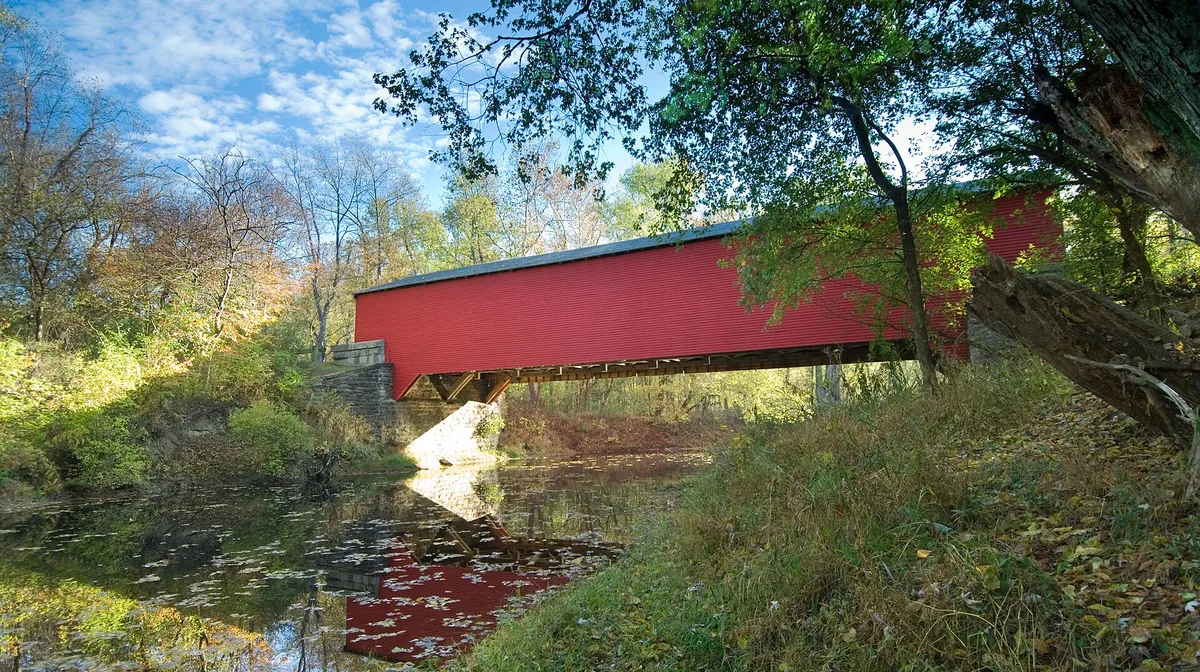
Brown County Lake, Indiana — Brown County airbnb marketing
Local Color
Brown County Lake, Indiana
Why Cavmir

The Cavmir Advantage
in Brown County

Cavmir wins in Brown County because this market rewards exactly what most listings skip: proof and positioning. Proof first — the county runs short-term rentals through a public approval process, so the operators who can show a granted special exception, honest occupancy and a clean tax file hold an asset their neighbors legally cannot replicate next door. We make that compliance visible and quietly persuasive. Positioning second — this county has been photographed by professionals since 1907, guests arrive with the art colony's imagery in their heads, and a phone-shot cabin listing breaks the spell. We shoot to the standard the county taught America to expect: fog in the hollow at first light, the hot tub steaming under bare October branches, lamplight on log walls. We price the real calendar — color weeks as the premium they are, bluegrass and festival weekends firm, show nights captured with two-night packages, winter honest — and we write copy that answers the actual questions: minutes to the village, minutes to the park gate, what the road is like, where the dog can run. And we build the direct channel, because Brown County guests return annually for decades, and the owner who emails last October's couples in August rebooks the season before the platforms see it. We help position and market your property. We never manage it or touch your keys.

State of the Industry · History

The Brown County STR Market — Past & Present

Brown County became famous twice before most of America could find it on a map. The first time was as a punchline with a heart: in 1904 the Indianapolis News cartoonist Kin Hubbard invented Abe Martin, a cracker-barrel philosopher who dispensed one-line wisdom beneath the masthead, and in February 1905 Hubbard moved his creation to Brown County, making these hills the fictional home of a character syndicated in papers across the country for a quarter century. The second time was in paint: T.C. Steele, dean of the Hoosier Group of impressionists, built his hilltop home and studio — the House of the Singing Winds — here in 1907, and the painters who followed him turned Nashville into a genuine art colony, its galleries selling the county's fog-and-ridgeline light back to the cities that missed it. The state made the affection official in the late 1920s, assembling what became Indiana's largest state park; the Abe Martin Lodge, built of park stone and timber, opened in 1932 on a ridge the state named for Hubbard.

Music wrote the next chapter. Bill Monroe, the father of bluegrass, bought the Brown County Jamboree grounds at Bean Blossom in 1951 and in 1966 founded the festival that bears his name — now the longest-running bluegrass festival in the world, still filling the Music Park every June, with the September Uncle Pen Fest, begun in 1974 in honor of Monroe's fiddling uncle, closing the season. The modern county keeps adding verses: the 2,000-seat Brown County Music Center opened in 2019 and books national touring acts year-round, Hard Truth Distilling built a 325-acre campus at the village edge, and the cabin-rental economy — governed by a deliberate county approval process — has quietly become the way most overnight visitors now sleep in the hills the painters made famous.

Pricing Strategy & Seasonality

Pricing, Seasonality & When to Capture ROI

Pricing Strategy

The rate map runs on drive time to two gates: the village and the park. Village-walkable Nashville cottages carry a premium for the gallery-and-restaurant crowd and the Music Center's show nights — guests pay to skip the car after dinner. The State Road 46 corridor east through Gnaw Bone is the classic cabin belt: park-adjacent, hot tubs under the trees, easy access, strong October performance. Bean Blossom and the north county price for the festival calendar and quiet-road seclusion, and the deep hollows west toward the T.C. Steele side sell silence itself — gravel lanes, creek bottoms, no neighbors in the sightline — which the right guest pays handsomely for. Product premiums are consistent: hot tub first, fire pit and big porch close behind, and a proper game room decides the multi-family bookings. Blended numbers run around $295 a night at occupancy in the mid-40s, but October rewrites the table — color weeks book out ahead at the year's best rates, and midweeks fill in a way they never do in July. The discipline that pays is calendar-first: publish October early at rates that respect it, hold festival and show-night weekends firm, and let winter be honest rather than desperate.

Seasonality & ROI Windows

October is the summit — the state park's ridge roads are Indiana's most famous fall drive, and the color weeks fill midweek as well as weekend. The season builds from May: summer runs steady on park families, hikers and the village economy, June brings the bluegrass festival to Bean Blossom, and September stacks Uncle Pen Fest against the first color. Music Center show nights scatter bookable couples' weekends across the whole calendar, and Indiana University's football Saturdays spill demand over the county line all fall. Winter is the quiet stretch — hot tubs, holiday shopping in the village, and honest midweek rates carry it. April is mud season and the right month for the photography refresh.

Regulation & Licensing · 2026

What the Law Requires in Brown County

Brown County regulates short-term rentals deliberately, and the process is the market's moat. Indiana's 2018 state law limited how far local governments can go in restricting rentals, but it grandfathered ordinances already on the books — and Brown County, which had vacation-home rules before the law passed, chose to keep its framework. The result: a short-term rental here (any dwelling rented for periods of 30 days or less) requires a Special Exception granted through the county's Board of Zoning Appeals — an application, a public hearing, and a review that typically runs several weeks. The county's standards include spacing expectations between rentals and from neighboring homes, and conditions attach to approvals — occupancy, parking, septic capacity — so the application is a real underwriting step, not a formality: confirm the current standards with the Planning Department before you buy, because a parcel that cannot win approval is a long-term rental, not a cabin business. Inside the Town of Nashville, the town's own zoning applies, with home stays running through a special exception in the residential districts plus an annual home-occupation permit.

The tax file is simpler. Indiana's 7% sales tax applies to stays under 30 days, registered through the Department of Revenue, and the county levies its innkeeper's tax on the same stays — 5% for many years, with 2025 state legislation authorizing the county to raise it as high as 8%, a change local leaders pursued to fund tourism infrastructure; confirm the current rate before building the rate card. Platforms generally collect the state sales tax on their bookings; the innkeeper's tax arrangement should be confirmed per channel, and direct bookings always file through your own accounts. It is a heavier file than most Indiana counties carry — and that is precisely why a granted exception, honestly operated, is worth marketing.

Market-Specific Tips & Challenges

Local Tips & Unique Market Challenges

Tips That Actually Move Revenue in Brown County

The strategic tip: treat your special exception as a marketing asset, not paperwork. Spacing standards mean your approval is scarce by design — the cabin next door may never be allowed to compete with you — so say the quiet part professionally: a permitted, inspected, honestly-run rental is the safe choice in a county guests know regulates. Put the compliance line in the listing and let it convert the careful bookers.

Tactically: first, shoot to the art-colony standard, because this county's guests arrive with a century of landscape painting in their heads — fog in the hollow at first light, the hot tub steaming under bare October branches, lamplight on log walls — and phone photography breaks the spell. Second, run October like a season of its own: publish the color weeks early at premium rates with two-night minimums, and hold them, because this is the one stretch when midweeks fill themselves. Third, build a show-night radar — the Music Center calendar is public, national acts sell out, and a two-night package pitched to concert-goers fills gray-season weekends most owners write off. Fourth, work the bluegrass calendar: June's festival and September's Uncle Pen Fest fill the north county, and a cabin that mentions its drive time to Bean Blossom captures a loyal annual crowd. Fifth, write village logistics plainly — minutes to Nashville's galleries, minutes to the park gate, what the gravel lane is like after rain. And sixth, collect emails from day one: Brown County's leaf-peepers return annually for decades, and an August note offering last October's guests their same weekend rebooks the peak before the platforms wake up.

Unique Brown County Challenges

The honest trade-offs: the approval process is real — a public hearing, spacing standards and conditions — and a parcel that cannot win an exception cannot legally run. October concentration cuts both ways, because a rained-out color weekend is a revenue event. Winter is a genuine trough that requires deliberate midweek and show-night work. Cell and wifi coverage in the deep hollows needs investment and honest disclosure. And the county's tourism-tax file is heavier than neighboring counties — price it in rather than absorbing it.

A Curious Brown County Fact
Brown County was nationally famous as a fictional address before most Americans had seen a photograph of it. Abe Martin — the rail-fence philosopher that Indianapolis News cartoonist Kin Hubbard drew from 1904 until his death in 1930 — 'moved' to Brown County in February 1905, and for the next quarter century his one-liners about these hills ran in newspapers across the country. Will Rogers called Hubbard America's funniest man. When Indiana built the lodge in its grandest state park in 1932, it named the building for the cartoon character and the ridge for the cartoonist — which is how Brown County came to have a beloved historic lodge named after a man who never existed, in hills he made famous without their ever posing for him.
Finance Essentials — Brown County
🛡️

Insurance

Write the policy to the woods. The base is a short-term-rental or landlord policy with at least $1 million in liability; the county's specifics are hot tubs (the amenity that carries winter is the one underwriters ask about first), wood stoves and fireplaces with documented service, falling-timber exposure on heavily wooded parcels, and gravel-lane access that wants a snow-and-ice plan in writing. Cabins that sit empty midweek in January need frozen-pipe protection and leak sensors, and creek-bottom parcels should get a flood determination even where the map looks friendly. Operate to your special-exception conditions — occupancy above the approved number is the fastest way to turn a claim dispute into a denial. An Indiana broker who writes wooded-county cabins routinely will place the whole file.

🧾

Property & Income Tax

Short stays under 30 days carry Indiana's 7% sales tax plus the Brown County innkeeper's tax — set at 5% for many years, with 2025 legislation authorizing the county to take it as high as 8% to fund tourism investment, so confirm the current rate before you price. Call the combined stack 12% to 15% and build it into the rate card rather than the margin. Platforms generally collect and remit the state sales tax on their bookings; confirm the innkeeper's-tax arrangement per channel, because county lodging taxes are the layer most often left to the owner, and direct bookings always file through your own accounts. Stays of 30 days or more fall outside both. Rental income then meets federal, Indiana and county income taxes — a local accountant who handles cabin operators will square it quickly.

🏦

Mortgages & Financing

Brown County finances gently by cabin-market standards. Prices sit inside conforming limits across most of the stock, conventional second-home and investment loans close routinely, and DSCR lenders read a documented October plus a steady summer as a persuasive file. The frictions are specific: appraisals lean on thin rural comps and move slowly; owner-built cabins, A-frames and anything off-grid can stump conservative appraisers; gravel lanes, wells and septic systems narrow the pool toward Indiana community banks that know the county. The underwriting step unique to this market is regulatory: the special exception is the business, so confirm before closing whether an existing approval transfers with the property or dies with the seller — the answer changes the price you should pay. Finance against the quiet-season floor and let October be the upside.

Future Outlook · 2027 & Beyond

Where Brown County is Headed Next

Brown County's future is a supply-capped market attached to a growing audience. Indianapolis keeps expanding an hour north, Bloomington's university calendar delivers demand on schedule, and the county's own investments keep thickening the off-peak: the Music Center's booking power has turned show nights into a year-round rental season, Hard Truth's campus keeps growing, and the higher innkeeper's tax the county pursued in 2025 exists precisely to fund more of this tourism infrastructure. Meanwhile the special-exception process and spacing standards hold rental supply roughly flat — which means demand growth accrues to the owners already approved. Watch two things: the innkeeper's-tax rate as the county implements its new authority, and any tightening of the exception standards as the process matures. The durable play into 2027: an approved, hot-tubbed cabin near the park or the village, photographed to the art-colony standard, priced to the October truth, with show-night packages and a guest list of annual leaf-peepers rebooking direct.

From the Desk of Sofie Sinag

Why We Love Marketing in Brown County

Brown County is the rare market where the audience was trained to expect beauty before the rental economy existed. A century of painters sold these hills to the Midwest one canvas at a time, and today's guest arrives carrying that imagery — which means photography is not a nice-to-have here, it is the product meeting its own reputation. We love working to that standard: fog in a hollow at first light, bare October branches over a steaming hot tub, lamplight on log walls. When the pictures finally match the paintings, the listing stops competing and starts collecting.

We love the structure of the market just as much. The county's approval process caps supply by design — spacing standards mean a granted special exception is an asset the cabin next door may never be allowed to copy — and scarcity plus a famous October is the strongest arithmetic in the drive-to world. The calendar keeps handing us new material to work with: the Music Center put national acts and their audiences twenty minutes from every cabin in the county, Hard Truth built a destination at the village edge, and Bean Blossom's bluegrass festivals deliver two loyal pilgrimages a year on published dates. And underneath it all is the most repeat-prone guest base in Indiana — families who have made the same October drive since childhood, couples who got engaged at a ridge overlook — waiting for any owner who bothers to collect their email addresses. A supply-capped market, a trained audience and an annual ritual: that is the whole playbook, sitting in the hills an hour from Indianapolis.

Why It Matters

A great property in Brown County doesn't just want a listing — it wants a point of view, an audience, and a brand the city itself would recognise.

Cavmir's Brown County Cheat Sheet

The Picks We Recommend for Your Welcome Book

A few honest, insider picks for Brown County — the specifics that make a listing read like a local wrote it, because one did. Real places, no filler.

Coffee & First Light

The state park's ridge roads at dawn

Enter the park at first light and drive the ridge before the day's traffic — fog in the hollows, sun coming through the oaks, deer in the ditches. In October it is the most famous drive in Indiana; in June you will have it to yourself.

The Table Worth Booking

Dinner at Hard Truth's campus

The distillery's 325 wooded acres at the village edge hold a full restaurant, tastings and live music in season — the county's easiest special-night answer. Book ahead in October; walk in most other months.

Local Obsession

The color forecast

From late September the whole county tracks leaf predictions the way coasts track surf — peak-color timing decides half a million day-trips. A listing that names its own best color week reads like it was written on a porch here.

Rainy Day

Abe Martin Lodge's indoor water park and the galleries

The 1932 stone lodge in the park hides an indoor aquatic center that saves family weekends, and Nashville's galleries and studios were built for slow wet afternoons. Rain is nearly a feature here — say so in the listing.

Shoulder Season Secret

Uncle Pen Fest in September

Bill Monroe's fall festival at Bean Blossom — begun in 1974 for his fiddling uncle — lands just as the first color arrives. Bluegrass pilgrims book the north county solid, and most cabin owners never even list the dates.

Weekend Escape

Bean Blossom and the back roads north

Five miles north of Nashville on State Road 135: Bill Monroe's Music Park, the little crossroads towns, and the covered-bridge-and-barn scenery the painters came for. It is the county's best aimless afternoon.

The View

The ridge overlooks in the state park

Nearly 16,000 acres of forested hill country — the Little Smokies — roll out from the park's ridge-road vistas. Sunset from an overlook in mid-October is the photograph on half the refrigerators in Indianapolis.

What Guests Ask For

Hot tub, fire, and minutes to the village

The booking questions are constant: does it have a hot tub, can we burn a real fire, and how far to Nashville's shops and the park gate. Answer all three in the first screen and the October couple stops scrolling.

Local Work · Composite Case Vignettes

What Cavmir Has Done for Brown County Properties

A few composite engagements drawn from how Cavmir typically works in this market. The details are illustrative and consistent with Brown County, not pulled from a single named client.

Log cabin · Gnaw Bone ridge
The Brief

A genuine log cabin with a hot tub off the State Road 46 corridor ran dim interior photos, a title that said 'cozy getaway' and one rate for all 365 nights — donating its October to better-marketed neighbors and its winter to nobody at all.

What We Did

Cavmir reshot the cabin to the county's standard — fog in the hollow at dawn, the tub steaming under bare branches, lamplight on the logs — rebuilt the copy around park-gate and village drive times, priced the color weeks as the premium they are, and added a show-night package tied to the Music Center calendar.

The Result

October booked out by August at nearly double the old rate, show-night couples filled gray-season weekends the cabin used to write off, and the listing moved from mid-pack to the top of its comp set in one season.

Village cottage · walkable Nashville
The Brief

A renovated cottage two blocks from the galleries marketed itself like a rural cabin — woods language, no village story — and lost the gallery-and-dinner crowd its address was built for while competing on price against actual woods cabins.

What We Did

Cavmir repositioned it as the village stay: walk-to-everything copy with real minutes and street names, evening photography of the porch and the lit shopfronts, festival and show-night pricing, and a compliance line making the town approvals visible.

The Result

The cottage found its guest — couples who wanted dinner and galleries without a car — filled festival weekends at proper rates, and its reviews began selling the walkability the old listing never mentioned.

Two-cabin compound · north county near Bean Blossom
The Brief

A family operation of two cabins with years of returning bluegrass guests had no machinery — OTA listings only, no email list, no way to reach the June and September faithful who rebooked by phone when they remembered to.

What We Did

Cavmir built a small direct-booking site around the compound's festival history, organized years of guest records into an email list, set a calendar rhythm — a spring note before the June festival, a midsummer note before Uncle Pen Fest — and priced the festival weeks to their real demand.

The Result

The first email refilled both festivals direct within weeks, the compound's regulars started booking next year before leaving this one, and the commission line the family had shrugged at for years stayed in the business.

Market Intelligence · Seasonality

Airbnb seasonality in Brown County, month by month

Demand in Brown County peaks around October and runs quietest around January. Here is how the year actually books — and what to do about each stretch of the calendar.

Peak demandSteadyQuiet

Peak season

October is the whole show — the state park's ridge roads are Indiana's most famous fall drive, and the color weeks fill midweek as well as weekend at the year's best rates. Publish October early with two-night minimums and hold the line, because these weeks book out regardless and reward the owners who priced them like the premium they are.

The shoulders

May through September runs steadier than the county's leaf-season reputation suggests: park families and hikers carry summer weekends, the June bluegrass festival and September's Uncle Pen Fest fill the north county, and Indiana University's home football Saturdays spill visitors over the county line all fall. Music Center show nights add bookable couples' weekends across the whole stretch.

The quiet stretch

Deep winter is the honest trough. Hot tubs, fireplaces and the village's Christmas-shopping trade soften it, and show nights at the Music Center put couples in cabins even in January. Use midweek lulls for maintenance and the photography refresh, keep weekend rates honest rather than desperate, and court longer stays.

Dates that fill first

Bill Monroe's Bluegrass FestivalJune
The world's longest-running bluegrass festival fills Bill Monroe's Music Park at Bean Blossom and books the north county solid with a loyal annual crowd.
Uncle Pen FestSeptember
The fall bluegrass tradition at Bean Blossom lands just as the first color arrives, stacking a premium weekend onto the front edge of leaf season.
Indiana University home football SaturdaysSeptember through November
Bloomington sells out twenty minutes west on game weekends, and the overflow of alumni and parents fills Brown County cabins that mention the drive time.
Market Intelligence · Guests

Who books Brown County Airbnbs — and how far ahead

October leaf-peepers
The defining guest — couples and friend groups who make the color drive an annual ritual. They book the best-photographed cabins early and pay for hot tubs, views and fire pits.
Indianapolis weekend families
The year-round base, an hour north, in for the park, the village and the water park at the lodge. Bunk rooms, game rooms and easy park-gate access decide their bookings.
Music Center concert-goers
National acts at the 2,000-seat venue create two-night couples bookings in every season. A show-night package with late checkout converts them reliably.
Bluegrass pilgrims
The June and September faithful who have been coming to Bean Blossom for decades. They want camping-adjacent comfort, porches for picking, and owners who know the festival dates.
IU parents and alumni
Game weekends and graduation season push Bloomington demand over the county line. They book on drive time and a quiet porch after loud Saturdays.

The booking window

October books furthest ahead by months, claimed by repeat visitors who know their color week. Festival weekends fill early on published dates, summer weekends run a few weeks out, and show-night bookings land inside a month whenever the Music Center announces a strong act, so keep the calendar responsive to its schedule.

Typical stays

Two-night weekends dominate — this is a short-drive market — with October couples stretching to three nights, festival guests holding longer stays around Bean Blossom's dates, and winter running on one and two-night show and getaway bookings.

Where guests drive from

IndianapolisBloomingtonLouisvilleCincinnatiChicago

Where guests fly from

ChicagoAtlantaNew York
Indianapolis owns this market an hour north, with Bloomington adding steady university-calendar demand and Louisville, Cincinnati and Chicago filling October. The fly-in slice is small and lands at Indianapolis — so advertising works hardest against central Indiana and the I-65 and I-74 corridors.
Market Intelligence · What Wins

The Airbnb that wins in Brown County

The Brown County winner is a log cabin or A-frame in the trees with a hot tub, a fire pit and a big porch — close enough to the village and the park gate to name its drive times in minutes, private enough to feel like the hollow it sits in. Village-walkable cottages win the gallery-and-dinner crowd, but across the county the deciding factor is photography that matches the landscape's painted reputation, because guests arrive expecting the scenery the art colony taught them to expect.

Amenities that move bookings here

hot tubfire pitbig porchdog friendlyfast wifigame roomwood-burning fireplace
The single highest-leverage move is a hot tub photographed steaming under bare October branches — it is the image that wins the county's defining season, and it keeps selling winter weekends long after the leaves are down.
Straight Answers

Brown County Airbnb marketing questions, answered

How do I market my Airbnb in Brown County?

Shoot to the standard the art colony set — fog in the hollow at first light, the hot tub steaming under October branches — because guests here arrive with a century of landscape imagery in their heads and phone photos break the spell. Price the color weeks early and firmly, build packages around Music Center show nights and the Bean Blossom festivals, and write copy with real drive times to the village and the park gate. A direct-booking site plus a guest email list pays off quickly, since leaf-peepers return annually for decades. That is the marketing stack Cavmir builds for markets like this one.

When is peak season for Brown County Airbnbs?

October, decisively — the state park's ridge roads are Indiana's most famous fall drive, and the color weeks fill midweek as well as weekend at the year's best rates. Summer runs steady on park families and the village trade, June and September bring the bluegrass festivals, and deep winter is the quiet stretch softened by hot tubs and show nights.

How far in advance do guests book Brown County Airbnbs?

October color weeks are claimed months ahead, often by returning guests who know exactly which week they want. Festival weekends fill early on their published dates, ordinary summer weekends book a few weeks out, and Music Center show nights create short-notice demand whenever a strong act is announced. Publish peak rates early and stay responsive to the venue's calendar.

Where do most Brown County Airbnb guests come from?

Indianapolis first, an hour north, with Bloomington adding steady university-driven demand twenty minutes west. Louisville, Cincinnati and Chicago fill out the October pilgrimage. Fly-in guests are a small minority who land at Indianapolis and drive down, so this is a drive market and central Indiana is where advertising earns its keep.

What amenities matter most for a Brown County Airbnb?

A hot tub leads by a wide margin — it wins October and carries winter. After that: a fire pit and a big porch for the long evenings, dog-friendliness for the hiking crowd, fast wifi for midweek remote workers, a game room for family bookings, and a real fireplace photographed lit for the cold-season couples trade.

Free Tools · Websites That Book

See what your listing in Brown County is leaving on the table

Run your Airbnb, Vrbo, or website through Cavmir's free grader. It checks the things that decide whether guests book in Brown County — photos, listing copy, page speed, local search — and shows you where bookings leak. Takes about a minute, and there's no sales call attached.

If the report says your booking engine is the weak link, that's fixable: a direct-booking website of your own means repeat guests stop paying platform fees to come back to you. That's the work Cavmir does — see Airbnb website design in Brown County.

What the grader measures

  • Photos and the first-impression frame
  • Listing title and copy
  • Your direct-booking website (or the lack of one)
  • Page speed and mobile experience
  • Local search and Google visibility
Grade My Listing — Free
Ready to Grow in Brown County?

Let's Put Your Brown County
Property on the Map

Talk to Cavmir today. We'll show you exactly what your Brown County property is leaving on the table — and how fast we can change that.

Book a Free Strategy Call