$250
Avg. Nightly Rate
46%
Avg. Occupancy Rate
$2,600
Avg. Monthly Revenue
7-10%
Est. Cash-on-Cash ROI
MEDIUM
Seasonality
LIGHT
Regulatory Burden

* Market averages. Properties marketed by Cavmir typically exceed these figures by 25–45%. Data sourced from AirDNA, STR market reports, and Cavmir internal analytics.

The Market

Why Cook Forest is One of the World's Premier STR Markets

Cook Forest is where Pennsylvania keeps its ancient trees — an 8,500-acre state park on the Clarion River around the village of Cooksburg, at the point where Clarion, Forest and Jefferson counties meet, two hours northeast of Pittsburgh off Interstate 80. The Forest Cathedral at its heart is one of the largest old-growth stands left in the eastern United States: white pines and hemlocks that seeded after a drought and fire in 1644, now pushing four hundred years old and among the tallest trees in the Northeast, walked daily by hikers on the Longfellow Trail. The forest survives because citizens bought it — a 1920s fundraising campaign by the Cook Forest Association put up money toward the state's 1927 purchase from the Cook family's lumber company, making this the first Pennsylvania state park acquired to preserve a natural landmark. Around that inheritance grew a cabin country: liveries floating canoes and kayaks down the Wild and Scenic Clarion, a fire tower and the Seneca Point overlook above the river, the Sawmill Center for the Arts running festivals and summer theater, and generations of Pittsburgh families renting the same knotty-pine cabins in the pines every year. The stock is deep, the entry prices are among the lowest of any Eastern cabin market, and the marketing standard is decades behind the product — which is precisely the opportunity.

Cook Forest runs a twin-peak calendar: a long family summer and a leaf season that briefly outdraws it. From Memorial Day through Labor Day the river is the engine — liveries putting hundreds of boats a day on the Clarion in high summer, cabins full of Pittsburgh, Erie and Cleveland families on week and long-weekend stays — and in October the same cabins turn over to couples and photographers chasing color through the old growth, with fall weekends booking out furthest ahead at the year's best rates. Winter is the honest trough, softened by holiday-season bookings, hot-tub getaways and snow years that light up the area's trail network; April is mud. Blended numbers run near $250 a night with occupancy in the mid-40s — modest figures that conceal the real story, which is entry price: solid cabins here trade at a fraction of what Hocking Hills or the Poconos now command, so the yield math draws first-time cabin buyers from three states. The winning product is exactly what this wave of guests wants — hot tub under the pines, fire pit, dog-friendly, sleeps eight — and the competitive set is forgiving: most listings are under-photographed, many aren't winterized, and the operators who market October properly and keep the calendar alive through December out-earn the summer-only cabins by a wide margin.

Top Attractions & Landmarks

  • The Forest Cathedral old-growth stand
  • Longfellow Trail
  • Clarion River canoe and kayak liveries
  • Cook Forest Fire Tower and Seneca Point overlook
  • Sawmill Center for the Arts
  • Double Diamond Deer Ranch
  • Clear Creek State Park

Nearby Markets: Poconos  |  Hocking Hills  |  Deep Creek Lake

Airbnb marketing services in Cook Forest, Pennsylvania, USA
Postcards

Cook Forest through the lens

A few of the visual fingerprints we lean into when we shoot, brand and market a Cook Forest property — courtesy of the open Wikimedia Commons archive.

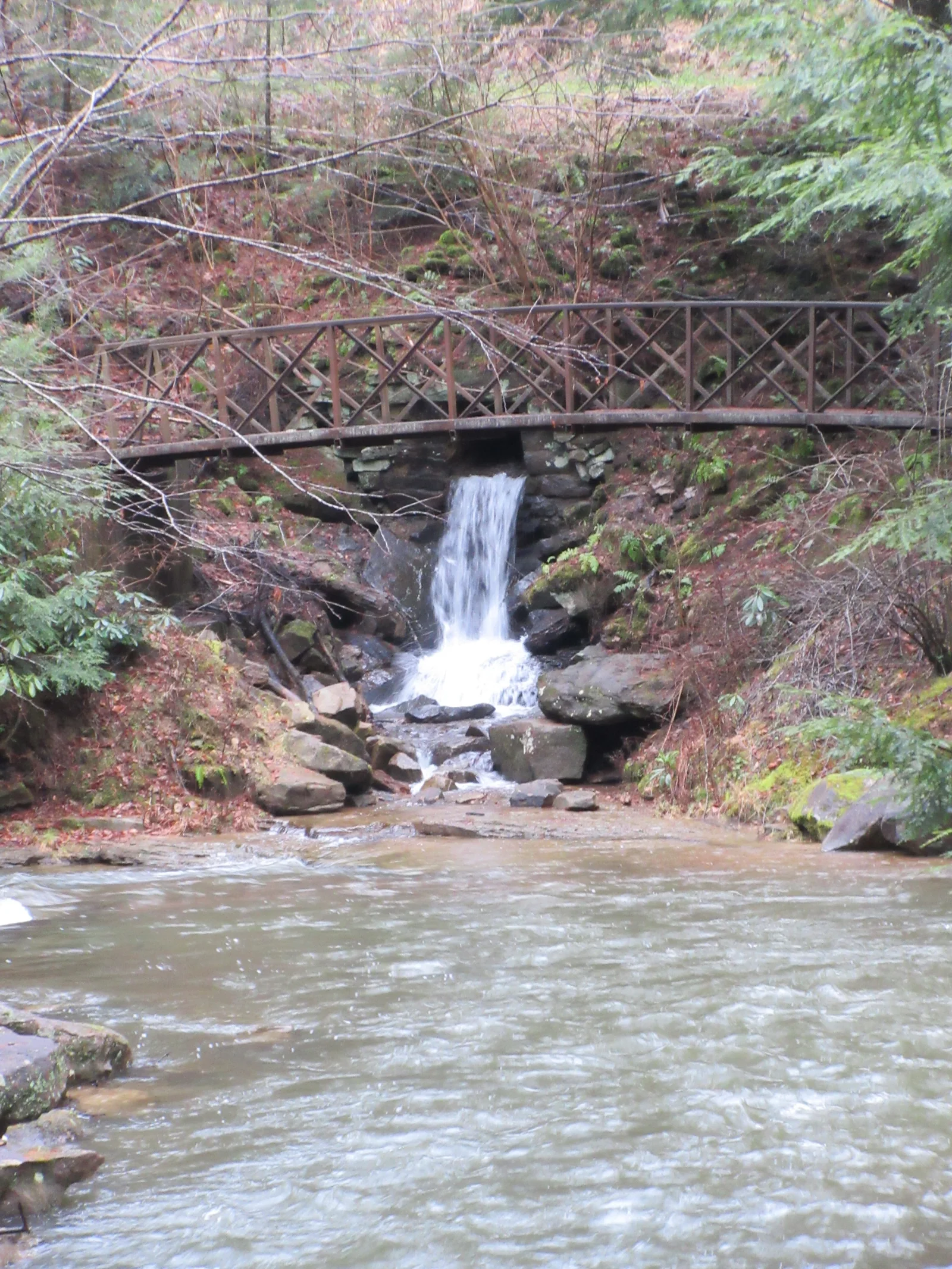
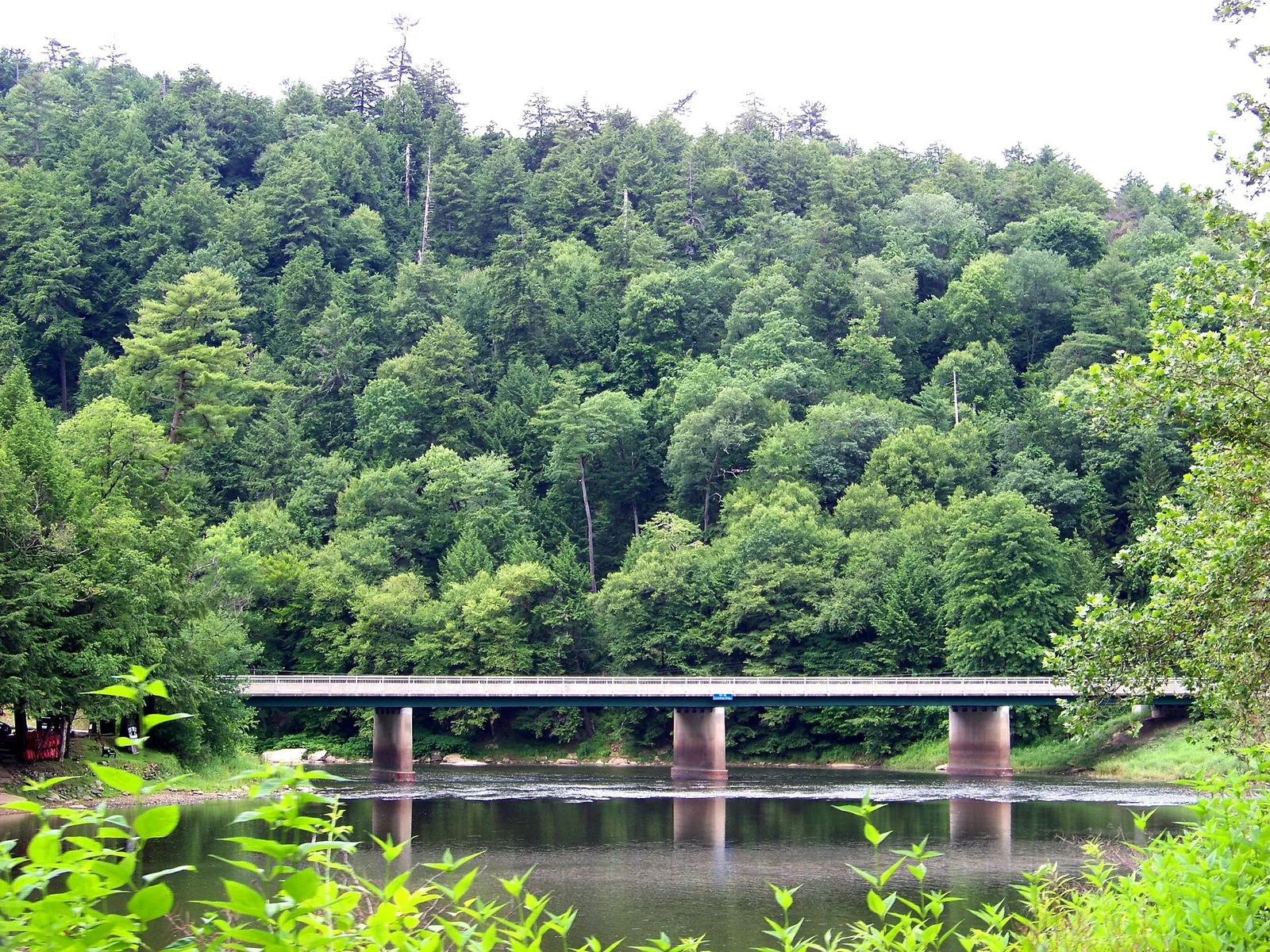
Cookforestbridge — Cook Forest airbnb marketing
Local Color
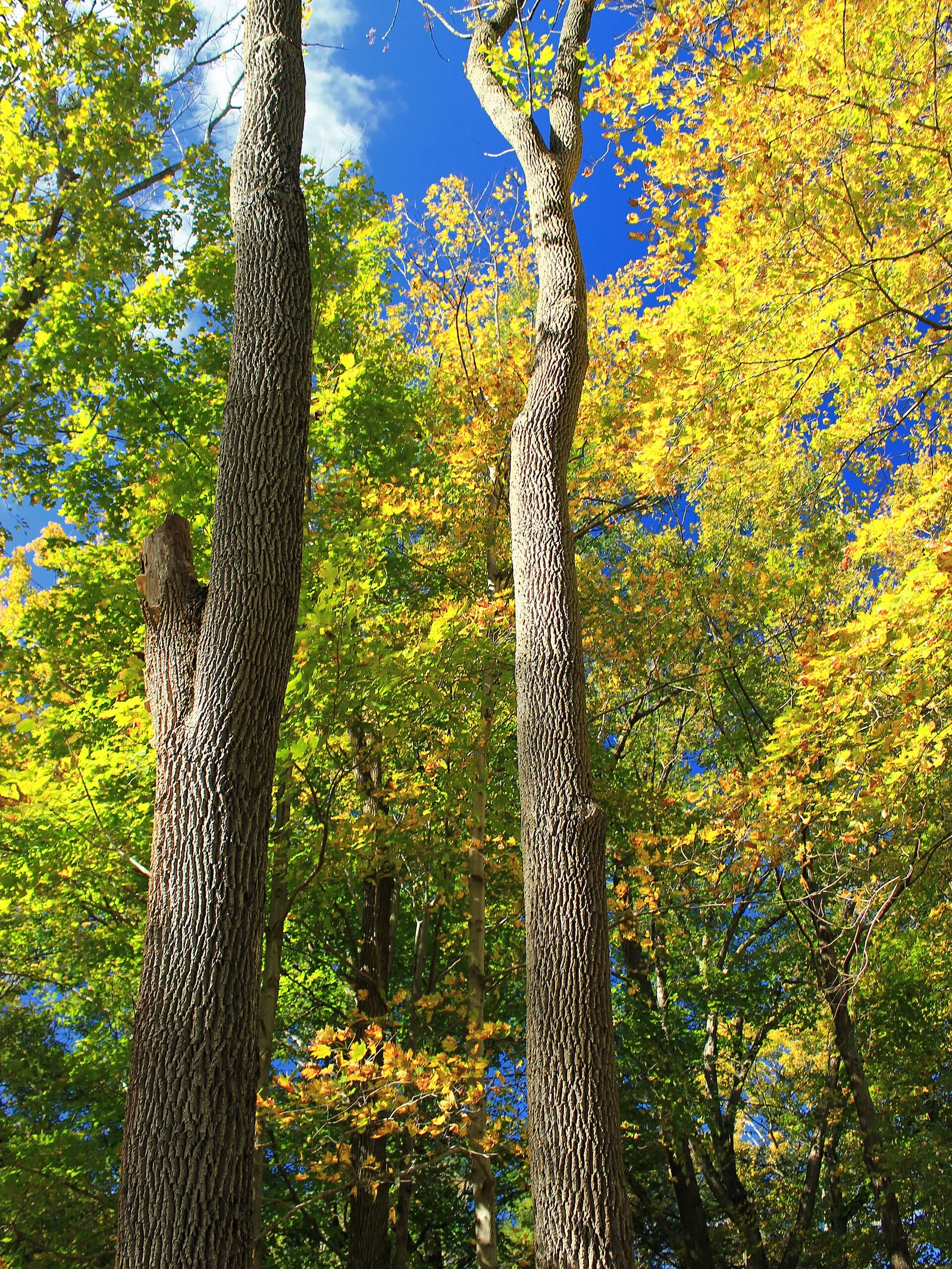
Cook Forest Local Landmark
Height 'n' Width — Cook Forest airbnb marketing
Local Color
Height 'n' Width
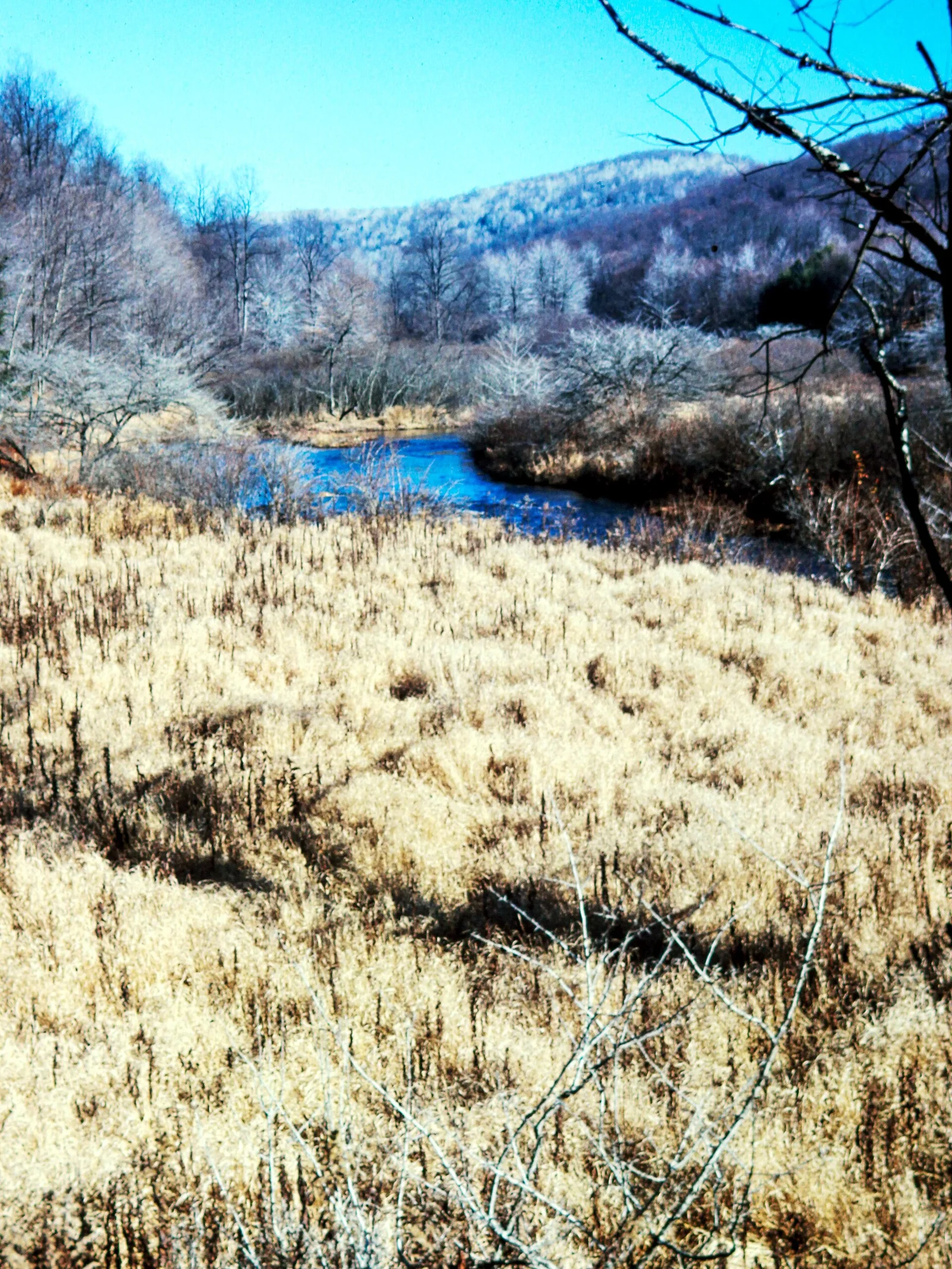
Streamside — Cook Forest airbnb marketing
Local Color
Cook Forest Local Landmark
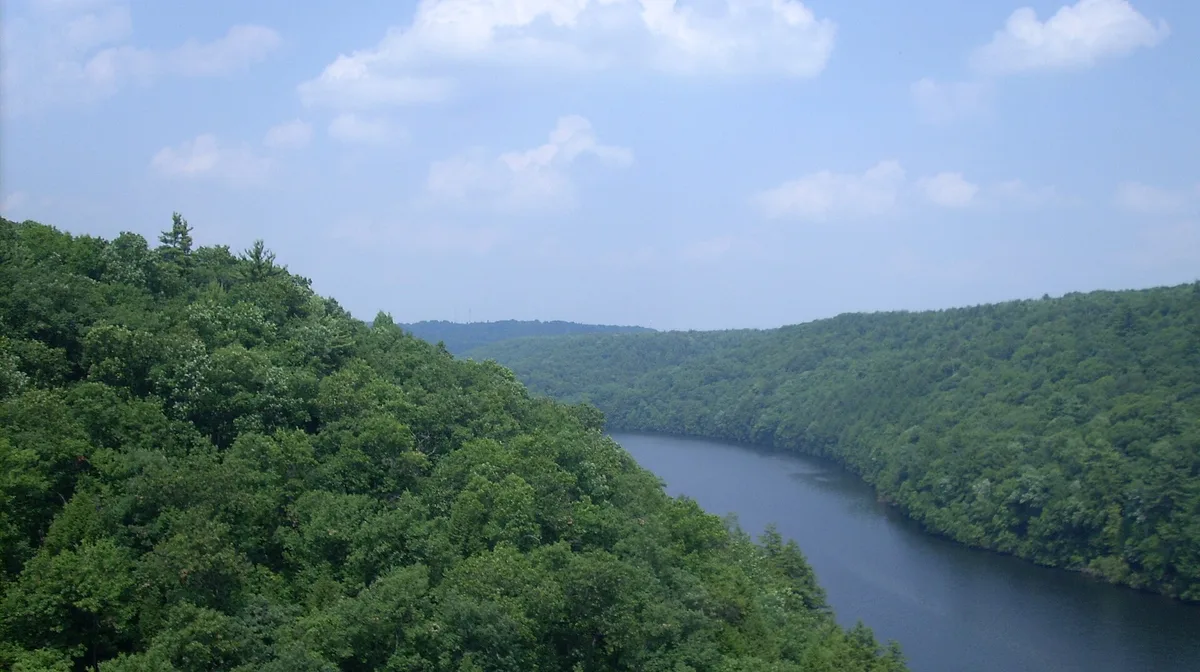
Cooksburg, Pennsylvania panoramio Idawriter — Cook Forest airbnb marketing
Local Color
Cooksburg, Pennsylvania panoramio Idawriter
Why Cavmir

The Cavmir Advantage
in Cook Forest

Cavmir wins in Cook Forest because this market sells a feeling its listings never photograph. Guests drive two hours to sleep beside four-hundred-year-old trees, and the average listing shows a dim living room and a bathroom. We shoot the actual product: the hot tub steaming under the pines at dusk, the fire pit lit, the cabin porch with the forest going gold in October — and we write copy that uses the market's real vocabulary: which trailhead is walkable, how far to the livery put-in, where the dog can swim, what the cell signal honestly does in the river valley. We price the twin peaks like the separate products they are — summer weeks for families, October weekends at their true premium — and we keep the winter calendar alive with holiday styling and hot-tub positioning instead of going dark after Thanksgiving. We put the tax registrations in order and say so, because even a light-rules market rewards the operator who looks professional. And we build the direct channel for the most repeat-prone audience in western Pennsylvania: the same families have rented the same cabins here for fifty years, and every one of them rebooked on your own website is a commission you keep. We help position and market your property. We never manage it or touch your keys.

State of the Industry · History

The Cook Forest STR Market — Past & Present

Cook Forest is the forest that citizens bought. John Cook settled at the mouth of Tom's Run in 1826, and for a century his family's firm, A. Cook Sons Company, ran one of the great lumber operations of the Pennsylvania woods — rafting white pine down the Clarion to Pittsburgh markets while the state's forests fell around them. What makes the story unusual is the ending: the Cooks left a core of their oldest timber standing. In 1910, conservationist M. I. McCreight urged Anthony Wayne Cook to preserve it, and the campaign that followed — the Cook Forest Association, with endorsements up to Governor Gifford Pinchot — raised money from ordinary Pennsylvanians toward the state's 1927 purchase of more than six thousand acres from the family company. It became the first Pennsylvania state park acquired specifically to save a natural landmark, and the movement it modeled — citizens paying to preserve a forest — echoed nationally. The Civilian Conservation Corps built out the park in the 1930s, raising the rental cabins, trails and bridges that still define its rustic character, alongside the 1929 fire tower above the river.

The trees themselves are the deep history: the Forest Cathedral's white pines and hemlocks seeded after a drought and fire in 1644, and the stand was declared a National Natural Landmark in 1967 — 332 acres of trees approaching four hundred years old, among the tallest in the northeastern United States. The Clarion River, once fouled by tanneries and industry, recovered across the twentieth century into a federally designated Wild and Scenic River and is now the park's summer artery, floated by thousands of canoes and kayaks a season. Around the park grew the cabin country — liveries, family cabin colonies, the Sawmill Center's festivals — that hosts the modern rental trade: a market whose product is ancient and whose marketing, mostly, is not.

Pricing Strategy & Seasonality

Pricing, Seasonality & When to Capture ROI

Pricing Strategy

The rate map follows the river and the pines. Clarion riverfront — cabins along River Road and the water between Cooksburg and Clear Creek — is the premium tier: private river access, the sound of the water from the porch, and October color doubled in the reflection. Park-adjacent cabins off Route 36 near the Forest Cathedral trailheads sell walk-to-the-old-growth convenience and earn strong family rates. The pine plateaus around Clarington, Leeper and Lucinda trade a notch lower with more privacy — hot-tub cabins on acreage, fire rings, dark skies — and this is where the design-forward new builds (A-frames, big-window boxes) are starting to appear and photograph brilliantly. Marienville and the Allegheny National Forest edge is the value entry, minutes from everything at the market's lowest buy-ins, with ATV and snowmobile trail access as its own draw. Blended numbers run near $250 a night at mid-40s occupancy — but averages understate the split between the professionally presented cabins and the phone-photo majority, which can trail them badly on rate. The honest math here is entry price: solid cabins trade at a fraction of Hocking Hills or Poconos figures, so a well-marketed property clears yield thresholds that famous markets can no longer reach. Price summer weeks and October weekends as separate products, hold festival weekends firm, and keep winter alive with hot-tub and holiday positioning rather than closing the calendar.

Seasonality & ROI Windows

A twin-peak year. Summer runs Memorial Day through Labor Day on the river — liveries busy, cabins full of families, weekends booked well ahead. October is the second summit: leaf season through the old growth books the year's strongest weekends, stretching from late September to late October. Winter is the honest trough, softened by holiday bookings, hot-tub getaways and snow years that light up regional trails; the Gingerbread Tour opens the holiday stretch in early November. April is mud season — the month for the reshoot, the deep clean and the repairs the full calendar never allows.

Regulation & Licensing · 2026

What the Law Requires in Cook Forest

Cook Forest is one of the lightest regulatory files in the Eastern cabin world — which makes the details that do exist easy to get exactly right, and worth confirming with your county and township before you list, because light rules still move. There is no permit or cap regime in the cabin townships as of this writing: short-term rentals operate as ordinary residential use around the park, and the compliance file is essentially taxes. Pennsylvania levies a 6% state hotel occupancy tax on stays under 30 days — it applies to cabins and houses exactly as it does to hotel rooms. Booking platforms collect and remit it on the stays they facilitate; if you take direct bookings, you need your own state license through the Department of Revenue's myPATH system and you collect and remit yourself.

The county layer is where geography matters, because the park sits where three counties meet — Farmington Township in Clarion County, and Barnett Townships in both Forest and Jefferson Counties — and neighboring cabins can owe different treasurers. Clarion County's hotel excise tax is 5%, raised from 3% effective April 1, 2024, registered and filed with the County Treasurer, and it explicitly reaches cabins and platform rentals. Forest and Jefferson Counties run their own county hotel taxes at their own rates — confirm the current figure and filing routine with the treasurer of the county your parcel actually sits in before you set the rate card. Beyond taxes, the diligence is rural-practical: septic and well capacity should cap advertised occupancy honestly, life-safety basics (smoke and CO protection, egress, a fire extinguisher by the stove) are non-negotiable in wood cabins with wood heat, and if you advertise ATV or snowmobile access, know which trails are actually legal from your land. State park rules govern the park itself, not private cabins — but guests will treat your listing as the authority on both, so write it accurately.

Market-Specific Tips & Challenges

Local Tips & Unique Market Challenges

Tips That Actually Move Revenue in Cook Forest

The Cook Forest strategic tip: sell the trees, because nobody else is. This is the rare market whose headline asset — a four-hundred-year-old forest — appears in almost no listing copy. A cabin ten minutes from the Forest Cathedral should say so in its first line, name the Longfellow Trail, and put a golden-hour photograph of the big pines in its gallery; the guest choosing between five hot-tub cabins books the one that promises the reason they're coming.

Tactically: first, shoot the fantasy — hot tub steaming under the pines at dusk, fire ring lit, October color off the porch — because the photography gap here is the widest we see in Pennsylvania and one professional shoot clears most comp sets. Second, price the twin peaks separately: summer weeks for families, October weekends at their real premium, festival weekends held firm; a flat rate donates the best month of the year. Third, answer the market's actual questions above the fold — river access and livery drive time, which trailhead is walkable, whether dogs are welcome (make them welcome if you possibly can; this is a dog market), what the cell signal honestly does in the valley and what the wifi actually measures. Fourth, keep winter alive: holiday styling for the Gingerbread-to-Christmas stretch, hot-tub-and-snow photography, midweek couples rates — the cabins that close in November are handing December to the ones that don't. Fifth, name drive times — under two hours from Pittsburgh, three from Cleveland — because this is a windshield market. And sixth, build the direct channel: Cook Forest runs on families who've rented here for fifty years, and a cabin website with a guest list and a January re-booking email turns that loyalty into commission-free revenue.

Unique Cook Forest Challenges

The trade-offs: winter is a genuine trough, and revenue plans built on twelve strong months will disappoint. Cell service is spotty in the river valley — an operational fact for check-ins and a listing-copy honesty test. Rural systems (septic, wells, gravel access) cap occupancy and demand maintenance discipline. Established local cabin operators with decades of repeat guests set a high bar for hospitality, if not for marketing. And thin comps make both appraisals and pricing judgment calls — the market rewards operators who keep their own meticulous numbers.

A Curious Cook Forest Fact
The tallest trees in Pennsylvania have been growing here since before William Penn was born. The Forest Cathedral's white pines seeded after a drought and fire swept the plateau in 1644 — Shakespeare had been dead twenty-eight years; Pennsylvania wouldn't exist for another four decades — and nearly four centuries later their descendants stand well over 150 feet, among the tallest trees anywhere in the northeastern United States. They survive because of one of conservation's first crowdfunding campaigns: in the 1920s, Pennsylvanians raised private money through the Cook Forest Association to help the state buy the grove from the lumber company that owned it, creating the commonwealth's first state park purchased to save a natural landmark. Guests sleeping in a cabin ten minutes away are sleeping beside living things older than the nation — which is, properly told, the best marketing line in the region.
Finance Essentials — Cook Forest
🛡️

Insurance

Write the policy for wood, water and weather. The base is a short-term-rental or landlord policy with at least $1 million liability — never a homeowner's policy with fingers crossed. The Cook Forest specifics: wood stoves and fireplaces with documented cleaning and clearances (most cabins here burn something), hot tubs, which underwriters flag first and guests book first, fire rings with stated rules, and river exposure if guests launch from your land — paddling is at their own risk, but your policy language should be deliberate about it. Falling-timber exposure is real around big old trees; keep hazard trees assessed and documented. Rural fire-response distance affects premiums, and homes that sit empty midwinter need frozen-pipe protection and someone local on call. A Pennsylvania broker who writes cabins in the PA Wilds routinely will place all of it without drama.

🧾

Property & Income Tax

Short stays carry Pennsylvania's 6% state hotel occupancy tax plus a county hotel tax — in Clarion County 5%, raised from 3% effective April 2024, for a combined stack of about 11% on Clarion parcels. Forest and Jefferson County parcels owe their own county rates instead — confirm the current figure with your county treasurer, because the park's tri-county geography means neighboring cabins file differently. Platforms collect and remit the state tax on the stays they facilitate, and increasingly the county tax too — confirm per channel — while direct bookings run entirely through your own myPATH license and county registration. Rental income then faces federal and Pennsylvania income tax. Rates adjust; treat these as planning figures and confirm the current stack with your accountant.

🏦

Mortgages & Financing

Cook Forest is one of the last Eastern cabin markets where the entry math works on ordinary financing: most cabins trade well inside conforming limits, and conventional investment loans and DSCR products both close here, with DSCR files carried by documented summer and October income. The frictions are rural-lending classics: log and timber construction can stump conservative appraisers, comps are thin and slow, wells, septic and gravel access narrow the lender pool, and seasonal camps without central heat route toward specialty or portfolio paper until winterized. Western Pennsylvania's community banks — the kind with branches in Clarion and Brookville — read these files fluently and often beat national desks on both terms and patience. The strategic note: low entry plus a real winter trough is the whole thesis. Buy at prices that respect the quiet months, finance against the trough, and let October upside be upside.

Future Outlook · 2027 & Beyond

Where Cook Forest is Headed Next

Cook Forest's future is quiet appreciation with the fundamentals locked. The old growth cannot be replicated, the state park guarantees the setting, and the Clarion's Wild and Scenic status protects the river corridor — fixed supply beside a growing drive market as Pittsburgh's weekend-trip culture keeps expanding. The visible trends favor prepared owners: the hot-tub-and-A-frame amenity wave is arriving from fancier markets and photographs spectacularly against the pines; the PA Wilds brand keeps lifting regional awareness; and Clarion County's 2024 hotel-tax increase signals that local government sees the industry's scale, which usually precedes more formal attention — expect registration conversations eventually, and welcome them, because they advantage the organized. Broadband and cell coverage will keep improving and quietly extend stays. The durable play through 2027: a winterized, dog-friendly cabin with a hot tub under the pines, photographed at dusk, priced to the twin peaks, taxes filed cleanly in the right county, and a direct channel working the most loyal repeat families in western Pennsylvania.

From the Desk of Sofie Sinag

Why We Love Marketing in Cook Forest

Cook Forest is the best story nobody's telling, and we love markets like that. The product is genuinely singular — cabins in the pines beside one of the last great old-growth stands in the East, trees seeded in 1644 and still climbing — and the listings around it read like they're selling a spare bedroom in a suburb. That gap between what a place is and how it's presented is where our work earns its keep: one dusk shoot with the hot tub steaming under the big trees, one paragraph that names the Forest Cathedral and the Longfellow Trail, and a cabin stops being a commodity and starts being the reason for the trip.

We love the economics, too. This is one of the last Eastern cabin markets where entry prices let ordinary buyers own the product guests actually want — hot tub, fire ring, dogs welcome, sleeps eight — and where a twin-peak calendar (a long river summer, an October that outdraws it) rewards pricing discipline over luck. The Sawmill Center hands owners a festival calendar to email against; the Clarion hands them a Wild and Scenic river to photograph; the state park hands them fixed supply and a marketing department they don't have to pay for. Regulation stays light while the counties quietly professionalize the tax file, which is exactly the direction that favors organized operators. And the guest base is western Pennsylvania loyalty at its purest — the same Pittsburgh families, the same cabins, fifty years running. Give that guest a direct way to rebook and the flywheel turns on its own.

Why It Matters

A great property in Cook Forest doesn't just want a listing — it wants a point of view, an audience, and a brand the city itself would recognise.

Cavmir's Cook Forest Cheat Sheet

The Picks We Recommend for Your Welcome Book

A few honest, insider picks for Cook Forest — the kind of specifics that make a listing read like a local wrote it, because one did. Real places, no filler.

Coffee & First Light

The Longfellow Trail before breakfast

Walk the Forest Cathedral loop at seven, before the day-trippers, when the light comes down through four-hundred-year-old pines in columns. It's the region's signature hour — guests who take the tip call it the best walk of the year.

The Table Worth Booking

The Gateway Lodge dining room

The historic log inn on Route 36 is Cooksburg's proper night out — candlelight under old timber. For the other nights, the general-store-and-grill spots around Cooksburg and Leeper feed river crews without ceremony.

Local Obsession

River levels and livery talk

Everyone here reads the Clarion the way farmers read the sky: too low and the tubes scrape, just right and the float from Cooksburg is perfect. A listing that names the Pale Whale and explains the put-ins reads instantly native.

Rainy Day

The Sawmill Center and the deer ranch

The Sawmill Center for the Arts runs craft markets, classes and summer theater under one roof, and the Double Diamond Deer Ranch on Route 36 lets kids meet whitetails nose to nose. Two stops, one wet afternoon solved.

Shoulder Season Secret

Mid-September into the Round-Up

The crowds leave after Labor Day, the river runs quiet, and the Chainsaw Carvers' Round-Up fills the third September weekend with sawdust and auctions just as the first maples turn. The smart calendar prices it like the preview of October it is.

Weekend Escape

Clear Creek and the forest roads north

Follow the Clarion upstream to Clear Creek State Park's CCC valley, then wander the Allegheny National Forest roads beyond — in late June, the Kellettville area hosts a festival for synchronized fireflies. Check the dates; book the dark.

The View

Fire Tower No. 9 and Seneca Point

Climb the 1929 fire tower's steps, then walk to Seneca Point's bare rock above the Clarion. In October the river valley burns gold and red to the horizon — the single photograph that sells leaf season here.

What Guests Ask For

The hot tub, the firewood, and the dog

The pre-booking questions are always the same three: does the hot tub run year-round, is firewood provided for the ring, and can the dog come. Cabins that answer yes, yes and yes — plainly, in the first screen — win this market.

Local Work · Composite Case Vignettes

What Cavmir Has Done for Cook Forest Properties

A few composite engagements drawn from how Cavmir typically works in this market. The details are illustrative and consistent with Cook Forest, not pulled from a single named client.

Riverfront cabin · River Road
The Brief

A solid two-bedroom on the Clarion ran flash-lit interior photos, never mentioned its private river frontage, and held one rate from January to October — filling summer weekends by accident and October not at all.

What We Did

Cavmir shot the cabin from the river at golden hour and the porch in full October color, rebuilt the copy around the water — the morning mist, the put-in drive time, the trout — and split the calendar into summer family weeks and premium leaf-season weekends with two-night minimums.

The Result

October went from afterthought to the cabin's best month, summer weeks lengthened as families stopped treating it as a weekend commodity, and the listing became the comp its neighbors priced against within two seasons.

New A-frame · the pines near Leeper
The Brief

A design-forward new build with a hot tub and big glass sat priced like the dated cabins around it, photographed on a phone in flat noon light — invisible to the design-hungry guest it was built for.

What We Did

Cavmir gave it the launch it deserved: dusk photography with the tub steaming and the glass glowing, a name and a simple brand, copy selling dark skies, dogs and the old growth ten minutes away, festival-weekend pricing keyed to the Sawmill calendar, and a direct site from day one.

The Result

The A-frame skipped the slow ramp entirely — booked ahead within its first season at rates the local comp set had never tested, with a waitlist forming for October and repeat couples booking winter hot-tub weekends the old stock never sees.

Family cabin colony · Cooksburg
The Brief

Five cabins rented to the same Pittsburgh families for two generations had no website, no records beyond a spiral notebook, and new platform listings whose commissions were quietly taxing fifty years of loyalty.

What We Did

Cavmir built the colony a simple direct-booking site around its history, turned the notebook into an email list, wrote honest pages on the river, the trails and which cabin suits which family, and set a spring email offering last year's weeks back before the calendar opened.

The Result

The first email refilled most of the summer in a month, direct became the dominant channel by the second season, and the commissions the family used to shrug at stayed in the business — funding the hot tubs that lifted every cabin's rate.

Market Intelligence · Seasonality

Airbnb seasonality in Cook Forest, month by month

Demand in Cook Forest peaks around July, August and October and runs quietest around January, February and March. Here is how the year actually books — and what to do about each stretch of the calendar.

Peak demandSteadyQuiet

Peak season

Summer runs Memorial Day through Labor Day on the Clarion — liveries floating hundreds of boats a day, cabins full of families — and October is a second summit, when leaf season through the old growth books the year's strongest weekends. Publish summer weeks and fall weekends early, hold two-night minimums in October, and have the hot-tub-and-pines photography ready before June.

The shoulders

June builds fast behind the Herb and Fiber Festival, and September bridges beautifully: quiet river, the Chainsaw Carvers' Round-Up, and the first color by month's end. May and early June reward festival-aware weekend pricing while midweeks stay honest. Swap hero photos seasonally — a summer river shot undersells an October cabin badly.

The quiet stretch

Deep winter and April are the honest quiet: after the holidays, bookings thin to hot-tub couples and the occasional snow weekend, and April is mud. Use the stretch for maintenance, hot tub service and the photo refresh, keep a midweek couples rate live rather than closing, and let the Gingerbread-to-Christmas window carry what it can.

Dates that fill first

Herb & Fiber Festivalearly June
The Sawmill Center's season-opening signature weekend, four decades running, brings day-trippers and overnight guests just as summer demand builds.
Woodcarvers Festivalmid-July
Carving exhibitions, judging and classes at the Sawmill Center stack event demand onto the busiest stretch of the family summer.
Chainsaw Carvers' Round-Upmid-September
Live carving and auctions fill a September weekend that bridges summer into leaf season — an easy premium weekend most owners underprice.
Cook Forest Gingerbread Tourearly November
The regional artisan tour opens the holiday stretch and gives cabins a reason to decorate, photograph and market the season most competitors skip.
Market Intelligence · Guests

Who books Cook Forest Airbnbs — and how far ahead

Pittsburgh cabin families
The core audience, under two hours up the road, many renting here for generations. They book on hot tubs, fire rings, bunk capacity and whether the dog can come.
Hot-tub weekend couples
Year-round two-nighters who want the tub under the pines, a fireplace and quiet. They keep winter alive for the cabins that bother to market it.
Paddlers and anglers
The Clarion crowd — canoe and kayak day-trippers, tubers in high summer, trout fishermen in the cooler months. Livery drive times and river access decide their bookings.
Leaf-peepers and photographers
October's premium guests, chasing color through four-hundred-year-old trees. They book the best weekends earliest and pay for porch views and fire rings.
Multi-family groups
Reunions and friend groups fill the big cabins and small compounds from June through October. Long tables, game rooms and parking for several trucks win them.

The booking window

October weekends and July family weeks fill furthest ahead, with festival weekends close behind. Ordinary summer weekends book a few weeks out, and winter stays are often last-minute, weather-watching decisions. Publish the twin peaks early, protect them with minimums, and stay flexible everywhere else.

Typical stays

Weekends rule most of the year — two and three nights — with summer stretching to full weeks for the family trade and October running strong Friday-to-Sunday. Winter survives on couples' two-nighters. Midweek is soft outside July and August, which makes the remote-work and retreat angle worth marketing.

Where guests drive from

PittsburghErieClevelandYoungstownBuffalo

Where guests fly from

PhiladelphiaNew York CityWashington DC
Pittsburgh is the engine — under two hours door to door — with Erie, Cleveland and Youngstown filling the western approach and Buffalo adding a northern lane. Fly-in guests are rare and route through Pittsburgh. Ad dollars work hardest against the Pittsburgh metro, with Cleveland the proven second market.
Market Intelligence · What Wins

The Airbnb that wins in Cook Forest

The Cook Forest winner is the classic cabin done honestly: hot tub under the pines, fire ring, a real fireplace, dog-friendly, sleeping six to ten, within an easy drive of the Forest Cathedral trailheads or the river. Riverfront earns a premium, and the new design-forward A-frames photograph their way to the top of the market. Winterization separates the twelve-month earners from the summer-only stock.

Amenities that move bookings here

hot tubfire pitpet friendlywood-burning fireplaceriver or trail proximitygame roomreliable wifigrill and big deck
The single highest-leverage move is a dusk photograph of the hot tub steaming under the big pines. It is the image this entire market's guests are searching for, and almost no listing here has it professionally made.
Straight Answers

Cook Forest Airbnb marketing questions, answered

How do I market my Airbnb in Cook Forest?

Sell the forest first — name the Forest Cathedral, the Longfellow Trail and your drive time to the trailheads and liveries, because the ancient trees are the reason guests come. Get dusk photography of the hot tub under the pines, answer the dog and firewood questions in the first screen, and price summer weeks and October weekends as separate premium products. A direct-booking website compounds here because families return for decades, and local SEO catches steady searches for Cook Forest cabins. That's the marketing stack Cavmir builds for cabin markets like this one.

When is peak season for Cook Forest Airbnbs?

There are two peaks: the family summer from Memorial Day through Labor Day, when the Clarion River drives the trade, and October, when leaf season through the old growth books the year's strongest weekends at the best rates. September bridges the two, winter is quiet but workable for hot-tub cabins, and April is mud season.

How far in advance do guests book Cook Forest Airbnbs?

October weekends and prime July weeks go earliest — returning families and leaf-peepers claim them months ahead — with festival weekends close behind. Ordinary summer weekends book a few weeks out, and winter stays are often decided days in advance by couples watching the forecast. Publish the peaks early and protect them with minimums.

Where do most Cook Forest Airbnb guests come from?

Pittsburgh dominates — the drive is under two hours, and the habit runs generations deep — with Erie, Cleveland, Youngstown and Buffalo filling out the map. Fly-in guests are a rarity. It's a pure drive market, which is why drive-time copy and Pittsburgh-facing advertising do the heavy lifting.

What amenities matter most for a Cook Forest Airbnb?

The hot tub leads by a wide margin, working year-round and photographing best in snow. After that: a fire ring with provided firewood, pet-friendliness — this is a dog market — a wood-burning fireplace, game space for family evenings, and honest wifi, since cell service in the river valley is spotty and guests plan around it.

Free Tools · Websites That Book

See what your listing in Cook Forest is leaving on the table

Run your Airbnb, Vrbo, or website through Cavmir's free grader. It checks the things that decide whether guests book in Cook Forest — photos, listing copy, page speed, local search — and shows you where bookings leak. Takes about a minute, and there's no sales call attached.

If the report says your booking engine is the weak link, that's fixable: a direct-booking website of your own means repeat guests stop paying platform fees to come back to you. That's the work Cavmir does — see Airbnb website design in Cook Forest.

What the grader measures

  • Photos and the first-impression frame
  • Listing title and copy
  • Your direct-booking website (or the lack of one)
  • Page speed and mobile experience
  • Local search and Google visibility
Grade My Listing — Free
Ready to Grow in Cook Forest?

Let's Put Your Cook Forest
Property on the Map

Talk to Cavmir today. We'll show you exactly what your Cook Forest property is leaving on the table — and how fast we can change that.

Book a Free Strategy Call