$235
Avg. Nightly Rate
66%
Avg. Occupancy Rate
$4,600
Avg. Monthly Revenue
3-5%
Est. Cash-on-Cash ROI
MEDIUM
Seasonality
HEAVY
Regulatory Burden

* Market averages. Cavmir-managed properties typically exceed these figures by 25–45%. Data sourced from AirDNA, STR market reports, and Cavmir internal analytics.

The Market

Why San Francisco is One of the World's Premier STR Markets

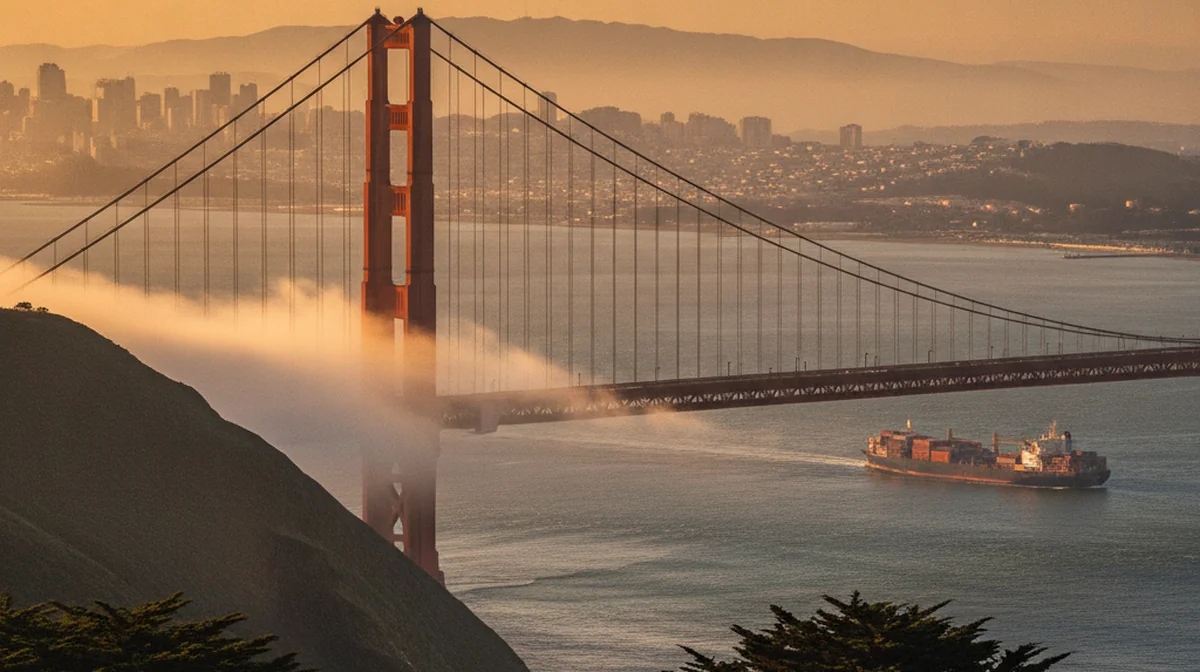
San Francisco is seven miles by seven miles of the most photographed city in America — the Golden Gate Bridge, the Painted Ladies at Alamo Square, cable cars climbing Nob Hill, the fog rolling through the Presidio. It's also one of the strictest short-term-rental markets in the country, run by a dedicated Office of Short-Term Rentals that only registers permanent residents. That sounds like bad news, but it's the opposite if you're compliant: supply is capped by law while demand from tourists, conferences and relocating tech workers keeps coming. Registered hosts, 30-day furnished rentals and boutique hotels are the three plays that work here, and all three win or lose on presentation.

Demand in San Francisco is broader than the postcard suggests. Summer brings the tourist wave, but September and October are the warm, fog-free months locals call the real summer — and Fleet Week, Outside Lands in Golden Gate Park and the fall conference calendar keep rates strong deep into autumn. Blended numbers land around $235 a night at roughly 66% occupancy for registered short-term rentals, with the Mission, Noe Valley, North Beach, Hayes Valley and Pacific Heights pulling the strongest interest. Because unhosted stays are capped at 90 nights a year, the smart owners run a hybrid: short-term rates in the high-demand windows, then 30-day-plus furnished stays for traveling professionals the rest of the year — a segment the STR rules don't restrict.

Top Attractions & Landmarks

  • Golden Gate Bridge
  • Alamo Square Painted Ladies
  • Ferry Building Marketplace
  • Golden Gate Park
  • Lands End and Sutro Baths
  • North Beach and Coit Tower
  • Mission Dolores Park

Nearby Markets: Napa Valley  |  Lake Tahoe  |  San Diego

Airbnb marketing services in San Francisco, California, USA
Postcards

San Francisco through the lens

A few of the visual fingerprints we lean into when we shoot, brand and market a San Francisco property — courtesy of the open Wikimedia Commons archive.

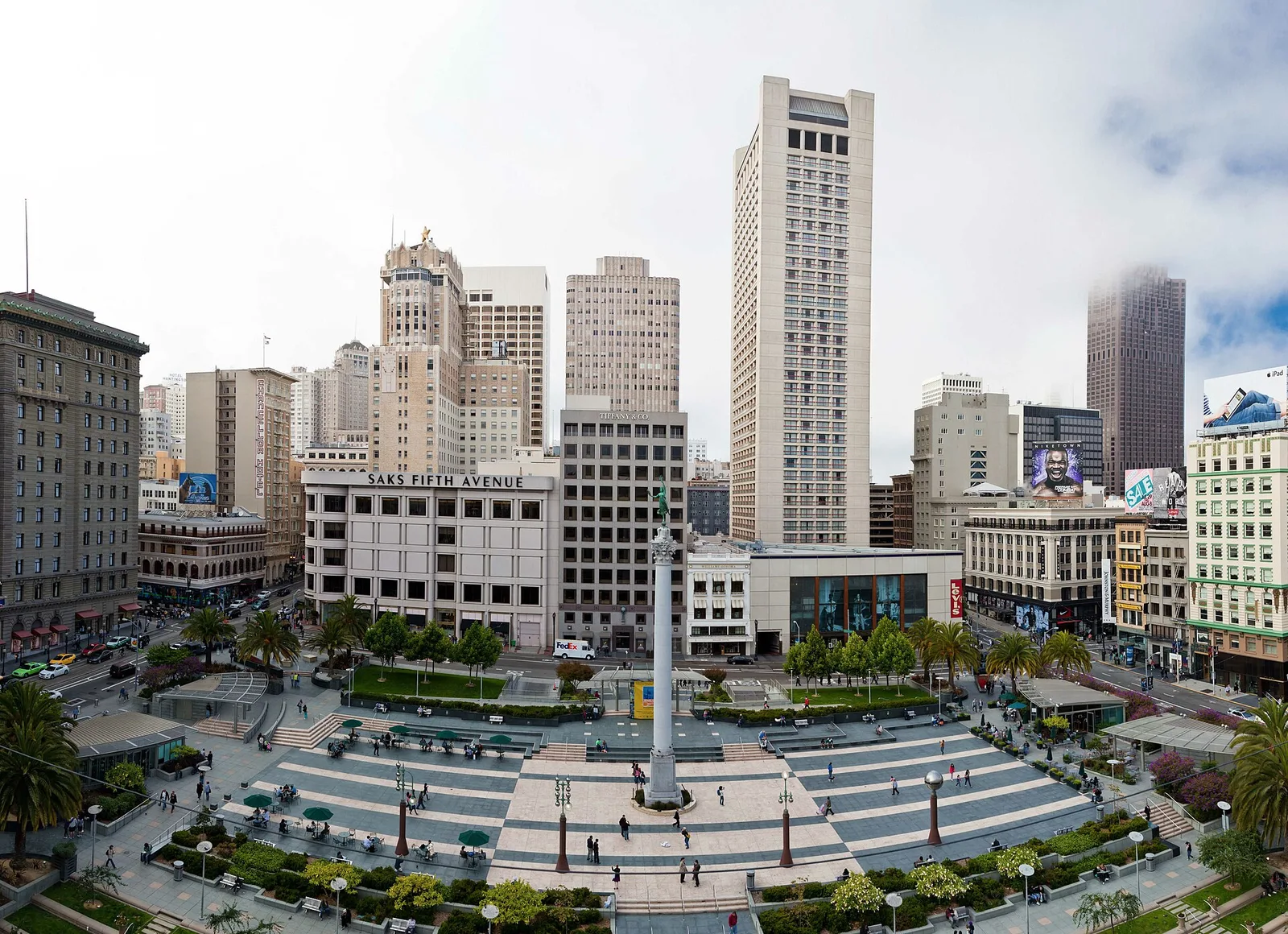
Union Square San Francisco — San Francisco airbnb marketing
Local Color
Union Square San Francisco
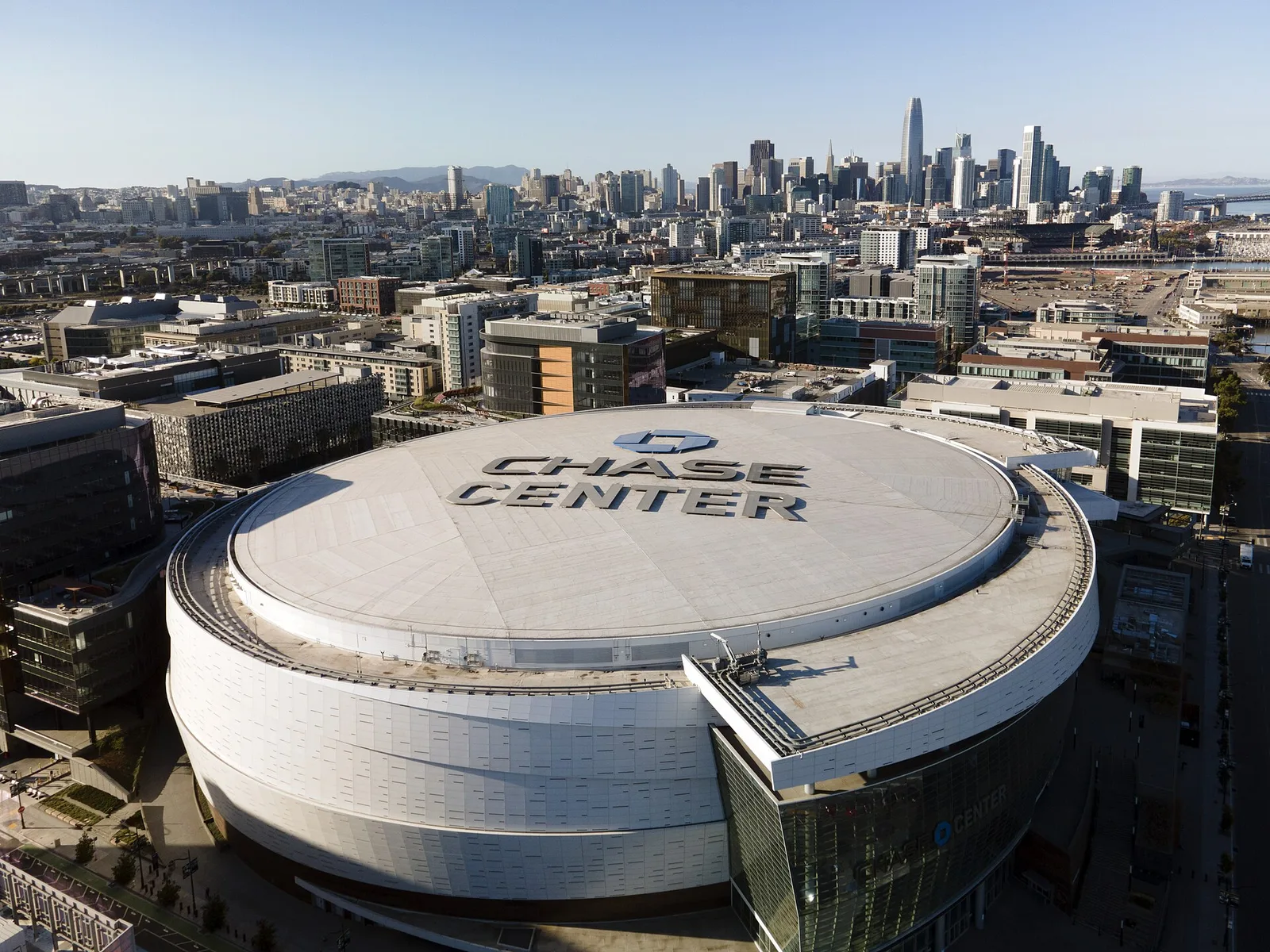
Chase Center Warriors — San Francisco airbnb marketing
Local Color
Chase Center Warriors
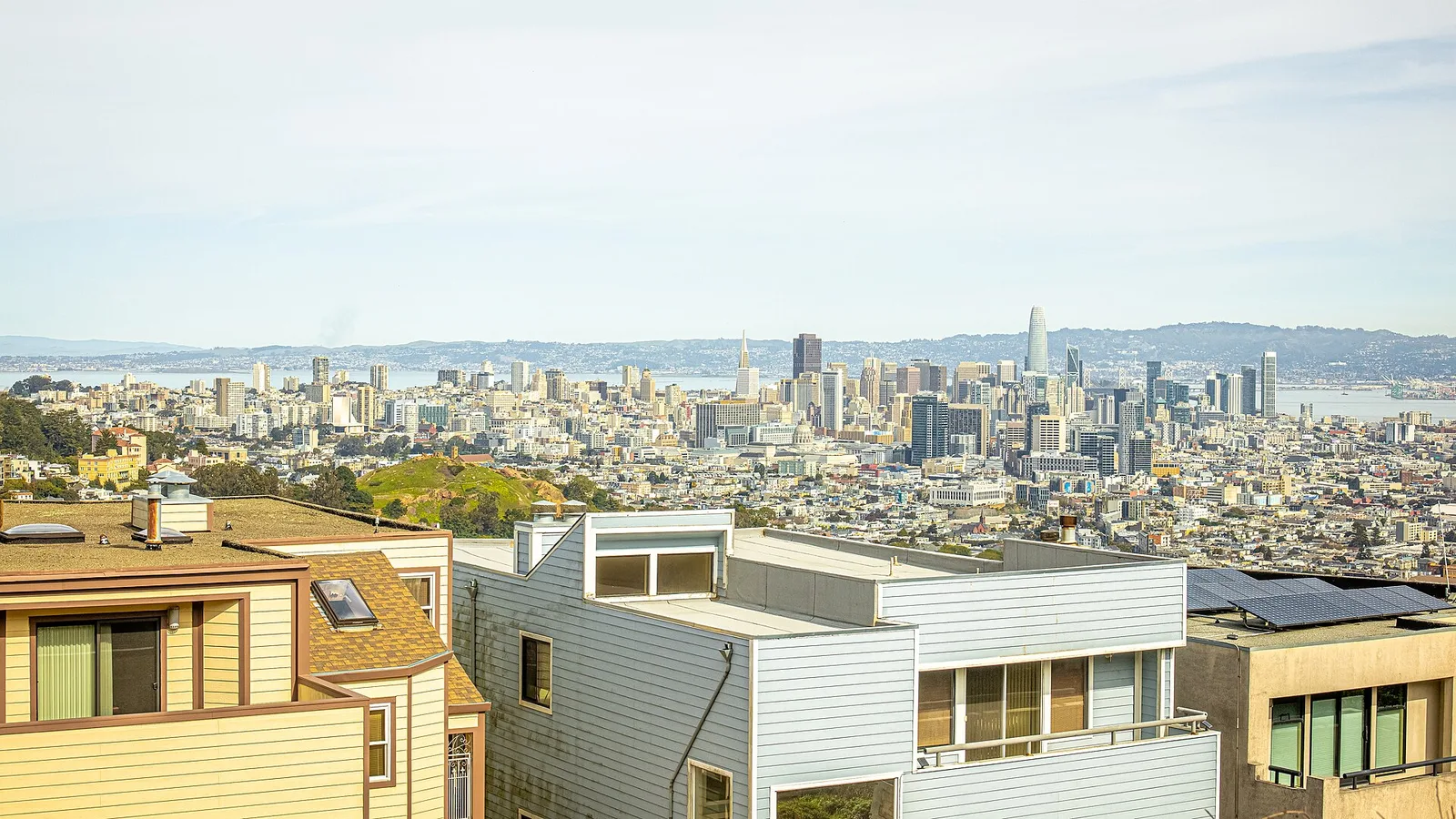
San Francisco cityscape and East Bay, from Twin Peaks, above the Castro — San Francisco airbnb marketing
Local Color
San Francisco cityscape and East
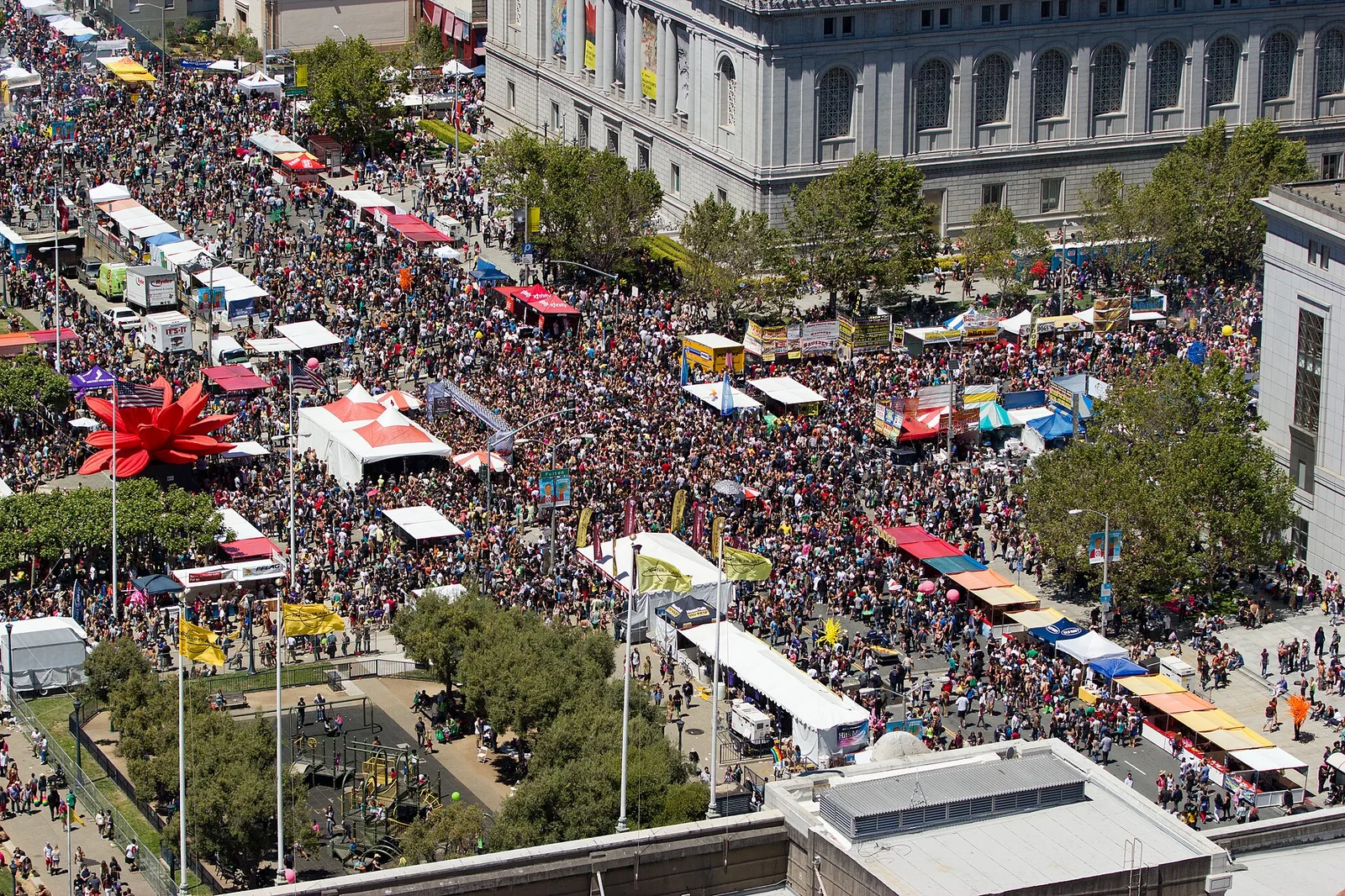
San Francisco Pride Parade 2012 6 — San Francisco airbnb marketing
Local Color
San Francisco Pride Parade
Why Cavmir

The Cavmir Advantage
in San Francisco

This is a market where compliance is the moat and marketing is the multiplier. Cavmir builds around both: cinematic photography that sells the light and the hills, listing copy written for how San Francisco guests actually search, direct-booking website design so repeat guests and 30-day furnished tenants book you without platform fees, and boutique hotel marketing for properties that outgrew the rental category. Most owners waste their 90 unhosted nights on the wrong weeks — we make sure every one of them lands on peak demand. We help position and market your property. We never manage it or touch your keys.

State of the Industry · History

The San Francisco STR Market — Past & Present

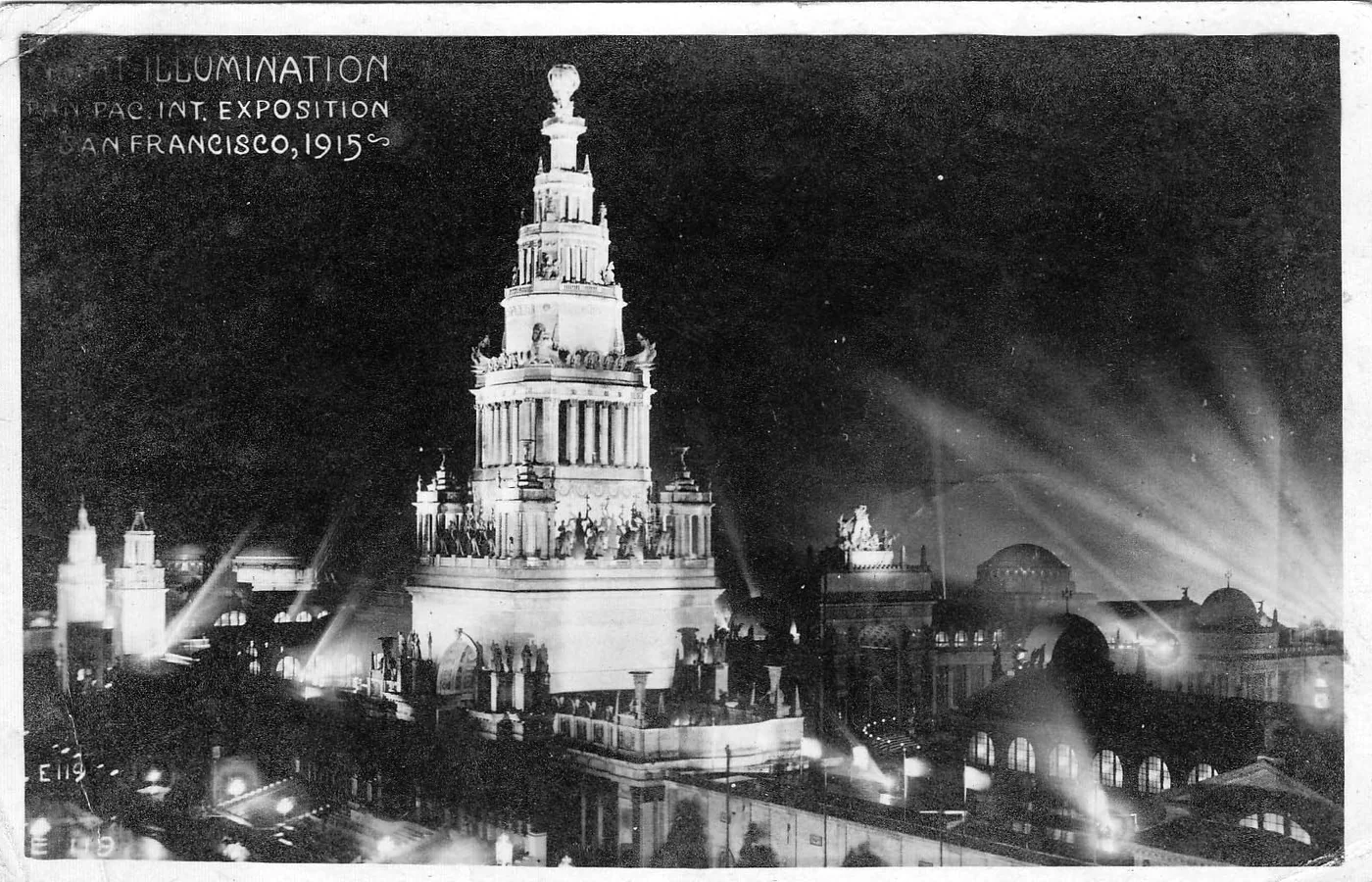
San Francisco began in 1776 with a Spanish presidio and Mission Dolores, and spent seventy years as a village called Yerba Buena before gold changed everything. The 1849 Gold Rush turned a settlement of a few hundred into a city of tens of thousands within two years — chaotic, wealthy and instantly international. Andrew Hallidie's cable cars started climbing the hills in 1873, and by 1900 San Francisco was the great city of the American West. The 1906 earthquake and fires destroyed most of it; the city rebuilt at speed and threw a world's fair in 1915 to prove the point. The Golden Gate Bridge opened in 1937, the Summer of Love put Haight-Ashbury on every map in 1967, and successive tech booms since the 1990s have made the Bay Area one of the wealthiest places on earth.

The rental story is shaped by scarcity and regulation in equal measure. San Francisco fought one of the country's earliest battles over short-term rentals — Airbnb was founded here — and settled it with a strict but functional system: only permanent residents can register, unhosted nights are capped, and a dedicated city office enforces the rules with real teeth. That squeezed out absentee-investor inventory and left three viable models: hosted and capped-unhosted rentals run by actual residents, furnished 30-day-plus stays serving traveling professionals, and small boutique hotels in the city's stock of Victorian and Edwardian buildings. All three trade on the same asset — a city people never stop wanting to see.

Pricing Strategy & Seasonality

Pricing, Seasonality & When to Capture ROI

Pricing Strategy

The Mission and Hayes Valley pull strong rates from younger travelers who want restaurants and walkability. North Beach, Russian Hill and Pacific Heights trade on views and classic San Francisco architecture. Noe Valley and Cole Valley book families and longer stays, and anything with a genuine bridge or bay view earns a premium in any neighborhood. Blended market estimates land around $235 a night at roughly 66% occupancy for registered rentals, and 30-day furnished units in good neighborhoods rent briskly to relocating and traveling professionals. With unhosted nights capped at 90 a year, the arithmetic is simple: every one of those nights needs to land on peak demand, priced like the scarce inventory it legally is.

Seasonality & ROI Windows

San Francisco's calendar is milder than a resort market but has a rhythm worth pricing. Summer brings the tourist volume — and the famous fog. September and October are the real prize: the warmest, clearest weeks of the year, plus Fleet Week and the fall conference season. Spring is solid, and the winter trough is shallower than most cities because business and international travel never fully stop. The mistake owners make here is flat pricing — the spread between a foggy July Tuesday and a Fleet Week Saturday is enormous, and static rates give it away.

Regulation & Licensing · 2026

What the Law Requires in San Francisco

San Francisco is one of the most regulated short-term-rental markets in the country, and the rules only work for actual residents. To register you must be the permanent resident of the unit — living in it at least 275 nights a year — and hold both a short-term rental certificate from the Office of Short-Term Rentals and a city business registration certificate. Your certificate number goes in every listing.

The core mechanic: hosted stays are unlimited (you're home overnight with the guest), but unhosted stays are capped at 90 nights per calendar year, cumulative across all platforms. You'll file quarterly reports of your rental activity, renew the certificate every two years, and carry liability insurance of at least $500,000 (platform coverage can satisfy this). Some units can't register at all — below-market-rate units, SROs and certain buildings — and unregistered listings face steep daily fines the city actually collects.

The important exception: stays of 30 days or longer aren't short-term rentals under the ordinance, so furnished monthly rentals to traveling professionals sit outside the cap entirely — the standard play for owners who can't or won't register. Rules and fees change; confirm the current requirements with the Office of Short-Term Rentals in writing before you list.

Market-Specific Tips & Challenges

Local Tips & Unique Market Challenges

Tips That Actually Move Revenue in San Francisco

The San Francisco strategic tip: treat your 90 unhosted nights like inventory on an airline. They're capped by law, so the whole game is yield — every one of those nights should land on Fleet Week, Outside Lands, conference weeks, and September and October weekends, priced accordingly. Fill the rest of the calendar with 30-day-plus furnished stays, which the ordinance doesn't restrict and which this city's traveling professionals book in volume.

Tactically: first, shoot the light and the hills. San Francisco sells itself visually like almost nowhere else — bay windows, painted facades, a view shot at golden hour — and most listings here still lead with a dim living-room photo. Second, build a direct-booking site with pages for both stay types: short stays for the peak windows, furnished monthly stays for everyone else. That second page quietly becomes the business. Third, put your certificate number in every ad and keep the quarterly reports clean; in this city compliance is a marketing asset, because guests and corporate bookers both know the rules exist. Fourth, write for the neighborhood, not the city — the guest choosing the Mission over Fisherman's Wharf is making a taste decision, and copy that names the coffee, the park and the taqueria wins it. Fifth, price the fog honestly: June and July mornings are gray, September is glorious, and rate calendars that reflect reality outperform wishful flat pricing.

Unique San Francisco Challenges

The 90-night unhosted cap is a hard ceiling, and only permanent residents can register at all — this is not an absentee-investor market. Compliance takes real attention: quarterly reports, renewals, insurance. Costs are high across the board, from purchase prices to upkeep on older buildings. And the city's enforcement office is well funded and experienced; operating unregistered is a bad bet, not a gray area.

A Curious San Francisco Fact
San Francisco's cable cars are the only moving National Historic Landmark in the United States. Andrew Hallidie built the first line in 1873, reportedly after watching horses struggle and fall hauling streetcars up a wet cobblestone hill. At the system's peak, more than twenty lines ran across the city; three survive today, pulled by the same basic mechanism — an endless steel cable running in a slot beneath the street at a steady nine and a half miles per hour. The gripman's job, physically levering the car onto and off that moving cable, has changed remarkably little in 150 years.
Finance Essentials — San Francisco
🛡️

Insurance

The city requires short-term rental hosts to carry at least $500,000 in liability coverage, though qualifying platform protection can satisfy the requirement — read the fine print on what platform coverage actually excludes before relying on it. Beyond that, standard homeowner's policies generally don't cover commercial short stays, and earthquake coverage is a separate policy in California that deserves serious consideration here. Older Victorian and Edwardian buildings can carry their own underwriting quirks. Talk to a broker who writes San Francisco rental property specifically.

🧾

Property & Income Tax

Stays under 30 days in San Francisco are subject to the city's transient occupancy tax of 14%. Registered platforms generally collect and remit it on your behalf, but direct bookings are your responsibility, and you'll want your tax registration in place either way. Stays of 30 days or longer fall outside the TOT entirely — another quiet advantage of the furnished-monthly model. Add California state income tax on the earnings and the city's business registration obligations. Treat these numbers as current-as-of-2026 and confirm what applies to you with your accountant.

🏦

Mortgages & Financing

San Francisco pricing puts most buyers in jumbo territory, with second-home and investment loans requiring larger down payments and reserves. Because only permanent residents can register for short-term renting, lenders underwrite these purchases as primary homes with supplemental rental income or as furnished long-term rentals — DSCR loans built on nightly-rate projections don't fit the regulatory reality here. Factor the 90-night cap into any income projection a lender sees, and work with a local lender who understands the ordinance.

Future Outlook · 2027 & Beyond

Where San Francisco is Headed Next

San Francisco's rules have been stable for years, and that stability is the story: supply of legal short-term rentals is permanently constrained to resident hosts, while the city's draw — the bridge, the bay, the food, the conference economy — keeps regenerating demand through every cycle. The visible trend is recovery and normalization: tourism and convention calendars have rebuilt, downtown is slowly repopulating, and the furnished-monthly segment keeps growing as work patterns stay flexible. Expect enforcement to stay strict and the ordinance to stay roughly as it is; there's no political appetite to loosen it and little room to tighten it further. The durable play is the hybrid: register properly, spend the 90 unhosted nights on the peak windows, run furnished monthly stays the rest of the year, and build a direct channel so the guests and corporate bookers who liked the place once come back without a platform in between. In a capped market, presentation and repeat business are the only levers that scale — which suits us fine.

From the Desk of Sofie Sinag

Why We Love Marketing in San Francisco

San Francisco gives a marketer the best raw material in urban America — bay windows, painted facades, hills that stack the city into every photograph, and light that changes by the hour as the fog moves. A Noe Valley Edwardian shot at golden hour doesn't need adjectives. What it needs is someone to actually take that photograph, because the average listing here leads with a dim couch and lets the greatest backdrop in the country go unused. The gap between what this city looks like and how its rentals present is the widest we've seen, and gaps like that are the job.

We also love the discipline the rules impose. Ninety unhosted nights is a constraint, and constraints make strategy: every night has to be spent on purpose, every peak window priced like the scarce inventory it legally is, and the rest of the calendar built on furnished monthly stays that the ordinance leaves alone. That's a more interesting problem than an open calendar, and it rewards exactly what we do — positioning, presentation and a direct channel that keeps the guests and corporate bookers who found you once. San Francisco is a city people never stop wanting to see, run under rules that keep supply honest. For the compliant owner, that's not a burden; it's a moat with a view.

Why It Matters

A great property in San Francisco doesn't just want a listing — it wants a point of view, an audience, and a brand the city itself would recognise.

Cavmir's San Francisco Cheat Sheet

The Picks We Recommend for Your Welcome Book

A few honest, insider picks for San Francisco — the kind of specifics that make a listing read like a local wrote it, because one did. Real places, no filler.

Morning

Crissy Field as the fog lifts

Walk the shoreline path toward the bridge as the fog pulls back off the bay — joggers, dogs, container ships and the Golden Gate emerging in pieces. It's the city's best free morning and the first thing to put in a guest guide.

Golden Hour

Lands End and Sutro Baths

The ruins of a Victorian bathhouse in the surf, cypress trails on the cliffs and the bridge in the distance — Lands End at sunset is the most cinematic hour in San Francisco, and it's a city bus ride away, not a road trip.

Neighborhood Walk

North Beach

Washington Square, the cafes, City Lights bookstore and the climb up to Coit Tower — the old Italian quarter still walks like a small town inside the city. Listings nearby should name it in the first paragraph, not the last.

Dinner That Photographs

Foreign Cinema, Mission District

Dinner in a candlelit courtyard with old films projected on the wall — it's been one of the city's most photographed rooms for two decades and still earns it. The reservation tip guests remember came from your guide.

Local Obsession

Sourdough and Karl the Fog

The bread is a genuine 170-year obsession — locals argue bakeries the way other cities argue sports teams — and the fog is so much a character it has a name. Working both into your listing copy signals local fluency instantly.

Shoulder Season Secret

September and October

The fog thins, the water sparkles and the city gets its real summer after the tourists thin out — plus Fleet Week and the fall festival calendar. These are the weeks to spend unhosted nights on, priced with confidence.

Weekend Escape

The Marin Headlands

Across the bridge and up Conzelman Road: the postcard view back at the city, then trails, bunkers and Point Bonita Lighthouse. Guests with a car do it in half a day; guests without one can take the ferry to Sausalito instead.

What Guests Ask For

How to do the city without a car

Cable cars, Muni, BART from the airport and the ferries cover almost everything, and parking is genuinely difficult. A listing that maps the nearest stops and says 'skip the rental car' answers the question every guest was about to ask.

Local Work · Composite Case Vignettes

What Cavmir Has Done for San Francisco Properties

A few composite engagements drawn from how Cavmir typically works in this market. The details are illustrative and consistent with San Francisco, not pulled from a single named client.

Edwardian flat · Noe Valley
The Brief

A registered host with a garden flat was spending her 90 unhosted nights almost randomly — flat pricing year-round, no event calendar, and photography that hid the bay windows and the garden that made the place worth booking.

What We Did

Cavmir reshot the flat in its best light, rebuilt pricing around the September-October peak, Fleet Week and conference weeks, and set up a furnished 30-day offer for the remaining calendar with its own page on a new direct-booking site.

The Result

The same 90 nights earned dramatically better yield landing on peak windows, the monthly-stay channel filled the gaps with traveling professionals, and the owner stopped leaving her scarcest asset — legal short-stay nights — on the table.

View apartment · Russian Hill
The Brief

A hosted-rental owner with an unbeatable bay view had thin bookings and a listing that mentioned the view in text but never proved it — the photos were interiors only, and nothing distinguished the place from a hundred cheaper options.

What We Did

Cavmir led the entire presentation with the view — golden-hour photography from the window and roof, copy built around waking up to the bay, and positioning aimed at couples and international travelers comparing against hotel rooms at twice the price.

The Result

The listing began converting the guests it was always meant for, held a clear rate premium over neighborhood comparables, and picked up the review language — that view — that now does its marketing for it.

Boutique hotel · Union Square-adjacent
The Brief

A small independent hotel in a handsome older building was losing the online fight to chains — dated website, stock-feeling photography, and no direct relationship with the leisure and conference guests who genuinely liked staying there.

What We Did

Cavmir rebranded the property around its architecture and neighborhood, delivered cinematic photography of rooms and rooftop, rebuilt the direct-booking website design mobile-first, and launched email campaigns aimed at past guests and fall conference traffic.

The Result

Direct bookings became a growing share of revenue over the following year, the hotel stopped competing purely on rate against the chains, and its fall conference weeks — the city's best window — began selling out on its own channel first.

Ready to Grow in San Francisco?

Let's Put Your San Francisco
Property on the Map

Talk to Cavmir today. We'll show you exactly what your San Francisco property is leaving on the table — and how fast we can change that.

Book a Free Strategy Call