Start here Work with Cavmir in Three Rivers & Sequoia
Get a Proposal (786) 751-3426
$388
Avg. Nightly Rate
49%
Avg. Occupancy Rate
$5,360
Avg. Monthly Revenue
8–12%
Est. Cash-on-Cash ROI
HIGH
Seasonality
MODERATE
Regulatory Burden

* Market averages from AirROI data for Three Rivers, California, twelve months October 2025 to September 2026 (updated October 1, 2026; 454 active listings). ROI is Cavmir's estimate. A single home's numbers depend on its size, its location and how it is marketed.

The Market

Why Three Rivers Is Sequoia National Park's Rental Market

Cavmir is an Airbnb marketing agency. We build the brand, the direct-booking website and the marketing for short-term rentals in Three Rivers & Sequoia.

Three Rivers is an unincorporated town in Tulare County, strung along Highway 198 and the forks of the Kaweah River just below the Ash Mountain entrance of Sequoia National Park. The Park Service puts the geography in one line: Highway 198 enters the park at the town of Three Rivers. The Mineral King Road branches off the same highway in town, two miles before the entrance, and below town the highway runs past Lake Kaweah and Lemon Cove toward Visalia. The town is small, about 2,200 people in the Census Bureau's 2020 to 2024 survey of the 93271 ZIP code, with a median age of 53.5, and it's the last stop for supplies: there are no gas stations, EV chargers or repair shops inside the parks, while Three Rivers has both gas and EV charging. Fly-in guests land at Fresno Yosemite International, which the Park Service puts an hour and three quarters from the Sequoia entrance, or at Visalia's municipal airport, an hour away, and Amtrak stops in Hanford. From the foothills at about 1,700 feet, the Generals Highway climbs to the sequoia groves, which grow, as the Park Service points out, about a mile higher than the orchards of the San Joaquin Valley.

The rental market splits into products that book and price differently. AirROI's Three Rivers data counts 454 active listings, and 95 percent of them are entire homes: houses make up 64 percent, cabins and outdoor stays 22.5 percent, and boutique rooms, a few apartments and a handful of unique stays the rest. Big houses for reunions and friend groups sit in a tier of their own. Four-bedroom homes have a median of about $107,000 a year, homes with five or more bedrooms average about $1,007 a night, and nearly 30 percent of listings sleep eight or more. At the other end, a quarter of the market sleeps just two, and one-bedroom listings, about 29 percent of the entire homes, average about $264 a night. In between sit the cabins on the river and in the foothills, the cottages a few minutes from the park gate, and the homes down the valley toward Lake Kaweah and Lemon Cove that sell space and price. A listing titled 'cabin near Sequoia' competes with all of them at once, and with the lodges inside the park.

The calendar has a summer top and a quiet winter. In AirROI's twelve months to September 2026, July earned the most per listing, about $10,900, and February the least, about $2,740. June ran at 75 percent occupancy, the high point of the year, and May through August averaged about 66 percent at about $434 a night. September and October 2025 still filled more than half their nights, while January and February 2026 fell to about 28 and 31 percent. Many of the guests travel a long way: AirROI counts 86 percent of them as American and about 14 percent as international, led by the United Kingdom, Germany, France and Mexico. Los Angeles is the top origin city at about 11 percent, followed by San Diego, San Francisco and New York, and in AirROI's language count 58 percent of guests use English, about 16 percent Spanish and about 5 percent French.

What sets Three Rivers apart is how far above its neighbors it earns. AirROI's average listing here takes about $64,300 a year at $388 a night and 48.6 percent occupancy, up 3.4 percent on the year, against a California average of about $43,100 at $355 a night, and the market ranks 51st of the 643 California markets AirROI tracks. The towns around it earn far less: Visalia's listings average about $22,600 a year and Springville's about $33,100. The spread inside Three Rivers is wide: the median listing charges about $310 a night and fills about 51 percent of its open nights, the top quarter $440 or more and 67 percent or more, and the top tenth $620 or more and 80 percent or more. In a typical month the median listing earns about $5,030 and the top quarter $7,830 or more. The listings at the top usually have the same things in common: a product built for the guest who's coming, the river or the hot tub in the first photos, a calendar priced for the park's seasons, and a host who answers the questions park visitors always ask before they have to ask them. That's work a marketing plan can do.

Top Attractions & Landmarks

  • The General Sherman Tree, largest in the world by volume
  • Moro Rock, Tunnel Log and Crescent Meadow
  • Crystal Cave (guided tours, spring through fall)
  • Mineral King, the parks' highest road-accessible valley
  • The General Grant Tree, the Nation's Christmas Tree
  • Hospital Rock and the Foothills along the Kaweah
  • Lake Kaweah below Three Rivers
  • Cedar Grove in Kings Canyon (May to early or mid-November)

Nearby Markets: Yosemite  |  Mammoth Lakes  |  Paso Robles

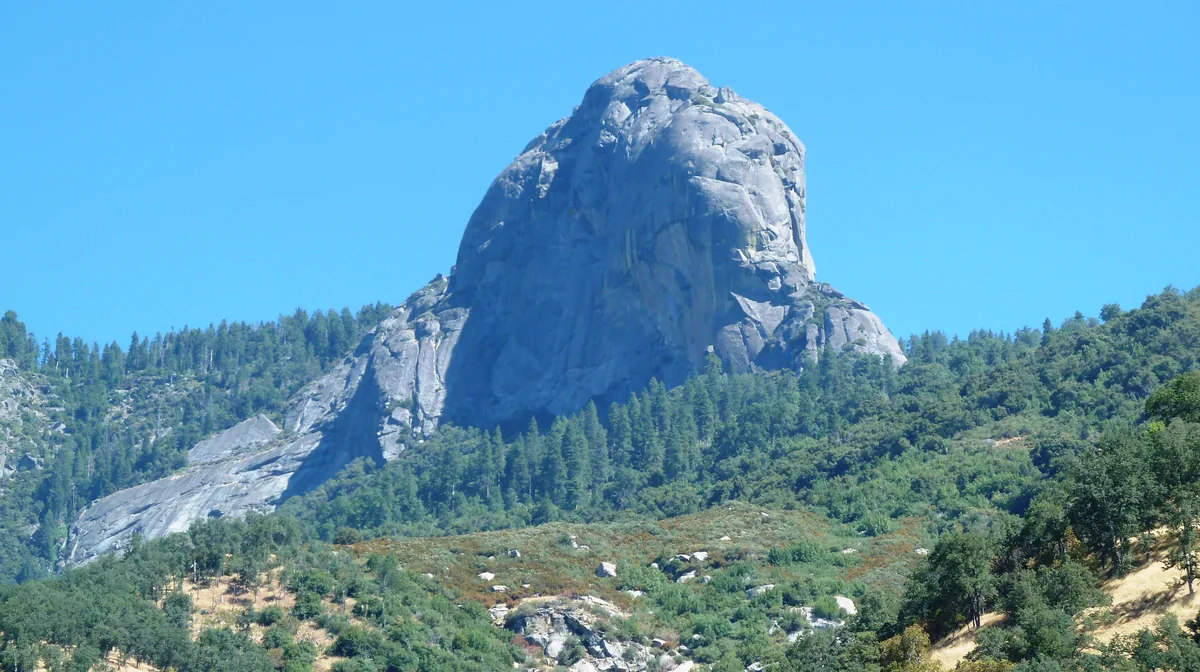
Moro Rock seen from Potwisha, near Hospital Rock, in Sequoia National Park, California

Photo: DiverDave · CC BY-SA 3.0 · via Wikimedia Commons

Why Cavmir

The Cavmir Advantage
in Three Rivers & Sequoia

Cavmir markets Three Rivers homes as the small hospitality brands they are, the riverfront house that hosts the same family reunion every June, the foothill cabin a couple from Munich books as the base for three days in the sequoias, the cottage near the park gate that sends its guests up the Generals Highway before the parking lots fill, rather than as interchangeable gateway inventory. We put your property in front of the guest who chooses Sequoia on purpose, the Los Angeles family planning a summer week around the General Sherman Tree, the San Diego friends who want a river house for a long weekend, the traveler from London or Paris building a trip around two national parks, wherever they search, from Google and AI assistants to the email list that brings last year's guests back.

State of the Industry · History

The Three Rivers STR Market — Past & Present

Long before there was a park, these canyons were home ground. The Park Service describes the parks as the homelands of the Mono, or Monache, the Yokuts, the Tübatulabal, the Paiute and the Western Shoshone, and it notes that these tribes have numerous descendants living today who keep deep connections to the parks; the affiliated tribes it lists include the Wukchumni Tribe, the Tule River Tribe and the Wuksachi Indian Tribe/Eshom Valley Band. Outdoor exhibits at Hospital Rock, in the foothills above Three Rivers, tell the story of Native people who lived and traveled there, and the Park Service says directly that the displacement and often forced relocation of Native peoples have much affected their relationships with these lands. The settlers' chapter that guests remember most is the Kaweah Colony. In 1879 James Wolverton, a former first lieutenant in the 9th Indiana Cavalry, named the biggest tree in the Giant Forest for his old commander, General Sherman. By 1886 the land around it belonged to the Kaweah Colony, a utopian socialist community that had come to the sequoia groves with an eye to logging, and the colonists, who objected to Sherman's role in the Indian wars and the forced relocation of Indigenous people, renamed it the Karl Marx tree.

Then Washington stepped in. On September 25, 1890, President Benjamin Harrison signed the law establishing Sequoia National Park to protect the giant sequoias from logging, and a week later General Grant National Park followed as a four-square-mile parcel nearby. The colony lost its logging claims and disbanded in 1892, and the name General Sherman stuck. From 1891 to 1913, U.S. Army cavalry troops came down from the Presidio of San Francisco to protect the parks, fighting wildfires and building roads and trails, and in 1903 Charles Young became the first Black military superintendent of the parks. Walter Fry, who went from sequoia logger to park ranger in 1905, became the first civilian superintendent when the Army handed the parks over in 1914. The Generals Highway was built in 1926, the High Sierra Trail was finished in 1932 to connect the Giant Forest with Mount Whitney, and in 1940 Congress and President Franklin D. Roosevelt created Kings Canyon National Park, which absorbed General Grant. The General Grant Tree itself had been named the Nation's Christmas Tree by President Calvin Coolidge on April 28, 1926, and in 1956 Congress made it a National Shrine in memory of the men and women of the armed forces.

Tourism came early and crowded the trees. A tent camp reached by pack train opened in the Giant Forest in 1899, a road reached Round Meadow in 1903, and promotion multiplied the number of visitors eightfold. The first formal lodge went up in 1915, cabins followed in 1921, and by 1930 the grove held four campgrounds, dozens of parking lots and more than 200 structures, many of them among the sequoias. As early as 1926 Emilio Meinecke reported that people were heavily affecting the Giant Forest, the next year Superintendent John White suggested removing the lodge cabins, and in 1931 he stepped up his fight against development in the grove; the limits he set on guest capacity were the first Park Service limit on tourism development in any of its parks. The concessioner still owned 180 buildings in the grove in 1941, and in 1963 the Leopold Report, which named the Giant Forest, called for restoring natural systems. Today the main lodge inside Sequoia is Wuksachi Lodge, with 102 rooms at 7,050 feet, Silver City Resort rents cabins and cottages up in Mineral King, and Kings Canyon adds the 36 rooms of the John Muir Lodge, the Grant Grove Cabins and the 21 rooms of Cedar Grove Lodge. That scarcity is the foundation of the Three Rivers rental market. The parks also change from year to year: only 2.5 miles of trails in Redwood Canyon are maintained, and the park advises against the rest because of hazard trees left by the 2021 KNP Complex Fire; Buckeye Flat Campground is closed for 2026 because of damage from past winter storms, and South Fork Campground is closed by flood and landslide damage, with the park unsure when or if it will reopen.

Today the rental market is large for the size of the town, high-priced and still growing. AirROI counts 454 active listings under Three Rivers, up 20 percent on the year, with average revenue near $64,300 and a typical listing taking about 51 bookings a year. At the Board of Supervisors' meeting on October 24, 2023, county staff counted 294 registered short-term rentals in Three Rivers and estimated that about 22 percent of its housing units were rentals; the two counts measure different things in different years, but they agree on the scale. The town is unincorporated, so the county writes the rules, and the board has argued about them since an ordinance was first proposed in 2019; in July 2024 it voted 3–2 not to adopt one. Hosting here means hosting among neighbors who have debated it in public, over absentee owners, bears in the trash and the homes local buyers can't find, which makes a well-run house good business. The gaps we look for first are the ones that cost money: eleven photos where thirty would sell, a river house whose first photo is the kitchen, a listing that never says how long the drive is to the Giant Forest or where to park, nothing for the international guests who pay $100 a person more at the gate, no winter product for the months when flowers bloom in the foothills and snow falls on the groves, and no direct channel for the families who come back every summer.

Pricing Strategy & Seasonality

Pricing, Seasonality & When to Capture ROI

Pricing Strategy

Three Rivers pricing is tiered by bedrooms first, because families and groups pay for beds. AirROI's numbers show it plainly: studios average about $242 a night, one-bedroom listings $264, two-bedroom homes $328, three-bedroom homes $423, four-bedroom homes $617 and homes with five or more bedrooms about $1,007. The step to four bedrooms is the one to notice: the median four-bedroom home earns about $107,000 a year against $66,700 for three bedrooms, at 54 percent occupancy against 47. Across the market, the median listing averages about $310 a night, the top quarter $440 or more, the top tenth $620 or more and the bottom quarter $230 or less, and the biggest houses sit far above that; AirROI's highest-grossing listing, three side-by-side homes with 11 bedrooms listed as one, took about $555,000 in twelve months, and two seven-bedroom riverfront houses took about $316,000 and $298,000. Four features separate the top from the middle in AirROI's amenity data: listings that allow pets averaged about $73,100 a year against $29,100 for those that don't, listings with a hot tub about $98,600 against $54,100, listings with a dedicated workspace about $81,200 against $46,400, and listings with a hammock about $96,500 against $58,300. Those figures describe the houses that have the features rather than proving the feature made the difference, and with pets allowed in 80 percent of listings, the ones that refuse them are a small group. But they show what Sequoia's guests pay for: room for the dog, a hot tub after a day on the trails and a place to sit outside.

The calendar does the rest. AirROI's high season, May through August, averages about $9,060 of revenue a month at 66 percent occupancy and $434 a night; April stands alone as the shoulder at about $5,940, 52 percent and $376; and the long low season, September through March, averages about $4,210 at 41 percent and $339. Rates move less than occupancy: July's average rate of about $468 is only about 40 percent above February's $331, while June's occupancy is about 2.7 times January's. In AirROI's words, a listing earns about 2.8 times as much a month from June to August as from December to February. Guests book about 47 days ahead on average: about 66 to 68 days ahead for May and June stays and only about 25 for January. The average stay is 2.6 nights, longest around the holidays at 2.9 nights in December 2025 and shortest at 2.3 in September, February and August. Nearly three-quarters of listings that set a check-in time use 4 p.m., and check-out is usually 11 a.m.

The common mistakes are pricing a five-bedroom river house like two cottages and letting the fees do the damage on short stays. A group of ten splits the bill and compares your total with a block of rooms at the lodge or in Visalia, so price the group product, set a minimum stay that matches a park trip and say what the house gives a group that rooms can't: a kitchen, a table for everyone and the river outside. About 94 percent of AirROI's listings charge a cleaning fee; the median is $150, the average $180, and over a 2.6-night stay the average adds about $60 a night, roughly 14 percent of gross revenue, which is a large share of the total on a two-night booking. Most of the market, 57 percent, sets a two-night minimum and 40 percent allow one night, while only 2 percent ask for three, so a two-night summer listing competes with nearly everyone in town. About half the listings use firm or stricter cancellation policies and about half use Instant Book. AirROI's arithmetic is worth keeping in view: a 10 percent higher rate on the nights you already book adds about $5,510 a year to the average listing, and ten more booked nights at the median rate add about $3,120.

Seasonality & ROI Windows

High seasonality with a summer top. July earns nearly four times what February does in AirROI's two-year averages, the three strongest months bring in 40 percent of the year's revenue, and a typical June comes within 4 percent of July. Summer belongs to families: the free in-park shuttles ran from May 22 to September 7 in 2026, Crystal Cave's guided tours run from spring through fall, the Mineral King Road is open from late May through October, and in 2026 the park's fee-free days for US citizens and residents included Memorial Day, Flag Day on June 14 and the Independence Day weekend, July 3 to 5. Spring is the foothills' season, when the Park Service notes that snow may close the Generals Highway between the parks while flowers bloom below, and the park tells visitors not to enter the rivers in spring. September and October filled 57 and 54 percent of their nights in 2025, with the summer crowds gone. Winter is the quiet stretch, with January at about 28 percent occupancy, and the holidays give it a lift: free holiday shuttles are tentatively scheduled in the Giant Forest from November 26 to 29 and from Christmas Eve to New Year's Day, and the Trek to the Nation's Christmas Tree brings a crowd to the General Grant Tree in mid-December; the 100th trek was on December 14, 2025.

The revenue most owners miss sits in two places. The first is the international guest. About one guest in seven comes from abroad in AirROI's data, and the park charges non-US residents 16 and older $100 per person on top of the $35 vehicle fee unless they carry an annual pass, while the non-resident America the Beautiful pass costs $250. A listing that explains the fees, the cashless gates, the drive from Fresno or Los Angeles, the parking and the shuttle in plain English, with a Spanish and a French welcome book, answers that guest's questions before the booking instead of after it. The second is winter and the shoulder. January stays book only three or four weeks ahead, December brings the longest stays of the year, and winter doesn't close the parks: the Park Service says the Grant Grove, Giant Forest and Foothills areas stay open all year, and tire chains may be required on park roads any time it snows. A winter product with a weekday rate, the hot tub in the first photos, a chains-and-roads guide and an offer built around the holiday shuttle weekends fills nights a summer-only listing never sees.

Regulation & Licensing · 2026

What the Law Requires in Three Rivers & Sequoia

Three Rivers is unincorporated, so Tulare County, not a city, sets the rules and collects the tax. At the Board of Supervisors' meeting on October 24, 2023, county staff described short-term rentals as rentals of under 30 days that owe the county's 10 percent transient occupancy tax, with bed and breakfasts treated differently, and said the county received $3.5 million in occupancy tax from all the unincorporated areas in fiscal year 2022/23; as the county administrative officer said at the meeting, the money is combined with general county revenue that pays for county services. The tax doesn't collect itself. Airbnb's California page lists the county and city taxes it collects and remits for hosts, among them Visalia's 10 percent transient occupancy tax on the listing price, cleaning fees included, for reservations of 30 nights and shorter, and the City of Fresno's 12 percent; Tulare County isn't on the list. Plan to register with the county and to collect and file the tax yourself on every stay under 30 days, from Airbnb, Vrbo or your own site, unless the county confirms in writing that a platform remits for you. Registration matters beyond the money: county staff cited 294 registered short-term rentals in Three Rivers in 2023, and when Supervisor Pete Vander Poel moved to drop the 2024 ordinance, he also called for a review of the county's occupancy tax registration form. The listings themselves don't show it: AirROI reports that none of the 454 active Three Rivers listings display a registration, permit or license number.

There is no county short-term rental permit in Three Rivers today, but the question keeps coming back. County staff told the board in 2023 that an ordinance had been proposed in 2019 and never adopted. At the October 24, 2023 meeting, the Resource Management Agency presented the effects of rentals on Three Rivers and asked the board to choose between bringing back an ordinance and regulatory program, with a possible moratorium on new rentals in Three Rivers, and taking no action. The board chose the ordinance, amended to apply countywide and without a moratorium. The figures presented that day explain the pressure: an estimated 22 percent of Three Rivers housing units in use as short-term rentals, 21 code enforcement complaints about rentals since late 2020, school enrollment down from 138 in 2011 to 95, and a population that slipped from 2,182 in 2010 to 2,053 in 2020. Residents spoke on both sides. Some blamed rentals for absentee owners, fewer homes for buyers and bears in the trash; another resident said the town's problems aren't due to rentals, and a couple who own a rental asked whether anyone had current statistics and wanted the county to gather recent data first.

The ordinance came back on July 9, 2024, and the board voted it down 3–2. Supervisor Pete Vander Poel moved not to go forward, Dennis Townsend seconded, and Chairman Larry Micari joined them; the three said many of its rules were already covered by other county ordinances, and Micari said he needed data on the problems rentals cause before he could act, while Supervisors Eddie Valero and Amy Shuklian voted against the motion. The draft is still the best guide to what a future rule could look like. It would have applied countywide, to areas such as Camp Nelson, Sequoia Crest and Ponderosa as well as Three Rivers, and it would have required rentals to follow the occupancy tax rules, allowed only habitable interior spaces in permitted dwellings, which ruled out garages, tents, treehouses, yurts, camper trailers and RVs, limited occupancy by the number of bedrooms, required guests' vehicles to park on the property rather than the street, and required a notice inside the unit with emergency contacts, the occupancy limit, the utility shutoffs and trash instructions. In making his motion, Vander Poel also called for a future review of the county's occupancy tax registration form and for the board to look into requiring bear-resistant trash cans for all residents of State Responsibility Areas, the foothill and mountain areas where Cal Fire is the primary emergency responder. We found no later county action on a rental ordinance in the coverage we checked, so read the board's agendas before you buy. Run the house as though the 2024 draft were law, and a future rule will cost you little.

Two other rulebooks reach your guests. The first is the fire season. Three Rivers sits in the foothills, and the parks above it were under Stage 1 fire restrictions in October 2026, with wood and charcoal fires banned at the developed campgrounds below 3,000 feet and at the Hospital Rock and Ash Mountain picnic areas, and smoking banned below 6,000 feet outside enclosed vehicles and designated places; say in your house rules what applies to your fire pit and grill, and check with the county and Cal Fire before you advertise either. The second is the park itself. Entry costs $35 per private vehicle for one to seven days, the gates are cashless, no entry reservation is needed, non-US residents 16 and older pay an extra $100 per person unless they hold an annual pass, and the Park Service advises against vehicles longer than 24 feet between the Foothills Visitor Center and Potwisha Campground and longer than 22 feet from Potwisha to the Giant Forest Museum, with Highway 180 from Fresno the preferred route for longer vehicles. Deeds, private road agreements and any homeowners association can add rules of their own, and a parcel inside the park boundary deserves a separate conversation with the county and the park. Treat this section as orientation rather than legal advice, and confirm current requirements with Tulare County's Resource Management Agency and tax collector, the park and any association before you list. Cavmir handles the marketing side; permitting and tax compliance sit with you and your local professionals.

Market-Specific Tips & Challenges

Local Tips & Unique Market Challenges

Tips That Actually Move Revenue in Three Rivers & Sequoia

First, sell the park day, not just the bed. Most guests come for the sequoias, and the questions they ask are about logistics: how long the drive is from your door to the Ash Mountain entrance and on to the Giant Forest, where to park and what to do when the lots fill. Answer them before they ask. The Park Service says parking at the Giant Forest Museum and the General Sherman Tree is usually full by mid-morning and recommends the larger lots at Lodgepole and Wolverton; the free in-park shuttle ran from May 22 to September 7 in 2026, and the Sequoia Shuttle runs from Visalia and Three Rivers to the Giant Forest Museum with advance reservations and a fee. Put a one-page park-day plan in the listing and the welcome book: leave early, fill the tank in town because there's no gas in the parks, ride the shuttle from the museum to Moro Rock and Crescent Meadow, and come back down for dinner on the river. Add the Generals Highway's vehicle-length advisories for guests who arrive in a camper van, the note that chains may be required any time it snows, and a line on Kings Canyon, because the Park Service is clear that there are no in-park shuttles or public transportation from Sequoia to Kings Canyon.

Second, describe the river and the land exactly. In Three Rivers the river is the view, the sound and the summer swimming hole, and it's also the hazard: the Park Service says multiple drownings occur each year and tells visitors not to enter the water during the spring. Say whether the house is on the river or above it, which rooms see the water, whether there's a path down, and what the water does in May and June; a riverfront listing that names the risk and points to a safe summer spot gives guests a reason to trust everything else it says. Show the river from the deck in the first photo, then the hot tub, then the bedroom list. In the foothills, tell guests what the Park Service tells them: summer days run from 80 to 115 degrees with very little shade on the trails, rattlesnakes are common, and poison oak is plentiful. Guests who know what to expect complain less, and AirROI's Three Rivers listings already average 4.90 for accuracy and 4.93 for location, so a vague listing stands out for the wrong reason.

Third, market to the guests who travel farthest. About one guest in seven comes from abroad, and Spanish, French, Chinese and German together account for about 28 percent of guests' languages in AirROI's count. Write the listing in plain English first, then add Spanish and French versions of the welcome book and the park-day plan, and explain what international travelers won't know: the cashless gates, the $100-per-person non-resident charge on top of the $35 vehicle fee, and the $250 non-resident America the Beautiful pass that waives it. Show more of the house, too. The average Three Rivers listing has 11 photos, and only 28 percent show their exact location. Thirty photos, a map that shows the drive to the entrance, and a floor plan for groups cost little and answer the questions that otherwise arrive as messages at midnight from a different time zone.

Fourth, engineer the repeat and treat operations as marketing. A family that rebooks the same June week and a friend group that comes back every spring are worth more over ten years than a season of one-off stays, which argues for a real direct channel: a fast direct-booking website, a complete Google Business Profile and a past-guest list that hears about next year's dates first. The bar is high: AirROI's listings average 4.87 stars, 65 percent carry Airbnb's Guest Favorite badge, about three-quarters belong to Superhosts, and value is the lowest-scoring category at 4.77, so the total a guest pays has to feel fair. Operations count as marketing too: bear-resistant trash storage, parking on the property for every car, quiet hours that respect the neighbors, a posted notice with emergency contacts and the utility shutoffs, and a check-in that works after a long drive from Los Angeles in the dark. Neighbors have taken their complaints to the Board of Supervisors more than once, and a house that never gives them a reason is protecting its own future.

Unique Three Rivers & Sequoia Challenges

The rules are light today, and that's the risk. Three Rivers has no county rental permit, but an ordinance was proposed in 2019, came back in 2023 and was voted down 3–2 in 2024, after years of residents asking for rules. A future ordinance could take tents, yurts, camper trailers and RVs out of the rentable supply, cap guests by bedrooms and move cars off the street, so don't underwrite a purchase on revenue the 2024 draft would have prohibited. The tax is the other exposure: Airbnb doesn't list Tulare County among the California taxes it collects, so an owner who assumed the platform handled it could owe back tax at 10 percent of rent. Before you buy, ask the county what's registered at the address and what the zoning allows, and run the numbers with the tax included.

The setting asks for preparation. Fire is the first risk: the foothills are State Responsibility Area, the parks above were under Stage 1 fire restrictions in October 2026, and the 2021 KNP Complex Fire still limits the trails in Redwood Canyon. Water is the second: storm, flood and landslide damage has closed Buckeye Flat Campground for 2026 and South Fork Campground with no reopening date, and the Mineral King Road has construction planned through 2027, with weekday closures and delays. Insure for it, keep the ground around the house clear, put an evacuation plan in the welcome book, and tell guests plainly about road schedules before they arrive. Owners who live in Los Angeles or the Bay Area face a second problem: remotely run houses drift, with stale photos, slow replies and a winter calendar nobody opens. A strong local operations partner and current marketing close that gap.

The competition is large and capable. AirROI's 454 listings average 4.87 stars, about three-quarters belong to Superhosts, more than half are cohosted, and the top ten hosts run 23 percent of the listings. Listings grew 20 percent in a year while revenue per listing rose only 3.4 percent, so new supply is splitting the same summer weeks, and in a typical month the top quarter of the market earns at least 2.5 times what the bottom quarter does. For the guest who wants to wake up among the sequoias, the strongest competitor is the lodging inside the parks, Wuksachi Lodge's 102 rooms and the cabins at Grant Grove. A house wins that guest by offering what a lodge room doesn't, a kitchen, the river, room for everyone and one bill for the whole group, and by saying so clearly.

A Curious Three Rivers & Sequoia Fact
In Mineral King, the cars need protecting from the wildlife. From spring through mid-summer, the valley's marmots have been known to dine on radiator hoses and car wiring, sometimes disabling a vehicle or hitching a ride to other parts of the parks, so the Park Service advises anyone staying more than a few hours to drive over a tarp and wrap it around the whole car; the ranger station keeps a limited supply of tarps. Guests heading up the Mineral King Road should hear it from you first, and check the car for damage when they get back, especially before August.
Finance Essentials — Three Rivers & Sequoia
🛡️

Insurance

Insurance in Three Rivers starts with fire. Expect a homeowner policy that allows short-term rental use or a dedicated rental policy, liability limits sized for groups and for a river at the edge of the property, a clear look at wildfire exposure in the foothills, and flood cover reviewed against your parcel's position on the Kaweah; the storm, flood and landslide damage that has closed two park campgrounds shows what the water can do. Disclose rental use to the carrier, ask how the defensible space around the house affects your options, and talk to a broker who writes foothill homes in Tulare County before you buy.

🧾

Property & Income Tax

Rental income is federal and California income. Guests owe Tulare County's 10 percent transient occupancy tax on stays under 30 days, and because Airbnb's California tax page doesn't list Tulare County, plan to register, collect and file it yourself on every booking unless the county confirms in writing that a platform does it for you. On direct bookings you collect and file everything. Ask the Tulare County assessor how a home used as a rental is treated before you budget property tax, and work with a California accountant who knows short-term rentals.

🏦

Mortgages & Financing

Financing is conventional but sized for a gateway town: second-home or investment-property pricing depending on how you use the house, and lenders who want a summer-heavy revenue model rather than a flat monthly average. The Census Bureau's 2020 to 2024 survey puts the median value of owner-occupied homes in the 93271 ZIP code at about $494,000, with a margin of error of about $82,000, and the houses that earn the most here, riverfront homes with four or more bedrooms, aren't median houses. Underwrite the rules too: no county permit is required today, so model the revenue that would survive the 2024 draft, which allowed only interior rooms in permitted dwellings and limited guests by bedrooms.

Future Outlook · 2027 & Beyond

Where Three Rivers & Sequoia is Headed Next

Three Rivers' outlook is steady for structural reasons. Sequoia National Park sits at the top of its road, with the largest tree in the world by volume, and the Park Service counts more than 1.5 million visitors a year to 1,353 square miles, 97 percent of it managed as wilderness, with few rooms inside. The parks are open 24 hours a day, every day of the year, Los Angeles is still the biggest single source of guests, and one guest in seven comes from abroad. None of those reasons to visit depends on a platform's search ranking.

The pressures to watch are rules, fees and roads. The county has weighed a rental ordinance three times since 2019 and the last vote was 3–2, so the next one could go the other way. The park's $100-per-person charge for non-US residents 16 and older raises the cost of a visit for the guests who travel farthest, construction on the Mineral King Road runs through 2027, and two campgrounds damaged by storms are closed, one with no reopening date. None of this threatens a well-run rental, but each one rewards owners who run the house professionally and tell guests what to expect before they arrive.

The other shift is in how guests find a house. Travelers now also find stays through AI assistants and direct search, not only platform scrolls, and the properties that surface in those answers publish clear, structured, useful information: the drive to the Ash Mountain entrance and the Giant Forest, the bed list for a family reunion, the river access and its spring warning, the pet policy, the park fees for international guests and a fast site an assistant can read. Our guide to generative engine optimization for vacation rentals explains how that works. Park visitors plan around very specific questions, so positioning for those answers now is one of the most durable advantages an owner can build.

From the Desk of Sofie Sinag

Why We Love Marketing in Three Rivers & Sequoia

Three Rivers is a market where plain facts sell the stay. There's a river running past the deck, a park entrance at the top of town, the largest tree in the world by volume up the Generals Highway, a valley where marmots eat radiator hoses, and a tree that utopian colonists renamed for Karl Marx. When a listing says exactly what the house offers instead of generic mountain copy, it attracts the guest who's actually shopping for Sequoia, and that guest tends to come back and look after the house.

What I love about marketing here is the calendar's personality. June belongs to families and the shuttles, spring to the wildflowers and the high water, October to the couples who want the trails without the crowds, and December to the people who drive up to stand under the Nation's Christmas Tree. An owner who stops marketing one generic cabin and starts marketing three or four seasonal products often finds nights and rate that were sitting there all along.

And the raw material is generous. A utopian colony that renamed the biggest tree on Earth, a Black Army officer who ran the parks in 1903, a tree that Congress made a shrine to the armed forces, a cave that's 50 degrees inside while the foothills bake, and a road where you wrap your car in a tarp give a host more stories than a welcome book can hold. Our job is rarely to invent an angle. It's to notice the true one the owner has stopped seeing, frame it plainly and put it in front of the guest already looking for exactly that.

Cavmir's Three Rivers & Sequoia Cheat Sheet

The Picks We Recommend for Your Welcome Book

The picks Cavmir puts in a Three Rivers welcome book: the details that make a park visit feel like local knowledge instead of a printed concierge script, and that quietly earn the five-star reviews.

Morning

Beat the Giant Forest parking

The Park Service says the lots at the Giant Forest Museum and the General Sherman Tree are usually full by mid-morning, and it recommends the bigger lots at Lodgepole and Wolverton. The museum is free, with restrooms and no food, and the Sherman Tree is a ten-minute drive away. Send guests up the Generals Highway early with lunch packed: there's no food at the Foothills Visitor Center either.

Big Tree

The General Sherman Tree

The largest tree in the world by volume, an estimated 52,500 cubic feet, 274.9 feet tall and 102.6 feet around at the ground, with a trunk that weighs nearly 1,400 tons. The Main Trail from the parking area off Wolverton Road is half a mile, paved, with a few stairs, and the walk back is uphill; visitors with a disability placard can park in a small lot on the Generals Highway with a short accessible trail.

Short Loop

The Congress Trail

A paved two-mile loop that starts near the Sherman Tree and passes some of the grove's most notable sequoias. Hundreds of monarch sequoias grow in the Giant Forest, and this is the easiest way for a family to walk among them after seeing the big one.

Shuttle Day

Moro Rock, Tunnel Log and Crescent Meadow

In summer the free Route 2 shuttle runs from the Giant Forest Museum to stops at Moro Rock, near Hanging Rock and the Soldiers Trail, and at Crescent Meadow, near the High Sierra Trail and Bobcat Point, and Tunnel Log sits just past Moro Rock. The 2026 shuttle season ran from May 22 to September 7; outside it, the Crescent Meadow picnic area is 2.6 miles from the museum, with vault restrooms and several trailheads.

Cave

Crystal Cave

Fifty-minute guided tours run by the Sequoia Parks Conservancy, usually 9 a.m. to 3 p.m. daily in season, with a steep half-mile walk to the entrance and a half-mile loop inside at 50°F. Tickets aren't sold at the cave: buy them online at least 36 hours ahead, and the park suggests two months out; the 2026 season has ended and tours are expected back in late spring 2027. Vehicles over 22 feet, trailer included, aren't allowed on the road.

High Country

Mineral King

The Mineral King Road leaves Highway 198 in Three Rivers two miles below the park entrance and climbs to an area between 7,800 and 14,000 feet, open from late May through October. It's narrow, steep and partly unpaved, RVs and trailers aren't advised, there's no gas or electricity, and construction brings weekday closures and delays through 2027. Fill the tank in town: from the valley, the nearest gas is in Three Rivers, 30 miles and an hour and a half away.

Pie

Silver City Resort

About three miles, a ten-minute drive, from the Mineral King Ranger Station, with cabins and cottages, a small market with limited supplies and showers, and a restaurant serving breakfast, lunch and dinner with what the Park Service calls a popular selection of pie. There's no ice or gasoline, so guests should bring both up from town.

Foothills

Hospital Rock and the Kaweah

The Hospital Rock picnic area has water, grills and flush toilets, and its outdoor exhibits tell the story of the Native Americans who lived and traveled there. The foothill picnic areas sit at 1,700 to 2,800 feet, so summer runs hot, rattlesnakes are common and poison oak is plentiful. Wood and charcoal fires were banned there under the October 2026 restrictions, and the park asks everyone to stay out of the rivers in spring.

Kings Canyon

The General Grant Tree

The world's second largest tree by volume, named the Nation's Christmas Tree by President Coolidge in 1926 and made a National Shrine to the armed forces in 1956. The Trek to the Nation's Christmas Tree gathers there in mid-December; the 100th trek, on December 14, 2025, started at 2 p.m., was a free entrance day, and the park advised parking at Grant Grove Village and walking down.

Grant Grove

Panoramic Point and Grant Grove Village

The village has the 36-room John Muir Lodge, the Grant Grove Cabins, a market and a restaurant overlooking Bradley Meadow, and the Kings Canyon Visitor Center sits three miles north of the Big Stump entrance. Panoramic Point looks out over Kings Canyon and Hume Lake; the road to the trailhead is narrow, and motor homes and trailers aren't permitted. In winter the Big Stump picnic area becomes a snow-play area.

Car-Free Day

The Sequoia Shuttle

It runs from Visalia and Three Rivers to the Giant Forest Museum with advance reservations and a fee, and Tulare County Area Transit runs from the Visalia Transit Center to the Memorial Building in Three Rivers. Guests who ride up skip the mid-morning parking hunt. Inside the park, the free shuttles also run on holiday weekends, tentatively November 26 to 29 and December 24 to January 1 this season, from 10 a.m. to 4:30 p.m.

Local Playbook · Three Property Types

How Cavmir Markets Three Rivers & Sequoia Properties

Three property types that do well in Three Rivers & Sequoia, a common starting point for each, and the plan Cavmir builds for it.

6BR Riverfront House · on the Kaweah in Three Rivers
The Situation

A big house on the river that lists as a generic 'Sequoia cabin', shows the kitchen first and the river in photo nine, says nothing about the drive to the Giant Forest or where ten guests park, prices every summer night the same and goes quiet from November to March.

The Plan

Confirm the tax registration, the septic capacity and the parking first, then rebuild the listing around the reunion and the friend group: the river from the deck in the first photo, a bed for every adult, the drive to the Ash Mountain entrance, a park-day plan with the shuttle, a spring water-safety note, bear-resistant trash and on-site parking for every car. Price summer weekends and holiday weeks as products of their own, add a winter weekday rate with the hot tub up front, and build a direct-booking site and a past-guest list for the groups that come back.

What It Targets

Built to raise the group rate in summer and to fill winter weekdays. Track June to August nightly rate, November to March occupancy, group inquiries, repeat bookings, value and accuracy scores in reviews, and the share booked direct.

1BR Cottage · a few minutes from the Ash Mountain entrance
The Situation

A small detached cottage that competes on price with every one-bedroom in town, shows 11 photos, never mentions the park's parking problem or the shuttle, turns away dogs and has no winter offer beyond a lower rate.

The Plan

Reposition it as the park-day base for couples: thirty photos, the drive and the parking plan in the first lines, the summer and holiday shuttle dates, Spanish and French versions of the welcome book for international guests, a pet policy that welcomes a well-behaved dog, and a winter offer for the holiday shuttle weekends and the Trek to the Nation's Christmas Tree, backed by search content for Sequoia trip-planning questions and a direct-booking page.

What It Targets

Designed to lift the nightly rate toward the top quarter and fill the low season. Measure average rate, September to March occupancy, midweek nights, inquiry-to-booking conversion, international bookings and direct bookings.

3BR Foothill Home with Hot Tub · toward Lake Kaweah and Lemon Cove
The Situation

A house down the valley, farther from the park gate, that hides its hot tub and its foothill views, sells itself as 'minutes from Sequoia' to guests who then discover the drive, and never mentions Kings Canyon, Lake Kaweah or the spring wildflowers.

The Plan

Lead with what the location does well: space, the hot tub and the views in the first photos, an easy run to Visalia for supplies, and a two-park itinerary that adds Grant Grove and the General Grant Tree. Give exact drive times in place of 'minutes from Sequoia', sell spring wildflower weekends and fall weekdays, and price for families who want room more than proximity.

What It Targets

Aimed at more shoulder-season nights and fewer location complaints. Track March to May and September to October occupancy, location and accuracy scores in reviews, stays of three nights or more and repeat bookings.

FAQ

Three Rivers & Sequoia Airbnb Marketing:
Questions, Answered

Does Cavmir offer Airbnb marketing services in Three Rivers?

Yes. Cavmir works with owners in Three Rivers and the Sequoia foothills, from riverfront houses on the Kaweah to cabins near the Ash Mountain entrance and homes toward Lake Kaweah and Lemon Cove, on branding, listing optimization, photography direction, direct-booking websites, SEO and paid campaigns. Reunion houses, couples' cottages and foothill homes with hot tubs are exactly the kind of stays we market. We're a marketing agency; day-to-day operations stay with you or your local manager.

What do short-term rentals earn in Three Rivers?

AirROI's data for the twelve months to September 2026 puts the average at about $388 a night and 48.6 percent occupancy, or roughly $64,300 a year per listing, up 3.4 percent on the year and about 49 percent above the California average. The spread is wide: the median listing earns about $5,030 a month and the top quarter $7,830 or more, and four-bedroom homes have a median of about $107,000 a year. Treat these as market averages, not a forecast for your house; product, presentation and pricing decide where a property lands.

When is demand highest for Three Rivers rentals?

Summer, with July the top month for revenue and June the busiest, at 75 percent occupancy in 2026; May through August averaged about 66 percent. Spring brings wildflowers to the foothills and high water to the rivers, and September and October still filled more than half their nights in 2025. December gets a lift from the holiday shuttle weekends and the Trek to the Nation's Christmas Tree, and January and February are the quietest months, when guests book late and a hot tub and a winter rate sell the stay.

Are short-term rentals regulated in Three Rivers?

Lightly, for now. Three Rivers is in unincorporated Tulare County, which has no short-term rental permit; on July 9, 2024, the Board of Supervisors voted 3–2 against a countywide ordinance that would have limited rentals to interior rooms in permitted dwellings, capped guests by bedrooms and required on-site parking and a posted emergency notice. Rentals under 30 days owe the county's 10 percent transient occupancy tax, and the issue has come before the board repeatedly since 2019, so confirm current requirements with the county before you list. Cavmir handles the marketing side, not legal or permitting advice.

Does Airbnb collect the occupancy tax on Three Rivers rentals?

Not according to its California tax page. Airbnb lists the county and city taxes it collects in California, including Visalia's 10 percent transient occupancy tax, but Tulare County isn't on the list, so plan to register with the county and to collect and file its 10 percent tax yourself on stays under 30 days. On direct bookings you collect and report everything. If the county ever confirms that a platform remits for you, keep that confirmation in writing.

How do I market a Three Rivers rental to international visitors?

Start with what they don't know. About one guest in seven comes from abroad, led by the United Kingdom, Germany, France and Mexico, and the park charges non-US residents 16 and older $100 per person on top of the $35 vehicle fee unless they hold an annual pass. Explain the cashless gates, the drive from Fresno or Los Angeles, the shuttle and the parking in plain English, add Spanish and French versions of the welcome book, and show the house in thirty photos rather than the market's usual eleven. See vacation rental SEO for how search fits in.

Do guests need a reservation to enter Sequoia National Park?

Not for the entrance. The Park Service says entry reservations are not accepted or required; a private vehicle pays $35 for one to seven days, the entrance stations are cashless, and guests who want to pay cash can buy the $35 vehicle pass at the Sequoia Parks Conservancy stores in the Foothills and Kings Canyon visitor centers. Crystal Cave tours, the Sequoia Shuttle from Visalia and nearly all of the parks' campgrounds do need advance reservations, and the Park Service warns that campsites fill quickly, so put those in your welcome messages as soon as a guest books.

How much does Airbnb marketing cost for a Three Rivers property?

It depends on scope. Current plans and one-time project pricing are on the pricing page; most owners start with a listing overhaul or the 12-step system. A conversation about your property costs nothing: contact Cavmir.

Free Property Review

What is your Three Rivers & Sequoia property actually worth per night?

Send us the listing and we'll tell you what we'd change. Not a pitch deck — a straight read on your photos, your title, your rates against the Three Rivers & Sequoia comp set, and whether a direct-booking site would pay for itself.

You'll hear back from a person, usually inside one business day. If we don't think we can move your numbers, we'll say so. Cavmir is a short-term rental marketing agency — we position and market properties, we don't manage them.

  • No obligation, and no automated call sequence
  • We market and position — we never manage your property or hold keys
  • Works whether you're on Airbnb, Vrbo, or direct

Market Intelligence · Seasonality

Airbnb seasonality in Three Rivers, month by month

Demand in Three Rivers peaks around June through July and runs quietest around January through February. Here is how the year actually books — and what to do about each stretch of the calendar.

Peak demandSteadyQuiet

Peak season

Summer is the peak in Three Rivers. June is the busiest month for occupancy and July the strongest for revenue, as families come for the General Sherman Tree, the free in-park shuttles and the river, and late spring and summer stays book furthest ahead, about two months out. Hold summer rates firm, set two-night minimums on the best weekends, and have the river photos, the park-day plan and the listing copy finished by early spring.

The shoulders

April and the early fall carry the shoulder. Spring brings wildflowers to the foothills and high, cold water to the rivers, and September and October still fill more than half their nights once the summer crowds have gone home. Sell spring wildflower weekends and fall weekdays to couples and small groups, keep the Crystal Cave and Mineral King seasons in the listing while they run, and price midweek nights to move.

The quiet stretch

November through March is the quiet stretch, with January and February the lowest months of the year. Winter guests book late, often only three or four weeks ahead, and stay a little longer around the holidays, so a winter product with a weekday rate, hot tub photos, a chains-and-roads guide and an offer for the holiday shuttle weekends fills nights a summer-only model leaves empty. January is also the time to refresh photos and plan next summer's offer to past guests.

Dates that fill first

Summer shuttle season in the Giant Forestlate May to early September
The free in-park shuttles connect the Giant Forest Museum with the Sherman Tree, Lodgepole, Moro Rock and Crescent Meadow, and their start marks the beginning of the family season; tell guests to ride them, because the Giant Forest Museum and Sherman Tree lots are usually full by mid-morning.
Mineral King Road seasonlate May through October
The road to the highest road-accessible valley in the parks opens for summer and fall, which gives hikers and returning guests a reason for a longer stay; put the construction delays and the marmot tarp tip in the welcome book.
Crystal Cave tour seasonspring through fall
Tour tickets aren't sold at the cave and the park suggests buying them online about two months ahead, so remind guests to buy tickets when they reserve the house.
Holiday shuttle weekends in the Giant Forestlate November and late December
Free shuttles return to the Giant Forest over Thanksgiving weekend and from Christmas Eve to New Year's Day, which gives winter visitors an easier day in the snow; price those dates as their own product.
Trek to the Nation's Christmas TreeDecember
The annual ceremony at the General Grant Tree in Kings Canyon draws a crowd in mid-December, and the park asks visitors to park at Grant Grove Village and walk down; sell a December weekend around it.
Market Intelligence · Guests

Who books Three Rivers Airbnbs — and how far ahead

Summer families
Families from Southern California and the Bay Area who come for the General Sherman Tree, the shuttles and the river. They book summer months ahead and want room for everyone, a full kitchen and a clear plan for the park day.
Reunion and friend groups
Groups who take a big riverfront house for a long weekend or a family reunion. They pay for a bed for every adult, a hot tub, a big table and parking on site, and they come back when a house works for them.
International park travelers
Visitors from the United Kingdom, Germany, France and Mexico building a trip around the national parks. They need the logistics spelled out: the drive, the cashless gates, the park fees and where to park or catch the shuttle.
Couples and dog owners in the off months
Couples who come for spring wildflowers, quieter fall trails and winter weekends, some with a dog. They book on shorter notice and pay for a hot tub, a view of the river or the foothills and a pet-friendly policy.

The booking window

Guests book about six or seven weeks ahead on average. Late spring and summer book furthest out, about two months ahead for May and June stays, while January bookings arrive only three or four weeks before the trip. Have summer ready by early spring and keep winter pricing flexible for late planners.

Typical stays

Most stays are short, two or three nights, and they run a little longer around the December holidays. Summer families and groups often take a long weekend, while couples in the shoulder months usually come for two nights.

Where guests drive from

Los AngelesSan DiegoSan FranciscoFresno

Where guests fly from

New YorkLondonParis
Los Angeles is the top origin city by a wide margin, followed by San Diego, San Francisco and New York, and the leading countries after the United States are the United Kingdom, Germany, France and Mexico. Fly-in guests can use Fresno Yosemite International, under two hours from the Sequoia entrance, or Visalia's municipal airport; geo-target Southern California for summer family weeks and winter weekends, and reach international travelers with clear park logistics in the listing.
Market Intelligence · What Wins

The Airbnb that wins in Three Rivers

The winner is a house built for the guest who's coming: a riverfront house with four or more bedrooms for reunions and friend groups, or a cottage near the park entrance with the drive, the parking plan and the shuttle in the first lines. Houses with a hot tub, a pet-friendly policy and a workspace earn well above the rest in the market data. Homes farther down the valley win when they sell space, views and exact drive times instead of claiming to be next to the park.

Amenities that move bookings here

hot tubpet friendlyriver access with a safety notea bed for every adultparking on sitebear-resistant trash storagededicated workspaceair conditioning
The highest-leverage move is matching the listing to the park day: the drive to the entrance and the Giant Forest, where to park or catch the shuttle, and what the river does in spring belong in the first lines, with the river or the hot tub in the first photo. A generic cabin listing competes with every house in town and with the lodges inside the park.
FAQ

Three Rivers Airbnb marketing questions, answered

How do I market my Airbnb in Three Rivers?

Start by naming your product, a riverfront house for groups, a cottage near the park entrance or a foothill home with a hot tub, and sell that advantage in the title and the first photos. Answer the park-day questions in the listing: the drive to the Giant Forest, the parking, the shuttle and the spring river warning. Price around the real calendar, holding summer firm, selling spring and fall weekdays and building a winter offer around the holiday weekends. Add a Google Business Profile and a direct-booking site so returning families can rebook you directly; that's the marketing layer Cavmir builds for owners here, with photography direction, listing copy and local search.

When is peak season for Three Rivers Airbnbs?

Summer is the peak, with June the busiest month for occupancy and July the strongest for revenue. April and the early fall carry the shoulder, with wildflowers in the spring and quieter trails in September and October, and January and February are the quietest months of the year.

How far in advance do guests book Three Rivers Airbnbs?

About six or seven weeks ahead on average. May and June stays book furthest out, about two months early, while January stays book only three or four weeks ahead. Have summer ready by early spring and keep winter pricing flexible for late planners.

Where do most Three Rivers Airbnb guests come from?

Southern California leads: Los Angeles is the top origin city, followed by San Diego, San Francisco and New York. About one guest in seven comes from abroad, led by the United Kingdom, Germany, France and Mexico, and fly-in guests can use Fresno Yosemite International or Visalia's municipal airport.

What amenities matter most for a Three Rivers Airbnb?

A hot tub and a pet-friendly policy lead; listings with either earn far more than those without in the market data, and a dedicated workspace helps too. Groups add their own list: a bed for every adult, parking on site and bear-resistant trash storage, and every house needs air conditioning for foothill summers and clear notes on river access and safety.

Free Tools · Websites That Book

See what your listing in Three Rivers is leaving on the table

Run your Airbnb, Vrbo, or website through Cavmir's free grader. It checks the things that decide whether guests book in Three Rivers — photos, listing copy, page speed, local search — and shows you where bookings leak. Takes about a minute, and there's no sales call attached.

If the report says your booking engine is the weak link, that's fixable: a direct-booking website of your own means repeat guests stop paying platform fees to come back to you. That's the work Cavmir does — see Airbnb website design in Three Rivers.

What the grader measures

  • ✓Photos and the first-impression frame
  • ✓Listing title and copy
  • ✓Your direct-booking website (or the lack of one)
  • ✓Page speed and mobile experience
  • ✓Local search and Google visibility
Grade My Listing — Free
Ready to Grow in Three Rivers & Sequoia?

Let's Put Your Three Rivers & Sequoia
Property on the Map

Talk to Cavmir today. We'll show you exactly what your Three Rivers & Sequoia property is leaving on the table — and how fast we can change that.

Book a Free Strategy Call