The Market
Why Mammoth Lakes is One of the World's Premier STR Markets
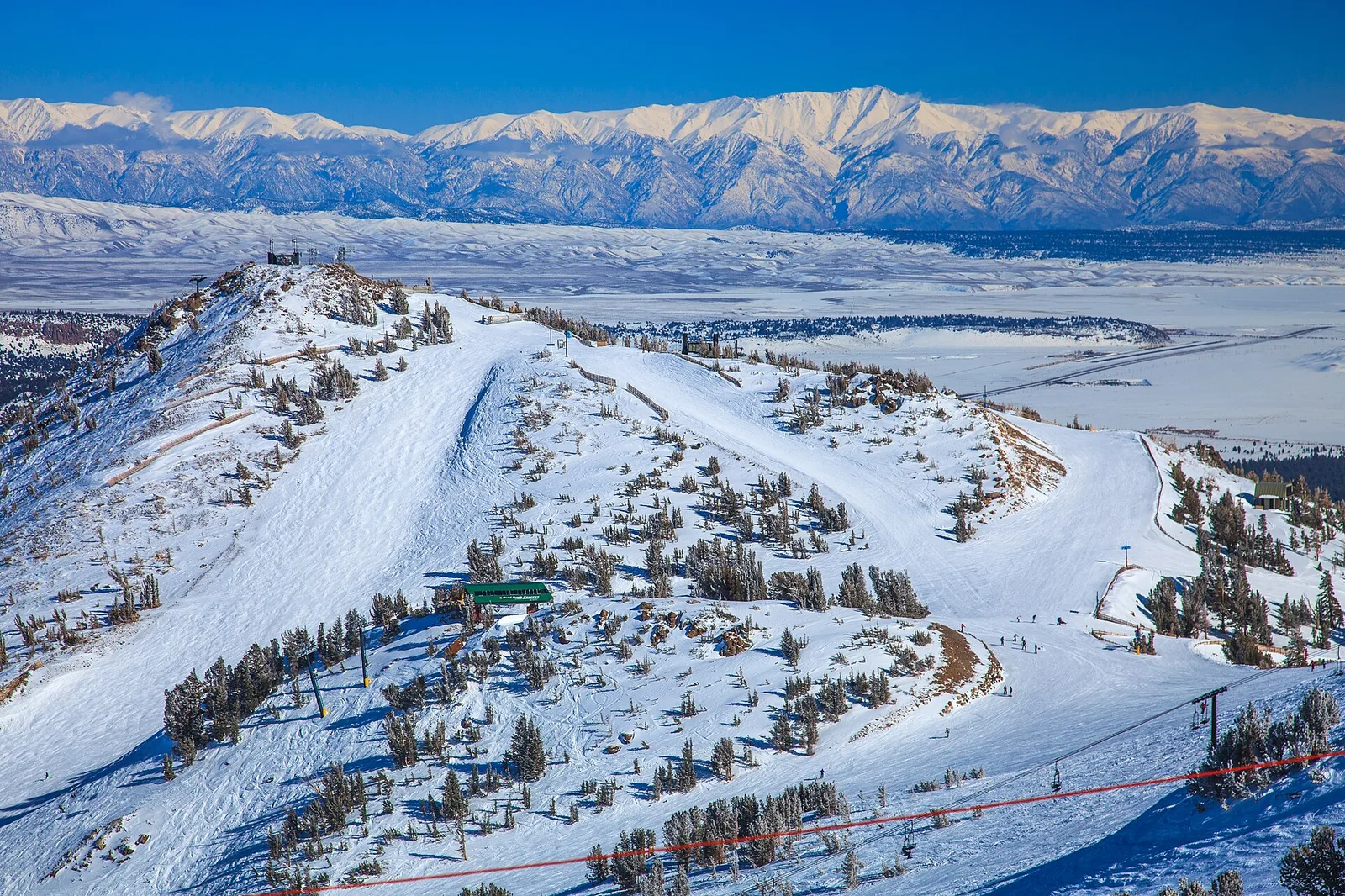
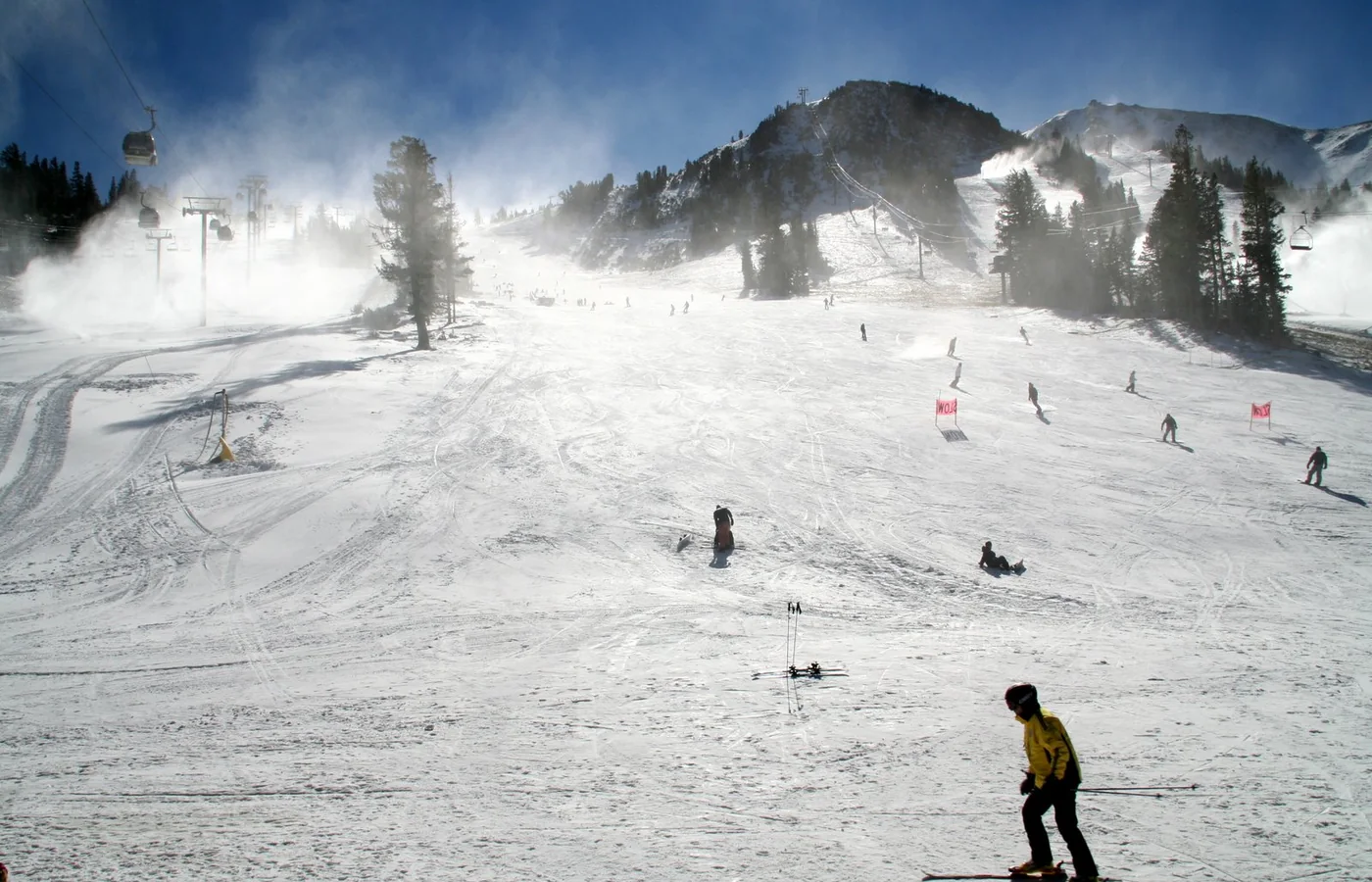
Mammoth Lakes is the Eastern Sierra's company town, and the company is altitude. The town sits at nearly 8,000 feet, Mammoth Mountain rises to 11,053, and the ski season regularly runs from November into late spring — in the biggest snow years, lifts have spun into summer. Unlike most of coastal California, this is a market built for short-term rentals: the majority of the lodging stock is condos in zones where nightly rentals are expressly allowed, the town collects a serious occupancy tax and spends real money marketing itself, and around 2,500 active listings compete for the ski and summer trade. The catch is the zoning map — a voter initiative froze nightly rentals out of the single-family neighborhoods — and the competition, because in a market this deep, an unmarketed condo is just a mortgage with snow on it.
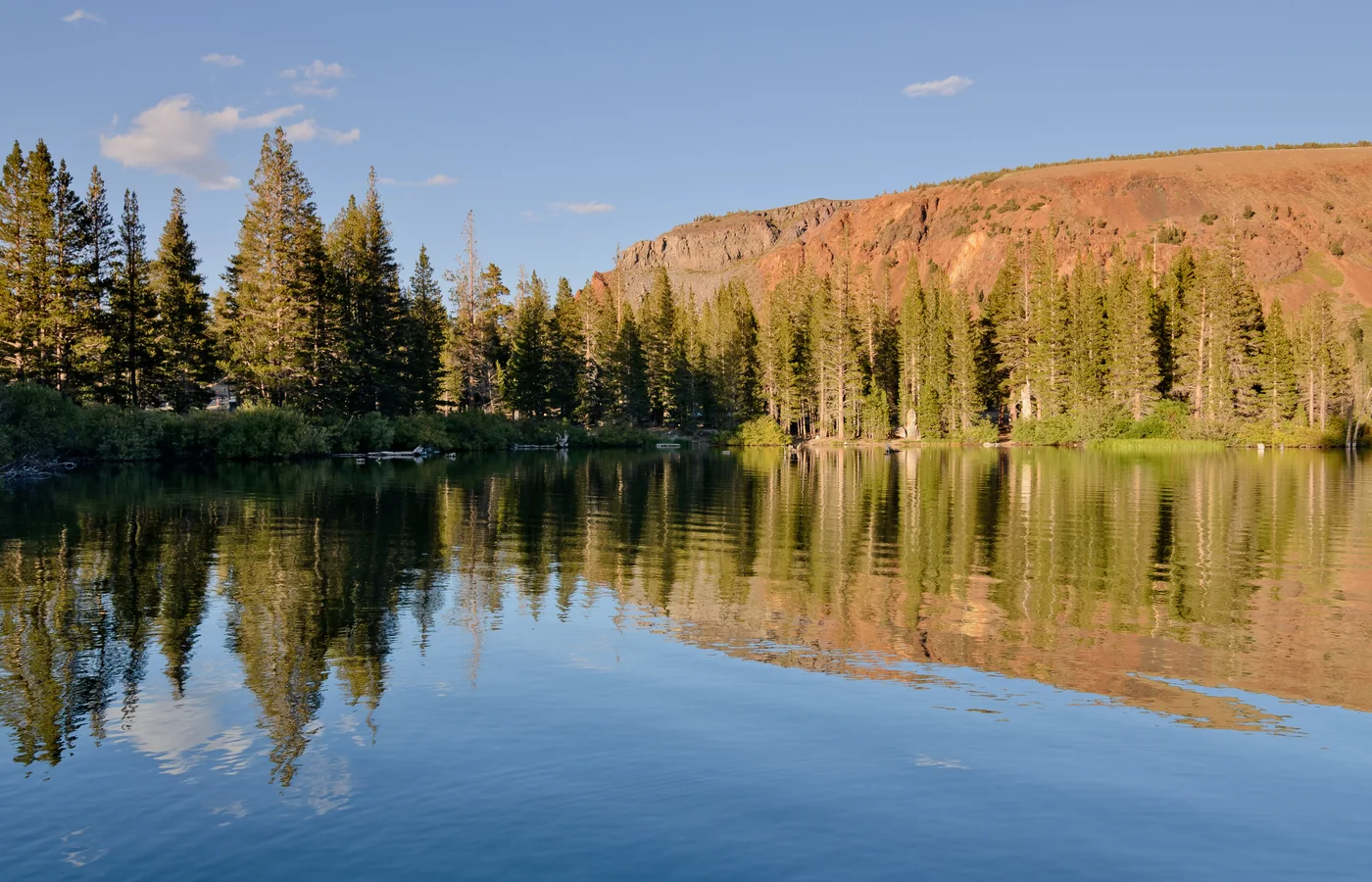
Mammoth runs two seasons and sells three. Winter is the engine — Christmas through Presidents' Day is peak-of-peak, and spring skiing stretches the season through April and often beyond. Summer is the underrated second act: the Lakes Basin, Devils Postpile, the June Lake Loop and Tioga Pass into Yosemite pull hikers, anglers and climbers from the whole state, with the fishing opener in late April and Bluesapalooza in August as bookends. The third product is fall — aspen color and empty trails in September and October at the year's softest rates. Blended nightly rates run around $450 with occupancy in the mid-40s, December strongest and September softest. Supply has grown fast — up roughly a quarter in a recent year — yet rates have held, which tells you demand is still outrunning inventory. The gap between a listing with real winter photography and event-aware pricing and one without is enormous here.
Top Attractions & Landmarks
- Mammoth Mountain
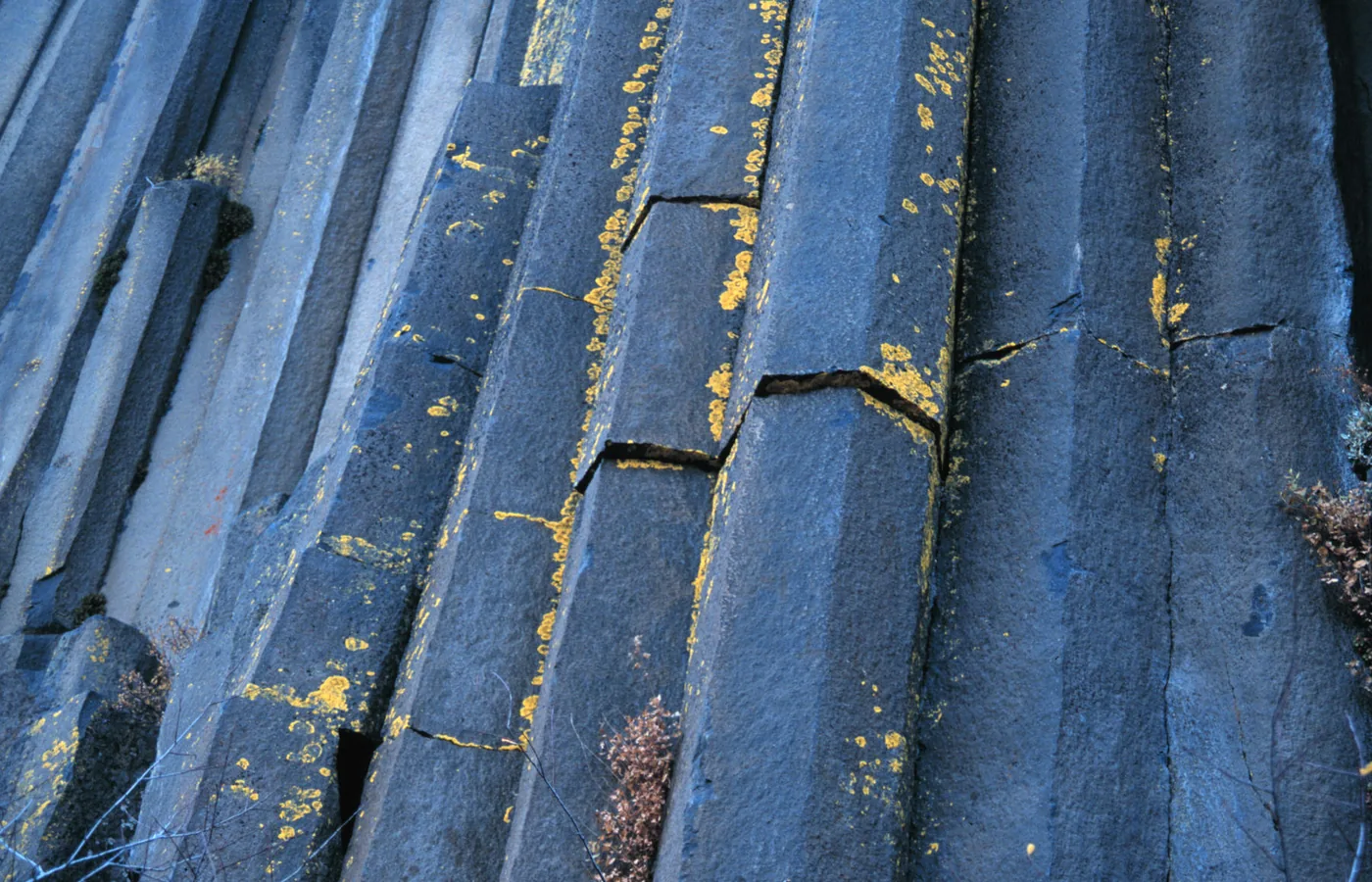
- Devils Postpile National Monument
- Rainbow Falls
- Mammoth Lakes Basin
- Convict Lake
- Hot Creek Geological Site
- Minaret Vista
Nearby Markets: Lake Tahoe | Joshua Tree | Las Vegas