$360
Avg. Nightly Rate
59%
Avg. Occupancy Rate
$5,000
Avg. Monthly Revenue
4-6%
Est. Cash-on-Cash ROI
HIGH
Seasonality
MEDIUM
Regulatory Burden

* Market averages. Properties marketed by Cavmir typically exceed these figures by 25–45%. Data sourced from AirDNA, STR market reports, and Cavmir internal analytics.

The Market

Why Camden is One of the World's Premier STR Markets

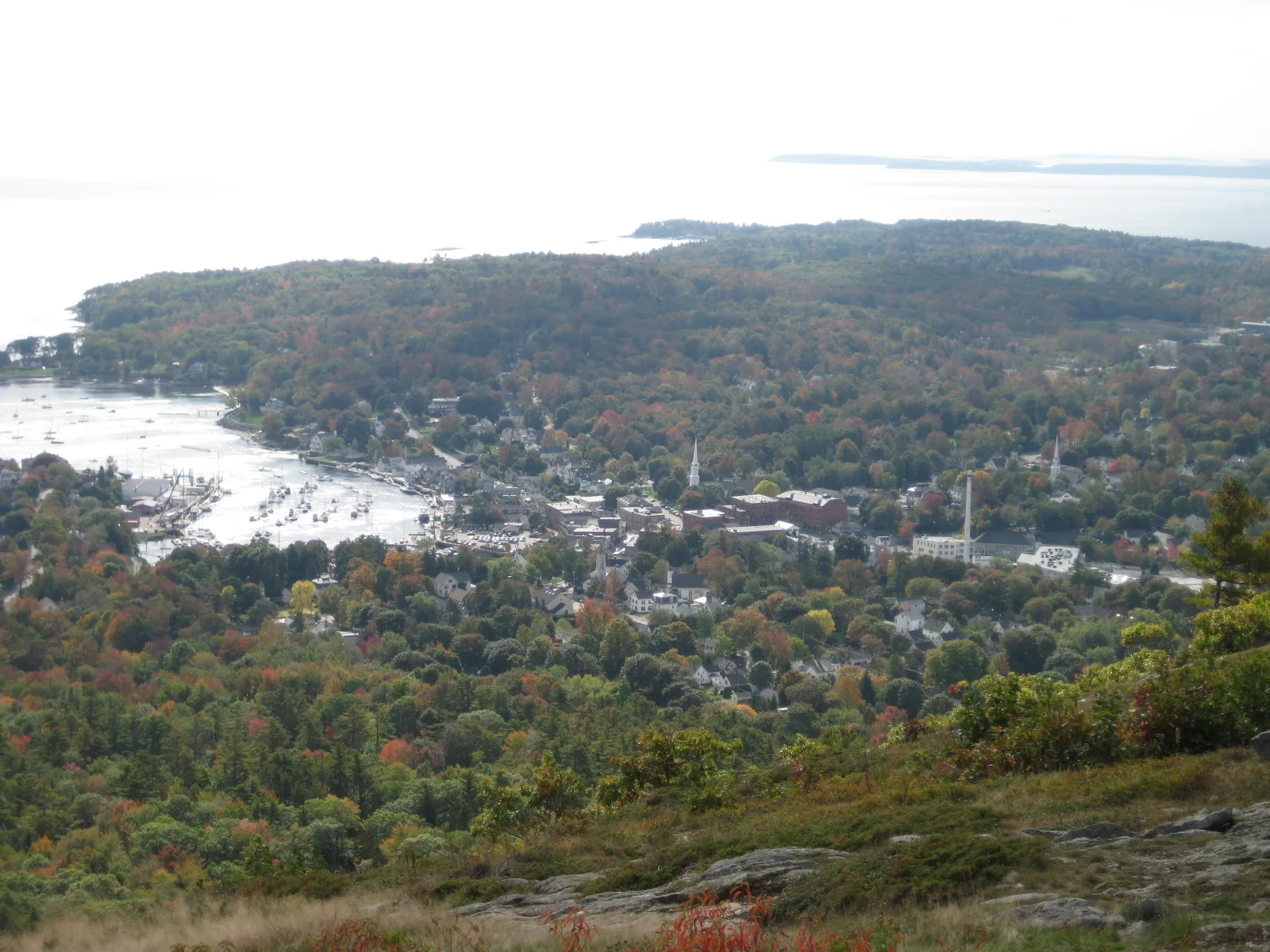
Camden is the town where the mountains meet the sea — the phrase is the local motto, and it is literally true, because the Camden Hills rise straight off Penobscot Bay and the auto road up Mount Battie looks down on a harbor full of tall ships. This is the capital of the windjammer trade: passenger schooner vacations were invented here in 1936, the fleet that sails out of Camden and neighboring Rockland includes some of the oldest working sailing vessels in the country, and Labor Day weekend's Windjammer Festival brings them home in a parade of masts. The midcoast market is really three towns — Camden, Rockport and Rockland — sharing one summer economy, one stretch of US Route 1, and one festival calendar anchored by Rockland's Maine Lobster Festival each summer and, improbably, by February's U.S. National Toboggan Championships at the town-owned Camden Snow Bowl, the only ski area on the East Coast with ocean views. The rulebook grew up recently: Camden's voter-approved licensing took effect January 1, 2025 with annual fees and life-safety inspections, while Rockland has registered rentals since 2016 and caps its non-owner-occupied stock. Maine's flat 9% lodging tax keeps the numbers simple. For the owner of a harbor-view cape or a High Street inn, this is one of New England's most complete small markets — summer-peaked, festival-punctuated, and genuinely open for business in all four seasons.

Camden demand runs a strong Maine summer with an unusually well-furnished shoulder calendar. July and August are the peak — harbor-town families, windjammer passengers bookending their cruises with a night ashore, day-trippers turned weekenders off Route 1 — and Rockland's Maine Lobster Festival bridges late July into August with five days that fill rooms across all three towns. September may be the smartest month on the coast: the Windjammer Festival packs Labor Day weekend, the light turns golden, and couples keep the inns busy through a foliage season that runs to mid-October with Penobscot Bay in the background. Winter is quiet but not dead — the toboggan championships pull thousands to the Snow Bowl in early February, and Christmas by the Sea warms the first December weekend. Blended nightly rates run around $360 with occupancy near 60% across roughly 270 tracked listings, a healthier year-round curve than most seasonal coastal towns manage. The structure of supply matters: Rockland's cap on non-owner-occupied rentals constrains inventory next door, Camden licenses without capping, and the entry prices sit well below southern Maine's beach towns — which is why the yield math here draws the small-inn and harbor-cottage buyer who finds Kennebunkport out of reach.

Top Attractions & Landmarks

  • Camden Hills State Park & Mount Battie
  • The Camden Windjammer Fleet
  • Camden Snow Bowl
  • Curtis Island Lighthouse
  • Farnsworth Art Museum
  • Rockland Breakwater Lighthouse
  • Megunticook Lake

Nearby Markets: Bar Harbor  |  Portland  |  Kennebunkport

Airbnb marketing services in Camden, Maine, USA
Postcards

Camden through the lens

A few of the visual fingerprints we lean into when we shoot, brand and market a Camden property — courtesy of the open Wikimedia Commons archive.

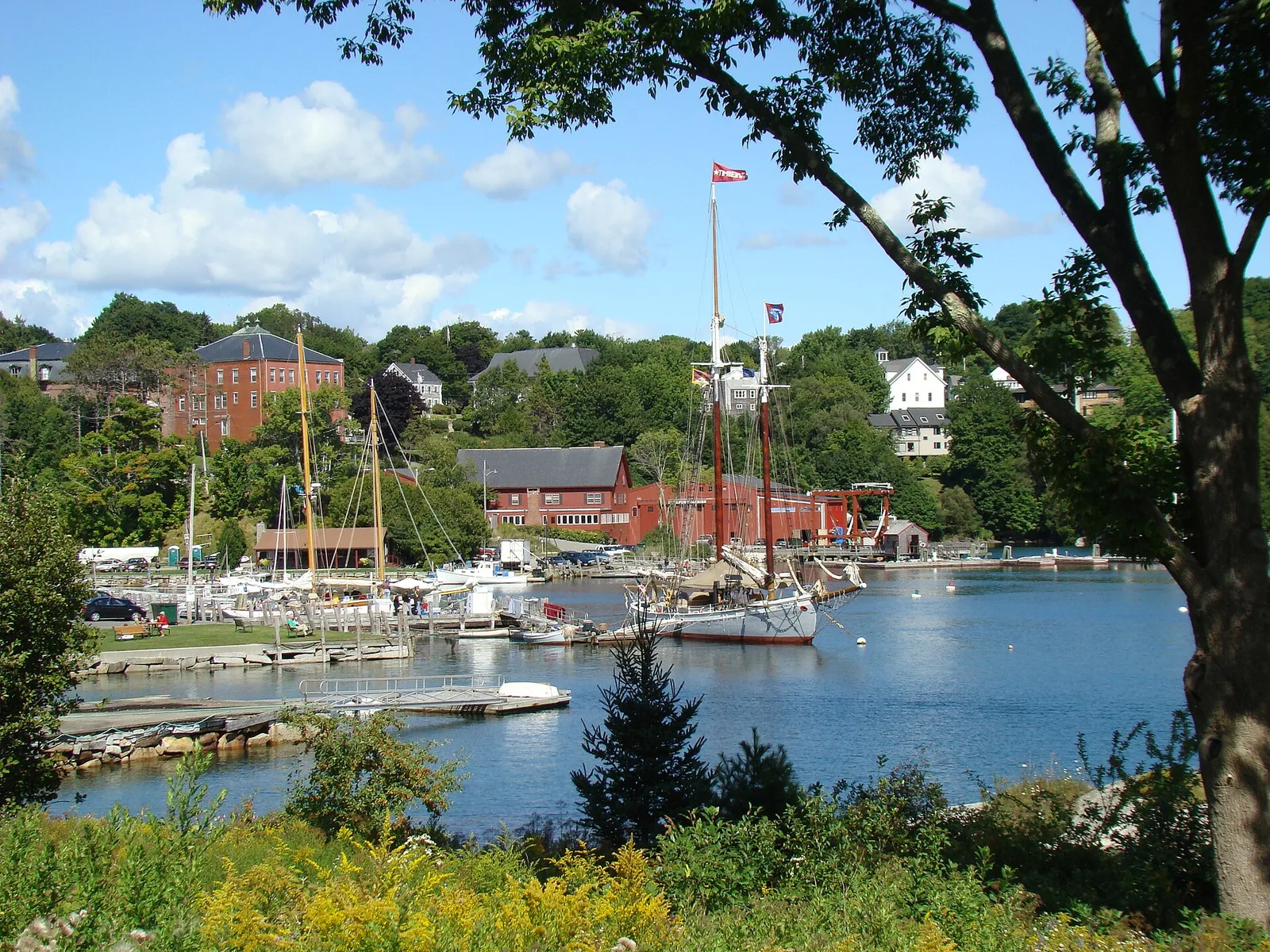
Rockport Harbor — Camden airbnb marketing
Local Color
Rockport Harbor
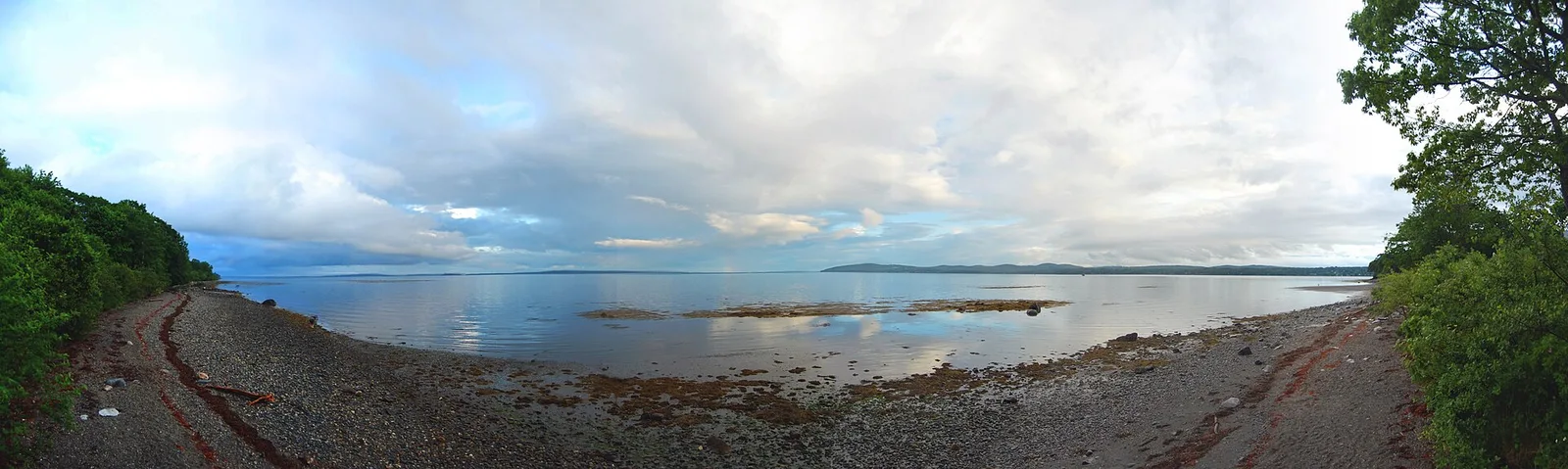
Penobscot Bay panorama — Camden airbnb marketing
Local Color
Penobscot Bay panorama
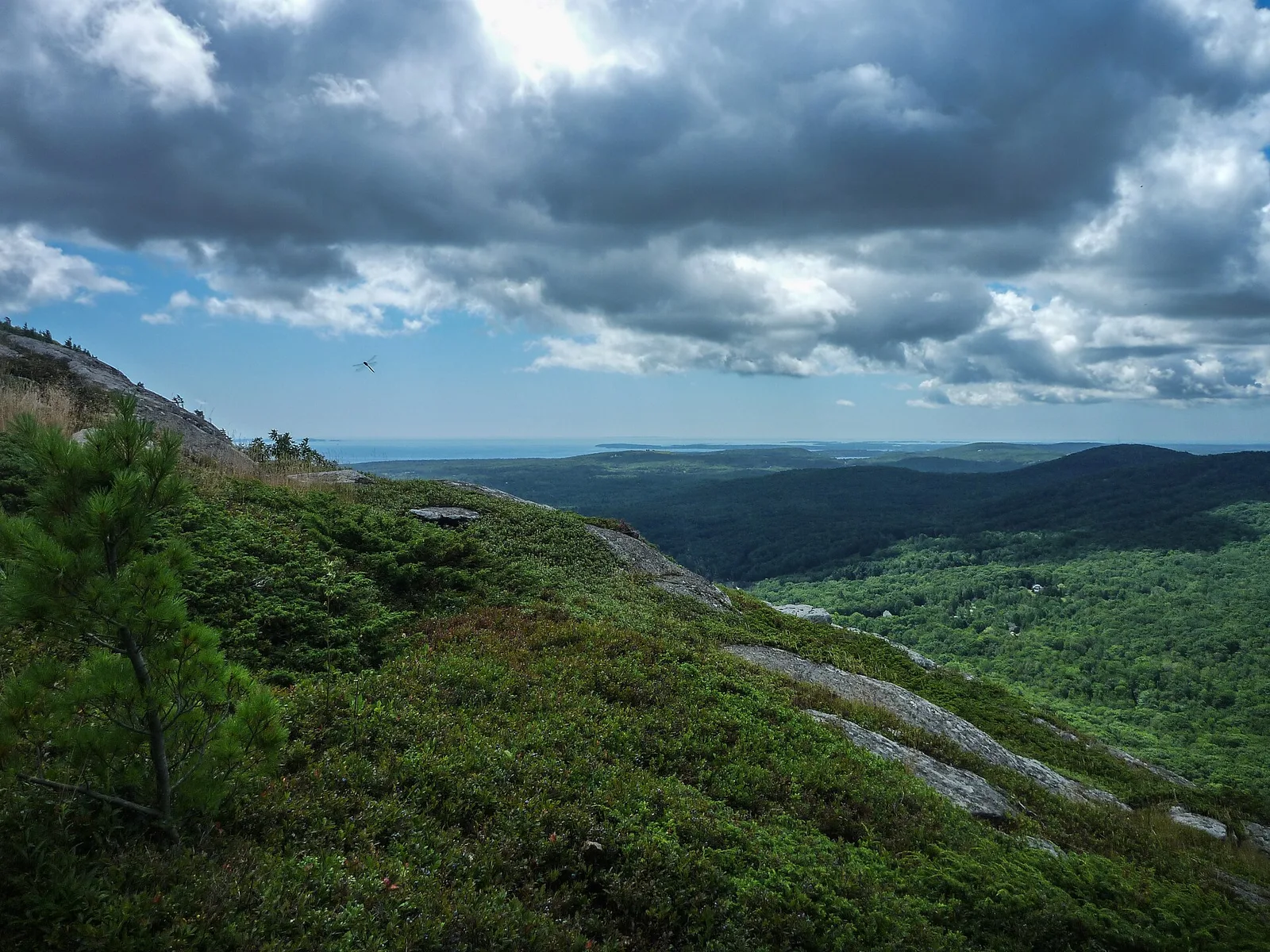
Bald mountain maine — Camden airbnb marketing
Local Color
Bald mountain maine
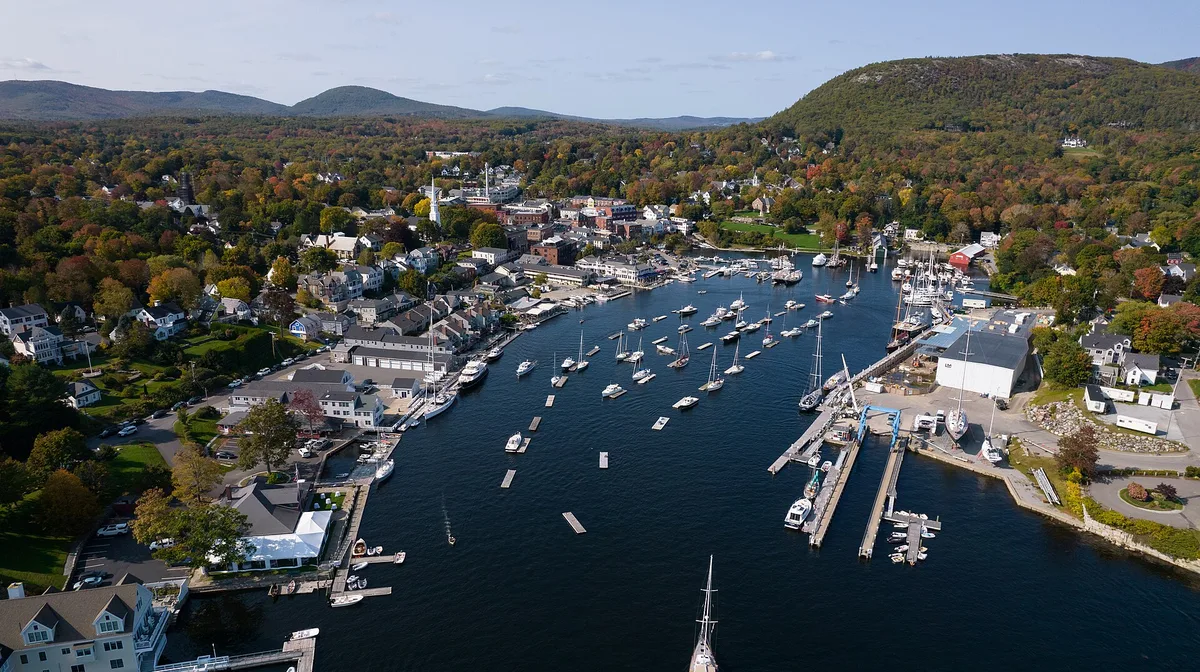
Camden ME aerial — Camden airbnb marketing
Local Color
Camden ME aerial
Why Cavmir

The Cavmir Advantage
in Camden

Cavmir wins in Camden because this market rewards owners who can tell its whole story, and most listings tell a third of it. We shoot the pairing no other coastal town can offer — schooner masts at golden hour and the view from Mount Battie in the same gallery, the Snow Bowl's ocean horizon in winter — because mountains-meet-the-sea is a brand, not a slogan, and almost nobody's photography proves it. We translate the three-town rulebook plainly: which license category a Camden property needs, what Rockland's cap means for a buyer, what the inspection checklist expects — and we make compliance visible, because licensed-and-inspected reads as quality in a town of serious inns. We price the published calendar: Lobster Festival week, Windjammer weekend, September weddings, foliage, the toboggan championships. We write for the guests this market actually gets — windjammer passengers needing a night before the tide, Wyeth pilgrims at the Farnsworth, couples who want the harbor within a short walk — and for the High Street inns we build adults-only positioning and direct-booking websites with repeat-guest programs, because midcoast loyalty runs deep and it should book direct. We help position and market your property. We never manage it or touch your keys.

State of the Industry · History

The Camden STR Market — Past & Present

Camden was incorporated in 1791 on Penobscot homeland, and for its first century it worked: shipyards on the harbor, lime kilns burning down the coast toward Rockland, and woolen mills stacked along the short, hard drop of the Megunticook River. The town's second act began when the schooners became obsolete — and Camden, almost uniquely, kept them. In 1936 a local captain named Frank Swift began carrying paying passengers on aging coasting schooners, inventing the windjammer vacation; the trade he started never stopped, and the fleet sailing from Camden and Rockland today includes some of the oldest working sailing vessels in America, several of them National Historic Landmarks. Money softened the town's edges early: Mary Louise Curtis Bok, heiress to the Curtis publishing fortune and founder of Philadelphia's Curtis Institute of Music, summered here and gave Camden its public library, its Harbor Park and its amphitheatre in the 1920s and 30s. Literature arrived even earlier — in the summer of 1912, a nineteen-year-old Camden girl named Edna St. Vincent Millay recited her poem Renascence, written about the view from Mount Battie, to guests at the Whitehall Inn; a summer visitor was so struck she paid the poet's way to Vassar, and a Pulitzer Prize followed within a decade.

The town has always built its own weather. During the Depression, Camden raised a town-owned ski area — the Snow Bowl, opened in 1936 with a wooden toboggan chute — and in 1991 it revived the chute for the U.S. National Toboggan Championships, which now pull thousands to a frozen pond every February. Hollywood filmed Peyton Place here in 1957 and the town has played postcard-Maine ever since. The regulatory era arrived gently but firmly: Rockland began registering short-term rentals in 2016 and capped its non-owner-occupied stock in 2018, and Camden's voters approved licensing in June 2024, effective January 1, 2025 — annual licenses, category fees, life-safety inspections. A town that invented the windjammer vacation and its own winter carnival was never going to leave its newest trade unmanaged.

Pricing Strategy & Seasonality

Pricing, Seasonality & When to Capture ROI

Pricing Strategy

The rate map runs from the harbor outward. Harbor-view and village-walkable Camden — the streets where a guest can stroll to the floats, the Camden Deli's back deck and the schooner departures — earns the market's premium, and the High Street historic district, the old captains' row that became the inn corridor, commands inn-grade rates for suites with breakfast and a garden. Rockport, five minutes south, sells quiet coves and Beauchamp Point serenity to couples who want the postcard without the foot traffic. Rockland trades a working-city grit for the Farnsworth, the ferry terminal and Main Street's food scene at friendlier buy-ins — with its cap on non-owner-occupied rentals constraining supply — and Lincolnville Beach and the Route 1 corridor north are the value entries that borrow Camden's demand. Inland, Megunticook Lake houses run a parallel summer market of docks and loons. Blended nightly rates run around $360 with occupancy near 60% across roughly 270 tracked listings — a steadier curve than most Maine coastal towns, because September and October here genuinely produce. The honest math: entry prices sit well below southern Maine, the festival calendar props the shoulders, and the premium accrues to water views, walkability and the inn product the town was built around.

Seasonality & ROI Windows

July and August are the peak, with Rockland's Lobster Festival bridging the months and harbor towns full. September is the connoisseur's season — the Windjammer Festival packs Labor Day weekend, the weddings arrive, and warm afternoons hold. Foliage over Penobscot Bay runs to mid-October and books the couples trade. November quiets; Christmas by the Sea warms the first December weekend; deep winter runs small but real, spiking when the toboggan championships fill the Snow Bowl in early February. April is mud-and-maintenance month. The smart calendar prices the festival weekends hard, works September like a second July, and keeps winter open at honest rates.

Regulation & Licensing · 2026

What the Law Requires in Camden

The midcoast runs three rulebooks, and knowing which one governs your address is the first job. Camden licenses short-term rentals under the voter-approved rules that took effect January 1, 2025: an annual license per dwelling unit, applied for by the owner of record — property managers and lessees cannot hold the license — through the town's online portal, with life-safety inspection requirements and fees by category: on the order of $350 for owner-occupied residential, $500 for seasonal properties, and $1,000 for commercial (non-owner-occupied) rentals, plus a modest surcharge for septic systems. Camden adopted no cap — a proposed limit on commercial licenses was dropped before passage — but the categories and fees make the town's priorities plain. Rockland has regulated longer and harder: rentals register annually with code enforcement, and the city has capped non-owner-occupied short-term rentals since 2018, so verify availability under the cap before buying an investment property there. Rockport has historically run lighter-touch — confirm current requirements with the town office before listing, because midcoast rules have been moving.

The state layer is simple: Maine's 9% lodging tax on stays under 28 days, collected by the platforms on their bookings and through your own Maine Revenue Services registration on direct bookings. No municipal lodging taxes exist anywhere in Maine. As of 2026 the Camden framework is young and functioning — the first renewal cycles are settling in — and the practical posture is straightforward: license in the right category, pass the inspection, keep the renewal current, and let compliance be part of the brand, because in a town of inspected inns, the licensed listing reads as the professional one.

Market-Specific Tips & Challenges

Local Tips & Unique Market Challenges

Tips That Actually Move Revenue in Camden

The Camden strategic tip: sell both halves of the motto. Every listing here shows the harbor; almost none shows the mountains that meet it. The gallery that pairs schooner masts at golden hour with the view from Mount Battie — and, in winter, the Snow Bowl's ocean horizon — is telling the only story no other coastal town in America can tell, and it wins the booking.

Tactically: first, price the festival calendar like the published demand it is — Lobster Festival week, Windjammer weekend, the toboggan championships and Christmas by the Sea are dated, recurring and searchable, and flat pricing donates them. Second, work September like a second July: the light is better, the weddings are booked, the windjammers still sail, and rates hold for owners who keep minimums and marketing running past Labor Day. Third, write for the windjammer bookend — passengers sailing Monday need Sunday night ashore, and the listing that names the walk to the harbor floats and offers luggage grace captures a guest nobody else is addressing. Fourth, borrow Rockland's art gravity: the Farnsworth's Wyeth collection pulls a cultured, shoulder-season guest, and a cheat sheet that pairs the museum with a Main Street lunch converts rainy days into bookings. Fifth, build the direct channel around the inn tradition — this coast's guests return annually, adults-only suites fit the market's quiet-couples core honestly, and a spring email with a returning-guest rate fills September before the platforms do.

Unique Camden Challenges

The trade-offs: this is a compressed season stretched by festivals, and deep winter — toboggan weekend aside — is genuinely quiet, so underwrite November through April honestly. Route 1 traffic makes summer Saturdays crawl, harbor-view parking is scarce, and fog can flatten a July week without warning. The three-town rulebook confuses buyers — Camden licenses, Rockland caps, Rockport differs — and the housing stock is old enough that inspection items and upkeep are real line items. Coastal insurance is climbing here as everywhere in Maine. Buy for September strength, not just August.

A Curious Camden Fact
Camden's biggest winter weekend runs on a wooden chute built during the Depression. The town-owned Snow Bowl — opened in 1936, and the only ski area on the East Coast where you can see the ocean from the slopes — kept a 400-foot toboggan chute among its original attractions, and after rebuilding it the town launched the U.S. National Toboggan Championships in 1991. Every February since, hundreds of teams — many in costume, few with any qualifications, since the event cheerfully requires none — rocket down the country's only surviving traditional wooden chute at around forty miles an hour and shoot out across frozen Hosmer Pond while thousands cheer from the ice. It is the rare resort town that engineered its own February demand spike from scratch — with lumber, gravity and a straight face.
Finance Essentials — Camden
🛡️

Insurance

Midcoast underwriting balances ocean and age. Wind and storm exposure price into harbor-adjacent properties, and low-lying waterfront near the harbor and along the bay warrants a flood-zone check — standard policies exclude flood, so the NFIP or private market fills the gap where maps demand it. The housing stock is the bigger variable: nineteenth-century captains' houses and converted inns carry replacement costs and system questions (heating, chimneys, knob-and-tube legacies) that carriers probe, and wood stoves need documentation. Short-term-rental operations need true STR or commercial hospitality coverage with liability sized for porches, docks and guest counts — lake properties on Megunticook add waterfront liability of their own. Camden's licensing inspection actually helps here: the life-safety file you build for the town is the same one that satisfies a carrier. Use a Maine broker who writes Knox County inns routinely.

🧾

Property & Income Tax

Maine's lodging tax is a flat 9% statewide on stays of fewer than 28 consecutive days — no county or town lodging taxes exist, so Camden's rate is Maine's rate. Platforms collect and remit as marketplace facilitators on their bookings; direct bookings through your own website file through your Maine Revenue Services registration on the state's schedule. Stays of 28 days or more fall outside the tax, which matters for winter monthly rentals. Rental income then faces federal and Maine income tax, and Camden's local license fees — by category, with renewal each year — belong in the operating budget alongside Knox County property taxes. Rates move only when Augusta acts, and the Legislature revisits lodging taxation periodically, so confirm the current figure with your accountant before each season.

🏦

Mortgages & Financing

Camden is one of the last premium New England harbor towns where the financing math still works on quasi-ordinary terms: plenty of product prices inside conforming limits, conventional investment loans and DSCR both close here, and documented summer-and-September income carries a DSCR file convincingly. The frictions are age and category: nineteenth-century houses stump conservative appraisers, inn-conversion properties sit in a gray zone between residential and commercial paper — the true inn play routes through commercial or SBA lending with the license and inspection file attached — and seasonal-water properties (Camden's own licensing category acknowledges them) raise winterization questions that affect both loans and insurance. Rockland investment purchases add the cap contingency: no license capacity, no deal. Maine's regional banks handle midcoast files with a fluency national desks lack. The strategic rule: finance against the September you can document, and let the festival calendar — not leverage — do the stretching.

Future Outlook · 2027 & Beyond

Where Camden is Headed Next

Camden's future is the strongest kind for small-market owners: durable demand, disciplined supply, and a calendar the town keeps engineering itself. The licensing regime is young — watch how the first renewal cycles settle, whether Camden ever revisits the commercial cap it declined to adopt, and how Rockland tunes its long-standing one — but the direction is stability, not prohibition. Demand-side, the windjammer trade keeps drawing national press, the Farnsworth anchors a year-round cultural draw, and the town's festival machine — Lobster Festival to Windjammer weekend to toboggan nationals to Christmas by the Sea — keeps converting shoulder months into bookable weekends. Climate is quietly kind here too: cooler midcoast summers read as a refuge as the rest of the seaboard heats. The durable play into 2027 and beyond is a licensed, inspected property — harbor-walkable cottage or High Street inn — with photography that sells mountains and sea together, festival-priced weekends, and a direct channel full of returning September couples. The town that invented the windjammer vacation keeps rewarding owners who sell it properly.

From the Desk of Sofie Sinag

Why We Love Marketing in Camden

Camden hands its marketers the only two-line pitch on the Atlantic coast — mountains that meet the sea — and then backs it up: a stone tower above a schooner harbor, a ski hill with an ocean view, a fleet of Historic Landmark sailing ships that parade home every Labor Day. We love markets where the story is true and undersold, and this is the archetype: most listings here show a harbor photo and stop, while the town's actual brand — sail it in the morning, summit it after lunch, toboggan it in February — goes unclaimed. The festival calendar is a pricing engine handed to owners on a plate: Lobster Festival, Windjammer weekend, the toboggan nationals, Christmas by the Sea — dated, recurring, searchable demand that rewards anyone who prices it on purpose.

We love the literary romance of the inn stock — a nineteen-year-old poet recited her way from the Whitehall Inn's parlor to Vassar and a Pulitzer, and the High Street houses still trade on exactly that kind of evening — and we love the structure of the market: Rockland's cap disciplines supply next door, Camden licenses and inspects without capping, entry prices undercut southern Maine, and September performs like a second July for owners who work it. Add the windjammer bookend guest that nobody writes for, the Wyeth pilgrims at the Farnsworth, and a town that built its own February demand out of lumber and gravity, and the midcoast offers what we prize most: a market where craft, not budget, decides who wins.

Why It Matters

A great property in Camden doesn't just want a listing — it wants a point of view, an audience, and a brand the city itself would recognise.

Cavmir's Camden Cheat Sheet

The Picks We Recommend for Your Welcome Book

A few honest, insider picks for Camden — the specifics that make a listing read like a local wrote it, because one did. Real places, no filler.

Coffee & First Light

Zoot Coffee, then the harbor floats

Coffee on Elm Street, then down to the public landing while the schooners ready their sails and the fog lifts off Curtis Island. The harbor's working hour is the best show in town and it's free — send guests before eight.

Golden Hour

Mount Battie's stone tower

The auto road in Camden Hills State Park climbs to the summit where Edna St. Vincent Millay found her first great poem — village, harbor, islands and the whole of Penobscot Bay below in evening light. The single photograph that sells the midcoast.

The Table Worth Booking

Long Grain

The little Thai kitchen that national food press keeps finding — handmade noodles, local seafood, a handful of tables. Book well ahead and tell guests to; a listing that names it and warns about the wait reads instantly local.

Local Obsession

Schooner-spotting from Harbor Park

Which boats are in, which are out, whose masts those are against the sunset — the fleet includes some of the oldest working sailing vessels in the country, and the town tracks their comings and goings like weather. Ten minutes on a bench here converts guests into annual returners.

Rainy Day

The Farnsworth in Rockland

Three generations of Wyeths ten minutes down Route 1, in a museum that would be the pride of a city five times Rockland's size — pair it with a Main Street lunch and the fog becomes a feature. The midcoast's best bad-weather answer.

Shoulder Season Secret

September on the water

The windjammers still sail, the weddings bring the prettiest weekends, the water holds its warmth and the crowds thin — September is the connoisseur's Camden. Hold real rates past Labor Day; the demand is there for owners who ask.

Weekend Escape

The Rockland Breakwater

Nearly a mile of granite blocks walking straight out to sea, ending at a lighthouse with the whole bay around you — bracing in any season, unforgettable in a north wind. The free adventure guests remember longest.

What Guests Ask For

The view, the parking and the fog

The three questions before booking: can you actually see the water, where does the car go near Route 1 on a Saturday, and what happens if the fog sits. Answer plainly — name the view's exact angle, the parking spot, and the Farnsworth-and-chowder fog plan — and the cautious booking converts.

Local Work · Composite Case Vignettes

What Cavmir Has Done for Camden Properties

A few composite engagements drawn from how Cavmir typically works in this market. The details are illustrative and consistent with Camden, not pulled from a single named client.

Six-suite inn · High Street
The Brief

A captains'-row inn with real bones ran interchangeable OTA listings — no adults-only positioning for an adult clientele, no festival packaging, September softening the moment Labor Day passed, and a license and inspection nobody could see.

What We Did

Cavmir repositioned it as an adults-only literary retreat trading on the street's Whitehall-era romance, shot the parlors in lamplight and the garden at golden hour, priced Windjammer weekend and foliage properly, made the license and life-safety inspection visible, and launched a direct site with a returning-couples rate.

The Result

September held July rates for the first time, Windjammer weekend sold out on the direct channel, and the inn's repeat list — anniversary couples, mostly — became its largest source of nights within two seasons.

Harbor-view cape · village edge
The Brief

A commercial-category rental with a genuine water view buried the fact — one distant photo, no walk-time to the floats, nothing for the windjammer passengers who book nights ashore, and flat pricing through the festival calendar.

What We Did

Cavmir reshot the view at dawn and dusk, wrote the windjammer-bookend copy — the walk to the landing, luggage grace, sailing-day breakfast — set festival and Lobster Week pricing with minimums, and made the town license part of the listing's trust story.

The Result

Festival weekends booked out months ahead at proper rates, the cruise-passenger niche filled Sundays and Thursdays nobody had monetized, and the cape moved from mid-pack to the reference listing for its street.

Farmhouse · Rockport line
The Brief

A farmhouse between the villages served no one in particular — family-sized but marketed vaguely, empty through the wedding shoulder, with Megunticook Lake and the Snow Bowl fifteen minutes away and absent from the listing.

What We Did

Cavmir aimed it at wedding parties and reunion groups: group-stay copy with the barn venues named generically by distance, September and foliage pricing, a winter page built on the Snow Bowl's ocean-view skiing and the toboggan championships, and lake-day itineraries for summer.

The Result

Wedding-block inquiries became the farmhouse's core autumn business, toboggan weekend booked solid each February, and a property that once competed on price began winning on fit.

Market Intelligence · Seasonality

Airbnb seasonality in Camden, month by month

Demand in Camden peaks around July through September and runs quietest around January. Here is how the year actually books — and what to do about each stretch of the calendar.

Peak demandSteadyQuiet

Peak season

July through September is the engine — schooners in the harbor, Camden Hills full, the festival calendar rolling — and September deserves to be priced as peak, not shoulder: the Windjammer Festival and film festival carry it, the light is the year's best, and the crowds are kinder. Publish the season early and hold the harbor-view premium with confidence.

The shoulders

June opens fast as the windjammer fleet returns, and October rides coastal foliage from Mount Battie at rates that should stay firm on weekends. The Lobster Festival in nearby Rockland spikes late July, and wedding weekends pepper the whole stretch. May is honest build-up — price it gently and let the season arrive.

The quiet stretch

November through April is the real quiet, punctuated by one glorious exception in February when the toboggan championships fill the town for a winter weekend. Otherwise take the midweek couples and monthly stays, mind the storm calendar, and use the deep quiet for maintenance and the reshoot.

Dates that fill first

US National Toboggan ChampionshipsFebruary
The Snow Bowl's wooden chute fills the town for one costumed winter weekend — the coast's best cold-season booking spike.
Camden Windjammer FestivalLabor Day weekend
The fleet gathers under full sail and September opens at peak — price the weekend like July.
Maine Lobster Festivallate July into early August
Rockland's giant festival next door spills lodging demand up the coast for its five-day run.
Camden International Film FestivalSeptember
The documentary festival extends September's strength another premium weekend.
Market Intelligence · Guests

Who books Camden Airbnbs — and how far ahead

Harbor-and-hills couples
The core guest — schooner day sails, Mount Battie at golden hour, gallery afternoons; they book two to three nights and repeat on anniversaries.
Windjammer and sailing guests
Fleet passengers bookending cruises and sailors chasing the harbor; walkability to the landing decides them.
Leaf-and-coast road-trippers
October travelers pairing foliage with lobster; they convert on Mount Battie photography and honest drive-time copy.
Toboggan-weekend crews
February's costumed teams and spectators — a short, dense, cheerful trade that books the town solid once a year.

The booking window

September's festival weekends and high-summer weeks fill months ahead; October weekends inside six weeks; the toboggan weekend books early among those who know. Winter otherwise decides late.

Typical stays

Two-to-three-night stays dominate year-round, stretching toward four and five in high summer. The festival weekends book short and dense; winter's rare bookings skew midweek.

Where guests drive from

PortlandBostonBangorPortsmouthAugusta

Where guests fly from

New YorkPhiladelphiaWashington
Boston and Portland anchor the drive trade, with the mid-Atlantic flying into Portland or Bangor for midcoast weeks — and September's connoisseur crowd skews notably from the cities.
Market Intelligence · What Wins

The Airbnb that wins in Camden

The winner pairs the harbor with the hills: a village Victorian walkable to the landing, or a cottage with water or Mount Battie views. Character, gardens and porches out-earn square footage all along this coast.

Amenities that move bookings here

harbor or hills viewswood fireplacegarden seatingwalk-to-harbor locationsoaking tubfast wifi
The highest-leverage move is pricing September as peak — the Windjammer and film festivals plus the year's best light make it Camden's true high month, and half the market still discounts it.
Straight Answers

Camden Airbnb marketing questions, answered

How do I market my Airbnb in Camden?

Sell mountains-meet-sea specifically: the schooner masts from the footbridge, Mount Battie's view, minutes on foot to the landing. Price September as the peak it truly is, work the festival weekends by name, and photograph golden hour on the harbor above all. A direct-booking site with an anniversary list suits this coast's repeat romantics perfectly. That whole layer — photography, copy, direct booking and local search — is what Cavmir builds for hosts here.

When is peak season for Camden Airbnbs?

July through September, with September a true peak on the Windjammer and film festivals and the year's finest light. October rides coastal foliage, June opens fast, and February's toboggan weekend is winter's cheerful exception.

How far in advance do guests book Camden Airbnbs?

High-summer weeks and September's festival weekends fill months ahead. October converts inside about six weeks, the toboggan weekend books early among returning teams, and the deep winter otherwise decides late.

Where do most Camden Airbnb guests come from?

Boston and Portland lead the drive trade, with Bangor and the Seacoast filling in and a mid-Atlantic crowd flying into Portland for midcoast summer. The September connoisseurs skew urban and repeat-prone.

What amenities matter most for a Camden Airbnb?

A harbor or hills view converts at a premium, and a wood fireplace carries the shoulder and winter trade. Garden seating and walkability to the landing decide the summer couples, and a soaking tub quietly wins the anniversary bookings.

Free Tools · Websites That Book

See what your listing in Camden is leaving on the table

Run your Airbnb, Vrbo, or website through Cavmir's free grader. It checks the things that decide whether guests book in Camden — photos, listing copy, page speed, local search — and shows you where bookings leak. Takes about a minute, and there's no sales call attached.

If the report says your booking engine is the weak link, that's fixable: a direct-booking website of your own means repeat guests stop paying platform fees to come back to you. That's the work Cavmir does — see Airbnb website design in Camden.

What the grader measures

  • Photos and the first-impression frame
  • Listing title and copy
  • Your direct-booking website (or the lack of one)
  • Page speed and mobile experience
  • Local search and Google visibility
Grade My Listing — Free
Ready to Grow in Camden?

Let's Put Your Camden
Property on the Map

Talk to Cavmir today. We'll show you exactly what your Camden property is leaving on the table — and how fast we can change that.

Book a Free Strategy Call