



.jpg)




The Marginal Way
The cliff path
A mile and a quarter from the village to Perkins Cove, public since 1925 and free. The best thing here and the easiest to sell.

Expert short-term rental marketing to grow your bookings and nightly rate in Ogunquit, Maine, USA.
* Market averages. Properties marketed by Cavmir typically exceed these figures by 25–45%. Data sourced from AirDNA, STR market reports, and Cavmir internal analytics.
Ogunquit takes its name from an Abenaki word usually translated as beautiful place by the sea, which is an unusually accurate piece of naming. The town sits on the southern Maine coast with more than three miles of sand beach on one side and a rocky shore on the other, joined by the Marginal Way, a mile and a quarter of paved footpath that runs along the top of the cliffs from the edge of the village to Perkins Cove. The path is the single best thing here and it is free. Perkins Cove itself is a working harbour with a pedestrian drawbridge that still gets raised to let boats through. What separates Ogunquit from the other pretty towns on this coast is that it has been an artists' town since well before it was a resort. Charles Woodbury came in the 1880s, opened a summer painting school in 1898, and by the 1920s there were competing art colonies here; the Ogunquit Museum of American Art is a direct descendant. The Ogunquit Playhouse, running since 1933, is one of the genuinely important summer theatres in the country. The town has also been a welcoming and established destination for LGBTQ visitors for decades. For an owner, this is a short, intense, high-rate season in a market that has historically rented by the week rather than by the night.
Ogunquit rents in weeks, and that is the most important operational fact about this market. Secondary sources report that the town imposes a seven-night minimum stay on short-term rentals, which would make this a Saturday-to-Saturday town by ordinance rather than merely by habit. We have not been able to confirm that figure from the Town's own published material, and because it would fundamentally determine how a property here is priced and marketed, you should confirm the current minimum-stay requirement with the Ogunquit Town Clerk directly before relying on it. What is clear either way is that the weekly rhythm is the commercial reality here, and pricing a property as a two-night market misreads it. On the requirements that are consistently reported: owners must obtain Business Registration through the Town Clerk's Office, with the application process now handled online, and must comply with the town's safety code, including smoke detectors on each level and in every bedroom and carbon monoxide detectors where there are fuel-burning appliances. Separately, operators need a Retailer's Certificate from Maine Revenue Services and file returns monthly or quarterly depending on volume. Maine's state lodging tax applies to short-term rental stays and has been reported at 9%; confirm the current rate with Maine Revenue Services rather than from a guide. Verify the registration fee and any occupancy cap with the Town before you advertise.
Nearby Markets: Kennebunkport | Portland | Boothbay Harbor
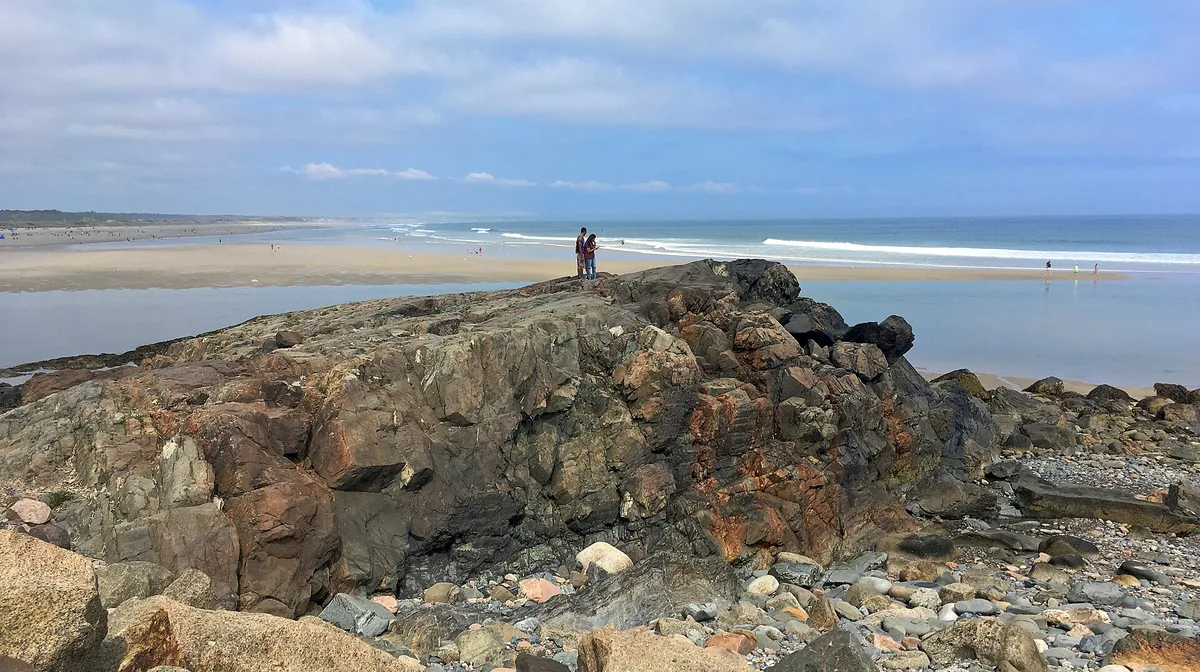
A few of the visual fingerprints we lean into when we shoot, brand and market a Ogunquit Maine Marginal Way property — courtesy of the open Wikimedia Commons archive.
Cavmir markets Ogunquit properties for the way this town actually books, which is by the week and a long way in advance. A market that rents Saturday to Saturday rewards completely different marketing from one that fills with two-night weekends: the guest is planning a whole holiday rather than a getaway, they are booking in January for July, they are bringing family, and they care enormously about what the week will feel like rather than what the kitchen island looks like. We write for that guest. We map the walk to the beach and to the Marginal Way in minutes from your door, because in a town this compact the difference between a five-minute and a fifteen-minute walk with beach gear and children is the entire booking decision. We photograph in the morning light on the cliff path and in the evening at the cove, and we shoot the property as somewhere you would spend seven days rather than pass through. We sell the shoulder seasons deliberately, because September here is often better than August and the Playhouse season and the autumn coast are genuinely under-marketed. Then we build a direct booking site, which matters more in a weekly-rental market than almost anywhere, run local SEO, and hold the guest relationship, because Ogunquit families come back for years. We help position and market your property. We never manage it or touch your keys.
Two art colonies taught America what Perkins Cove looked like, and the town has lived on that image since. Cavmir carries the story forward.

Ogunquit's name comes from the Abenaki and is generally translated as beautiful place by the sea. It was part of Wells for most of its history and only separated as its own town in 1980, which is recent enough that plenty of residents remember it. For two centuries this was a fishing and shipbuilding stretch of coast, with Perkins Cove a working harbour sheltering a small fleet, and the sandy peninsula north of the Ogunquit River largely empty. What changed the town was painters. Charles Woodbury, a Boston artist, came in the 1880s, bought land at Perkins Cove, and in 1898 opened a summer school of painting. He described the place as an artist's paradise and taught here for decades. Hamilton Easter Field established a second, more modernist colony nearby in 1911, converting fishing shacks around the cove into studios, and for years the two colonies coexisted in a state of productive disagreement about what art was for. That history is why Ogunquit has the Ogunquit Museum of American Art, which sits on the shore south of the village and holds a serious collection, and the Barn Gallery in the village, and it is why the town has always had a slightly different character from the resort towns on either side of it. The Ogunquit Playhouse opened in 1933 and became one of the significant summer theatres in the country, with a season that still draws people from across New England. The Marginal Way, the cliff path linking the village to Perkins Cove, was given to the town in 1925 by a farmer named Josiah Chase and has been public ever since. Ogunquit has also been, for many decades and long before it was common, a welcoming and established destination for LGBTQ visitors, and that community remains a significant and loyal part of the town's summer. For an owner, the inheritance is a compact, walkable, high-rate town with a short season and a settled weekly rental rhythm.
Before the platforms, the colonies painted Perkins Cove onto gallery walls, the Playhouse put the town on marquees, and postcard racks did the volume work. The channel changed; the job is identical: presentation, positioning, and a cove that composes itself. It is the same business Cavmir is in today.
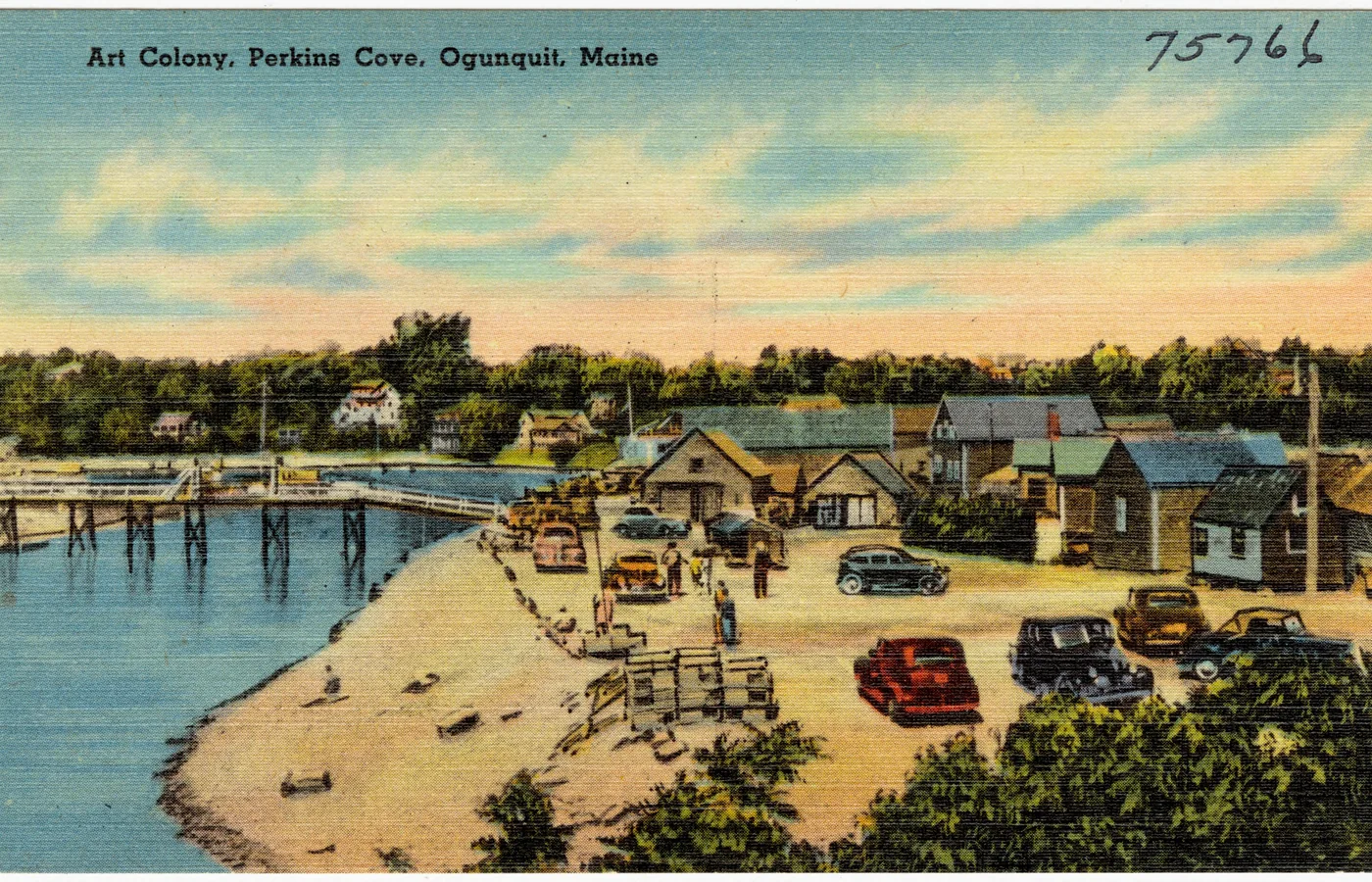
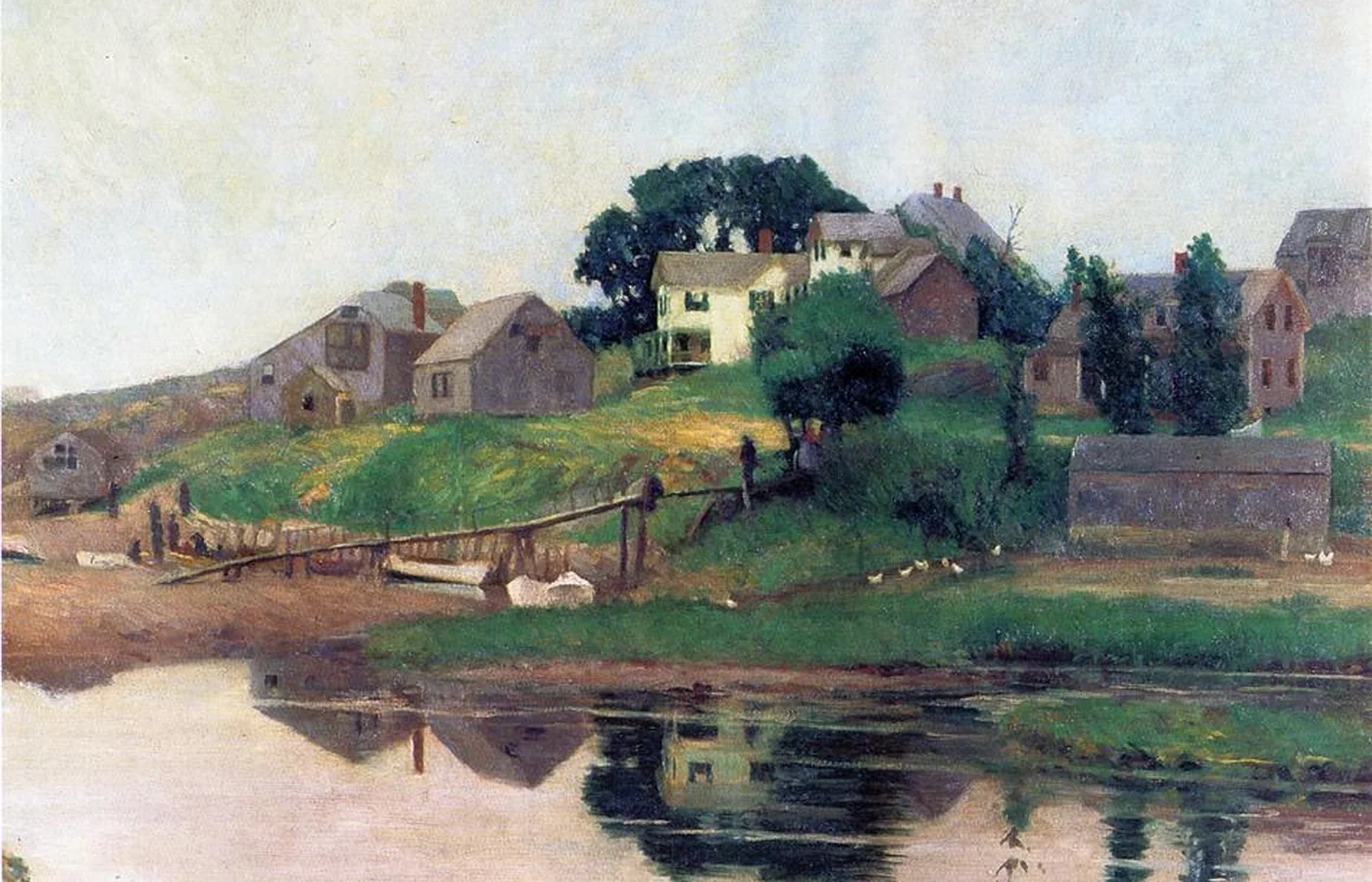
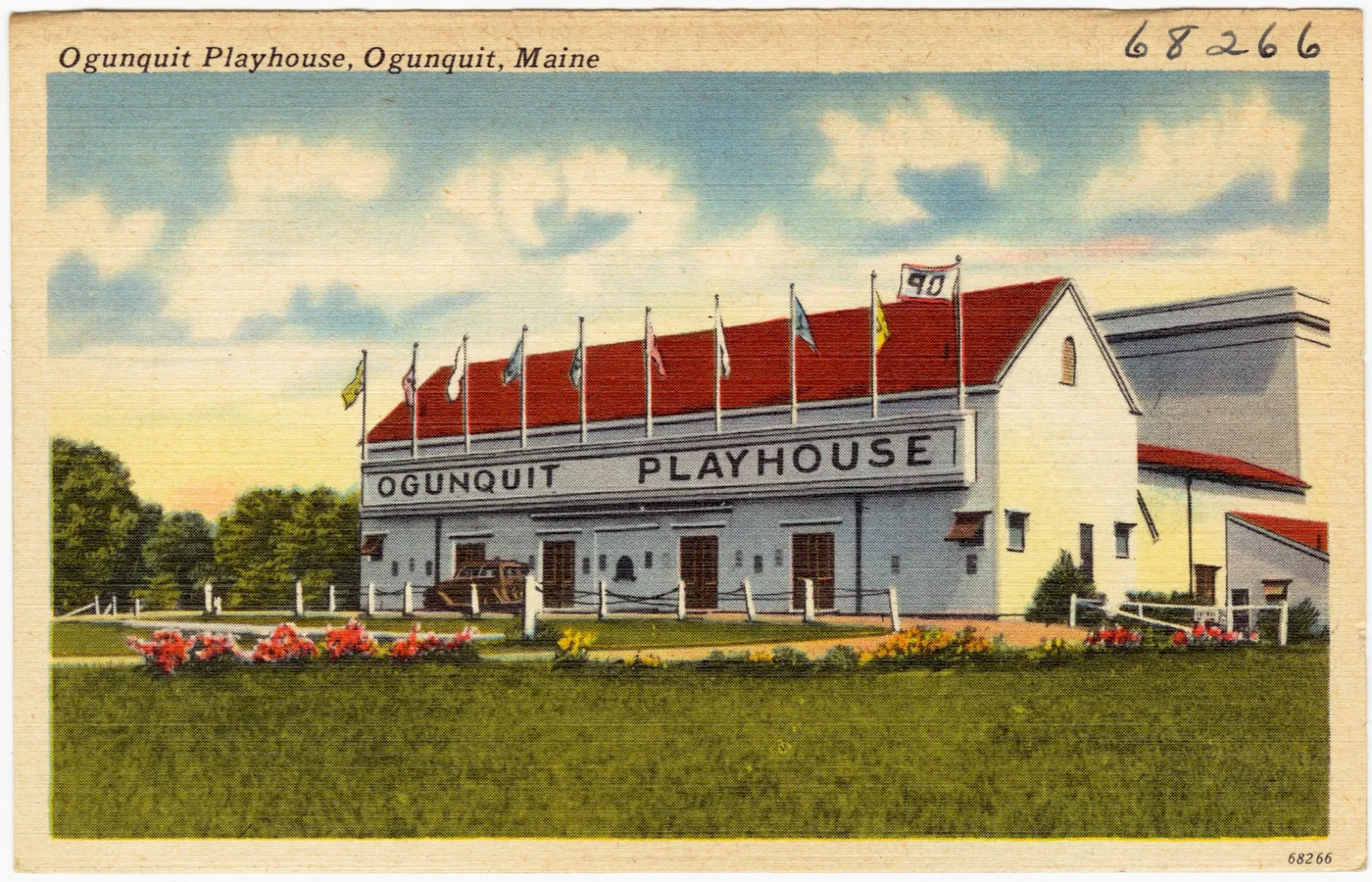
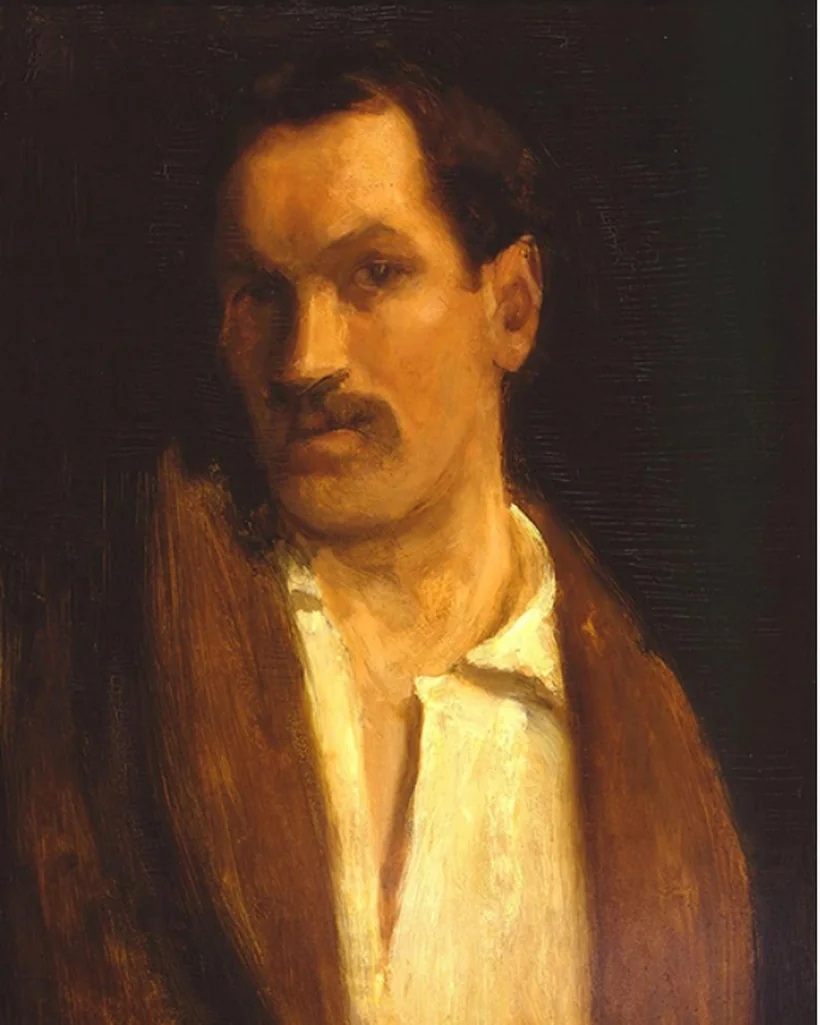
Historical images: public domain via Wikimedia Commons — John Singer Sargent / National Portrait Gallery, Hamilton Easter Field, and the Tichnor Brothers.
Price this market by the week, because that is how it books. Ogunquit's demand pattern is a family or a group planning a full summer holiday, often a year ahead, often returning to the same property, and pricing structured around two-night weekends misreads what the guest is doing. Set weekly rates for July and August as the primary product and set them early; the peak weeks here sell many months in advance and there is no need to hold back. The commercial opportunity, as in most short-season coastal towns, is at the edges. June is often lovely and is priced as though the season has not begun. September is frequently the best month of the year on this coast, with warm water by Maine standards, quiet beaches and the Playhouse season still running, and it is consistently undersold. October brings foliage traffic through southern Maine and a genuine, small autumn market that most owners here ignore entirely. Build those shoulders as their own products with their own photography and their own rates rather than as discounts on summer. Winter is essentially closed for most inventory and that is a reasonable commercial decision here. Two things to build into your rate card: the walk to the beach in minutes is the single strongest determinant of rate in this town, and the guest is paying Maine lodging tax on top of your figure.
A short, sharp season. July and August are the market, at high rates, booked far in advance and heavily weighted to full weeks. June is genuinely pleasant and under-priced, though the water is cold. September is often the best month of the year here and is the largest missed opportunity in the market: warm days, quiet beaches, and the Playhouse still running. October carries a small foliage and coastal-drive trade. From November to April the town is very quiet indeed and most rental inventory closes, which is a rational choice rather than a failure.
Start with a caution about the most-cited claim in this market. Secondary sources consistently report that Ogunquit imposes a seven-night minimum stay on short-term rentals, which would mean this is a Saturday-to-Saturday town by ordinance rather than by custom. That claim could not be confirmed from the Town's own published material during our research, and because it would fundamentally determine how a property here is priced, marketed and financed, it should be verified with the Ogunquit Town Clerk directly before you rely on it in any way. Do not print it in your listing as a rule until you have confirmed it. What is consistently reported and is more straightforward: owners must obtain Business Registration through the Town Clerk's Office, and the application process is now handled online. Registration is accompanied by compliance with the town's safety code, which includes smoke detectors on each level of the dwelling and in every bedroom, and carbon monoxide detectors where there are fuel-burning appliances. Those are not onerous requirements and they are the sort of thing an inspection will check. Separately from the town, operators need a Retailer's Certificate from Maine Revenue Services in order to collect and remit lodging tax, with returns filed monthly or quarterly depending on the volume of business. Maine's state lodging tax applies to short-term rental stays and has been reported at 9%; confirm the current rate with Maine Revenue Services rather than from a guide, since state rates change. Also verify the current registration fee and whether any occupancy cap applies to your property, since occupancy limits are commonly attached to registration in towns of this size and would affect both your marketing and your insurance. In a market this small and this seasonal, the town office is genuinely approachable and a direct conversation will resolve in ten minutes what a week of reading guides will not.
Measure the walk. In a town this compact, where nearly everybody arrives intending to spend the week on foot, the distance from your door to the beach and to the Marginal Way is the single most important piece of information in your listing, and it should be given in minutes rather than in vague adjectives. A guest carrying chairs, towels and small children experiences five minutes and fifteen minutes as completely different holidays. Second, sell the Marginal Way properly. It is a mile and a quarter of paved cliff path from the village to Perkins Cove, it is free, it has been public since 1925, and it is the best thing in the town. Photograph it in morning light and write it into the first paragraph. Third, write for a week, not a night. Weekly guests want to know what a Tuesday looks like: where to get coffee, which beach entrance is quietest, how the trolley works, when the Playhouse has matinees, where to buy lobster. A genuinely useful week-shaped guide is worth more here than any amount of interior description. Fourth, take repeat business seriously, because Ogunquit families return to the same house for years and a direct booking channel with a simple rebooking process protects a revenue stream that platforms will otherwise tax indefinitely. Fifth, sell September deliberately, with its own photographs and its own copy. It is the best month here and the market keeps pricing it as an afterthought.
The season is short and the annual revenue is concentrated into perhaps ten to twelve weeks, which makes every peak week consequential and leaves no room to recover a badly priced July. Property prices on this stretch of coast are high relative to what a short season can produce, so yields are thin. The uncertainty around the minimum-stay rule is a genuine planning problem until it is confirmed with the Town. Parking in the village is limited and is a recurring guest issue in summer. And competition from the neighbouring towns along Route 1 is constant, with Wells, Kennebunkport and York all fishing in the same pond for the same New England and mid-Atlantic families.
Insure an Ogunquit property on a policy written for paid guest occupancy, either a dedicated short-term rental product or a landlord policy carrying an explicit short-term rental endorsement, in writing. Standard homeowner's cover will generally decline a guest-related claim. Ask about liability limits, loss of income and guest belongings. Coastal exposure is the defining underwriting issue here. Wind is rated seriously on the Maine coast and your policy may carry a separate, higher hurricane or windstorm deductible expressed as a percentage of the insured value; confirm which and calculate what it would actually cost you. Flood is excluded from standard property policies and is a separate purchase, relevant for anything near the river, the marsh or the beach, and the flood zone designation for your specific parcel is worth checking rather than assuming. Because most inventory here closes for the winter, the vacancy provisions matter more than usual: many policies restrict cover on properties left unoccupied for extended periods, and freeze and burst pipe damage in an unheated coastal house is the classic Maine off-season claim. Confirm what the insurer requires when you close up. Platform host protection supplements a policy rather than replacing it.
Maine applies a state lodging tax to short-term rental stays, reported at 9%, and there is no separate local lodging tax layered on top in the way there is in many states, which makes the arithmetic here simpler than in most markets on this map. To collect and remit it you need a Retailer's Certificate from Maine Revenue Services, and returns are filed either monthly or quarterly depending on the volume of business you do; a seasonal property doing all of its trade in ten weeks will have a different filing pattern from a year-round operation. Confirm the current rate and your filing frequency with Maine Revenue Services directly rather than relying on a guide, since state lodging rates are periodically adjusted and guides lag. Registration for tax is separate from your Town Business Registration, and holding one does not create the other. Platforms may collect and remit the state lodging tax on bookings made through them, but the position on direct bookings is different and those generally remain your responsibility, which matters here because a weekly rental market with strong repeat business generates a high proportion of direct bookings. Ask your platform explicitly what it files. Ask your accountant how the income should be treated federally and for Maine purposes.
Financing a seasonal coastal property is a different exercise from financing a year-round one and it is worth going in with realistic expectations. Ogunquit prices are high relative to what ten to twelve strong weeks can generate, so debt service coverage is tighter than the headline nightly rate suggests, and a DSCR calculation on a genuinely seasonal income stream is unforgiving. Expect to bring more equity than you would in a year-round market. Conventional investment mortgages and portfolio products are available and local lenders on this coast understand seasonal rental income well, often better than national desks do, so it is usually worth talking to a Maine lender. Two property-specific issues recur. The first is insurance: wind and flood cover on the southern Maine coast has become more expensive and more conditional, and lenders will want the policy in place before closing, so establish availability and cost early rather than assuming it. The second is condition. Coastal houses here take a beating from salt air and winter, and much of the attractive inventory is older; expect the appraiser and the lender to look closely at roofing, windows, siding and heating systems, and budget for the maintenance cycle a house in this position genuinely requires.
Two things are worth watching. The first is the town's own rulebook. Small New England coastal towns have been steadily formalising short-term rental regulation over the past several years, moving from light registration toward occupancy caps, minimum stays, density limits and annual inspections, and Ogunquit's framework is currently at the lighter end of that range. Given that the minimum-stay question is already unclear enough that secondary sources and the town's published material do not obviously agree, an owner here should establish a direct line to the Town Clerk's office and keep it, rather than learning about a change from a guide six months late. The second is the shoulder season, which is a genuine and growing commercial opportunity. Warmer autumns have extended the comfortable period on this coast, September and early October are increasingly viable, and the visitors who come then are older, quieter, stay longer and complain less. Very little of the local inventory is marketed for that period. The owners who build proper autumn photography, autumn copy and an autumn rate card, and who own their guest relationships directly rather than renting them from a platform, will be the ones who turn a ten-week season into a sixteen-week one.
Ogunquit is a small town on the southern Maine coast whose name means beautiful place by the sea, and for once the marketing wrote itself three hundred years before marketing existed. It has three miles of sand on one side and rock on the other, and joining them is the Marginal Way, a mile and a quarter of paved path along the top of the cliffs that a farmer gave to the town in 1925 and that has been free to walk ever since. At the end of it is Perkins Cove, a working harbour with a pedestrian drawbridge that still goes up. What we like most is that this was an artists' town before it was a resort. Charles Woodbury opened a summer painting school at the cove in 1898 and taught here for decades; Hamilton Easter Field set up a rival modernist colony in 1911 in converted fishing shacks a short walk away, and the two of them disagreed productively for about thirty years. That is why there is a serious museum of American art on the shore rather than a gift shop with paintings in it. The Playhouse has been running since 1933. The town has been a warm and established destination for LGBTQ visitors for many decades, long before that was common. And in September, when everyone has gone, it is better than it is in August.
A great property in Ogunquit Maine Marginal Way doesn't just want a listing — it wants a point of view, an audience, and a brand the city itself would recognise.
Eight things to know about Ogunquit before writing listing copy, in a town that rents by the week and books a year ahead.
A mile and a quarter from the village to Perkins Cove, public since 1925 and free. The best thing here and the easiest to sell.
Restaurants, boats and a pedestrian drawbridge that is still raised for traffic. Walkable from most of the village.
Ogunquit Beach and Footbridge Beach north of the river. Measure the walk from your door in minutes; it decides the booking.
One of the significant summer theatres in the country, with a season running into autumn. Name the current season in your guide.
This town books Saturday to Saturday. Price weekly and write for a guest planning a whole holiday.
Warm days, quiet beaches and the Playhouse still running. Consistently the most under-priced period of the year.
Seasonal trolleys run the village and the beaches, which means guests can leave the car. Explain how it works.
A seven-night minimum is widely reported but not confirmed from the Town's own material. Check with the Town Clerk.
The three examples below are composite and illustrative. They reflect patterns common in short-season weekly-rental coastal towns, and they are not accounts of any particular business or client.
A house was marketed with nightly rates and two-night minimums in a town that books Saturday to Saturday, producing fragmented bookings, difficult changeovers and lower total revenue than neighbours letting full weeks.
We restructured the rate card around weekly stays, rewrote the listing for a guest planning a full holiday rather than a getaway, built a week-shaped guide covering what to do on a Tuesday, and set peak weeks for early release.
The property moved to full-week bookings through the peak, changeover costs fell, and total season revenue rose without any increase in the underlying nightly rate.
A listing described itself as close to the beach and near the Marginal Way without specifying distances, and was losing bookings to properties that gave exact walking times.
We measured and stated the walk from the front door to the beach entrance, to the Marginal Way and to Perkins Cove in minutes, photographed the route, and put the distances in the opening lines rather than in the amenity list.
Enquiries about location largely stopped, and the property began converting guests who had previously chosen competitors purely because those listings answered the question.
A property with families returning year after year was paying platform fees on every one of those repeat bookings, with no direct channel and no way to reach past guests before the season opened.
We built a direct booking site on the owner's own domain with a simple rebooking process for returning families, set up an email list, and put a post-stay sequence in place inviting guests to reserve the same week for the following year.
A substantial share of returning bookings moved to the direct channel, peak weeks began filling earlier through repeat guests, and the fee burden on the most loyal customers dropped.
Demand in Ogunquit peaks around June through August and runs quietest around January, February and November. Here is how the year actually books — and what to do about each stretch of the calendar.
July and August are the market, they book by the week rather than the night, and they are frequently reserved a year in advance by families returning to the same property. Set weekly rates for the peak early and firmly, because these weeks have to carry the year and there is no recovering a badly priced July.
June is genuinely lovely and priced as though the season has not begun, and September is often the best month of the year on this coast, with warm days, quiet beaches and the Playhouse still running. Both are consistently undersold. October brings a small but real foliage and coastal-drive trade that most owners here ignore entirely.
From November through April the town is very quiet and most rental inventory closes, which is a rational commercial decision rather than a failure. Use the closed months for maintenance, for reshooting, and for reaching last year's guests before the calendar opens, because repeat business in this market is unusually strong.
Peak weeks book extremely far ahead, frequently a year, and a large share of them go to returning guests before they ever reach a platform. The shoulders book much closer in, which is why they stay under-priced.
Full weeks, Saturday to Saturday, are the market rhythm through the peak. Shoulder-season stays are shorter, typically three or four nights. Winter, when anything books at all, books long.
The walk to the beach and to the Marginal Way, measured in minutes from your front door, is the single strongest determinant of rate in this town. Space for a family staying a full week matters more than finish level. Outdoor space where people can sit after the beach is worth a great deal.
Start with photography that shows what a guest actually gets here, then write the listing around a real itinerary rather than a feature list. Build a direct-booking site so returning guests can come back without going through a platform, and keep an email list segmented by season so you can reach last year's visitors before the calendar opens. Local search matters more than people expect in a market this size, because guests search the destination and the attraction rather than the word rental. A marketing agency layer handles the photography, the listing copy, the direct-booking site and the local SEO as one system instead of four disconnected jobs.
July and August are the market and they book by the week, often a year ahead. June is lovely and under-priced, and September is frequently the best month of the year with warm days and quiet beaches. From November through April the town is very quiet and most rentals close.
Peak summer weeks book extremely far ahead, frequently a year, and many go to returning families before they ever reach a platform. The shoulder months book much closer in, which is a large part of why they remain under-priced.
A New England and mid-Atlantic drive market with Boston the dominant feeder, plus Portland, Hartford and Providence, and families who have been coming for generations. Because so much of the demand is repeat, a direct booking channel is worth more in this town than in almost any other market.
An outdoor shower and somewhere to leave sandy things matter enormously in a beach town where guests stay a week. Beyond that, parking, a full kitchen, laundry and outdoor seating carry the most weight for a family in residence for seven nights.
Run your Airbnb, Vrbo, or website through Cavmir's free grader. It checks the things that decide whether guests book in Ogunquit — photos, listing copy, page speed, local search — and shows you where bookings leak. Takes about a minute, and there's no sales call attached.
If the report says your booking engine is the weak link, that's fixable: a direct-booking website of your own means repeat guests stop paying platform fees to come back to you. That's the work Cavmir does — see Airbnb website design in Ogunquit.
Send us the listing and we'll tell you what we'd change. Not a pitch deck — a straight read on your photos, your title, your rates against the Ogunquit comp set, and whether a direct-booking site would pay for itself.
You'll hear back from a person, usually inside one business day. If we don't think we can move your numbers, we'll say so. Cavmir is a short-term rental marketing agency — we position and market properties, we don't manage them.
Talk to Cavmir today. We'll show you exactly what your Ogunquit property is leaving on the table — and how fast we can change that.
Book a Free Strategy CallPhotography via Wikimedia Commons (images resized and cropped): Main rock formation overlooking Ogunquit Beach from the Marginal Way IMG 8974 FRD by Fred Hsu on en.wikipedia (CC BY-SA 3.0) · Perkins Cove 2 by Captain-tucker (CC BY-SA 3.0) · Ogunquit Beach, Maine, USA23 by dconvertini (CC BY-SA 2.0) · Ogunquit Playhouse by B Lee Mannino (CC BY-SA 3.0) · Ogunquit-river-low-tide (august 2006) by Dennis Brennan (CC BY 2.5) · Ogunquit-river-high-tide (august 2006) by Dennis Brennan (CC BY 2.5).
