$315
Avg. Nightly Rate
63%
Avg. Occupancy Rate
$5,300
Avg. Monthly Revenue
5-8%
Est. Cash-on-Cash ROI
HIGH
Seasonality
HEAVY
Regulatory Burden

* Market averages. Cavmir-managed properties typically exceed these figures by 25–45%. Data sourced from AirDNA, STR market reports, and Cavmir internal analytics.

The Market

Why Portland is One of the World's Premier STR Markets

Portland is a working waterfront city of about 68,000 that punches far above its weight as a food destination — the Old Port's cobblestone streets are lined with James Beard winners, oyster bars and breweries, and travel press has been calling it one of America's best small food cities for a decade. Add Portland Head Light, the Casco Bay islands and the Eastern Promenade, and you get a guest who comes for a long weekend of eating and walking rather than a beach week. The catch for owners: the city runs one of New England's tighter short-term-rental regimes, with a hard cap on non-owner-occupied units. That cap cuts both ways — it's a wall for new entrants, and a moat for everyone already registered, including the boutique inns and small hotels that don't fall under it at all.

Summer is the engine — June through October, with July and August fully booked and the fall foliage-and-lobster window nearly as strong. Occupancy runs high for a seasonal market, low-60s across the year, on blended rates around $315 a night. The guest mix is couples and small groups from Boston, New York and beyond, booking around restaurant reservations as much as sights; walkability to the Old Port and the East End is the premium that matters most. Because the city's cap keeps non-owner-occupied supply scarce, registered units face structurally limited competition — and boutique inns, guesthouses and small hotels compete in the same search results with none of the cap's constraints. Winter is quiet but not dead; the food scene keeps weekends alive year-round.

Top Attractions & Landmarks

  • Old Port district
  • Portland Head Light
  • Eastern Promenade
  • Peaks Island
  • Portland Museum of Art
  • Allagash Brewing Company
  • Fore Street

Nearby Markets: Bar Harbor  |  Boston  |  Stowe

Airbnb marketing services in Portland, Maine, USA
Postcards

Portland through the lens

A few of the visual fingerprints we lean into when we shoot, brand and market a Portland property — courtesy of the open Wikimedia Commons archive.

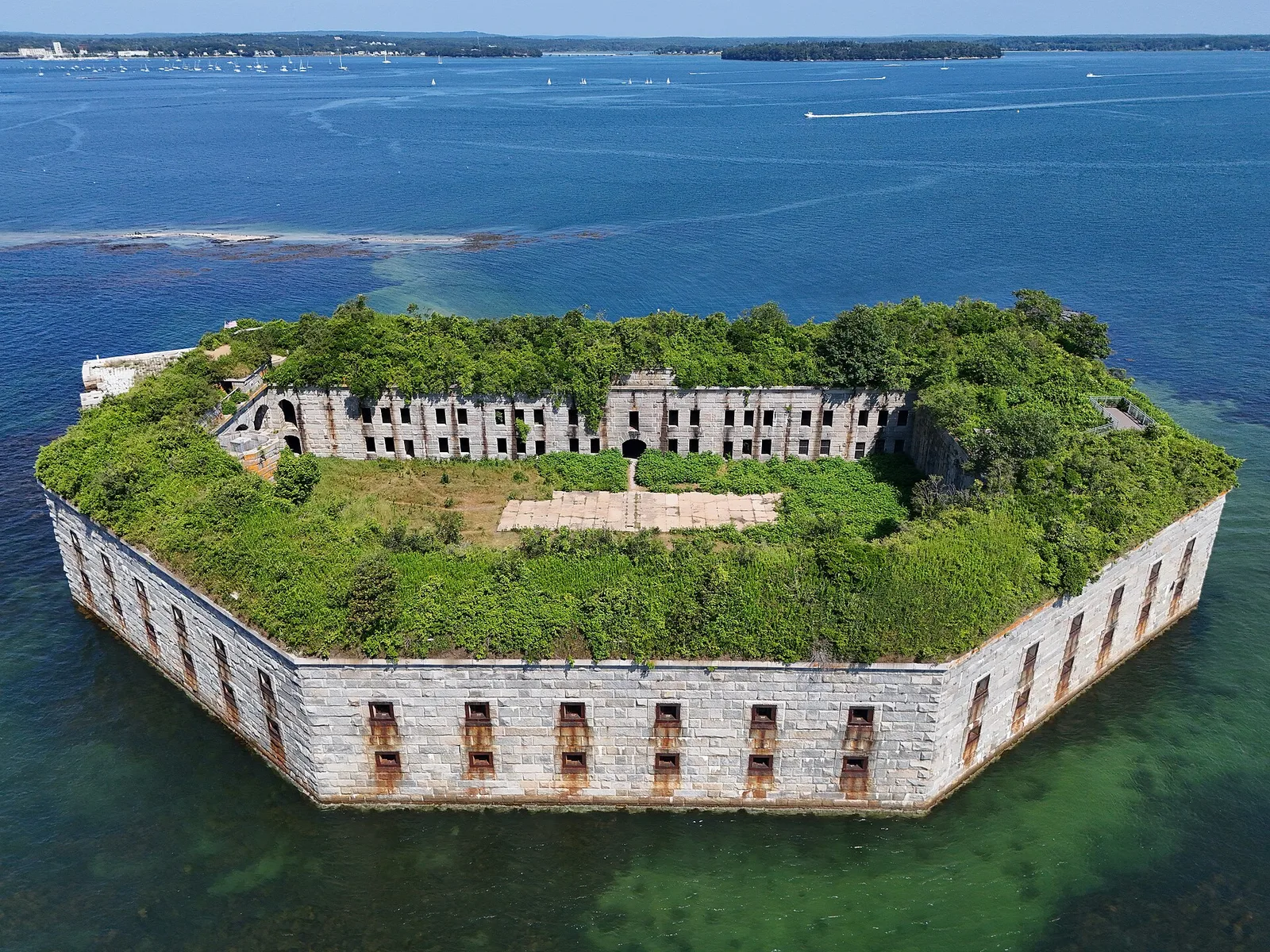
Fort Gorges in Portland, Maine — Portland airbnb marketing
Local Color
Fort Gorges in Portland, Maine
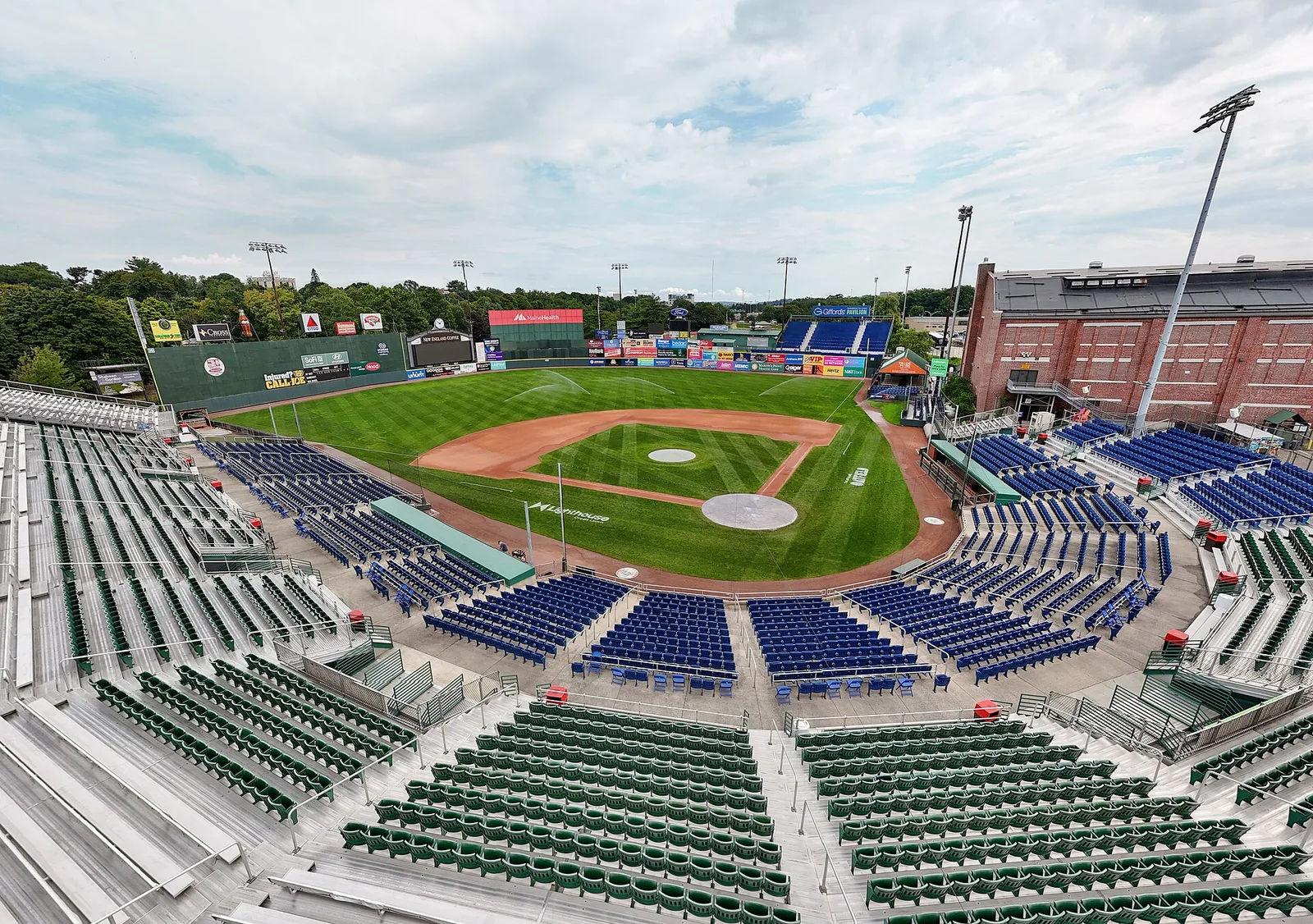
Hadlock Field, Portland Sea Dogs — Portland airbnb marketing
Local Color
Hadlock Field, Portland Sea Dogs
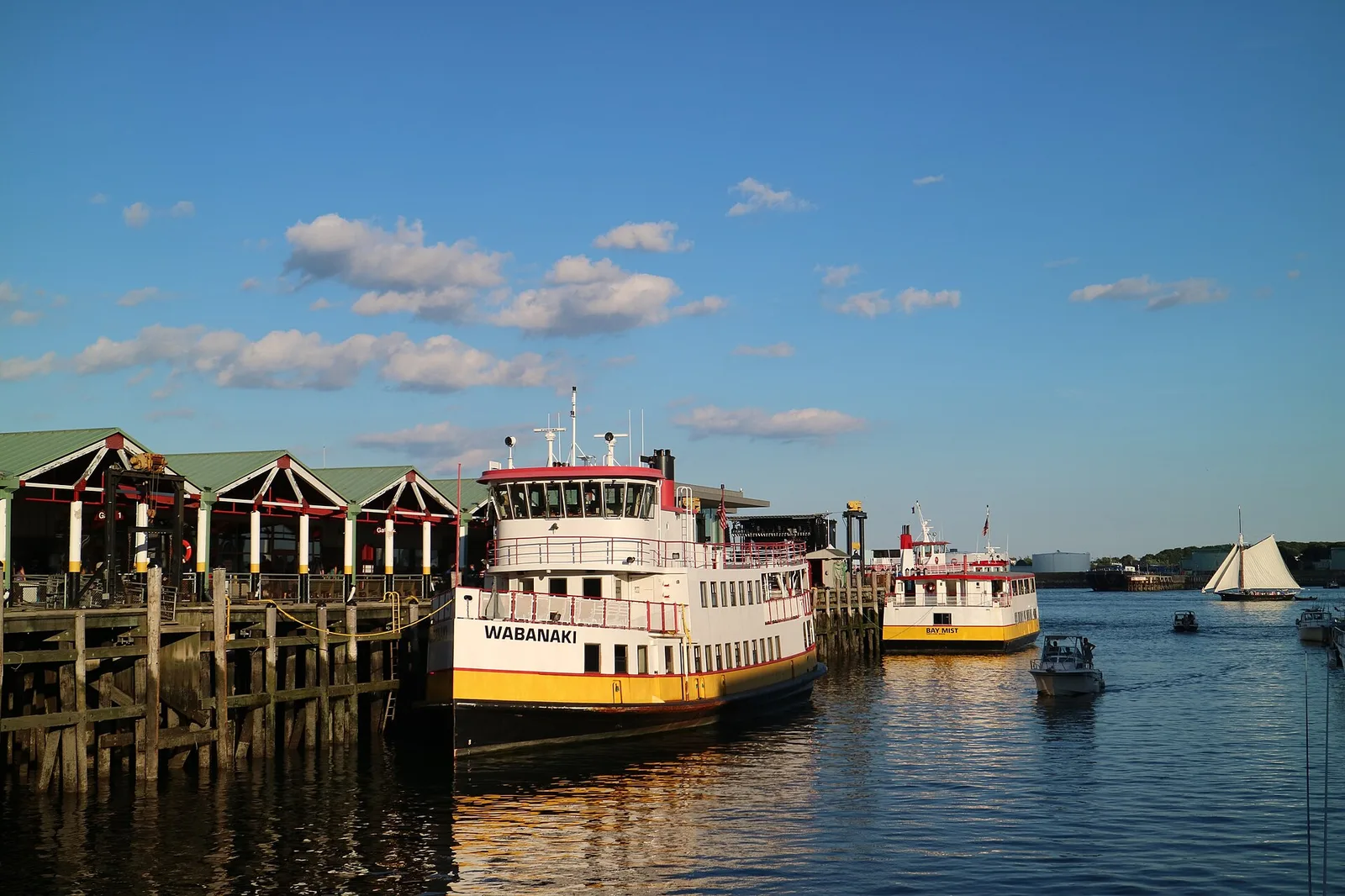
Portland Waterfont — Portland airbnb marketing
Local Color
Portland Waterfont
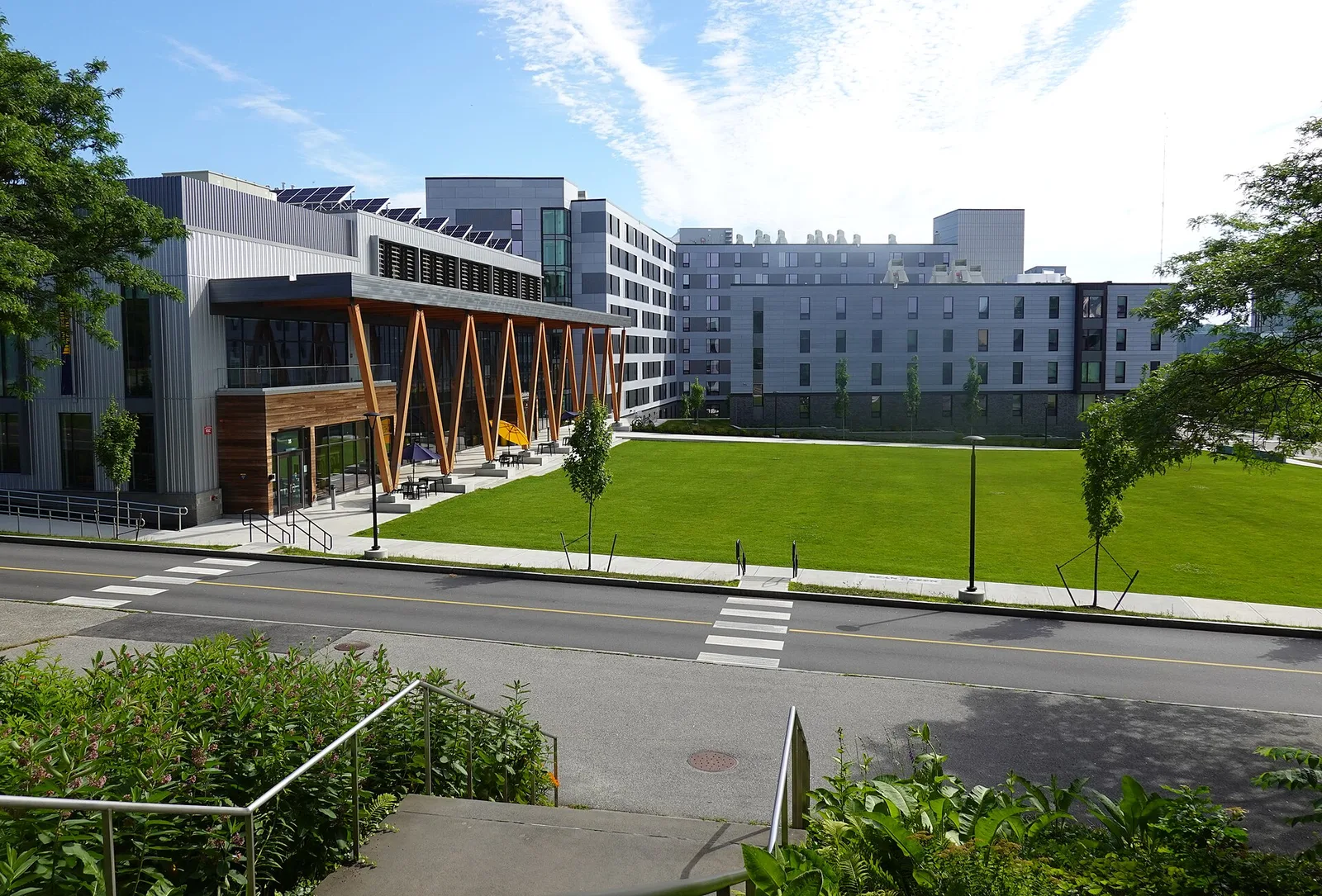
USM Portland Quad — Portland airbnb marketing
Local Color
USM Portland Quad
Why Cavmir

The Cavmir Advantage
in Portland

Cavmir works Portland for two kinds of clients: registered short-term-rental operators who want their scarce permit earning at full potential, and boutique inns and small hotels that need real marketing — photography, a direct-booking website, channel strategy — to stop renting their brand to the OTAs. In a supply-capped market, presentation and a direct channel compound faster than anywhere. We help position and market your property. We never manage it or touch your keys.

State of the Industry · History

The Portland STR Market — Past & Present

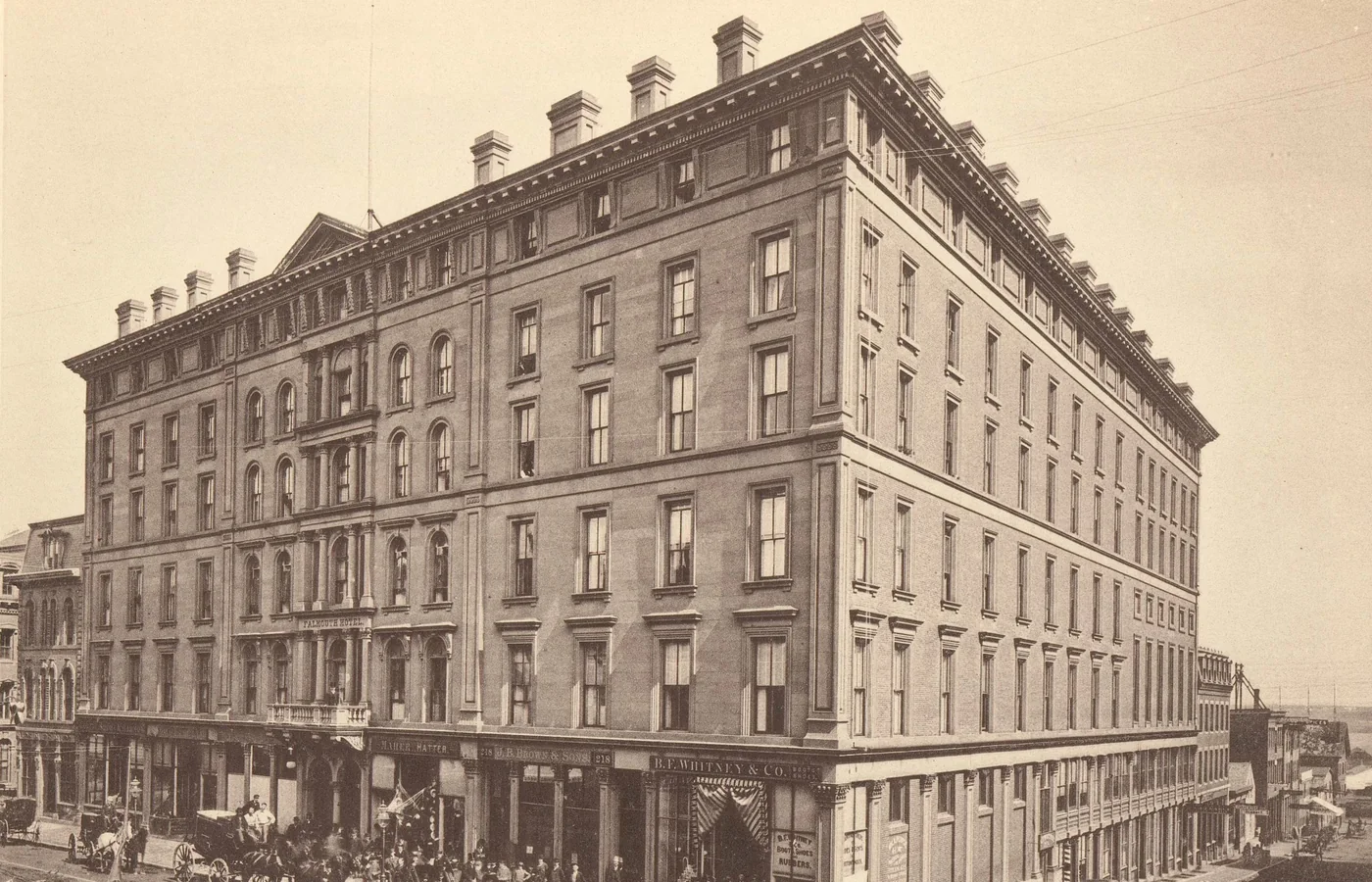
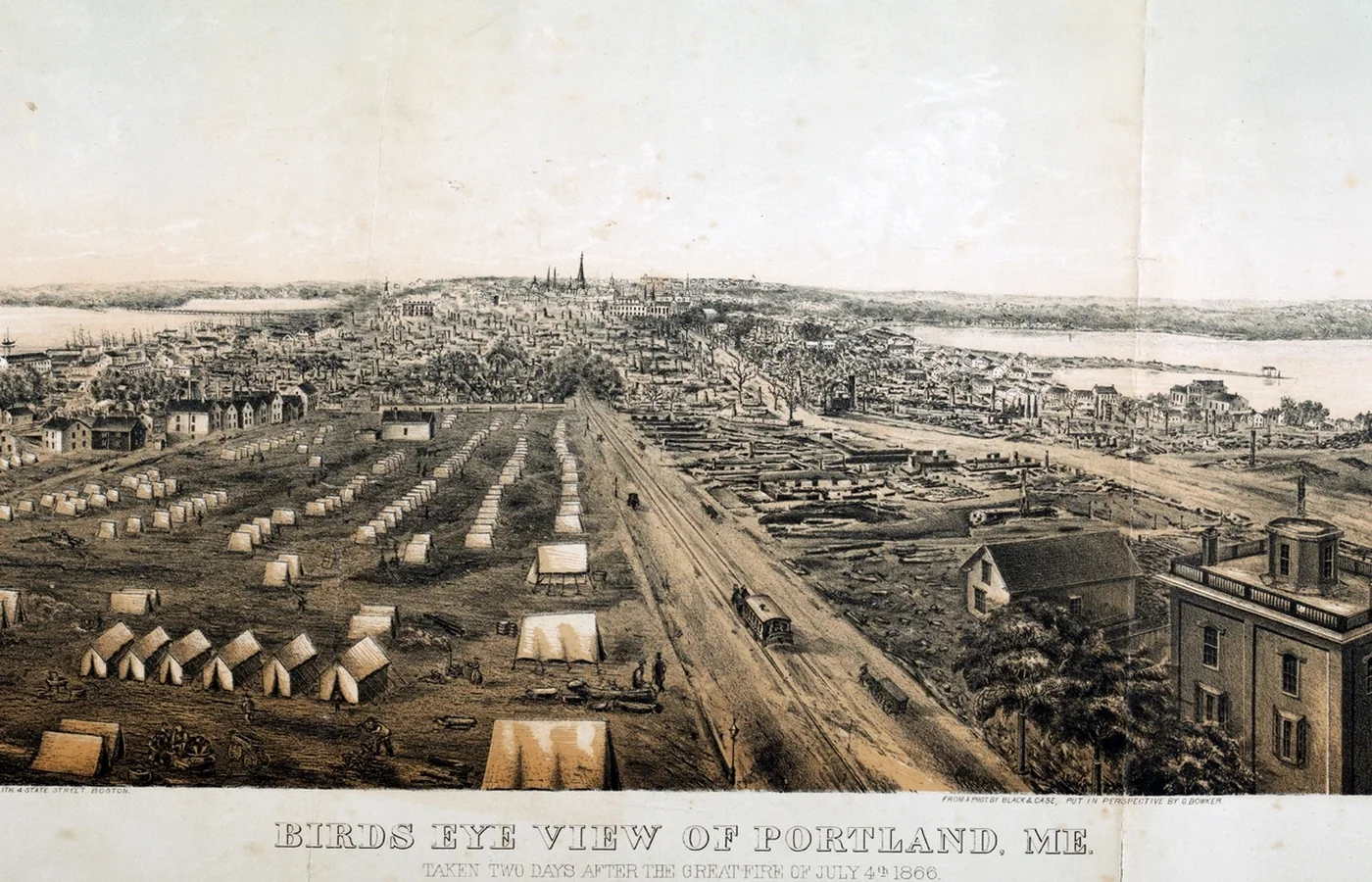
Portland has burned to the ground four times — most catastrophically in the Great Fire of 1866, which leveled a third of the city — and its official seal carries a phoenix and the motto Resurgam: I shall rise again. The city that rose from the 1866 fire is largely the one guests photograph today: the brick Victorian commercial blocks of the Old Port, rebuilt all at once in the confident style of the era, running down to a harbor that has worked continuously since the 1630s. For most of the twentieth century this was a fishing and shipping town with no tourist pretensions; the waterfront smelled of bait, and the Old Port was half-derelict as late as the 1970s.

The reinvention came in two waves. Preservationists and small businesses recolonized the Old Port's cheap brick storefronts in the 1980s and 90s, and then the chefs arrived: Fore Street's wood-fired kitchen earned national attention in the late 1990s, and over the following two decades Portland stacked up James Beard awards and best-food-city lists out of all proportion to its 68,000 people. Eventide Oyster Co., Duckfat, Allagash's Belgian-style brewery and a hundred others turned a working port into a destination where dinner reservations drive travel plans. The lodging market grew with it — boutique hotels in converted warehouses, guesthouses on Munjoy Hill — and when short-term rentals surged, the city answered with one of New England's firmer regulatory regimes: registration, inspections and a hard cap on non-owner-occupied units that has made an existing registration a genuinely scarce asset.

Pricing Strategy & Seasonality

Pricing, Seasonality & When to Capture ROI

Pricing Strategy

Walkability sets the price. Units in and around the Old Port and the East End/Munjoy Hill — where guests can walk to dinner — command the top of the market, with peak-summer nights well above the blended average. The West End's Victorian streets trade close behind on charm. Across the water, South Portland and Cape Elizabeth sell lighthouse proximity and quiet at a step down. Blended estimates run near $315 a night at low-60s occupancy — high occupancy for a seasonal market, held up by scarce permitted supply. Boutique inns and guesthouses price above the STR market and, with marketing, earn it; the food-driven guest pays for location and polish over square footage.

Seasonality & ROI Windows

June through October is the season, with July and August effectively full and September–October nearly as strong — foliage, shellfish and shoulder-season couples keep fall humming. Winter is the quiet stretch, but the restaurant scene keeps weekends alive year-round in a way pure beach markets can't match. The underpriced windows are May, early June and late October — shoulder weeks where the food city sells itself if anyone bothers to market it.

Regulation & Licensing · 2026

What the Law Requires in Portland

Portland regulates short-term rentals firmly, and the headline is the cap: non-owner-occupied mainland STRs are capped by formula — 1.5% of the previous year's registered long-term rentals, which for 2026 works out to 293 units. New registrations in that category are effectively unavailable unless an existing operator fails to renew, and a waitlist governs the queue. Peaks Island runs its own small allotment (around 40 non-owner-occupied units).

Owner-occupied rentals — renting a unit in your own home or on your own property — remain the accessible path and aren't subject to the same cap. All STRs must register annually with the city, with tiered fees that rise steeply per additional unit (roughly $100 for a first owner-occupied unit up to $4,000 for a fifth non-owner-occupied unit), plus safety inspections and life-safety requirements. Fines for operating unregistered are significant and enforced.

Two important edges: the cap applies inside Portland city limits — South Portland, Cape Elizabeth and neighboring towns run their own, different rules — and traditional lodging (boutique hotels, inns, guesthouses) is licensed separately and isn't part of the STR cap at all. The rules have been amended several times since 2017 and the cap number resets annually, so confirm current requirements with the city's Housing Safety Office in writing before you list.

Market-Specific Tips & Challenges

Local Tips & Unique Market Challenges

Tips That Actually Move Revenue in Portland

The Portland strategic tip: treat your registration like the scarce asset it is. With the non-owner-occupied cap at 293 units and a waitlist behind it, a registered Portland STR is closer to a taxi medallion than a listing — the upside isn't adding units, it's making the one you have earn like a boutique hotel room. That means presentation, rate discipline and a direct channel, not volume.

Tactically: first, sell the walk. Your best amenity is the ninety seconds between the front door and dinner — name the restaurants, shoot the streetscape, map the walk in your listing. Second, build a direct-booking website and a guest email list; food-driven guests return annually and book around reservations, and capturing them direct compounds fast in a supply-capped market. Third, market the fall like a second summer — September and October couples are the highest-margin guests of the year and most listings never speak to them. Fourth, keep your registration bulletproof: renew early, pass inspections, display what the city requires. Losing a capped registration over paperwork is an unforced error you can't buy back. Fifth, if you run an inn or guesthouse, act like a brand, not a listing — direct bookings, photography and a real website move revenue more for a ten-room property than any OTA ranking tweak ever will.

Unique Portland Challenges

The cap giveth and the cap taketh: it protects incumbents but forecloses growth inside city limits, and registration slip-ups are expensive. Winter is genuinely slow for rooms even while restaurants stay busy. Parking in the Old Port is a real guest friction that listings must address honestly. And neighborhood sentiment on STRs stays politically live, so the rules can tighten again — operating impeccably is the best insurance.

A Curious Portland Fact
Portland's city seal is a phoenix, and its motto is Resurgam — I shall rise again — earned the hard way: the city burned catastrophically four times, including an 1866 Fourth of July fire that destroyed a third of it and left ten thousand people homeless. The brick Old Port that guests photograph today is the phoenix itself, rebuilt nearly all at once in the fire's aftermath. A city that rebranded from its own ashes has, fittingly, reinvented itself again as one of America's great small food cities.
Finance Essentials — Portland
🛡️

Insurance

Standard homeowner's coverage doesn't extend to commercial short-term renting, so plan on a proper STR or landlord policy with strong liability limits. Portland adds coastal weather exposure — nor'easters, wind and water — and older housing stock brings its own underwriting questions (knob-and-tube wiring, oil tanks). Inns and guesthouses need commercial hospitality coverage, a different product entirely. A Maine agent who writes both will tell you which side of the line your operation actually sits on; ask before your first guest.

🧾

Property & Income Tax

Maine applies a statewide 9% lodging tax to short-term stays — no separate local occupancy taxes to stack, which keeps the math cleaner than most New England markets. Platforms like Airbnb generally collect and remit it on their bookings, but direct bookings are on you, which matters more as you build a direct channel. Add Maine and federal income tax on earnings, plus the city's registration fees as an operating cost. Confirm your setup with your accountant, especially if you cross from STR into licensed-lodging territory.

🏦

Mortgages & Financing

Investment purchases here carry a wrinkle lenders increasingly understand: the cap. A non-owner-occupied unit you can't register is simply a long-term rental as a business plan — so resolve registration status before underwriting, not after. Otherwise expect standard second-home and investment terms: larger down payments, reserves, DSCR options where income documentation is strong. Owner-occupied paths — renting units in your own building — finance conventionally and remain the most accessible way into this market. Talk to a lender who's closed STR deals in Portland specifically.

Future Outlook · 2027 & Beyond

Where Portland is Headed Next

Portland's trajectory favors whoever already holds a position. The food reputation keeps compounding — the city draws national press annually without buying it — while the cap formula holds non-owner-occupied supply roughly flat, and coastal New England demand keeps rising. That's the textbook setup for rate growth over unit growth: incumbents with strong presentation take the gains, and the marginal operator exits via failed renewals. Expect the boutique-lodging layer to keep expanding — converted warehouses and guesthouses outside the cap — which raises the presentation bar for everyone, and expect fall to keep lengthening into a true second season as food-and-foliage travel grows. The rules will keep evolving; the durable play is an impeccably compliant registration, photography that sells the walk to dinner, and a direct-booking base of returning guests who plan next year's trip before this year's checkout.

From the Desk of Sofie Sinag

Why We Love Marketing in Portland

Portland is the rare market where the city itself does the storytelling and the operator just has to keep up. The guest is coming for dinner — literally planning the trip around reservations — and the marketing writes itself if you respect that: name the restaurants, shoot the cobblestones, map the ninety-second walk from your door to the oyster bar. We love working in a place where the honest pitch is also the best one. No superlatives required; the food press wrote them already.

We also love what the cap did to this market, even though it frustrates newcomers: it made quality the only growth strategy. A registered operator here can't add units, so every dollar of improvement flows into rate, occupancy and repeat guests — which is exactly the work we do. And the boutique-inn side of Portland is the sleeper opportunity: a ten-room guesthouse in a converted brick warehouse competes with every STR in the city, sits outside the cap entirely, and usually markets itself like it's 2009. Giving a property like that real photography, a direct-booking engine and a story is some of the highest-return work in New England. A supply-capped food city ninety minutes from Boston — the fundamentals do the heavy lifting; we make sure our clients are the ones collecting.

Why It Matters

A great property in Portland doesn't just want a listing — it wants a point of view, an audience, and a brand the city itself would recognise.

Cavmir's Portland Cheat Sheet

The Picks We Recommend for Your Welcome Book

A few honest, insider picks on and off the peninsula — the specifics that make a Portland listing read like a local wrote it. Real places, no filler.

Morning

Eastern Promenade at sunrise

The Prom faces east over Casco Bay, so sunrise is the show — islands silhouetted, lobster boats already working. It's a ten-minute walk from Munjoy Hill listings, and the photo makes any East End listing.

Golden Hour

Portland Head Light

Maine's oldest lighthouse, commissioned under George Washington and lit in 1791, on the rocks of Cape Elizabeth twenty minutes from downtown. Late light on the white tower and the surf is the most photographed scene in the state — send guests anyway.

Neighborhood Walk

Wharf Street, Old Port

The cobblestoned lane that carries Portland's whole reinvention in two blocks — gas lamps, brick warehouses, restaurant doors every few steps. Walkability to this street is the premium your pricing rests on; show it.

Dinner That Photographs

Fore Street

The wood-fired kitchen that put Portland on the national food map in the 1990s, still working its open hearth in a converted warehouse. Book well ahead — and tell guests that walking in at 5:30 for the bar sometimes works.

Local Obsession

The Holy Donut

Potato doughnuts — dark chocolate sea salt, maple — made from Maine potatoes, with lines out the door. It's the small, specific institution that tells a guest this food city runs deeper than its tasting menus.

Shoulder Season Secret

October on the working waterfront

Foliage hits the harbor, the summer crowds are gone, and the restaurants breathe again. Fall couples are Portland's best-kept margin — the city at its most photogenic with reservations you can actually get.

Weekend Escape

Peaks Island by ferry

Fifteen minutes on the Casco Bay Lines ferry to an island of golf carts, back-shore surf and skyline views from the deck. It's the two-hour escape every guest thanks you for — put the ferry schedule in your guidebook.

What Guests Ask For

Parking, honestly

The Old Port's charm comes with scarce parking, and it's the first practical question in every inquiry. State plainly what your listing offers — dedicated spot, garage validation, or street-permit reality — and you'll win bookings from vaguer competitors.

Local Work · Composite Case Vignettes

What Cavmir Has Done for Portland Properties

A few composite engagements drawn from how Cavmir typically works in Portland. The details are illustrative and consistent with the market, not pulled from a single named client.

Registered condo · Old Port edge
The Brief

A one-bedroom holding a scarce non-owner-occupied registration earned like ordinary inventory — dim photos, no mention of the three-minute walk to Wharf Street, and summer pricing left flat across the fall food-and-foliage season.

What We Did

Cavmir reshot the unit and the streetscape between the door and dinner, rebuilt the copy around the restaurant walk with named anchors, retiered pricing for the September–October surge, and stood up a direct-booking page aimed at returning food-weekend couples.

The Result

Fall occupancy caught up to summer, the unit began commanding a walkability premium its location had always justified, and repeat guests started booking their next trip direct before checkout.

Boutique guesthouse · West End
The Brief

A nine-room inn in a Victorian pile ran nearly full in August and half-empty the rest of the year, with OTA commissions eating the margin and a website that hadn't been touched in a decade.

What We Did

Cavmir rebuilt the inn's brand and direct-booking website, shot the property and the neighborhood properly, created seasonal packages built around the restaurant scene, and shifted paid spend toward the shoulder months where the inn had room to grow.

The Result

Direct bookings grew into a meaningful share of revenue at lower acquisition cost, shoulder-season weekends firmed up around the food-city positioning, and the inn stopped renting its own brand back from the OTAs.

Owner-occupied units · Munjoy Hill
The Brief

An owner renting two units in her own three-family — the accessible path under Portland's rules — presented them like spare rooms, with no story about the Hill, the Prom or the sunrise over the bay a block away.

What We Did

Cavmir positioned the units around the East End neighborhood experience, photographed the Prom walk and the harbor light, wrote host-forward copy that made the owner's presence a feature, and set rates against the hotel comparisons the location deserved.

The Result

Both units moved upmarket in rate with stronger review scores, guests began choosing the property for the neighborhood rather than despite the price, and the owner's compliant, owner-occupied setup became the selling point it should have been all along.

Ready to Grow in Portland?

Let's Put Your Portland
Property on the Map

Talk to Cavmir today. We'll show you exactly what your Portland property is leaving on the table — and how fast we can change that.

Book a Free Strategy Call